Forth Rd Bridge, Stirling Travel Guide
Walk or cycle across Scotland's iconic 1964 suspension bridge for breathtaking Firth of Forth views and engineering heritage.
An iconic suspension bridge spanning the Firth of Forth between Edinburgh and Fife, the Forth Road Bridge opened in 1964 as Europe's longest suspension bridge and remains a marvel of mid-20th-century engineering. Walk or cycle across its 1.5-mile length on dedicated pathways to experience breathtaking views of the river, surrounding coastline, and the historic Forth Bridge. Free to cross 24/7, it offers a unique perspective on Scotland's industrial heritage and natural landscape.
A brief summary to Forth Rd Bridge
- GB
- Duration: 0.5 to 2 hours
- Free
-
 Outdoor
- Mobile reception: 5 out of 5

Know before you go
Hi, I'm Eve. Here are a few practical things to know before exploring Forth Rd Bridge.
- Check wind conditions before visiting; the east footpath closes when winds exceed 50 mph. The west footpath is routinely closed for maintenance, so verify which path is open via the Planned Roadworks page.
- Wear comfortable walking shoes and bring water. The crossing takes 30–45 minutes depending on pace. Weekday mornings and evenings offer quieter experiences than peak traffic times.
- Start from South Queensferry to access the Forth Bridges Viewpoint, coffee kiosk, and toilets. The viewpoint provides excellent panoramic views of all three bridges before or after your walk.
- Combine your bridge walk with the circular Forth Bridges Trail to explore the historic settlements of North and South Queensferry and nearby attractions including Deep Sea World and the Pierhead Museum.
- For photography, visit during golden hour (sunrise or sunset) for dramatic lighting. The bridge offers numerous angles to capture the engineering and Scottish coastline.
Do you manage this location?
Take control to get all the benefits, like improved information, better appearance, and stronger visibility across AI-powered discovery. Learn more about listing your business on Evendo
Activate your presenceOther nearby places you may find interesting
The closest places of the same kind, if this one is not quite what you had in mind.
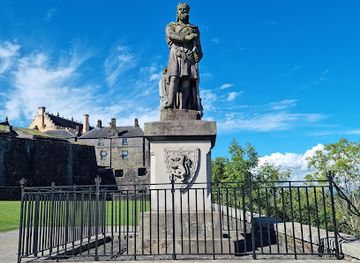
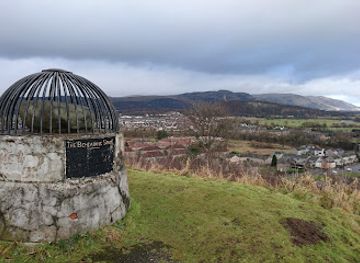
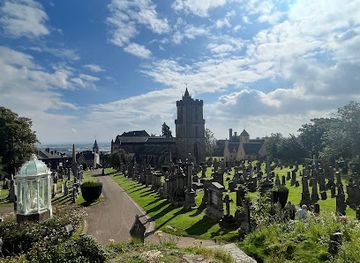
Explore Forth Rd Bridge on the Map
A handpicked selection of must-see spots near Forth Rd Bridge, mapped for you.
Unlock the Best of Forth Rd Bridge
Buy tickets
-
No tickets available
Book tours with entry


Getting There
-
Bus from Edinburgh City Centre
Regular bus services operate across the Forth Road Bridge from Edinburgh city centre to Fife destinations. Journey time from Waverley Bridge to South Queensferry is approximately 20–25 minutes depending on traffic. Services run throughout the day with frequent departures. No booking required; pay on board or use a contactless card. Buses provide direct access to the bridge and South Queensferry viewpoint area.
-
Train to Dalmeny or North Queensferry Station
ScotRail services connect Edinburgh Waverley to Dalmeny Station (approximately 15 minutes) or North Queensferry Station (approximately 25 minutes). From either station, the bridge is within walking distance. Dalmeny Station is closer to the south end of the bridge. Return trains run regularly throughout the day. Standard off-peak fares apply; advance booking recommended during peak times.
-
Car with Parking at South Queensferry
Free car parking is available at the south end of the bridge in South Queensferry. Journey time from Edinburgh city centre is approximately 20–30 minutes depending on traffic conditions. The Forth Road Bridge carries vehicular traffic 24/7 with no tolls for private vehicles. Parking fills quickly during peak times and weekends; arrive early or consider alternative transport.
-
Cycling via National Cycle Route 1
The east footpath links into National Cycle Route 1, providing a dedicated cycling route across the bridge. The 1.5-mile crossing takes approximately 15–20 minutes by bicycle. The route is open at all times except during high winds exceeding 50 mph. Cycling is a popular option for both commuters and leisure visitors, offering flexibility and direct access to Fife.
For the on-the-go comforts that matter to you
-
 Restrooms
-
 Drink Options
-
 Food Options
-
 Seating Areas
-
 Information Boards
-
 Trash Bins
Discover more about Forth Rd Bridge
A Bridge That Changed Scotland
The Forth Road Bridge stands as a testament to post-war British engineering ambition. Opened by Queen Elizabeth II on 4 September 1964, it was the longest suspension bridge outside the United States at the time and the fourth longest in the world. This engineering triumph replaced an 800-year-old ferry service that had operated continuously since Queen Margaret established it in the 11th century to transport pilgrims to Dunfermline Abbey and St Andrews. The bridge's arrival marked the end of an era, with the Queen symbolically returning by boat—the final journey of the ancient ferry service that had shaped the communities of North and South Queensferry for centuries.Engineering Marvel of the Modern Age
The construction of the Forth Road Bridge was a monumental undertaking that required Britain's three largest engineering firms to join forces. Sir William Arrol & Company, The Cleveland Bridge & Engineering Company, and Dorman Long formed a consortium known as the ACD Bridge Company Ltd, working under the design supervision of Freeman Fox & Partners and Mott, Hay & Anderson. Work began in September 1958 and presented unprecedented challenges. The wire-spinning technique used to create the bridge's massive cables had never been employed in Europe before, necessitating the establishment of a dedicated training school in South Queensferry. Workers spun approximately 30,000 miles of wire—enough to circle the world 1.25 times—using a pulley system to construct the cables that would support the entire structure. By 1962, this monumental task was complete. The roadway was then built outward from the towers with meticulous precision, and on 20 December 1963, the final two box girders were swung into place, wrapped in the Union Jack and Lion Rampant. Remarkably, when the two halves of the bridge met in the middle, they were no more than an inch out of alignment. The final construction bill reached £19.5 million, a substantial sum for the era.Crossing the Forth: A Sensory Experience
Today, the Forth Road Bridge welcomes millions of visitors annually who experience it on foot or by bicycle. The bridge stretches 1.5 miles across the Firth of Forth, with dedicated pathways on either side offering unobstructed views of the water, surrounding landscape, and the two other Forth bridges. Walking the bridge typically takes 30 to 45 minutes depending on pace and photo stops. As you traverse the structure, you become acutely aware of its engineering—the gentle sway beneath your feet, the sound of wind and traffic, and the sense of being suspended 200 feet above the river. The experience is simultaneously exhilarating and meditative, offering a tangible connection to this vital piece of infrastructure and the history it represents. The east footpath remains open at all times except during high winds exceeding 50 mph, while the west footpath is routinely closed for maintenance activities.A Living Monument to Industrial Heritage
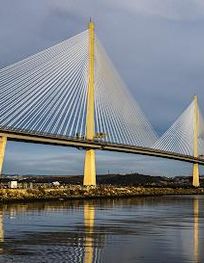
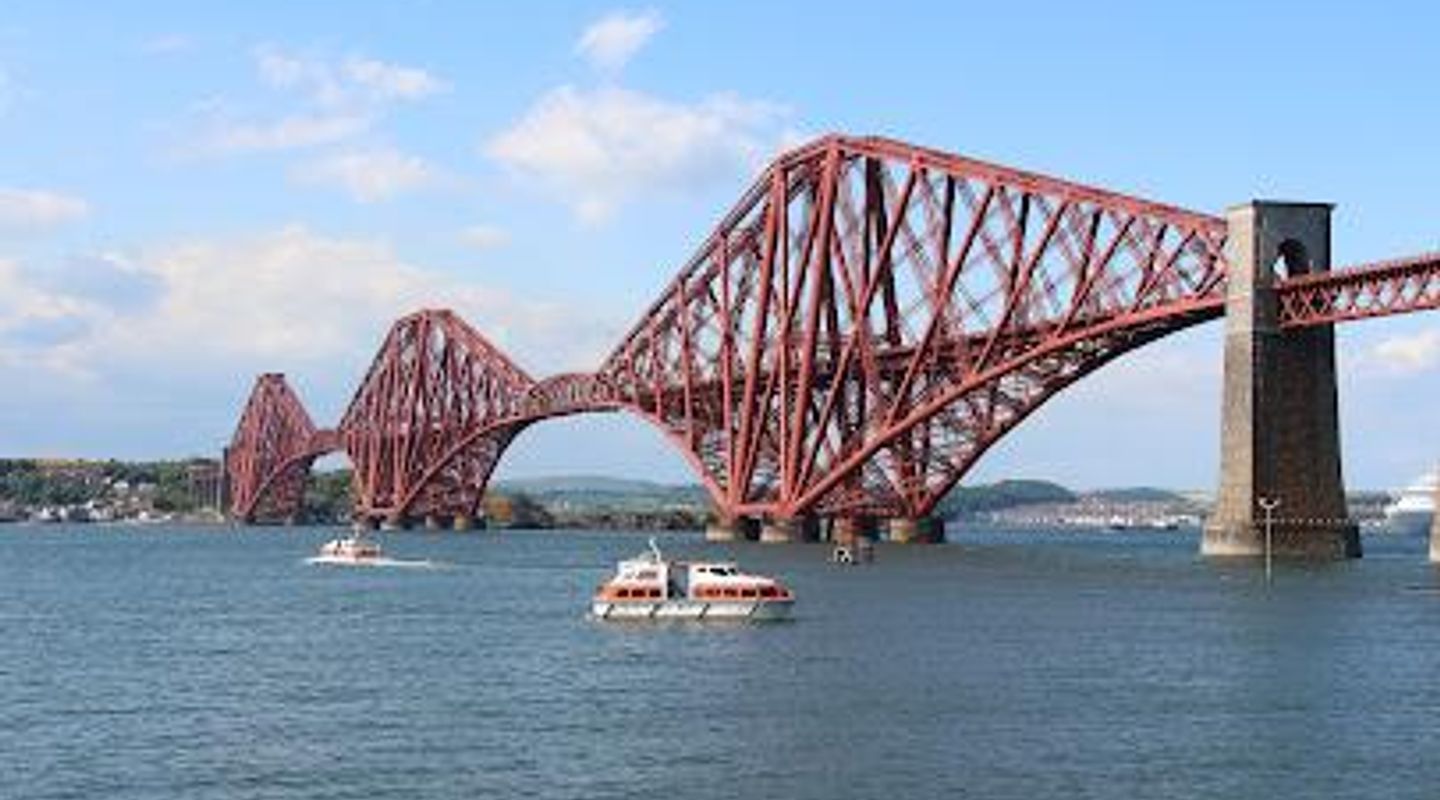
The Forth Road Bridge received Category A listed status in 2001 in recognition of its historical and architectural significance. Its distinctive red steel towers and elegant suspension cables have become synonymous with Scotland's identity. While the bridge no longer carries the volume of traffic it once did—the opening of the Queensferry Crossing in 2017 diverted much vehicular traffic—it has found new purpose as a pedestrian and cycling destination. The bridge now serves as a gateway to understanding Scotland's engineering heritage, standing alongside the Victorian-era Forth Bridge (opened 1890) and the contemporary Queensferry Crossing. Together, these three structures create a living timeline of bridge engineering spanning more than a century.Viewing and Exploring the Bridges
The Forth Bridges Viewpoint at the south end of the Forth Road Bridge in South Queensferry provides panoramic vistas of all three bridges and serves as an ideal starting point for exploration. A circular Forth Bridges Trail guides visitors through the surrounding area, incorporating both bridges and local attractions. From the water, boat tours offer an entirely different perspective, allowing visitors to see the bridges from below and observe the river's seals and birdlife. For the most adventurous, the Forth Bridge Experience offers guided climbs to the top of the historic rail bridge, ascending 361 feet via external lift to a viewing platform with 360-degree panoramic views, followed by a unique walk along an exclusive pathway beneath the bridge's track level.












Your all‑in‑one travel companion app
Explore expert travel guides, compare and book tours, experiences, hotels, and more—all from the palm of your hand. Download now for seamless trip planning wherever your wanderlust takes you.


Explore More of Stirling
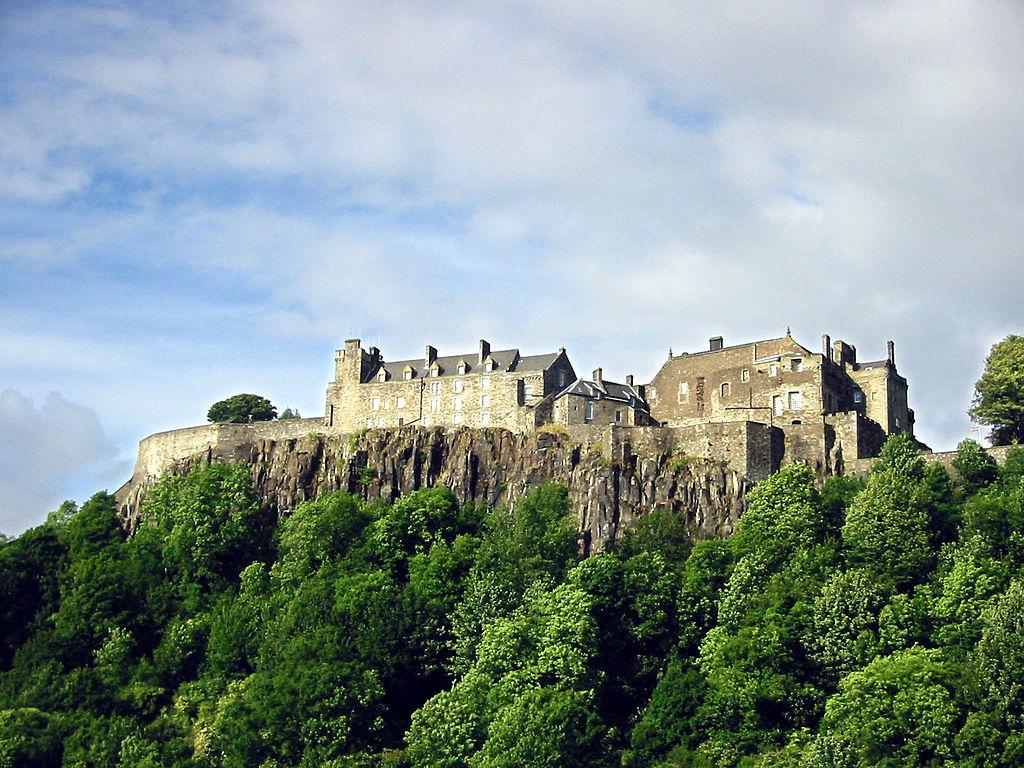
Looking beyond Forth Rd Bridge? Discover Stirling for broader travel guides, local hot-spots, and regional highlights.
Explore Stirling