

The Witches Well, Stirling Travel Guide
A haunting cast iron memorial near Edinburgh Castle honoring the victims of Scotland’s witch trials and their enduring legacy.
The Witches' Well, a cast iron fountain and plaque located on Castlehill near Edinburgh Castle, commemorates the thousands of Scottish women and men accused of witchcraft and executed between the 15th and 18th centuries. Designed in 1894 by artist John Duncan and commissioned by Sir Patrick Geddes, this poignant monument features symbolic carvings representing the duality of good and evil, healing and poison, and serves as a powerful reminder of Scotland’s dark history of witch trials and persecution.
A brief summary to The Witches Well
- Edinburgh, Edinburgh, GB
- Duration: 0.25 to 1 hours
- Free
-
 Outdoor
- Mobile reception: 5 out of 5
- Monday 10 am-6 pm
- Tuesday 10 am-6 pm
- Wednesday 10 am-6 pm
- Thursday 10 am-6 pm
- Friday 10 am-6 pm
- Saturday 10 am-6 pm
- Sunday 10 am-6 pm

Know before you go
Hi, I'm Eve. Here are a few practical things to know before exploring The Witches Well.
- Look closely at the intricate carvings on the fountain to appreciate the symbolism of good and evil, healing, and poison.
- Visit the Witches' Well during quieter times to fully absorb the solemn atmosphere away from the castle crowds.
- Read the inscription plaque above the well to understand the dual meanings behind the relief’s imagery.
- Combine your visit with a walk along the Royal Mile to explore more of Edinburgh’s rich historical sites.
Do you manage this location?
Take control to get all the benefits, like improved information, better appearance, and stronger visibility across AI-powered discovery. Learn more about listing your business on Evendo
Activate your presenceOther nearby places you may find interesting
The closest places of the same kind, if this one is not quite what you had in mind.
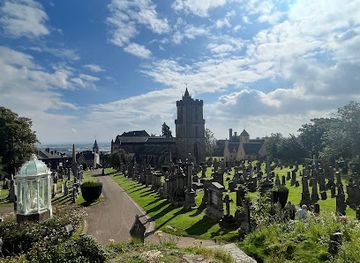
Explore The Witches Well on the Map
A handpicked selection of must-see spots near The Witches Well, mapped for you.
Unlock the Best of The Witches Well
Buy tickets
-
No tickets available
Book tours with entry


Getting There
-
Bus
Take Lothian Buses routes 23 or 27 from Edinburgh city center, which stop near the Royal Mile. The journey takes about 10-15 minutes. Buses run frequently, but check schedules for evening service. A single ticket costs around £1.80.
-
Tram
Use the Edinburgh Trams service to Princes Street stop, approximately a 10-minute walk from the Witches' Well. Trams run every 7-10 minutes during the day. Tickets cost about £1.80 for a single journey.
-
Walking
From Edinburgh city center, it is a 15-20 minute walk along the historic Royal Mile to the Witches' Well. The route is paved and accessible for most visitors, with some gentle inclines near the castle.
For the on-the-go comforts that matter to you
-
 Information Boards
-
 Seating Areas
-
 Trash Bins
Discover more about The Witches Well
Commemorating a Dark Chapter in Scottish History
The Witches' Well stands quietly on Castlehill, just below Edinburgh Castle, marking the site where many accused witches met their tragic fate. Between the 15th and 18th centuries, Scotland endured brutal witch hunts fueled by superstition and fear, especially under King James VI, who equated witchcraft with devilry. Thousands—predominantly women—were tortured, tried without fair process, and executed by burning or hanging. This monument honors those victims, many of whom were herbalists, mentally ill, or simply scapegoats in a climate of paranoia.Design and Symbolism of the Monument
Commissioned in 1894 by philanthropist Sir Patrick Geddes and designed by his friend, artist John Duncan, the Witches' Well is a cast iron drinking fountain adorned with intricate symbolic reliefs. Central to the design is a bronze plaque featuring two heads: one serene, representing misunderstood women who wished good, and one wicked, symbolizing those who allegedly used knowledge for evil. A coiled snake entwines the heads of Hygeia and Aesculapius, Greek deities of health and medicine, while a foxglove plant—both medicinal and poisonous—underscores the dual nature of knowledge and power. Additional carvings include the Evil Eye, healing hands, and flora with roots and branches, all reinforcing themes of dualism between good and evil.Historical Context and Legacy
The site of the Witches' Well was once near the Castlehill reservoir wall, close to where many executions took place. The fountain once spouted water beneath the snake’s head, though it is now dry. Roman numerals on the monument mark the years 1479 and 1722, representing the peak periods of witch persecution in Scotland. The last known witch execution in Scotland occurred in 1727, and the Witchcraft Act was repealed in 1736. The Witches' Well stands as a solemn reminder of the injustices endured during this dark era and the progress made since.A Hidden Gem Amidst Edinburgh’s Historic Landscape
Often overlooked by visitors focused on Edinburgh Castle and the Royal Mile, the Witches' Well offers a reflective counterpoint to the grandeur surrounding it. Its modest size belies its emotional and historical weight, inviting contemplation on themes of fear, prejudice, and the consequences of mass hysteria. The monument’s detailed artistry and rich symbolism also make it a fascinating piece of public art inspired by Celtic myth and legend.Modern Recognition and Reflection
In 1912, a bronze plaque was added above the fountain to explain the symbolism and significance of the relief. The Witches' Well continues to inspire calls for broader recognition and memorials to those persecuted during the witch trials. It encourages visitors to remember the victims and reflect on societal attitudes toward fear and intolerance, making it a poignant cultural landmark in Edinburgh’s historic fabric.Visiting The Witches' Well Today
Situated on the Castlehill esplanade wall, near the entrance to Edinburgh Castle, the Witches' Well is accessible year-round and remains a quiet, contemplative spot amid the bustling city. Its location and symbolism make it a meaningful stop for those interested in Scotland’s complex history, folklore, and art.












Your all‑in‑one travel companion app
Explore expert travel guides, compare and book tours, experiences, hotels, and more—all from the palm of your hand. Download now for seamless trip planning wherever your wanderlust takes you.


Explore More of Stirling
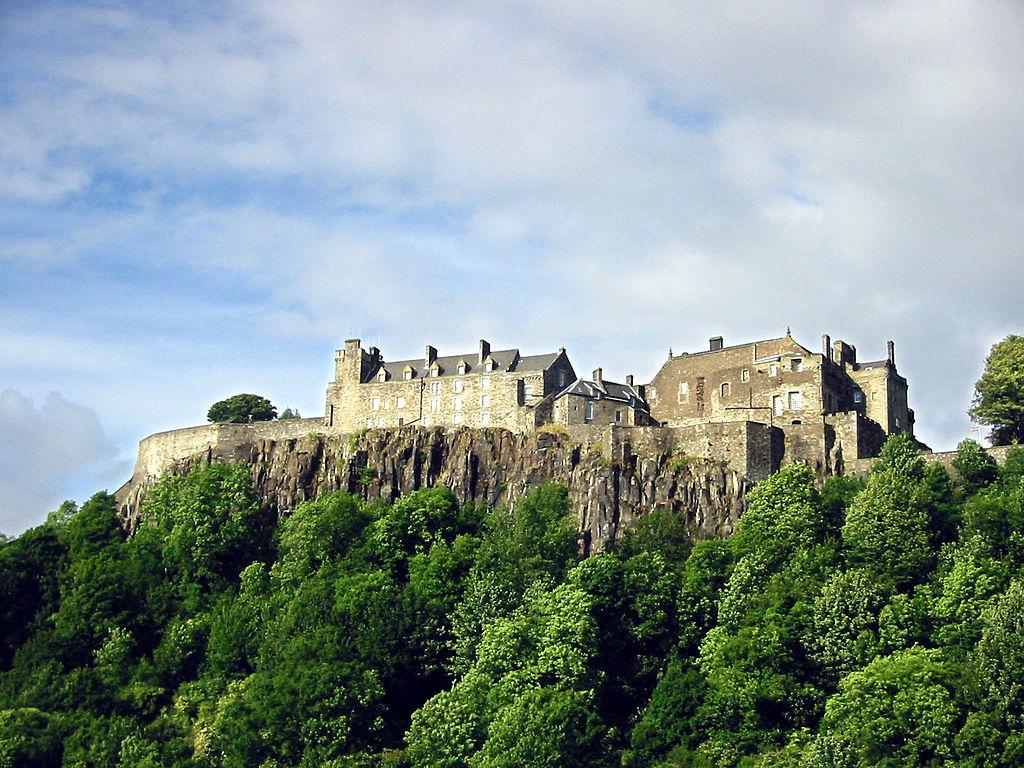
Looking beyond The Witches Well? Discover Stirling for broader travel guides, local hot-spots, and regional highlights.
Explore Stirling
Historic artificial slope linking Edinburgh’s Old and New Towns, home to iconic galleries, grand architecture, and vibrant cultural life.
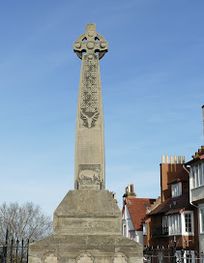
A Victorian-era Celtic cross honouring Scottish soldiers from the 1857 Indian Rebellion, set on Edinburgh Castle's historic esplanade.
