The Statues, Stirling Travel Guide
Discover Stirling’s iconic statues celebrating Scotland’s heroes and heritage in the city’s historic heart.
Located in the heart of Stirling, The Statues offer a remarkable glimpse into Scotland's rich history and cultural legacy. This collection of sculptures celebrates iconic Scottish figures such as William Wallace, Rob Roy MacGregor, Robert Burns, and others, each immortalized by renowned artists. Set against Stirling’s historic urban backdrop, these statues connect visitors with the stories and legends that shaped the nation.
A brief summary to The Statues
- 43C3+GM, Stirling, Stirling, GB
- Duration: 0.5 to 2 hours
- Free
-
 Outdoor
- Mobile reception: 4 out of 5

Know before you go
Hi, I'm Eve. Here are a few practical things to know before exploring The Statues.
- Visit during daylight hours to fully appreciate the intricate details and craftsmanship of the statues.
- Combine your visit with nearby attractions like Stirling Castle and the National Wallace Monument for a rich historical experience.
- Bring a camera for excellent photo opportunities with the statues framed by Stirling’s historic streets and architecture.
- Look for plaques and inscriptions near the statues to learn about the figures and the artists who created them.
Do you manage this location?
Take control to get all the benefits, like improved information, better appearance, and stronger visibility across AI-powered discovery. Learn more about listing your business on Evendo
Activate your presenceOther nearby places you may find interesting
The closest places of the same kind, if this one is not quite what you had in mind.
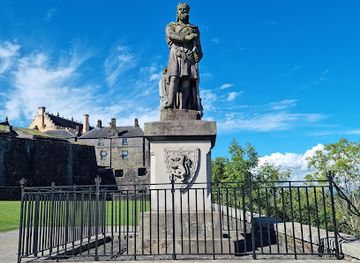
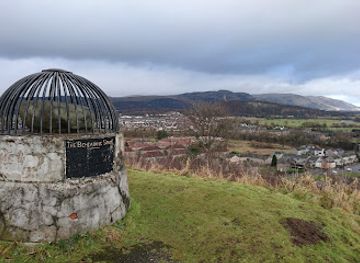
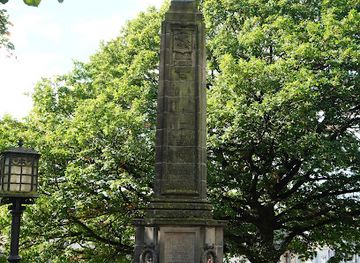
Explore The Statues on the Map
A handpicked selection of must-see spots near The Statues, mapped for you.
Getting There
-
Bus
Regular local buses connect Stirling city center with surrounding areas, with stops within a 10-minute walk of The Statues. Services run approximately every 15-30 minutes, costing around £2-£4 per journey.
-
Train
Stirling Railway Station is about 1.5 km from The Statues. A taxi or a 20-minute walk from the station will bring you to the site. Train services from Glasgow and Edinburgh take 30-50 minutes, with ticket prices from £10 upwards.
-
Car
Driving to Stirling city center is straightforward, with several public car parks nearby. Parking fees range from £1 to £3 per hour. Note that some streets are pedestrianized, so park in designated areas and walk to The Statues.
For the on-the-go comforts that matter to you
-
 Restrooms
-
 Drink Options
-
 Food Options
-
 Seating Areas
-
 Information Boards
Discover more about The Statues
Historic Figures Immortalized in Bronze and Stone
The Statues of Stirling commemorate some of Scotland’s most legendary and influential figures. Among them is the imposing statue of William Wallace, the 13th-century patriot whose victory at the Battle of Stirling Bridge is a defining moment in Scottish history. Created by celebrated sculptors such as Handyside Ritchie and David Watson Stevenson, Wallace’s likeness can be found adorning key locations including the Athenaeum and the National Wallace Monument. Nearby, the statue of Rob Roy MacGregor captures the spirit of the notorious outlaw and folk hero, immortalized in bronze with reliefs depicting scenes from Robert Burns’ famous poems. Other statues honor Robert Burns and Sir Henry Campbell-Bannerman, each contributing to Stirling’s rich tapestry of cultural memory.Artistic Craftsmanship and Symbolism
These statues are not only historical markers but also masterpieces of sculpture. Crafted by prominent artists like Paul Raphael Montford and others, the statues feature intricate details and symbolic elements. The Rob Roy statue’s granite pedestal and bronze reliefs vividly narrate his tumultuous life, while the Wallace statues emphasize heroic posture and presence. Sculptural decorations on nearby historic buildings, such as the Municipal Building and Clydesdale Bank, further enrich the city’s artistic landscape with representations of Scottish royalty, cultural icons, and mythic creatures like the unicorn.Stirling’s Urban Heritage and Cultural Context
Set within Stirling’s historic core, these statues complement the city’s architectural and cultural landmarks, including Stirling Castle, the Church of the Holy Rude, and the National Wallace Monument. The statues contribute to the narrative of Stirling as the 'Gateway to the Highlands,' a city where history is palpably present in the streets and public spaces. They stand as focal points for reflection on Scotland’s struggles for independence, literary heritage, and political history, enriching the visitor experience with layers of meaning.Exploring the Statues in Their Environment
Visitors can explore the statues on foot, enjoying the vibrant atmosphere of Stirling’s town center. The statues are often clustered near key civic buildings and public squares, allowing for an immersive cultural walk. Nearby amenities such as cafes, shops, and museums provide opportunities to deepen understanding of the historical context. The surrounding streetscape, with its blend of historic and modern architecture, frames the statues beautifully, making them ideal subjects for photography and cultural appreciation.Legacy and Preservation Efforts
The statues have been carefully maintained and restored over the years to preserve their artistic and historical integrity. Restoration projects ensure that the bronze and stonework withstand the elements, allowing future generations to engage with Scotland’s heritage. The presence of these statues also supports Stirling’s role as a center for heritage tourism, drawing visitors eager to connect with the stories of iconic Scottish figures and the city’s vibrant past.Connecting Past and Present Through Public Art
More than mere monuments, The Statues of Stirling serve as a bridge between Scotland’s past and present. They invite contemplation of national identity, cultural pride, and the enduring impact of historical figures on contemporary Scotland. As you stand before these sculptures, you become part of a living dialogue that honors bravery, artistry, and the spirit of a nation.












Your all‑in‑one travel companion app
Explore expert travel guides, compare and book tours, experiences, hotels, and more—all from the palm of your hand. Download now for seamless trip planning wherever your wanderlust takes you.


Explore More of Stirling
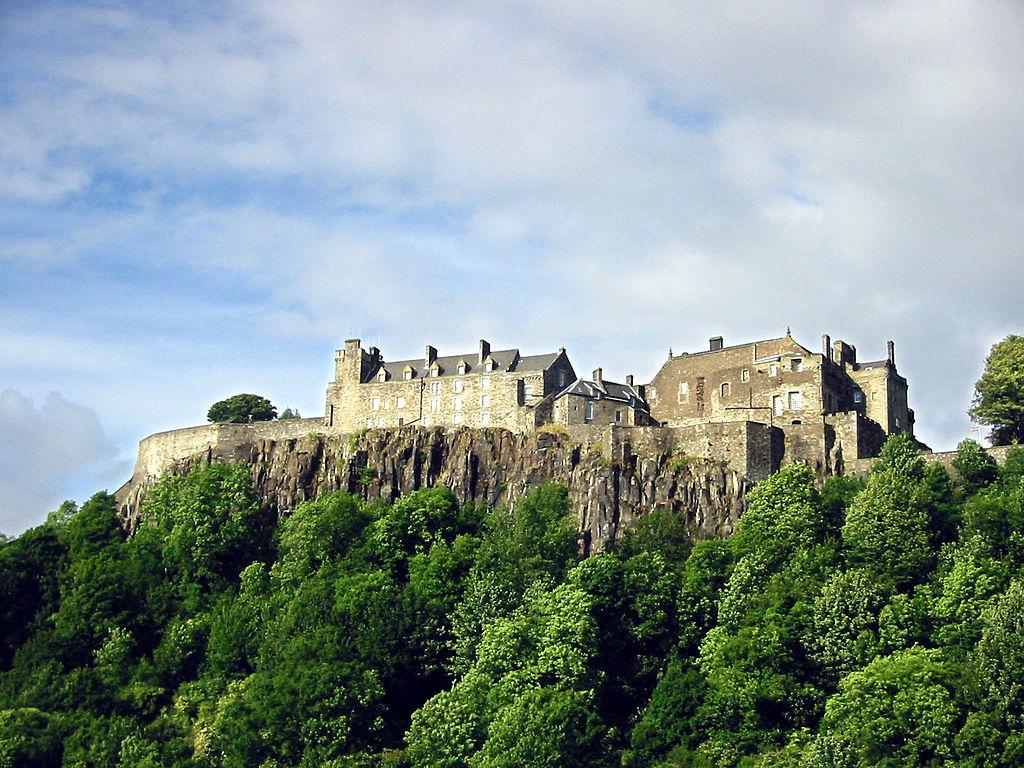
Looking beyond The Statues? Discover Stirling for broader travel guides, local hot-spots, and regional highlights.
Explore Stirling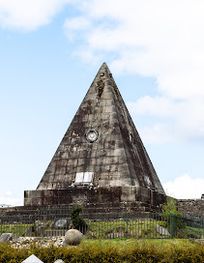
A rare sandstone pyramid memorial honoring Scotland’s martyrs of civil and religious liberty, set beneath Stirling Castle’s historic shadow.
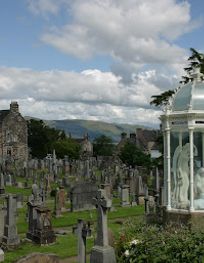
A solemn Victorian monument in Stirling honoring the courage and faith of the Presbyterian Wigtown Martyrs beneath a striking iron and glass canopy.