Robert the Bruce Statue, Stirling Travel Guide
A towering stone tribute to Scotland’s warrior-king, standing guard over Stirling Castle and gazing toward the battlefield where he secured Scottish independence.
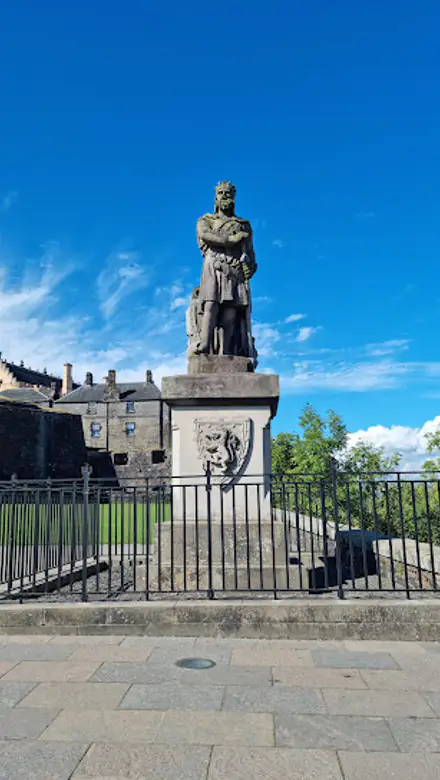
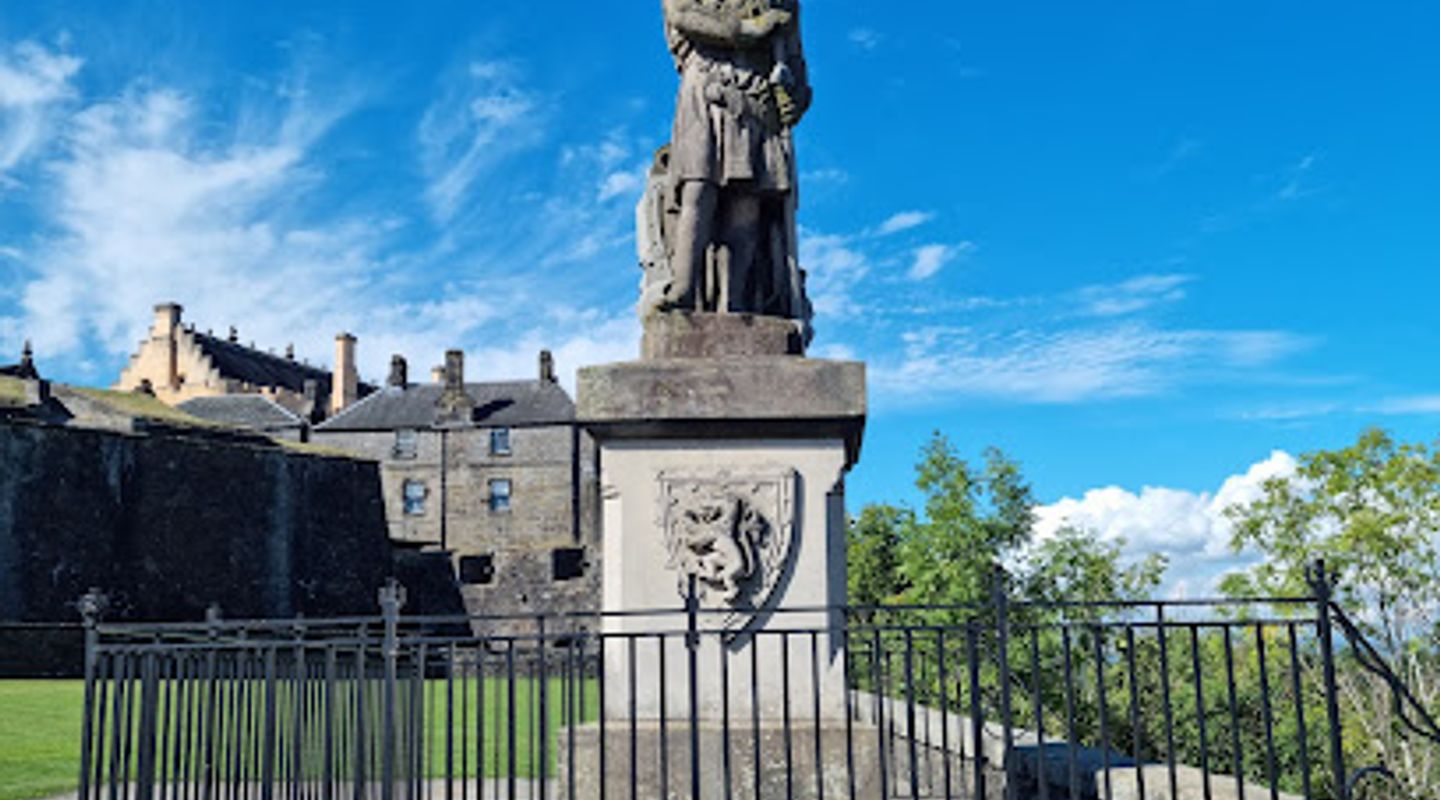
Standing proudly on the esplanade of Stirling Castle, this imposing 19th-century stone statue honours Robert the Bruce, Scotland’s legendary warrior-king. Carved in chain mail with hand resting on his sword, the figure gazes south toward the site of the Battle of Bannockburn, where he secured a defining victory for Scottish independence in 1314. The monument’s pedestal bears the Lion Rampant, symbol of Scottish royalty, and serves as a powerful reminder of Bruce’s enduring legacy in the heart of one of Scotland’s most historic strongholds.
A brief summary to Robert the Bruce Statue
- Upper Castlehill, Stirling, Stirling, FK8 1EN, GB
- Duration: 0.5 to 1.5 hours
- Free
-
 Outdoor
- Mobile reception: 4 out of 5

Know before you go
Hi, I'm Eve. Here are a few practical things to know before exploring Robert the Bruce Statue.
- Visit early in the day or late afternoon to avoid the busiest castle crowds and enjoy quieter moments with the statue and its views.
- Combine your visit with the Bannockburn Visitor Centre to gain a fuller understanding of the 1314 battle and Bruce’s military strategy.
- Look closely at the pedestal and metal elements; some details may be later restorations rather than original 1876 features.
Do you manage this location?
Take control to get all the benefits, like improved information, better appearance, and stronger visibility across AI-powered discovery. Learn more about listing your business on Evendo
Activate your presenceOther nearby places you may find interesting
The closest places of the same kind, if this one is not quite what you had in mind.
Explore Robert the Bruce Statue on the Map
A handpicked selection of must-see spots near Robert the Bruce Statue, mapped for you.
Unlock the Best of Robert the Bruce Statue
Buy tickets
-
No tickets available
Book tours with entry


Book tours without entry
-
No tours available
Getting There
-
On foot from Stirling town centre
From Stirling’s main shopping streets, follow Castle Wynd uphill for about 15–20 minutes. The path is paved but steep in places, with steps and uneven surfaces; sturdy footwear is recommended. The statue is located on the upper esplanade of Stirling Castle, within the castle grounds.
-
By public transport
Stirling railway station is about 1.5 km from the castle. From the station, take a local bus to the town centre or walk uphill along Castle Wynd, allowing 20–25 minutes. Buses run regularly, but service frequency can be reduced on evenings and weekends.
-
By car
Several public car parks are located near the town centre, about a 15–20 minute walk from the castle. The route involves a steep climb with steps; parking is limited and can fill quickly on busy days. There is no direct car access to the upper castle esplanade.
For the on-the-go comforts that matter to you
-
 Restrooms
-
 Drink Options
-
 Drinking Water
-
 Food Options
-
 Seating Areas
-
 Information Boards
-
 Visitor Center
Discover more about Robert the Bruce Statue
A Warrior-King in Stone
This commanding statue of Robert the Bruce, carved in 1876 by Scottish sculptor Andrew Currie and designed by illustrator George Cruikshank, stands as a solemn tribute to one of Scotland’s most iconic rulers. Depicted in full chain mail, Bruce rests his hand on the pommel of his sword, a gesture of quiet authority and readiness. At his feet lie his shield and battle-axe, symbols of his role as both king and warrior. The figure is deliberately tall and imposing, designed to convey the stature of a national hero whose leadership helped shape Scotland’s identity during the Wars of Independence.Symbolism and Design
The statue’s pedestal features a replica of Bruce’s shield emblazoned with the Lion Rampant, the royal symbol of Scotland, reinforcing his status as Robert I, King of Scots. Some metal elements – including the axe head, sword, and parts of the shield – are integrated into the monument, though it is unclear whether these were part of the original 1876 design or later additions during restoration. The choice of stone and the detailed armour reflect the 19th-century revival of interest in Scottish history, when public subscription funded monuments to national figures. The statue’s south-facing orientation is no accident: it looks directly toward the Bannockburn battlefield, where Bruce’s forces defeated Edward II’s army in 1314.Historical Context and Legacy
Robert the Bruce ruled Scotland from 1306 to 1329, a period defined by relentless struggle against English domination. After a turbulent start to his reign, including exile and guerrilla warfare, Bruce’s victory at Bannockburn became a turning point in the fight for Scottish independence. The statue at Stirling Castle stands in a place deeply tied to that struggle, near a fortress that changed hands multiple times during the conflict. In 2020, this monument was featured on the Clydesdale Bank’s £20 note, underscoring its cultural significance as a symbol of Scottish resilience and national pride.Visitor Experience
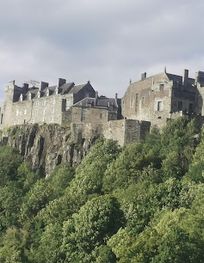
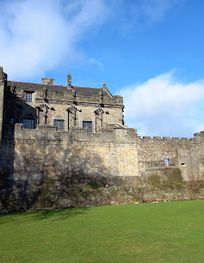
Located on the upper esplanade of Stirling Castle, the statue is easily accessible to visitors exploring the castle grounds. It offers a natural pause point for reflection, with panoramic views across the surrounding landscape and the distant site of Bannockburn. Interpretive panels nearby provide context about Bruce’s life, the battle, and the monument’s creation, enriching the experience for those interested in Scotland’s medieval history. The statue is often photographed with Stirling Castle’s ramparts in the background, creating a powerful visual link between the man and the fortress that played such a central role in his campaigns.More to explore near Robert the Bruce Statue













Your all‑in‑one travel companion app
Explore expert travel guides, compare and book tours, experiences, hotels, and more—all from the palm of your hand. Download now for seamless trip planning wherever your wanderlust takes you.


Explore More of Stirling
Looking beyond Robert the Bruce Statue? Discover Stirling for broader travel guides, local hot-spots, and regional highlights.
Explore Stirling