

Stirlingshire, United Kingdom Travel Guide
Discover Stirlingshire: A historic gem in central Scotland, where ancient castles, scenic landscapes, and vibrant culture unite to create an unforgettable travel experience.
Stirlingshire, a historic county in central Scotland, is a treasure trove of rich history, stunning landscapes, and vibrant culture. Often referred to as the 'Gateway to the Highlands,' Stirlingshire boasts a unique blend of ancient landmarks and natural beauty that captivates the hearts of all who visit. At the heart of Stirlingshire lies the city of Stirling, home to the majestic Stirling Castle. This iconic fortress, perched high on a volcanic rock, offers breathtaking views of the surrounding countryside and a deep dive into Scotland’s storied past. Visitors can explore the castle’s grand halls, royal chambers, and the Stirling Heads Gallery, which showcases intricate Renaissance carvings. Beyond the castle, the Battle of Bannockburn Visitor Centre brings history to life with interactive exhibits and immersive experiences. Here, you can relive the pivotal battle where Robert the Bruce secured Scotland's independence in 1314. Nature enthusiasts will find plenty to love in Stirlingshire's sprawling landscapes. The Trossachs National Park, often dubbed Scotland’s ‘Miniature Highlands,’ is a haven for hikers, cyclists, and photographers. With its rolling hills, serene lochs, and dense woodlands, the park is perfect for outdoor adventures and tranquil retreats alike. Don’t miss the charming town of Callander, known as the ‘Gateway to the Trossachs,’ where you can savor local delicacies, browse quaint shops, and enjoy scenic walks along the River Teith. For a touch of modern culture, visit the Macrobert Arts Centre at the University of Stirling. This vibrant venue hosts a variety of performances, from theater and dance to music and film, ensuring there’s something for everyone. Whether you’re a history buff, nature lover, or culture enthusiast, Stirlingshire offers an unforgettable experience that combines the best of Scotland’s past and present.

Know before you go
Hi, I'm Eve. Here are a few practical things to know before exploring Stirlingshire.
- Visit early in the day to Stirling Castle to avoid crowds and enjoy the best views.
- Check the weather forecast before heading to Trossachs National Park, as conditions can change rapidly.
- Wear comfortable walking shoes, as many attractions involve a fair amount of walking.
- Local eateries in Callander offer traditional Scottish dishes; be sure to try some haggis or locally-caught trout.
- Consider purchasing a Historic Scotland Explorer Pass if you plan to visit multiple historic sites.
Top City Travel Guides in Stirlingshire
The cities of Stirlingshire, and the easiest places to base yourself.


Destinations in Stirlingshire
Resorts, valleys and scenic spots worth a trip of their own.

Explore Stirlingshire: Things to Do, Places to Eat, Hotels & More
Handpicked recommendations for top attractions, local dining, accommodations, and more

Top Attractions & Sightseeing in Stirlingshire
Top-rated picks
Best Attractions

The Kelpies
Discover The Kelpies, towering steel horse sculptures at The Helix park, blending art, heritage, and nature in Scotland’s Falkirk region.
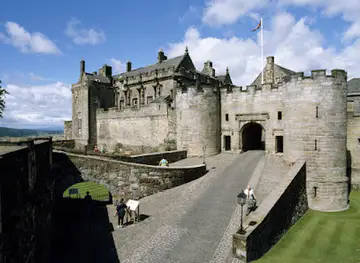
Stirling Castle
Explore Stirling Castle’s majestic Renaissance grandeur, royal history, and stunning Highland views atop Scotland’s iconic volcanic crag.

The Falkirk Wheel
Discover the world’s only rotating boat lift—an engineering masterpiece lifting boats 35 meters, blending history, innovation, and family fun in Falkirk.

Doune Castle
Step back into medieval Scotland at Doune Castle, where history and Hollywood collide in a stunning fortress beside the River Teith.

Best landmarks in Stirlingshire
Top-rated picks
Best Landmarks
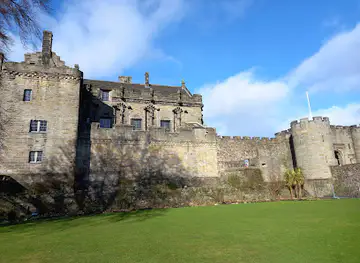
Stirling Castle
Explore Stirling Castle, a majestic Scottish fortress blending Renaissance grandeur, royal history, and stunning Highland views.
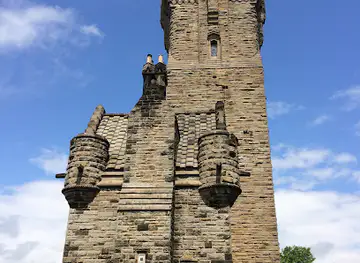
The National Wallace Monument
Scotland's iconic tower honouring the patriot who shaped a nation's destiny.

David Stirling Memorial
A striking tribute to Colonel Sir David Stirling, founder of the SAS, set against the stunning Scottish Highlands near Dunblane.

Circus Lane
Edinburgh's most photographed mews lane—a fairy-tale cobbled street where Georgian history meets Instagram dreams.

Best restaurants in Stirlingshire
Top-rated picks
Best Restaurants

No 2 Baker Street
A cozy Victorian pub in central Stirling serving hearty Scottish classics, real ales, and live music in a warm, welcoming atmosphere.
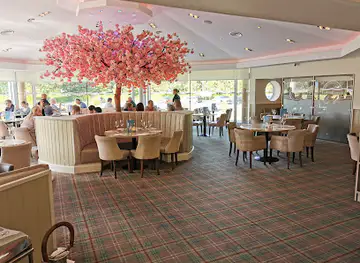
River House Stirling
Contemporary dining with stunning Stirling Castle views and a festive, welcoming atmosphere near a tranquil loch.
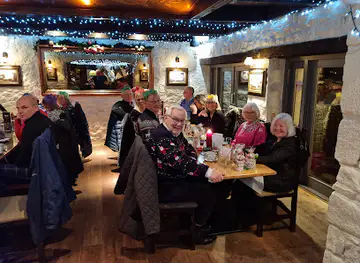
The Birds & Bees
A spacious, rustic gastropub in a converted farmhouse just outside Stirling, serving hearty Scottish classics, modern bistro dishes, and craft ales in a warm, family-friendly setting.
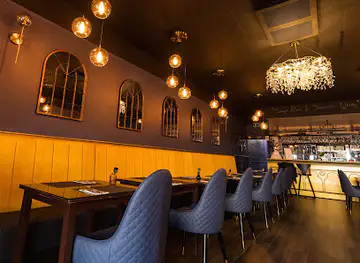
Brea - Scottish Restaurant
Experience the freshest Scottish flavors and award-winning seafood in the heart of Stirling’s historic center.

Best bars in Stirlingshire
Top-rated picks
Best Bars
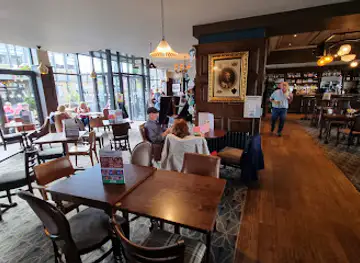
The Crossed Peels
Historic Stirling pub blending heritage charm with lively, affordable dining and a wide selection of real ales.

Innis & Gunn Edinburgh City Centre Brewery Taproom
A vibrant craft beer haven in Edinburgh’s West End, famed for Scottish steak frites and an extensive rotating beer selection.

No 2 Baker Street
Cozy Victorian pub in Stirling offering hearty British fare, real ales, live music, and a warm, family-friendly atmosphere with a charming beer garden.
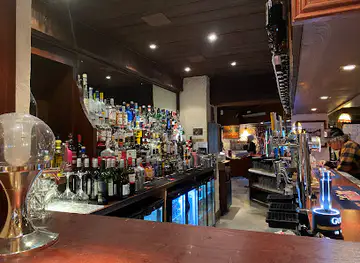
The Birds & Bees
Rustic charm and award-winning food meet in Stirling’s beloved converted farmstead gastropub with cozy fires and a vibrant garden terrace.


Best shops in Stirlingshire
Top-rated picks
Best Shops

Springkerse Retail Park
A vibrant shopping and dining destination in Stirling offering diverse stores, eateries, and convenient amenities for all visitors.

Burghmuir Retail Park
Modern retail park in Stirling offering diverse shops, convenient parking, and extended hours for a seamless shopping experience.

I.J. Mellis Cheesemonger Victoria Street
Discover Scotland’s finest artisan cheeses at I.J. Mellis Cheesemonger, a historic Victoria Street gem blending tradition, quality, and expert service.

Cotswold Outdoor Stirling
Your trusted outdoor gear specialist in Stirling, offering expert advice and top brands for every adventure.

Explore Stirlingshire on the Map
A handpicked selection of must-see spots in Stirlingshire, mapped for you.
Stirlingshire Essentials
-
Stirlingshire is centrally located in Scotland, making it easily accessible from various parts of the United Kingdom. The nearest major airport is Edinburgh Airport, approximately 30 miles (48 kilometers) away. Glasgow Airport is another option, located about 40 miles (64 kilometers) from Stirling. From either airport, you can take a train, bus, or hire a car to reach Stirlingshire. Direct trains from Edinburgh and Glasgow to Stirling take about 45 minutes and run frequently throughout the day.
-
Public transportation in Stirlingshire is efficient and reliable. Trains and buses connect Stirling to nearby towns and cities. Local buses are available for travel within the area. Taxis and ride-sharing services like Uber are also available. For more flexibility, consider renting a car to explore the scenic countryside and historic sites at your own pace.
-
The official currency of the United Kingdom is the British Pound Sterling (GBP). Credit and debit cards are widely accepted in most establishments, including hotels, restaurants, and shops. ATMs are available throughout Stirlingshire. It's advisable to carry some cash, especially when visiting rural areas where card payments may not be accepted.
-
Stirlingshire is generally a safe destination for tourists. However, it's always wise to take standard precautions. Avoid walking alone at night in unfamiliar areas and keep an eye on your belongings in crowded places. There are no specific high-crime areas targeting tourists, but it's best to stay vigilant and aware of your surroundings.
-
In case of emergency, dial 999 for police, fire, or medical assistance. Stirling Royal Infirmary is the main hospital serving the area. It's recommended to have travel insurance that covers medical emergencies. Pharmacies are available in Stirling and other towns for minor health issues and over-the-counter medications.
-
Fashion: Do dress in layers, as the weather can be unpredictable. Comfortable walking shoes are essential. Religion: Do respect local customs and traditions, especially when visiting religious sites. Public Transport: Do be courteous and offer your seat to elderly passengers. Don't eat or drink on public transport. Greetings: Do greet people with a friendly 'hello' or 'hi.' A handshake is also common. Eating & Drinking: Do try local specialties like haggis and Scotch whisky. Don’t leave a tip on the table; hand it directly to the server.
-
To experience Stirlingshire like a local, visit the Stirling Farmers Market, held on the second Saturday of each month, where you can buy fresh produce and local crafts. Engage with locals, who are often friendly and willing to share stories about the area's history and culture. Don't miss visiting Stirling Castle and the Wallace Monument for a deep dive into Scottish history. For a unique experience, explore the numerous walking and cycling trails that offer stunning views of the countryside.
When is the best time to visit Stirlingshire?
Useful Local Phrases for Stirlingshire
You don't need to speak the language perfectly. Even learning a few simple words can make conversations warmer—and locals usually appreciate the effort.
— Eve

Here are the phrases I use most often in Stirlingshire. Try a few—you'll be surprised how far they go! 😊
❤️
-
- HelloHello
[həˈloʊ] - GoodbyeCheerio
[ˌtʃɪəˈriːəʊ] - YesAye
[aɪ] - NoNaw
[nɔː] - Please/You're welcomePlease
[pliːz] - Thank youCheers
[tʃɪrz] - Excuse me/SorrySorry
[ˈsɔːri] - How are you?How's it gaun?
[haʊz ɪt ɡɑːn] - Fine. And you?Aye, no bad, yersel?
[aɪ noʊ bæd jərˈsɛl] - Do you speak English?Dae ye speak English?
[deɪ jə spiːk ˈɪŋɡlɪʃ] - I don't understandAh dinnae get it
[ɑː dɪnə ˈɡɛt ɪt]
- HelloHello
-
- I'd like to see the menu, pleaseAh'd like tae see the menu, please
[ɑːd laɪk teɪ siː ðə ˈmɛnjuː pliːz] - I don't eat meatAh dinnae eat meat
[ɑː dɪnə iːt miːt] - Cheers!Cheers!
[tʃɪrz] - I would like to pay, pleaseAh'd like tae pay, please
[ɑːd laɪk teɪ peɪ pliːz]
- I'd like to see the menu, pleaseAh'd like tae see the menu, please
-
- Help!Help!
[hɛlp] - Go away!Get lost!
[ɡɛt lɔst] - Call the Police!Phone the polis!
[foʊn ðə ˈpoʊlɪs] - Call a doctor!Get a doctor!
[ɡɛt ə ˈdɒktə] - I'm lostAh'm lost
[ɑːm lɔst] - I'm illAh'm no weel
[ɑːm noʊ wiːl]
- Help!Help!
-
- I'd like to buy...Ah'd like tae buy...
[ɑːd laɪk teɪ baɪ] - I'm just lookingAh'm just lookin'
[ɑːm dʒʌst ˈlʊkɪn] - How much is it?How much is it?
[haʊ mʌtʃ ɪz ɪt] - That's too expensiveThat's too dear
[ðæts tuː dɪr] - Can you lower the price?Can ye lower the price?
[kæn jə ˈloʊə ðə praɪs]
- I'd like to buy...Ah'd like tae buy...
-
- What time is it?Whit time is it?
[wɪt taɪm ɪz ɪt] - It's one o'clockIt's one o'clock
[ɪts wʌn əˈklɒk] - Half past (10)Half past ten
[hɑːf pɑːst tɛn] - MorningMorning
[ˈmɔːrnɪŋ] - AfternoonAfternoon
[ˌɑːftərˈnuːn] - EveningEvening
[ˈiːvnɪŋ] - YesterdayYestreen
[jɛsˈtriːn] - TodayTday
[təˈdeɪ] - TomorrowMorn
[mɔrn] - 11
[wʌn] - 22
[tuː] - 33
[θriː] - 44
[fɔːr] - 55
[faɪv] - 66
[sɪks] - 77
[sɛvən] - 88
[eɪt] - 99
[naɪn] - 1010
[tɛn]
- What time is it?Whit time is it?
-
- Where's a/the...?Whaur's a/the...?
[wɔːrz ə ðə] - What's the address?Whit’s the address?
[wɪt ðə əˈdrɛs] - Can you show me (on the map)?Can ye show me (on the map)?
[kæn jə ʃoʊ miː ɒn ðə mæp] - When's the next (bus)?When's the next (bus)?
[wɛn ðə nɛkst bʌs] - A ticket (to ....)A ticket (ta ....)
[ə ˈtɪkɪt tə]
- Where's a/the...?Whaur's a/the...?
History of Stirlingshire
-
The Battle of Stirling Bridge was a significant conflict during the First War of Scottish Independence. Led by William Wallace and Andrew Moray, the Scots achieved a remarkable victory against the English forces commanded by John de Warenne and Hugh de Cressingham. The battle took place on September 11, 1297, near the River Forth, and its success was instrumental in boosting Scottish morale and resistance against English domination.
-
Stirling Castle, one of Scotland's grandest castles, has played a pivotal role in the country's history. Perched atop Castle Hill, the fortress has witnessed a series of significant events, including the coronation of Mary, Queen of Scots, in 1543. The castle was a royal residence and a military stronghold, offering panoramic views of the surrounding landscape. Its strategic location made it a key site during the Wars of Scottish Independence and other historical conflicts.
-
The Battle of Bannockburn, fought on June 23-24, 1314, was a decisive battle in the First War of Scottish Independence. King Robert the Bruce led the Scottish forces to a monumental victory against the English army commanded by King Edward II. The battle, which took place near Stirling, solidified Bruce's position as King of Scots and marked a turning point in Scotland's struggle for independence.
-
The Church of the Holy Rude, founded in 1129, is one of Stirling's most historic and significant religious buildings. It is the second oldest building in Stirling after the castle and has been the site of many notable events, including the coronation of James VI of Scotland (later James I of England) in 1567. The church's Gothic architecture and stained glass windows offer a glimpse into the region's medieval past.
-
The National Wallace Monument, completed in 1869, is a towering tribute to Sir William Wallace, a key figure in Scottish history. Located on the Abbey Craig, the monument offers stunning views of Stirling and the surrounding countryside. Inside, visitors can explore exhibits detailing Wallace's life and his role in the Wars of Scottish Independence, including his victory at the Battle of Stirling Bridge.
-
The Stirling Heads are a collection of carved wooden medallions that once adorned the ceilings of the King's Inner Hall at Stirling Castle. Dating back to the 16th century, these intricate carvings depict various historical and mythological figures, offering insights into the artistic and cultural influences of the period. The Stirling Heads are a testament to the craftsmanship and artistic heritage of Renaissance Scotland.
-
The Battle of Sauchieburn, fought on June 11, 1488, was a conflict between the forces of King James III of Scotland and those of his son, James IV. The battle resulted in the death of King James III and the ascension of his son to the throne. It took place near the Bannock Burn, south of Stirling, and marked a significant turning point in Scottish history, leading to a period of reform and modernization under James IV's rule.
-
Cambuskenneth Abbey, founded around 1140 by King David I, is a historic Augustinian monastery located near Stirling. The abbey played a significant role in Scotland's religious and political life during the medieval period. Notably, it was the site of the Parliament of 1314, convened by King Robert the Bruce following his victory at the Battle of Bannockburn. Today, the abbey's ruins, including its striking bell tower, offer a glimpse into its storied past.
Neighbouring Regions of Stirlingshire
The closest regions to Stirlingshire, if you have time for more than one.



Your all‑in‑one travel companion app
Explore expert travel guides, compare and book tours, experiences, hotels, and more—all from the palm of your hand. Download now for seamless trip planning wherever your wanderlust takes you.


Explore More of United Kingdom

Looking beyond Stirlingshire? Discover United Kingdom for broader travel guides, local hot-spots, and regional highlights.
Explore United KingdomStirlingshire in Photos
Browse through our photo collection highlighting the charm and character of the destination.


The Enchanting Charms of Stirlingshire
Stirlingshire, a historic county in central Scotland, is a treasure trove of rich history, stunning landscapes, and vibrant culture. Often referred to as the 'Gateway to the Highlands,' Stirlingshire boasts a unique blend of ancient landmarks and natural beauty that captivates the hearts of all who visit. At the heart of Stirlingshire lies the city of Stirling, home to the majestic Stirling Castle. This iconic fortress, perched high on a volcanic rock, offers breathtaking views of the surrounding countryside and a deep dive into Scotland’s storied past. Visitors can explore the castle’s grand halls, royal chambers, and the Stirling Heads Gallery, which showcases intricate Renaissance carvings. Beyond the castle, the Battle of Bannockburn Visitor Centre brings history to life with interactive exhibits and immersive experiences. Here, you can relive the pivotal battle where Robert the Bruce secured Scotland's independence in 1314. Nature enthusiasts will find plenty to love in Stirlingshire's sprawling landscapes. The Trossachs National Park, often dubbed Scotland’s ‘Miniature Highlands,’ is a haven for hikers, cyclists, and photographers. With its rolling hills, serene lochs, and dense woodlands, the park is perfect for outdoor adventures and tranquil retreats alike. Don’t miss the charming town of Callander, known as the ‘Gateway to the Trossachs,’ where you can savor local delicacies, browse quaint shops, and enjoy scenic walks along the River Teith. For a touch of modern culture, visit the Macrobert Arts Centre at the University of Stirling. This vibrant venue hosts a variety of performances, from theater and dance to music and film, ensuring there’s something for everyone. Whether you’re a history buff, nature lover, or culture enthusiast, Stirlingshire offers an unforgettable experience that combines the best of Scotland’s past and present.