Carbisdale Castle, Sutherland Travel Guide
A dramatic Scottish Highland castle of defiance, royal refuge, and exclusive retreat with sweeping views over the Kyle of Sutherland.
Carbisdale Castle, perched on a commanding hill overlooking the Kyle of Sutherland in the Scottish Highlands, was built between 1905 and 1917 for Mary Caroline, Duchess of Sutherland. Known as the 'Castle of Spite,' it was constructed outside Sutherland lands as a statement against her estranged family. The castle later served as a royal refuge during WWII and is now a restored private club offering exclusive Highland experiences amid stunning natural surroundings.
A brief summary to Carbisdale Castle
- Carbisdale Castle, Ardgay, Culrain, IV24 3DP, GB
- Click to display
- Duration: 1.5 to 4 hours
- Mid ranged
-
 Outdoor
- Mobile reception: 3 out of 5

Know before you go
Hi, I'm Eve. Here are a few practical things to know before exploring Carbisdale Castle.
- Explore the castle’s unique clock tower and notice the missing clock face symbolizing the Duchess’s spite.
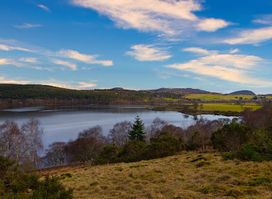
- Take time to enjoy the panoramic views of the Kyle of Sutherland and watch for salmon leaping at nearby river falls.
- Learn about the castle’s WWII role as a royal refuge for the Norwegian King and its historical significance.
- Join exclusive activities offered at the castle, such as clay pigeon shooting or salmon fishing, to experience Highland traditions.
- Listen for local ghost stories and legends of phantom bagpipes and the Duchess’s apparition to add a mystical touch to your visit.
Do you manage this location?
Take control to get all the benefits, like improved information, better appearance, and stronger visibility across AI-powered discovery. Learn more about listing your business on Evendo
Activate your presenceOther nearby places you may find interesting
The closest places of the same kind, if this one is not quite what you had in mind.
Explore Carbisdale Castle on the Map
A handpicked selection of must-see spots near Carbisdale Castle, mapped for you.
Unlock the Best of Carbisdale Castle
Buy tickets
-
No tickets available
Book tours with entry

Book tours without entry
-
No tours available
Getting There
-
Train and Taxi
Travel by train to Culrain station, approximately 3 km from Carbisdale Castle. From Culrain, take a taxi or arrange private transfer to the castle, a 10-minute drive through rural roads. Train services run several times daily from Inverness, with ticket prices around £15-£25. Taxi fares from Culrain to the castle typically range from £10-£15.
-
Car
Driving from Inverness or nearby towns, expect a 45-60 minute journey via A9 and A836 roads. Parking is available on-site but limited, so early arrival is recommended. The route involves rural single-track roads with passing places, requiring attentive driving.
-
Bus and Walk
Local bus services connect Bonar Bridge with Culrain and nearby villages, though frequency is limited. From Culrain or nearby stops, a scenic 40-minute walk over uneven terrain leads to the castle. Suitable for fit walkers with appropriate footwear.
For the on-the-go comforts that matter to you
-
 Restrooms
-
 Drink Options
-
 Food Options
-
 Seating Areas
-
 Information Boards
Discover more about Carbisdale Castle
A Castle Born of Defiance and Drama
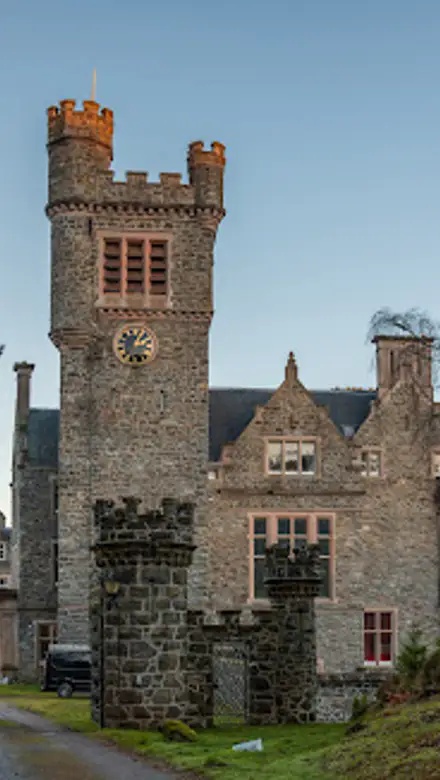
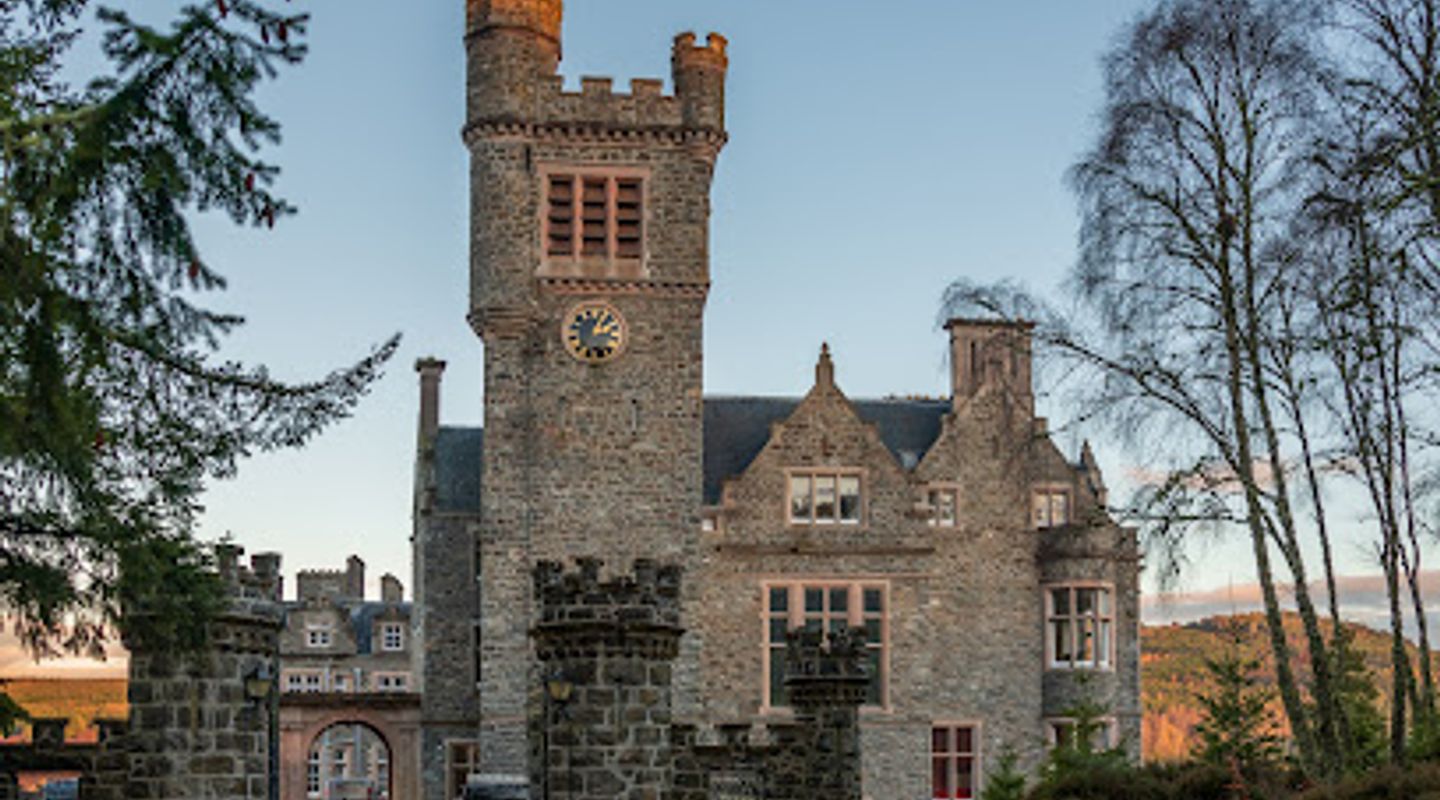
Carbisdale Castle’s origins are steeped in personal and family drama. Built between 1905 and 1917 for Mary Caroline, the Dowager Duchess of Sutherland, the castle was her response to being cast out by the Sutherland family after the death of her husband, the 3rd Duke of Sutherland. The Duchess, known as 'Duchess Blair' from her first marriage, was embroiled in scandal and legal battles over the Duke’s will. As part of a financial settlement, she commissioned a grand residence outside the Sutherland lands, deliberately locating it on a hill in Ross-shire overlooking Sutherland. This strategic placement, visible from the main road and railway used by her former family, earned Carbisdale the nickname 'Castle of Spite.' Notably, the clock tower has faces on only three sides, deliberately omitting the side facing Sutherland, symbolizing her refusal to give them the time of day.Architectural Grandeur and Highland Setting
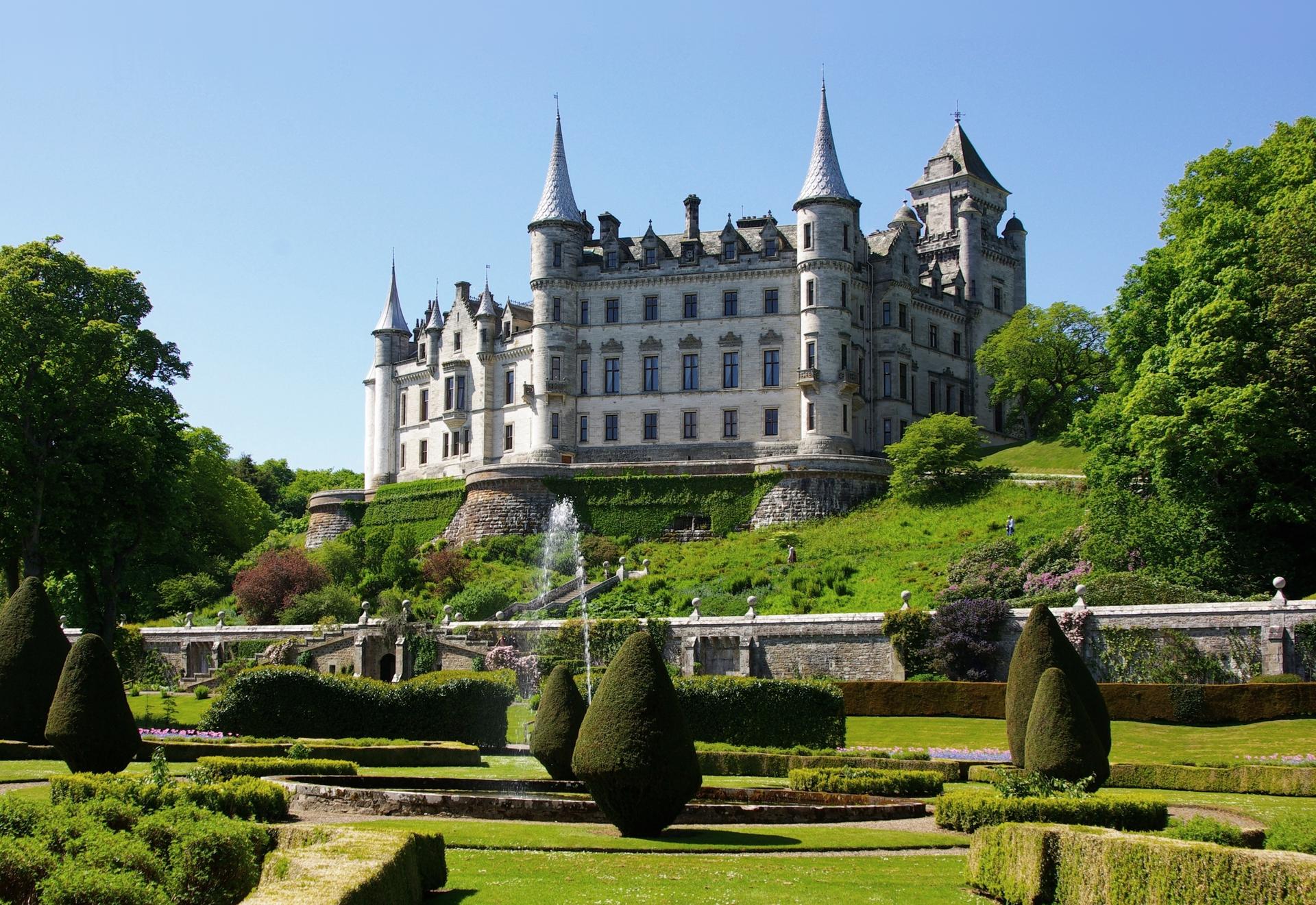
Designed in the Scottish baronial style, Carbisdale Castle is an imposing structure with 365 windows and sprawling over 41,000 square feet. It stands atop a rocky outcrop with panoramic views over the Kyle of Sutherland and the surrounding forested landscape. The castle’s dramatic position above a steep cliff commands attention, with the Kyle river flowing beneath and nearby salmon leaping at the River Shin falls. The grounds encompass around two thousand acres of ancient woodland and a picturesque loch, creating a quintessential Highland environment that blends natural beauty with architectural splendor.A Royal Sanctuary in Wartime
During World War II, Carbisdale Castle took on a new role as a royal palace and refuge for King Haakon VII of Norway and his son, Prince Olav (later King Olav V). The castle became a center for Norwegian exile activities, including military training and diplomatic meetings, such as the Carbisdale Conference of 1941 where agreements were made regarding the Soviet presence in Norway. This period added a significant historical layer to the castle’s legacy, intertwining Scottish and Norwegian history within its walls.From Youth Hostel to Exclusive Highland Retreat
After the war, the castle was donated to the Scottish Youth Hostels Association (SYHA) and operated as a youth hostel from 1945 until 2011. Despite its popularity, the upkeep costs led to its closure and eventual sale. Today, Carbisdale Castle has been lovingly restored by private owners and operates as an exclusive private club and retreat. Members enjoy traditional Highland pursuits such as golf, clay pigeon shooting, and fishing, alongside cultural events and spectacular views from every window. The castle’s library, named after King Haakon, preserves its royal connections and rich heritage.Legends and Mysteries Surrounding the Castle
Local lore adds a mystical dimension to Carbisdale Castle’s story. Tales of phantom bagpipes and ghostly organ music are said to emanate from beneath the castle’s rocky site, believed to foretell great changes in the area. The apparition of Duchess Blair herself is reportedly seen by locals during summer evenings, adding to the castle’s aura of mystery and enchantment.Preserving a Highland Treasure for the Future
Currently managed by a community non-profit, Carbisdale Castle and its surrounding ancient forest are under protection efforts to preserve their cultural and natural significance. The castle serves not only as a historical monument but also as a vibrant hub for community events, corporate retreats, and exclusive Highland experiences. This stewardship ensures that Carbisdale remains a treasured landmark in the Scottish Highlands, blending history, nature, and luxury hospitality.












Your all‑in‑one travel companion app
Explore expert travel guides, compare and book tours, experiences, hotels, and more—all from the palm of your hand. Download now for seamless trip planning wherever your wanderlust takes you.


Explore More of Sutherland
Looking beyond Carbisdale Castle? Discover Sutherland for broader travel guides, local hot-spots, and regional highlights.
Explore Sutherland