

Croick Church, Sutherland Travel Guide
An exceptionally preserved Thomas Telford church bearing witness to Highland Clearances and rural Scottish heritage.
Croick Church, built between 1825 and 1827 to a design by Thomas Telford, stands as a remarkably well-preserved example of a Parliamentary Church in the Scottish Highlands. Located near Ardgay, it is historically significant for its role during the Highland Clearances, notably sheltering evicted tenants in 1845. The church retains much of its original structure and atmosphere, offering a poignant glimpse into Scotland’s turbulent past and rural heritage.
A brief summary to Croick Church
- Ardgay, GB
- Click to display
- Duration: 0.5 to 1.5 hours
- Free
-
 Outdoor
- Mobile reception: 3 out of 5

Know before you go
Hi, I'm Eve. Here are a few practical things to know before exploring Croick Church.
- Take time to read the inscriptions on the east window panes to connect with the personal stories of the Glencalvie tenants.
- Visit during daylight hours to fully appreciate the church’s architectural details and surrounding landscape.
- Explore the nearby remains of the Iron Age broch to deepen your understanding of the site’s long historical significance.
- Respect the quiet and contemplative atmosphere of the churchyard, a place of refuge and memory.
Do you manage this location?
Take control to get all the benefits, like improved information, better appearance, and stronger visibility across AI-powered discovery. Learn more about listing your business on Evendo
Activate your presenceOther nearby places you may find interesting
The closest places of the same kind, if this one is not quite what you had in mind.
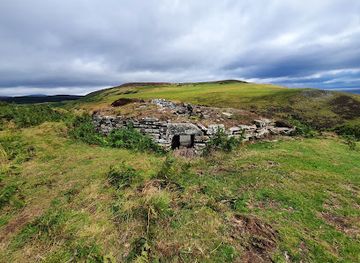
Explore Croick Church on the Map
A handpicked selection of must-see spots near Croick Church, mapped for you.
Getting There
-
Car
Driving from Ardgay to Croick Church takes approximately 25 to 35 minutes via local rural roads. Parking is limited near the church, so plan to park considerately. The route involves narrow, single-track roads common in the Highlands.
-
Bus and Walking
Take a regional bus service from Inverness or Tain to Ardgay, which takes around 1.5 to 2 hours depending on connections. From Ardgay, expect a challenging 5 km walk on uneven terrain to reach Croick Church, suitable for experienced walkers with good footwear.
-
Taxi
Local taxi services from Ardgay to Croick Church typically take 20 to 30 minutes. This option is more costly, with fares around £30-£50, but offers convenience and avoids the long walk.
For the on-the-go comforts that matter to you
-
 Information Boards
-
 Seating Areas
-
 Trash Bins
Discover more about Croick Church
Architectural Heritage Rooted in Parliamentary Reform
Croick Church was constructed between 1825 and 1827 as part of a Parliamentary initiative to build additional places of worship in the Highlands and Islands of Scotland. This programme allocated £50,000 to erect 32 churches and manses based on standardized designs by the famed engineer Thomas Telford. Croick Church exemplifies this architectural legacy, being exceptionally well preserved with much of the original structure and interior layout intact. The church was designed to serve around 200 parishioners living within walking distance in the surrounding glens, reflecting the rural and dispersed nature of the local population at the time.A Site Steeped in the History of the Highland Clearances
Croick Church is deeply intertwined with the tragic history of the Highland Clearances, particularly the events of 1845. In that year, eighteen families from Glencalvie were forcibly evicted by the factor James Gillanders to make way for sheep farming, a common practice during the Clearances that led to widespread depopulation of the Highlands. These evicted tenants sought refuge in the churchyard, erecting makeshift shelters and enduring harsh conditions. The church itself was not used as a refuge, possibly due to the schism in the Church of Scotland in 1843, which left the established congregation diminished and many locals aligned with the Free Church. The poignant inscriptions scratched into the diamond-shaped panes of the east window by the displaced Glencalvie people remain visible today, bearing witness to their suffering and resilience.Preservation and Conservation Efforts
After years of structural decline, ownership of Croick Church was transferred to Historic Churches Scotland in April 2025. Since then, significant efforts have been made to stabilize and weatherproof the building, ensuring its survival for future generations. The conservation project aims to restore the church’s fabric while respecting its historical integrity. Visitors today encounter a site that closely resembles what Thomas Telford envisioned nearly two centuries ago, offering an authentic experience of a Parliamentary Church and its surrounding landscape.The Surrounding Landscape and Historical Context
Situated adjacent to the remains of an Iron Age broch, the church’s location connects it to a much older layer of Scottish history. The glens around Croick once supported thriving communities who lived off the land through farming and shepherding. Today, the landscape bears traces of the Clearances, with scattered stone remnants marking former dwellings and old tracks weaving through the heather. This juxtaposition of natural beauty and historical loss adds a contemplative dimension to visits.Cultural Significance and Lingering Mysteries
The inscriptions on the church’s windows not only reference the 1845 evictions but also mention dates extending into the late 19th century, raising questions about the origins and authorship of some graffiti. The church’s role during the Clearances was noted in contemporary reports, including an article in The Times in 1845 and parliamentary debates. The linguistic barrier between the Gaelic-speaking refugees and English-speaking visitors at the time highlights the cultural isolation of the community. The church thus stands as a symbol of both historical injustice and cultural endurance.Visiting Croick Church Today
Visitors to Croick Church can explore a site that combines architectural heritage with powerful historical narratives. The serene and remote setting invites reflection on the lives of those who once worshipped here and those who suffered displacement. The church’s preservation allows it to serve as a tangible connection to the past, making it a meaningful destination for those interested in Scottish history, architecture, and rural heritage.












Your all‑in‑one travel companion app
Explore expert travel guides, compare and book tours, experiences, hotels, and more—all from the palm of your hand. Download now for seamless trip planning wherever your wanderlust takes you.


Explore More of Sutherland
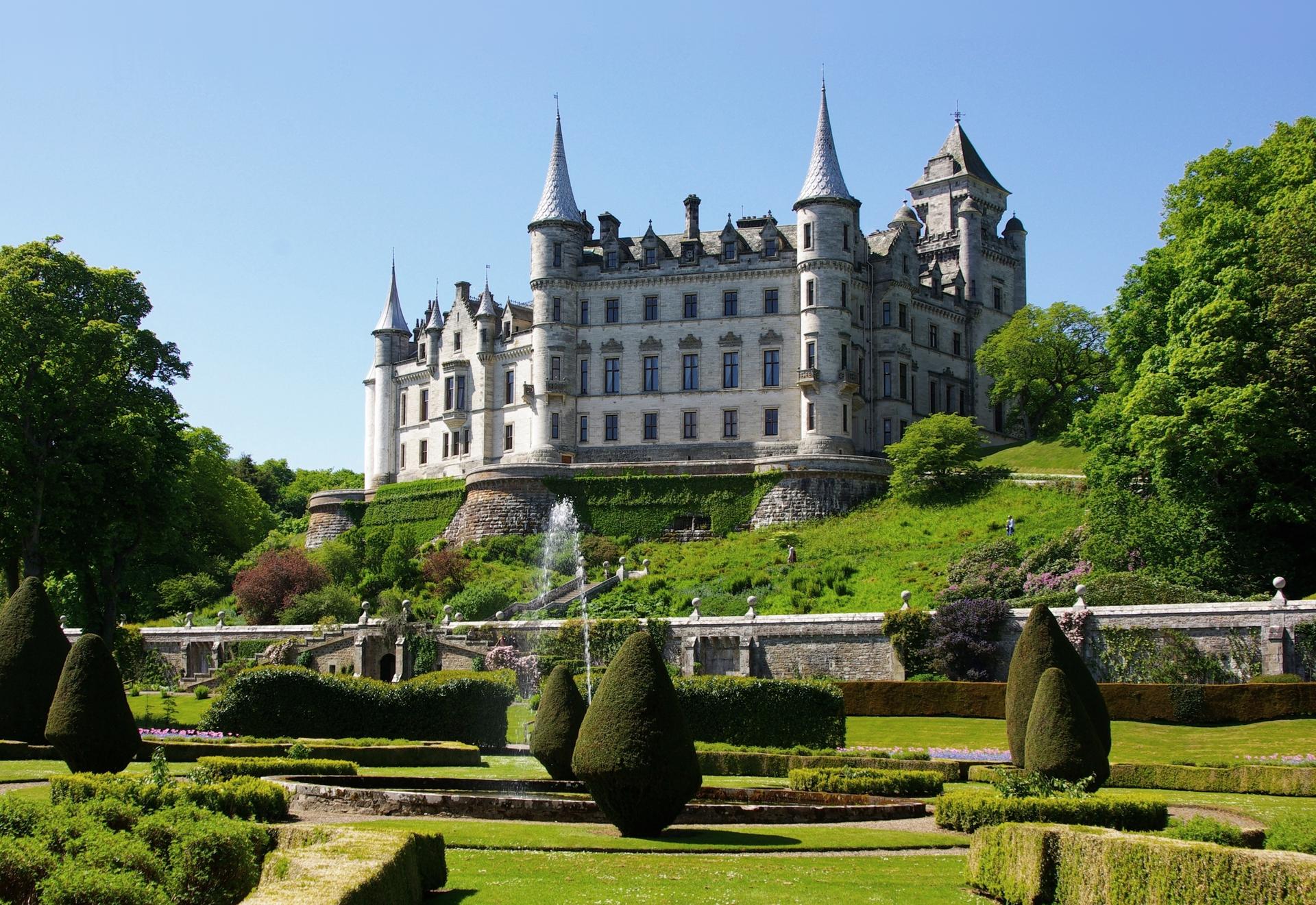
Looking beyond Croick Church? Discover Sutherland for broader travel guides, local hot-spots, and regional highlights.
Explore Sutherland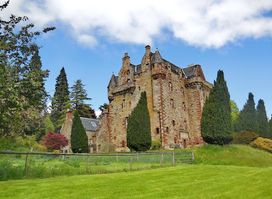
Explore Castle Leod, the majestic Highland fortress and enduring seat of Clan Mackenzie, steeped in history, legend, and stunning natural beauty.
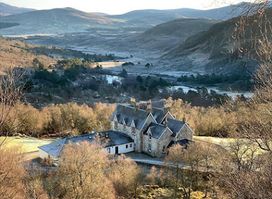
Discover Alladale Wilderness Reserve, a remote Scottish Highland sanctuary blending wild nature, luxury lodges, and sustainable conservation.
