Dornoch Cathedral, Caithness Travel Guide
Discover the tranquil beauty and deep history of Dornoch Cathedral, the northernmost medieval sanctuary on mainland Britain.
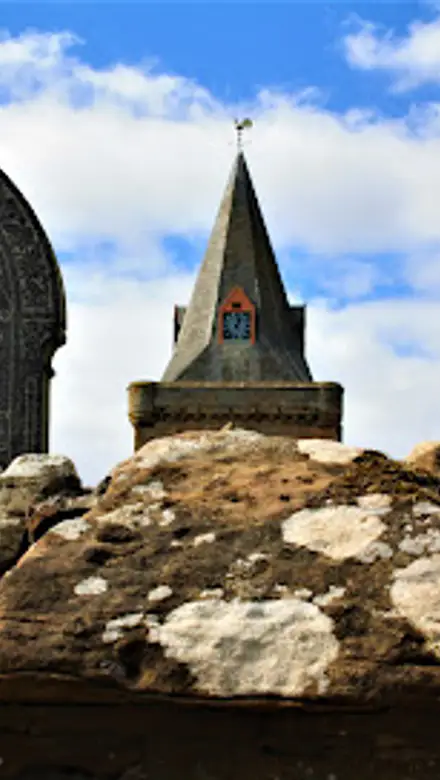
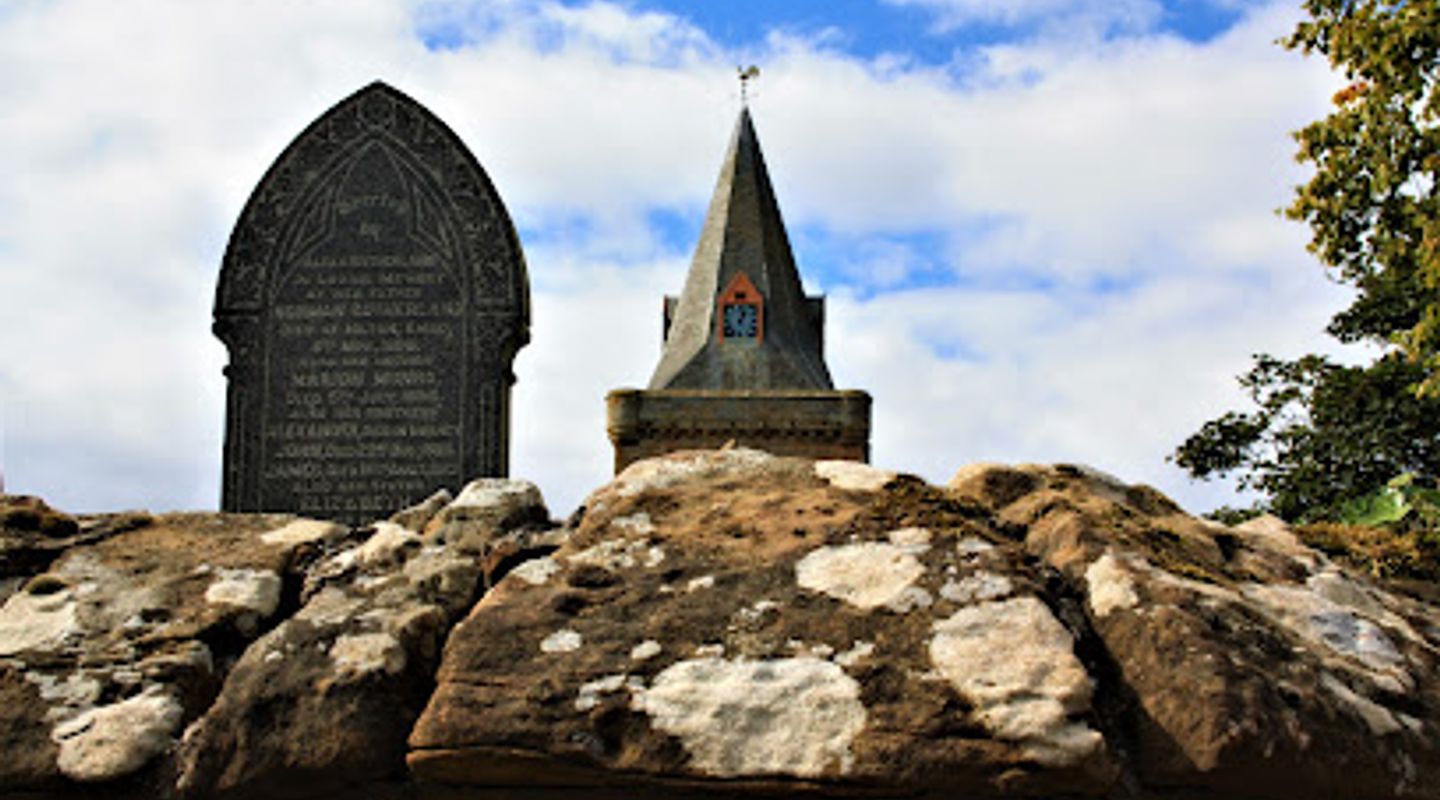
Dornoch Cathedral, founded in 1224 by Bishop Gilbert de Moravia, stands as the northernmost cathedral on mainland Great Britain. This active Church of Scotland parish church combines medieval origins with 19th-century restorations, featuring serene Gothic architecture, stunning stained glass, and a rich history intertwined with the Sutherland family and Scottish heritage. Visitors can explore its peaceful interior, unique graveyard artifacts, and the legacy of a building that has endured centuries of change.
A brief summary to Dornoch Cathedral
- Dornoch, Dornoch, GB
- Click to display
- Duration: 0.5 to 1.5 hours
- Free
-
 Indoor
- Mobile reception: 4 out of 5
- Monday 10 am-8 pm
- Tuesday 10 am-8 pm
- Wednesday 10 am-8 pm
- Thursday 10 am-8 pm
- Friday 10 am-8 pm
- Saturday 10 am-8 pm
- Sunday 10 am-8 pm

Know before you go
Hi, I'm Eve. Here are a few practical things to know before exploring Dornoch Cathedral.
- Visit during daylight hours to fully appreciate the stunning stained glass windows illuminated by natural light.
- Explore the graveyard to see unique historical artifacts like the Plaiden Ell, an 18th-century market measuring stone.
- Consider making a voluntary donation to support the cathedral’s maintenance and preservation.
- Attend a Sunday service at 11am to experience the cathedral’s active spiritual community.
- Look out for the intricate wooden carvings and the large church organ, gifts that enhance the cathedral’s acoustic and visual charm.
Do you manage this location?
Take control to get all the benefits, like improved information, better appearance, and stronger visibility across AI-powered discovery. Learn more about listing your business on Evendo
Activate your presenceOther nearby places you may find interesting
The closest places of the same kind, if this one is not quite what you had in mind.
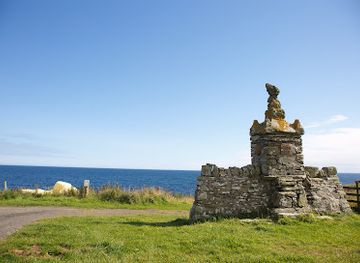
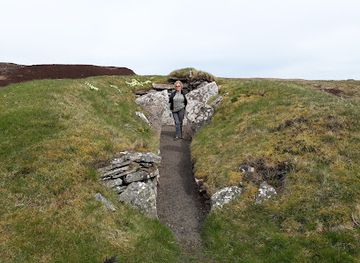
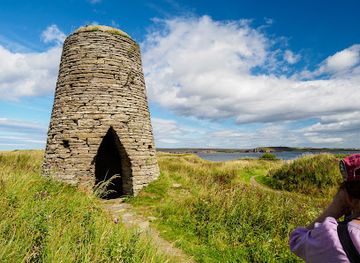
Explore Dornoch Cathedral on the Map
A handpicked selection of must-see spots near Dornoch Cathedral, mapped for you.
Unlock the Best of Dornoch Cathedral
Buy tickets
-
No tickets available
Book tours with entry


Book tours without entry
-
No tours available
Getting There
-
Train and Bus
Travelers can take a train from Inverness to Tain, approximately 1.5 hours, then catch a local bus to Dornoch, which takes about 25 minutes. Bus services run several times daily but may be limited on weekends. Tickets cost around £10–£15 GBP in total.
-
Car
Driving from Inverness to Dornoch takes about 1 hour 15 minutes via the A9 and A949. Parking is available near the cathedral, but spaces can be limited during peak times. No parking fees apply.
-
Long-Distance Bus
National coach services connect Inverness to Dornoch with travel times ranging from 1.5 to 2 hours depending on the route. Tickets typically cost £12–£18 GBP. Service frequency varies seasonally.
For the on-the-go comforts that matter to you
-
 Restrooms
-
 Seating Areas
-
 Information Boards
-
 Visitor Center
Discover more about Dornoch Cathedral
Founding and Medieval Legacy
Dornoch Cathedral was established in 1224 by Gilbert de Moravia, a powerful bishop who personally financed its construction and moved the diocesan seat from Halkirk to Dornoch for safety and strategic reasons. The cathedral was consecrated with its first service in 1239 and completed shortly before Gilbert’s death in 1245. Originally built in a traditional cruciform plan, it featured a choir, transepts, a massive tower, and an aisled nave. Gilbert, later canonised as Saint Gilbert of Dornoch, was the last pre-Reformation Scotsman to be sanctified, marking the cathedral with deep spiritual and historical significance.Destruction and Restoration
In 1570, the cathedral suffered near-total destruction during local feuding, with only the chancel and transept walls surviving. Partial repairs in 1616 allowed continued use as a parish church, but it was not until the 19th century that a major restoration transformed the building. Between 1835 and 1837, funded by Elizabeth, Duchess of Sutherland, architect William Burn led the restoration that included demolishing the medieval nave and replacing it with a narrower, pillar-less nave. This restoration also created a burial vault for the Sutherland family beneath the chancel, symbolizing the cathedral’s role as a monument to local aristocratic power.Architectural and Artistic Features
The cathedral’s architecture reflects a blend of medieval Gothic simplicity and 19th-century modifications. Inside, the walls are exposed stone, revealed after the removal of Victorian plasterwork in the 1920s, which enhances the bright, airy atmosphere. The creamy-white painted Gothic ceiling adds to this lightness. Notable features include beautiful stained glass windows ranging from traditional to modern designs, a large church organ gifted and expanded through Andrew Carnegie’s philanthropy, and medieval elements like gargoyles and an internal piscina. The cathedral’s graveyard holds unique artifacts such as the Plaiden Ell, an 18th-century market measuring stone rare in Scotland.Historical and Cultural Significance
Dornoch Cathedral is not only a place of worship but also a historical monument reflecting centuries of Scottish history and local power dynamics. It served as the resting place for the Earls of Sutherland and witnessed visits from royalty, including the Prince and Princess of Wales in 1866. The cathedral’s story is intertwined with the controversial Sutherland family and the wider history of the Highlands, including the Highland Clearances. Today, it stands as a symbol of resilience, faith, and community identity in the Scottish Highlands.Visitor Experience and Community Role
As an active parish church, Dornoch Cathedral welcomes visitors during daylight hours with free entry and opportunities to donate for upkeep. The serene interior offers a peaceful space for reflection, enhanced by knowledgeable volunteers who share insights into its history and features. Visitors often spend 30 minutes to an hour exploring the cathedral and its grounds, including the adjacent churchyard and its historical gravestones. Regular Sunday services continue to make the cathedral a living part of the community’s spiritual life.Setting and Surroundings
Located in the charming town of Dornoch, the cathedral is centrally positioned near shops and cafes, making it easily accessible. The surrounding landscape and town add to the cathedral’s tranquil and scenic ambiance, inviting visitors to immerse themselves in the rich heritage and natural beauty of the Scottish Highlands.












Your all‑in‑one travel companion app
Explore expert travel guides, compare and book tours, experiences, hotels, and more—all from the palm of your hand. Download now for seamless trip planning wherever your wanderlust takes you.


Explore More of Caithness
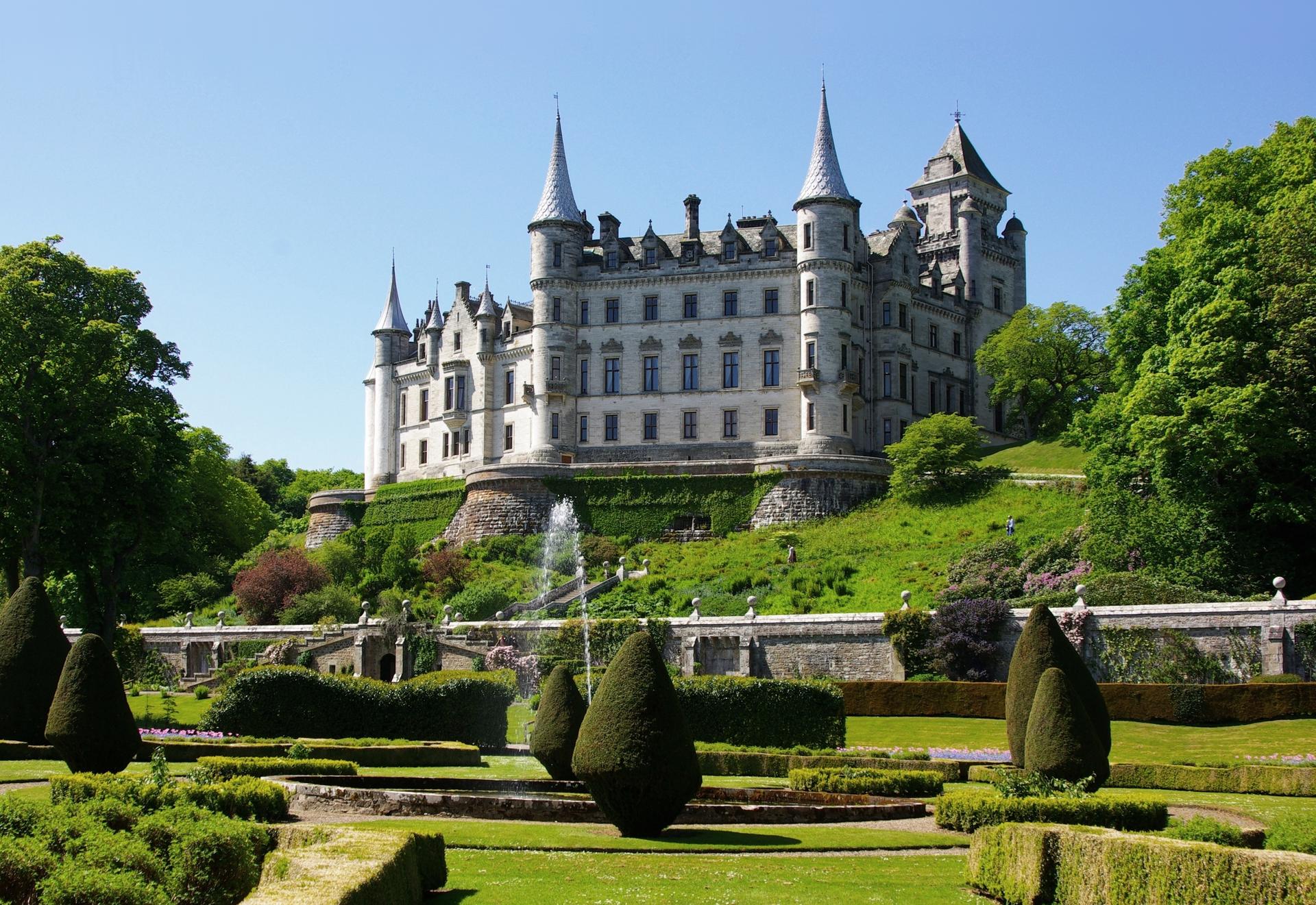
Looking beyond Dornoch Cathedral? Discover Caithness for broader travel guides, local hot-spots, and regional highlights.
Explore Caithness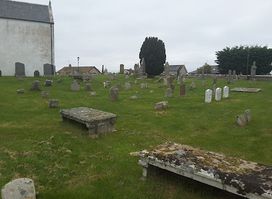
Explore the rich Pictish heritage and medieval mysteries of the Tarbat Peninsula at this unique museum set within an ancient Highland church.

Conveniently located in Dornoch’s Cathedral Square, Co-op Food offers fresh essentials, delivery, and accessibility daily from 7am to 10pm.