
Ranworth Broad, The Broads Travel Guide
Ancient woodlands and reed fens where ospreys soar and swallowtails dance above Norfolk's most pristine wetland.
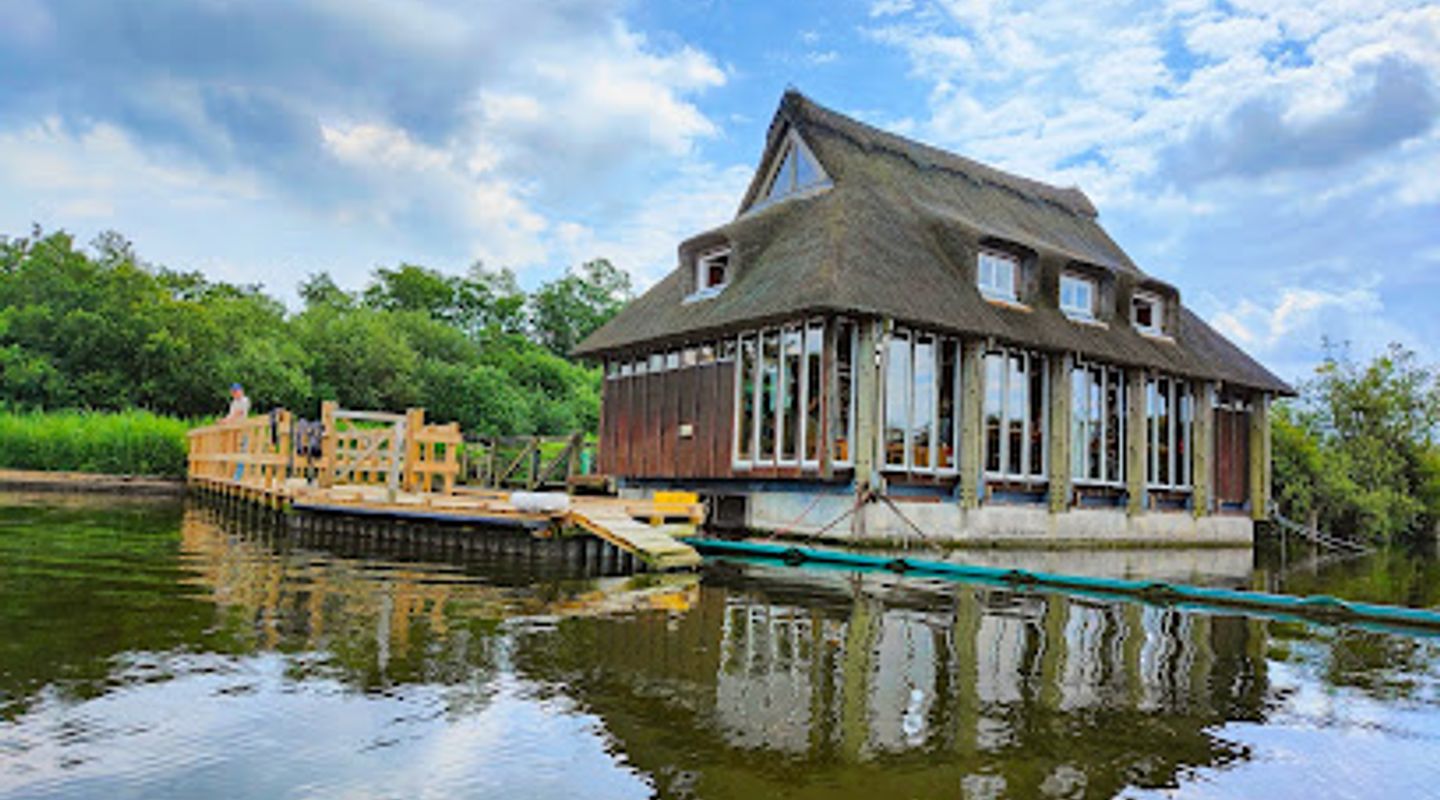
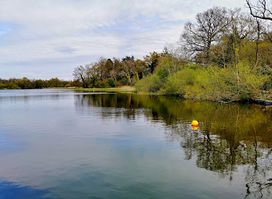
Ranworth Broad is a 136-hectare nature reserve in the heart of the Norfolk Broads, just 20 minutes from Norwich. Managed by the Norfolk Wildlife Trust, this protected wetland offers an accessible boardwalk through ancient woodlands and reed fens, leading to a distinctive floating visitor centre with thatched roof. The reserve is renowned for seasonal wildlife viewing—from spring's dawn chorus and nesting common terns to summer swallowtail butterflies and ospreys, and winter's spectacular gatherings of wildfowl and cormorants. Guided boat trips explore the broader ecosystem from April to October.
A brief summary to Ranworth Broad
- Norwich, GB
- Duration: 1.5 to 3 hours
- Free
-
 Outdoor
- Mobile reception: 3 out of 5

Know before you go
Hi, I'm Eve. Here are a few practical things to know before exploring Ranworth Broad.
- Visit in spring (April–May) for the dawn chorus and nesting common terns, or in summer for swallowtail butterflies and Norfolk hawker dragonflies. Winter offers dramatic wildfowl gatherings and cormorant roosts.
- Book a guided wildlife boat trip (April–October) to explore areas of the reserve inaccessible on foot and increase your chances of spotting ospreys, otters, and marsh harriers.
- Bring binoculars and a field guide to birds or insects. The boardwalk brings you close to nesting warblers and the reed fen supports unusual plants like six-foot marsh sowthistle.
- Allow at least 1–2 hours to walk the boardwalk and explore the visitor centre. The picnic benches are ideal for quiet observation; early morning visits offer the best wildlife activity.
- Dogs are not permitted on the reserve except assistance dogs. Check visitor centre opening times before visiting; the centre operates seasonally (April–October with reduced hours in late October).
Do you manage this location?
Take control to get all the benefits, like improved information, better appearance, and stronger visibility across AI-powered discovery. Learn more about listing your business on Evendo
Activate your presenceOther nearby places you may find interesting
The closest places of the same kind, if this one is not quite what you had in mind.
Explore Ranworth Broad on the Map
A handpicked selection of must-see spots near Ranworth Broad, mapped for you.
Getting There
-
By car from Norwich
From Norwich city centre, take the A47 northeast toward Great Yarmouth. Approximately 6 kilometers from Norwich, turn left off the A47 onto the B1140 road toward South Walsham. Follow signs to Ranworth village. The reserve car park is located near Ranworth Staithe. Journey time is approximately 20–25 minutes depending on traffic. Parking is available at the reserve, though spaces can be limited during peak season (April–October).
-
By train and bicycle
Take a train from Norwich to either Salhouse or Acle station (both have regular services to Norwich, Great Yarmouth, and Sheringham). From either station, the reserve is approximately a 25-minute cycle ride. Bicycles can be taken on trains on both lines, though advance booking is recommended. This option is ideal for visitors without a car and provides a scenic approach through the Broads landscape.
-
By bus
Local bus services operate to Ranworth village, though routes and timetables change frequently. Check online journey planners or contact local transport providers for current schedules. Bus travel is slower than car or bicycle but offers an economical option for visitors without personal transport.
-
By boat
If you have access to a private boat or hire one locally, Ranworth Staithe provides mooring facilities. The staithe is located opposite the visitor centre. Staff at the information centre can assist with mooring, as some spaces are tight. This approach allows you to arrive by water and explore the reserve from a boating perspective.
For the on-the-go comforts that matter to you
-
 Restrooms
-
 Drink Options
-
 Food Options
-
 Seating Areas
-
 Picnic Areas
-
 Trash Bins
-
 Information Boards
-
 Visitor Center
Discover more about Ranworth Broad
A Sanctuary in the Reeds
Ranworth Broad stands as one of the Norfolk Broads' most distinctive nature reserves, a 136-hectare expanse of wetland habitat northeast of Norwich. Managed by the Norfolk Wildlife Trust, the reserve protects a mosaic of wet carr woodland, reed fen, and open water—ecosystems that have evolved over centuries and now support an extraordinary diversity of plant and animal life. The broad itself is privately owned by the Trust, making it a carefully stewarded sanctuary where nature takes precedence and visitors experience the landscape on its own terms.The Boardwalk Experience
The heart of the visitor experience is the accessible wooden boardwalk, a carefully engineered pathway that winds through the reserve without disturbing the delicate wetland environment. The walk begins beneath a magnificent ancient oak, a sentinel that has stood witness to centuries of change in Broadland. From there, the boardwalk ambles gently through wet carr woodland—a habitat dominated by alder and willow—before opening into expansive reed fen. The journey culminates at the reserve's most iconic feature: a small, floating visitor centre with a distinctive thatched roof. This architectural gem sits directly on the water, offering unobstructed views across Ranworth Broad and providing shelter, interactive displays, and a gift shop. The boardwalk's design allows visitors to experience the sensation of being deep within a reedbed, surrounded by the calls of reed warblers and Cetti's warblers nesting close at hand.Flora of Fenland Distinction
The reserve's plant life reflects the unique chemistry of Broadland's freshwater wetlands. Royal fern, decades-old tussock sedges, and delicate orchids flourish in conditions that would be inhospitable to most vegetation. Particularly striking is the marsh sowthistle, which can reach heights of six feet or more, creating a botanical landscape unlike temperate grasslands or woodlands. These plants are not merely decorative; they form the foundation of the entire ecosystem, stabilizing sediments, filtering water, and providing food and shelter for countless invertebrates and birds.Wildlife Across the Seasons
Ranworth's reputation for wildlife observation rests on its seasonal transformations. In early spring, the reserve awakens to the dawn chorus—a cacophony of birdsong that signals the return of migratory species. Common terns arrive after their arduous journey from Africa, nesting on special rafts positioned in front of the visitor centre, where their acrobatic plunges and noisy territorial displays provide endless entertainment. Summer brings the rare swallowtail butterfly and the striking Norfolk hawker dragonfly, both of which depend on the reserve's pristine wetland conditions. Ospreys, the majestic fish-eating raptors, have been recorded spending summers at Ranworth, and the Trust harbors hopes that breeding pairs will eventually establish themselves here. Winter transforms the broad into a gathering place for thousands of wildfowl and cormorants, which roost in the skeletal dead trees at the water's edge. At twilight, gulls descend en masse, creating a visual spectacle described as falling snow. Year-round residents include marsh harriers and, occasionally, families of otters playing along the broad's margins.Exploration Beyond the Boardwalk
While much of the reserve remains inaccessible on foot to protect nesting birds and sensitive habitats, guided wildlife boat trips extend the experience from April through October. These excursions explore not only Ranworth Broad itself but also the River Bure and surrounding waterways, offering perspectives and wildlife encounters impossible from the shore. The boat trips are led by knowledgeable guides who interpret the landscape and help visitors understand the ecological relationships that sustain this remarkable ecosystem.A Living Classroom
Ranworth Broad functions as more than a scenic destination; it is an outdoor classroom where visitors of all ages encounter wetland ecology in its most authentic form. The picnic benches outside the visitor centre serve as observation posts for patient naturalists, while the interactive displays inside provide context for what visitors see and hear. The reserve demonstrates how protected wetlands function as carbon stores, water filters, and nurseries for commercially important fish species, making it relevant to contemporary conversations about climate change and environmental stewardship.












Your all‑in‑one travel companion app
Explore expert travel guides, compare and book tours, experiences, hotels, and more—all from the palm of your hand. Download now for seamless trip planning wherever your wanderlust takes you.


Explore More of The Broads
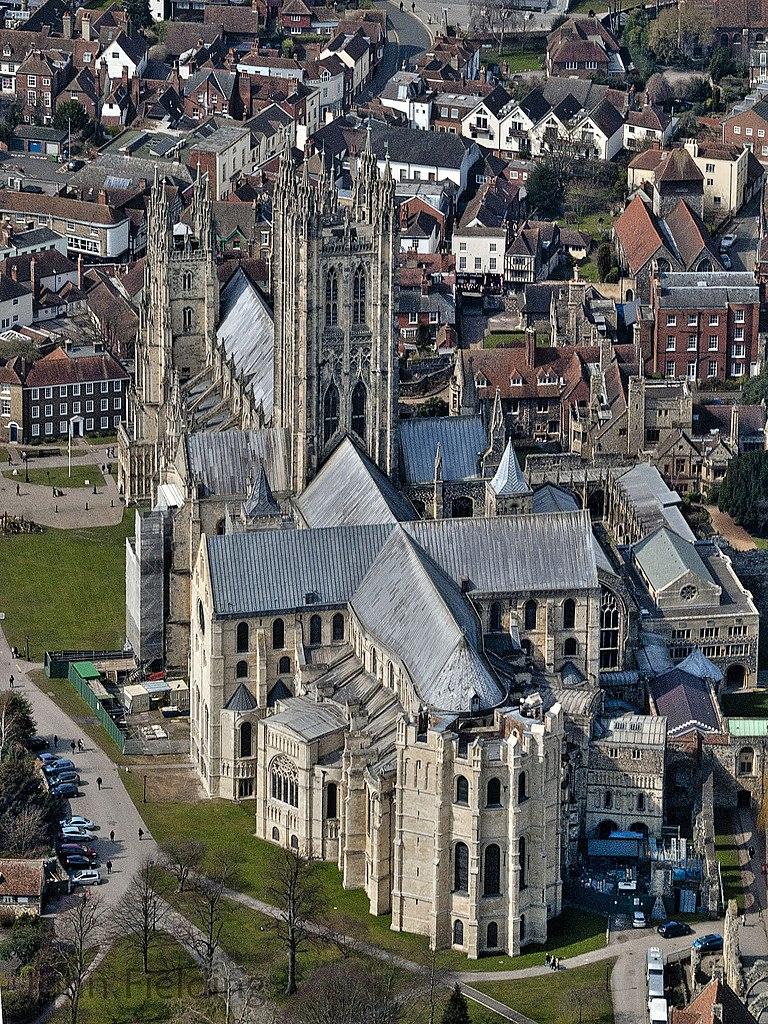
Looking beyond Ranworth Broad? Discover The Broads for broader travel guides, local hot-spots, and regional highlights.
Explore The Broads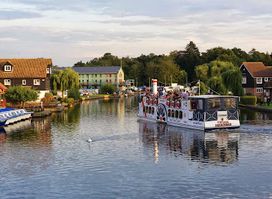
Explore Norfolk’s iconic Broads with expert-guided river trips or self-drive boat hires from Wroxham’s scenic waterfront base.
Explore 130 acres of peaceful organic woodland and water gardens with accessible trails, seasonal boat trips, and rich wildlife at the heart of the Norfolk Broads.
