

St Benet's Abbey: Norfolk’s Enduring Anglo-Saxon Monastic Ruin
Explore Norfolk’s unique Anglo-Saxon abbey ruins nestled in the serene Broads, rich with history and medieval charm.
Nestled deep in the Norfolk Broads near the meeting of the rivers Bure and Ant, St Benet's Abbey is a remarkable Anglo-Saxon monastery founded around 1019. It uniquely survived the Dissolution of the Monasteries under Henry VIII and remains a powerful historical and atmospheric site, featuring ruins of medieval stonework, a 14th-century gatehouse, and earthwork defenses, set amidst tranquil marshland and waterways.
A brief summary to St. Benet's Abbey
- Great Yarmouth, NR29 5NU, GB
- Visit website
- Duration: 1 to 3 hours
- Free
-
 Outdoor
- Mobile reception: 3 out of 5
- Monday 12 am-12 am
- Tuesday 12 am-12 am
- Wednesday 12 am-12 am
- Thursday 12 am-12 am
- Friday 12 am-12 am
- Saturday 12 am-12 am
- Sunday 12 am-12 am
Local tips
- Access the abbey most easily by boat, with a public mooring nearby on the River Bure.
- Wear sturdy footwear as the farm track and terrain around the site can be uneven and bumpy.
- Visit the talking bench on the west side of the ruined church for engaging historical insights.
- Attend free guided tours offered on Wednesdays and Saturdays from June to September.
- Plan your visit to coincide with the annual service held by the Bishop of Norwich on the last Sunday of July.

For the on-the-go comforts that matter to you
- Restrooms
- Seating Areas
- Information Boards
Getting There
-
Boat
The easiest way to reach St Benet’s Abbey is by boat via the River Bure. Public mooring is available a short distance west of the abbey, with a clearly marked route to the site. Travel time varies depending on your starting point on the Broads.
-
Walking
A permissive footpath from Ludham Bridge offers a scenic 25-minute walk along the river to the abbey. The path is relatively flat but may be muddy in wet weather, so suitable footwear is recommended.
-
Car
Access by car involves driving along a bumpy farm track off St Benet’s Road, with a small car park at the end accommodating about 10 cars and 3 disabled spaces. Drive slowly and be aware of livestock with right of way.
-
Bus
Local bus services connect to Ludham village, from where the abbey can be reached on foot. Check current timetables for service frequency and plan accordingly, as public transport options are limited.
St. Benet's Abbey location weather suitability
-
 Any Weather
-
 Rain / Wet Weather
-
 Clear Skies
-
 Mild Temperatures
Discover more about St. Benet's Abbey
An Ancient Foundation in the Heart of the Broads
St Benet's Abbey stands as Norfolk’s only monastery founded in the Anglo-Saxon period that continued in use throughout the Middle Ages. Its origins trace back to a hermit named Suneman around the 9th century, who established a small chapel on an island called Cowholm. The abbey’s formal establishment began circa 1019 under King Cnut, who granted lands and manors to support the monastic community. Over the centuries, the abbey grew in wealth and influence, becoming a significant religious center with estates spanning much of Norfolk.Architectural Evolution and Medieval Fortifications
Originally constructed from timber and mud, the abbey’s buildings were gradually replaced with stone under Abbot Aelfsige in the early 11th century. The complex expanded through the 12th and 13th centuries, culminating in a stone church completed by 1274. Surrounded by a ditch and earthwork wall, the abbey was granted permission to build a fortified outer wall in 1327, parts of which still survive today. The site includes a notable 14th-century gatehouse adorned with intricate carvings, adding to its medieval character.Challenges of Nature and History
Situated in low-lying marshland, the abbey frequently faced flooding, notably in 1287 when outer buildings were accessible only by boat and the church was briefly used as a stable for horses. The abbey’s remote location both shielded and isolated it. Despite the Peasants’ Revolt in 1381, when local tenants attacked and destroyed important documents, St Benet’s maintained its status and lands.Survival Through the Dissolution and Legacy
Unlike other English monasteries, St Benet's Abbey was never officially closed during Henry VIII’s Dissolution of the Monasteries. Instead, it was exchanged for diocesan lands and merged with the Diocese of Norwich. The Bishop of Norwich retains the title of Abbot of St Benet’s to this day. The abbey was eventually abandoned in 1545 due to its isolated position but remains a site of annual religious services held at the ruined high altar, marked by a modern oak cross.Visiting the Abbey Today
The abbey ruins lie on the north bank of the River Bure, accessible by boat or a scenic 25-minute walk along a permissive path from Ludham Bridge. A small car park is available at the end of a farm track, with limited spaces including disabled parking. The site is atmospheric and has inspired artists and photographers for over two centuries. Visitors can explore the remains of the church, gatehouse, and earthworks, and enjoy the tranquil Broads landscape. A talking bench on the west side of the ruins provides interpretive information.Conservation and Community Engagement
St Benet’s Abbey is a Scheduled Ancient Monument under the care of the Norfolk Archaeological Trust, which offers free guided tours in summer and organizes events such as Heritage Open Days. The site’s preservation highlights the importance of Norfolk’s medieval heritage and the continuing connection between the abbey, the Diocese of Norwich, and the local community.Iconic landmarks you can’t miss

Potter Heigham bridge
4.8 km
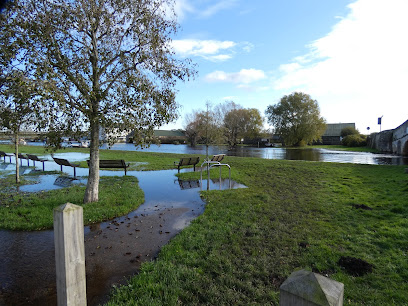
Historic 14th-century bridge and boating hub in Norfolk Broads, blending medieval charm with scenic waterways and vibrant village life.
TourNorfolk
7.1 km
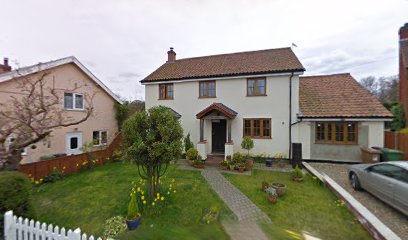
Discover the essential internet marketing services at TourNorfolk, where local charm meets digital expertise in the heart of Barton Turf.
Wroxham Bridge
8.0 km
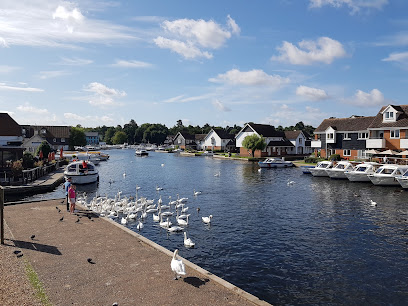
Historic 17th-century bridge and vibrant boating hub connecting Wroxham and Hoveton on the scenic Norfolk Broads.
Faircraft Loynes
8.2 km
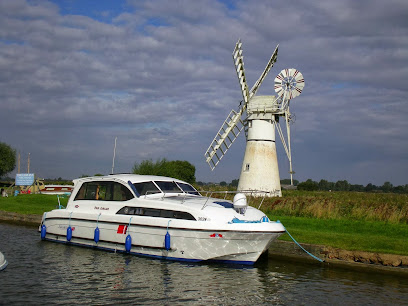
Discover the beauty of the Broads with Faircraft Loynes, your premier boat tour agency and rental service in Wroxham, offering unforgettable waterway experiences.
Pull's Ferry
15.7 km
A tranquil 15th-century watergate and ferry house on Norwich’s River Wensum, blending rich medieval history with scenic riverside charm.
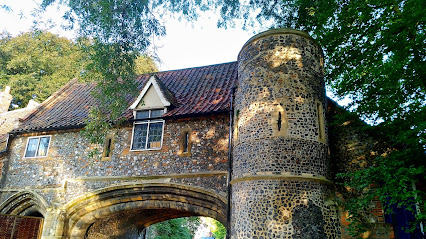
Pudding tower
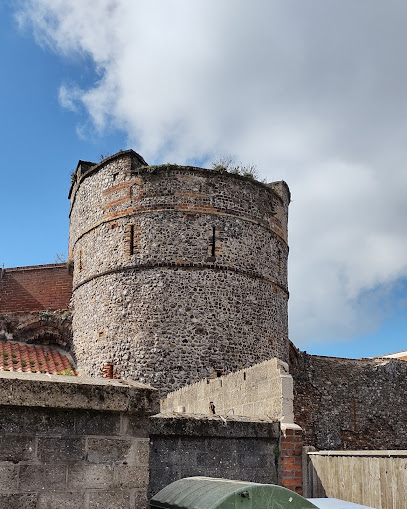
16.5 km
Explore Pudding Tower, a medieval defensive relic in Great Yarmouth, steeped in history and local lore from the town’s fortified past.
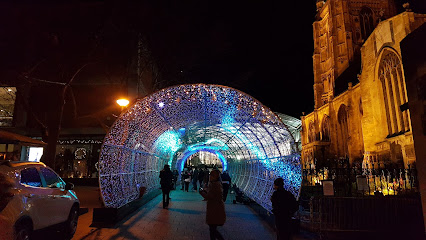
VisitNorwich
16.6 km
Discover Norwich Cathedral’s soaring Norman spire, medieval carvings, and tranquil cloisters nestled in a vast historic sanctuary.
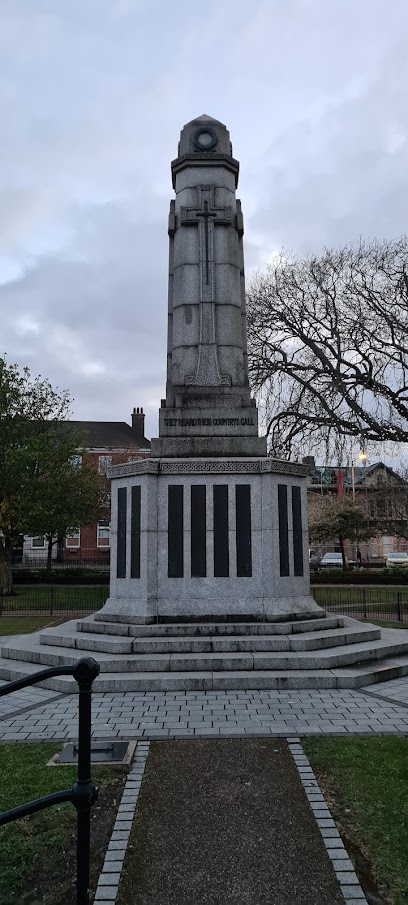
War Memorial
16.8 km
A solemn tribute in Great Yarmouth, honouring local service personnel and civilians lost in 20th-century conflicts with quiet dignity and enduring respect.
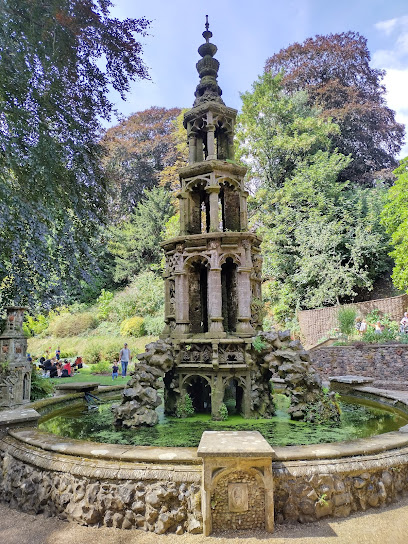
The Plantation Garden
17.3 km
Explore the serene beauty and historical charm of The Plantation Garden in Norwich, a perfect escape for nature lovers and tourists alike.
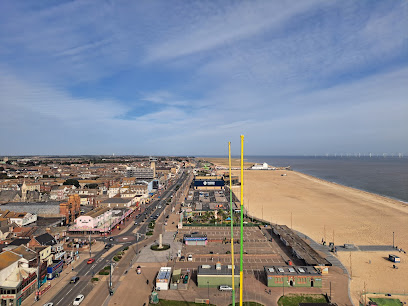
Great Yarmouth Beach
17.4 km
Experience the lively charm and sandy stretches of Great Yarmouth Beach, Norfolk’s iconic seaside playground with piers, amusements, and tranquil dunes.
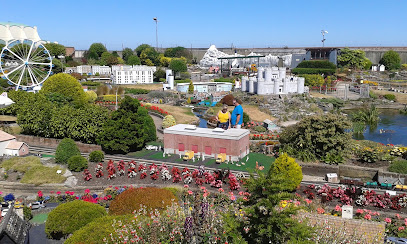
Merrivale Model Village
17.6 km
Step into a whimsical world of miniature wonders, where every corner holds a surprise and the magic of the English countryside comes to life in miniature.
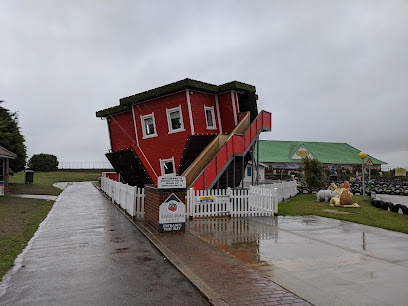
The Upside Down House - Great Yarmouth
17.7 km
Step inside Great Yarmouth’s quirky Upside Down House for a brief, disorienting, and highly Instagrammable experience that flips your world upside down.
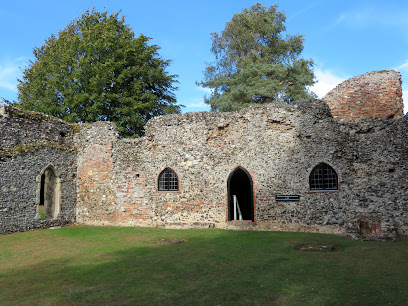
St Olave's Priory
18.0 km
Discover the serene beauty and historical significance of St Olave's Priory, a must-visit heritage landmark in Great Yarmouth, England.
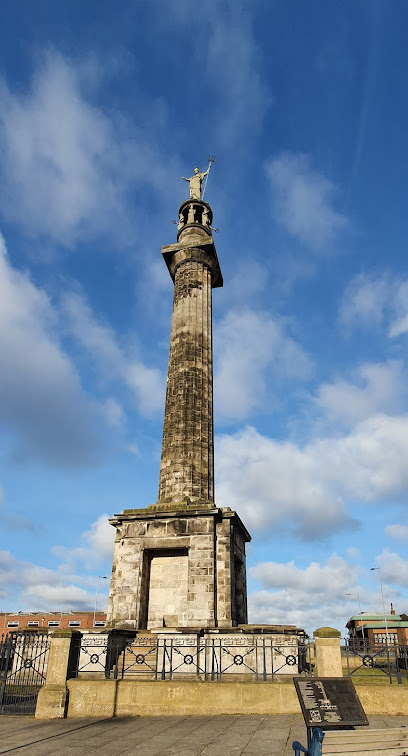
Nelson's Monument
18.1 km
A towering Doric column in Great Yarmouth honouring Admiral Nelson with panoramic views from its historic viewing platform.
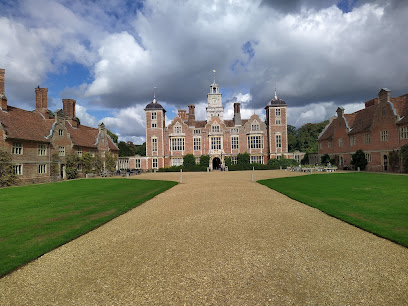
National Trust - Blickling Estate
23.9 km
Experience the beauty and history of Blickling Estate, a stunning park and garden in Norfolk, filled with rich heritage and natural wonders.
Unmissable attractions to see

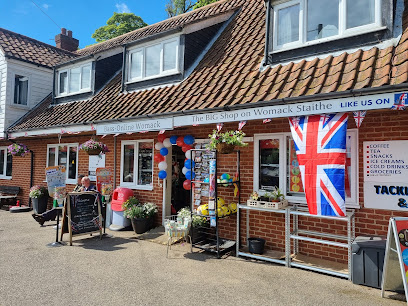
The Big Shop on Womack Staithe
2.5 km
Your friendly, well-stocked convenience store at Womack Staithe, perfect for boating essentials and local treats in the Norfolk Broads.
Ranworth Broad
2.7 km
Ancient woodlands and reed fens where ospreys soar and swallowtails dance above Norfolk's most pristine wetland.
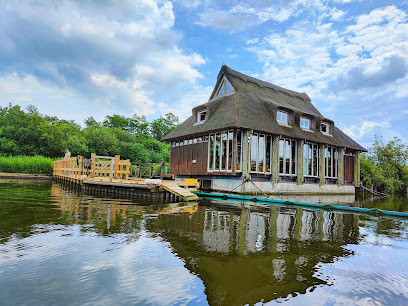
Fairhaven Woodland & Water Garden
2.7 km
Explore 130 acres of peaceful organic woodland and water gardens with accessible trails, seasonal boat trips, and rich wildlife at the heart of the Norfolk Broads.
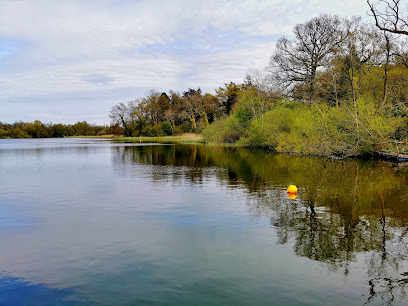
How Hill Trust Environmental Education Centre
3.4 km
A historic Broads estate where nature, history, and hands-on learning meet along the River Ant, perfect for families and nature lovers.
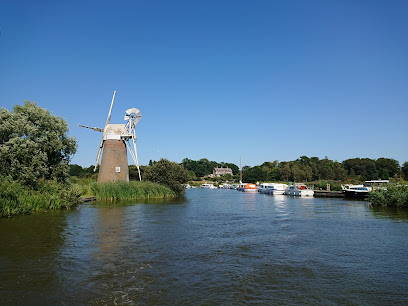
Toad Hole Cottage Museum
3.5 km
A Victorian marshman's cottage revealing authentic Broadland life in the heart of Norfolk's wetlands.
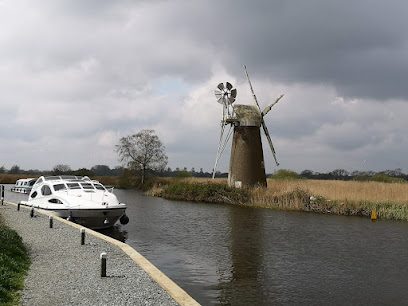
How Hill National Nature Reserve
3.6 km
Explore diverse fen habitats, historic gardens, and tranquil waterways at How Hill National Nature Reserve in the heart of Norfolk Broads.
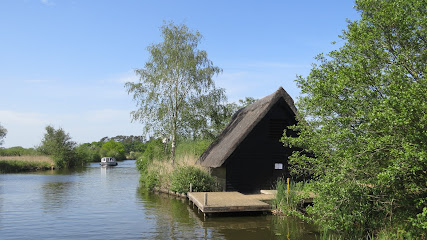
Wind Energy Museum Norfolk
3.6 km
Explore the UK’s only dedicated wind power museum showcasing historic wind engines and Norfolk’s drainage heritage in a scenic rural setting.
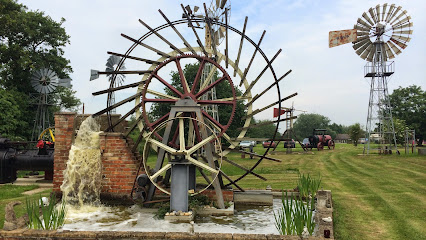
Discover the Norfolk Broads
4.7 km
Experience tranquil woodland charm and explore the Norfolk Broads from an award-winning family holiday park with cottages, camping, and rich local heritage.
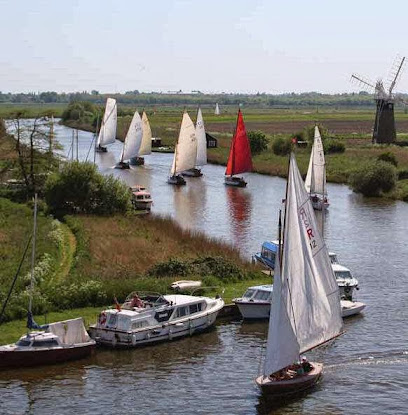
BridgeStones of Potter
4.8 km
Cozy Norfolk tea room and English restaurant offering hearty classics, homemade cakes, and friendly service near the scenic Broads.
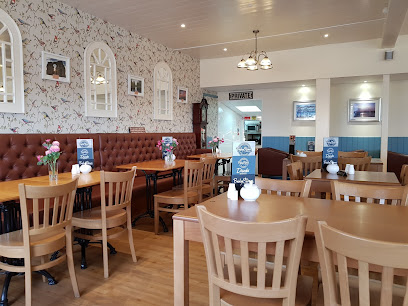
Barton Broad Boardwalk
5.2 km
Experience Norfolk’s tranquil marshland wildlife on an accessible boardwalk with panoramic views over Barton Broad.
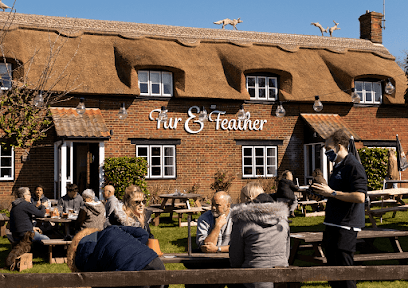
Fur & Feather Inn
5.3 km
A charming rural gastropub and brewery tap offering fresh Woodforde's ales and hearty fare in the heart of Norfolk countryside.
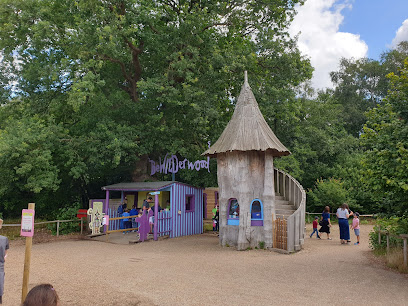
BeWILDerwood Norfolk
5.3 km
Explore 20 acres of magical woodland with whimsical treehouses, giant slides, and enchanting storytelling at BeWILDerwood Norfolk.
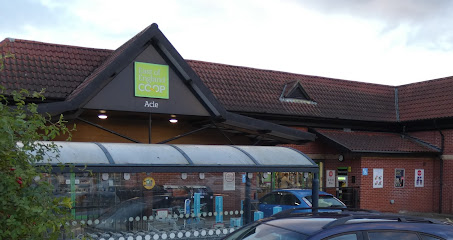
East of England Co-op
5.9 km
Acle’s community supermarket offering local produce, vegan options, and convenient hours on Norwich Road.
Salhouse Broad
6.1 km
Discover Salhouse Broad’s unique sandy beaches, rich wildlife, and tranquil Norfolk Broads setting for a peaceful nature escape.
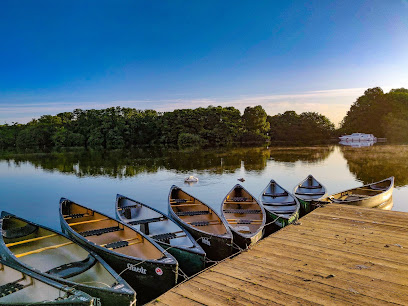
Hickling Broad
6.9 km
Explore Norfolk’s largest broad, a tranquil wetland sanctuary teeming with rare wildlife, scenic trails, and immersive nature experiences.
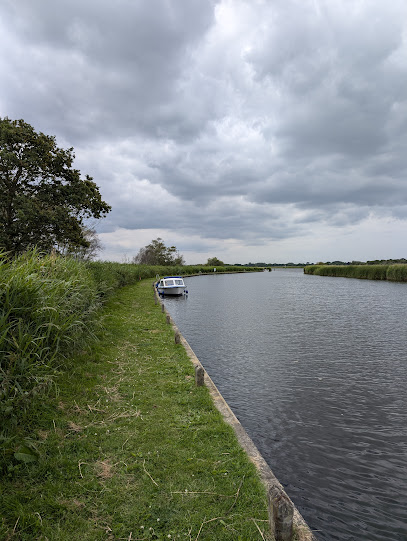
Essential places to dine

The Lion Inn
2.3 km
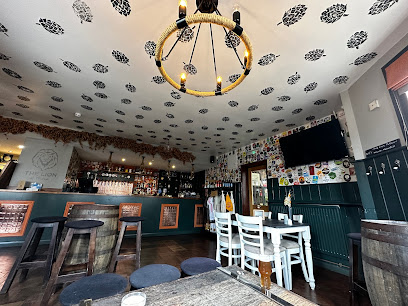
Discover The Lion Inn in Thurne - A charming pub offering delicious food and local ales amidst the stunning scenery of the Norfolk Broads.
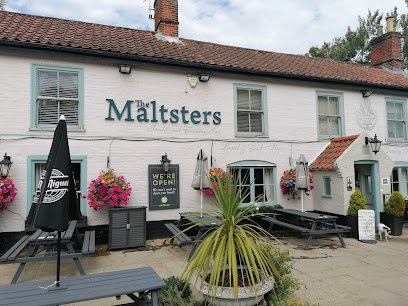
The Maltsters
2.4 km
A welcoming family-run pub and restaurant in Ranworth offering hearty local dishes and a cozy atmosphere amid the scenic Norfolk Broads.
Kings Arms
2.7 km
Experience traditional English hospitality at Kings Arms in Ludham – a perfect blend of comfort food and local charm.
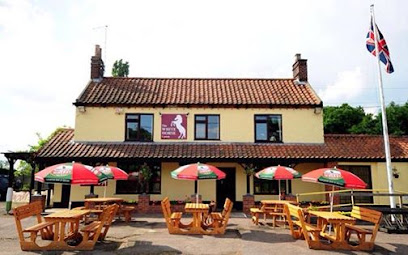
White Horse Upton
3.5 km
A beloved community pub in Upton offering hearty food, real ales, live music, and a welcoming atmosphere on the Norfolk Broads.
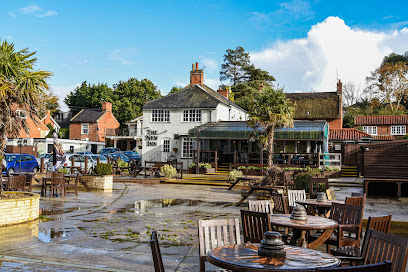
New Inn, Horning
4.2 km
Charming riverside pub in Horning offering hearty British fare, scenic moorings, and a friendly, laid-back atmosphere on the Norfolk Broads.
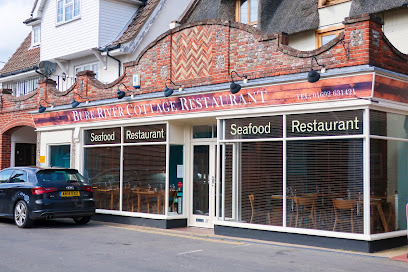
Bure River Cottage Restaurant
4.4 km
An intimate Norfolk Broads seafood haven serving expertly crafted fresh fish and shellfish in a relaxed, welcoming atmosphere.
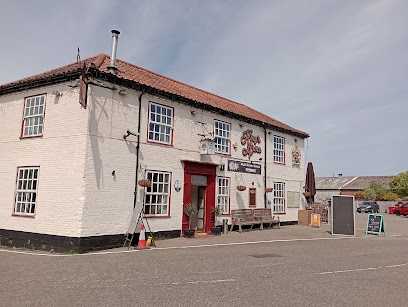
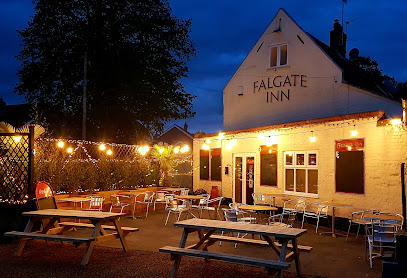
The Falgate Inn at Potter Heigham
4.7 km
A charming Norfolk pub and B&B with hearty food, friendly service, and a peaceful garden in the heart of Potter Heigham.
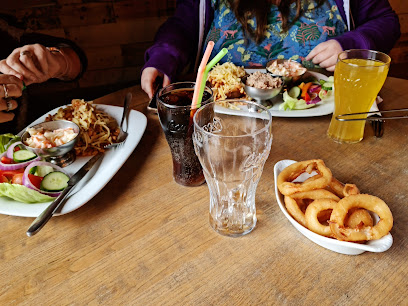
Norada Grill & Tavern
4.8 km
Family-run pub by the Norfolk Broads offering fresh, locally sourced dishes, hearty breakfasts, and a warm, welcoming atmosphere in Potter Heigham.
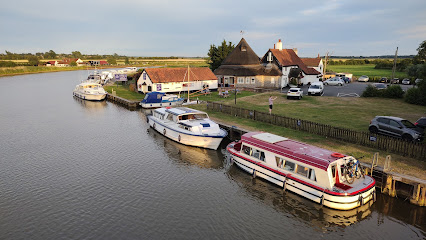
Acle Bridge Inn
5.4 km
Historic riverside inn on the Norfolk Broads offering hearty British fare, family-friendly charm, and scenic waterside hospitality.
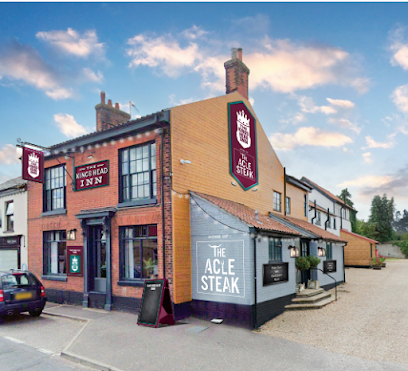
The Kings Head Inn, home of The Acle Steak
5.7 km
Traditional Norfolk charm meets hearty British fare at The Kings Head Inn, home of the iconic Acle Steak.
The Hermitage
5.8 km
A charming pub and pie house in Acle serving hearty British classics with a welcoming local atmosphere.
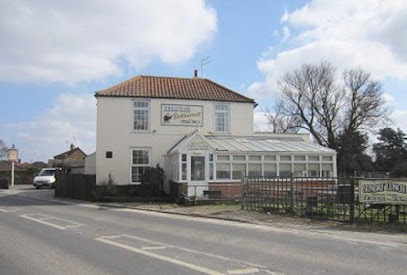
The Old Mill
8.0 km
Family-run British café bar with classic breakfasts and grills, set by the riverside in Hoveton near the Norfolk Broads.
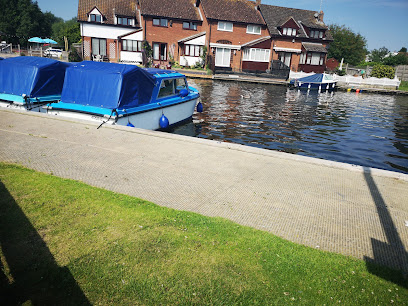
Wherrymans
8.0 km
A friendly riverside café and bar in Wroxham offering great coffee, casual dining, and a welcoming atmosphere by the Norfolk Broads.
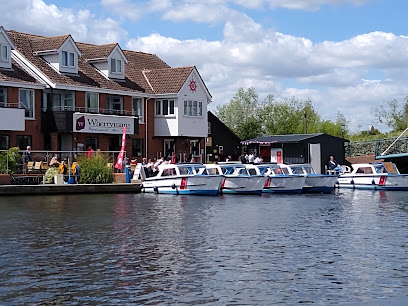
Filby Bridge Restaurant
8.6 km
Enjoy fresh British and European cuisine with stunning waterside views at Filby Bridge Restaurant, a welcoming spot on the edge of Filby Broad.
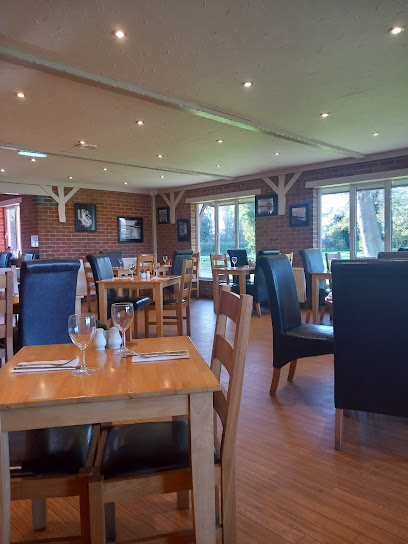
The Boathouse | Restaurant | Wedding Venue | Pub | Accommodation
9.0 km
Charming waterside restaurant, accommodation, and wedding venue offering fresh local cuisine and stunning views on Ormesby Broad.
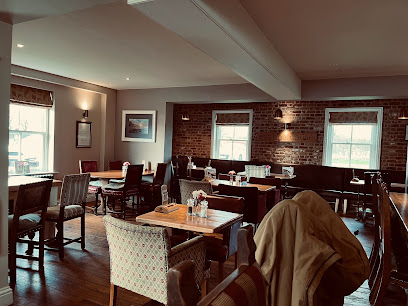
Markets, malls and hidden boutiques

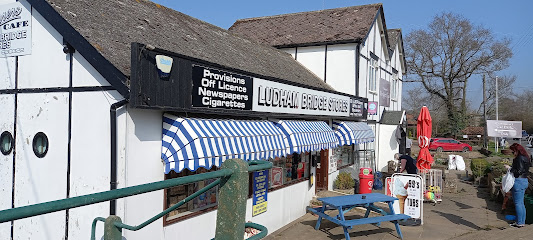
Ludham Bridge Stores
1.5 km
Charming general store offering fresh local produce, souvenirs, and essentials in the heart of the Norfolk Broads’ boating community.
The Galley Horning
4.3 km
Discover the flavors of Norfolk at The Galley Horning, where gourmet deli delights meet charming cafe culture in a picturesque village setting.
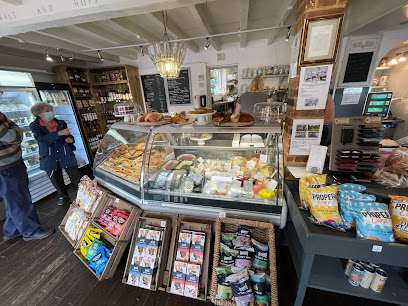
Tidings
4.4 km
Discover Tidings, your go-to convenience store in Horning, offering essential supplies and local delights for travelers exploring the Norfolk Broads.
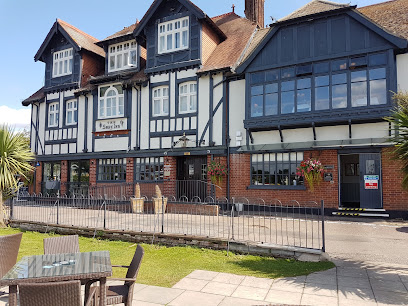
Lathams of Potter Heigham
4.8 km
Norfolk Broads’ largest discount superstore and pet shop with extensive shopping, fishing tackle, garden centre, and artisan café.
Roys of Wroxham Department store
7.9 km
Discover traditional British charm and a vast array of goods at Roys of Wroxham, Norfolk’s iconic department store and festive shopping haven.
The Bridge Gift Shop
8.0 km
Discover unique local crafts and authentic souvenirs at The Bridge Gift Shop, a charming stop in the heart of Norfolk’s Broads.
A Piece Of Cake
11.8 km
Cozy tea room and bakery in Coltishall, serving fresh cakes, hearty breakfasts, and traditional British fare in a charming riverside village setting.
Norfolk Discounts
12.6 km
Explore Norfolk Discounts in Hemsby: A treasure trove of unique gifts and affordable finds in Great Yarmouth.
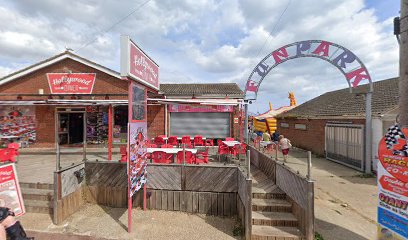
Tucked Away Norfolk
13.0 km
Discover handcrafted Norfolk treasures in a charming barn setting at Tucked Away, North Walsham’s artisan gift shop.
Reedham Stores
14.5 km
A welcoming village convenience store offering local flavors and essentials in the heart of Norfolk Broads’ scenic Reedham.
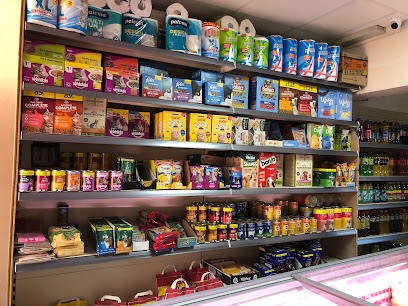
Cathedral Shop
16.1 km
Discover unique Norfolk crafts and Cathedral treasures at Norwich Cathedral’s charming Gift Shop in the historic Cathedral Close.
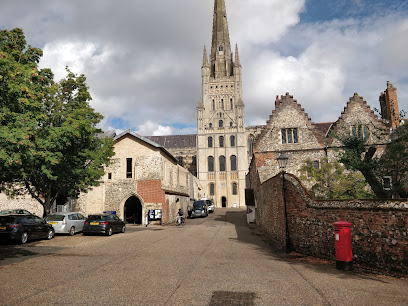
Gifts Unique
16.2 km
Thoughtfully curated gifts and collectibles with genuine customer care in Great Yarmouth's heart.
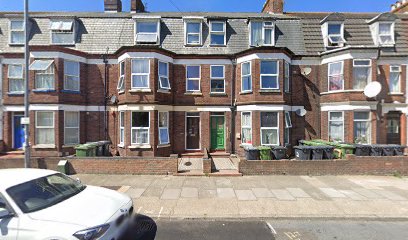
Anglia Square
16.2 km
Eclectic shopping and vibrant local character converge in Norwich’s distinctive Anglia Square urban centre.
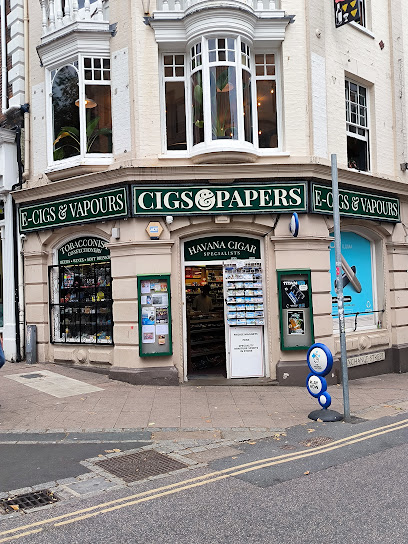
Crystal Essence
16.3 km
Discover a curated collection of crystals, spiritual tools, and artful gifts in a welcoming Great Yarmouth shop dedicated to transformation and wellness.
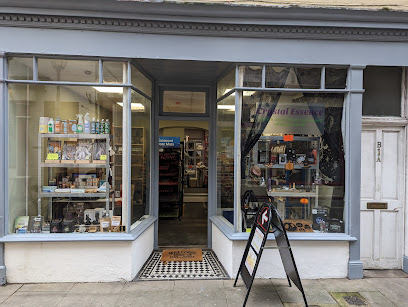
Elm Hill Craft Shop
16.3 km
Discover handcrafted gifts and nostalgic treasures in the heart of Norwich’s historic Elm Hill at Elm Hill Craft Shop.
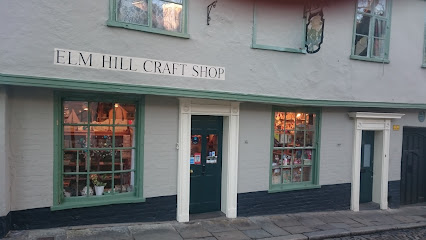
Essential bars & hidden hideouts

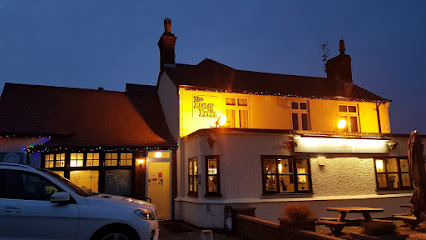
Dog Inn Ludham
1.7 km
A welcoming, dog-friendly pub in Ludham offering hearty home-cooked meals, local ales, and a cozy campsite in the Norfolk Broads.
The Ferry Inn of Horning
3.7 km
A lively traditional pub on the Norfolk Broads offering hearty fare, riverside charm, and a family-friendly atmosphere.
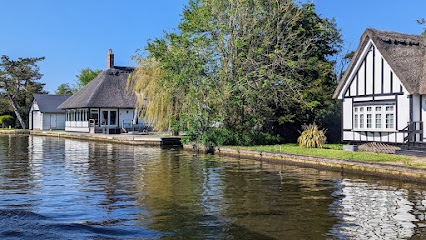
Innkeeper's Collection Norfolk Broads, Horning
4.4 km
Charming riverside inn on the Norfolk Broads offering cozy rooms, classic pub dining, and scenic waterway views in the heart of Horning village.

The Swan Inn
4.4 km
Charming riverside pub and inn in Horning offering cozy rooms, hearty British fare, and scenic views along the Norfolk Broads.
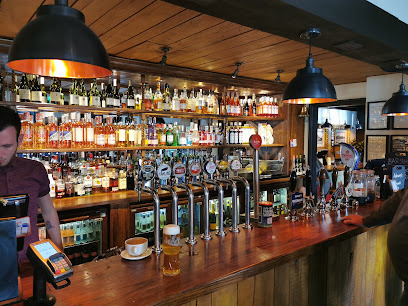
White Horse Inn Neatishead
6.5 km
Charming historic pub with award-winning ales, seasonal menus, and a welcoming atmosphere on the Norfolk Broads.
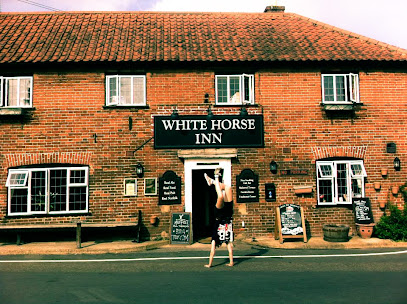
The Harnser
8.9 km
Historic pub and cozy B&B in Stalham Green, blending traditional Norfolk charm with gourmet dining and scenic countryside comfort.
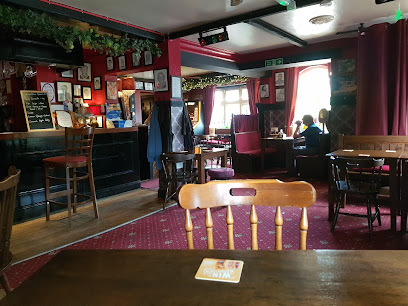
Coldham Hall
10.3 km
Charming riverside pub and bespoke wedding venue on the scenic Norfolk Broads, blending rustic warmth with stunning natural views.
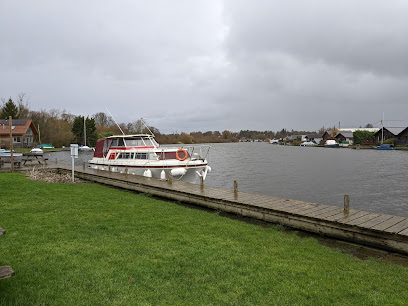
The Lord Nelson
14.6 km
Charming riverside pub on the Norfolk Broads offering quality ales, fresh British fare, and private moorings in a welcoming community setting.
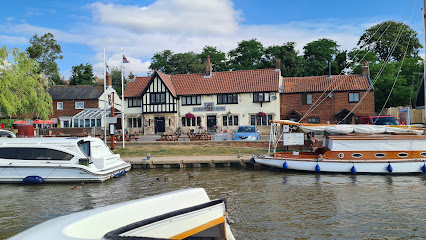
The Avenue
16.0 km
A friendly family-run pub in Great Yarmouth offering hearty meals, great drinks, and a welcoming atmosphere for all ages and tastes.
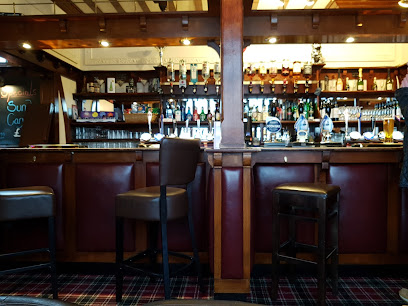
Lady Haven
16.1 km
A cozy, affordable pub in Great Yarmouth offering friendly vibes and a welcoming atmosphere for locals and visitors alike.
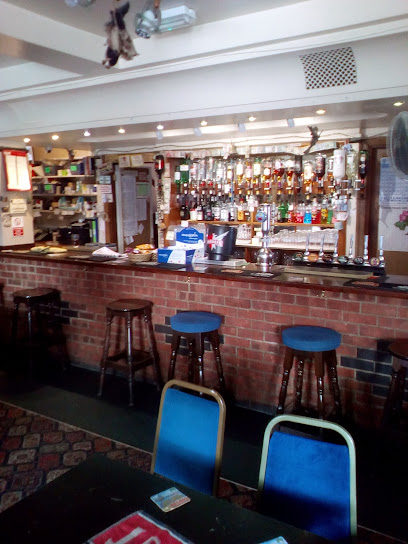
The Kings Arms
16.2 km
A friendly, dog-welcoming pub in Great Yarmouth serving homemade British classics with a charming beer garden and great value.
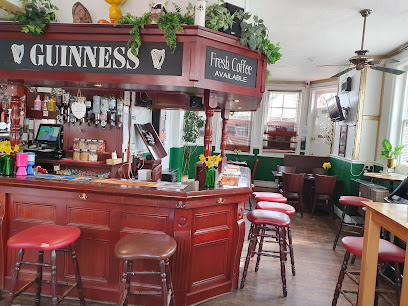
Tombstone Brewery & Saloon Bar
16.3 km
Experience Great Yarmouth’s craft beer culture in a lively Old West saloon setting with award-winning ales and a warm, welcoming atmosphere.
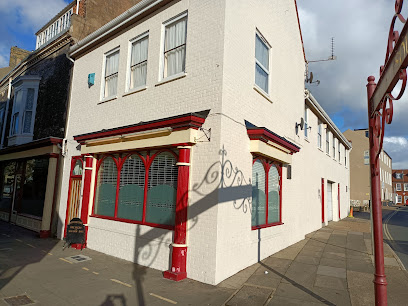
Duke's Head Hotel
16.3 km
Historic coastal charm and friendly hospitality converge at Duke's Head Hotel, a welcoming bar and stay in Great Yarmouth’s heart.
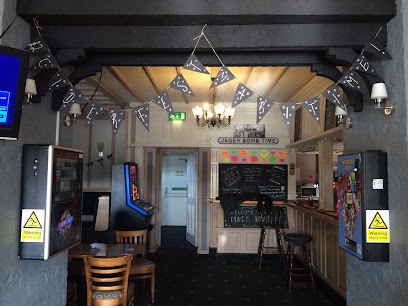
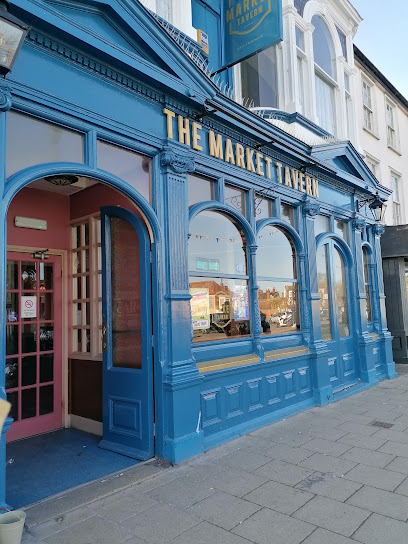
The Market Tavern Public House
16.4 km
A cozy, family-friendly pub in Great Yarmouth serving hearty British classics with generous portions and friendly service in a lively market setting.
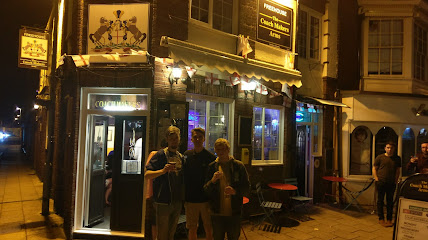
The Coachmakers Arms
16.4 km
A lively Great Yarmouth pub famed for nightly karaoke, live music, friendly staff, and a quirky parrot in the heart of Market Place.
Nightclubs & after hour spots

The Bermuda Club
11.9 km
A welcoming nightclub and bar in Hemsby offering lively evenings, family-friendly nights, and affordable drinks near Norfolk’s scenic coast.
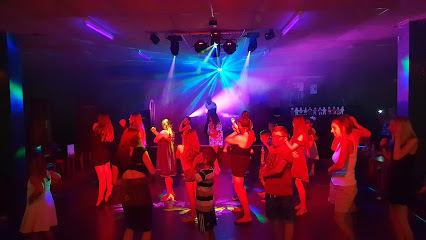
Loft Nightclub
16.1 km
Norwich’s vibrant gay nightclub with over 30 years of inclusive nightlife, music, and community spirit in the heart of the city.
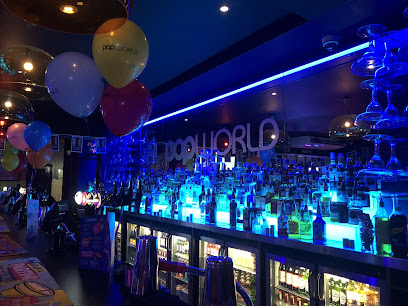
Popworld - Norwich
16.1 km
Norwich’s vibrant late-night hotspot for pop hits, friendly vibes, and unforgettable party nights on Prince of Wales Road.
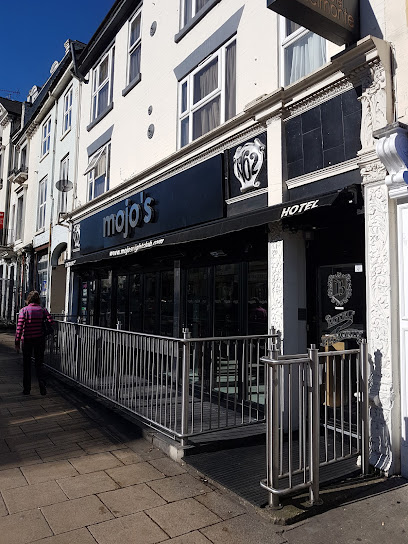
Mojo's
16.1 km
Mojo's: Norwich's gritty, no-frills nightclub pulsing with late-night beats and authentic urban energy.
Fluke
16.1 km
Experience Norwich’s vibrant nightlife at Fluke, where great music, affordable drinks, and a lively crowd come together for unforgettable nights.

Mantra
16.1 km
Experience vibrant nightlife and great music at Mantra Nightclub, Norwich’s energetic weekend party destination with friendly staff and affordable drinks.

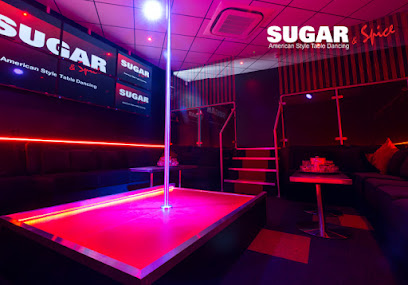
Sugar & Spice - Strip Club and Lap Dancing Norwich
16.1 km
Norwich’s premier American-style strip club offering vibrant entertainment, VIP experiences, and a welcoming atmosphere for all guests.
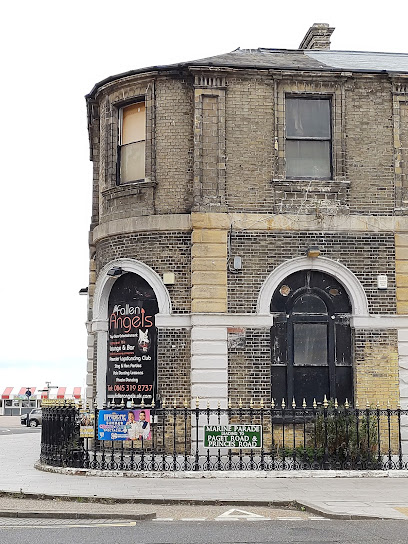
Fallen Angels
17.0 km
Experience vibrant nightlife and adult entertainment at Fallen Angels, Great Yarmouth’s premier late-night club on Marine Parade.
Mavvy’s
17.3 km
Experience Great Yarmouth’s vibrant nightlife at Mavvy’s, where music, dancing, and lively atmosphere come alive until the early hours.

Buddha Club
17.3 km
Experience Great Yarmouth’s vibrant nightlife at Buddha Club, where modern beats, colorful lights, and coastal vibes create unforgettable weekend nights.
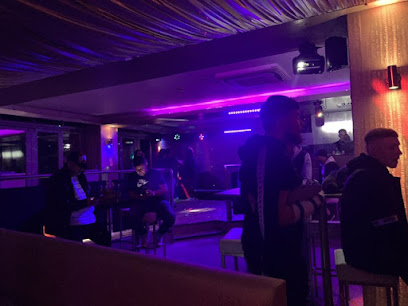
ClubKA
17.4 km
Traditional charm meets lively nightlife at The Kings Arms Hotel and ClubKA in North Walsham, offering comfort, great food, and late-night fun.
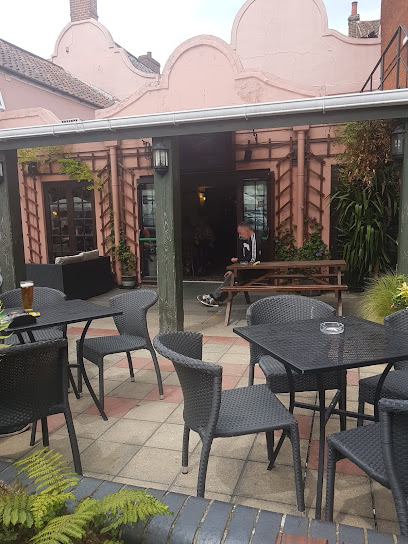
Moonlight Cabaret & Karaoke
17.8 km
Experience lively karaoke nights and captivating cabaret shows in the heart of Great Yarmouth’s vibrant nightlife scene.
Sole Bay Bowls Club
40.4 km
Discover the serene beauty and community spirit of Sole Bay Bowls Club in Southwold, where leisure and tradition blend seamlessly.
St Edmund's Hall
41.3 km
Discover the vibrant performing arts scene at St Edmund's Hall in Southwold, where culture and scenic beauty meet for an unforgettable experience.
Southwold Cricket Club
41.4 km
Discover the rich heritage of cricket at Southwold Cricket Club, where tradition meets the enchanting charm of Southwold's coast.
For the vibe & atmosphere seeker
- Tranquil
- Scenic
- Historic
- Unique
For the design and aesthetic lover
- Rustic Designs
- Vintage Styles
For the architecture buff
- Historic
- Landmarks
- Heritage Neighborhoods
For the view chaser and sunset hunter
- Iconic Views
- Panoramas
- Waterfront
For the social media creator & influencer
- Instagrammable
- Photo Spots
- Aesthetic Corners
For the eco-conscious traveler
- Protected Area
- Public-Transport Accessible
- Locally Managed
For the kind of experience you’re after
- Cultural Heritage
- Photowalk
- Nature Escape
- Day Trip
- Weekend Getaway
For how adventurous you want the journey to be
- Easy Access
Location Audience
- Family Friendly
- Senior Friendly
- Child Friendly
- Couple Friendly
- Solo Friendly


