Cirencester Park, The Cotswolds Travel Guide
A grand Cotswold estate with sweeping parkland, a towering yew hedge, and a centuries‑old family seat, now open for peaceful walks and seasonal passes.
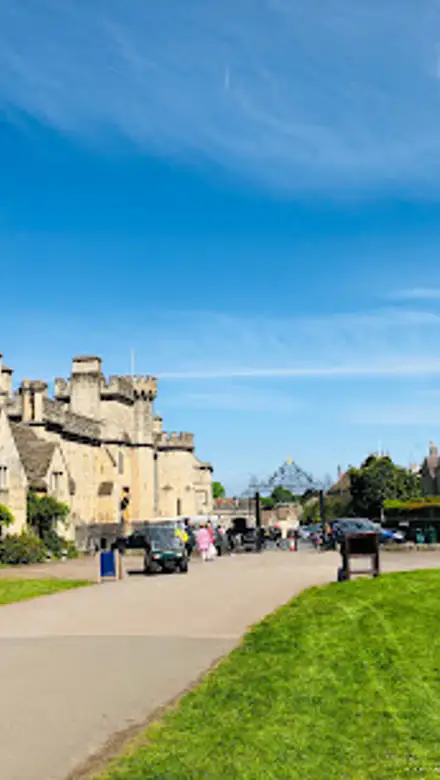
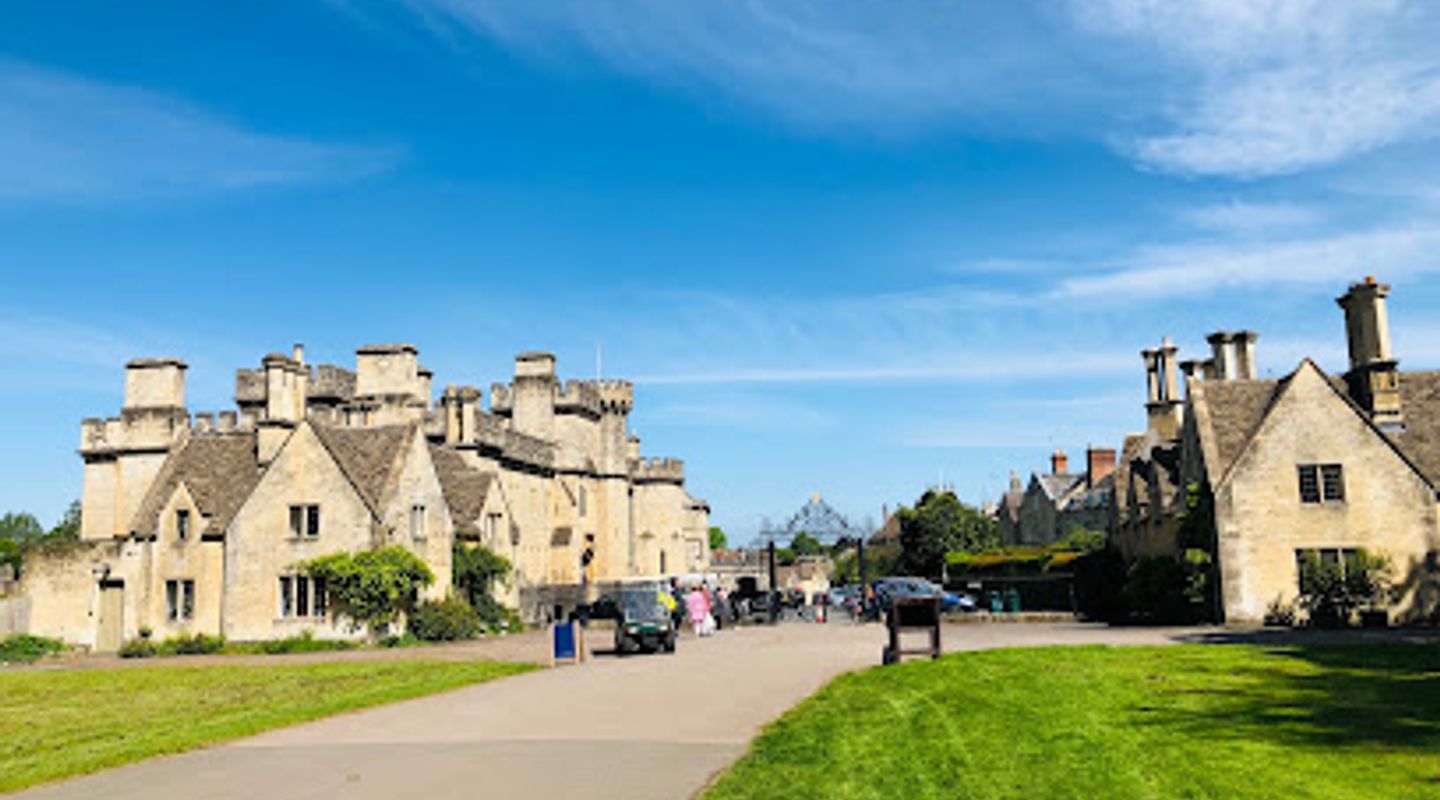
Cirencester Park is a historic 3,000‑acre estate in the heart of the Cotswolds, home to the Bathurst family since the early 18th century. Enclosed by what is claimed to be the world’s tallest yew hedge, the park features sweeping baroque avenues, ancient woodland, and a Grade II* country house. Open to the public year‑round, it offers peaceful walks, seasonal passes, and a strong connection to the Arts and Crafts movement through the nearby Sapperton workshops. The Old Kennels café provides a modern, dog‑friendly stop within the estate grounds.
A brief summary to Cirencester Park
- The Old Kennels, The Bathurst Estate, Cirencester, GL7 1UR, GB
- Click to display
- Click to display
- Duration: 1 to 3 hours
- Mid ranged
-
 Outdoor
- Mobile reception: 4 out of 5
- Monday 8 am-5 pm
- Tuesday 8 am-5 pm
- Wednesday 8 am-5 pm
- Thursday 8 am-5 pm
- Friday 8 am-5 pm
- Saturday 8 am-5 pm
- Sunday 8 am-5 pm

Know before you go
Hi, I'm Eve. Here are a few practical things to know before exploring Cirencester Park.
- Check the estate’s website before visiting to confirm current opening times and pass requirements; passes are needed for the main park but not for The Old Kennels café and Jubilee Community Arboretum.
- Visit in spring or early summer to see the park at its greenest, with bluebells in the woods and the kitchen garden at The Old Kennels in full production.
- Wear sturdy shoes and be prepared for uneven paths and muddy conditions after rain, especially on woodland and field trails.
- Combine your visit with a walk into Cirencester town centre, just a short stroll away, to explore the Roman amphitheatre and historic market place.
- If you’re interested in Arts and Crafts history, look into visiting Sapperton and Pinbury Park, where Ernest Gimson and the Barnsley brothers once worked.
Do you manage this location?
Take control to get all the benefits, like improved information, better appearance, and stronger visibility across AI-powered discovery. Learn more about listing your business on Evendo
Activate your presenceOther nearby places you may find interesting
The closest places of the same kind, if this one is not quite what you had in mind.
Explore Cirencester Park on the Map
A handpicked selection of must-see spots near Cirencester Park, mapped for you.
Unlock the Best of Cirencester Park
Buy tickets
-
No tickets available
Book tours with entry
-
No tours available
Book tours without entry

Getting There
-
On foot from Cirencester
From Cirencester town centre, it’s about a 5–10 minute walk to the park entrance. Follow signs from the Market Place towards the Bathurst Estate; the route is mostly level and suitable for most walkers, though paths can be muddy after rain.
-
By car
Cirencester Park is accessed via the Bathurst Estate roads from Cirencester. There is no dedicated visitor car park; roadside parking is available nearby, but visitors must park considerately and avoid blocking farm or estate access points. The estate is a working landscape with regular vehicle movements.
-
By public transport
Cirencester has regular bus services from nearby towns such as Cheltenham, Stroud, and Swindon. From the town centre bus stops, it’s a 5–10 minute walk to the park entrance, following signs for the Bathurst Estate.
-
Cycling
Cirencester is well connected by quiet country lanes and cycle routes. Cyclists can ride from the town centre to the park entrance in about 10 minutes; there are informal places to leave bikes near the entrance, but no formal cycle parking.
For the on-the-go comforts that matter to you
-
 Restrooms
-
 Drink Options
-
 Drinking Water
-
 Food Options
-
 Seating Areas
-
 Sheltered Areas
-
 Trash Bins
-
 Information Boards
Discover more about Cirencester Park
A grand Cotswold estate
Cirencester Park is a 3,000‑acre private estate in the heart of the Cotswolds, centred around a Grade II* listed country house that has been the seat of the Bathurst family, Earls Bathurst, since the early 1700s. The mansion, locally known as the Mansion, stands on the site of an earlier Tudor–Jacobean house and is believed to occupy the same ground as the medieval Cirencester Castle. The estate is renowned for its magnificent parkland, laid out in the early 18th century with baroque geometry, including a distinctive ‘goose‑foot’ of radiating avenues that draw the eye across open pasture and ancient woodland.Landscaped parkland and historic gardens
The park is framed by a towering yew hedge, claimed to be the tallest in the world, planted in the 1720s and forming a dramatic screen between the estate and the town of Cirencester. The landscape was shaped by the 1st Earl Bathurst with advice from figures such as Stephen Switzer and Alexander Pope, who designed Pope’s Seat, a viewing platform offering panoramic views over the park. The gardens are Grade I listed on the Register of Historic Parks and Gardens, reflecting their national importance. Within the park are several historic garden buildings, including Alfred’s Hall, considered one of the earliest Gothick garden structures in England.A living family estate
The Bathurst family has lived on this land since 1695, when Sir Benjamin Bathurst purchased the estate; today the 9th Earl Bathurst still resides at Cirencester Park. The estate includes much of the villages of Sapperton and Coates, and is closely linked to the Arts and Crafts movement through the settlement of Ernest Gimson and the Barnsley brothers at Pinbury Park in the late 19th century. The estate also lays claim to containing the principal source of the River Thames, adding to its significance in the local landscape and hydrology.Visiting the park today
The parkland is open to the public every day of the year, typically from early morning until late afternoon, though access now requires a Community Pass, Annual Pass, or Day Pass for entry to the main park. The Old Kennels, once the estate’s kennels and stables, has been transformed into a light‑filled café and kitchen garden, offering modern British food and a welcoming stop for walkers and families. The estate is a working landscape, with farm and estate vehicles using the roads, so visitors are asked to park considerately and respect the working nature of the land.












Your all‑in‑one travel companion app
Explore expert travel guides, compare and book tours, experiences, hotels, and more—all from the palm of your hand. Download now for seamless trip planning wherever your wanderlust takes you.


Explore More of The Cotswolds
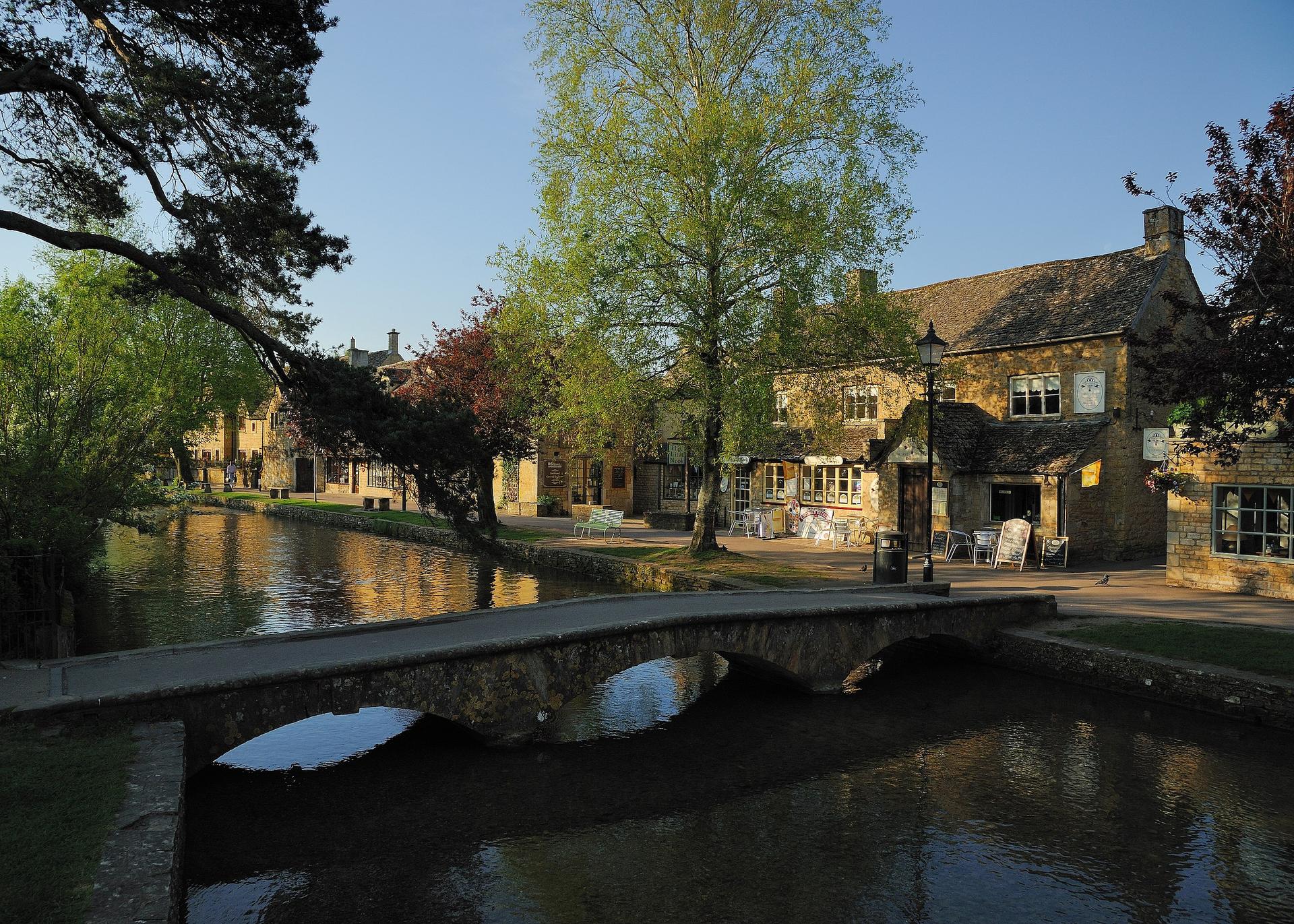
Looking beyond Cirencester Park? Discover The Cotswolds for broader travel guides, local hot-spots, and regional highlights.
Explore The Cotswolds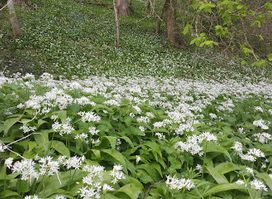
Explore the tranquil ancient beech woodlands of Three Groves Wood, a biodiverse nature reserve rich in wildlife and seasonal floral beauty.
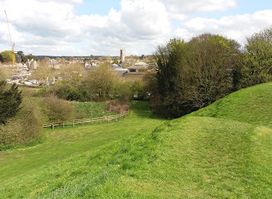
Step into the grassy oval of one of Roman Britain’s largest amphitheatres, where 8,000 spectators once roared for gladiators and games.