William Tyndale Monument Travel Guide
Free Guide: A towering tribute to William Tyndale, pioneering English Bible translator, offering stunning views over Gloucestershire’s scenic Vale of Berkeley.


A brief summary of William Tyndale Monument
A towering tribute to William Tyndale, pioneering English Bible translator, offering stunning views over Gloucestershire’s scenic Vale of Berkeley.
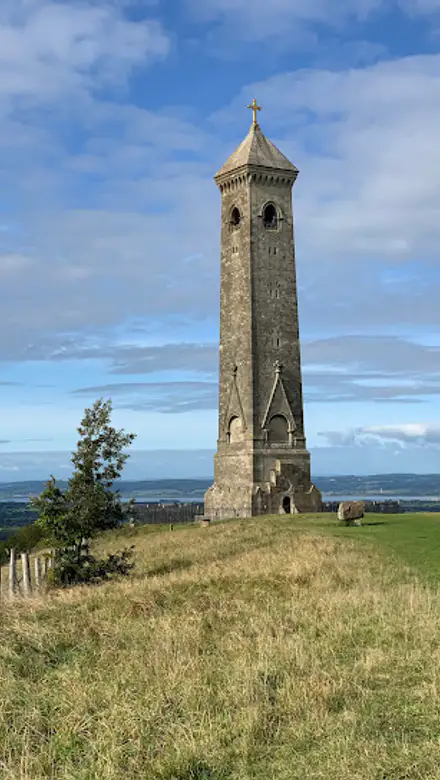
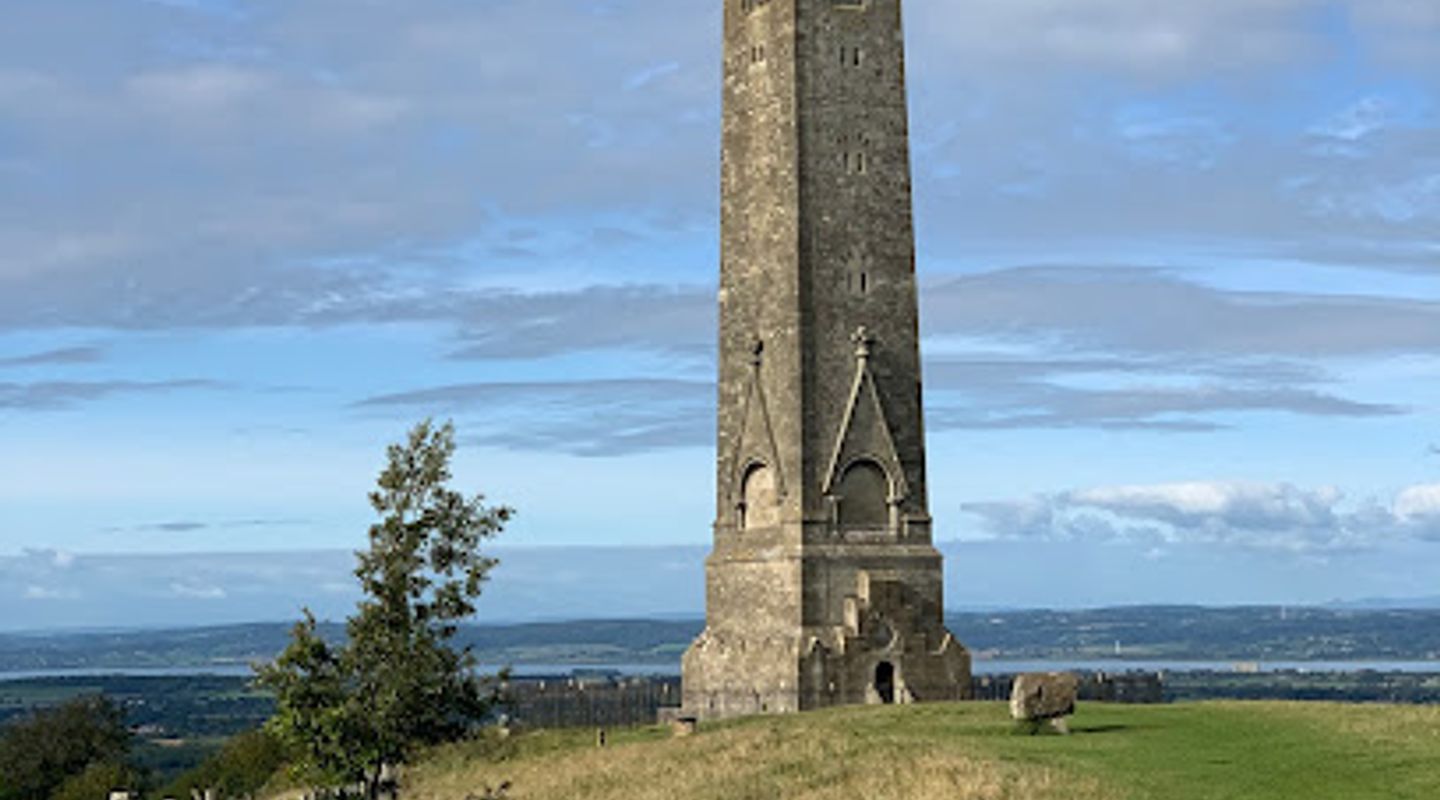
The William Tyndale Monument is a striking 111-foot tower perched atop Nibley Knoll near Dursley, Gloucestershire. Erected in 1866, it honors William Tyndale, the pioneering translator of the English Bible, who was born nearby and martyred for his work. Visitors can climb 121 steps to a viewing gallery offering panoramic views over the Vale of Berkeley, the River Severn, and the distant Black Mountains of Wales. The monument stands as a testament to Tyndale’s courage and lasting influence on English religious history.
On-site amenities
 Seating areas
 Information boards
 Trash bins
Opening hours
- Every dayOpen 24 hours
Opening hours as listed on the venue’s Google Business Profile. Hours can change for services and special events, so check with the venue before you go.
- Address
- Nibley Knoll, Dursley
- Website
Getting there
Bus
Car
Train
Discover more about William Tyndale Monument
A Tribute to a Religious Pioneer
The William Tyndale Monument stands prominently on Nibley Knoll, overlooking the village of North Nibley and the surrounding Vale of Berkeley. Built between 1863 and 1866, this 111-foot (34-meter) stone tower commemorates William Tyndale, a native of Gloucestershire and a seminal figure in the English Reformation. Tyndale’s bold translation of the Bible into English challenged the religious authorities of his time, making sacred texts accessible to ordinary people. His work laid the foundation for the King James Bible of 1611, influencing English-speaking Christianity worldwide.
Historical Context and Construction
The monument was constructed by public subscription, with the foundation stone laid by the Honorable Colonel Berkeley in May 1863 and the official inauguration by the Earl of Ducie in November 1866. Designed by the notable church restorer S.S. Teulon and built using stone from Hampton Quarry near Stroud, the tower is square at its base and tapers upward, capped with a machicolated cornice and a vaulted pyramidal roof. Inside, a spiral staircase of 121 steps leads visitors to a gallery intended to display sculptures depicting key moments from Tyndale’s life and the English Reformation.
William Tyndale’s Legacy and Life
Born around 1490 near North Nibley, Tyndale was educated locally and at Oxford before becoming a tutor in Gloucestershire. His passion for making the Bible available in English led him to translate the New Testament from Greek, a revolutionary act considered heresy by the Church. After facing persecution in England, he fled to continental Europe where his New Testament was printed and smuggled back into England. Arrested in 1535, Tyndale was executed by strangulation and burning at the stake in 1536. His dying prayer for the English king’s enlightenment was famously answered when English Bible translations gained royal approval.
Visitor Experience and Surroundings
Reaching the monument involves a climb up a steep footpath through woodland, rewarding visitors with breathtaking views from the top. The gallery windows frame vistas across the Cotswolds, the Severn Valley, the Bristol Channel, and even the Black Mountains in Wales on clear days. Nearby, a topograph installed in 1977 helps identify visible landmarks. The surrounding woods and trails offer peaceful walks, connecting to the historic town of Wotton-under-Edge and other scenic points along the Cotswold Way.
Architectural and Cultural Significance
The monument not only memorializes Tyndale’s martyrdom and scholarly achievements but also serves as a cultural landmark symbolizing freedom of religious expression and the power of language. Its commanding position on the escarpment makes it visible for miles, a beacon of Gloucestershire’s rich heritage. Maintained by a charitable trust since 1961, the tower remains a focal point for those interested in history, religion, and the English landscape.
Preservation and Community Role
The monument is cared for by a dedicated trust that ensures its preservation for future generations. It continues to inspire visitors with its story of courage and conviction. The site is a popular destination for walkers, history enthusiasts, and those seeking panoramic views, blending natural beauty with profound historical resonance.
Evendo Review Centre
 Google
Guest reviews
Best time to go
Quietest: Jan, Feb & Dec · before 6am or at 10pm
Busy times are Evendo estimates for a typical year, to help you plan. Actual crowds vary with events, school holidays and the weather.
Explore William Tyndale Monument on the map
A handpicked selection of must-see spots near William Tyndale Monument, mapped for you.
Get your free copy of our complete guide to William Tyndale Monument, delivered straight to you.
Everything on this page, from opening hours and how to get there to Eve’s tips and the best time to go, in one PDF you can read offline, print or share.
Already have an account? Sign in
Your William Tyndale Monument guide is ready.
We'll send it to · Not you? Sign out

Getting your guide ready…
We are putting together a fresh copy of the William Tyndale Monument guide. This can take up to a minute.
This can take a few moments. If your browser asks, choose Allow so the download can start. You'll find the guide in your Downloads folder.
Nothing happened? Download it again
Sorry, the guide is taking longer than usual. Please try again in a minute, or get it by email instead.
Other nearby places you may find interesting
The closest places of the same kind, if this one is not quite what you had in mind.
-
-
-
-
-


Swipe for more places
More to explore near William Tyndale Monument
-
 Best experiences near William Tyndale Monument
-
 Best hotels near William Tyndale Monument
-
 Best landmarks near William Tyndale Monument
-
 Best attractions near William Tyndale Monument
-
 Best shops near William Tyndale Monument
-
 Best restaurants near William Tyndale Monument
-
 Best bars near William Tyndale Monument


Do you manage this location?
Take control to get all the benefits, like improved information, better appearance, and stronger visibility across AI-powered discovery.
Explore more

Explore more of Gloucestershire
Discover the charm of Gloucestershire, where rolling hills, historic towns, and vibrant festivals create an unforgettable English countryside experience.
Explore Gloucestershire
Explore more of United Kingdom
Discover the United Kingdom: A blend of rich history, stunning landscapes, and vibrant cities, offering a unique travel experience for every visitor.
Explore United Kingdom