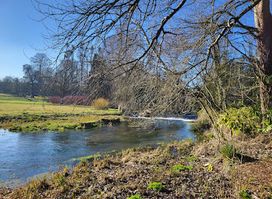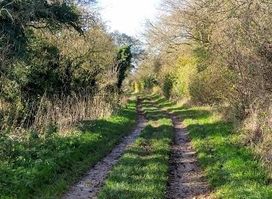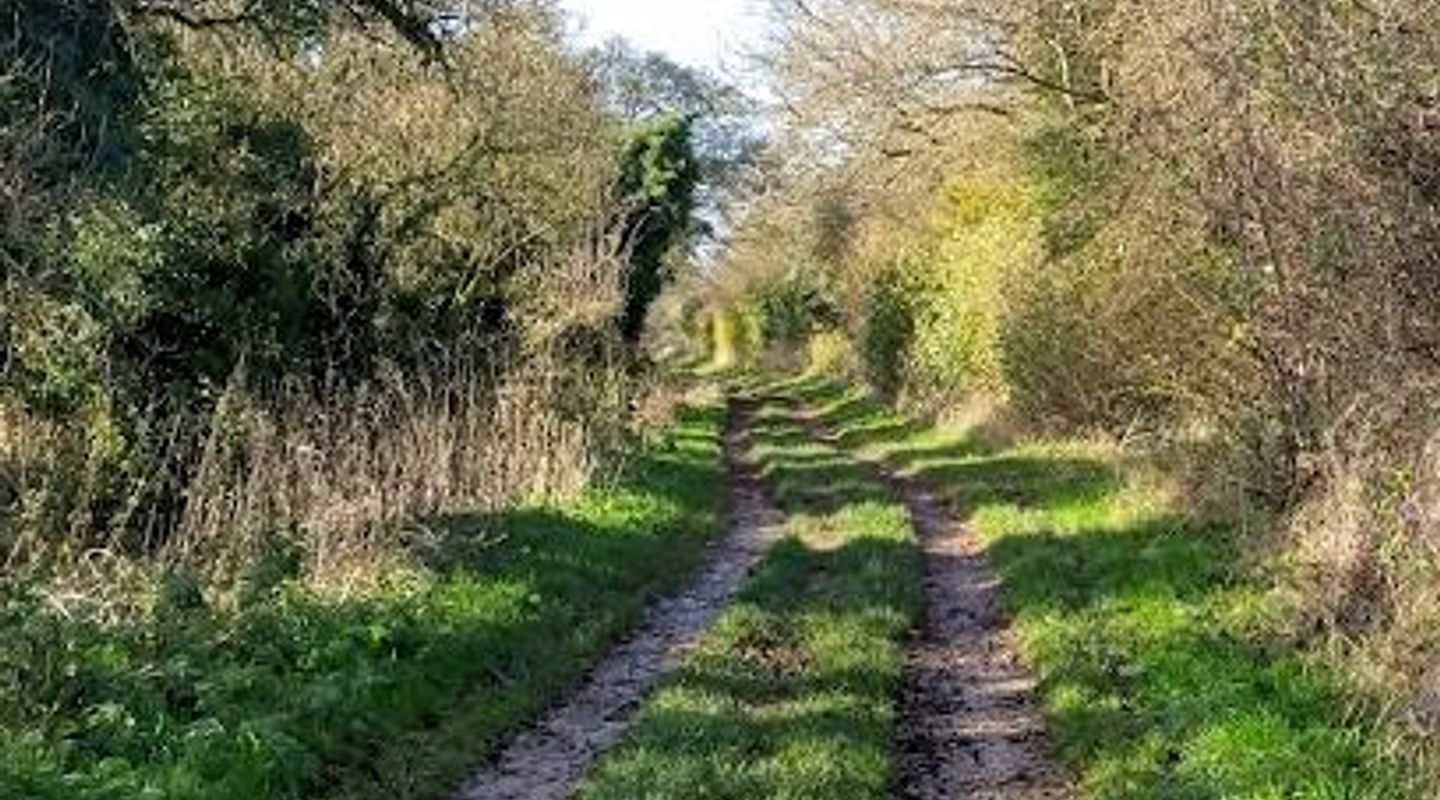
The Ridgeway, The Cotswolds Travel Guide
Walk Britain’s oldest road near Wantage, tracing 5,000 years of history across scenic chalk ridges and ancient landmarks.
The Ridgeway is Britain’s oldest road, an 87-mile ancient trackway stretching from Wiltshire to Buckinghamshire. Passing near Wantage, Oxfordshire—the birthplace of King Alfred the Great—this historic trail has been used for over 5,000 years by travelers, soldiers, and traders. It traverses chalk ridges, hillforts, and picturesque villages, offering a blend of rich history and scenic landscapes across two Areas of Outstanding Natural Beauty.
A brief summary to The Ridgeway
- Wantage, GB
- Duration: 1 to 6 hours
- Free
-
 Outdoor
- Mobile reception: 4 out of 5

Know before you go
Hi, I'm Eve. Here are a few practical things to know before exploring The Ridgeway.
- Wear sturdy footwear as the Ridgeway is an unpaved track with varied terrain including chalk ridges and woodland paths.
- Visit Wantage to explore the birthplace of King Alfred the Great and see the historic Blowing Stone nearby.
- Plan your walk between spring and autumn for the best weather and vibrant wildlife along the trail.
- Take time to explore ancient sites like Uffington Castle and Wayland’s Smithy along the Ridgeway.
Do you manage this location?
Take control to get all the benefits, like improved information, better appearance, and stronger visibility across AI-powered discovery. Learn more about listing your business on Evendo
Activate your presenceOther nearby places you may find interesting
The closest places of the same kind, if this one is not quite what you had in mind.
Explore The Ridgeway on the Map
A handpicked selection of must-see spots near The Ridgeway, mapped for you.
Unlock the Best of The Ridgeway
Buy tickets
-
No tickets available
Book tours with entry


Book tours without entry
-
No tours available
Getting There
-
Train and Bus
From London Paddington, take a Great Western Railway train to Swindon (approximately 1 hour). From Swindon, catch the 49 bus towards Marlborough, alighting near Overton Hill, the western start of the Ridgeway. The bus runs hourly with a fare around £5-£7.
-
Car
Driving from Wantage to Overton Hill takes about 30 minutes via local roads. Parking is available at trailheads but can be limited during peak seasons. There are no parking fees, but spaces fill early on weekends.
-
Long-Distance Bus
National Express coaches run from London Victoria Coach Station to Swindon in about 2 hours. From Swindon, local buses connect to Ridgeway access points. Coach fares start around £10.
For the on-the-go comforts that matter to you
-
 Restrooms
-
 Drink Options
-
 Food Options
-
 Seating Areas
-
 Information Boards
Discover more about The Ridgeway
Origins and Ancient Significance
The Ridgeway is widely recognized as Britain’s oldest road, with origins dating back at least 5,000 years to the Neolithic period. This ancient trackway follows high chalk ridges, providing dry and defensible ground that made travel easier and safer from potential attackers. It served as a vital trading route connecting communities from the Dorset coast to East Anglia. Archaeological features along its length include prehistoric burial chambers, Bronze Age barrows, and the famous Uffington White Horse—a large chalk figure carved into the hillside near Uffington Castle.Historic Role in Warfare and Trade
Throughout the Iron Age, hillforts such as Uffington Castle, Barbury, and Liddington were constructed along the Ridgeway, serving as strategic defensive sites overseeing the valleys below. After the Roman withdrawal from Britain, Saxon and Viking armies utilized the Ridgeway to move troops across the region. In medieval times, the path was used by drovers moving livestock from Wales and the West Country to markets in London. The Enclosure Acts of the 18th century formalized the route, with earth banks and hedges marking the path more clearly.Connection to Wantage and King Alfred the Great
Near the Ridgeway lies Wantage, Oxfordshire, the birthplace of King Alfred the Great in 849 AD. Alfred famously used the Ridgeway’s strategic advantages during his defense of Wessex against Viking invaders, including summoning his army with the legendary Blowing Stone near the village. Wantage remains a significant historical site closely linked to the Ridgeway’s narrative of medieval England and its defense.The Ridgeway as a National Trail Today
Designated a National Trail in 1973, the Ridgeway stretches approximately 87 miles from Overton Hill near Avebury to Ivinghoe Beacon in Buckinghamshire. Today, it is popular with walkers, cyclists, horse riders, and mobility scooter users. The trail passes through two Areas of Outstanding Natural Beauty—the North Wessex Downs and the Chiltern Hills—offering stunning views, diverse wildlife, and access to quaint villages and nature reserves.Landscape and Cultural Heritage
The Ridgeway’s landscape is a tapestry of rolling chalk downs, ancient earthworks, and historic monuments. Along the route, travelers encounter remnants of prehistoric urbanization, including hillforts and burial sites that tell stories of early British societies. The trail also features landmarks like Grim’s Ditch and Wayland’s Smithy, a Neolithic burial chamber associated with folklore about a magical blacksmith’s forge.Experiencing the Ridgeway Near Wantage
Walking the Ridgeway near Wantage immerses visitors in layers of history and nature. The path offers panoramic views from elevated ridges, peaceful woodlands, and encounters with wildlife. The nearby village of Wantage provides historical context and amenities such as the Blowingstone Inn for rest and refreshment after exploring the trail. The Ridgeway encapsulates a living heritage, connecting modern travelers with millennia of human activity and natural beauty.












Your all‑in‑one travel companion app
Explore expert travel guides, compare and book tours, experiences, hotels, and more—all from the palm of your hand. Download now for seamless trip planning wherever your wanderlust takes you.


Explore More of The Cotswolds
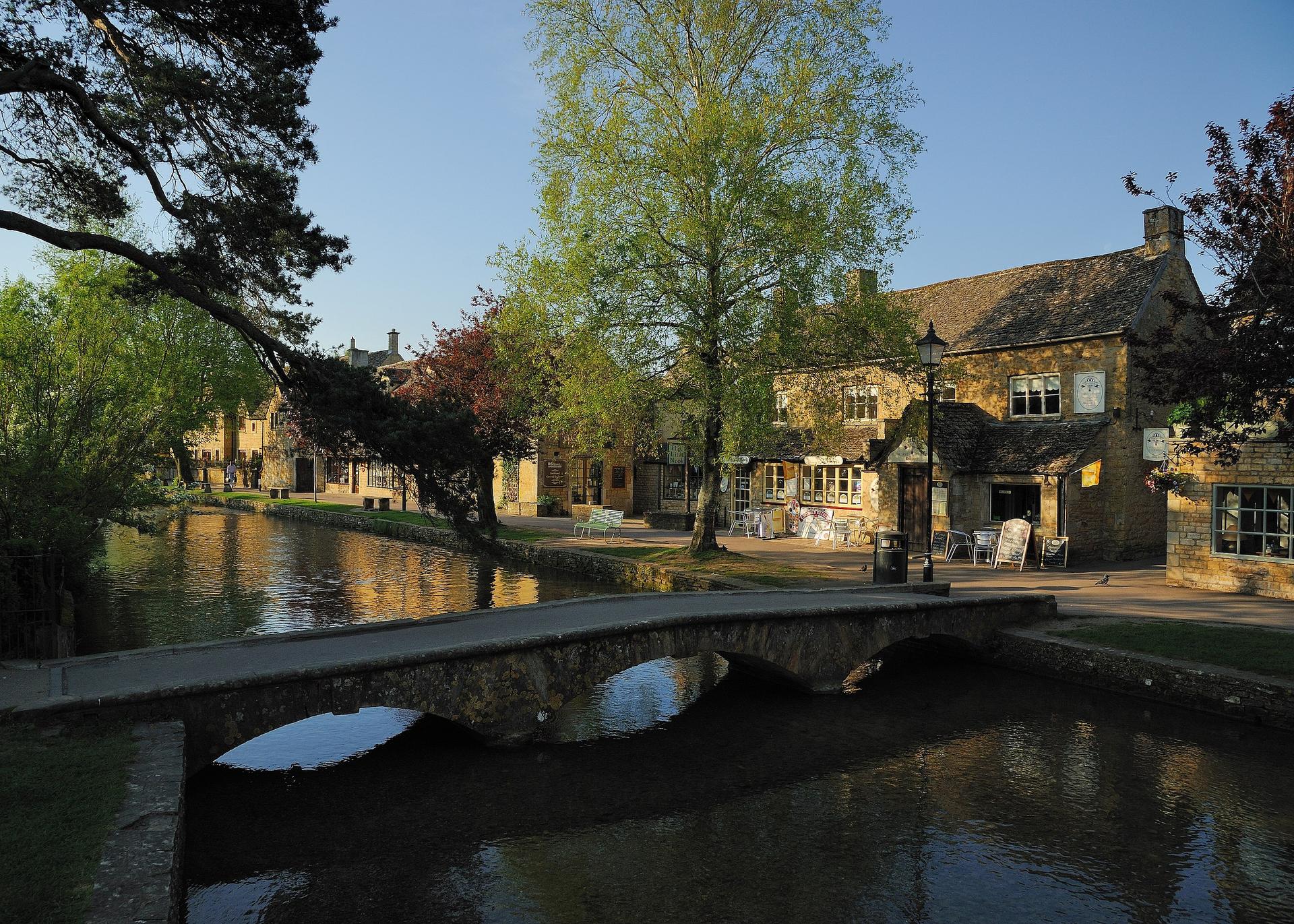
Looking beyond The Ridgeway? Discover The Cotswolds for broader travel guides, local hot-spots, and regional highlights.
Explore The Cotswolds