

Uley Long Barrow (Hetty Pegler's Tump)
Step into a 5,000-year-old Neolithic tomb in the Cotswolds: explore Hetty Pegler’s Tump, a chambered long barrow with a hauntingly peaceful atmosphere.
Uley Long Barrow, locally known as Hetty Pegler’s Tump, is a 5,000-year-old Neolithic chambered tomb near Uley in Gloucestershire. This impressive long barrow, part of the Cotswold–Severn group, features a cruciform layout with a central passage and burial chambers you can enter. Partially reconstructed in the 19th century, it offers a rare, atmospheric glimpse into prehistoric burial practices, set in a peaceful field with views over the Severn Valley. Entry is free and open during daylight hours, making it a compelling stop for history lovers and walkers exploring the Cotswolds.
A brief summary to Uley Long Barrow (Hetty Pegler's Tump)
- Dursley, Uley, GL11 5AR, GB
- +443703331181
- Visit website
- Duration: 0.5 to 1.5 hours
- Free
-
 Outdoor
- Mobile reception: 3 out of 5
Local tips
- Bring a torch – the interior chambers are dark, and a good light is essential to see the stonework and explore safely.
- Wear sturdy footwear and be prepared for a short walk across a field; the ground can be muddy after rain.
- Visit on a clear day to enjoy the views over the Severn Valley from the barrow’s elevated position.
- Combine your visit with other nearby long barrows like Belas Knap and Nympsfield for a full day exploring Cotswold Neolithic history.

For the on-the-go comforts that matter to you
- Seating Areas
- Trash Bins
- Information Boards
Getting There
-
By car
From Dursley, follow the A38 towards Uley, then take local roads to the village. A small layby opposite the signed footpath provides limited parking for one or two cars; from there it’s a short walk across a field to the barrow. Parking is free, but take care crossing the road.
-
On foot
From Uley village, follow public footpaths across fields to Hetty Pegler’s Tump. The walk is about 15–20 minutes on well-marked paths, suitable for walkers with sturdy footwear, though the ground can be muddy after rain.
-
By public transport
Take a train to Cam and Dursley station, then a local bus or taxi to Uley village. From there, follow footpaths to the barrow; allow 30–40 minutes walking time from the village centre.
Uley Long Barrow (Hetty Pegler's Tump) location weather suitability
-
 Any Weather
-
 Clear Skies
-
 Mild Temperatures
Discover more about Uley Long Barrow (Hetty Pegler's Tump)
Ancient Tomb in the Cotswolds
Uley Long Barrow, better known locally as Hetty Pegler’s Tump, is a Neolithic chambered tomb dating back at least 5,000 years. Standing 37 metres long and built from local Cotswold stone, it is one of the best-preserved examples of the Cotswold–Severn group of long barrows. The mound was originally a communal burial place, used over generations to inter the dead in its stone chambers. Its name comes from Hester Pegler, a 17th-century landowner whose family once held the surrounding land, giving the barrow its evocative local nickname.Structure and Chambered Interior
The barrow has a transepted, cruciform plan: a central passage leads to an end chamber and two side chambers on the south side, with evidence of matching chambers on the north that were later damaged. Today’s structure is largely the result of 19th-century excavation and reconstruction by Dr John Thurnham in 1854, with later repairs helping to stabilise the mound. Visitors can crawl into the chambers, where the low, stone-walled passages and domed roofs create an intimate, otherworldly atmosphere. Two of the five original chambers are now blocked, but the accessible ones still convey the scale and effort involved in building such a monument with Neolithic tools and labour.History of Excavation and Use
The first recorded excavation took place in 1821, when workmen digging for road stone uncovered the tomb and found the remains of at least 15 skeletons, along with Neolithic pottery and animal bones, including wild boar. Later digs in the 19th century revealed more human remains, including skulls and animal teeth, and showed that the barrow had been disturbed in Roman times and possibly again in the Middle Ages. Coins and broken pottery found inside suggest repeated visits over millennia, perhaps for ritual or curiosity. Most of the human bones were later reburied in Uley churchyard, leaving the barrow as a monument rather than a display of human remains.Atmosphere and Visitor Experience
Approaching Hetty Pegler’s Tump across a field, the long, grassy mound stands out dramatically against the rolling Cotswold landscape. Inside, the chambers are cool, quiet, and dim, with the warm honey-coloured stone creating a surprisingly calm and contemplative space rather than a spooky one. A torch is essential to appreciate the stonework and explore the full length of the passage. The site feels remote and timeless, offering a tangible connection to the beliefs and funerary practices of Britain’s earliest farming communities. It’s a place that invites reflection on how ancient people lived, died, and honoured their ancestors.Setting and Practical Access
The barrow sits in a farmer’s field near the village of Uley, with open access during daylight hours and no admission charge. There is no on-site visitor centre or facilities, but toilets, food, and shops are available a short drive away in nearby towns like Dursley and Stroud. Parking is limited to a small layby opposite the footpath, so visitors should be prepared for a short walk across a field. Dogs on leads are welcome, and the surrounding countryside offers pleasant walks, especially in spring when bluebells may bloom nearby. The site is managed as a scheduled monument, so visitors are asked to respect the structure and leave no trace.Iconic landmarks you can’t miss

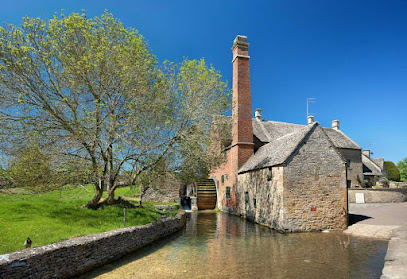
Walk The Cotswolds
6.5 km
Explore the Cotswolds' breathtaking landscapes and charming villages with Walk The Cotswolds, your gateway to England's picturesque countryside adventures.
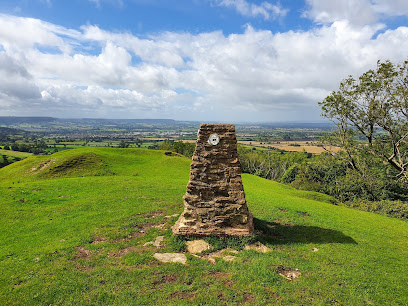
Haresfield Topograph
9.2 km
A three-dimensional map landmark on the Cotswold escarpment with panoramic views toward Wales.
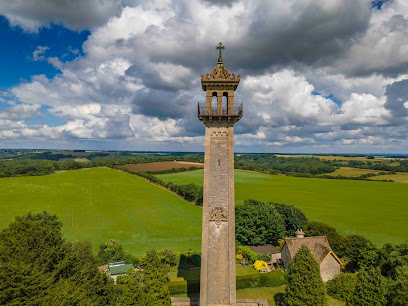
Somerset Monument
12.5 km
A towering Victorian tribute to Lord Robert Edward Somerset, commanding panoramic views over the historic Cotswold landscape.
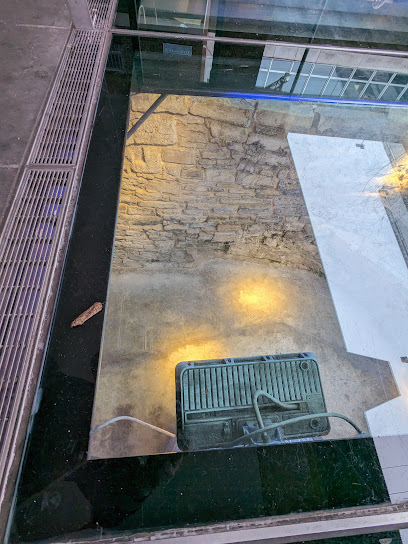
Eastgate viewing chamber
18.9 km
Discover Gloucester’s ancient Roman and medieval city defenses through a unique underground viewing chamber beneath Eastgate Street.
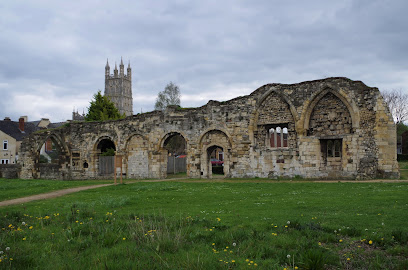
St Oswald's Priory
19.4 km
Explore St Oswald's Priory in Gloucester, a historical landmark that offers a captivating journey through time amidst stunning medieval architecture and serene gardens.
Visit Cotswolds Online
19.4 km
Explore the enchanting Cotswolds, where rolling hills, historic villages, and breathtaking landscapes await every traveler seeking an unforgettable adventure.
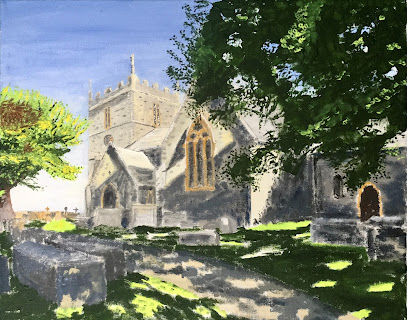
Gloucestershire Historic Churches Trust
19.4 km
Explore the rich ecclesiastical heritage of Gloucestershire through its historic churches, showcasing stunning architecture and engaging community initiatives.
Gloucestershire Revealed
19.5 km
Explore Gloucestershire's rich heritage at Gloucestershire Revealed, a museum that brings history to life through engaging exhibits and interactive displays.
King's Board
19.7 km
Discover the historical allure of King's Board, a charming landmark in Gloucester that showcases rich heritage and stunning architecture.
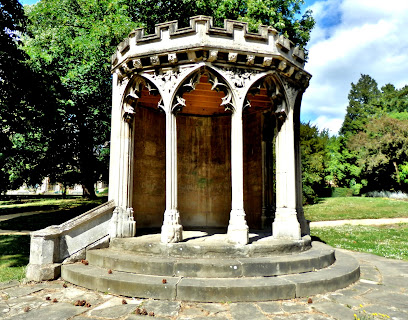
Over Bridge
19.7 km
Historic stone arch bridge by Thomas Telford, offering scenic river views and a glimpse into 19th-century engineering near Gloucester.
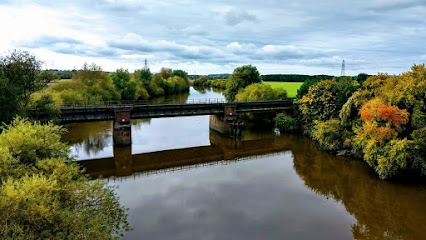
Hopewell Colliery
21.9 km
Explore the historical depths of Hopewell Colliery in the Forest of Dean, where mining heritage meets scenic beauty and family fun.
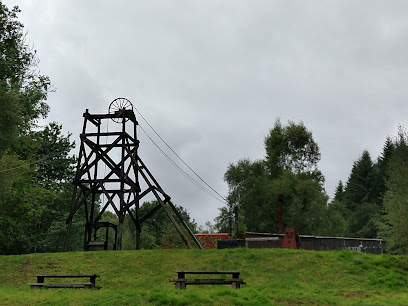
Cirencester Park
22.4 km
Discover Cirencester Park: A historical gem in the Cotswolds offering expansive gardens, serene woodlands, and breathtaking views for every nature lover.
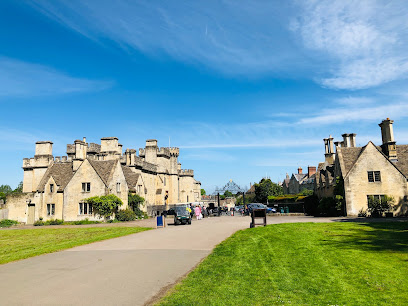
Barber wood
22.6 km
Experience the tranquility of Barber Wood, a nature reserve near Cheltenham, perfect for families and nature lovers seeking a peaceful outdoor escape.
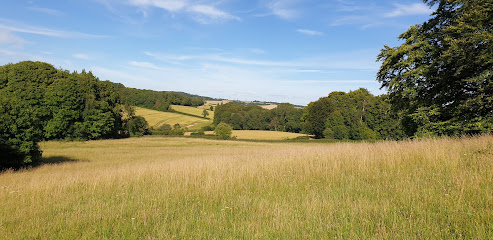
Clearwell Caves
22.7 km
Discover the enchanting Clearwell Caves, a unique blend of adventure, history, and stunning geological formations nestled in the Forest of Dean.
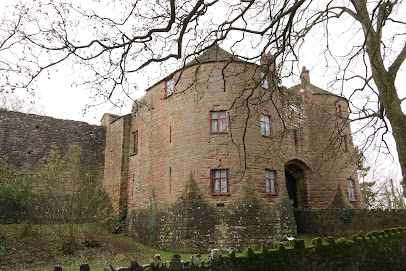
Puzzlewood
22.8 km
Explore the enchanting Puzzlewood, a mesmerizing ancient woodland in the Forest of Dean that captivates visitors with its magical scenery and rich biodiversity.
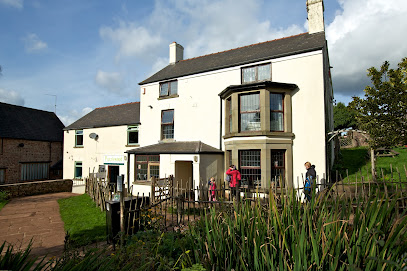
Unmissable attractions to see

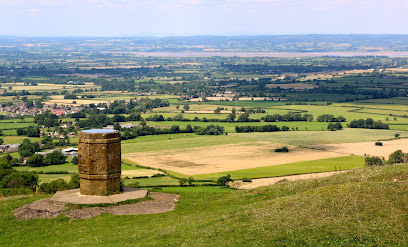
Coaley Peak
1.3 km
Coaley Peak offers sweeping Cotswold views, ancient Neolithic heritage, and vibrant wildflower meadows on a tranquil hilltop reserve.
Nympsfield Long Barrow
1.3 km
Explore the ancient Neolithic burial chambers of Nympsfield Long Barrow, set amid stunning Gloucestershire countryside and steeped in mysterious legends.
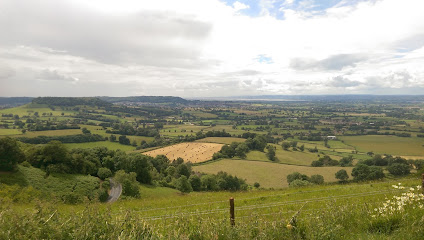
Woodchester Mansion Trust
2.3 km
A hauntingly beautiful, unfinished Victorian Gothic mansion hidden in a tranquil Cotswold valley, offering a rare glimpse into architectural ambition and a haven for rare bats.
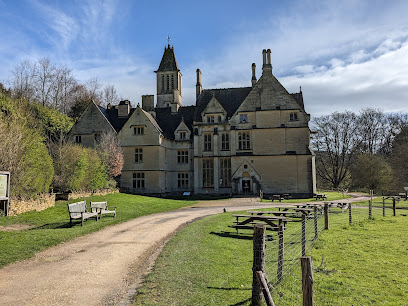
Cam Peak
2.4 km
Discover Cam Peak’s breathtaking views, wildflower meadows, and ancient hillfort on a scenic Cotswold Way walk near Dursley.
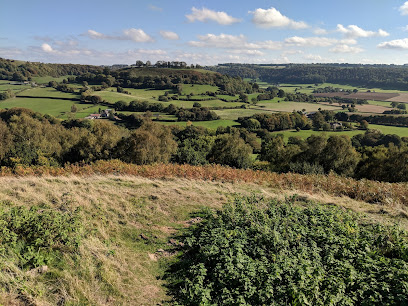
National Trust - Woodchester Park
2.8 km
Secluded Cotswolds valley with lakes, wildlife, historic boathouse, family trails, and scenic café views in a National Trust haven.
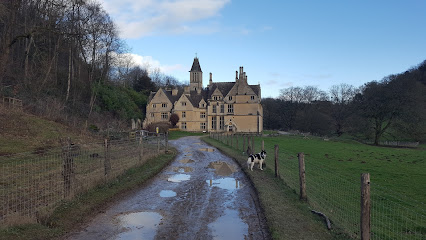
Selsley Common
4.9 km
Explore Selsley Common’s ancient limestone grassland with rare orchids, historic barrows, and sweeping views over the Severn Valley in the Cotswolds.
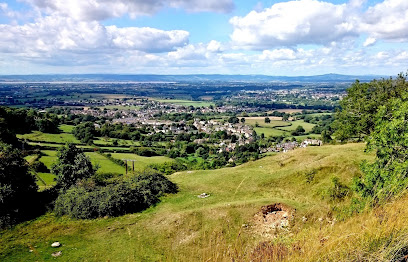
William Tyndale Monument
6.4 km
Explore the William Tyndale Monument, a historic tribute to the English Reformation, offering stunning views and a serene hiking experience.
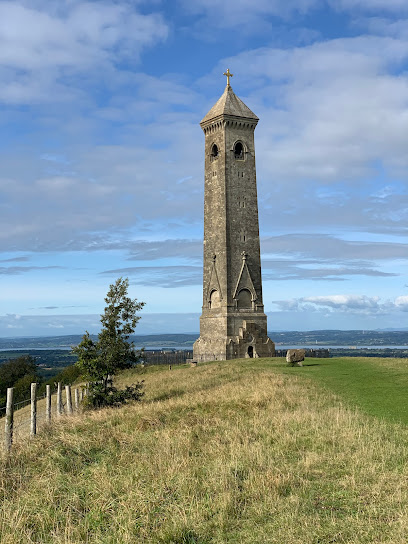
Ozleworth Park
6.9 km
Discover the serene beauty and historic charm of Ozleworth Park, a tranquil Cotswold escape with lush gardens and a unique circular graveyard.
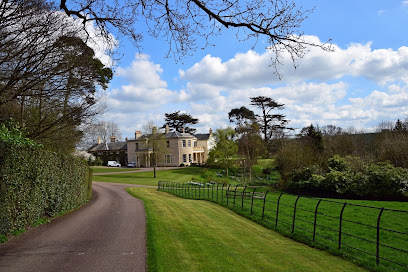
National Trust - Newark Park
7.0 km
A Tudor hunting lodge turned Georgian country house, perched on the Cotswold edge with sweeping views, historic interiors, and 700 acres of parkland and gardens.
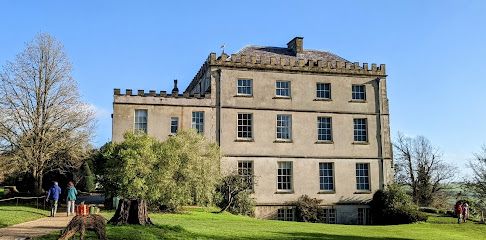
Visit The Cotswolds
7.0 km
Your essential gateway to exploring the scenic beauty, heritage, and charm of England’s Cotswolds National Landscape.
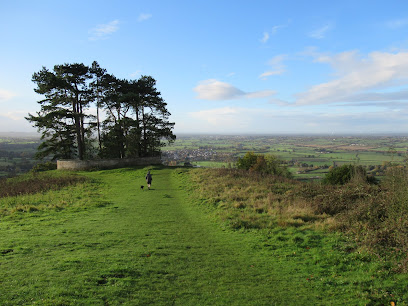
Wotton Hill
7.4 km
Explore Wotton Hill’s scenic Cotswold escarpment with ancient woodlands, historic landmarks, and sweeping views to Wales on clear days.
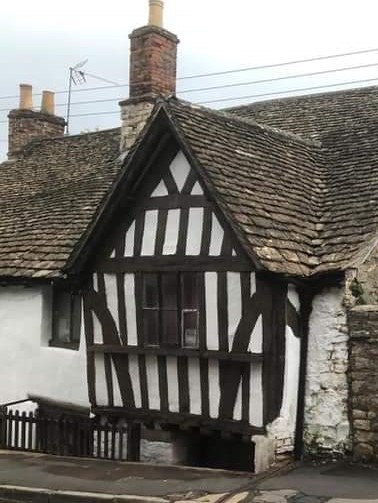
The Ancient Ram Inn (Advance Book only)
7.4 km
Step into England’s oldest haunted inn, where centuries of dark history and restless spirits create an unforgettable paranormal experience.
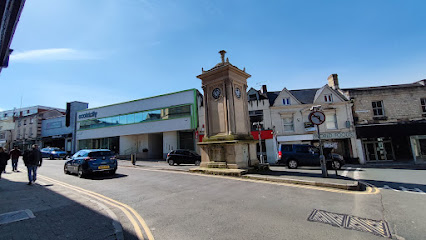
Sim's Clock
7.9 km
Explore the historical Sim's Clock in Stroud, a charming landmark that reflects the town's rich heritage and vibrant community spirit.
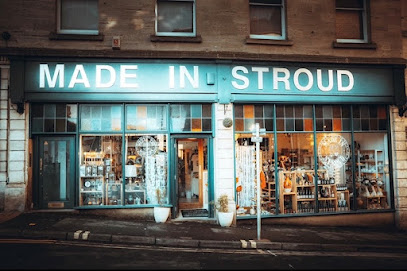
Made In Stroud
8.0 km
Discover authentic handmade gifts and local artisan treasures in the heart of Stroud’s creative community.
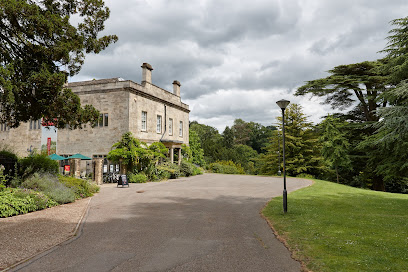
Museum in the Park
8.0 km
Explore Stroud’s heritage and art in a historic wool merchant’s house, with engaging exhibits and a serene Walled Garden in Stratford Park.
Essential places to dine

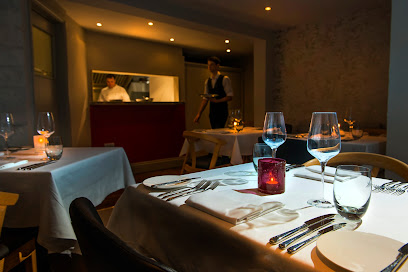
Wilder
6.0 km
Discover an intimate fine dining adventure in Nailsworth with inventive tasting menus and expertly paired wines at Wilder.
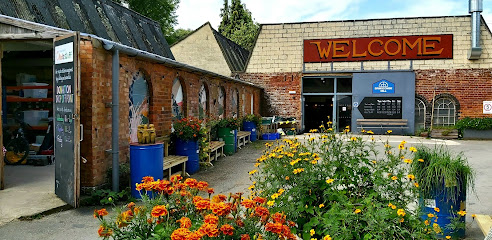
The Long Table
8.0 km
A pay-as-you-can community restaurant in Stroud serving locally sourced meals that nourish both body and spirit.
Fagin's
13.0 km
A charming family-friendly English pub in Brookthorpe serving hearty steaks, classic carveries, and warm hospitality in a relaxed setting.
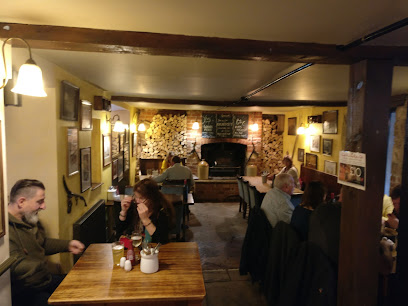
Miller & Carter Gloucester
14.4 km
Experience expertly cooked steaks and warm hospitality at Miller & Carter Gloucester in the heart of Quedgeley’s Olympus Park.
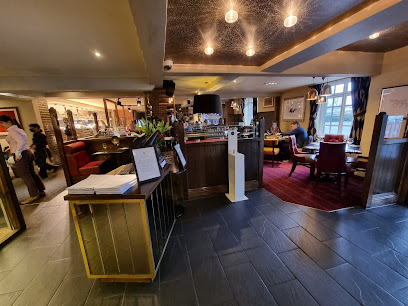
The Bell at Sapperton
16.1 km
Historic Cotswold inn blending seasonal British fare, a renowned wine wall, and cozy accommodations in the heart of picturesque Sapperton village.

Grey's Brasserie
16.7 km
Sophisticated yet relaxed dining at Whatley Manor, featuring globally inspired small plates and traditional Sunday roasts in a stunning Cotswolds setting.
Eat Unique
17.7 km
A peaceful village restaurant in Churcham, Gloucester, offering distinctive dishes in a cozy, rural setting.
Côte Gloucester
18.4 km
Modern French brasserie offering refined cuisine and warm service in Gloucester Quays, now closed but fondly remembered.
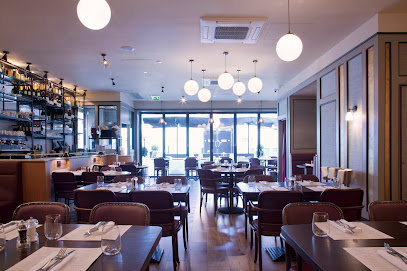
Bill's Gloucester Quays Restaurant
18.4 km
A relaxed, modern British restaurant at Gloucester Quays, perfect for a post-shopping meal or casual catch-up with friends and family.
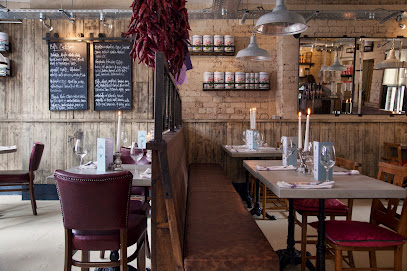
The Tall Ship
18.5 km
Historic Grade II listed pub in Gloucester Docks offering excellent British food, great beer, live music, and a lively social atmosphere.
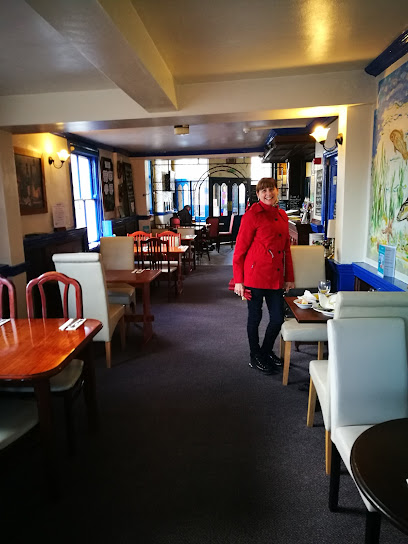
The Barge
18.6 km
A cozy family-run spot in Gloucester Docks serving hearty English classics with a welcoming bring-your-own-drinks policy.
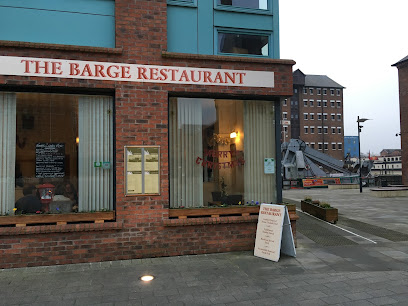
Settebello Trattoria
18.7 km
Experience authentic Italian flavors with panoramic dockside views at Gloucester’s beloved Settebello Trattoria.
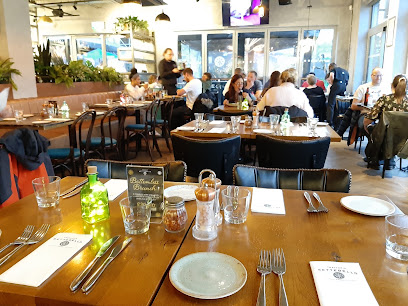
Greek on the Docks
18.7 km
Experience authentic Greek cuisine and vibrant Mediterranean flavors with stunning waterfront views in the heart of Gloucester Docks.
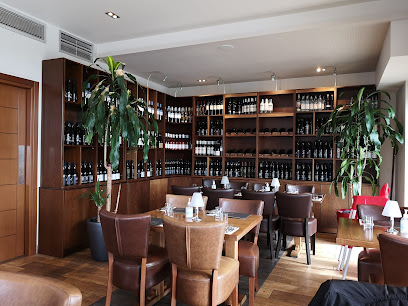
Aroma
18.7 km
Authentic Indian and Bangladeshi flavors served with impeccable hospitality in the heart of Gloucester’s historic Southgate Street.
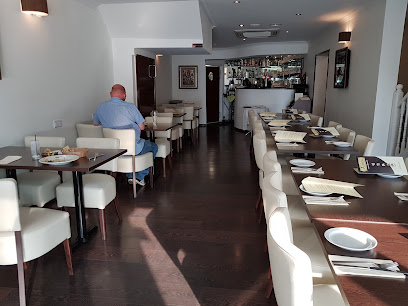
Topoly's
18.8 km
Authentic family-run Italian dining in the heart of Gloucester, serving fresh homemade dishes since 1990 in a lively, welcoming atmosphere.
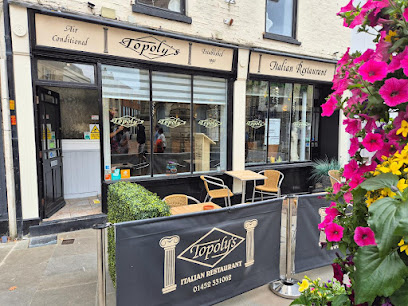
Markets, malls and hidden boutiques

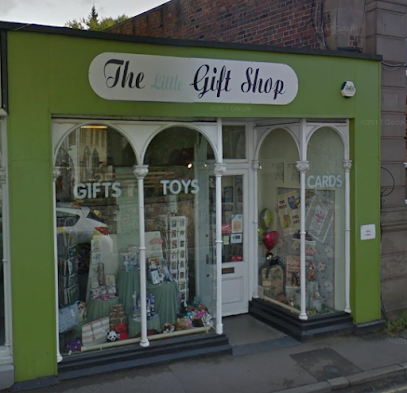
The Little Gift Shop
6.1 km
Curated gifts and local treasures in the heart of Nailsworth's independent retail scene.
Duffle Vintage
8.0 km
Authentic 60s and 70s vintage fashion in intimate, inspiring room settings.

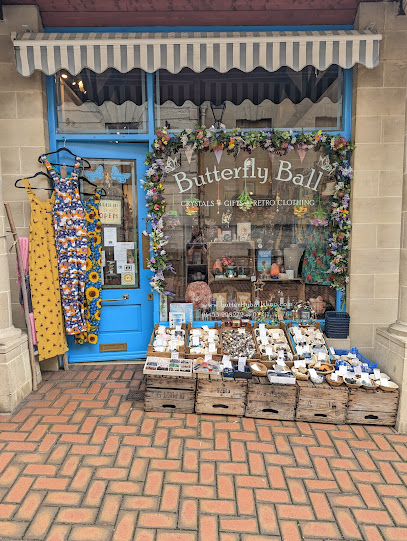
Butterfly Ball
8.0 km
Discover mindful gifts and spiritual treasures in Stroud’s welcoming Butterfly Ball shop, a hub for creativity and community since 2011.
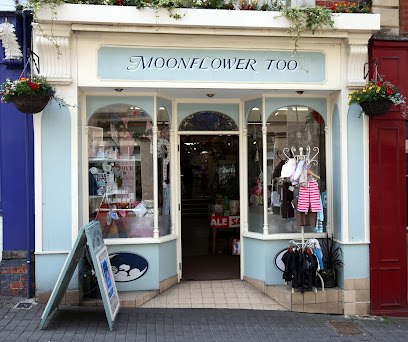
Moonflower Too
8.0 km
A vibrant gift shop in Stroud’s historic High Street, blending unique homewares with local charm and ethical brands.
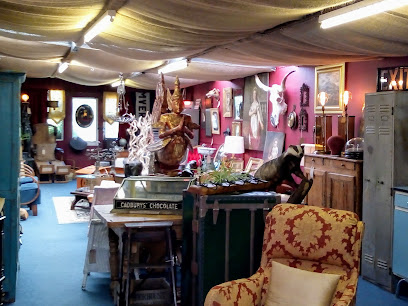
Adana Collective Antiques
8.3 km
Discover timeless treasures and beautiful antiques at Adana Collective, a curated gem in Stroud’s vibrant Salmon Springs Trading Estate.
Handmade Cotswolds
11.1 km
Discover exquisite handmade crafts and unique artisan gifts in the heart of Stroud’s vibrant Cotswolds community.
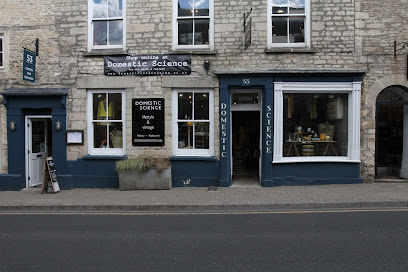
Domestic Science
12.0 km
Discover curated vintage treasures and contemporary homewares in a charming Georgian townhouse at the heart of Tetbury.
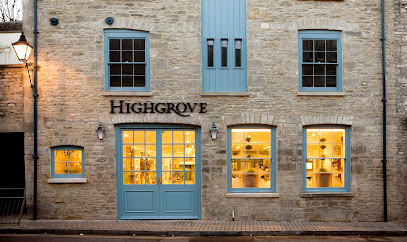
Highgrove Shop - Tetbury
12.1 km
Exclusive royal estate boutique offering sustainable crafts, fine china, and artisan gifts inspired by King Charles III’s Highgrove Gardens.
Cotswold Creates
17.9 km
Discover unique artisan gifts and handcrafted treasures that capture the heart of the Cotswolds in Gloucester’s welcoming Cotswold Creates.

Gloucester Quays
18.2 km
Discover designer bargains and festive charm at Gloucester Quays, a lively waterfront outlet set within historic docks.
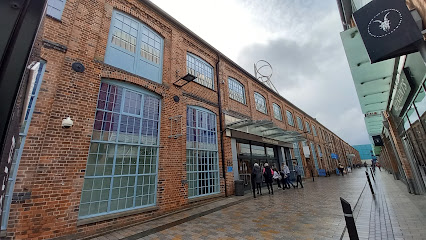
Gift Company
18.3 km
Discover unique gifts and charming homeware at The Gift Company, nestled in the vibrant Gloucester Quays outlet by the historic docks.

Upstairs Downstairs
18.8 km
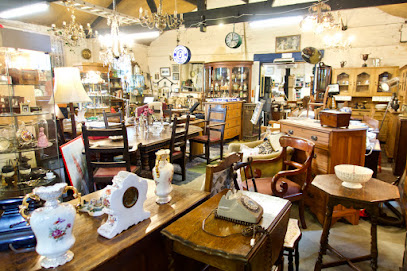
Discover Gloucester’s charming antique shop with unique collectibles and a cozy tearoom serving homemade treats.
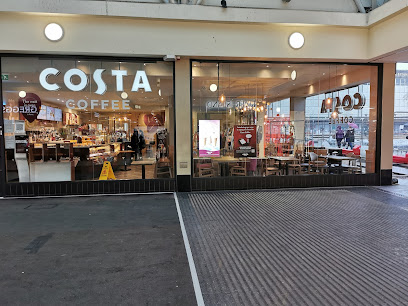
King's Walk
18.9 km
Gloucester’s central shopping destination featuring popular high street brands and convenient dining in a lively city centre setting.
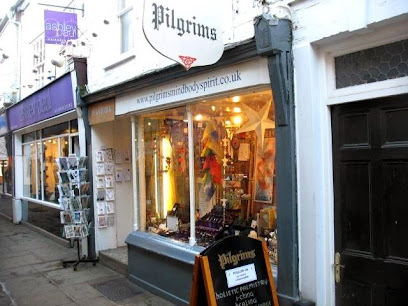
Pilgrims Gloucester
19.1 km
Discover unique gifts and a cosy, atmospheric shopping experience in the heart of historic Gloucester.
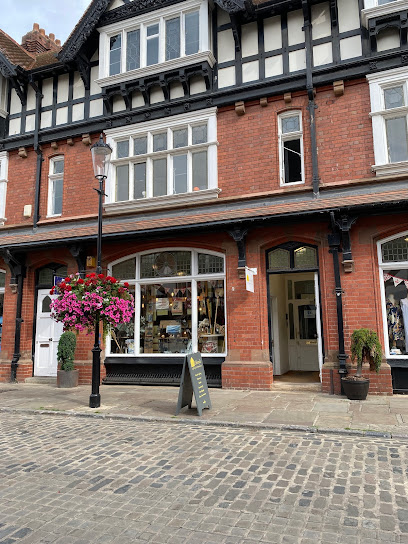
L&S Lifestyle
19.1 km
Discover unique gifts and stylish finds in a cozy boutique setting at L&S Lifestyle, Gloucester’s charming gift shop on College Street.
Essential bars & hidden hideouts

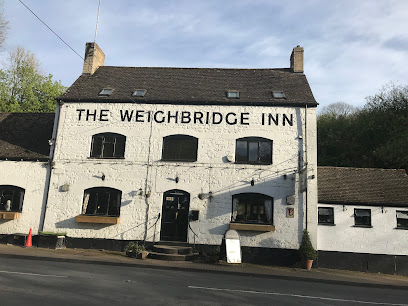
The Weighbridge Inn
7.2 km
Historic 17th-century Cotswolds pub famed for its unique 2in1 pies, local ales, and warm, rustic charm.
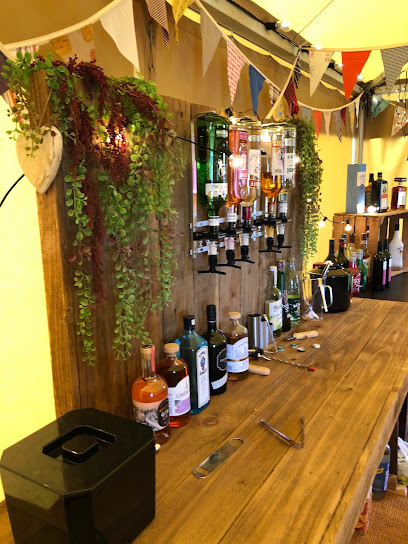
Cotswold Mobile Bar Hire
10.7 km
Bringing bespoke, fully stocked mobile bars with rustic charm and quirky inflatable pubs to your Cotswold events.
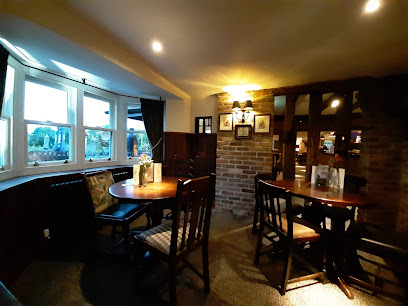
The Bumble Bee
13.1 km
A charming gastropub in Gloucester blending traditional warmth with quality seasonal dining and real ales in a relaxed setting.
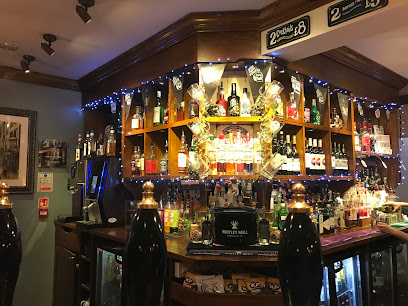
Barn Owl
13.8 km
A friendly, family- and dog-welcoming pub in Quedgeley offering classic British fare, cask ales, and a warm, spacious setting with outdoor gardens.
Three Oaks Inn
16.8 km
A welcoming gastropub in Gloucester’s Robinswood, blending traditional charm with modern comfort and community spirit.
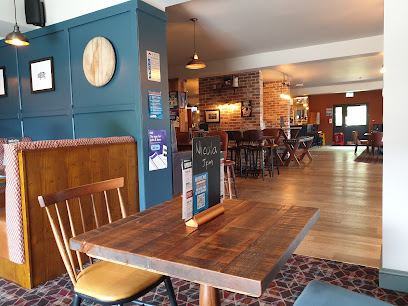
Avenue
17.2 km
A lively, dog-friendly pub in Gloucester serving classic fare and drinks in a welcoming Victorian setting with a vibrant community spirit.
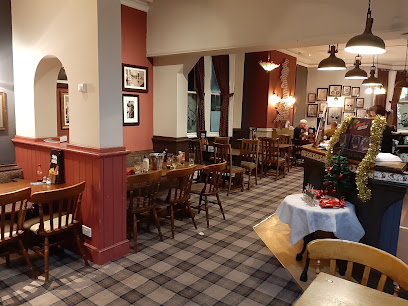
Brewhouse & Kitchen - Gloucester Quays
18.4 km
A vibrant gastropub and microbrewery at Gloucester Quays offering craft beers, hearty meals, and waterfront views in a lively, modern setting.
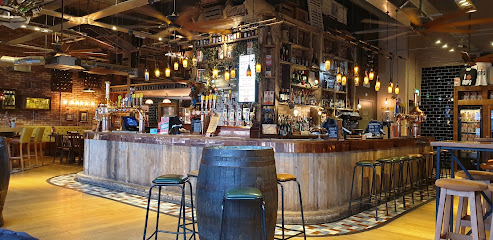
TANK
18.5 km
Discover Gloucester’s premier craft beer bar with a lively atmosphere, local brews, stonebaked pizzas, and a welcoming beer garden in the historic docks.
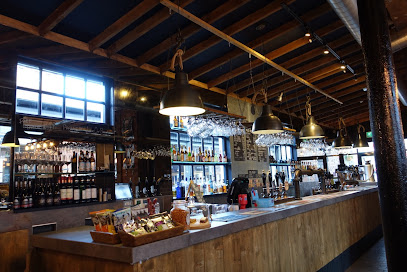
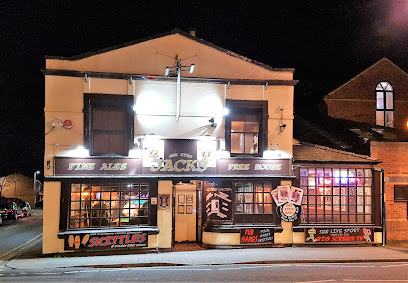
One Eyed Jacks
18.6 km
A vibrant traditional pub in Gloucester blending classic charm with lively entertainment and friendly atmosphere.
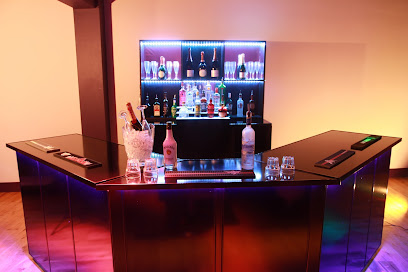
Devoted Deluxe - Mobile Bar Hire
18.7 km
Elegant mobile bar hire in Gloucester delivering bespoke cocktails and personalized service for every special occasion.
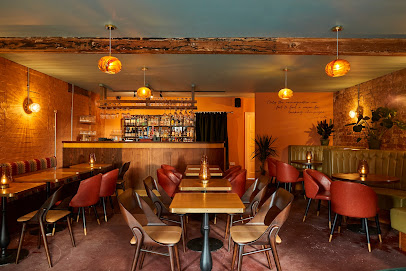
Our House Bar
18.7 km
A vibrant cocktail and wine bar in Gloucester Docks offering curated drinks and a welcoming atmosphere for memorable nights out.
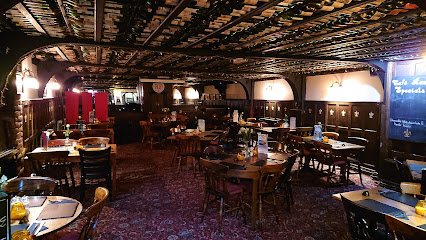
Café René
18.8 km
A lively Gloucester pub and restaurant blending historic charm, award-winning food, and vibrant live music in the city centre.
The Drunken Duck
19.0 km
A vibrant Gloucester pub blending unique space, exceptional beers, and a welcoming atmosphere for all to enjoy.
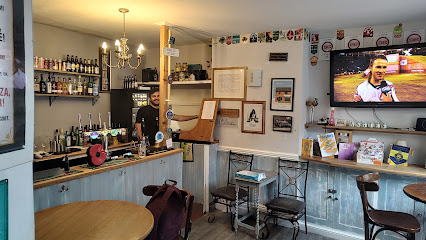
The Sword Inn Gloucester
19.0 km
Historic Gloucester pub blending tradition, community spirit, and lively sports in a welcoming city centre setting.
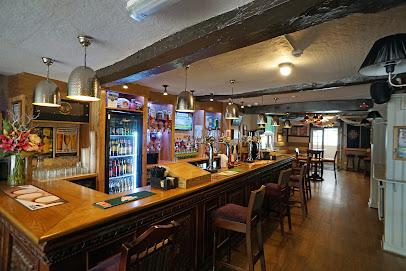
The Fountain Inn
19.1 km
Charming Grade II listed pub in Gloucester’s city centre offering real ales, hearty British fare, and a cozy historic atmosphere with garden and function rooms.
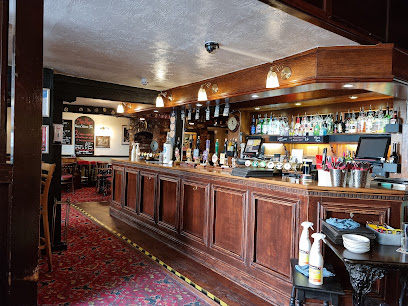
Nightclubs & after hour spots

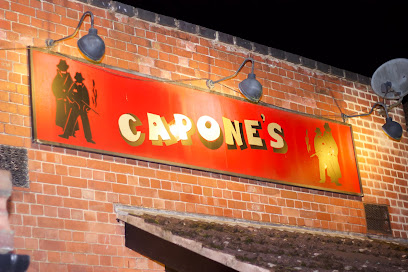
Capones
3.8 km
Historic nightclub in Dursley with legendary ties to Al Capone, offering vibrant weekend nightlife and pulsating music.
Trio Nightclub
7.9 km
Experience Stroud’s vibrant nightlife at Trio Nightclub, where music, dancing, and energetic vibes light up weekend nights.

ATIK Gloucester
18.7 km
Gloucester’s largest nightclub, ATIK pulses with vibrant music, student nights, and an energetic party atmosphere until the early hours.

Jax Nightclub Gloucester
18.8 km
Energetic nightclub in Gloucester offering diverse music, two dance floors, and a welcoming atmosphere for late-night fun.
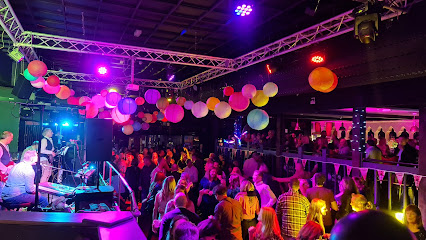
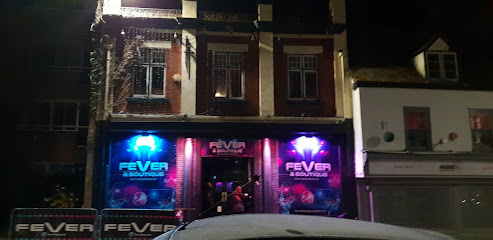
Bar Fever Gloucester
18.8 km
Experience Gloucester’s vibrant nightlife at Bar Fever, a trendy nightclub with dynamic music, stylish interiors, and a welcoming atmosphere.
ReVA Nightclub
23.3 km
Cirencester’s largest nightclub offering electrifying music, stylish cocktails, and a vibrant atmosphere for unforgettable nights.
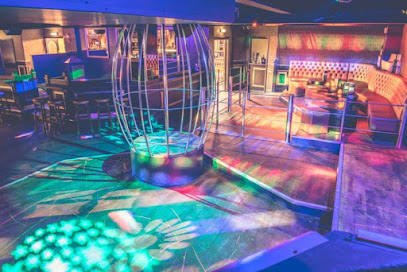
The Lion - Bar & Nightclub
26.4 km
A vibrant bar and nightclub blending historic charm with lively nightlife in the heart of Chepstow.
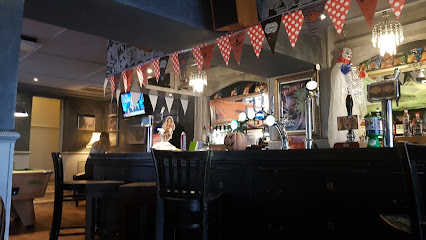
Under the Prom
27.1 km
Experience Cheltenham’s vibrant nightlife with premium drinks, three unique bars, and VIP service at Under The Prom nightclub.

Thirteen Degrees
27.1 km
Cheltenham’s late-night hotspot for dancing, cocktails, and private events in a central urban setting.
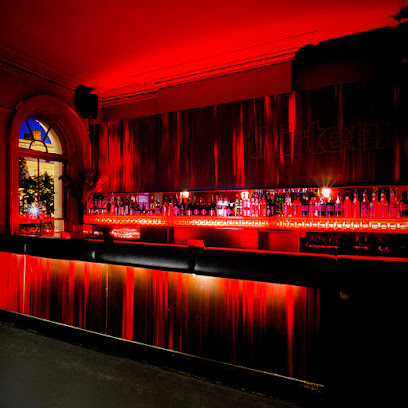
Home and Botanic Nightclub
27.1 km
Historic charm meets vibrant nightlife at Cheltenham’s Home and Botanic, a multi-room club offering cocktails, live piano, DJs, and unforgettable nights.
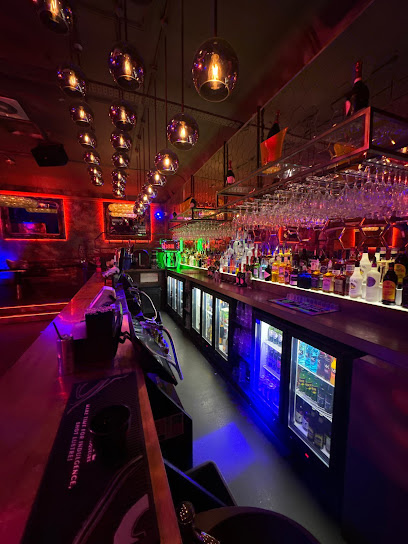
MooMoo Clubrooms Cheltenham
27.2 km
Experience Cheltenham’s vibrant nightlife with dynamic music, VIP vibes, and late-night energy at MooMoo Clubrooms.

Popworld - Cheltenham
27.2 km
Cheltenham’s lively late-night hotspot where cheesy pop tunes and creative cocktails fuel unforgettable party nights.
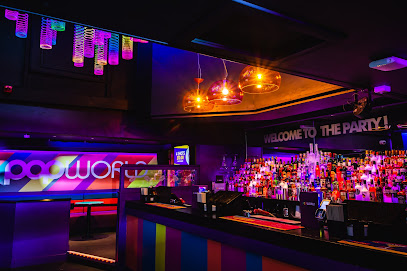
The 21 Club
27.3 km
Experience Cheltenham’s vibrant nightlife at The 21 Club, where music, dancing, and great drinks create unforgettable nights.
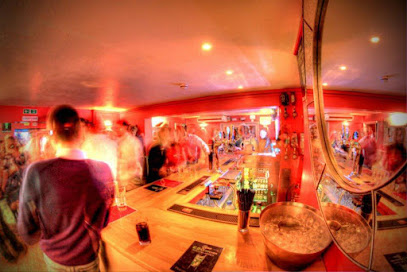
Coco
27.4 km
Cheltenham’s underground hotspot for vibrant nightlife, top DJs, and creative cocktails in a lively basement setting.
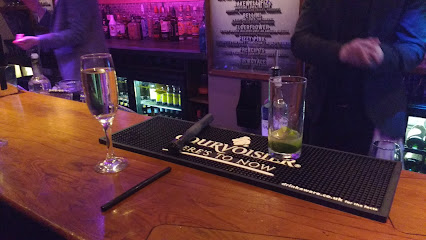
2 PIGS
27.5 km
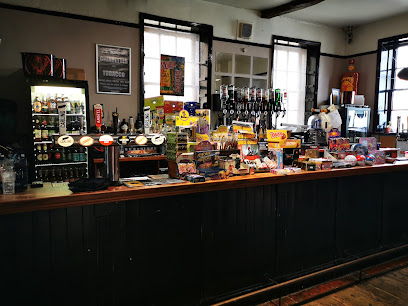
A lively Cheltenham nightclub with dual rooms spinning rock, punk, indie, and classic hits, known for affordable drinks and an alternative vibe.
For the vibe & atmosphere seeker
- Tranquil
- Scenic
- Unique
- Relaxing
For the design and aesthetic lover
- Rustic Designs
- Vintage Styles
For the architecture buff
- Historic
- Landmarks
- Heritage Neighborhoods
For the view chaser and sunset hunter
- Panoramas
- Sunrise Spots
- Sunset Spots
For the social media creator & influencer
- Photo Spots
- Selfie Spots
- Aesthetic Corners
- Architectural Shots
For the eco-conscious traveler
- Protected Area
- Public-Transport Accessible
- Leave-No-Trace Critical
For the kind of experience you’re after
- Cultural Heritage
- Photowalk
- Mindfulness
- Nature Escape
For how adventurous you want the journey to be
- Easy Access
Location Audience
- Family Friendly
- Child Friendly
- Teen Friendly
- Senior Friendly
- Solo Friendly
- Couple Friendly
- Pet Friendly
- Vegetarian Friendly
- Vegan Friendly


