
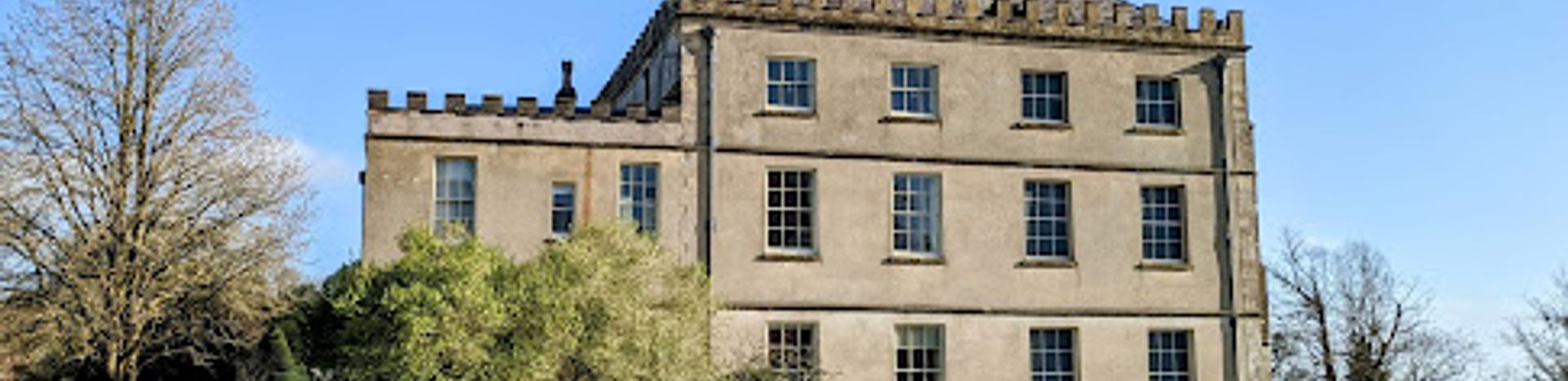
Newark Park – Tudor Lodge on the Cotswold Edge
A Tudor hunting lodge turned Georgian country house, perched on the Cotswold edge with sweeping views, historic interiors, and 700 acres of parkland and gardens.
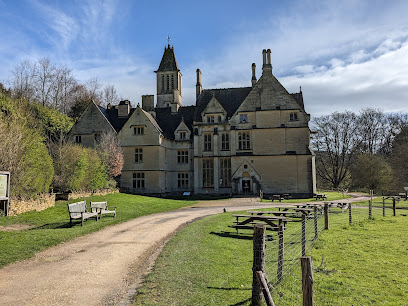
Perched on the southern edge of the Cotswolds, Newark Park is a Grade I listed Tudor hunting lodge with sweeping views across the Severn Valley. Once a retreat for a courtier of Henry VIII, it later became a Georgian country house and is now cared for by the National Trust. Explore its historic interiors, Arts and Crafts gardens, and 700 acres of parkland, woodlands, and waymarked trails. The estate is home to peacocks, hares, and a rich mosaic of habitats, making it a peaceful escape into history and nature.
A brief summary to National Trust - Newark Park
- Wotton-under-Edge, Ozleworth, GL12 7PZ, GB
- +441453842644
- Visit website
- Duration: 2 to 5 hours
- Mid ranged
-
 Mixed
Mixed
- Mobile reception: 4 out of 5
- Monday 10 am-5 pm
- Tuesday 10 am-5 pm
- Wednesday 10 am-5 pm
- Thursday 10 am-5 pm
- Friday 10 am-5 pm
- Saturday 10 am-5 pm
- Sunday 10 am-5 pm
Local tips
- Visit on a clear day to enjoy the far-reaching views over the Severn Valley and the Mendips from the house and garden terraces.
- Ask about the basement tour at reception – it offers a fascinating glimpse into the house’s Tudor origins and later modifications.
- Bring binoculars to spot red kites, owls, and other birds in the parkland and surrounding countryside.
- Wear sturdy footwear if planning longer walks; some paths can be muddy, especially after rain.

For the on-the-go comforts that matter to you
- Restrooms
- Drink Options
- Drinking Water
- Food Options
- Seating Areas
- Sheltered Areas
- Picnic Areas
- Trash Bins
- Information Boards
- Visitor Center
Getting There
-
Car
From Wotton-under-Edge, follow local roads south towards Ozleworth; Newark Park is clearly signposted from the main junction. The drive takes about 10–15 minutes. There is a main car park with disabled parking and drop-off close to the visitor reception.
-
Public Transport
Take a train to Stroud or Gloucester, then a local bus to Wotton-under-Edge. From the town centre, a taxi ride to Newark Park takes around 10 minutes. There is no direct bus to the estate, so a short taxi journey is needed from the nearest bus stops.
-
Walking
From Wotton-under-Edge, a scenic walk of about 4–5 km leads to Newark Park via country lanes and footpaths. The route is moderately hilly and can be muddy in places; allow 60–75 minutes on foot.
National Trust - Newark Park location weather suitability
-
 Any Weather
-
 Rain / Wet Weather
-
 Clear Skies
-
 Mild Temperatures
Discover more about National Trust - Newark Park
A Tudor Retreat with a Royal Connection
Newark Park began life in the mid-16th century as a four-storey hunting lodge for Sir Nicholas Poyntz, a courtier to Henry VIII. Built between 1544 and 1556, it was designed as a stylish retreat for entertaining in the dramatic, secluded landscape of the Cotswold escarpment. Its elevated position offered commanding views over the Ozleworth valley and beyond to the Mendips, perfect for a nobleman keen to impress his guests. The original Tudor structure, with its modest sleeping quarters and flat roof used as a lookout, now forms the eastern part of the present house.From Lodge to Country House
Over the centuries, Newark evolved from a hunting lodge into a more substantial country residence. In 1790, the Clutterbuck family commissioned architect James Wyatt to remodel it into a four-square Georgian house, adding formal symmetry and elegance. They created a formal deer park to the south and landscaped the grounds, shaping the parkland that visitors enjoy today. Later owners, including the King family, added servants’ quarters, a hot-air heating system, and hot water to the upper floors, blending comfort with tradition. The house remained a private home until 1949, when the last of the line died and the estate was given to the National Trust.Rescue and Revival in the 20th Century
By the mid-20th century, Newark Park had fallen into decline. Its fortunes changed thanks to American architect Bob Parsons, who invested time and resources into restoring the house and estate. His efforts helped secure its Grade I listing, recognising its architectural importance. After Parsons’ death in 2000, his partner Michael Claydon continued the restoration work, maintaining the house and its parkland as a place of beauty and history. Today, the National Trust preserves Newark as a historic house museum, where visitors can explore its traditional interiors, log-burning fires, and layered past.Exploring the Gardens and Parkland
The estate spans over 700 acres, including two farms, many listed buildings, and a rich mosaic of habitats. The gardens reflect a mix of 18th-century water gardens, Arts and Crafts landscapes, and intimate woodland planting. The Glade Walk leads from a quirky folly to a rockery beneath the house, while the lakeside garden offers a romantic spot to watch ducks on the small lake and relax in a historic summerhouse. Native trees like beech, oak, chestnut, and Scots pine dominate the estate, with some areas classified as ancient woodland.A Place for Nature and Family Adventures
Newark Park is a haven for wildlife and families alike. Brown hares can be seen bounding across fields, and in summer thousands of toadlets cross paths as they move into the woods. Resident peacocks add a touch of drama to picnics and walks. Waymarked trails from the car park allow visitors to explore the estate at their own pace, with benches and fallen logs providing rest spots. A woodland play area with carved animals and a play field offer plenty of space for children to run and explore, making it a rewarding destination for all ages.Iconic landmarks you can’t miss

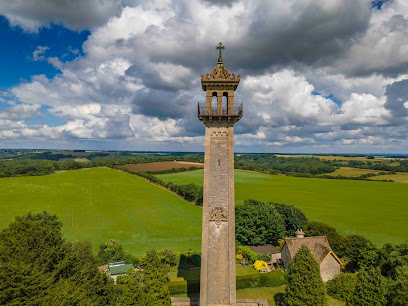
Somerset Monument
5.5 km
A towering Victorian tribute to Lord Robert Edward Somerset, commanding panoramic views over the historic Cotswold landscape.
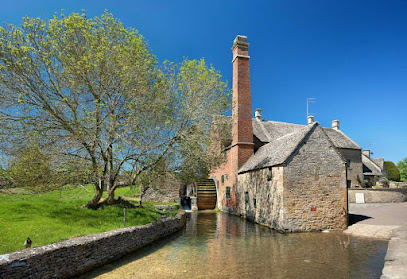
Walk The Cotswolds
12.5 km
Explore the Cotswolds' breathtaking landscapes and charming villages with Walk The Cotswolds, your gateway to England's picturesque countryside adventures.
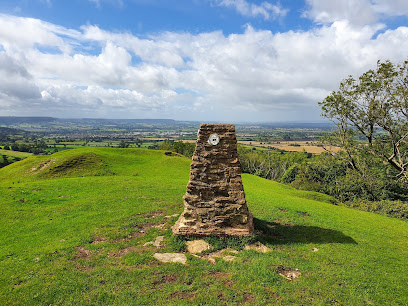
Haresfield Topograph
16.0 km
A three-dimensional map landmark on the Cotswold escarpment with panoramic views toward Wales.
Devil's Pulpit
24.6 km
Experience breathtaking views and serene landscapes at Devil's Pulpit, a hidden gem in the heart of Wales, perfect for nature lovers and photographers.
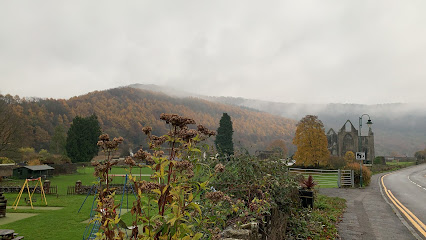
Castell Cas-gwent / Chepstow Castle
24.6 km
Explore the magnificent Chepstow Castle, a historic gem overlooking the River Wye, and immerse yourself in the rich history of Wales.
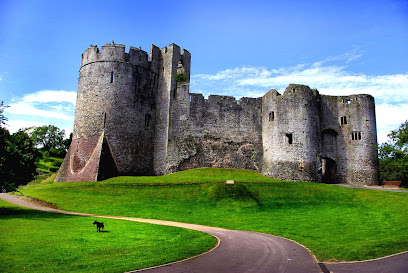
Cirencester Park
24.7 km
Discover Cirencester Park: A historical gem in the Cotswolds offering expansive gardens, serene woodlands, and breathtaking views for every nature lover.
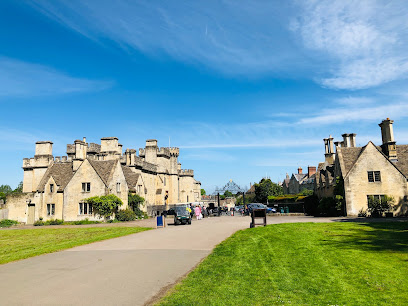
Southmead Round Barrow
25.2 km
Explore the ancient Southmead Round Barrow, a Bronze Age burial mound nestled within Bristol’s tranquil Badock’s Wood.
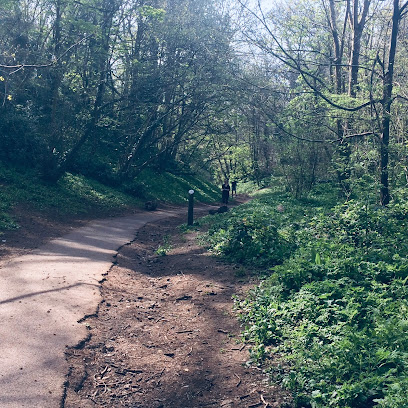
Llanthony Secunda Priory
25.2 km
Explore the rich heritage of Llanthony Secunda Priory, a stunning medieval site surrounded by picturesque landscapes in Gloucester.
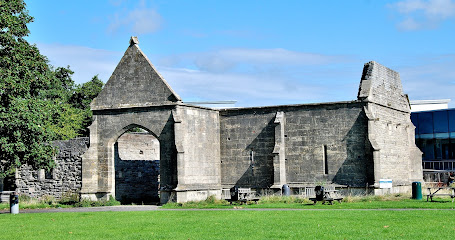
Cirencester Amphitheatre
25.3 km
Step into history at Cirencester Amphitheatre, the largest Roman amphitheatre in the UK, where echoes of ancient times come alive in a beautiful setting.
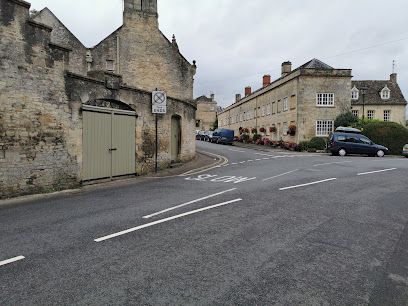
Clearwell Caves
25.3 km
Discover the enchanting Clearwell Caves, a unique blend of adventure, history, and stunning geological formations nestled in the Forest of Dean.
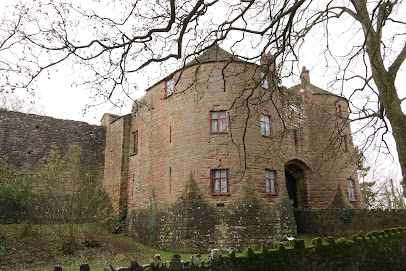
National Waterways Museum Gloucester
25.5 km
Explore the National Waterways Museum in Gloucester, where the rich history of Britain's canals comes to life through engaging exhibits and scenic boat trips.
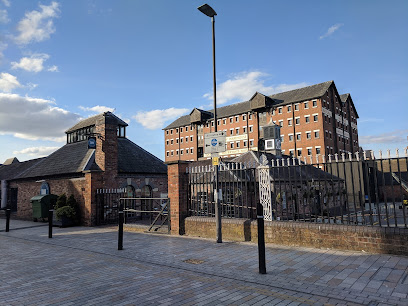
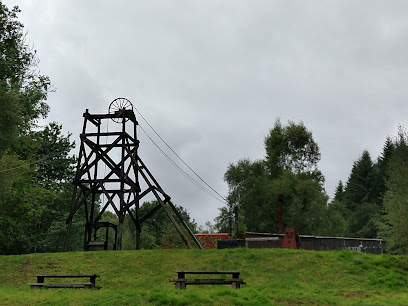
Hopewell Colliery
25.5 km
Explore the historical depths of Hopewell Colliery in the Forest of Dean, where mining heritage meets scenic beauty and family fun.
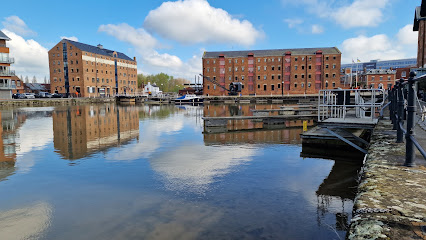
Gloucester Docks
25.6 km
Explore Gloucester Docks, a historical landmark where maritime heritage meets modern attractions, perfect for a leisurely day out in Gloucester.
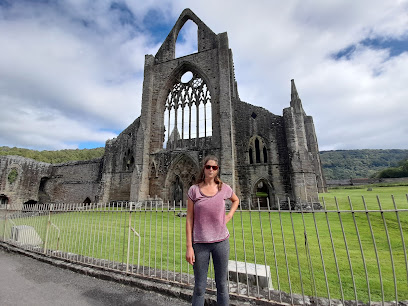
Abaty Tyndyrn / Tintern Abbey
25.7 km
Discover the enchanting beauty and rich history of Tintern Abbey, a stunning Gothic landmark set in the picturesque Wye Valley.
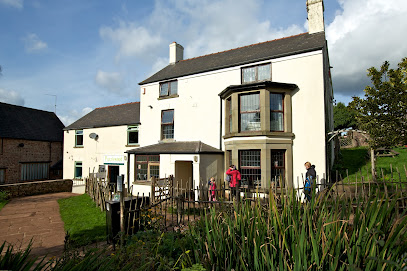
Puzzlewood
25.7 km
Explore the enchanting Puzzlewood, a mesmerizing ancient woodland in the Forest of Dean that captivates visitors with its magical scenery and rich biodiversity.
Unmissable attractions to see

Ozleworth Park
1.4 km
Discover the serene beauty and historic charm of Ozleworth Park, a tranquil Cotswold escape with lush gardens and a unique circular graveyard.
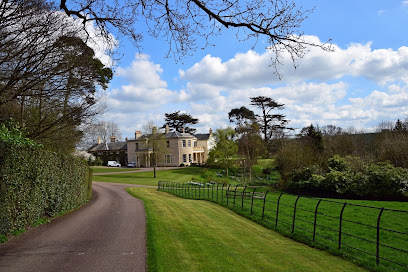
The Ancient Ram Inn (Advance Book only)
2.1 km
Step into England’s oldest haunted inn, where centuries of dark history and restless spirits create an unforgettable paranormal experience.
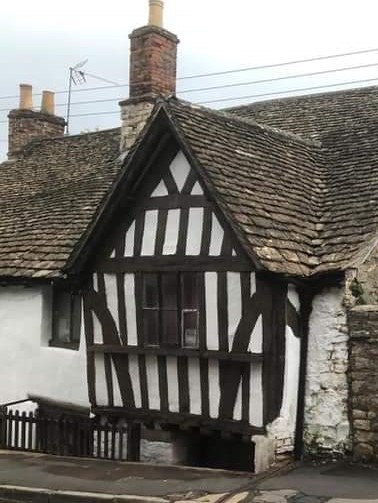
Wotton Hill
2.9 km
Explore Wotton Hill’s scenic Cotswold escarpment with ancient woodlands, historic landmarks, and sweeping views to Wales on clear days.
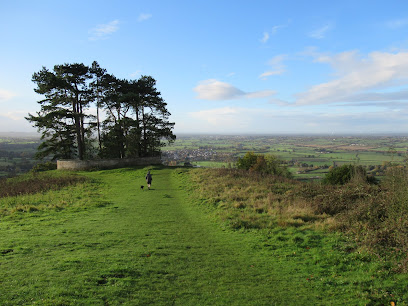
William Tyndale Monument
4.5 km
Explore the William Tyndale Monument, a historic tribute to the English Reformation, offering stunning views and a serene hiking experience.
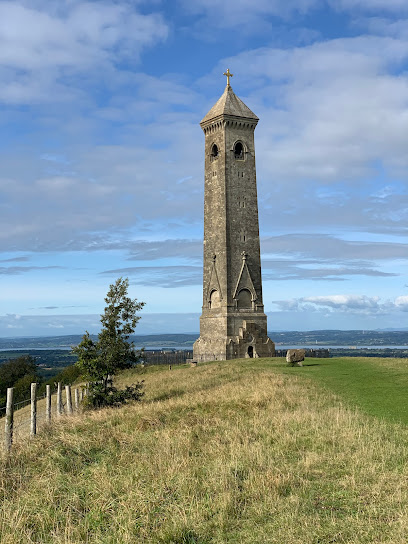
Lower Woods Nature Reserve
6.1 km
Explore southwest England’s largest ancient woodland, a sanctuary of wildflowers, butterflies, and tranquil river meadows year-round.
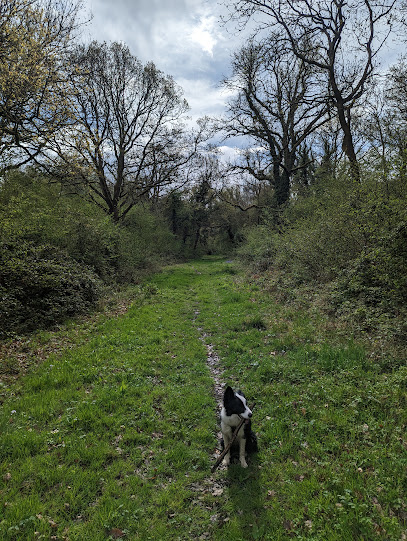
Cam Peak
6.2 km
Discover Cam Peak’s breathtaking views, wildflower meadows, and ancient hillfort on a scenic Cotswold Way walk near Dursley.
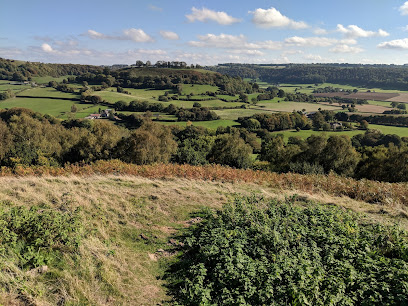
Uley Long Barrow (Hetty Pegler's Tump)
7.0 km
Explore a 5,000-year-old Neolithic burial mound with ancient chambers and stunning Severn Valley views at Uley Long Barrow, Gloucestershire.
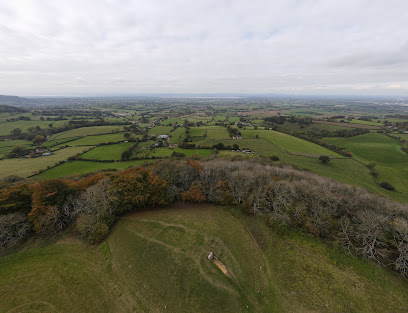
Westonbirt, The National Arboretum
7.4 km
Explore 600 acres of global tree species, seasonal wonders, and tranquil paths at Westonbirt, the UK's premier National Arboretum.
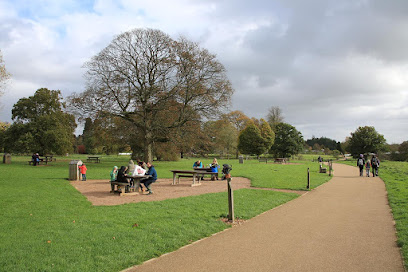
National Trust - Horton Court
8.2 km
Step back in time at Horton Court, a beautifully restored Tudor manor nestled in the scenic Cotswolds countryside with rich history and cinematic charm.
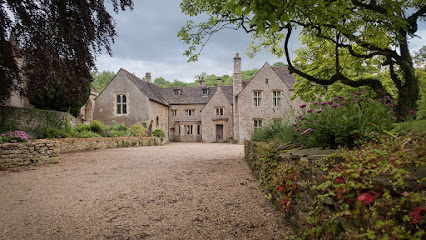
Coaley Peak
8.2 km
Coaley Peak offers sweeping Cotswold views, ancient Neolithic heritage, and vibrant wildflower meadows on a tranquil hilltop reserve.
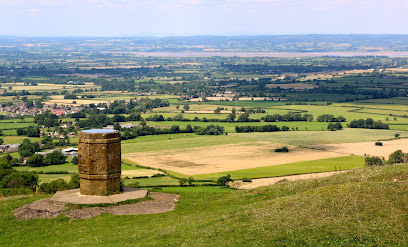
Nympsfield Long Barrow
8.3 km
Explore the ancient Neolithic burial chambers of Nympsfield Long Barrow, set amid stunning Gloucestershire countryside and steeped in mysterious legends.
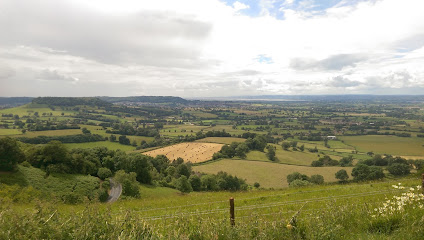
National Trust - Woodchester Park
8.5 km
Secluded Cotswolds valley with lakes, wildlife, historic boathouse, family trails, and scenic café views in a National Trust haven.
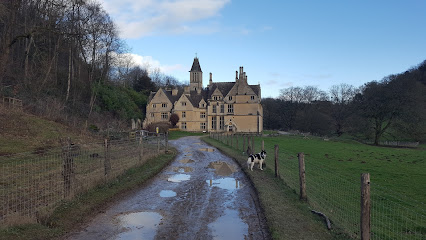
Woodchester Mansion Trust
8.7 km
A hauntingly beautiful, unfinished Victorian Gothic mansion hidden in a tranquil Cotswold valley, offering a rare glimpse into architectural ambition and a haven for rare bats.
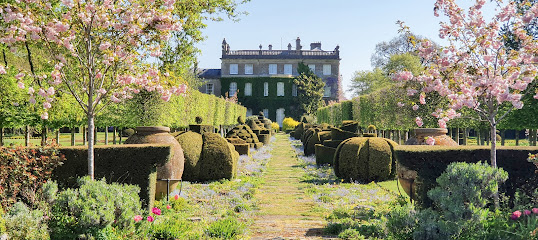
Highgrove Gardens
9.5 km
King Charles III's organic masterpiece: four decades of horticultural innovation in the Cotswolds.
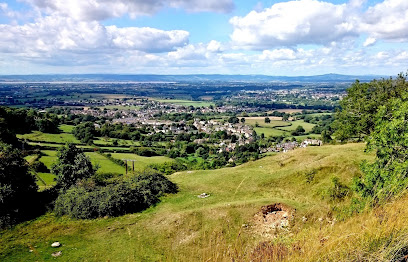
Selsley Common
11.0 km
Explore Selsley Common’s ancient limestone grassland with rare orchids, historic barrows, and sweeping views over the Severn Valley in the Cotswolds.
Essential places to dine

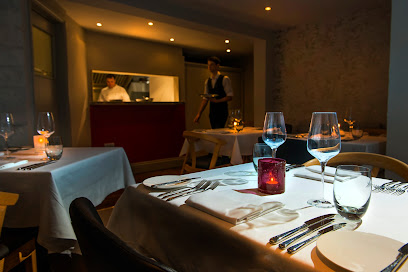
Wilder
9.4 km
Discover an intimate fine dining adventure in Nailsworth with inventive tasting menus and expertly paired wines at Wilder.
The Long Table
12.6 km
A pay-as-you-can community restaurant in Stroud serving locally sourced meals that nourish both body and spirit.
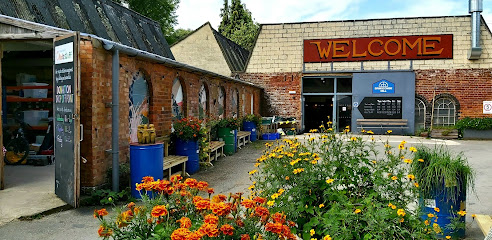
Grey's Brasserie
13.0 km
Sophisticated yet relaxed dining at Whatley Manor, featuring globally inspired small plates and traditional Sunday roasts in a stunning Cotswolds setting.
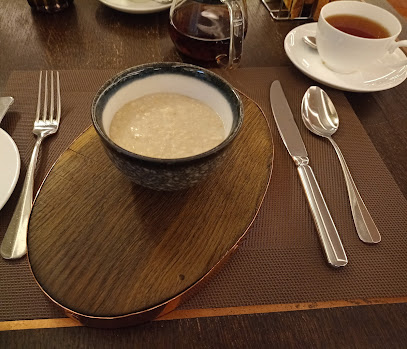
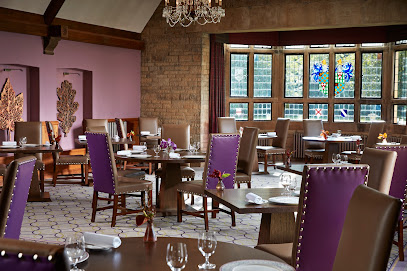
Bybrook
16.9 km
Michelin-starred modern British fine dining in a historic Cotswold manor with fresh, seasonal produce from its own kitchen garden.
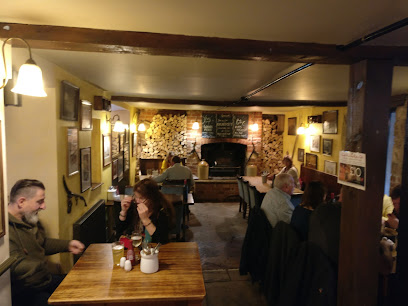
The Bell at Sapperton
19.5 km
Historic Cotswold inn blending seasonal British fare, a renowned wine wall, and cozy accommodations in the heart of picturesque Sapperton village.

Fagin's
19.9 km
A charming family-friendly English pub in Brookthorpe serving hearty steaks, classic carveries, and warm hospitality in a relaxed setting.
Miller & Carter Gloucester
21.3 km
Experience expertly cooked steaks and warm hospitality at Miller & Carter Gloucester in the heart of Quedgeley’s Olympus Park.
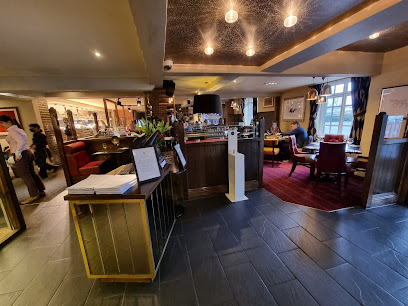
Eat Unique
24.4 km
A peaceful village restaurant in Churcham, Gloucester, offering distinctive dishes in a cozy, rural setting.
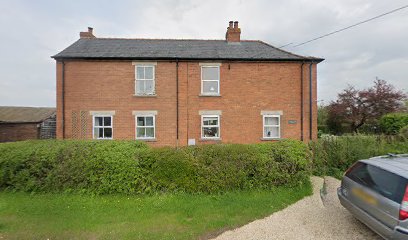
Panevino Italian Restaurant
24.5 km
Authentic Italian flavors and warm hospitality await you at Panevino, Chepstow’s beloved Italian restaurant on Bridge Street.
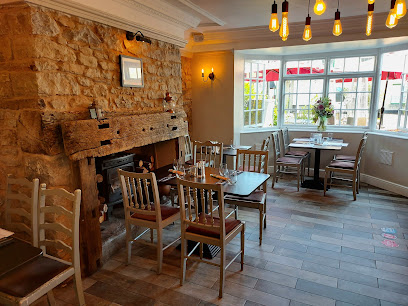
Côte Gloucester
25.4 km
Modern French brasserie offering refined cuisine and warm service in Gloucester Quays, now closed but fondly remembered.
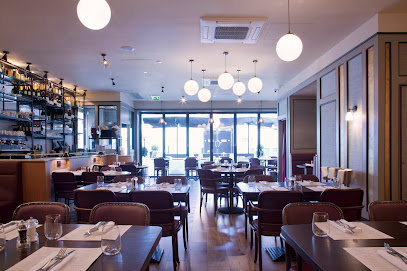
Bill's Gloucester Quays Restaurant
25.4 km
A relaxed, modern British restaurant at Gloucester Quays, perfect for a post-shopping meal or casual catch-up with friends and family.
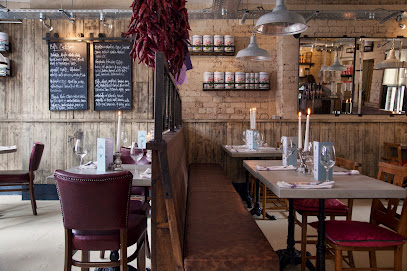
The Lock Up
25.5 km
A relaxed neighbourhood restaurant in East Bristol serving seasonal modern British food with warmth and style.
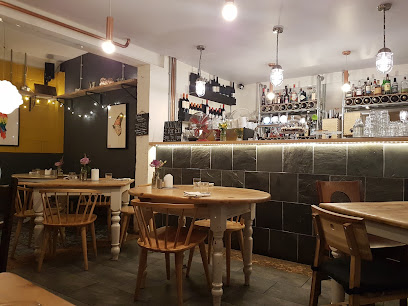
The Garden Restaurant
25.5 km
Refined modern British dining with scenic walled garden views in the heart of historic Stratton House Hotel, Cirencester.
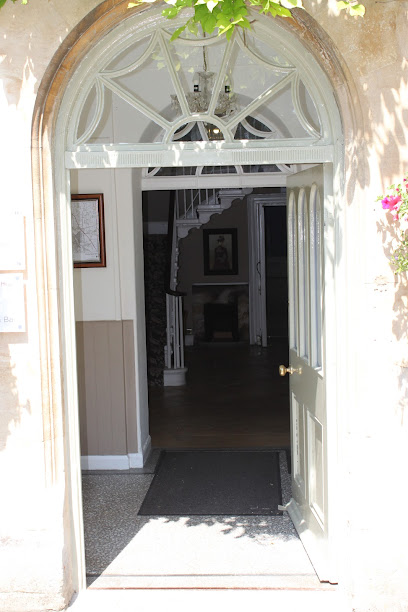
The Tall Ship
25.5 km
Historic Grade II listed pub in Gloucester Docks offering excellent British food, great beer, live music, and a lively social atmosphere.
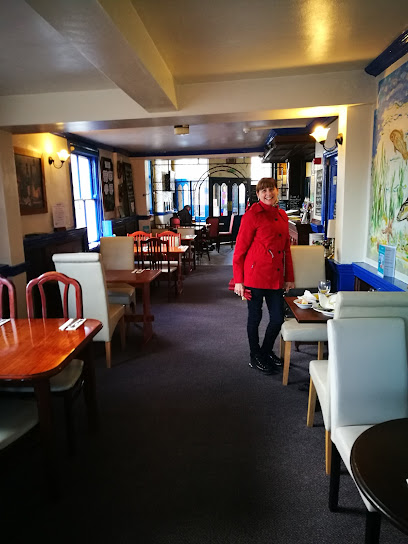
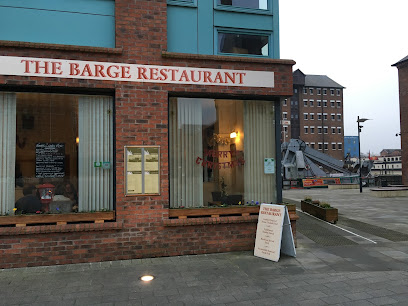
The Barge
25.5 km
A cozy family-run spot in Gloucester Docks serving hearty English classics with a welcoming bring-your-own-drinks policy.
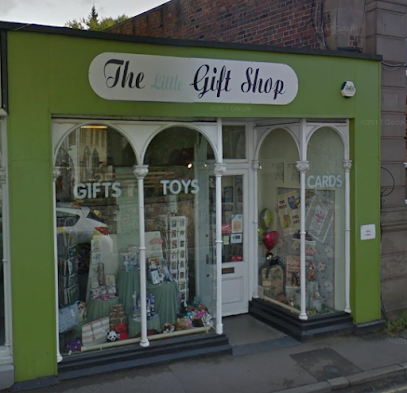
Markets, malls and hidden boutiques

The Little Gift Shop
9.6 km
Curated gifts and local treasures in the heart of Nailsworth's independent retail scene.
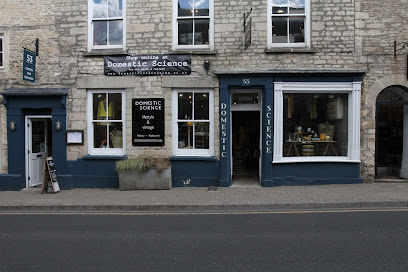
Domestic Science
10.8 km
Discover curated vintage treasures and contemporary homewares in a charming Georgian townhouse at the heart of Tetbury.
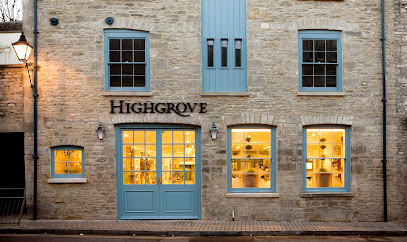
Highgrove Shop - Tetbury
10.9 km
Exclusive royal estate boutique offering sustainable crafts, fine china, and artisan gifts inspired by King Charles III’s Highgrove Gardens.
Duffle Vintage
13.9 km
Authentic 60s and 70s vintage fashion in intimate, inspiring room settings.

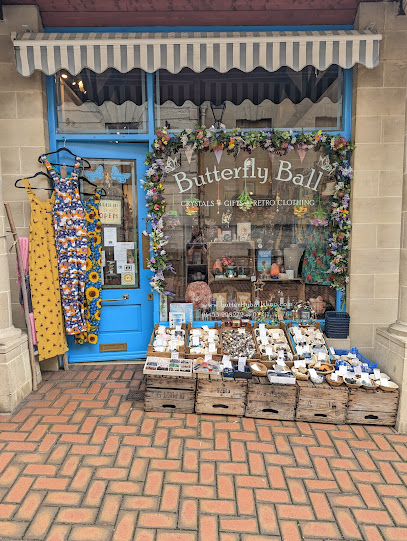
Butterfly Ball
14.0 km
Discover mindful gifts and spiritual treasures in Stroud’s welcoming Butterfly Ball shop, a hub for creativity and community since 2011.
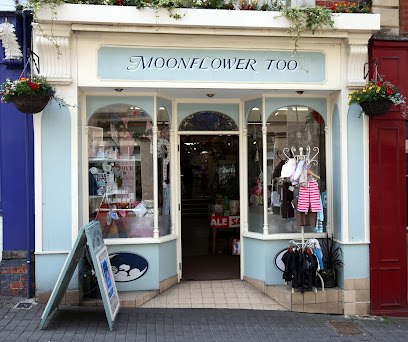
Moonflower Too
14.0 km
A vibrant gift shop in Stroud’s historic High Street, blending unique homewares with local charm and ethical brands.
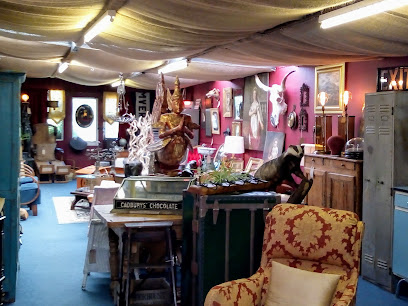
Adana Collective Antiques
14.6 km
Discover timeless treasures and beautiful antiques at Adana Collective, a curated gem in Stroud’s vibrant Salmon Springs Trading Estate.
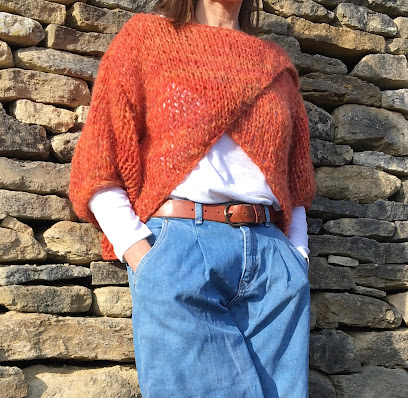
Handmade Cotswolds
15.0 km
Discover exquisite handmade crafts and unique artisan gifts in the heart of Stroud’s vibrant Cotswolds community.
Luxury Smell
22.1 km
Bristol's premier niche fragrance boutique offering expert consultations and exclusive luxury scents.
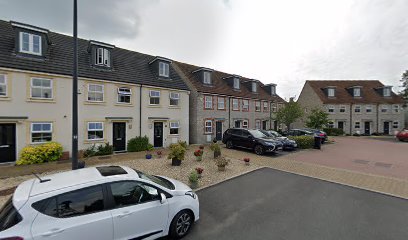
All Good Things Outlet Bristol
22.8 km
Discover affordable luxury and timeless fashion at All Good Things Outlet Bristol, where premium clothing gets a stylish second chance.

Esse's Dream Gift Shop
23.2 km
A charming independent gift shop in Bristol, full of carefully chosen cards, homewares, and local treasures for every occasion.
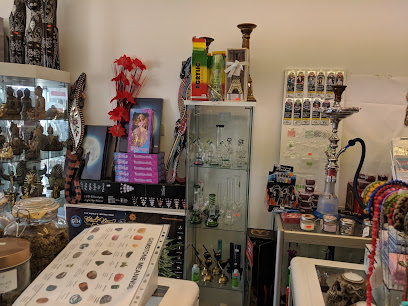
Wye Emporium
23.5 km
Explore Wye Emporium, a charming homewares shop in Sedbury, Chepstow, offering unique treasures and local craftsmanship for your home.
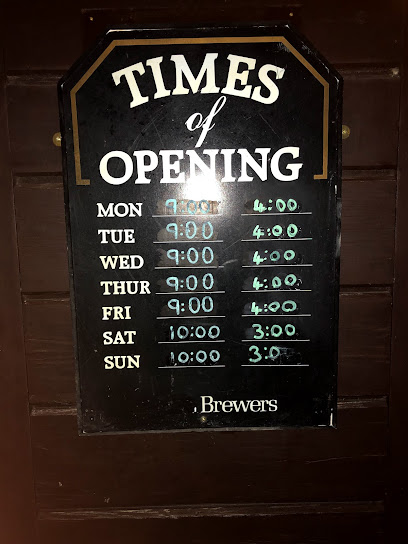
Emery Gate Shopping Centre
24.2 km
Chippenham’s only covered shopping centre offering national brands, local shops, cafes, and ample parking in a convenient central location.

Previous Homewares
24.4 km
Discover quirky gifts, vintage treasures, and beautiful homewares at Corsham’s beloved boutique, Previous Homewares.
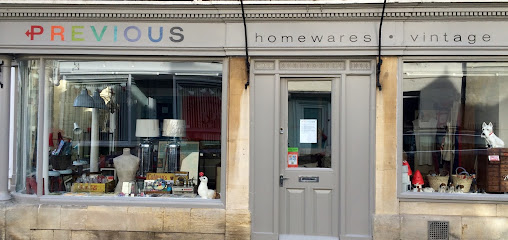
Willow Uk Ltd
24.4 km
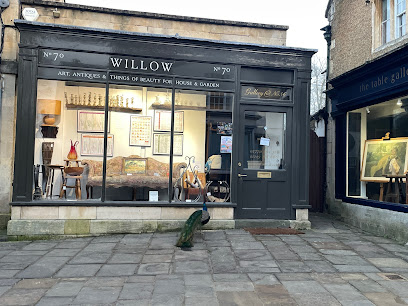
Discover timeless gifts, antiques, and design inspiration at Willow UK Ltd, Corsham’s boutique blending art and heritage.
Essential bars & hidden hideouts

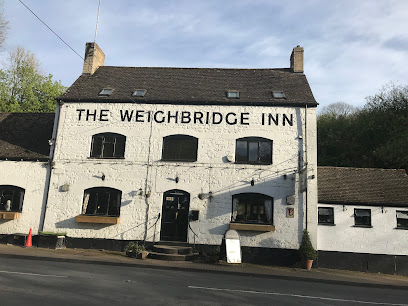
The Weighbridge Inn
10.2 km
Historic 17th-century Cotswolds pub famed for its unique 2in1 pies, local ales, and warm, rustic charm.
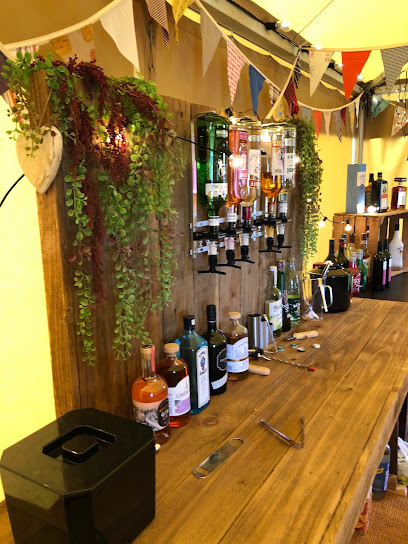
Cotswold Mobile Bar Hire
15.1 km
Bringing bespoke, fully stocked mobile bars with rustic charm and quirky inflatable pubs to your Cotswold events.
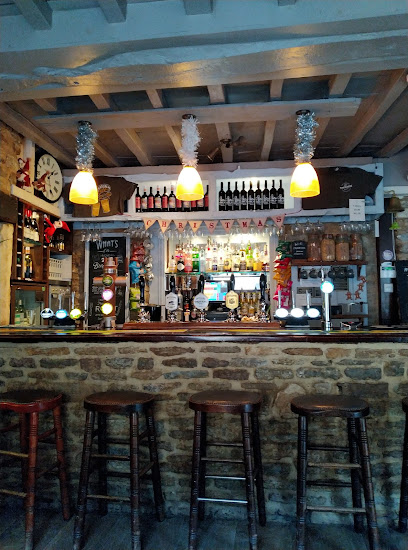
The Smoking Dog
16.4 km
A welcoming traditional pub in Malmesbury serving hearty classics and fine ales in a cozy, dog-friendly setting.
The Full Glass Bar
16.9 km
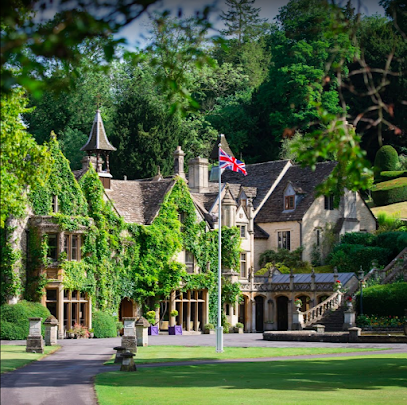
Historic charm meets modern luxury at The Full Glass Bar, a refined cocktail and wine haven in Castle Combe’s iconic Manor House.
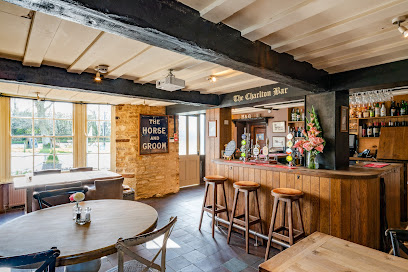
The Horse & Groom, Charlton
18.9 km
A historic 16th-century Wiltshire pub and inn blending cosy charm, seasonal British cuisine, and luxury rooms in a tranquil countryside setting.
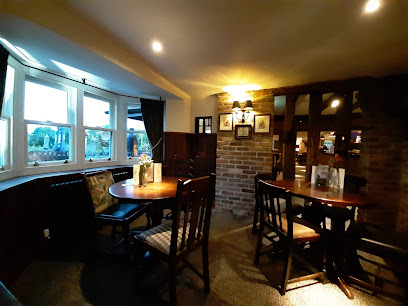
The Bumble Bee
20.1 km
A charming gastropub in Gloucester blending traditional warmth with quality seasonal dining and real ales in a relaxed setting.
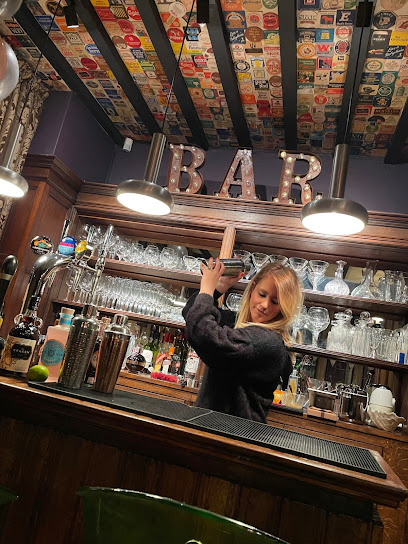
Melt Bars - Mobile Event & Cocktail Bars
20.1 km
Bespoke handcrafted mobile bars and expert cocktail service tailored for events across the UK from Chippenham’s premier specialists.
The Somerford Arms
20.7 km
A family-run village pub in Little Somerford offering exceptional food, warm hospitality, and a charming countryside atmosphere.
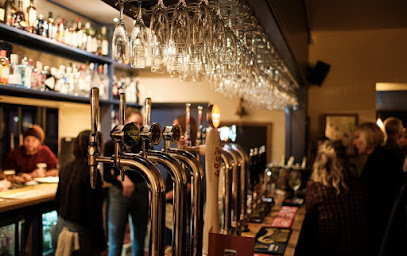
Barn Owl
20.8 km
A friendly, family- and dog-welcoming pub in Quedgeley offering classic British fare, cask ales, and a warm, spacious setting with outdoor gardens.
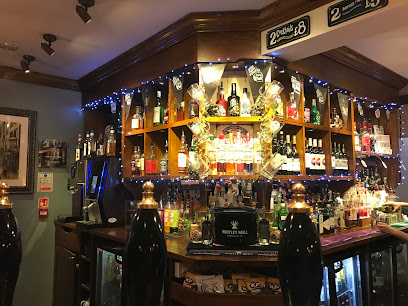
The Wellesley Arms
21.7 km
Historic coaching inn turned gastropub offering hearty British fare and cozy village charm in Sutton Benger near Chippenham.
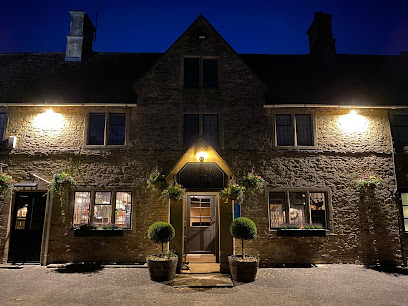
Three Oaks Inn
23.7 km
A welcoming gastropub in Gloucester’s Robinswood, blending traditional charm with modern comfort and community spirit.
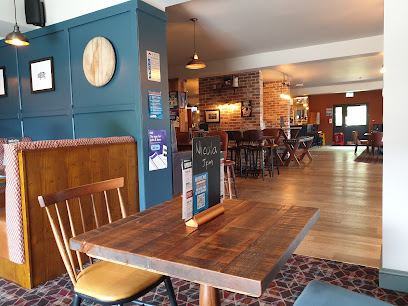
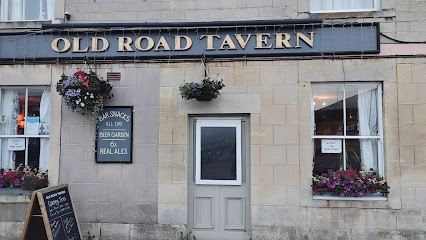
Old Road Tavern
23.7 km
A traditional Chippenham pub with quality ales, lively music, and a welcoming garden, cherished by locals and visitors alike.
Avenue
24.1 km
A lively, dog-friendly pub in Gloucester serving classic fare and drinks in a welcoming Victorian setting with a vibrant community spirit.
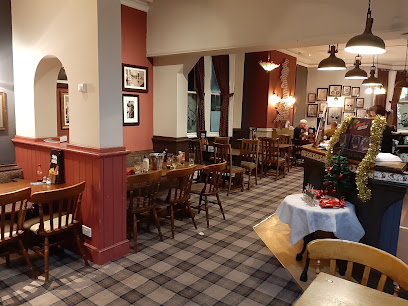
The Cellar by Wine Monkey
24.2 km
A boutique wine bar and shop in Chippenham offering expertly curated wines, small plates, and a cozy, stylish atmosphere for wine lovers.
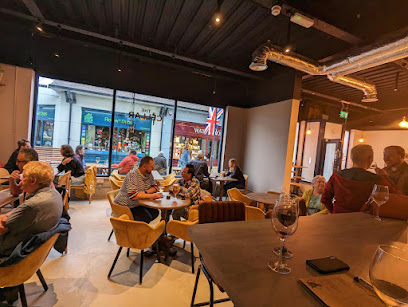
The Flying Monk
24.3 km
A friendly and lively pub in Chippenham’s Market Place, renowned for craft ales, community events, and warm hospitality.
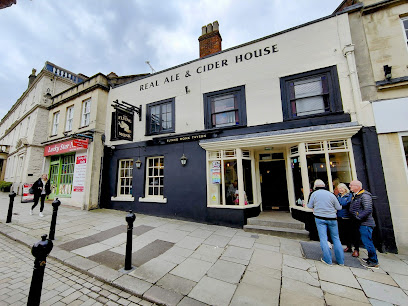
Nightclubs & after hour spots

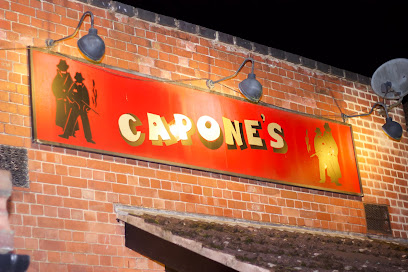
Capones
5.6 km
Historic nightclub in Dursley with legendary ties to Al Capone, offering vibrant weekend nightlife and pulsating music.
Trio Nightclub
13.8 km
Experience Stroud’s vibrant nightlife at Trio Nightclub, where music, dancing, and energetic vibes light up weekend nights.

E11evn's Nightclub
24.0 km
A lively late-night hotspot in Chippenham offering weekend clubbing with a spirited local vibe and energetic dance floors.

The Lion - Bar & Nightclub
24.8 km
A vibrant bar and nightclub blending historic charm with lively nightlife in the heart of Chepstow.
ATIK Gloucester
25.7 km
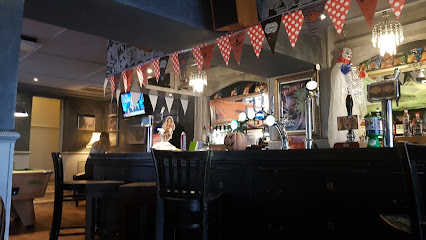
Gloucester’s largest nightclub, ATIK pulses with vibrant music, student nights, and an energetic party atmosphere until the early hours.

ReVA Nightclub
25.7 km
Cirencester’s largest nightclub offering electrifying music, stylish cocktails, and a vibrant atmosphere for unforgettable nights.
Jax Nightclub Gloucester
25.7 km
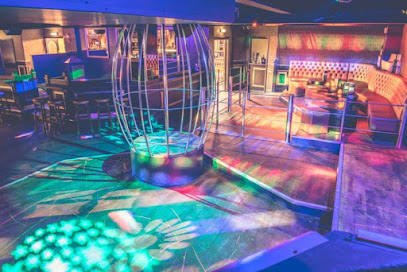
Energetic nightclub in Gloucester offering diverse music, two dance floors, and a welcoming atmosphere for late-night fun.

Bar Fever Gloucester
25.8 km
Experience Gloucester’s vibrant nightlife at Bar Fever, a trendy nightclub with dynamic music, stylish interiors, and a welcoming atmosphere.
Dare to Club
27.0 km
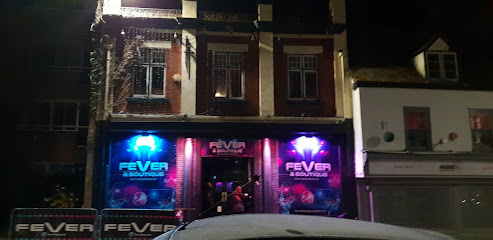
Experience Bristol’s vibrant, inclusive nightlife at Dare to Club, where diverse music and welcoming vibes create unforgettable nights.
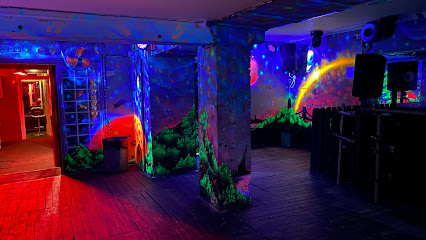
Lakota
27.0 km
Bristol's gritty heartbeat: underground raves, thunderous bass, and nights that blur into dawn at this St Paul's legend.

Motion
27.4 km
Bristol’s iconic warehouse nightclub, Motion, pulses with underground beats and community spirit, celebrating decades of electronic music culture.

The Loco Klub
27.7 km
An atmospheric subterranean arts venue in Brunel’s Temple Meads arches, where tunnels, brick vaults and intimate soundscapes host club nights, theatre and live music.
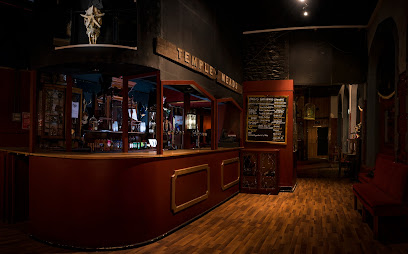
Lomah
28.0 km
Experience Bath’s industrial-chic nightlife at Lomah, a stylish underground club with hip hop beats and a laidback vibe for 21+ guests.
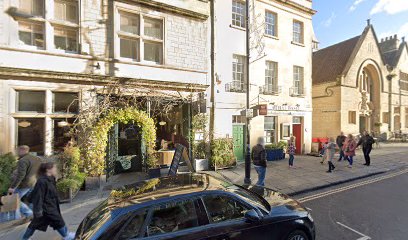
Popworld - Bristol
28.0 km
Dance to 90s and 00s pop anthems under neon lights at Bristol's ultimate nostalgic nightclub, where cheesy hits and POPTAIL cocktails fuel epic nights out.
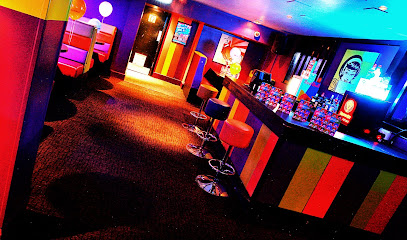
Forró Bristol
28.0 km
Ignite your night with Brazilian forró rhythms: partner dances, live bands, and sweaty joy in Bristol's beating heart.

For the vibe & atmosphere seeker
- Relaxing
- Tranquil
- Scenic
- Historic
- Unique
For the design and aesthetic lover
- Vintage Styles
- Rustic Designs
- Historic
For the architecture buff
- Historic
- Landmarks
- Parks & Gardens
- Heritage Neighborhoods
For the view chaser and sunset hunter
- Panoramas
- Iconic Views
- Sunset Spots
For the social media creator & influencer
- Photo Spots
- Selfie Spots
- Aesthetic Corners
- Architectural Shots
For the eco-conscious traveler
- Sustainable
- Eco-Friendly
- Protected Area
- Nature Reserve
- Public-Transport Accessible
- Leave-No-Trace Critical
- Locally Managed
- Wildlife Habitat
For the kind of experience you’re after
- Cultural Heritage
- Photowalk
- Nature Escape
- Day Trip
- Weekend Getaway
For how adventurous you want the journey to be
- Easy Access
Location Audience
- Family Friendly
- Senior Friendly
- Child Friendly
- Teen Friendly
- Wheelchair Access
- Pet Friendly
- Solo Friendly
- Couple Friendly
- Solo Female Friendly
- Vegetarian Friendly
- Vegan Friendly


