Inchcolm Abbey Travel Guide
Free Guide: Discover Scotland’s best-preserved medieval abbey on a scenic island rich in history, wildlife, and stunning coastal views.


A brief summary of Inchcolm Abbey
Discover Scotland’s best-preserved medieval abbey on a scenic island rich in history, wildlife, and stunning coastal views.
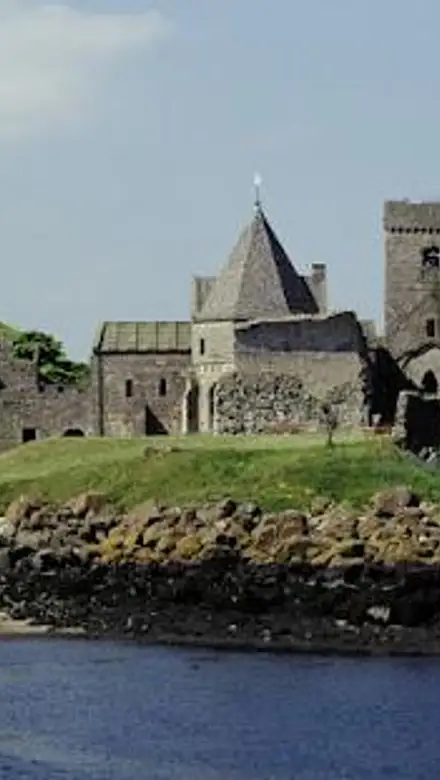
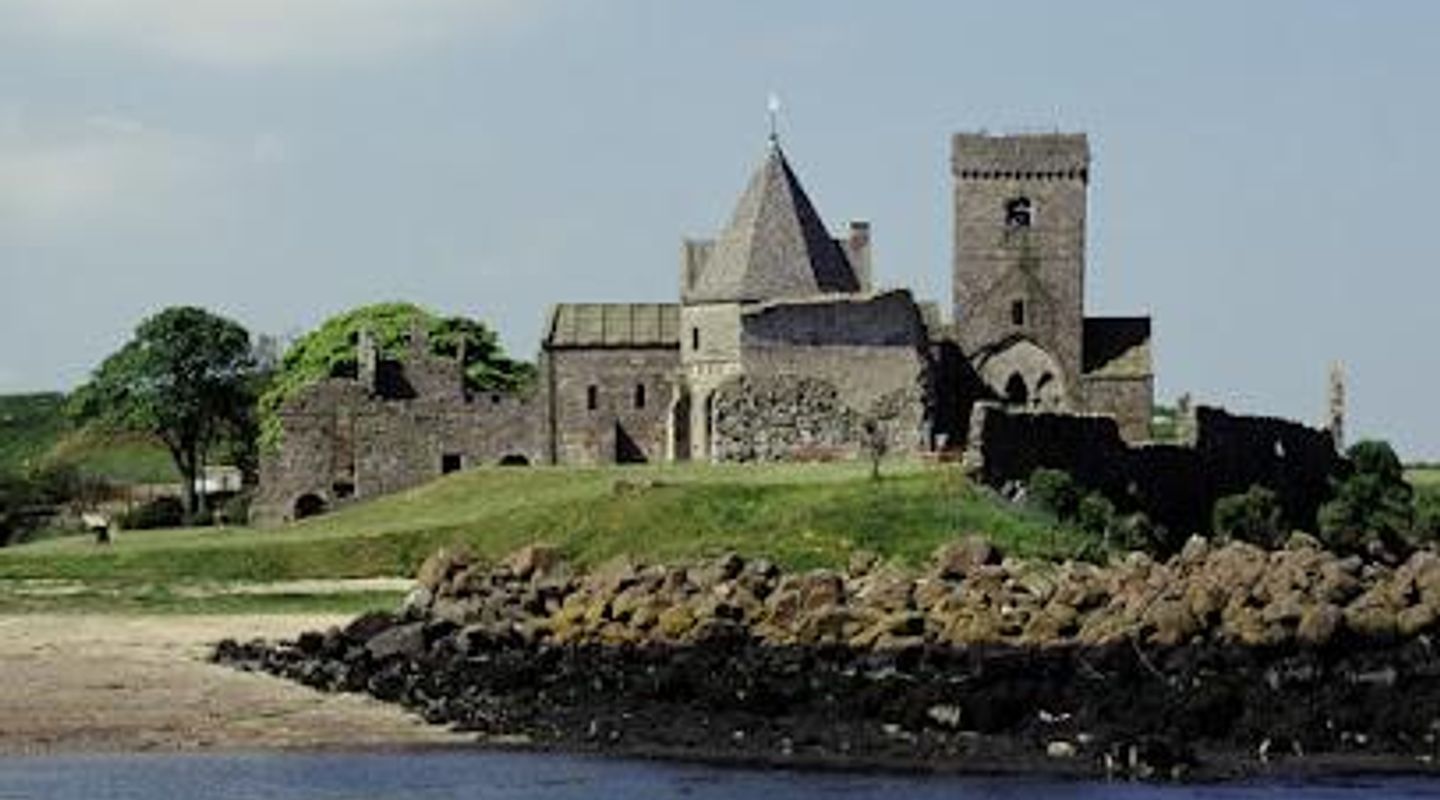
Inchcolm Abbey, located on Inchcolm Island in the Firth of Forth near Aberdour, is Scotland’s best-preserved medieval monastic site. Founded in the 12th century, this atmospheric abbey features remarkably intact cloisters, a rare medieval fresco, and stone screens in the bell tower. The island also offers WWII coastal defenses, sandy beaches, abundant wildlife including seals, and stunning views of the Forth bridges, making it a captivating historical and natural escape.
On-site amenities
 Restrooms
 Seating areas
 Picnic areas
 Information boards
- Address
- Aberdour KY3 0XR
- Phone
- Website
Getting there
Ferry
Train and Walk
Car and Public Parking
Discover more about Inchcolm Abbey
Medieval Heritage Preserved in Stone
Inchcolm Abbey stands as one of Scotland’s finest surviving medieval monastic complexes. Established originally as a priory by King David I in the 12th century, the abbey’s architecture blends Romanesque and early Gothic styles. Visitors can explore the remarkably intact cloister, chapter house, refectory, and dormitory, gaining a vivid sense of monastic life centuries ago. Inside the bell tower, rare medieval stone screens survive, while a 13th-century fresco adds unique color and history to the site. The abbey’s dramatic setting on the island is visible from the ferry, enhancing its timeless atmosphere.
A Storied Island with Layers of History
Inchcolm Island’s strategic location in the Firth of Forth has lent itself to varied uses through the centuries. Beyond the abbey, the island features remnants of World War I and II coastal defenses built to protect Edinburgh, the Forth Bridge, and naval bases. These fortifications provide a fascinating glimpse into the island’s military past. The island’s natural environment is rich with wildlife, including a resident seal colony and diverse seabirds, making it a haven for nature lovers.
Visitor Experience and Exploration
Visitors typically spend 1 to 2 hours exploring the abbey and island. The ferry journey from South Queensferry offers spectacular views of the iconic Forth Rail Bridge and opportunities to spot seals, puffins, and other wildlife. Once on the island, visitors can wander the abbey grounds, explore the wartime gun placements, and enjoy the sandy beaches and tranquil coastal scenery. The Hermit’s Cell, believed to have sheltered King Alexander I, adds a personal historical touch, though it is currently closed for conservation.
Access and Practical Information
The island is accessible by passenger ferry from South Queensferry, with tickets for the ferry and island admission sold separately. The site is open daily from April to October, with shorter hours in October and closed November through March. Access may be restricted during the seabird breeding season (May to August) to protect wildlife. The island’s terrain includes stone steps and some steep paths, limiting upper-floor access in the abbey for wheelchair users, though ground-floor areas and gardens are accessible. Dogs on leads are welcome in outdoor areas.
Conservation and Seasonal Considerations
Conservation efforts are ongoing, including temporary closure of the Hermit’s Cell and walled garden to protect delicate structures. Visitors are advised to check current opening times and weather conditions before planning their trip, as adverse weather can cause short-notice closures. The best visiting months are spring through early autumn, with summer mornings offering the best light for photography and fewer crowds.
A Unique Blend of History, Nature, and Scenic Beauty
Inchcolm Abbey and Island offer a rare combination of well-preserved medieval architecture, rich natural wildlife, and poignant wartime history, all set against the stunning backdrop of the Firth of Forth and its iconic bridges. Whether exploring ancient cloisters, spotting seals along the shore, or contemplating the island’s layered past, visitors find a serene and captivating escape from the mainland bustle.
Evendo Review Centre
 Google
Guest reviews
Best time to go
Quietest: Jan, Feb & Dec · before 6am or at 9pm
Busy times are Evendo estimates for a typical year, to help you plan. Actual crowds vary with events, school holidays and the weather.
Explore Inchcolm Abbey on the map
A handpicked selection of must-see spots near Inchcolm Abbey, mapped for you.
Get your free copy of our complete guide to Inchcolm Abbey, delivered straight to you.
Everything on this page, from opening hours and how to get there to Eve’s tips and the best time to go, in one PDF you can read offline, print or share.
Already have an account? Sign in
Your Inchcolm Abbey guide is ready.
We'll send it to · Not you? Sign out

Getting your guide ready…
We are putting together a fresh copy of the Inchcolm Abbey guide. This can take up to a minute.
This can take a few moments. If your browser asks, choose Allow so the download can start. You'll find the guide in your Downloads folder.
Nothing happened? Download it again
Sorry, the guide is taking longer than usual. Please try again in a minute, or get it by email instead.
Unlock the best of Inchcolm Abbey
Skip-the-line tickets, guided tours with entry, and walking tours of the area, booked in a few clicks.

Other nearby places you may find interesting
The closest places of the same kind, if this one is not quite what you had in mind.
-
Almond Valley Discover Scotland’s heritage and countryside charm at Almond Valley Heritage Centre, a lively farm and museum experience for all ages.
-
Eliburn Park A vibrant 16.5-hectare park in Livingston blending woodlands, sports, fishing, and inclusive play for all ages.
-
Linhouse Glen Discover the serene beauty of Linhouse Glen, a diverse Scottish Wildlife Trust reserve with heathland, woodland, and rich wildlife habitats.
-
Almondvale Park A vibrant urban park in Livingston with riverside views, adventure play, skatepark, and scenic trails for all ages and activities.
-
Polkemmet Country Park Historic estate turned vibrant country park with woodland trails, family-friendly play, golf, and the unique Scottish Owl Centre near Whitburn.
Swipe for more places
More to explore near Inchcolm Abbey

 Best experiences near Inchcolm Abbey
 Best hotels near Inchcolm Abbey
 Best landmarks near Inchcolm Abbey
 Best attractions near Inchcolm Abbey
 Best shops near Inchcolm Abbey
 Best restaurants near Inchcolm Abbey
 Best bars near Inchcolm Abbey
Do you manage this location?
Take control to get all the benefits, like improved information, better appearance, and stronger visibility across AI-powered discovery.
Explore more

Explore more of West Lothian
Unveil the charm of West Lothian: a perfect blend of history, nature, and culture in the heart of Scotland.
Explore West Lothian
Explore more of United Kingdom
Discover the United Kingdom: A blend of rich history, stunning landscapes, and vibrant cities, offering a unique travel experience for every visitor.
Explore United Kingdom