
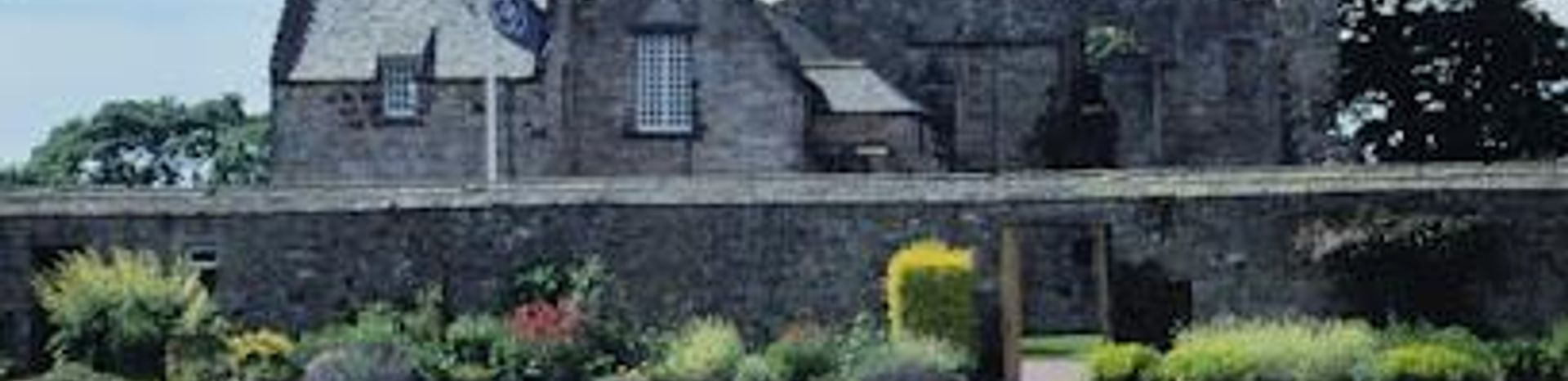
Aberdour Castle and Gardens
Explore one of Scotland’s oldest castles with stunning Renaissance architecture and historic terraced gardens overlooking the Firth of Forth.
Aberdour Castle, located in Burntisland, Fife, is one of Scotland’s oldest standing castles, dating back to the 1100s. This historic site showcases a blend of medieval and Renaissance architecture, with a hall house transformed into a tower house and expanded over centuries. The castle is surrounded by some of Scotland’s oldest terraced gardens and a charming walled garden, offering stunning views over the Firth of Forth. Managed by Historic Environment Scotland, it provides visitors with a rich glimpse into noble Scottish heritage and garden history.
A brief summary to Aberdour Castle and Gardens
- Burntisland, Aberdour, KY3 0SL, GB
- +441383860519
- Visit website
- Duration: 1 to 2 hours
- Mid ranged
-
 Outdoor
- Mobile reception: 4 out of 5
- Monday 10 am-4 pm
- Tuesday 10 am-4 pm
- Wednesday 10 am-4 pm
- Saturday 10 am-4 pm
- Sunday 10 am-4 pm
Local tips
- Visit during the warmer months to enjoy guided tours and the tearoom in full operation.
- Wear comfortable shoes as some areas have uneven surfaces and spiral staircases.
- Combine your visit with a walk to nearby St Fillan’s Church, a Norman-era historic site.
- Check opening times carefully in winter, as the castle closes on Thursdays and Fridays.
- Bring a camera to capture panoramic views from the terraced gardens over the Firth of Forth.

For the on-the-go comforts that matter to you
- Restrooms
- Drink Options
- Food Options
- Seating Areas
- Information Boards
- Visitor Center
Getting There
-
Train
Take a train from Edinburgh Waverley or Haymarket stations to Aberdour station, approximately a 30-minute journey. From the station, it is a 5-minute walk to the castle. Trains run regularly but check schedules for seasonal variations.
-
Car
Drive to Aberdour Castle via the A921 road. There is a small car park near the visitor center, but parking is limited, so early arrival is recommended. Parking is free. The route takes about 45 minutes from central Edinburgh depending on traffic.
-
Bus
Local bus services connect Burntisland and Aberdour with nearby towns. From Burntisland, it is approximately a 20-minute walk to the castle. Bus frequency varies, so check local timetables in advance.
Aberdour Castle and Gardens location weather suitability
-
 Any Weather
-
 Clear Skies
-
 Mild Temperatures
-
 Rain / Wet Weather
Discover more about Aberdour Castle and Gardens
Ancient Origins and Architectural Evolution
Aberdour Castle’s origins trace back to the early 12th century, when the barony was acquired by Sir Alan de Mortimer. The earliest structure was a modest hall house, likely built around 1200, which later evolved into a tower house in the 15th century. Over the next centuries, the castle expanded with successive additions reflecting changing architectural styles and domestic needs. The 16th century saw the construction of the central range by James Douglas, 4th Earl of Morton, who was Regent of Scotland, marking the castle’s transformation into a grand residence. The final major extension, the east range, was added around 1635 by the 8th Earl of Morton, featuring refined Renaissance details and luxurious interiors including a notable painted ceiling.Gardens as a Historic Landscape
Aberdour Castle is renowned for its terraced gardens, among the oldest in Scotland, laid out in the mid-16th century inspired by English gardens such as Hampton Court. These terraces stretch south of the castle, offering spectacular panoramic views across the Firth of Forth to Edinburgh. Complementing the terraces is a walled garden to the east, built in the 1630s, which once housed an orchard and ornamental plantings. The gardens reflect the evolving tastes and status of the castle’s noble owners and remain a highlight for visitors interested in garden history and heritage landscapes.Noble Families and Historical Significance
The castle was home to prominent Scottish noble families including the Mortimers, Randolphs, and Douglases. It was a seat of power and political activity, notably hosting the Privy Council in 1576 during the regency of the 4th Earl of Morton. The castle’s history is intertwined with significant events, such as the execution of the Earl in 1581 for his alleged role in the murder of Lord Darnley. Despite financial difficulties leading to the sale of other family estates, Aberdour remained a principal residence until a fire in the late 17th century led to partial abandonment.Present-Day Experience and Visitor Highlights
Today, Aberdour Castle is managed by Historic Environment Scotland and welcomes visitors year-round with seasonal variations in opening hours. The east range remains roofed and accessible, featuring a tearoom and exhibition spaces, while the rest of the castle stands as evocative ruins. Visitors can explore the castle’s ground floor, including the stables and kitchen, and enjoy the restored gardens and terraces. Accessibility is partial, with some areas reached via spiral staircases and uneven surfaces. Guided tours in summer provide insights into the castle’s architecture and history, including the rare painted ceiling. The nearby St Fillan’s Church, built around 1140, complements the visit with its Norman architecture.Setting and Scenic Views
Situated close to Aberdour village and its railway station, the castle overlooks the Dour Burn and commands views over the Firth of Forth estuary. The gardens’ terraces enhance the scenic experience, especially on clear days when visitors can see across to Edinburgh and the North Sea. The surrounding landscape offers a tranquil setting blending natural beauty with centuries of Scottish history.Conservation and Cultural Heritage
Aberdour Castle is a protected historic site that illustrates the architectural and social evolution of Scottish noble residences from the medieval period through the Renaissance. Its gardens are valued for their rarity and heritage significance. Ongoing conservation efforts aim to preserve the fabric of the castle and restore garden features, ensuring the site remains an educational and inspirational destination for future generations.Iconic landmarks you can’t miss

Hawes Pier, Queensferry
9.0 km
Historic ferry pier where centuries of Scottish maritime heritage meet modern tourism beneath the iconic Forth Rail Bridge.
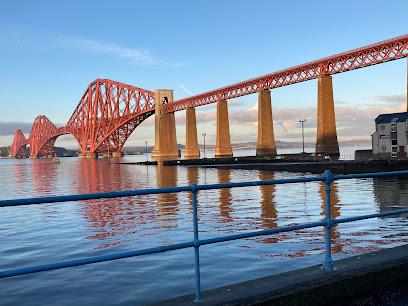
Forth Rd Bridge
9.0 km
A monumental suspension bridge connecting Edinburgh and Fife, offering stunning views and a rich history spanning over six centuries.
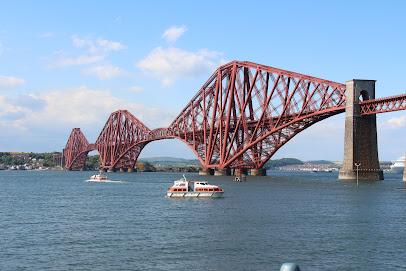
The Queensferry Crossing
9.3 km
Discover the world’s longest three-tower cable-stayed bridge, a modern marvel spanning Scotland’s iconic Firth of Forth.
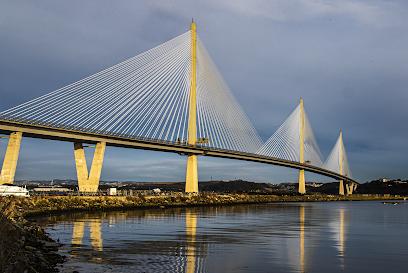
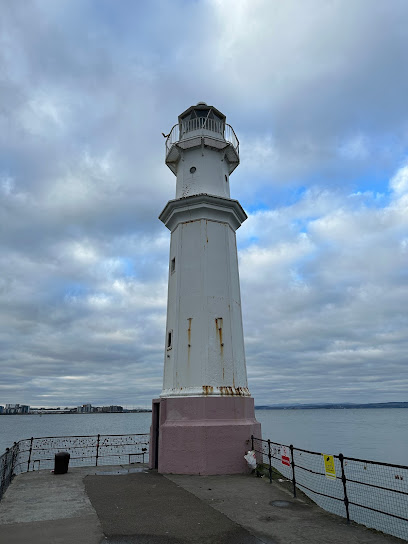
Leith East Breakwater Lighthouse
10.1 km
Historic maritime beacon guiding ships into Edinburgh’s vibrant Leith Docks since 1876, now a cherished symbol of nautical heritage.
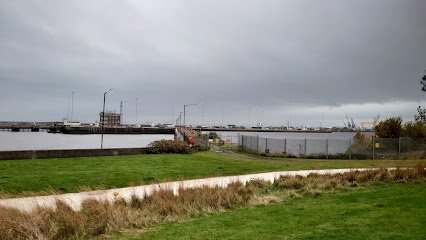
Forth Lock
10.4 km
Historic Forth Lock in Leith, Edinburgh, blends maritime heritage with vibrant waterfront life and scenic canal views.
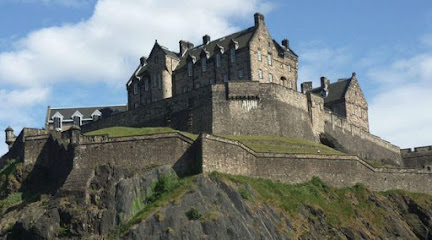
What to do in Edinburgh
10.5 km
Uncover the rich history and vibrant culture of Edinburgh with guided tours that bring the city's unique stories to life.
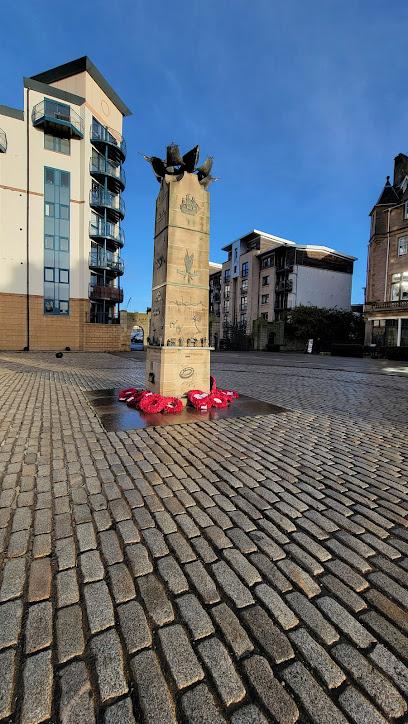
Scottish Merchant Navy Memorial
11.8 km
A solemn sandstone column in Leith honoring the bravery and sacrifice of Scotland’s merchant seafarers lost at sea in war and peace.
Water of Leith Walkway Finish
11.9 km
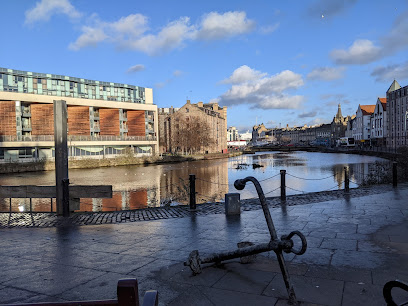
Edinburgh’s scenic 13-mile riverside trail ends at Leith’s historic waterfront, blending nature, heritage, and urban charm.
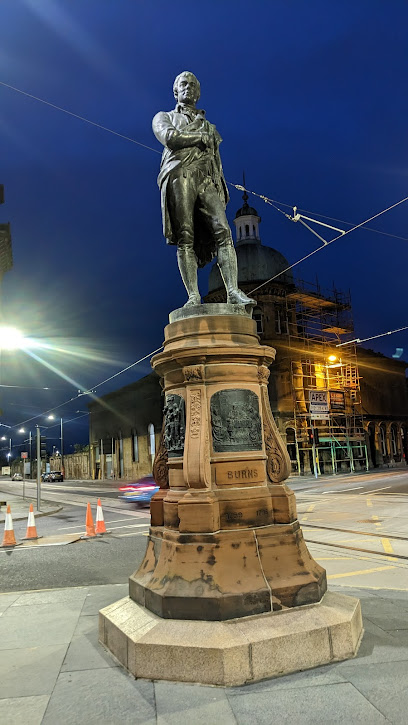
Robert Burns Statue
12.1 km
A striking tribute to Scotland’s national poet, Robert Burns, set in the historic maritime district of Leith, Edinburgh.
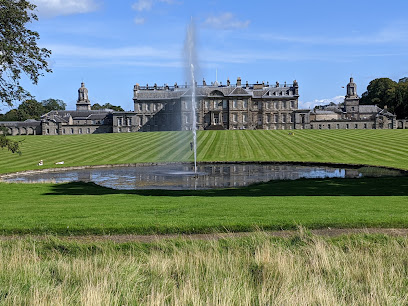
Hopetoun House
12.2 km
Discover Hopetoun House, a stunning historical landmark in South Queensferry, showcasing exquisite architecture, beautiful gardens, and rich Scottish heritage.
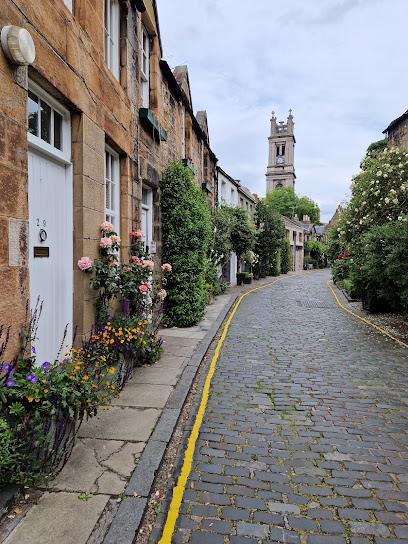
Circus Lane
12.3 km
Edinburgh's most photographed mews lane—a fairy-tale cobbled street where Georgian history meets Instagram dreams.
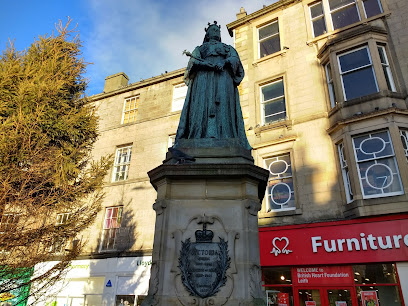
Queen Victoria Statue
12.3 km
A commanding bronze tribute to Queen Victoria and Leith’s Boer War heroes, standing proudly at the foot of Leith Walk since 1907.
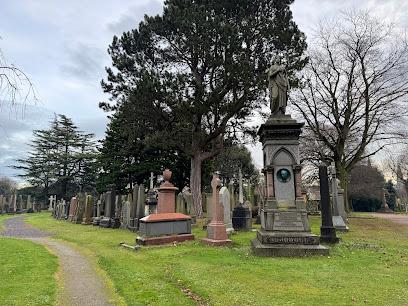
Dean Cemetery
12.3 km
Discover the tranquil beauty and historical richness of Dean Cemetery, a hidden gem in Edinburgh with stunning architecture and serene landscapes.
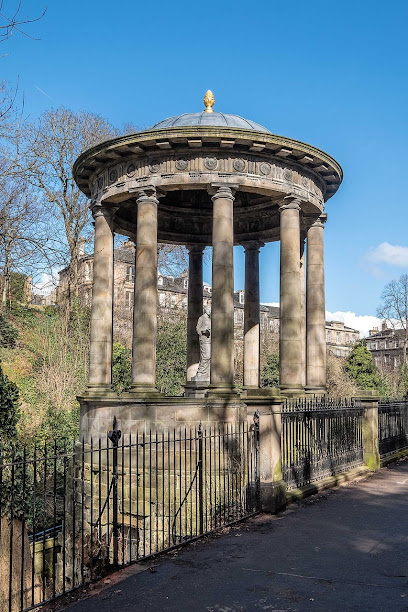
St. Bernard's Well
12.4 km
An elegant 18th-century Greco-Roman temple in Edinburgh, famed for its healing mineral spring and classical beauty beside the Water of Leith.
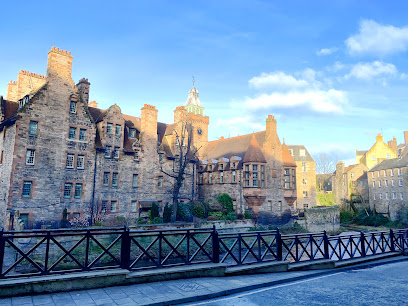
Dean Village
12.5 km
Experience the enchanting beauty of Dean Village, a tranquil escape in Edinburgh with historic charm and picturesque landscapes.
Unmissable attractions to see

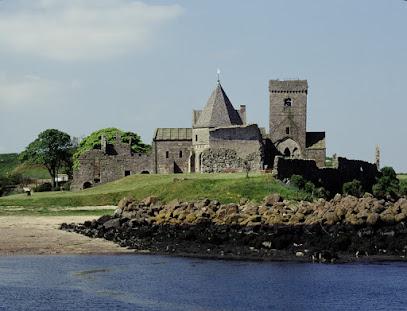
Inchcolm Abbey
2.8 km
Inchcolm Abbey: A serene escape into Scotland's rich history and breathtaking coastal beauty, perfect for tourists seeking tranquility and exploration.
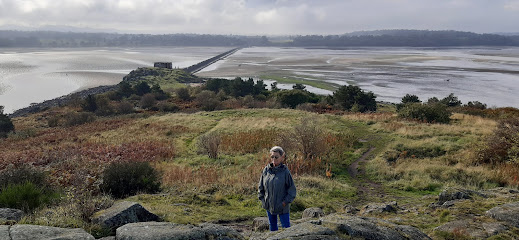
Cramond Causeway
7.7 km
Walk the tidal causeway to Cramond Island, a historic and scenic escape on Edinburgh’s doorstep, accessible only at low tide.
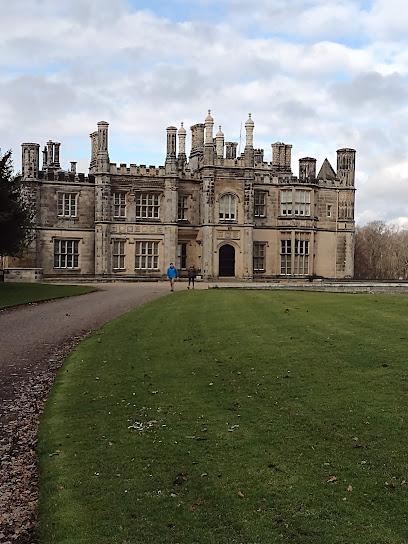
Dalmeny House
7.8 km
Explore Dalmeny House, Scotland’s pioneering Tudor Gothic Revival mansion with rich history, exquisite art, and stunning Firth of Forth views.
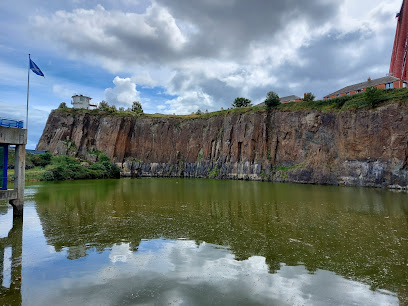
Deep Sea World
7.8 km
Explore Scotland’s national aquarium beneath the Forth Rail Bridge with immersive underwater tunnels and one of Europe’s largest shark collections.
Forth Bridges Lighthouse Museum
8.0 km
Discover the world’s smallest working lighthouse and Scotland’s tiniest museum with stunning views of the iconic Forth Bridges.
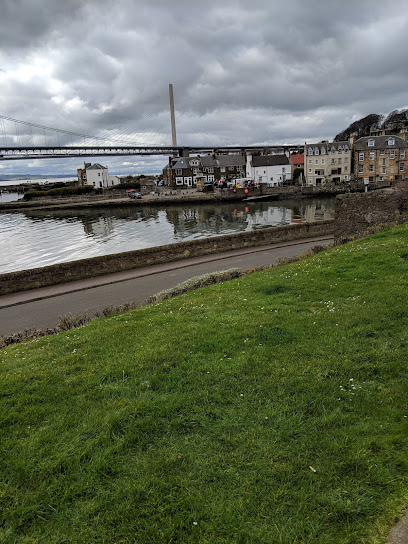
Eagle Rock
8.1 km
Discover the allure of Eagle Rock, a historical landmark near Edinburgh, where nature and Scottish heritage converge in breathtaking beauty.
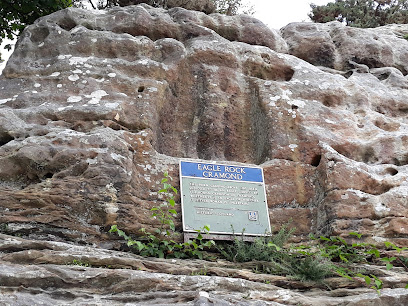
Forth Bridge
8.3 km
Discover the breathtaking Forth Bridge, an engineering marvel and a UNESCO World Heritage site, offering stunning views and rich Scottish history.
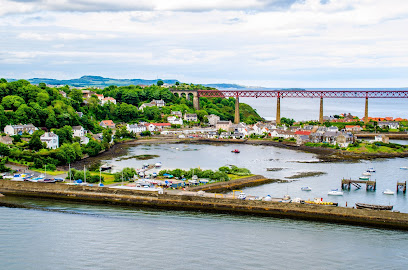
Cramond Beach
8.4 km
Historic seaside charm meets scenic tranquility at Edinburgh’s expansive sandy Cramond Beach on the Firth of Forth.
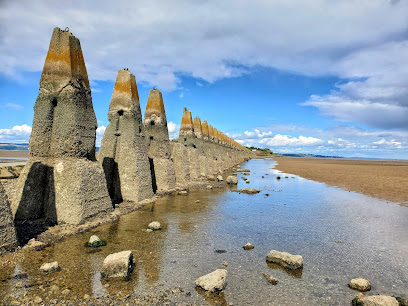
Cramond Roman Fort
8.6 km
Explore the ancient Roman frontier at Cramond Roman Fort, where history meets scenic Edinburgh coastline.
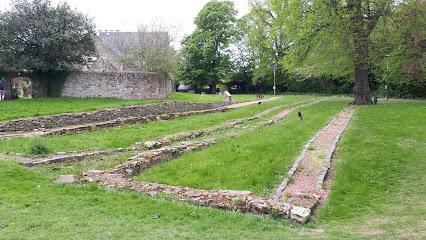
Maid of the Forth
9.0 km
Sail beneath Scotland’s iconic Forth Bridges on a scenic 90-minute cruise to historic Inchcolm Island, spotting seals and seabirds along the way.
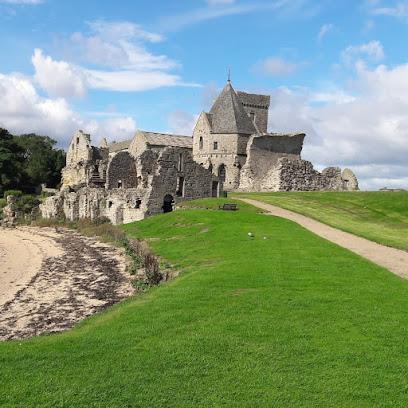
Cramond Falls
9.1 km
Discover the tranquil charm of Cramond Falls, a scenic waterfall retreat along Edinburgh’s River Almond, perfect for peaceful walks and nature escapes.
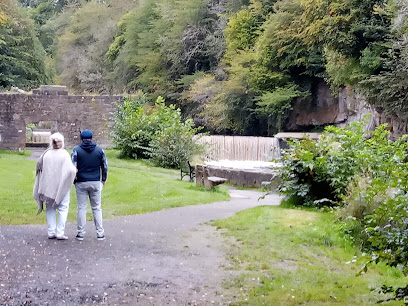
The Cramond Whale
9.2 km
Discover the enchanting Cramond Whale sculpture, where art meets nature on Edinburgh’s scenic coastal foreshore.
Mini Mack Tours - Private Car Tours
9.3 km
Experience the magic of Edinburgh with personalized private car tours from Mini Mack Tours, perfect for exploring the city's rich history and stunning landscapes.
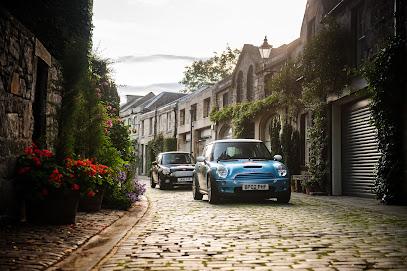
South Queensferry Harbour
9.4 km
A charming historic harbour with breathtaking views of the iconic Forth Bridges and vibrant maritime culture.
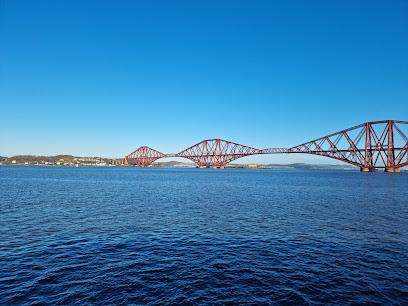
Queensferry Museum
9.4 km
Discover South Queensferry’s heritage with stunning views of the Forth Bridges and engaging local history exhibits.
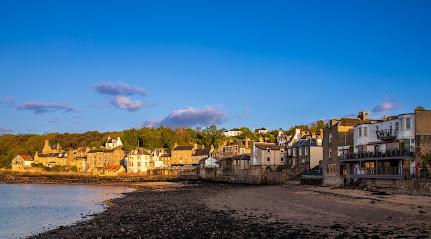
Essential places to dine

Forth View Hotel
0.8 km
Coastal retreat in Aberdour with stunning Forth views, fresh seafood dining, and warm Scottish hospitality.
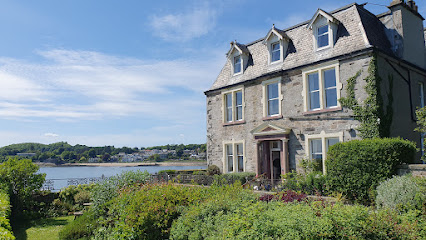
Horizons Restaurant
6.5 km
Enjoy hearty British and Scottish cuisine with stunning waterfront views at Horizons Restaurant in Pettycur Bay Holiday Park.
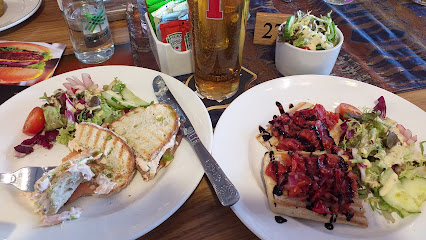
Christies Scottish Tapas
6.5 km
Discover Scottish flavors reimagined as tapas in a lively, welcoming setting at Christies Scottish Tapas in Dunfermline.
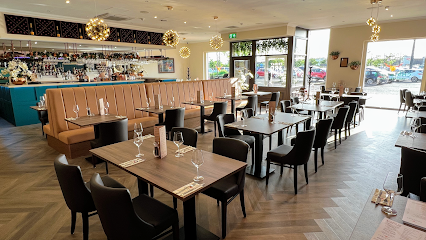
Tony Macaroni
6.6 km
Casual Italian dining with family-friendly vibes and great pizza in Dunfermline’s lively Fife Leisure Park.
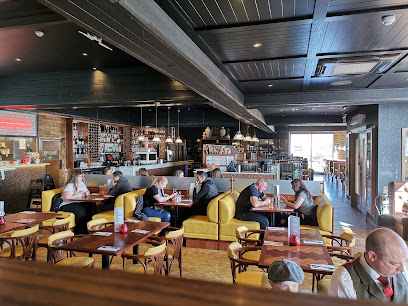
Frankie & Benny's
6.7 km
Classic American-Italian comfort food served fresh in a lively, family-friendly setting at Dunfermline’s Fife Leisure Park.
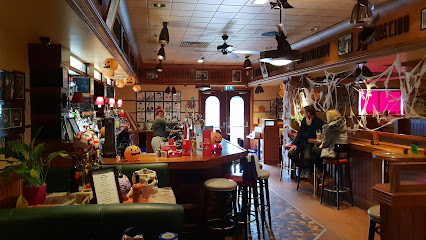
Luca's Kitchen
7.6 km
Experience authentic Italian flavors with fresh-baked pizzas, creamy pastas, and homemade gelato in a lively Dunfermline setting.
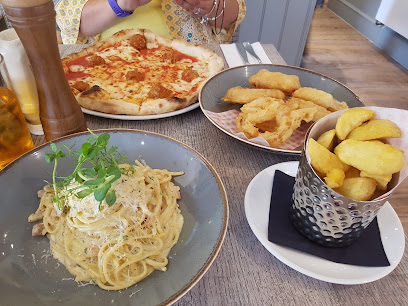
The Wee Restaurant
7.9 km
A charming, intimate Scottish seafood and steak restaurant in North Queensferry, blending local flavors with warm hospitality near the Forth rail bridge.
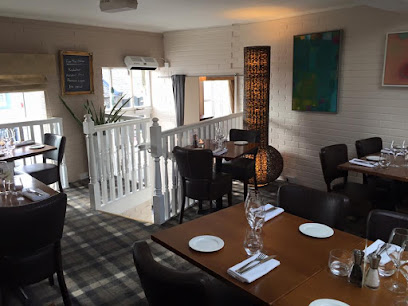
The Ship Restaurant
7.9 km
A family-run British restaurant in Kinghorn offering fresh local cuisine, cozy ambiance, and boutique event spaces by the sea.
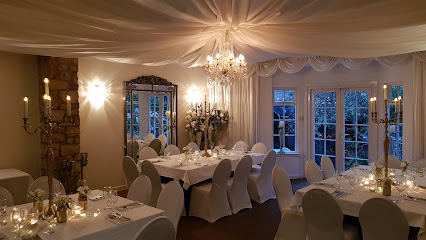
Orocco Pier Restaurant
9.5 km
A chic boutique hotel and seafood grill offering stunning Forth Bridge views in historic South Queensferry, blending modern comfort with Scottish charm.
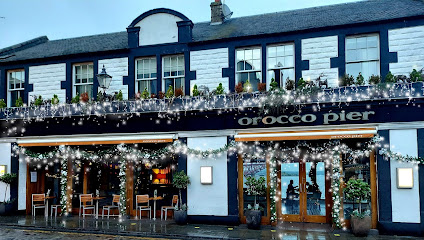
The Steadings
10.2 km
A fresh food restaurant and versatile event venue in Kirkcaldy, serving up quality meals and memorable celebrations.
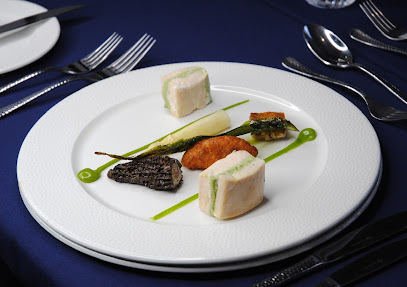
Grande Fine Dining Restaurant
10.4 km
Experience refined Scottish cuisine with a modern twist at The Grande, Kirkcaldy’s acclaimed fine dining restaurant within Dean Park Hotel.
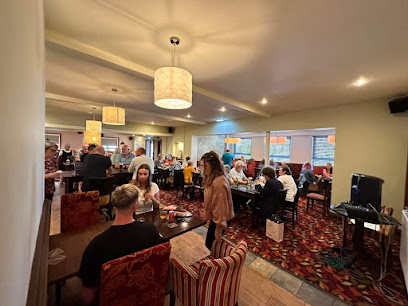
Gratzi Restaurant
10.4 km
Experience authentic Italian and Mediterranean flavors in a warm, inviting setting at Gratzi Restaurant in Dunfermline.
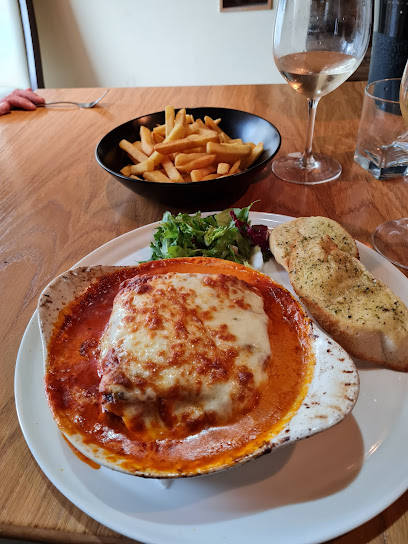
Carlucci Restaurant
10.4 km
Authentic Italian flavors and warm hospitality await you at Carlucci Restaurant in Dunfermline’s vibrant High Street.
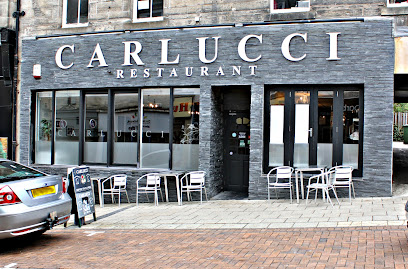
The Viceroy Fine Dining
10.5 km
Experience authentic Indian and Pakistani flavors with generous portions and welcoming hospitality in the heart of Dunfermline.
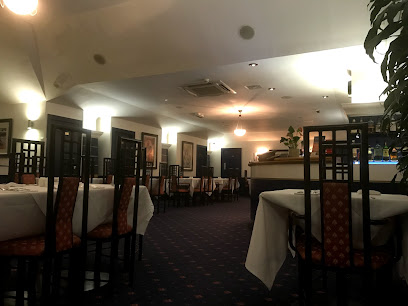
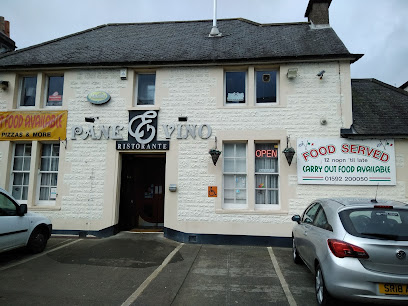
Pane E Vino
10.5 km
Experience authentic Italian flavors and warm hospitality at Pane E Vino, Kirkcaldy’s cozy spot for classic and modern Italian dining.
Markets, malls and hidden boutiques

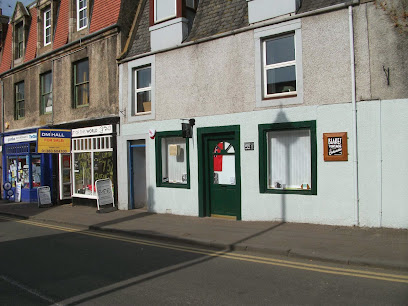
Blake's Vintage & Collectables
0.3 km
Discover timeless treasures and quirky collectibles in the heart of Aberdour’s charming vintage shop.
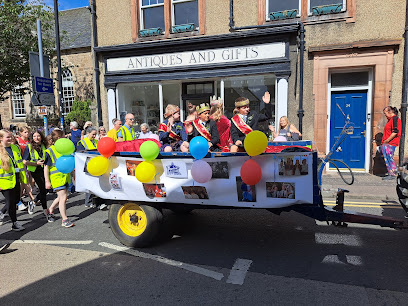
Antiques & Gifts
0.3 km
Explore unique antiques and delightful gifts in the heart of Aberdour, where every item tells a story.
The Original Factory Shop (Cowdenbeath)
6.1 km
Shop big brands for less at The Original Factory Shop Cowdenbeath, your go-to discount store for clothing, footwear, beauty, and party supplies.

You Know Who's
6.6 km
Discover top high street brands at unbeatable prices with friendly service in the heart of Cowdenbeath.

Kreative Dunfermline
9.0 km
Discover unique, handcrafted gifts and local artistry at Kreative Dunfermline, a charming boutique celebrating Fife’s creative spirit.
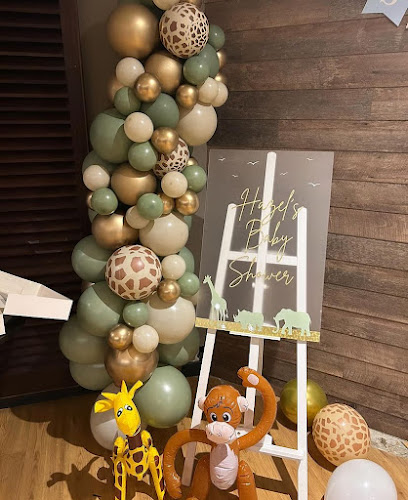
Harbour Lane Studio
9.5 km
Discover unique handcrafted gifts and art in a cozy South Queensferry studio blending tradition and creativity.
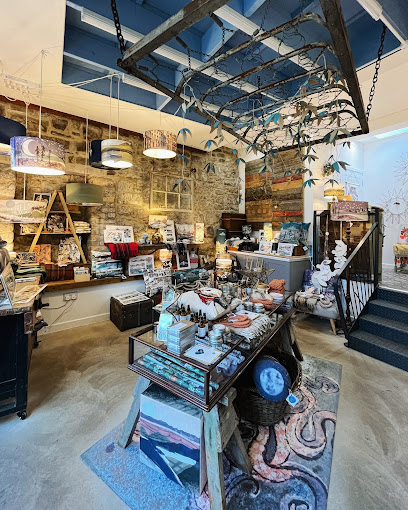
Primark
10.2 km
Discover stylish, affordable fashion for the whole family at Primark Dunfermline, your go-to High Street shopping destination.

THE SECRET DOOR
10.4 km
Discover unique antiques and timeless treasures in Dunfermline’s cozy and captivating Secret Door shop.
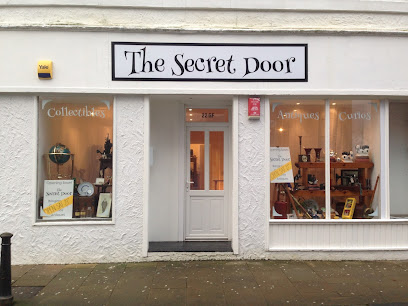
Britannia Gift Shop
11.1 km
Discover exclusive royal souvenirs and nautical treasures at the Britannia Gift Shop, where the legacy of Queen Elizabeth II's yacht comes alive in every carefully curated item.
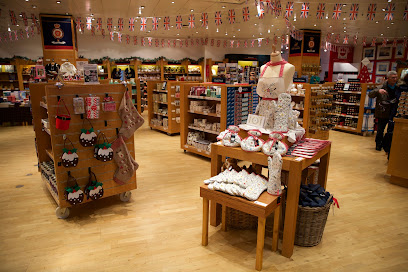
The Leith collective
11.1 km
Discover upcycled artistry and sustainable treasures from 65+ Leith makers in this eco-heartfelt shopping gem at Ocean Terminal.

Retro Clothing Outfit
11.1 km
Dive into decades of style at Retro Clothing Outfit in Leith's Ocean Terminal—vintage gems await in Edinburgh's creative coastal enclave.

Build-A-Bear
11.2 km
Craft your own cuddly companion in Leith's lively workshop, where stuffing hearts and dreams creates lifelong memories for kids and families alike.

ScotClans
11.8 km
Authentic Scottish clan and tartan products crafted with heritage and pride in the heart of Leith, Edinburgh.

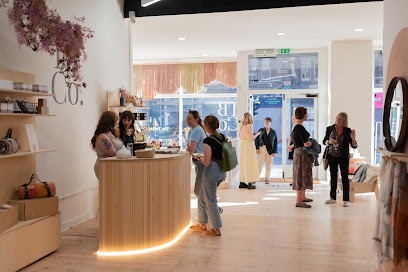
TBCo | Tartan Blanket Co.
11.8 km
Discover sustainable tartan magic in Leith: touch lambswool blankets, customize with embroidery, and carry home Scotland's cozy soul from this Edinburgh gem.
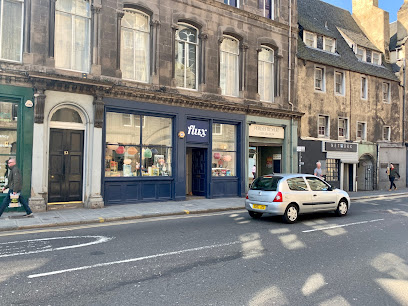
Flux
11.9 km
Curated cards, artisan homewares and design-led gifts in a compact, maker-friendly shop on Bernard Street, Leith.
Essential bars & hidden hideouts

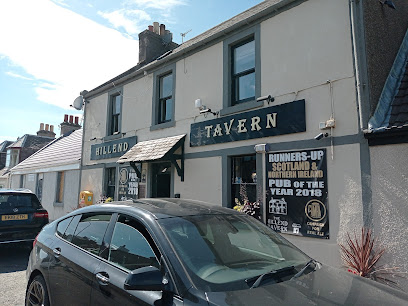
Hillend Tavern
4.9 km
A cosy traditional pub in Hillend with real ales, a welcoming beer garden, and a vibrant community spirit near Dalgety Bay.
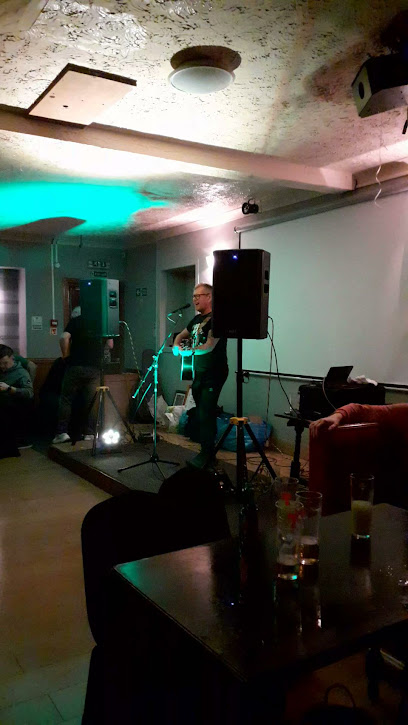
Torleys Bar
7.9 km
A friendly Lochgelly pub with pool, darts, beer garden, live sports, and a warm community atmosphere at its heart.
Novar
10.1 km
A lively Kirkcaldy pub and restaurant famed for generous portions, fresh meals, and a welcoming local atmosphere.
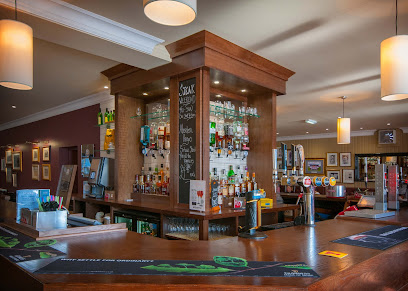
East Port Bar
10.1 km
Experience authentic Scottish pub culture with lively sports, local ales, and warm hospitality in Dunfermline’s East Port Bar.
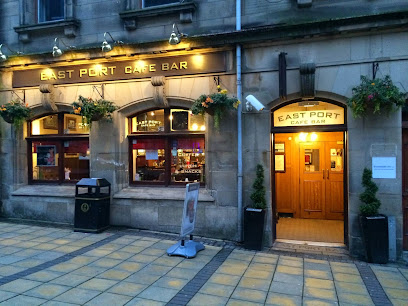
The Chapel Tavern
10.2 km
A classic Kirkcaldy pub offering hearty British fare, lively events, and a warm, welcoming atmosphere for all.
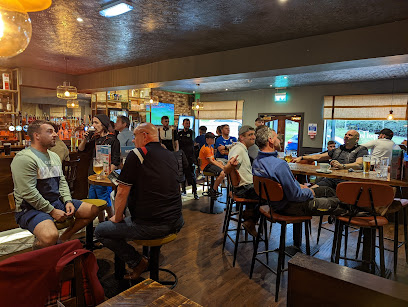
Duchess of Kirkcaldy
10.2 km
A stylish and welcoming bar-restaurant in Kirkcaldy offering delicious pub fare, creative cocktails, and a lively atmosphere with attentive service.
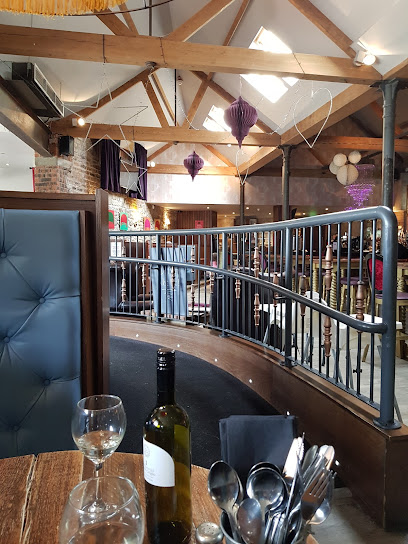
Lourenzos
10.3 km
Lourenzos is Dunfermline’s vibrant bar and nightclub, renowned for its lively atmosphere, quality cocktails, and friendly service.
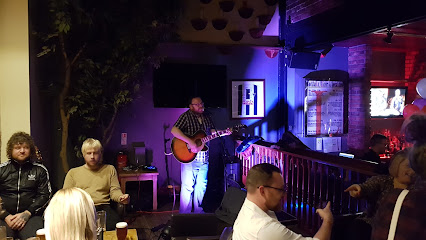
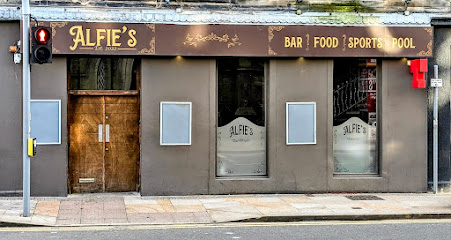
Alfie's
10.4 km
A lively and welcoming bar on Kirkcaldy's High Street, perfect for casual drinks and vibrant nightlife.
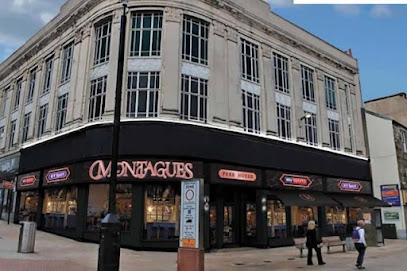
Montagues
10.4 km
Lively and affordable bar with funky decor and friendly staff in the heart of Kirkcaldy's High Street.
The Creepy Wee Pub
10.5 km
A quirky gothic-themed pub in Dunfermline offering a cozy atmosphere, unique decor, and a great selection of drinks for locals and visitors alike.

The Old Inn
10.5 km
Historic and welcoming pub in Dunfermline’s center, blending rustic charm with lively atmosphere and excellent food.
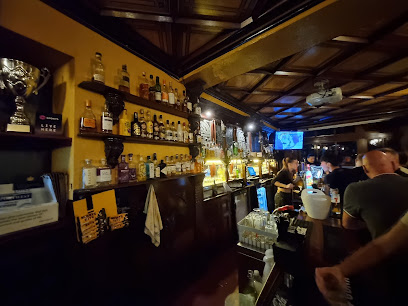
Auld Classic Bar
10.5 km
Auld Classic Bar offers rustic charm and friendly vibes in Dunfermline, perfect for a relaxed pint or casual night out at an affordable price.
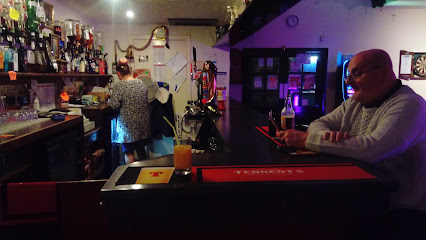
Home Farm View - Pub & Grill
10.6 km
A welcoming pub and grill near Kirkcaldy offering classic dishes, a full bar, and family-friendly comfort in a casual setting.
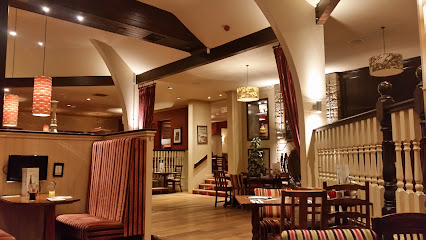
Eddy's Bar
10.6 km
A traditional Kirkcaldy pub blending classic charm with modern comfort, perfect for locals and visitors seeking a welcoming atmosphere.

Spiral Weave
10.6 km
A modern pub with a traditional heart, serving daily carvery and classic pub fare in a welcoming family-friendly setting with a lively beer garden.
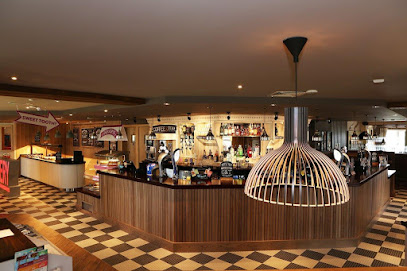
Nightclubs & after hour spots

Hustlers Pool Hall
8.0 km
Affordable, lively pool hall and sports bar in Rosyth offering fun games, friendly vibes, and great social atmosphere for all ages.

Republic Bar Club
10.4 km
Experience Kirkcaldy’s vibrant nightlife at Republic Bar Club, where great drinks, friendly vibes, and lively weekends come together.
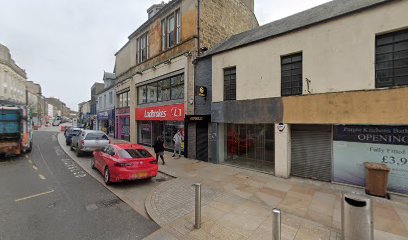
LIFE
10.5 km
Experience vibrant nightlife and late-night fun at LIFE, Dunfermline’s energetic nightclub with a welcoming atmosphere and great music.

Lulu Bar and Nightclub
12.8 km
Edinburgh's George Street gem: chic cocktails, thumping beats, and dance floors that ignite the night in upscale style.
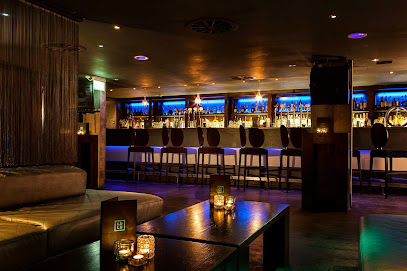
Garibaldi's
12.8 km
Edinburgh's tiniest nightclub packs the biggest late-night punch on Hanover Street, with killer margaritas and a dance floor that never quits till 3am.
Opal Lounge
12.9 km
A stylish live music bar and nightclub in Edinburgh’s New Town, perfect for celebrations and vibrant nightlife.
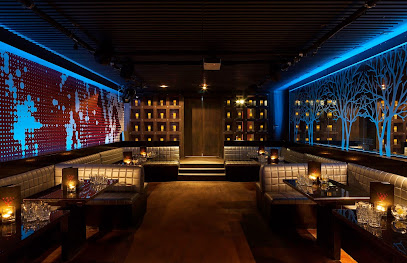
The Shack Retro Bar & Club
12.9 km
Edinburgh's retro dance den blasting 60s-90s hits amid quirky decor and sweaty dance floors—pure nostalgic escapism on Rose Street.

Why Not Nightclub
13.0 km
Edinburgh's multi-award-winning late-night haven with LED immersion, garden vibes, and non-stop beats on George Street.
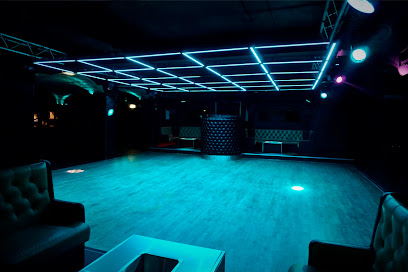
PDT Please Don’t Tell
13.0 km
Edinburgh’s intimate speakeasy-style nightclub offering expertly crafted cocktails and a cozy, conversation-friendly atmosphere.

Shanghai Nightclub
13.0 km
Edinburgh's Oriental nightlife den: Asian decor, themed beats, VIP vibes, and non-stop energy on George Street.
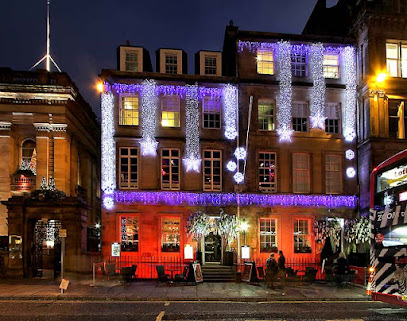
El Barrio Latino
13.0 km
Edinburgh's sizzling Latin nightclub where salsa beats pulse through New Town nights, drawing dancers to its vibrant Hanover Street heart until the early hours.
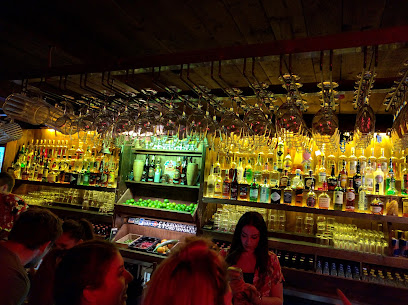
Club Tropicana
13.2 km
Experience Edinburgh’s vibrant retro nightlife with classic disco hits and lively dance floors at Club Tropicana on Lothian Road.
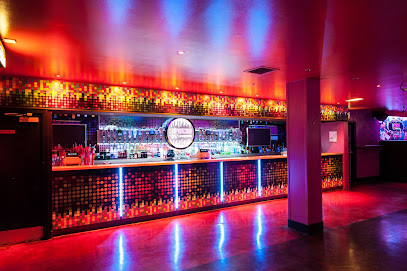
The Liquid Room
13.5 km
Edinburgh's multi-level nightlife gem: techno thumps, live gigs, and warehouse vibes on historic Victoria Street.
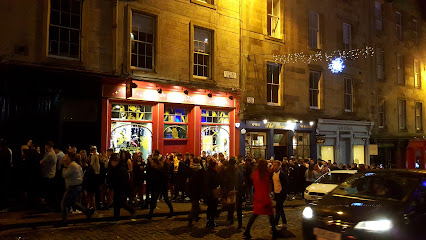
The Bongo Club
13.6 km
Edinburgh’s underground hotspot blending eclectic music, live art, and a vibrant late-night scene in the historic Old Town.

Legends
13.6 km
Edinburgh’s only 24/7 rock nightclub, Legends pulses with raw energy and live alternative music in the heart of Cowgate.
For the vibe & atmosphere seeker
- Scenic
- Tranquil
- Historic
- Relaxing
For the design and aesthetic lover
- Vintage Styles
- Rustic Designs
For the architecture buff
- Historic
- Landmarks
- Parks & Gardens
- Heritage Neighborhoods
For the view chaser and sunset hunter
- Iconic Views
- Panoramas
- Sunset Spots
For the social media creator & influencer
- Instagrammable
- Photo Spots
- Selfie Spots
For the eco-conscious traveler
- Protected Area
- Public-Transport Accessible
- Locally Managed
For the kind of experience you’re after
- Cultural Heritage
- Photowalk
- Day Trip
- Weekend Getaway
- Myth & Legends
For how adventurous you want the journey to be
- Easy Access
Location Audience
- Family Friendly
- Senior Friendly
- Child Friendly
- Teen Friendly
- Wheelchair Access
- Pet Friendly
- Solo Friendly
- Couple Friendly
- Vegetarian Friendly
- Vegan Friendly


