
Aston Hall, West Midlands Travel Guide
Explore the grandeur and ghostly tales of Aston Hall, a stunning Jacobean mansion steeped in history and set within tranquil Birmingham gardens.
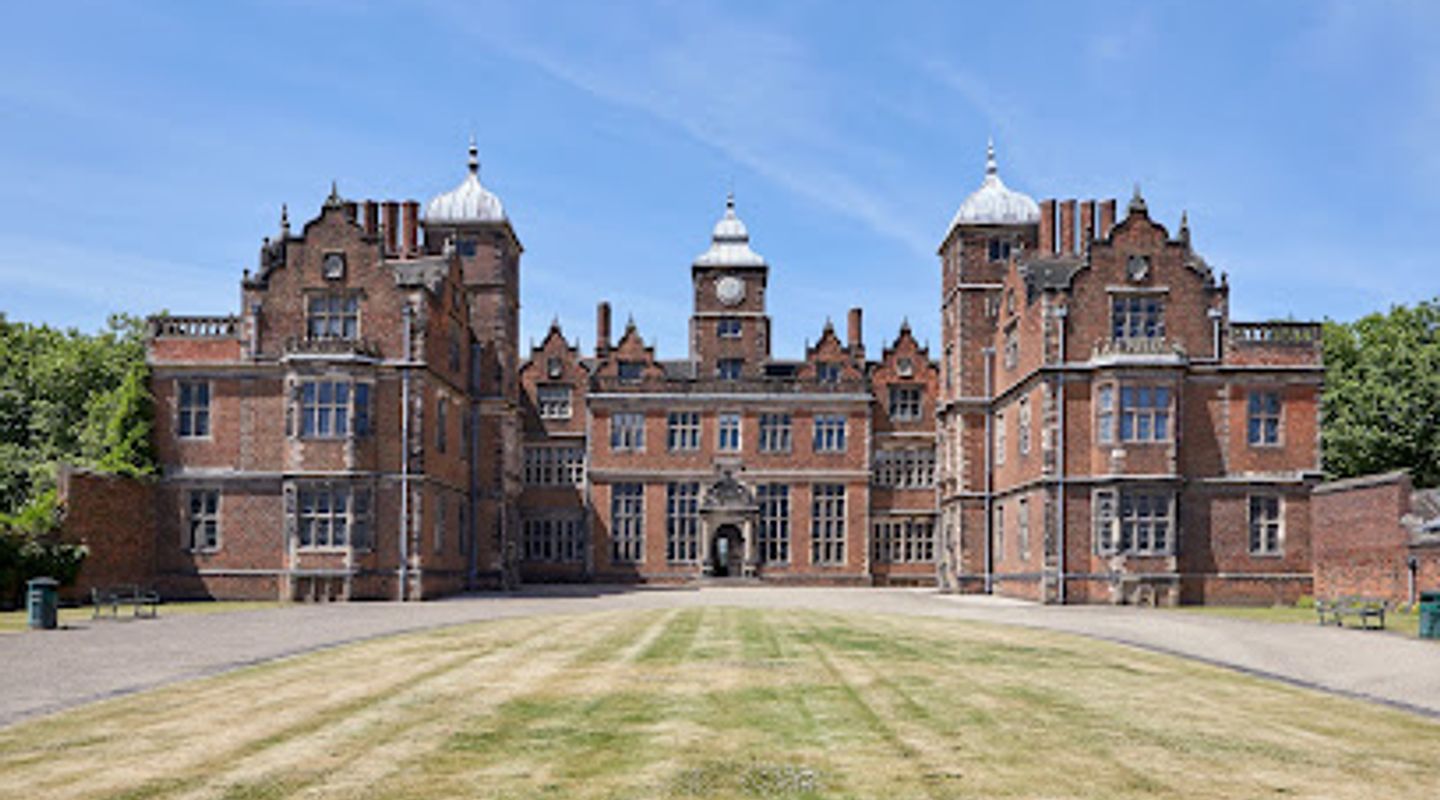
Aston Hall is a grand 17th-century Jacobean mansion located in Birmingham, England, renowned for its rich history, stunning architecture, and beautifully preserved period rooms. Built between 1618 and 1635 for Sir Thomas Holte, it offers visitors a glimpse into English heritage with its ornate interiors, including the famous Long Gallery and Great Oak Staircase. Set within tranquil gardens, the Hall also carries a reputation as one of the UK's most haunted buildings, adding an intriguing layer to its cultural significance.
A brief summary to Aston Hall
- Trinity Rd, Birmingham, Birmingham, B6 6JD, GB
- Click to display
- Click to display
- Duration: 1 to 2 hours
- Mid ranged
-
 Outdoor
- Mobile reception: 4 out of 5
- Friday 11 am-4 pm
- Saturday 11 am-4 pm
- Sunday 11 am-4 pm

Know before you go
Hi, I'm Eve. Here are a few practical things to know before exploring Aston Hall.
- Pre-book your tickets online to guarantee entry, especially during weekends and school holidays.
- Join a guided tour for detailed historical insights and fascinating ghost stories.
- Visit the gardens for a peaceful stroll; they are free to enter during opening hours.
- Check the schedule for special events like 'Aston by Candlelight' Christmas tours or historical reenactments.
- Be mindful of limited accessibility due to the historic building’s architecture and multiple levels.
Do you manage this location?
Take control to get all the benefits, like improved information, better appearance, and stronger visibility across AI-powered discovery. Learn more about listing your business on Evendo
Activate your presenceOther nearby places you may find interesting
The closest places of the same kind, if this one is not quite what you had in mind.

Explore Aston Hall on the Map
A handpicked selection of must-see spots near Aston Hall, mapped for you.
Unlock the Best of Aston Hall
Buy tickets
-
No tickets available
Book tours with entry


Book tours without entry
-
No tours available
Getting There
-
Train and Walk
Take a train from Birmingham New Street to Aston station, approximately a 5-minute journey. From the station, it is about a 15-minute walk to Aston Hall through urban streets. Trains run frequently every 10 minutes. Walking involves some pavement and minor road crossings; suitable for most travelers.
-
Bus
Several bus routes serve Trinity Road near Aston Hall from central Birmingham, with journey times ranging from 20 to 30 minutes depending on traffic. Buses run regularly but may be less frequent on weekends. The stop is a short walk from the Hall’s entrance.
-
Car
Driving to Aston Hall takes about 15 to 25 minutes from Birmingham city centre, depending on traffic. Limited on-site parking is available but can be restricted on Aston Villa home match days. Parking nearby may require payment. Road closures can occur during events, so check ahead.
For the on-the-go comforts that matter to you
-
 Restrooms
-
 Drink Options
-
 Food Options
-
 Seating Areas
-
 Information Boards
-
 Visitor Center
Discover more about Aston Hall
Architectural Grandeur and Historical Roots
Aston Hall stands as one of the last great Jacobean prodigy houses, designed by John Thorpe and constructed between 1618 and 1635. Commissioned by Sir Thomas Holte, a Warwickshire landowner, the mansion showcases typical Jacobean architectural features such as elaborate gables, large mullioned windows, and intricate plasterwork. The grand scale and ornamental detailing were intended to display the wealth and status of its owner. The Great Oak Staircase inside the Hall still bears the scars of bombardment from the English Civil War, a tangible reminder of the building's turbulent past.Rich Interiors and Period Rooms
Inside, visitors can explore over 30 rooms furnished with period furniture, paintings, textiles, and metalwork primarily from the Birmingham Museum & Art Gallery collections. Highlights include the breath-taking Long Gallery, a classic feature of Jacobean houses, and King Charles’ Chamber, each room carefully restored to reflect the lifestyle of the 17th to 19th centuries. The interiors provide an immersive experience of aristocratic life across centuries, revealing layers of social and cultural history.Historical Significance and Civil War Legacy
Aston Hall played a notable role during the English Civil War, enduring a siege that left physical marks on the building still visible today. The Hall’s history is intertwined with national events, and it was home to James Watt Junior from 1817 to 1848, linking it to the industrial heritage of the region. The mansion was the first historic building in Birmingham to open as a public museum in 1858, inaugurated by Queen Victoria, underscoring its longstanding cultural importance.Enchanting Gardens and Outdoor Ambience
Surrounding the Hall are beautifully maintained gardens that provide a peaceful oasis within the urban environment of Birmingham. These gardens are free to visit during opening hours and offer a pleasant setting for leisurely walks or picnics. The outdoor space complements the architectural splendor of the Hall, enhancing the visitor experience with a tranquil and scenic environment.Ghostly Legends and Cultural Events
Adding to its allure, Aston Hall is reputed to be one of the most haunted buildings in the UK. Tales of spirits such as 'The Grey Lady' contribute to the mansion’s mystique, with ghost tours and seasonal fright nights available for those interested in the supernatural. The Hall also hosts a range of events including historical reenactments, craft fairs, and festive celebrations like the popular 'Aston by Candlelight' Christmas tours, enriching its cultural calendar.Visitor Experience and Practical Information
The Hall is open to the public Friday through Sunday from 11am to 4pm, with last entry at 3pm, and admission fees apply. Guided tours are recommended for a deeper understanding of the Hall’s history and architecture. The site offers limited accessibility due to its historic nature, and children under 12 must be supervised. The gardens remain accessible for free during opening hours. Aston Hall also serves as a venue for weddings, conferences, and photography shoots, reflecting its versatility and continued relevance.












Your all‑in‑one travel companion app
Explore expert travel guides, compare and book tours, experiences, hotels, and more—all from the palm of your hand. Download now for seamless trip planning wherever your wanderlust takes you.


Explore More of West Midlands
Looking beyond Aston Hall? Discover West Midlands for broader travel guides, local hot-spots, and regional highlights.
Explore West Midlands
Experience thrilling, immersive escape rooms in Birmingham’s iconic railway arches, blending puzzles, technology, and storytelling for unforgettable group adventures.

Step into a 17th-century Jacobean mansion in Birmingham, where grand architecture, Civil War scars, and ghostly legends come alive in a peaceful park setting.
