
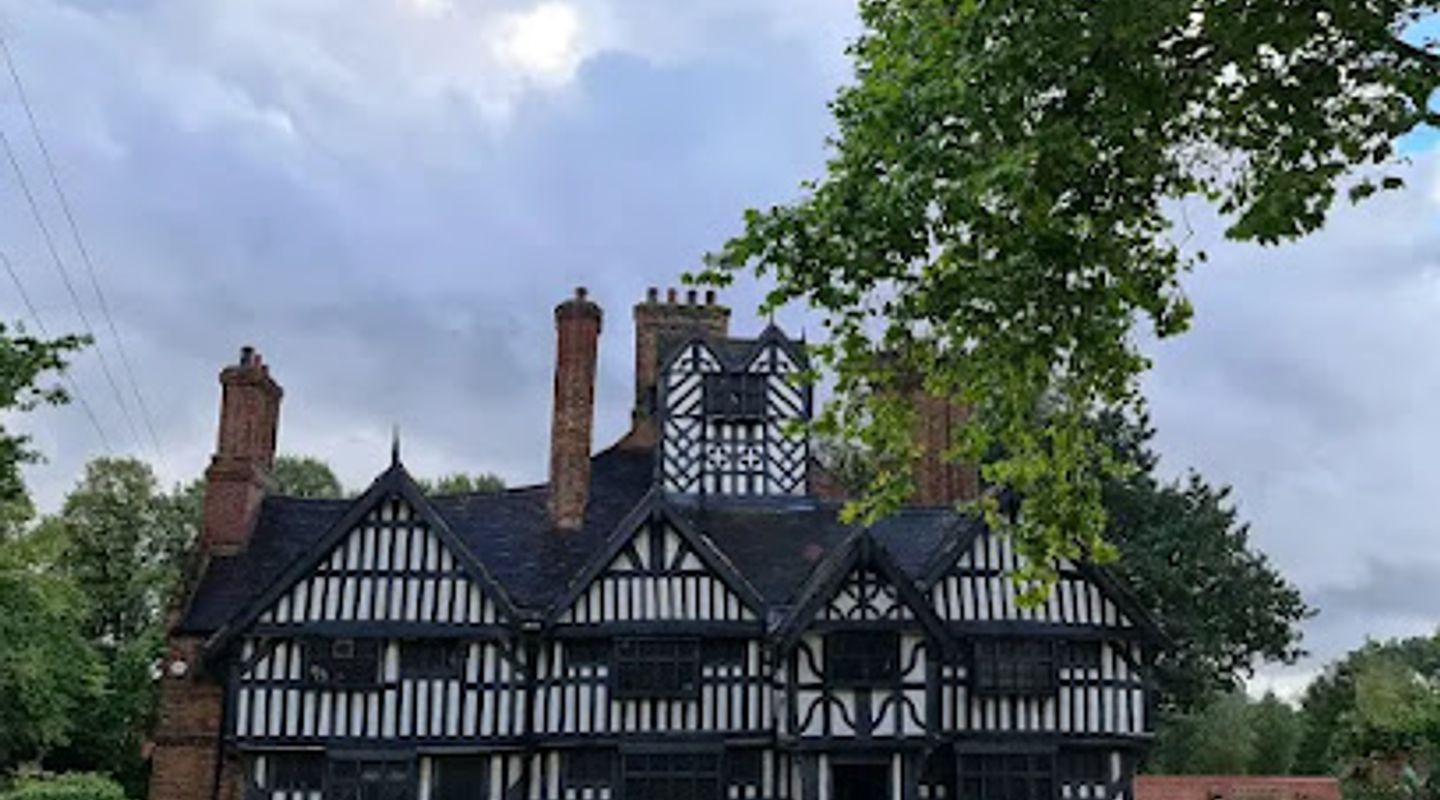
Oak House Museum, West Midlands Travel Guide
Step into a 17th-century yeoman’s home at this Grade I listed timber-framed gem in West Bromwich, now a museum of Stuart life and local heritage.
Step into 17th-century England at Oak House Museum, a beautifully preserved timber-framed yeoman’s home in West Bromwich. Built around 1620, this Grade I listed building offers a rare glimpse into domestic life during the Stuart era, with period furnishings, historic panelling, and a peaceful garden setting. Once home to the Turton family of yeoman farmers and nail makers, the house later became a museum in 1898 and now hosts educational events, seasonal activities, and community groups. Free entry makes it an accessible heritage gem in the heart of Sandwell.
A brief summary to Oak House Museum
- Oak Rd, West Bromwich, B70 8HJ, GB
- Click to display
- Click to display
- Duration: 1 to 2.5 hours
- Free
-
 Mixed
Mixed
- Mobile reception: 4 out of 5
- Tuesday 11 am-3 pm
- Wednesday 11 am-3 pm
- Thursday 11 am-3 pm
- Sunday 11 am-2 pm

Know before you go
Hi, I'm Eve. Here are a few practical things to know before exploring Oak House Museum.
- Check the museum’s website before visiting, as opening hours vary by season and some days are only open for special events or pre-booked groups.
- Entry to the house and grounds is free, but some activities, workshops and events may have a separate charge; these are usually advertised in advance.
- There is no public parking on site; use nearby streets or the Lodge Road pay-and-display car park, and allow extra time to find a space on busy days.
- Assistance dogs are welcome inside the house and playground; other well-behaved dogs on leads are allowed in the grounds, but owners must clean up after them.
Do you manage this location?
Take control to get all the benefits, like improved information, better appearance, and stronger visibility across AI-powered discovery. Learn more about listing your business on Evendo
Activate your presenceOther nearby places you may find interesting
The closest places of the same kind, if this one is not quite what you had in mind.

Explore Oak House Museum on the Map
A handpicked selection of must-see spots near Oak House Museum, mapped for you.
Getting There
-
Bus
From West Bromwich town centre, take a local bus towards Oak Road; the journey takes about 10–15 minutes. Alight near the museum entrance and follow signs to the visitor centre in the barns on Oak Road.
-
Walking
From West Bromwich town centre, it’s a 15–20 minute walk along main roads and residential streets to Oak Road. The route is mostly flat and well-signposted, suitable for most visitors.
-
Car
Drive to West Bromwich and follow signs to Oak Road; there is no public parking on site. Use nearby streets such as Cambridge Street or the Lodge Road pay-and-display car park, a 5–10 minute walk from the museum entrance.
For the on-the-go comforts that matter to you
-
 Restrooms
-
 Drink Options
-
 Drinking Water
-
 Food Options
-
 Seating Areas
-
 Sheltered Areas
-
 Picnic Areas
-
 Trash Bins
-
 Information Boards
-
 Visitor Center
Discover more about Oak House Museum
A Rare Survivor from the 1600s
Oak House stands as one of England’s finest surviving examples of a large West Midlands yeoman’s house, built around 1620 with later 17th-century additions. Its striking black-and-white timber frame rises from a quiet corner of West Bromwich, a rare survivor of the once-common vernacular architecture that once defined the region. Unlike many historic buildings adapted for modern use, Oak House has been carefully preserved to reflect its original character, offering an authentic window into the domestic world of a prosperous farming family in the early Stuart period.The house was long associated with the Turton family, Puritan yeomen who combined farming with nail-making and later expanded into money-lending, even financing impoverished royalist gentry after the English Civil War. This connection helped elevate their social standing, illustrating how rural enterprise could shape local power structures in 17th-century England.From Farmhouse to Museum
Oak House’s transformation into a public museum began in 1894, when Alderman Reuben Farley, the first Mayor of West Bromwich, purchased the building. After restoration, he donated it to the town, and it opened to the public in 1898 as a museum of world artefacts. In 1951, it was reimagined as a replica Tudor–Stuart residence, furnished with 17th-century pieces and fine historic panelling that still define its interiors today.The building’s significance is formally recognised by its Grade I listing, placing it on the same national level as landmarks like the Houses of Parliament and Buckingham Palace. This designation reflects its exceptional architectural and historic interest, particularly as a largely unaltered example of a substantial timber-framed house from its period.Life, Faith and Industry
The house’s story is deeply tied to the social and economic fabric of its time. The Turtons’ nail-making trade connected them to the burgeoning industrial landscape of the Black Country, while their later role as money-lenders reveals the complex networks of credit and status in post-Civil War England. A plaque on the courtyard wall commemorates John Wesley, founder of Methodism, who preached there in March 1774, linking the site to the growth of religious movements in the Midlands.The surrounding area, once Bromwich Heath, was largely treeless by the 1600s, and the oak timbers used in the house were likely brought from at least 20 miles away. Many local oaks were later used to make lock-gates for the Birmingham Canal, a reminder of how the region’s woodland was gradually consumed by industrial expansion.A Living Heritage Space
Today, Oak House functions as a museum and community hub, set within its own grounds and accompanied by a visitor centre in converted barns on Oak Road. The museum offers hands-on learning sessions for schools on topics such as the Tudors, Stuarts, the Great Fire of London and the Gunpowder Plot, as well as art and literacy activities. Regular events, seasonal open days and community groups keep the house active throughout the year.Visitors can explore the timber-framed rooms, furnished to evoke 17th-century life, and wander the peaceful gardens, which include a children’s playground. The site also features a 3D virtual tour, allowing wider access to its historic interiors and collections, including the renowned Ruskin Pottery Collection.Architecture and Atmosphere
The house’s box timber-framing, characteristic of the West Midlands vernacular tradition, is both robust and elegant, with close studding and decorative elements that speak to the Turtons’ rising status. Later brick additions at the rear, fashionable in the 1650s, reflect the family’s growing wealth and changing tastes.Inside, the atmosphere is intimate and layered, with low ceilings, uneven floors and historic panelling that invite close inspection. The house’s Grade I status underscores not only its architectural quality but also its role in telling the story of pre-industrial Sandwell, before the area was transformed by coal, canals and heavy industry. For anyone interested in social history, vernacular architecture or the everyday lives of early modern families, Oak House offers a quiet but powerful encounter with the past.












Your all‑in‑one travel companion app
Explore expert travel guides, compare and book tours, experiences, hotels, and more—all from the palm of your hand. Download now for seamless trip planning wherever your wanderlust takes you.


Explore More of West Midlands
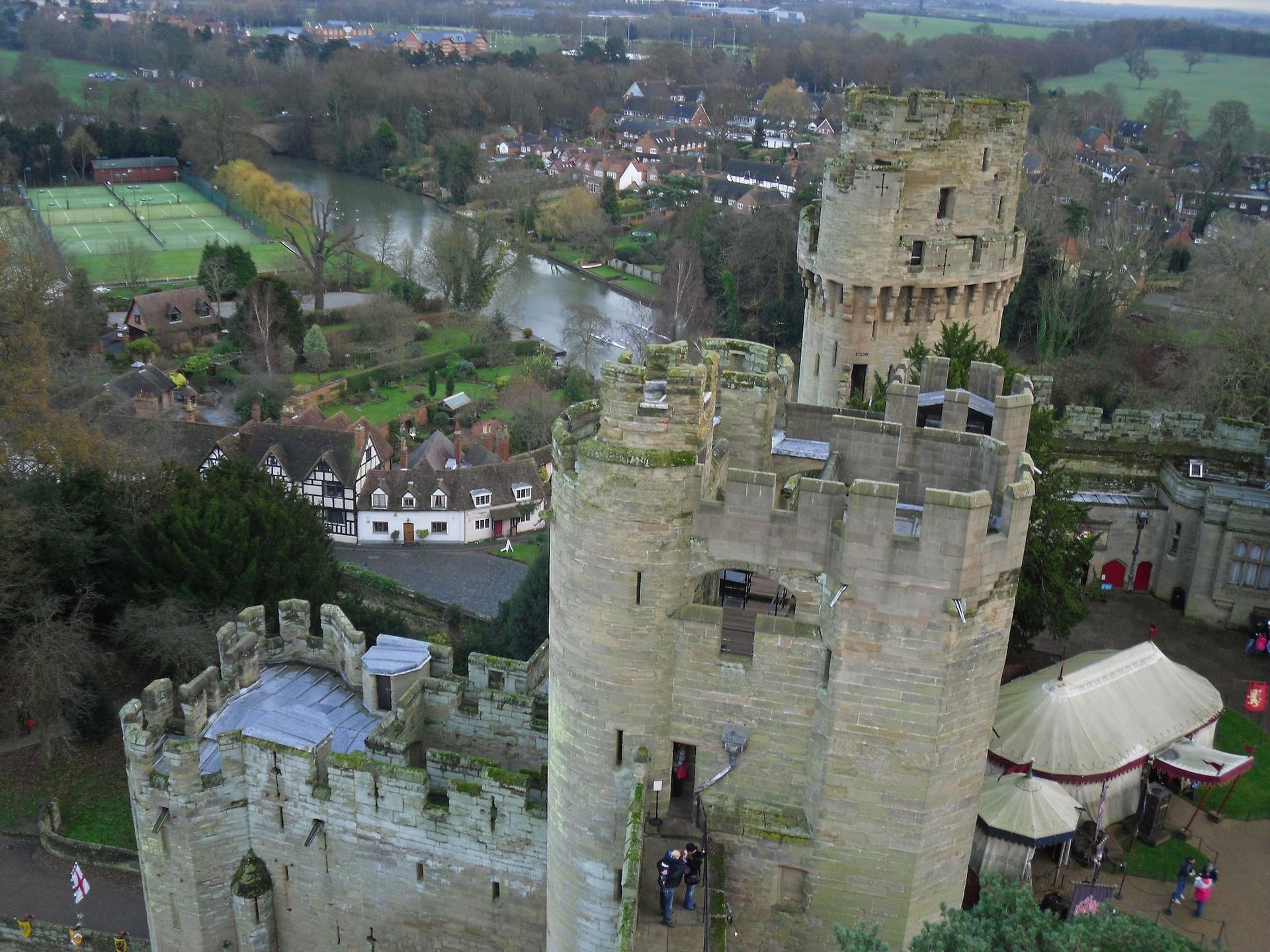
Looking beyond Oak House Museum? Discover West Midlands for broader travel guides, local hot-spots, and regional highlights.
Explore West Midlands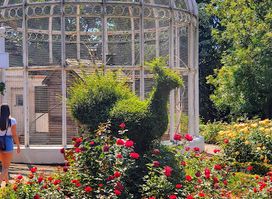
Explore Birmingham’s historic 15-acre botanical gardens with Victorian glasshouses, diverse plants, tranquil paths, and vibrant community programs.

Explore West Bromwich’s High Street, a vibrant shopping mile blending local charm with diverse retail and dining options.
