
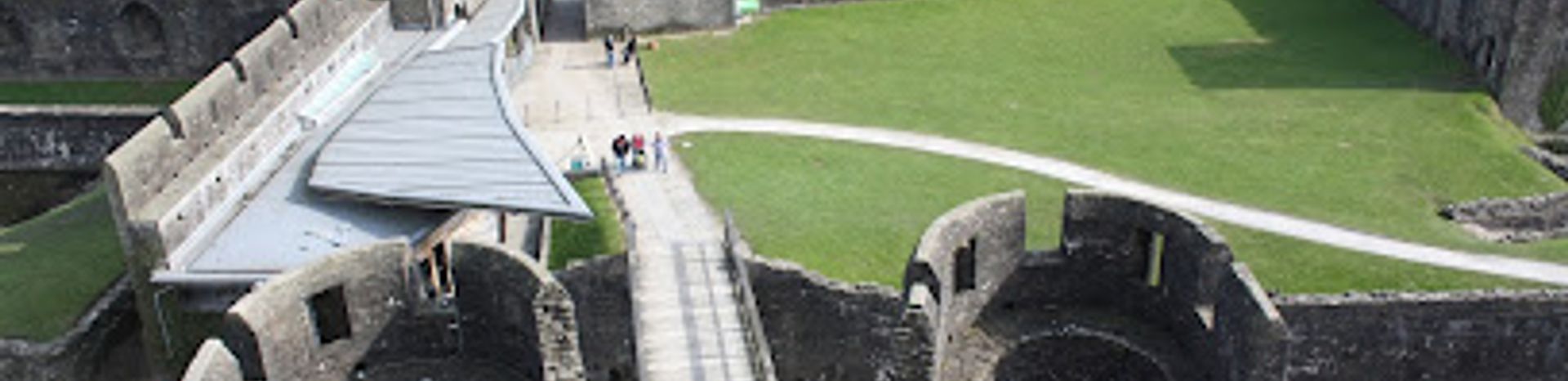
Dundrennan Abbey: A Tranquil Scottish Cistercian Ruin with Royal History
Explore the serene ruins of a 12th-century Cistercian abbey where Mary Queen of Scots found refuge, set in tranquil woods near Kirkcudbright.
Dundrennan Abbey, founded in 1142 by Fergus, Lord of Galloway, is a striking ruin nestled in peaceful woods near Kirkcudbright. This Cistercian monastery, known for its early Gothic architecture and historic significance, notably sheltered Mary Queen of Scots in 1568. Visitors can explore its evocative church, cloister, and chapter house, surrounded by scenic natural beauty and rare flora.
A brief summary to Dundrennan Abbey
- Kirkcudbright, Dundrennan, DG6 4QH, GB
- +441557500262
- Visit website
- Duration: 1 to 2.5 hours
- Mid ranged
-
 Outdoor
- Mobile reception: 4 out of 5
- Monday 10 am-4:30 pm
- Tuesday 10 am-4:30 pm
- Wednesday 10 am-4:30 pm
- Thursday 10 am-4:30 pm
- Friday 10 am-4:30 pm
- Saturday 10 am-4:30 pm
- Sunday 10 am-4:30 pm
Local tips
- Visit during weekdays or early mornings to enjoy the peaceful atmosphere with fewer visitors.
- Take time to explore the chapter house ruins and look for the finely moulded piers and grave slabs.
- Bring a camera to capture the abbey’s striking Gothic arches and scenic woodland setting.
- Look out for the rare fairy foxglove growing on the abbey walls, a unique botanical feature.
- Read the onsite interpretation boards to learn about the abbey’s history and Mary Queen of Scots’ stay.

For the on-the-go comforts that matter to you
- Restrooms
- Seating Areas
- Information Boards
Getting There
-
Bus
Take the Stagecoach bus service from Kirkcudbright to Dundrennan, which runs several times daily. The journey takes approximately 20-30 minutes. Check the latest schedules as frequency may vary on weekends and holidays. Tickets cost around £3-£5 one way.
-
Car
Driving from Kirkcudbright to Dundrennan Abbey takes about 15 minutes via local roads. Parking is available near the site but limited, so arrive early during peak season. No parking fees apply.
-
Walking
For active visitors, a scenic 1.5-hour walk from Kirkcudbright follows rural paths and minor roads. Terrain is mostly flat but can be muddy after rain. Suitable for walkers with moderate fitness; wear sturdy footwear.
Dundrennan Abbey location weather suitability
-
 Any Weather
-
 Rain / Wet Weather
-
 Clear Skies
-
 Mild Temperatures
-
 Windy Conditions
Discover more about Dundrennan Abbey
Origins and Monastic Heritage
Dundrennan Abbey was established in 1142 by Fergus, Lord of Galloway, with support from King David I of Scotland. It was settled by white-robed Cistercian monks from Rievaulx Abbey in North Yorkshire, who lived here for over 400 years. The abbey became a mother house for two other Cistercian foundations in Galloway: Glenluce Abbey and Sweetheart Abbey. The monks’ austere lifestyle is reflected in the abbey’s architecture, though by the late 12th century, some ornamental Gothic elements began to appear.Architectural Significance and Ruins
Dundrennan’s ruins are renowned for their serene beauty and some of Scotland’s finest early Gothic architecture. The church, laid out in the traditional Cistercian cruciform plan, features an unusual three-storey design with blind and open arcades. The presbytery is noted for its simple yet elegant bundled-shaft piers capped with plain bell shapes. The cloister, though much ruined, remains traceable, and the early 13th-century chapter house retains elements of its once-handsome vaulted ceiling supported by six finely moulded piers. Grave slabs of abbots and a polished blue marble slab with a Flemish brass memorial add to the historic atmosphere.Royal Connections and Historical Moments
Perhaps the abbey’s most famous moment came in May 1568, when Mary Queen of Scots sought refuge here after her escape from Lochleven Castle and defeat at the Battle of Langside. She stayed briefly at Dundrennan before sailing to England, never to return to Scotland. This poignant royal connection adds a layer of historical drama to the tranquil ruins.Artistic Discoveries and Symbolism
Excavations and conservation efforts over the past two centuries have uncovered over a thousand carved stone fragments, many of which are displayed within the abbey. One notable carving depicts an abbot holding a crosier and standing triumphantly over a wounded figure, possibly symbolizing an abbot’s assassination and victory over his assailant. These artifacts provide insight into the abbey’s former grandeur and the lives of its inhabitants.Natural Setting and Botanical Interest
Set in a secluded river valley surrounded by woods, Dundrennan Abbey offers a peaceful retreat into nature. The abbey walls support the rare fairy foxglove, a delicate pink-flowered alpine plant thought to grow only where Roman soldiers once marched. This unique botanical feature enhances the abbey’s allure for visitors interested in both history and nature.Visitor Experience and Atmosphere
Today, Dundrennan Abbey is a picturesque ruin that invites quiet contemplation amid its evocative stonework and tranquil surroundings. The site’s layout allows visitors to imagine the monastic life that once thrived here, while the natural beauty and historic gravitas create a reflective atmosphere. Interpretation boards and preserved memorials deepen understanding, making it a compelling destination for history enthusiasts and nature lovers alike.Iconic landmarks you can’t miss

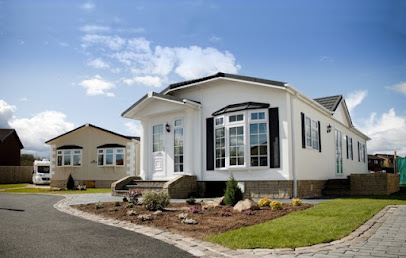
Mossband Residential Park
22.7 km
Tranquil rural living with modern comforts and scenic views near Dumfries in the heart of Scotland’s countryside.
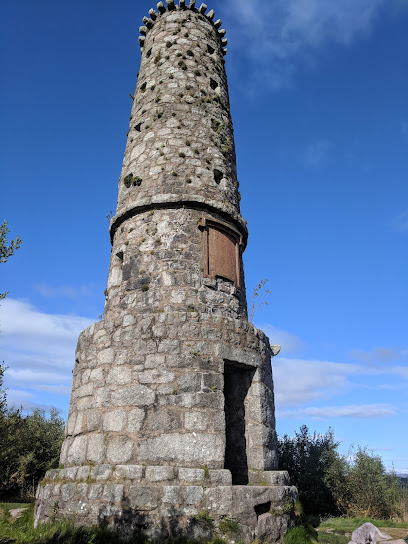
Waterloo Monument
27.1 km
A 150-foot stone tower on Peniel Heugh, built to commemorate the Battle of Waterloo and offering panoramic views across the Scottish Borders and Solway Firth.
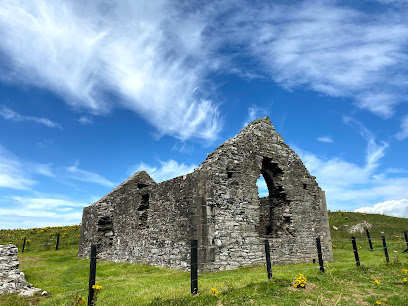
Isle Head Lighthouse
29.2 km
Historic lighthouse ruins on Isle of Whithorn’s scenic headland with panoramic coastal views and rich maritime heritage.
Mercat Cross
32.5 km
Historic Scottish market cross in Wigtown’s square, marking centuries of commerce and community life in this charming burgh.

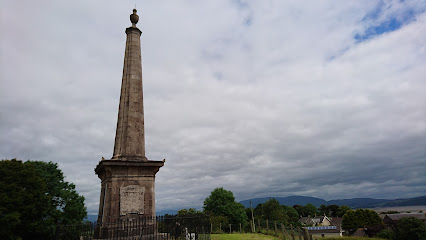
Martyr's Memorial
32.8 km
A solemn memorial at Wigtown Bay honoring two brave Covenanter women who faced execution for their faith in 1685.
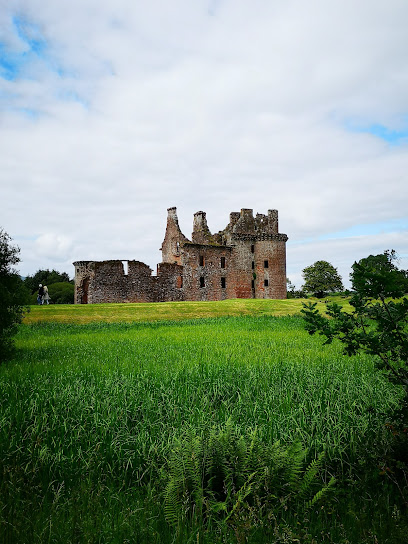
Old Caerlaverock Castle
33.0 km
Experience the grandeur of Old Caerlaverock Castle, a historic gem in Dumfries, showcasing medieval architecture and breathtaking landscapes.
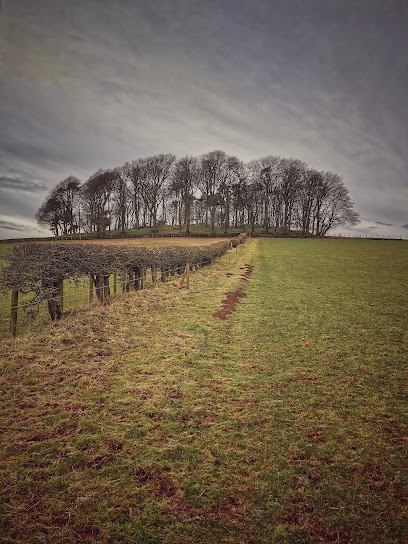
Wardlaw Hillfort
33.5 km
Explore the ancient moated triangular hillfort near Dumfries with panoramic views and rich prehistoric heritage.
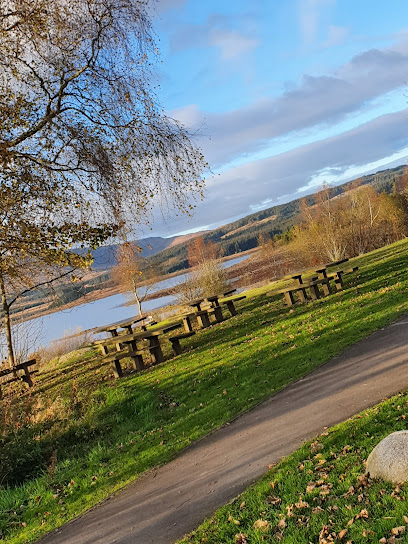
Red Deer Range
34.4 km
Experience the tranquility and breathtaking landscapes of Red Deer Range, a wildlife refuge in Scotland perfect for nature lovers and adventure seekers.
Kingholm Quay Harbour
34.5 km
Experience the serene beauty and local charm of Kingholm Quay Harbour in Dumfries, a perfect spot for relaxation and exploration.
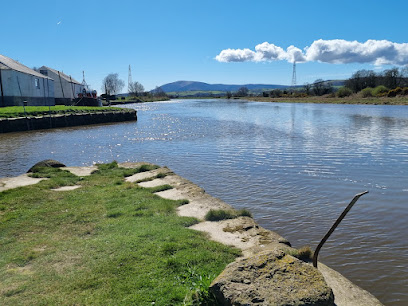
St Ninian's Cave
34.6 km
Explore the enchanting St Ninian's Cave, a historical landmark in Galloway, rich with legends and stunning coastal views, perfect for nature lovers.
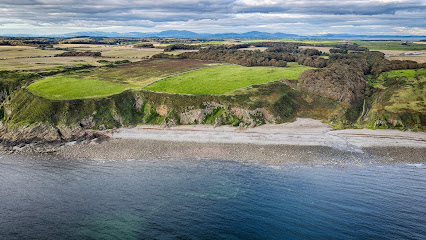
Wild Goat Park
35.1 km
Experience the charm of nature at Wild Goat Park, a serene wildlife refuge in Newton Stewart, where playful goats await your visit.
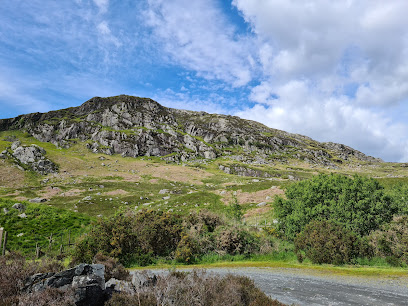
Isle Tower
35.1 km
Explore Isle Tower, a serene 17th-century Scottish tower house ruin guarding historic routes near Dumfries in picturesque Dumfries and Galloway.
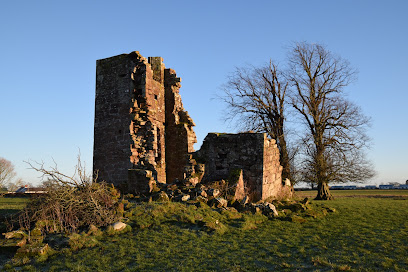
Castledykes Park
35.4 km
Experience the natural beauty and historical charm of Castledykes Park in Dumfries, a perfect spot for relaxation and exploration.
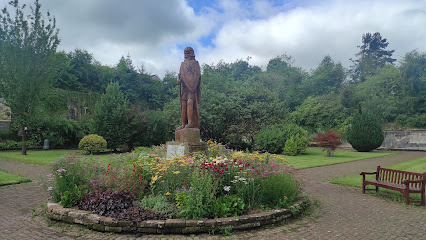
HMP Dumfries
35.6 km
Discover the historical significance of HMP Dumfries, a former prison that reflects Scotland's penal history and architectural heritage.
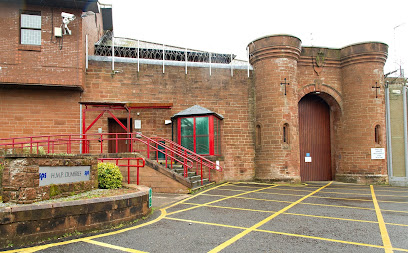
Murray's Monument
35.7 km
Explore Murray's Monument in Newton Stewart, a breathtaking tribute surrounded by nature, perfect for hiking and enjoying stunning views.
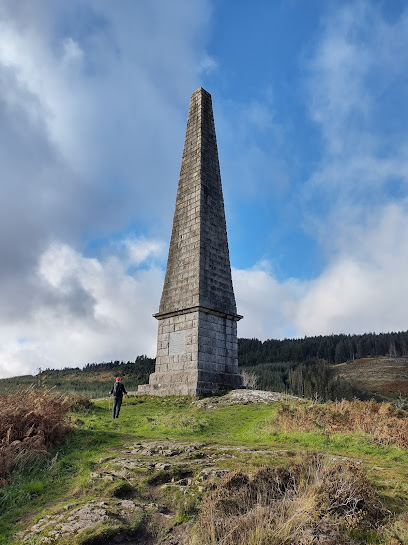
Unmissable attractions to see

Historic Scotland
0.2 km
Explore the enchanting landscapes and historic treasures of Historic Scotland, where every corner reveals stories of Scotland's rich heritage and culture.
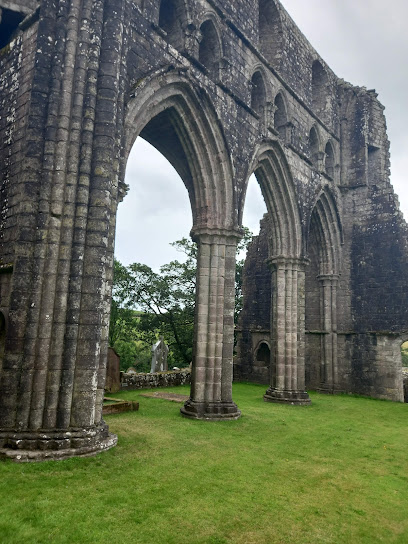
Rerrick Church, Dundrennan
0.2 km
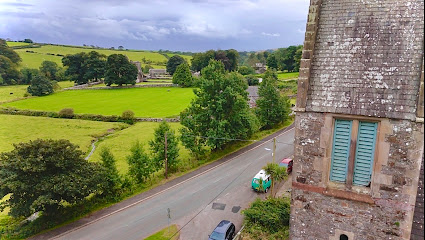
Historic medieval church ruins set in a tranquil burial ground amidst the scenic coastal landscape of Dundrennan, Dumfries and Galloway.
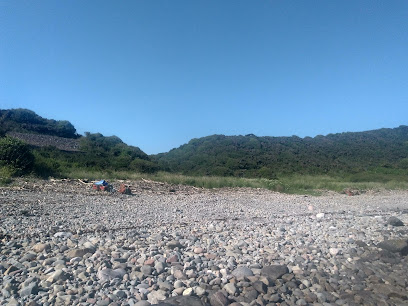
Mullock Bay Beach
5.3 km
Discover the peaceful shores and fossil-rich sands of Mullock Bay Beach, a hidden coastal treasure near Kirkcudbright.
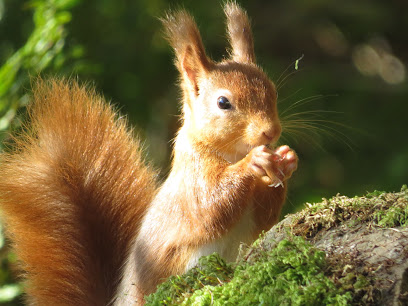
Red Squirrel Hide
6.8 km
Experience the charm of red squirrels up close in the tranquil Barrhill Woods hide with stunning views over Kirkcudbright.
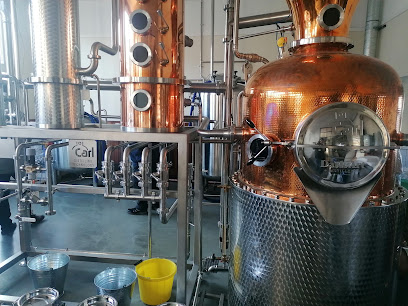
Dark Art Distillery
7.3 km
Discover Scotland’s most southerly distillery where starry skies inspire exquisite craft spirits in the artistic heart of Kirkcudbright.
Dark Space Planetarium
7.3 km
A compact but immersive planetarium and interactive space exhibit in Kirkcudbright, perfect for families and space enthusiasts.

Chen's Kitchen, Kirkcudbright, Scotland
7.3 km
Friendly Chinese takeaway in Kirkcudbright serving generous portions of authentic dishes in a welcoming, family-run environment.

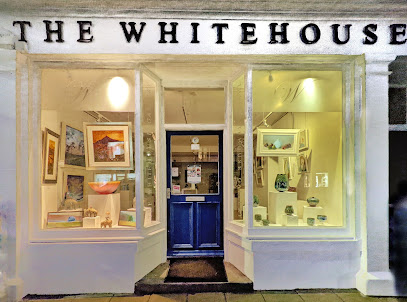
The Whitehouse Gallery
7.3 km
Discover contemporary Scottish art and craft in the heart of Kirkcudbright’s historic artist town at The Whitehouse Gallery.
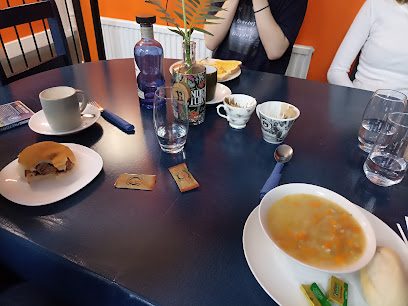
Clann
7.3 km
A cozy café in Kirkcudbright serving fresh, homemade food and excellent coffee in a warm, community-focused setting.
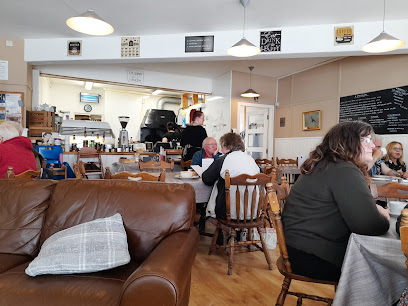
The Belfry
7.3 km
Cozy café and tea room in Kirkcudbright offering hearty breakfasts, fresh sandwiches, and warm local hospitality in a relaxed setting.
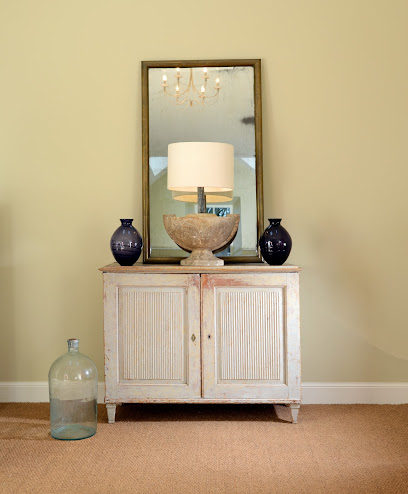
Leslie & Baggott
7.3 km
Discover timeless antiques and fine art in the historic Keepers House, Auchencairn, where heritage meets curated elegance.
Kirkcudbright Galleries
7.3 km
Discover Kirkcudbright’s artistic soul in a historic 19th-century gallery showcasing a nationally significant collection and vibrant exhibitions.

Soaperie Gardens
7.4 km
A peaceful town-centre park in Kirkcudbright, famous for spring crocuses and a lively monthly farmers market beside the old parish church.
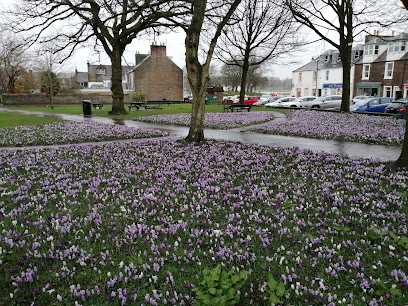
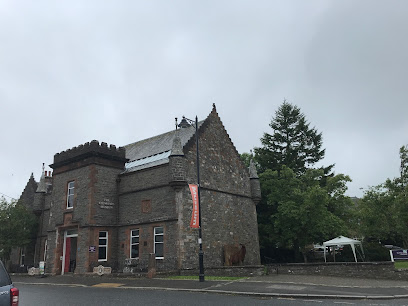
Stewartry Museum
7.4 km
Discover the rich heritage of Kirkcudbrightshire at Stewartry Museum, a free local history museum with diverse exhibits and a charming historic setting.
Rustic Love
7.4 km
Discover handcrafted rustic treasures that blend timeless charm with artisanal skill in a tranquil, welcoming craft shop.

Essential places to dine

Thai Kitchen
7.2 km
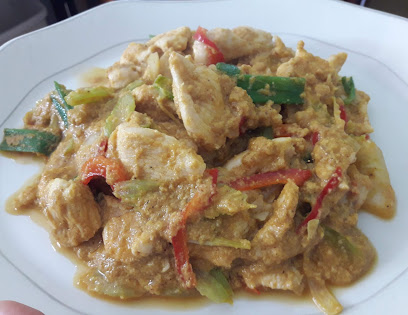
Authentic Thai takeaway in Kirkcudbright serving vibrant flavors and generous portions in a casual, convenient setting.
Rob n Roll Restaurants LTD
7.3 km
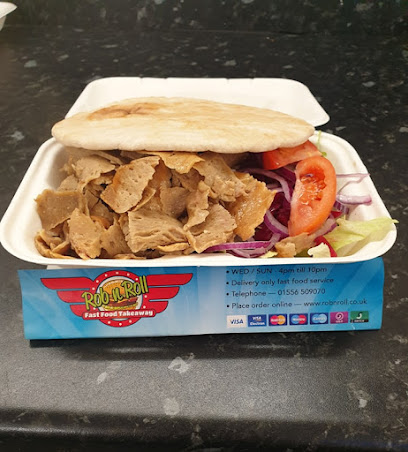
Savor delicious pizzas and fast food delights at Rob n Roll in Kirkcudbright - your perfect pit stop after exploring the scenic beauty.
The Tides Inn
7.3 km
Experience the warmth and charm of The Tides Inn Pub in Kirkcudbright—where locals meet visitors over delicious food and drinks.
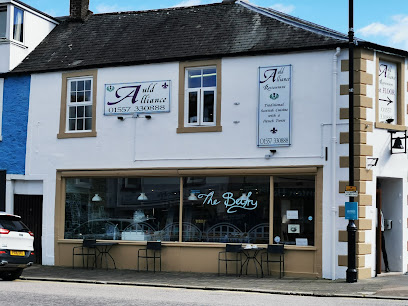
The Auld Alliance
7.3 km
A refined Scottish-French dining experience in Kirkcudbright blending local flavors with continental flair in an intimate setting.
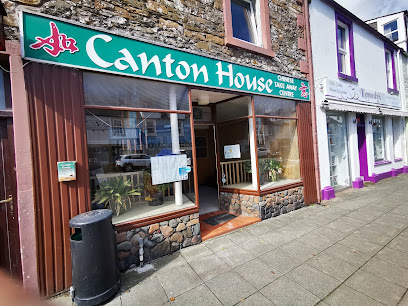
Canton House
7.3 km
Discover the flavors of China at Canton House, Kirkcudbright's premier takeaway for delicious and authentic Chinese dishes.
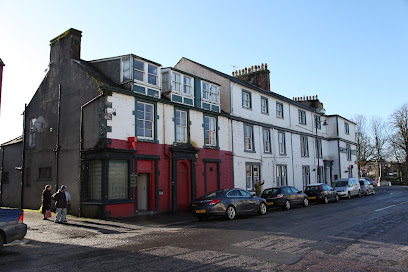
The Kirkcudbright Bay Hotel
7.4 km
Historic charm and cozy comfort converge at The Kirkcudbright Bay Hotel, your welcoming base in scenic Kirkcudbright.

Mullberries
7.4 km
Cozy café with homemade delights and friendly service nestled in the charming town of Kirkcudbright.
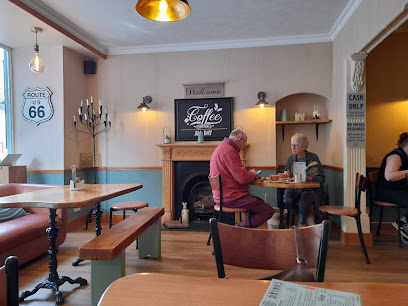
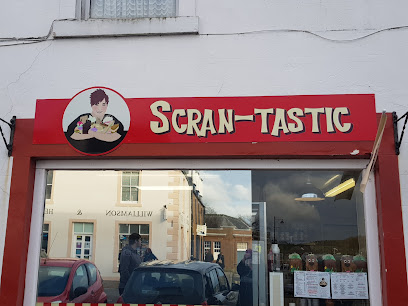
Scran-tastic
7.4 km
A friendly, fast-food sandwich spot in Kirkcudbright serving freshly cooked Scottish classics from early morning to mid-afternoon.
The Steamie
7.4 km
Experience authentic Scottish hospitality at The Steamie Pub in Kirkcudbright - your gateway to local culture and community spirit.
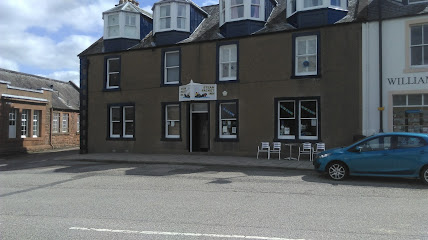
The Selkirk Arms Hotel & Restaurant
7.4 km
Historic charm meets culinary excellence in Kirkcudbright’s beloved Selkirk Arms Hotel & Restaurant, a cozy retreat in Scotland’s Artists’ Town.
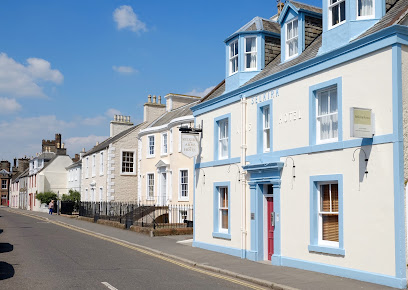
Feast Cafe
7.4 km
Creative vegetarian and vegan cafe in Kirkcudbright offering fresh, wholesome dishes in a cozy, welcoming atmosphere.
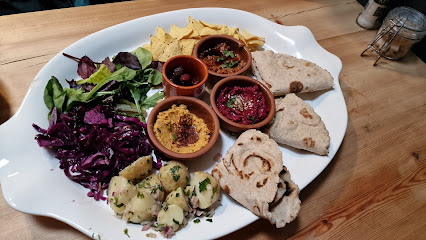
Skipper's Scran Van
7.4 km
Savor fresh, locally sourced Scottish seafood in a casual marina setting at Skipper's Scran Van, Kirkcudbright’s beloved seafood trailer.
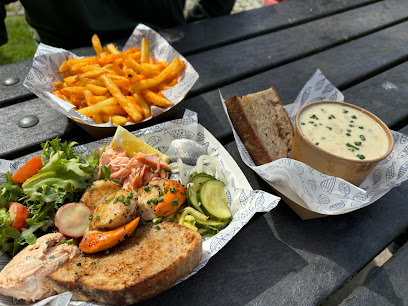
The Garret Hotel & Restaurant - Kirkcudbright
7.5 km
Charming boutique hotel and restaurant in the heart of Kirkcudbright, blending cosy comfort with artistic heritage and excellent local dining.
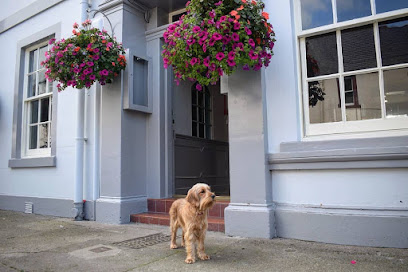
The Masonic Arms
7.5 km
Discover The Masonic Arms in Kirkcudbright: A quintessential Scottish pub serving local ales and hearty dishes amidst historic charm.
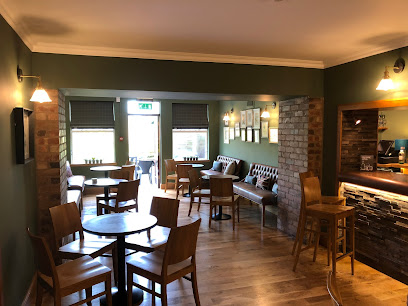
The Castle
7.5 km
Cozy Scottish bistro in Kirkcudbright offering seasonal dishes, warm hospitality, and a charming atmosphere in the heart of the Artists' Town.
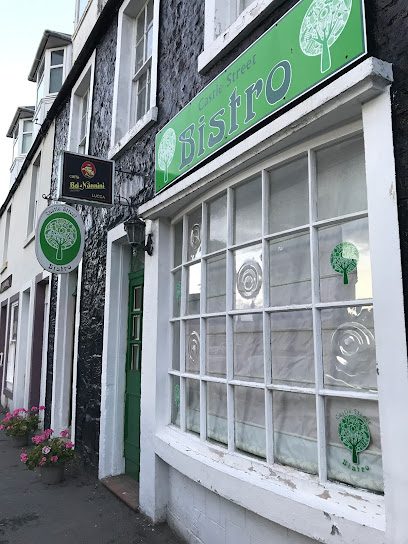
Markets, malls and hidden boutiques

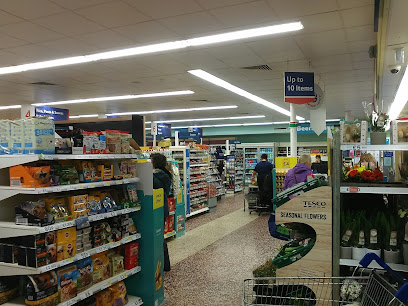
Tesco Superstore
7.2 km
Conveniently located Tesco Superstore in Kirkcudbright offers fresh produce, essential groceries, and accessible facilities for locals and visitors alike.
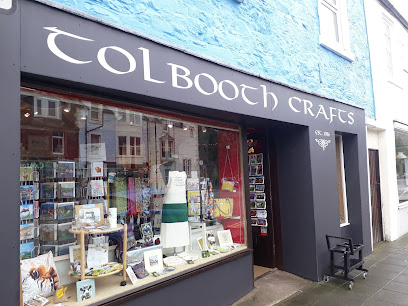
Tolbooth Crafts
7.3 km
Discover unique local crafts in Kirkcudbright’s historic Tolbooth building, a vibrant hub celebrating Scotland’s Artists’ Town heritage.
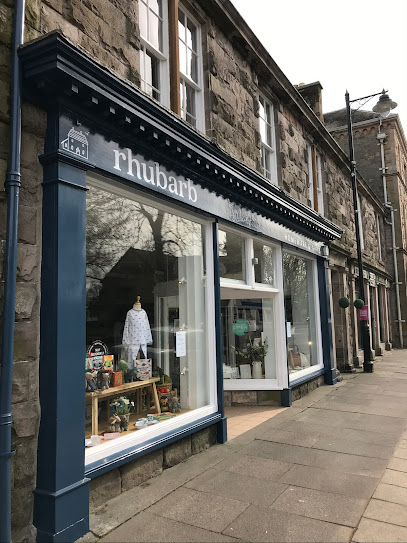
Rhubarb
7.3 km
Discover stylish modern country interiors and unique gifts at Rhubarb, Kirkcudbright’s boutique homeware shop blending rustic charm with contemporary design.
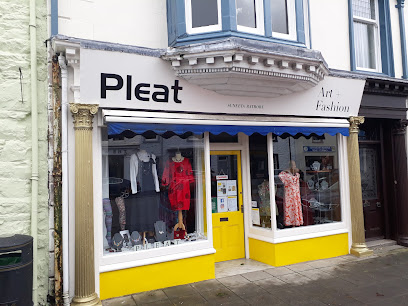
Pleat Art + Fashion
7.3 km
Discover curated women's fashion, vintage jewellery, and local art in the heart of Kirkcudbright’s vibrant artists' community.
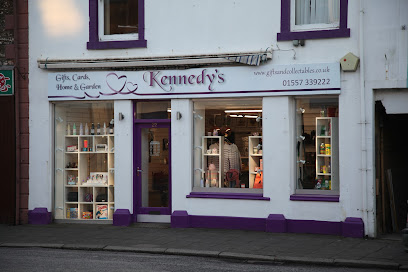
Kennedy's
7.3 km
Discover unique gifts and local crafts at Kennedy's, Kirkcudbright’s welcoming gift shop with a rich selection and friendly service.
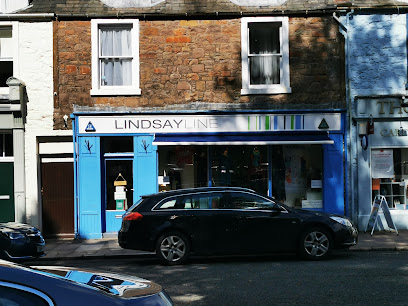
Lindsay Line
7.4 km
Independent ladies’ casual wear boutique in Kirkcudbright, blending style, comfort, and community for nearly 30 years.
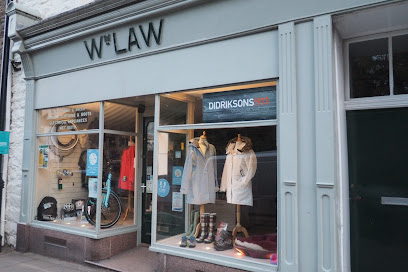
W M Law
7.4 km
W M Law: Your trusted clothing and outdoor gear shop in the heart of Kirkcudbright’s historic and artistic town centre.
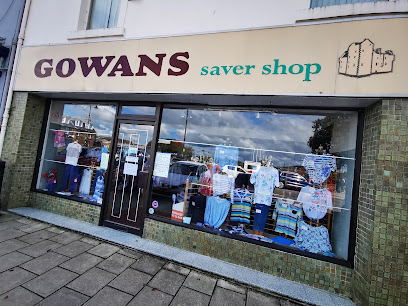
Gowans James
7.4 km
Explore Gowans James in Kirkcudbright for unique clothing that embodies local charm and style, perfect for tourists seeking a fashionable souvenir.
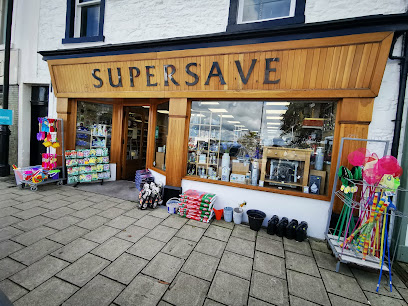
Supersave
7.5 km
Discover unbeatable bargains and local charm at Supersave, Kirkcudbright’s friendly discount shop with great deals every day.
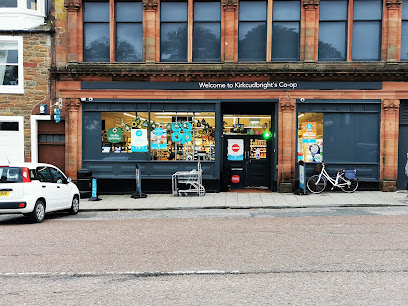
Co-op Food - Kirkcudbright
7.5 km
Your friendly local Co-op Food in Kirkcudbright, open daily for fresh groceries, local treats, and everyday essentials.
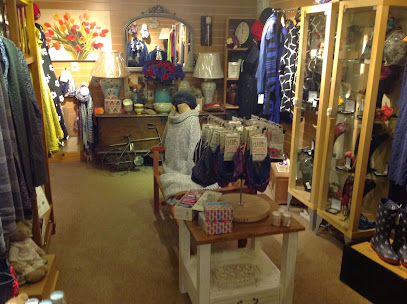
Enigma
14.8 km
Discover Enigma, Castle Douglas’s boutique gift shop blending Scottish style, unique clothing, and garden treasures in a charming setting.
Southerness Gift shop
23.6 km
Discover unique local crafts and authentic Scottish souvenirs in the charming Southerness Gift Shop, a must-visit in Dumfries and Galloway.
Priory Antiques
31.1 km
Discover timeless treasures and rich heritage at Priory Antiques, Whithorn’s premier destination for unique vintage finds and collectibles.
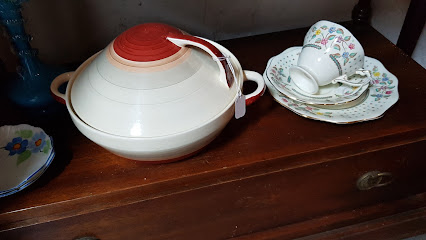
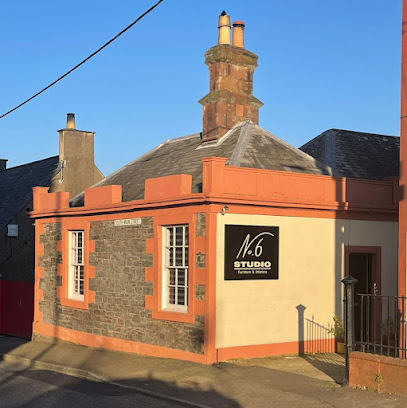
No6 Studio Wigtown
32.3 km
Discover unique second-hand furniture and local craftsmanship in the heart of Wigtown’s charming South Main Street.
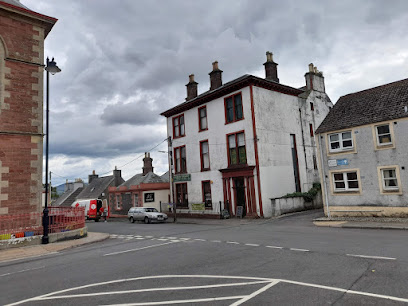
The Old Bank Bookshop
32.4 km
Discover six rooms of second-hand treasures and sheet music in the heart of Scotland’s National Book Town, welcoming all book lovers with warmth and charm.
Essential bars & hidden hideouts

Montys Bar
14.8 km
A lively sports bar in Castle Douglas offering great drinks, casual dining, and a welcoming atmosphere with indoor and outdoor spaces.
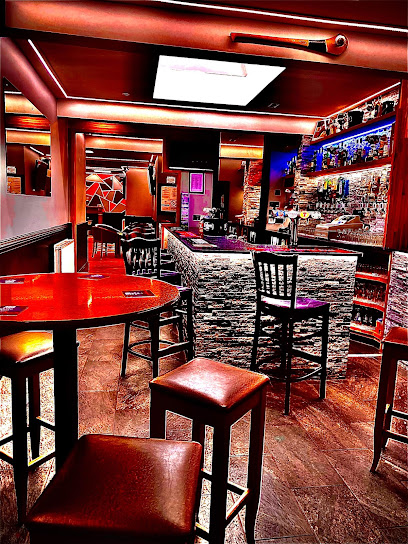
The 19th Hole
23.6 km
A lively, dog-friendly pub in Southerness offering unique pool tables, live sports, and a welcoming atmosphere for golfers and locals alike.
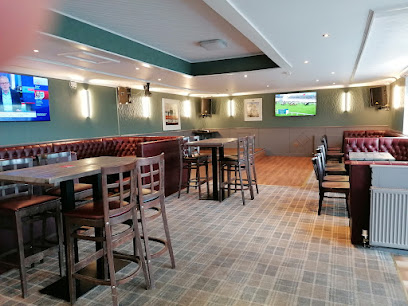
Paul Jones Hotel
23.6 km
A cozy, dog-friendly coastal pub in Southerness serving hearty meals and welcoming locals and visitors alike with warmth and charm.
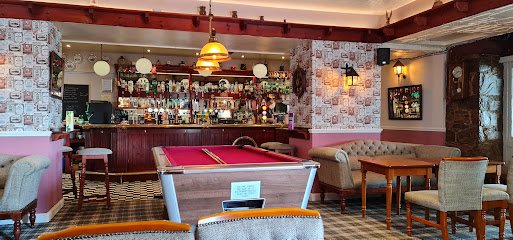
The Steam Packet Inn
29.2 km
Charming harbourfront inn in Isle of Whithorn, renowned for fresh seafood, local ales, and scenic coastal views.
Railway Inn whithorn ltd
31.0 km
Cozy Scottish pub and inn with hearty homemade meals, warm hospitality, and comfortable rooms in the scenic Dumfries & Galloway countryside.
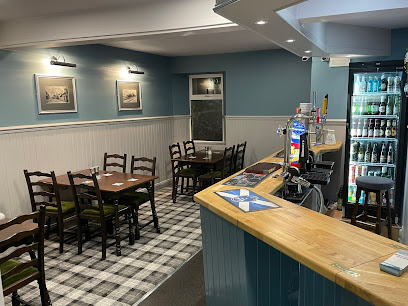
The Galloway Bar
32.5 km
A lively, dog-friendly sports pub in Wigtown offering darts, pool, and live BT & Sky Sports in a welcoming atmosphere.

The Bladnoch Inn
33.4 km
Cozy Scottish countryside inn offering warm hospitality, hearty pub fare, and comfortable stays near Newton Stewart.
The Lowther Arms Community Pub
33.7 km
A warm community pub with hearty British fare, scenic camping, and countryside charm in Mawbray, Maryport.
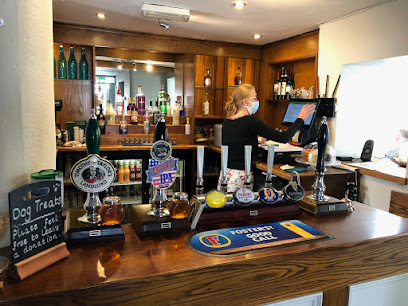
The Normandy
35.6 km
A welcoming and relaxed pub in Dumfries known for friendly service and a cozy atmosphere.

Troqueer Arms
35.7 km
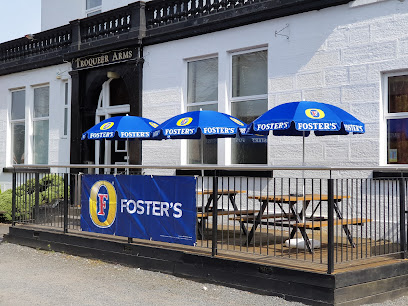
A welcoming traditional pub in Dumfries offering great drinks, live music, and authentic Scottish charm at an affordable price.
Devorgilla Lounge Bar
35.9 km
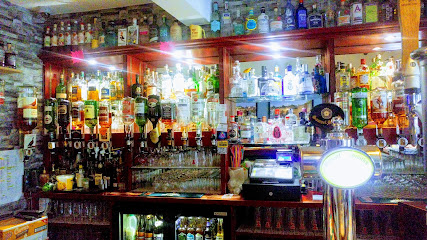
A cozy, dog-friendly lounge bar in Dumfries offering friendly service, relaxed vibes, and affordable drinks in the heart of Market Square.
The Riverside Bar
35.9 km
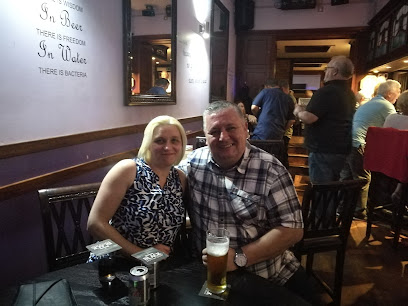
A friendly riverside pub in Dumfries offering diverse craft beers, scenic views, and a relaxed atmosphere beside Dock Park.
Salutation Inn
35.9 km
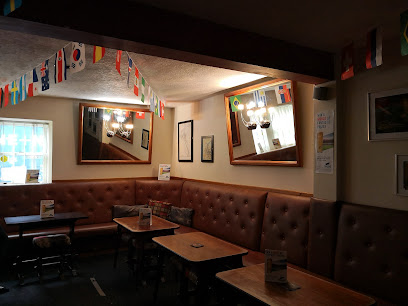
A friendly, historic pub in Dumfries Market Square known for excellent pints and a welcoming atmosphere.
Greens Sports Bar
36.0 km
Lively sports bar in Dumfries with big screens, great drinks, pool tables, and a welcoming community vibe for fans and locals alike.
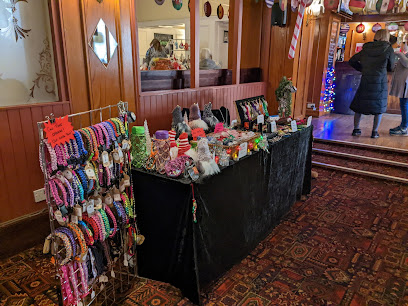
The Lantern
36.0 km
A friendly, dog-welcoming pub in Dumfries offering affordable drinks, live music, and a lively beer garden in a warm, traditional setting.
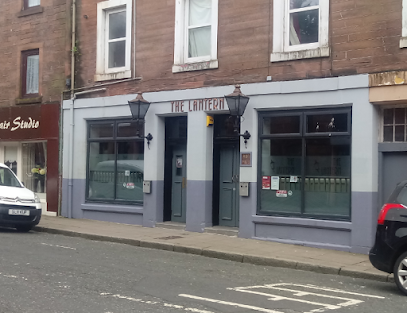
Nightclubs & after hour spots

Railway Social Club
36.5 km
A friendly, community-focused social club in Dumfries offering affordable drinks, lively events, and a welcoming atmosphere near the town centre.

Ramsey crown green bowling club
60.5 km
Discover the local charm and community spirit at Ramsey Crown Green Bowling Club, where traditional bowling meets stunning landscapes.
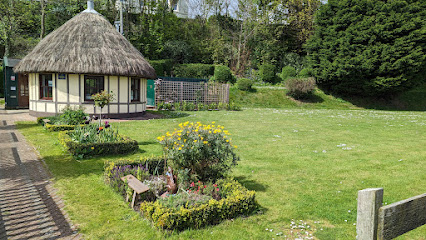
Manx Sailing & Cruising Club
60.6 km
Discover the vibrant maritime culture at the Manx Sailing & Cruising Club, a hub for sailing enthusiasts along Ramsey's scenic coastline.

R.A.O.B Club
60.8 km
Discover the R.A.O.B Club in Ramsey, a vibrant social hub where locals and tourists unite for friendship and fun on the Isle of Man.
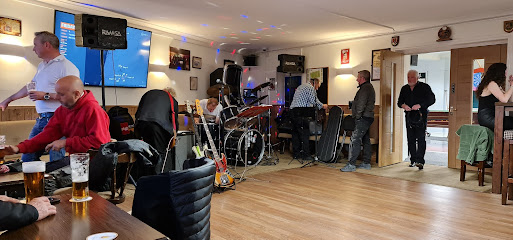
The Swan
60.9 km
Discover The Swan in Ramsey, where tradition meets taste in a cozy pub atmosphere perfect for relaxation and socializing.
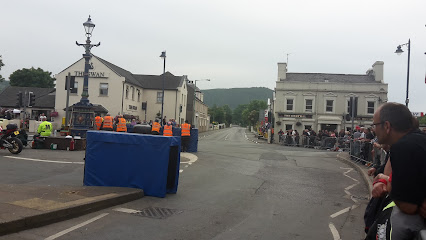
South Ramsey Bowling Club
61.2 km
Discover the charm of bowling at South Ramsey Bowling Club, a local favorite nestled in the scenic beauty of Ramsey, Isle of Man.
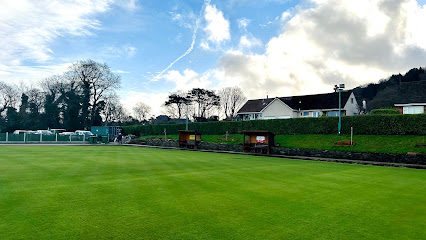
Black Box Music Institute
65.3 km
An intimate old-style nightclub and cultural hub in Carlisle offering live music, festivals, and art exhibitions in a vibrant setting.
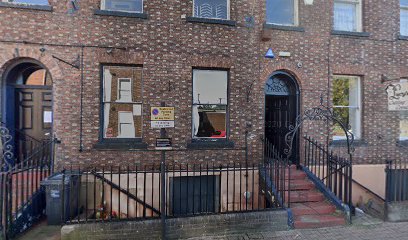
Carlisle R A O B Club
65.4 km
Historic social club in Carlisle offering lively events and a welcoming atmosphere rooted in the Royal Antediluvian Order of Buffaloes tradition.

Club Britannia
65.6 km
A vibrant social club in Carlisle offering live music, friendly vibes, and affordable drinks in a smart, welcoming setting.
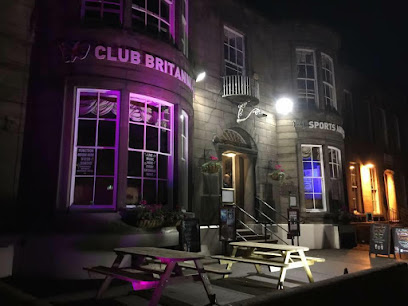
Deja Vu 60's 70's 80's Bar
65.7 km
Discover the vibrant spirit of the 60's, 70's, and 80's at Deja Vu Bar in Carlisle, where classic music and a lively atmosphere await.
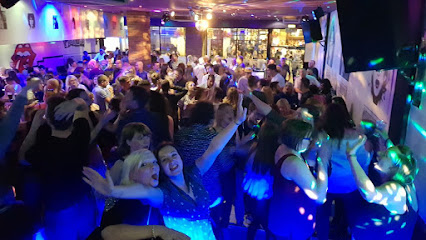
Secret Carlisle
65.7 km
Experience energetic nights and vibrant music at Secret Carlisle, the city centre nightclub where Carlisle’s historic charm meets modern nightlife.

The Raven
67.2 km
Discover the charm of The Raven pub in Ballaugh, Isle of Man - a perfect blend of local flavors, friendly atmosphere, and vibrant entertainment.
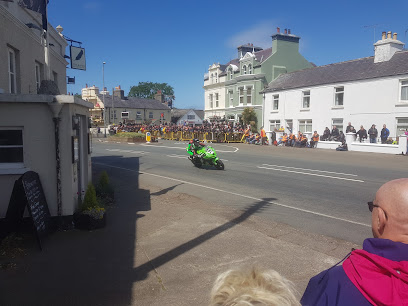
Snaefell Summit Restaurant & Café
69.1 km
Experience breathtaking views and local flavors at Snaefell Summit Restaurant & Café, a culinary gem on the Isle of Man.
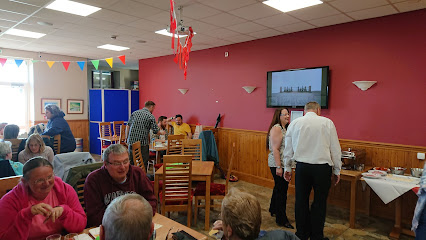
The Meeting Place
69.8 km
Experience the vibrant nightlife at The Meeting Place, Stranraer's premier cocktail bar offering innovative drinks and a welcoming atmosphere.

Stranraer F C Fitba Bar
69.9 km
Experience the local charm and vibrant atmosphere at Stranraer F C Fitba Bar, the heart of community spirit and sportsmanship in Stranraer.

For the vibe & atmosphere seeker
- Tranquil
- Scenic
- Unique
- Relaxing
For the design and aesthetic lover
- Rustic Designs
- Vintage Styles
For the architecture buff
- Historic
- Landmarks
- Sacred Sites
For the view chaser and sunset hunter
- Iconic Views
- Panoramas
For the social media creator & influencer
- Instagrammable
- Photo Spots
- Aesthetic Corners
For the eco-conscious traveler
- Protected Area
- Public-Transport Accessible
- Leave-No-Trace Critical
- Locally Managed
For the kind of experience you’re after
- Cultural Heritage
- Myth & Legends
- Photowalk
- Day Trip
- Nature Escape
For how adventurous you want the journey to be
- Easy Access
Location Audience
- Family Friendly
- Senior Friendly
- Child Friendly
- Teen Friendly
- Solo Friendly
- Couple Friendly


