

Orchardton Tower: Scotland’s Unique Cylindrical Fortress
Discover Scotland’s only free-standing circular tower house, a rare medieval fortress steeped in history and legend near Castle Douglas.
Orchardton Tower, located near Castle Douglas in Dumfries and Galloway, is Scotland’s only free-standing circular tower house, built in the mid-15th century by John Cairns. This four-storey medieval tower, notable for its thick stone walls and distinctive round shape, stands as a rare architectural survivor from a turbulent era marked by clan feuds and border warfare. Though roofless and partially ruined, it offers a fascinating glimpse into Scotland’s feudal past and the Cairns family legacy.
A brief summary to Orchardton Tower
- Castle Douglas, DG7 1QH, GB
- Visit website
- Duration: 0.5 to 2 hours
- Free
-
 Outdoor
- Mobile reception: 3 out of 5
Local tips
- Visit during daylight hours to fully appreciate the tower’s architectural details and surrounding landscape.
- Wear sturdy footwear as the terrain around the tower is uneven and the tower itself is roofless and partially ruined.
- Bring a camera to capture the tower’s unique cylindrical silhouette and the scenic rural setting.
- Explore the remains of the courtyard buildings nearby to understand the full scale of the original estate.

For the on-the-go comforts that matter to you
- Information Boards
- Seating Areas
- Trash Bins
Getting There
-
Car
Driving from Castle Douglas takes approximately 15–20 minutes via local roads. Parking is limited near the tower, so plan to park responsibly on nearby roadside areas. The access road is narrow and rural, so cautious driving is advised.
-
Bus and Walk
Take a regional bus from Castle Douglas towards Dalbeattie, then walk approximately 2.5 km on rural paths to reach Orchardton Tower. The walk involves uneven terrain and is not suitable for wheelchairs or strollers.
-
Taxi
Local taxi services from Castle Douglas can reach Orchardton Tower in about 15 minutes. This option is convenient but may be costly due to the rural location, with fares typically ranging from £15 to £25.
Orchardton Tower location weather suitability
-
 Any Weather
-
 Rain / Wet Weather
-
 Clear Skies
-
 Mild Temperatures
-
 Windy Conditions
Discover more about Orchardton Tower
A Singular Architectural Legacy in Scotland
Orchardton Tower is the only free-standing round tower house in mainland Scotland, a unique architectural form that had largely fallen out of fashion by the 15th century. Built around 1455–1456 by John Cairns, the tower rises approximately 10 to 11 meters high with walls nearly 1.8 meters thick, forming a robust cylindrical structure. Its circular design, reminiscent of earlier 13th-century fortifications and with parallels in southwest Ireland, was likely intended as a statement of power and prestige as much as a defensive measure. The tower’s roof is long gone, exposing its vaulted basement, main hall, and upper chambers to the elements, yet its enduring stone walls continue to tell the story of a bygone era.The Cairns Family and Their Historical Context
The Cairns family had deep ties to the region and royal service, acting as gentleman-servants to the Stewart dynasty and the Earls of Douglas. John Cairns, a military engineer and customs officer, was granted the lands of Irisbuitle (modern Orchardton) as a reward for supporting King James II against the powerful Black Douglases during the mid-15th century. This allegiance shifted the family’s fortunes, allowing them to build the tower as a fortified residence amid the border conflicts and clan rivalries of the time. The estate later passed through marriage and sale to the Maxwells, who expanded their influence in the region and eventually replaced the tower with a more comfortable manor house in the 18th century.Design and Defensive Features
Orchardton Tower’s design reflects the turbulent environment of the Scottish Borders during the late medieval period. Its thick rubble-built walls, narrow arrow slits, and elevated first-floor entrance accessed by a removable stair were practical defenses against cattle raids and violent feuds. Inside, the tower contained a vaulted cellar accessible only from outside, a large hall with a fireplace and carved stone features like a trefoil-headed piscina and stone lamp holder, and private chambers above. The parapet walk and a small gabled caphouse crowned the structure, providing vantage points for surveillance and protection.The Tower’s Surroundings and Later History
The tower was originally part of a fortified courtyard or barmkin, which housed livestock, cellars, a bakehouse, and a great hall where the laird conducted estate business and hosted gatherings. Remnants of these outbuildings survive, offering insight into the broader estate layout. By the 1700s, Orchardton Tower was abandoned in favor of Orchardton House, a nearby manor built by the Maxwells using stones from the original castle. The tower fell into ruin but was taken into state care in the early 20th century, preserving it as an important historic monument.Legend and Cultural Impact
The tower’s history intertwines with local legends and notable figures, including Sir Robert Maxwell, who was wounded at Culloden and later inspired Sir Walter Scott’s novel "Guy Mannering." The unusual circular form has sparked various theories about its origins, from being a Danish rath to a Pictish relic, adding to its mystique. Today, Orchardton Tower stands as a rare and evocative symbol of Scotland’s medieval heritage, attracting historians and visitors intrigued by its distinctive silhouette and storied past.Preservation and Visitor Experience
Managed by Historic Environment Scotland as a Scheduled Ancient Monument, Orchardton Tower is accessible to visitors interested in medieval architecture and Scottish history. While the tower is roofless and partially ruined, the site’s atmosphere and surrounding rural landscape offer a tranquil experience. Interpretive information helps visitors appreciate the tower’s unique construction and historical significance, making it a compelling destination for cultural heritage enthusiasts.Iconic landmarks you can’t miss

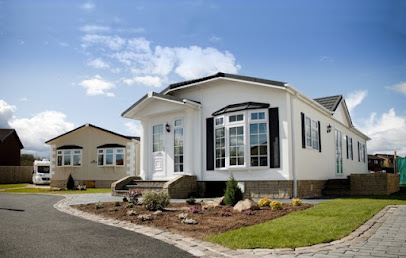
Mossband Residential Park
12.7 km
Tranquil rural living with modern comforts and scenic views near Dumfries in the heart of Scotland’s countryside.
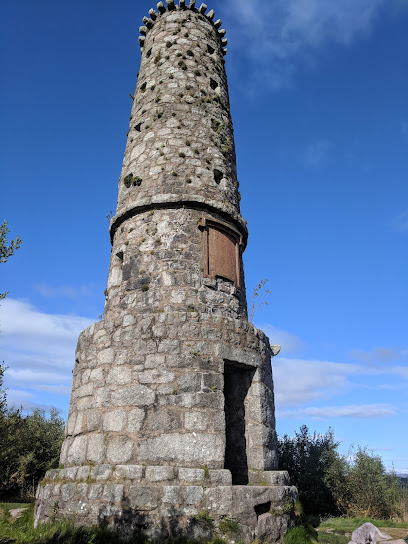
Waterloo Monument
17.1 km
A 150-foot stone tower on Peniel Heugh, built to commemorate the Battle of Waterloo and offering panoramic views across the Scottish Borders and Solway Firth.
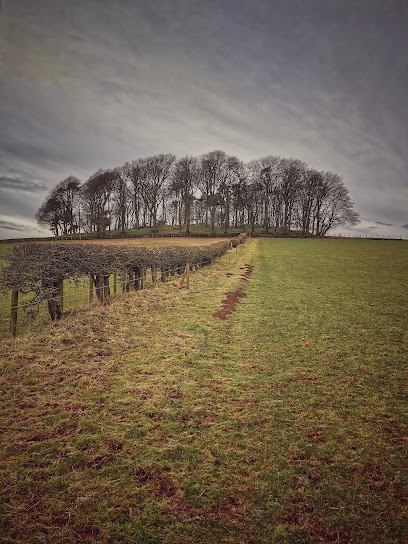
Wardlaw Hillfort
23.7 km
Explore the ancient moated triangular hillfort near Dumfries with panoramic views and rich prehistoric heritage.
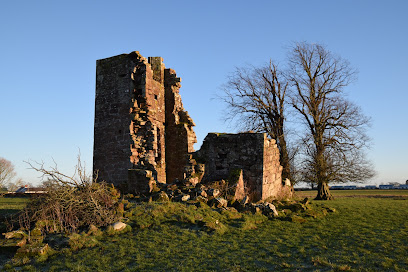
Isle Tower
25.2 km
Explore Isle Tower, a serene 17th-century Scottish tower house ruin guarding historic routes near Dumfries in picturesque Dumfries and Galloway.
Burns Mausoleum
26.0 km
Discover the poignant legacy of Robert Burns at Burns Mausoleum in Dumfries, a serene memorial park dedicated to Scotland's beloved poet.
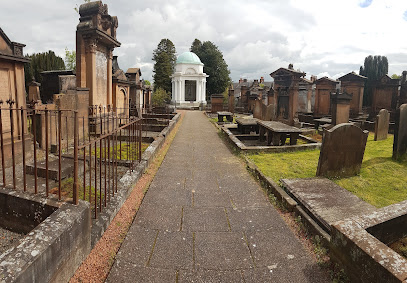
Dumfries Tours
26.0 km
Explore Dumfries with immersive tours that blend history, culture, and stunning landscapes for an unforgettable experience.
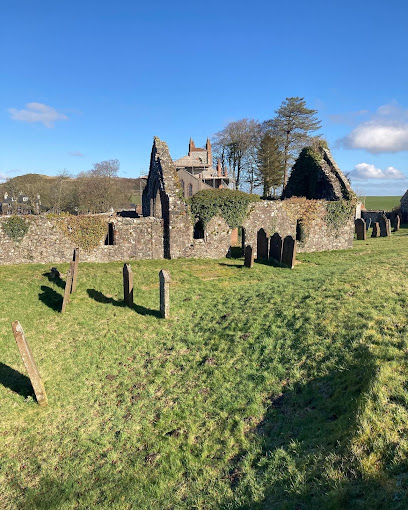
Dumfries Fountain
26.0 km
A rare Victorian cast iron fountain on Dumfries High Street, symbolizing clean water’s arrival and community heritage since 1882.
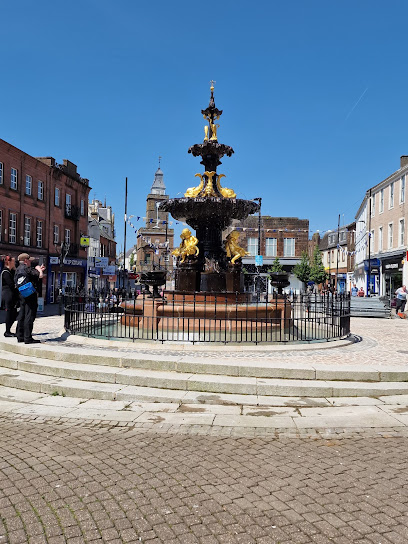
Dumfries Historic Buildings Trust
26.1 km
Discover the architectural heritage of Dumfries at the Dumfries Historic Buildings Trust, where history is preserved for future generations.
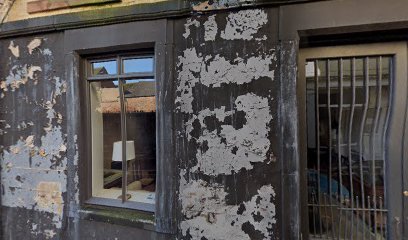
Queensberry Monument
26.1 km
An elegant 18th-century stone column in Dumfries honoring the 3rd Duke of Queensberry and the town’s noble heritage.
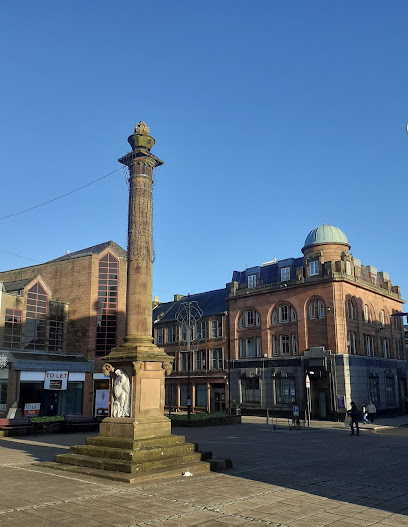
Robert Burns Statue
26.1 km
A magnificent Italian marble statue honoring Robert Burns, Scotland’s national poet, standing proudly at the heart of Dumfries’ historic town centre.
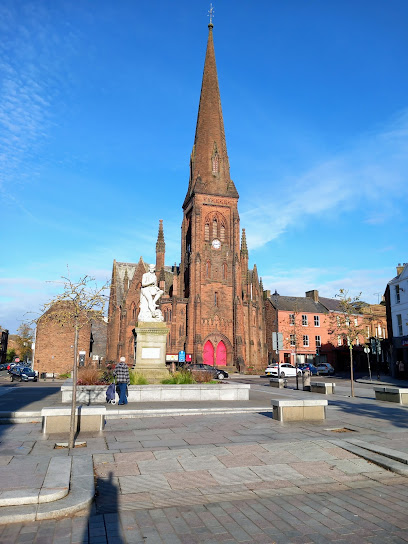
Dumfries
26.6 km
Historic and accessible Dumfries Railway Station connects Scotland’s southwest with modern amenities and rich heritage.
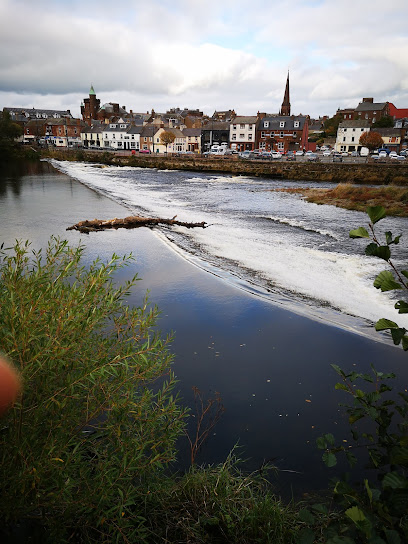
Fourmerkland Tower
27.2 km
Discover the tranquil charm and rich history of Fourmerkland Tower, a secluded 16th-century Scottish tower house near Dumfries.
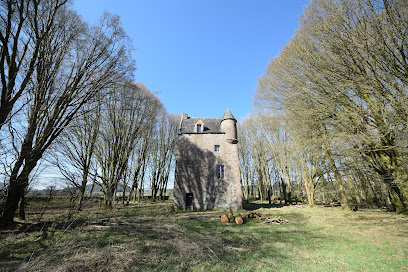
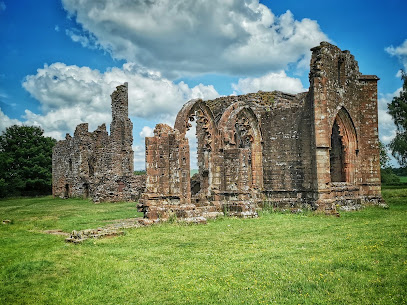
Lincluden Collegiate Church
27.2 km
Gothic masterpiece and royal tomb where medieval Scotland's faith and nobility converge
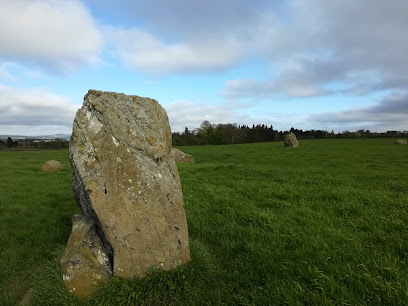
Twelve Apostles stone circle
27.5 km
Explore the ancient mystery of the Twelve Apostles Stone Circle in Dumfries, a historical landmark steeped in Scottish heritage and natural beauty.
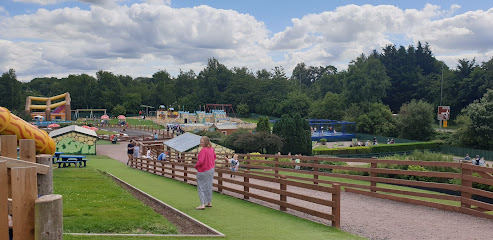
Dalscone Farm Fun
28.3 km
Discover family fun and adventure at Dalscone Farm Fun in Dumfries, where farm animals and exciting play areas create unforgettable memories.
Unmissable attractions to see

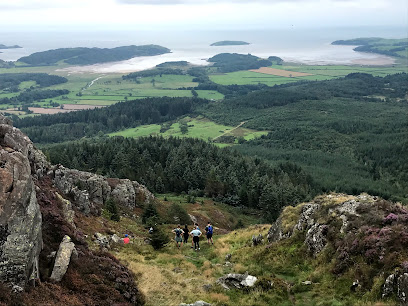
Screel Hill
1.7 km
Explore the rugged beauty and panoramic vistas of Screel Hill, a scenic hiking gem near Castle Douglas in southern Scotland.
Mote of Mark
3.0 km
Explore the ancient hillfort of Mote of Mark, a window into the lost kingdom of Rheged with stunning views over the Urr estuary.
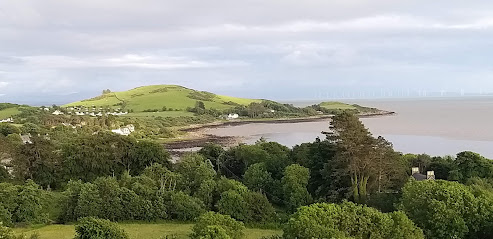
Horse Isles Bay
3.3 km
Discover the tranquil beauty and scenic coastal views of Horse Isles Bay, a peaceful retreat in Dumfries and Galloway’s natural landscape.

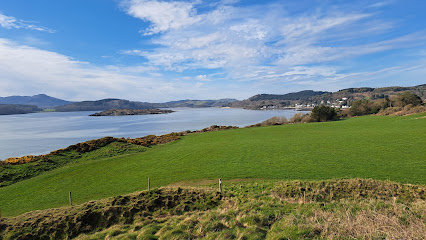
Rockcliffe Beach
3.3 km
Discover the serene beauty and tidal wonders of Rockcliffe Beach, a peaceful coastal village with scenic walks and a protected bird sanctuary.
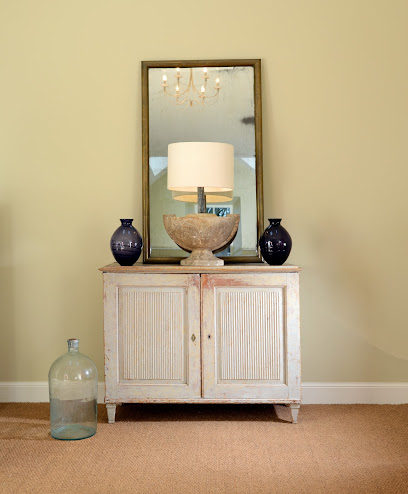
Leslie & Baggott
4.8 km
Discover timeless antiques and fine art in the historic Keepers House, Auchencairn, where heritage meets curated elegance.
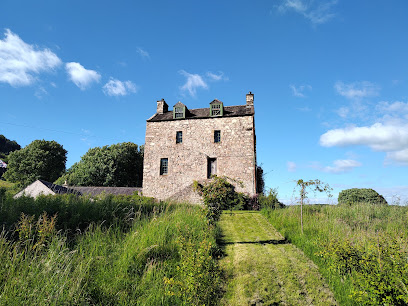
Buittle Castle
6.5 km
Explore Buittle Castle, a 12th-century Scottish fortress rich in royal history, medieval architecture, and serene gardens nestled by the Urr Water.
Threave House
8.3 km
Explore the majestic Scottish Baronial Threave House and its stunning gardens, a blend of heritage, horticulture, and natural beauty near Castle Douglas.
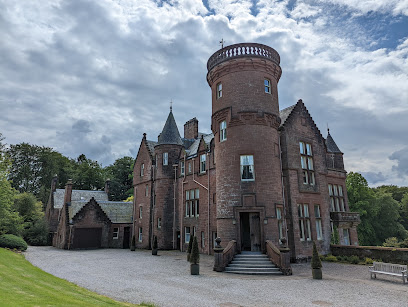
Threave Garden
8.5 km
Explore Threave Garden’s exquisite themed landscapes, rich heritage, and vibrant wildlife reserve nestled in scenic Dumfries & Galloway.
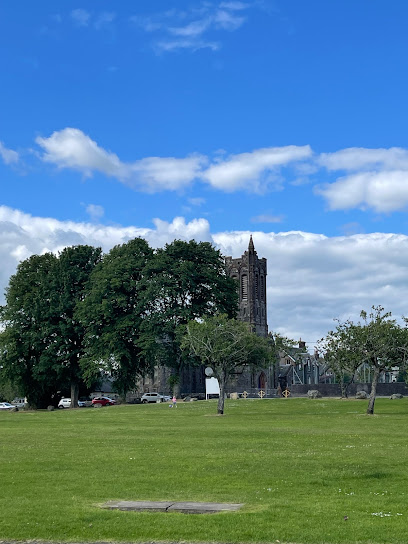
Motte Of Urr
9.6 km
Discover the historic Motte of Urr in Dumfries and Galloway, a captivating landmark steeped in history and natural beauty.
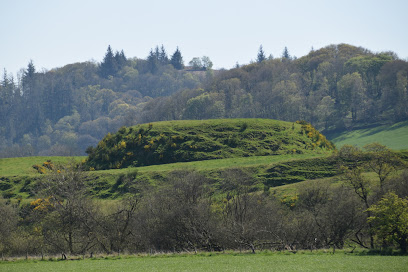
Rerrick Church, Dundrennan
10.0 km
Historic medieval church ruins set in a tranquil burial ground amidst the scenic coastal landscape of Dundrennan, Dumfries and Galloway.
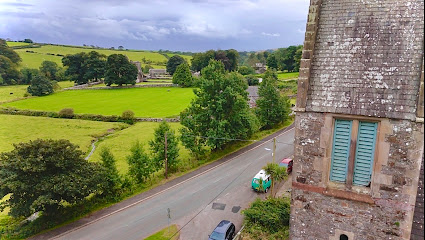
Historic Scotland
10.0 km
Explore the enchanting landscapes and historic treasures of Historic Scotland, where every corner reveals stories of Scotland's rich heritage and culture.
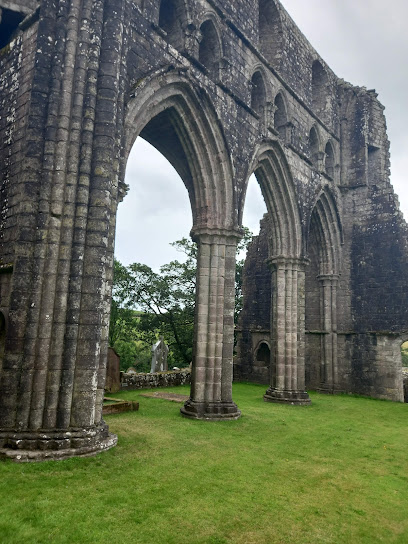
Dundrennan Abbey
10.2 km
Explore the serene ruins of a 12th-century Cistercian abbey where Mary Queen of Scots found refuge, set in tranquil woods near Kirkcudbright.
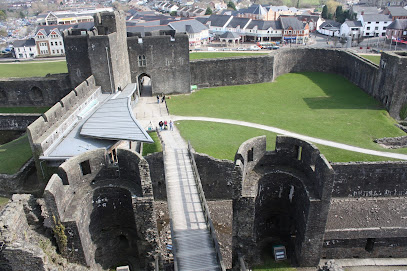
Threave Castle
10.5 km
Explore the dramatic island fortress of Threave Castle, a 14th-century stronghold of the Black Douglases set amidst scenic river and wildlife surroundings.
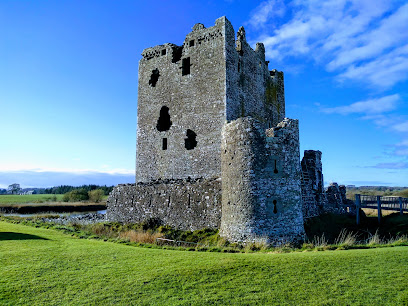
RSPB Mersehead
11.0 km
Explore the rich wetlands and coastal beauty of RSPB Mersehead, a sanctuary for birds, wildlife, and nature lovers on Scotland’s Solway coast.
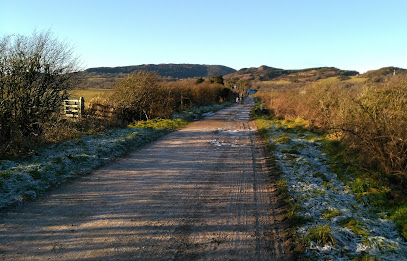
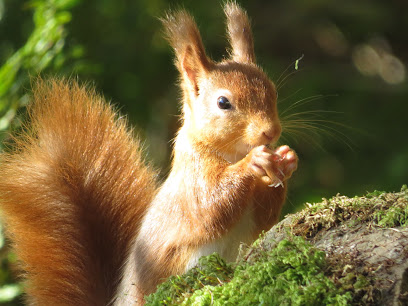
Red Squirrel Hide
13.4 km
Experience the charm of red squirrels up close in the tranquil Barrhill Woods hide with stunning views over Kirkcudbright.
Essential places to dine

The Market Inn Hotel
9.0 km
A welcoming 3-star hotel in Castle Douglas offering cozy rooms, hearty dining, and a lively bar in the heart of Dumfries and Galloway.
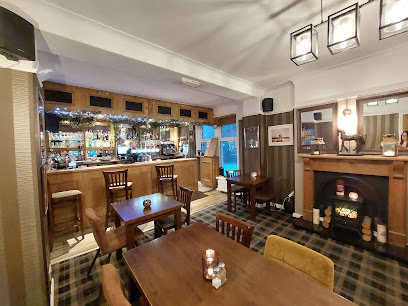
Ernespie Hotel Restaurant and Bar
9.2 km
A charming and cosy country hotel near Castle Douglas, offering warm hospitality, excellent food, and a peaceful rural setting.

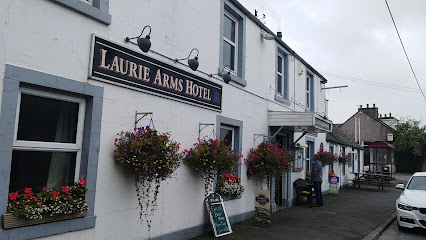
Laurie Arms
11.2 km
A cozy Scottish pub in Haugh of Urr offering hearty meals, real ales, and warm hospitality near Castle Douglas.
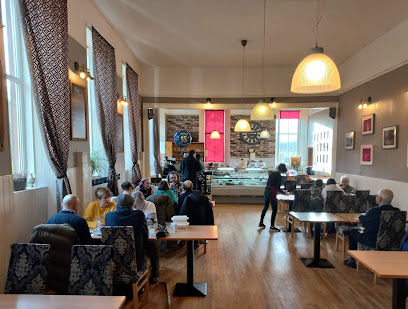
The Old School House
13.1 km
A charming rural restaurant in Ringford offering hearty local fare and warm hospitality near Castle Douglas.
Thai Kitchen
13.2 km
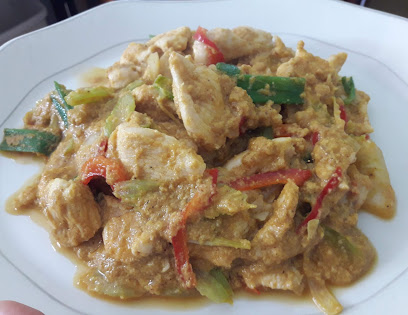
Authentic Thai takeaway in Kirkcudbright serving vibrant flavors and generous portions in a casual, convenient setting.
Rob n Roll Restaurants LTD
13.7 km
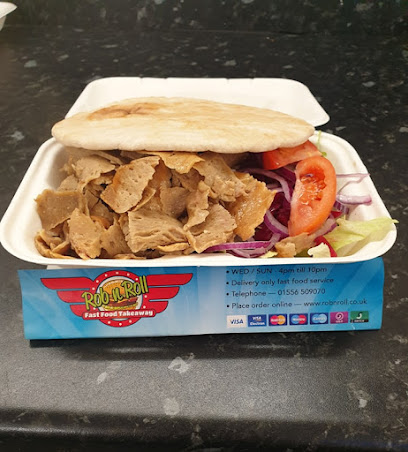
Savor delicious pizzas and fast food delights at Rob n Roll in Kirkcudbright - your perfect pit stop after exploring the scenic beauty.
The Auld Alliance
13.7 km
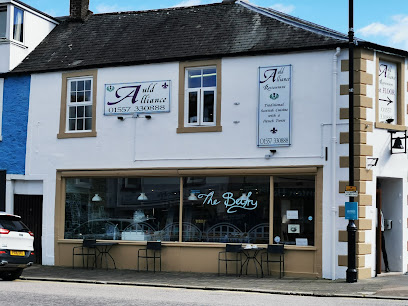
A refined Scottish-French dining experience in Kirkcudbright blending local flavors with continental flair in an intimate setting.
The Tides Inn
13.7 km
Experience the warmth and charm of The Tides Inn Pub in Kirkcudbright—where locals meet visitors over delicious food and drinks.
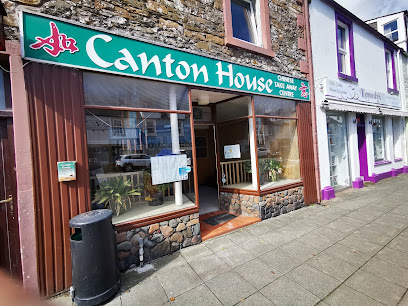
Canton House
13.8 km
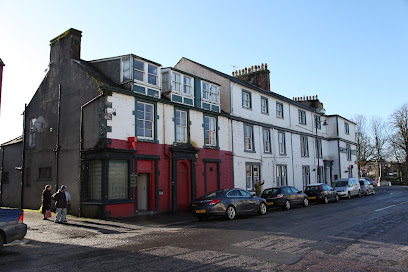
Discover the flavors of China at Canton House, Kirkcudbright's premier takeaway for delicious and authentic Chinese dishes.
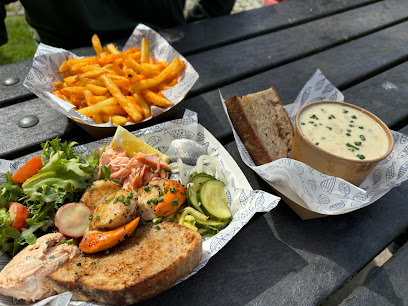
Skipper's Scran Van
13.8 km
Savor fresh, locally sourced Scottish seafood in a casual marina setting at Skipper's Scran Van, Kirkcudbright’s beloved seafood trailer.
The Kirkcudbright Bay Hotel
13.8 km
Historic charm and cozy comfort converge at The Kirkcudbright Bay Hotel, your welcoming base in scenic Kirkcudbright.
Mullberries
13.8 km
Cozy café with homemade delights and friendly service nestled in the charming town of Kirkcudbright.
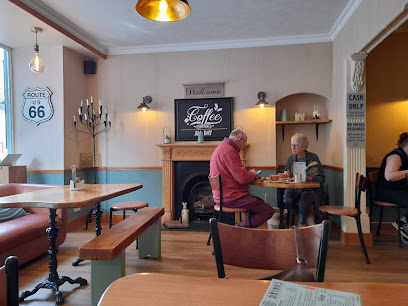
The Steamie
13.8 km
Experience authentic Scottish hospitality at The Steamie Pub in Kirkcudbright - your gateway to local culture and community spirit.
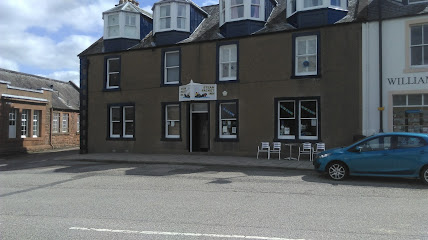
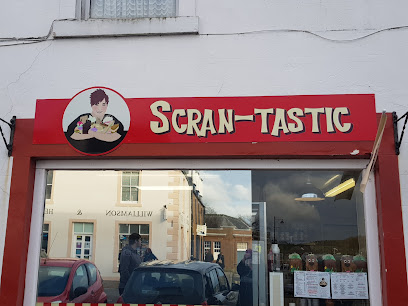
Scran-tastic
13.9 km
A friendly, fast-food sandwich spot in Kirkcudbright serving freshly cooked Scottish classics from early morning to mid-afternoon.
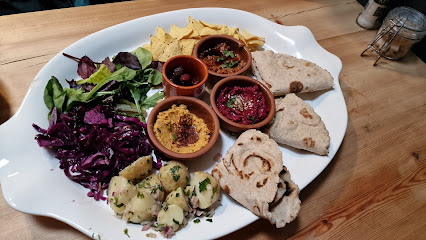
Feast Cafe
13.9 km
Creative vegetarian and vegan cafe in Kirkcudbright offering fresh, wholesome dishes in a cozy, welcoming atmosphere.
Markets, malls and hidden boutiques

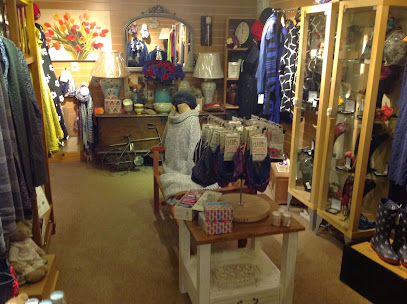
Enigma
8.9 km
Discover Enigma, Castle Douglas’s boutique gift shop blending Scottish style, unique clothing, and garden treasures in a charming setting.
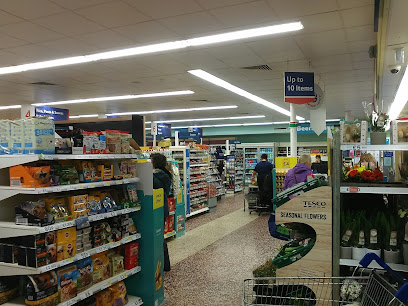
Tesco Superstore
13.7 km
Conveniently located Tesco Superstore in Kirkcudbright offers fresh produce, essential groceries, and accessible facilities for locals and visitors alike.
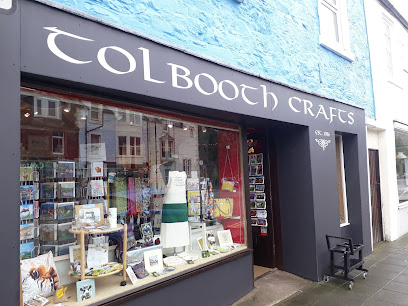
Tolbooth Crafts
13.7 km
Discover unique local crafts in Kirkcudbright’s historic Tolbooth building, a vibrant hub celebrating Scotland’s Artists’ Town heritage.
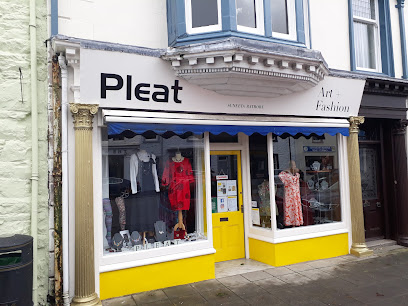
Pleat Art + Fashion
13.7 km
Discover curated women's fashion, vintage jewellery, and local art in the heart of Kirkcudbright’s vibrant artists' community.
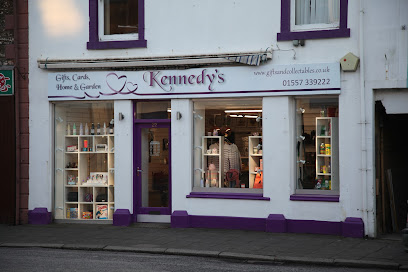
Kennedy's
13.8 km
Discover unique gifts and local crafts at Kennedy's, Kirkcudbright’s welcoming gift shop with a rich selection and friendly service.
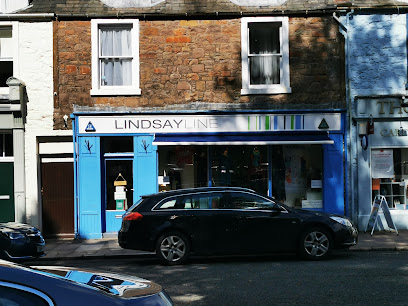
Lindsay Line
13.8 km
Independent ladies’ casual wear boutique in Kirkcudbright, blending style, comfort, and community for nearly 30 years.
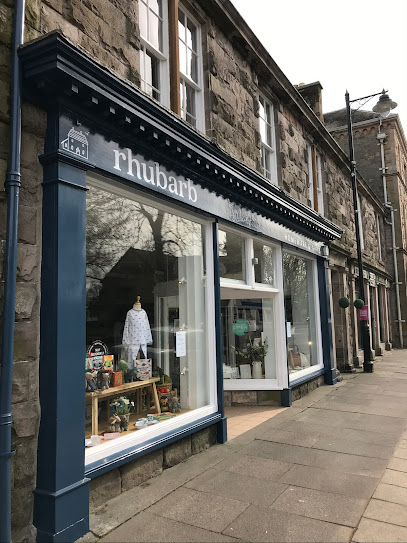
Rhubarb
13.8 km
Discover stylish modern country interiors and unique gifts at Rhubarb, Kirkcudbright’s boutique homeware shop blending rustic charm with contemporary design.
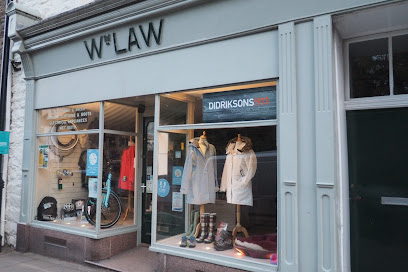
W M Law
13.8 km
W M Law: Your trusted clothing and outdoor gear shop in the heart of Kirkcudbright’s historic and artistic town centre.
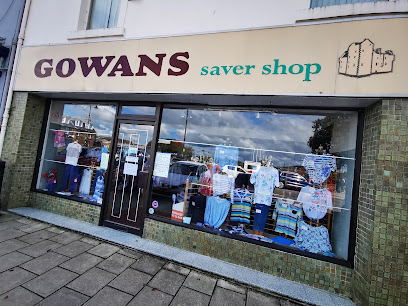
Gowans James
13.9 km
Explore Gowans James in Kirkcudbright for unique clothing that embodies local charm and style, perfect for tourists seeking a fashionable souvenir.
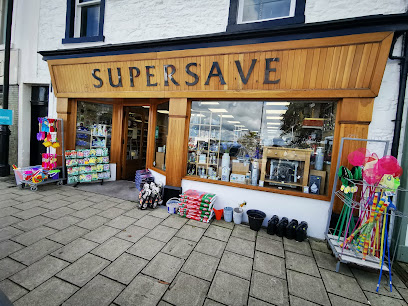
Supersave
13.9 km
Discover unbeatable bargains and local charm at Supersave, Kirkcudbright’s friendly discount shop with great deals every day.
Co-op Food - Kirkcudbright
14.0 km
Your friendly local Co-op Food in Kirkcudbright, open daily for fresh groceries, local treats, and everyday essentials.
Southerness Gift shop
15.8 km
Discover unique local crafts and authentic Scottish souvenirs in the charming Southerness Gift Shop, a must-visit in Dumfries and Galloway.
Vintage On The Nith
22.4 km
Discover timeless vintage treasures and mid-century antiques in the scenic riverside village of Glencaple, Dumfries.
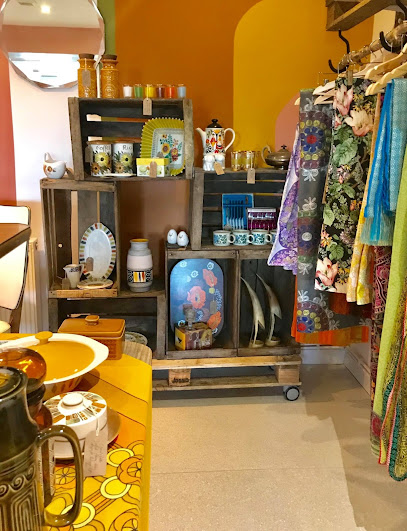
Timeless Galloway Crafts
24.7 km
Discover authentic Scottish crafts and local artistry at Timeless Galloway Crafts, a Dumfries gem celebrating heritage and creativity.
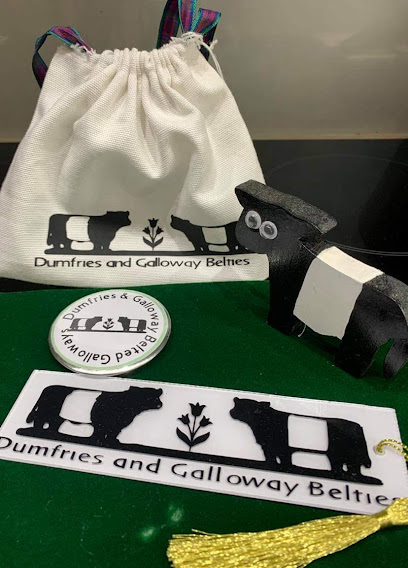
Handmade at Helen's
24.9 km
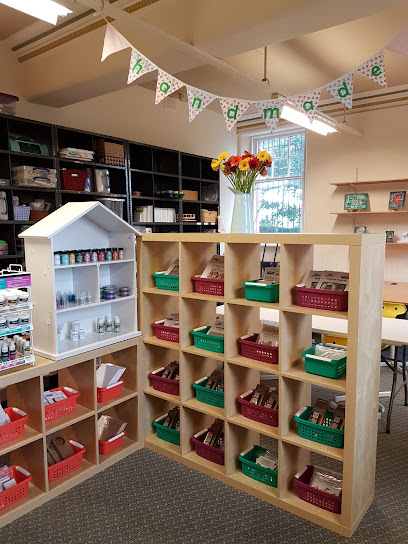
Discover unique handmade crafts and local artistry at Handmade at Helen's, Dumfries’ charming Saturday-only craft shop in The Crichton.
Essential bars & hidden hideouts

Montys Bar
8.9 km
A lively sports bar in Castle Douglas offering great drinks, casual dining, and a welcoming atmosphere with indoor and outdoor spaces.
The 19th Hole
15.8 km
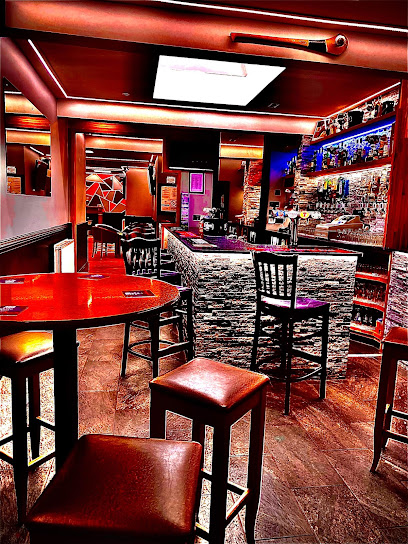
A lively, dog-friendly pub in Southerness offering unique pool tables, live sports, and a welcoming atmosphere for golfers and locals alike.
Paul Jones Hotel
15.9 km
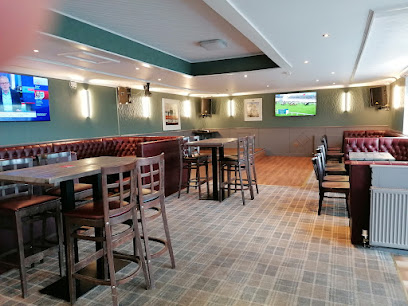
A cozy, dog-friendly coastal pub in Southerness serving hearty meals and welcoming locals and visitors alike with warmth and charm.
The Normandy
25.4 km
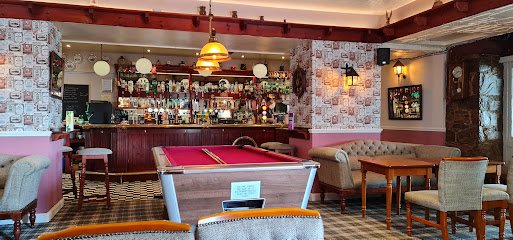
A welcoming and relaxed pub in Dumfries known for friendly service and a cozy atmosphere.
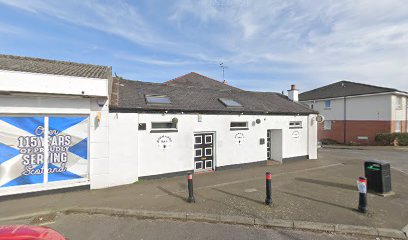
Troqueer Arms
25.5 km
A welcoming traditional pub in Dumfries offering great drinks, live music, and authentic Scottish charm at an affordable price.
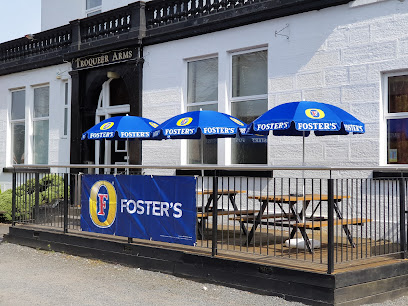
Devorgilla Lounge Bar
25.7 km
A cozy, dog-friendly lounge bar in Dumfries offering friendly service, relaxed vibes, and affordable drinks in the heart of Market Square.
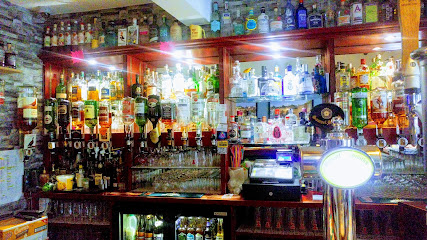
The Riverside Bar
25.8 km
A friendly riverside pub in Dumfries offering diverse craft beers, scenic views, and a relaxed atmosphere beside Dock Park.
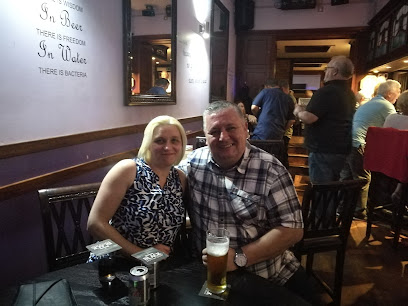
Salutation Inn
25.8 km
A friendly, historic pub in Dumfries Market Square known for excellent pints and a welcoming atmosphere.
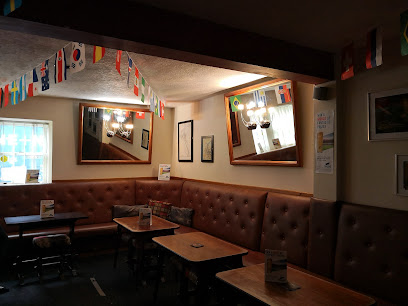
Greens Sports Bar
25.8 km
Lively sports bar in Dumfries with big screens, great drinks, pool tables, and a welcoming community vibe for fans and locals alike.
The Lantern
25.9 km
A friendly, dog-welcoming pub in Dumfries offering affordable drinks, live music, and a lively beer garden in a warm, traditional setting.
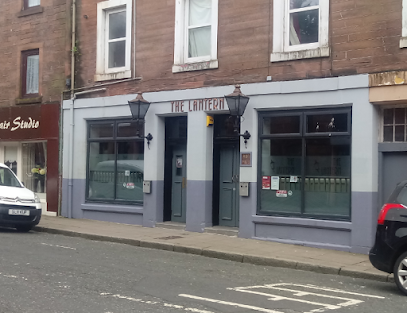
Coach & Horses Inn
25.9 km
Historic 1801 pub in Dumfries offering authentic Scottish charm, quality cask ales, and lively live music in a welcoming atmosphere.
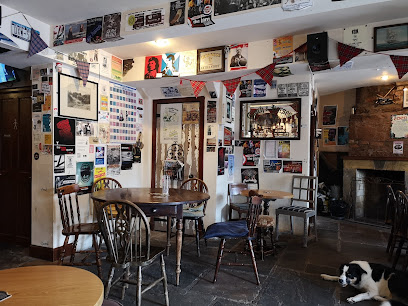
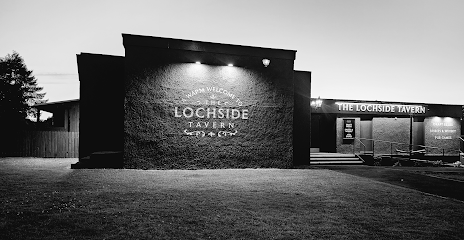
The Lochside Tavern
26.0 km
A cozy riverside pub in Dumfries offering local ales, hearty Scottish fare, and stunning loch views for an authentic experience.
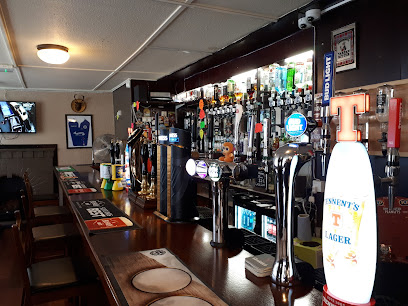
The Stag Bar
26.0 km
A cozy, friendly pub in Dumfries’ town centre offering craft ales and a welcoming atmosphere near the historic Midsteeple.
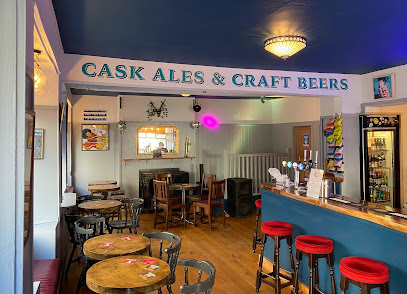
The Dougie Arms
26.0 km
A cosy, welcoming pub in Dumfries known for its diverse ales, friendly atmosphere, and inclusive community spirit.
The Queensberry
26.1 km
A bright, comfortable bar and hotel in central Dumfries offering relaxed Scottish hospitality and cozy accommodation.
Nightclubs & after hour spots

Railway Social Club
26.3 km
A friendly, community-focused social club in Dumfries offering affordable drinks, lively events, and a welcoming atmosphere near the town centre.
Black Box Music Institute
58.0 km
An intimate old-style nightclub and cultural hub in Carlisle offering live music, festivals, and art exhibitions in a vibrant setting.
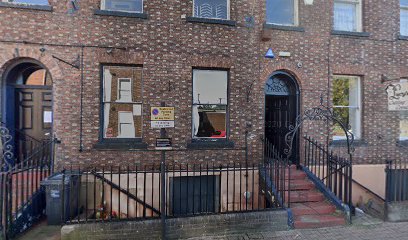
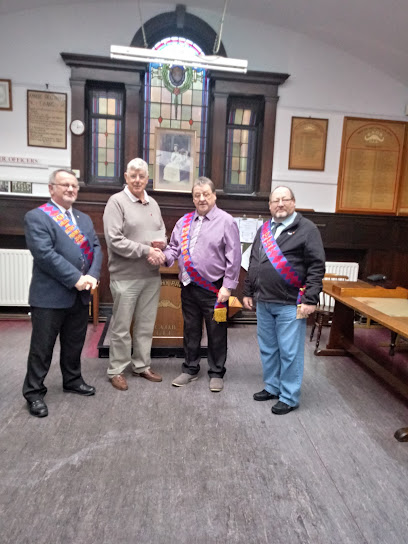
Carlisle R A O B Club
58.1 km
Historic social club in Carlisle offering lively events and a welcoming atmosphere rooted in the Royal Antediluvian Order of Buffaloes tradition.
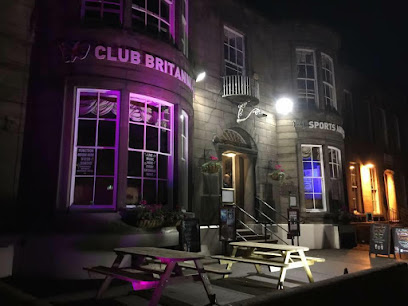
Club Britannia
58.3 km
A vibrant social club in Carlisle offering live music, friendly vibes, and affordable drinks in a smart, welcoming setting.
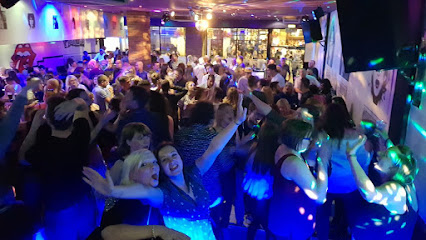
Deja Vu 60's 70's 80's Bar
58.5 km
Discover the vibrant spirit of the 60's, 70's, and 80's at Deja Vu Bar in Carlisle, where classic music and a lively atmosphere await.
Secret Carlisle
58.5 km
Experience energetic nights and vibrant music at Secret Carlisle, the city centre nightclub where Carlisle’s historic charm meets modern nightlife.

Ramblers Bar and the Candleroom
68.3 km
Discover the charm of Ramblers Bar and the Candleroom, a delightful pub and restaurant offering local culinary delights in the heart of Ullswater.
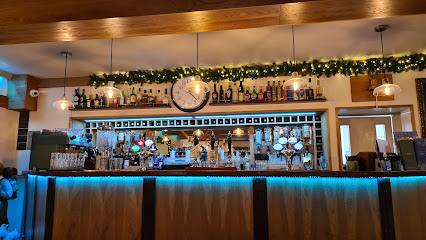
Ramsey crown green bowling club
70.4 km
Discover the local charm and community spirit at Ramsey Crown Green Bowling Club, where traditional bowling meets stunning landscapes.
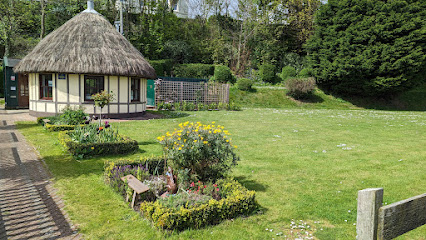
Manx Sailing & Cruising Club
70.5 km
Discover the vibrant maritime culture at the Manx Sailing & Cruising Club, a hub for sailing enthusiasts along Ramsey's scenic coastline.

The Royal George
70.7 km
Discover the charm of The Royal George, a traditional pub in Ramsey offering local ales, hearty meals, and a lively atmosphere perfect for all visitors.
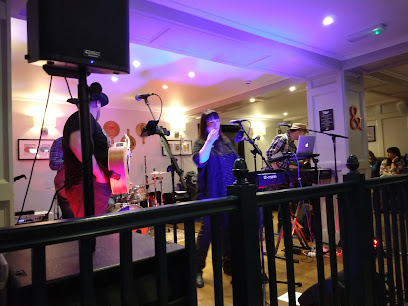
The Trafalgar Free House
70.7 km
Experience the vibrant culture of Ramsey at The Trafalgar Free House, where great drinks and a lively atmosphere await.
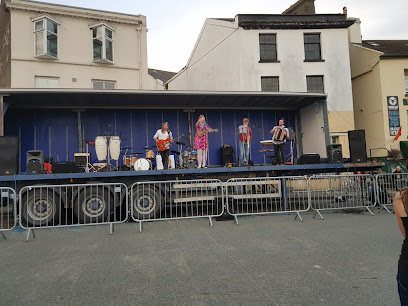
Mitre Hotel
70.7 km
Discover the warm hospitality of Mitre Hotel in Ramsey, where a vibrant atmosphere and a diverse drink selection await you.
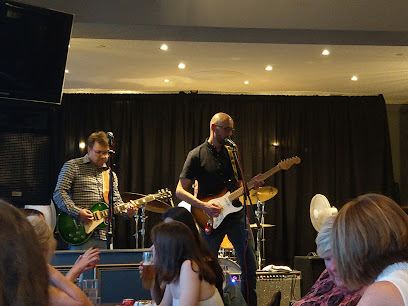
R.A.O.B Club
70.7 km
Discover the R.A.O.B Club in Ramsey, a vibrant social hub where locals and tourists unite for friendship and fun on the Isle of Man.
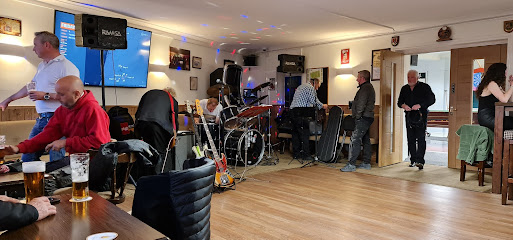
Bar Logo
70.8 km
Discover the perfect blend of drinks and dining at Bar Logo, a vibrant bar and restaurant in the heart of Ramsey, Isle of Man.
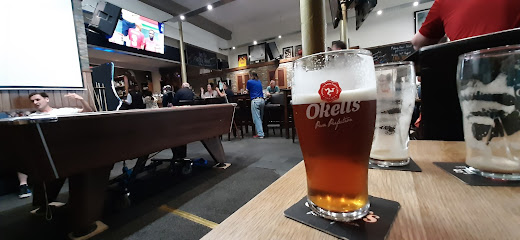
Rum Baba's
70.8 km
Experience the best of culinary arts at Rum Baba's, where exquisite steaks and delightful cocktails meet in a vibrant atmosphere.
For the vibe & atmosphere seeker
- Tranquil
- Scenic
- Historic
- Unique
For the design and aesthetic lover
- Rustic Designs
- Vintage Styles
For the architecture buff
- Historic
- Landmarks
- Heritage Neighborhoods
For the view chaser and sunset hunter
- Iconic Views
- Panoramas
For the social media creator & influencer
- Instagrammable
- Photo Spots
- Architectural Shots
For the eco-conscious traveler
- Protected Area
- Public-Transport Accessible
- Leave-No-Trace Critical
- Locally Managed
For the kind of experience you’re after
- Cultural Heritage
- Photowalk
- Day Trip
- Weekend Getaway
- Myth & Legends
For how adventurous you want the journey to be
- Easy Access
Location Audience
- Family Friendly
- Senior Friendly
- Child Friendly
- Solo Friendly
- Couple Friendly


