
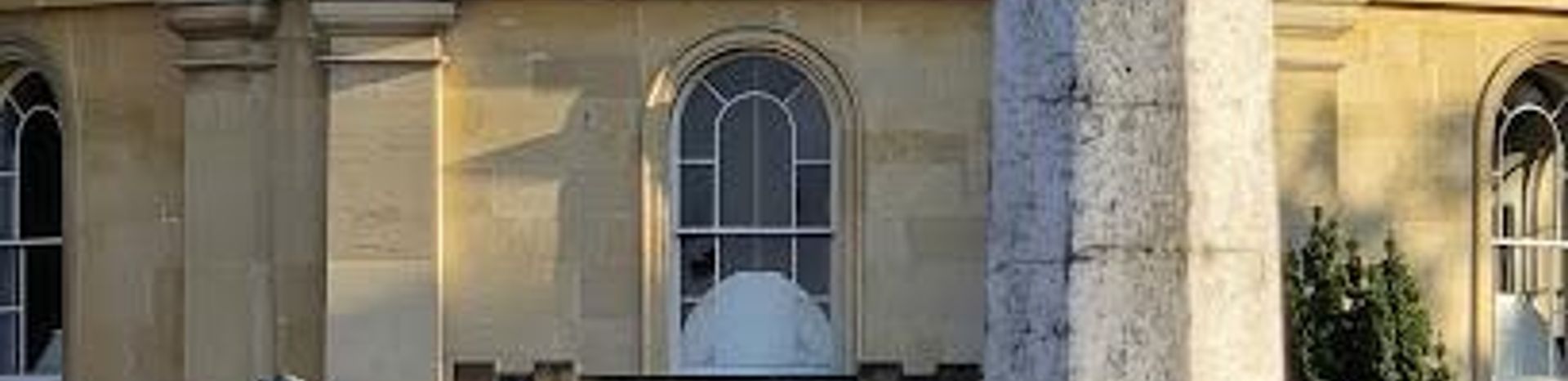
Brompton Cemetery: London's Historic Garden of Remembrance
Discover Brompton Cemetery, London's serene Crown-owned garden cemetery blending Victorian grandeur, historic graves, and peaceful green sanctuary.
Brompton Cemetery, established in 1840 in West London, is a distinguished garden cemetery and the only Crown-owned cemetery in the UK. Spanning 40 acres, it features a classical domed chapel, grand colonnades, and extensive catacombs. Home to over 205,000 resting places and 35,000 monuments, it blends Victorian architecture with tranquil avenues and rich wildlife, offering a serene urban sanctuary steeped in history and notable burials.
A brief summary to Brompton Cemetery
- Fulham Rd., London, SW10 9UG, GB
- Visit website
- Duration: 1 to 3 hours
- Free
-
 Outdoor
- Mobile reception: 4 out of 5
- Monday 7 am-4 pm
- Tuesday 7 am-4 pm
- Wednesday 7 am-4 pm
- Thursday 7 am-4 pm
- Friday 7 am-4 pm
- Saturday 7 am-4 pm
- Sunday 7 am-4 pm
Local tips
- Visit early in the day to enjoy the peaceful atmosphere and avoid crowds, especially on weekends.
- Explore the catacombs during special guided tours to experience the unique underground burial chambers.
- Look out for notable graves such as Emmeline Pankhurst and John Snow to connect with important historical figures.
- Bring a camera for the stunning Victorian architecture and scenic tree-lined avenues.
- Wear comfortable shoes as the cemetery covers 40 acres with extensive walking paths.

For the on-the-go comforts that matter to you
- Restrooms
- Seating Areas
- Information Boards
Getting There
-
Public Transport
Take the London Underground District Line to West Brompton station, located approximately 1.2 km from the cemetery. From there, a 15-minute walk along Fulham Road leads to the entrance. Tube services run frequently, with single fares around £3–£5 depending on the time and ticket type.
-
Bus
Bus routes 74 and 430 stop near Brompton Cemetery on Fulham Road, with a short walk to the entrance. Buses operate frequently during the day, and a single fare costs approximately £1.75 with contactless payment or Oyster card.
-
Taxi or Rideshare
A taxi or rideshare from central London to Brompton Cemetery takes about 15–25 minutes depending on traffic, with fares typically ranging from £10 to £20. Note that parking near the cemetery is limited.
-
Walking
For those staying nearby in Chelsea or Fulham, walking to Brompton Cemetery is pleasant and takes around 20–30 minutes over mostly flat terrain. The cemetery grounds themselves are accessible with paved paths suitable for most visitors.
Brompton Cemetery location weather suitability
-
 Any Weather
-
 Clear Skies
-
 Mild Temperatures
-
 Rain / Wet Weather
Discover more about Brompton Cemetery
Origins and Historical Significance
Founded in 1840 as the West of London and Westminster Cemetery, Brompton Cemetery was created in response to London's rapidly growing population and the overcrowding of inner-city churchyards. It was designed to be a dignified alternative burial ground, reflecting Victorian values around death and remembrance. Uniquely, it became the first and only London cemetery to be Crown property, managed by The Royal Parks. The cemetery was nationalised under the Metropolitan Interments Act of 1850 after financial difficulties, marking its transition from private enterprise to public stewardship.Architectural Grandeur and Layout
Designed by architect Benjamin Baud, Brompton Cemetery features a striking open-air cathedral layout. At its heart stands a modest sandstone domed chapel, surrounded by long symmetrical colonnades inspired by St Peter’s Square in Rome. These colonnades shelter Victorian catacombs beneath, intended as a more affordable burial option, though only a fraction of these spaces were sold. The cemetery’s landscaping, created by J.C. Loudon, transforms the flat former market gardens into a serene, tree-lined sanctuary with a 600-meter central avenue acting as a grand ‘nave’.Memorials and Notable Burials
The cemetery holds over 35,000 monuments ranging from simple headstones to elaborate mausolea. Among the famous interred are Emmeline Pankhurst, leader of the suffragette movement, and Dr John Snow, pioneer of epidemiology who linked cholera to contaminated water. Other notable graves include the mausoleum of Frederick Richards Leyland, designed by Pre-Raphaelite artist Edward Burne-Jones, and the enigmatic pyramid-topped tomb of Hannah Courtoy, adorned with Egyptian hieroglyphs.Military Heritage and War Graves
Between 1854 and 1939, Brompton Cemetery served as the London District Military Cemetery. It contains dedicated plots and monuments for military personnel, including 289 Commonwealth service personnel from World War I and 79 from World War II. The Royal Hospital Chelsea and Brigade of the Guards maintain their own sections, with memorials such as an obelisk honoring fallen soldiers.A Living Urban Sanctuary
Beyond its historical and architectural significance, Brompton Cemetery is a vibrant green space within London. Its avenues of lime trees and wildflowers support diverse wildlife, including birds, bats, butterflies, and beetles. The cemetery offers a peaceful retreat from the city bustle, blending natural beauty with the solemnity of a heritage site. Recent restoration efforts have preserved its original stonework and revealed hidden features, ensuring its continued role as both a working cemetery and a public park.Visiting Experience and Atmosphere
Visitors to Brompton Cemetery encounter a unique blend of tranquility and grandeur. The atmosphere is contemplative yet alive, with pathways inviting leisurely exploration of its monuments and gardens. The architectural details, from the chapel’s dome to the classical colonnades, evoke a sense of reverence and artistry. The catacombs add a mysterious subterranean dimension, accessible during guided tours. This historic site remains a testament to Victorian funerary culture and a cherished urban green space.Iconic landmarks you can’t miss

142 Cromwell Rd
1.2 km
Historic Victorian office building in prestigious South Kensington, steps from world-class museums and transport hubs.

Cheyne Walk
1.3 km
A historic Chelsea riverside street lined with grand Georgian houses and the former homes of artists, writers, musicians, and political figures.
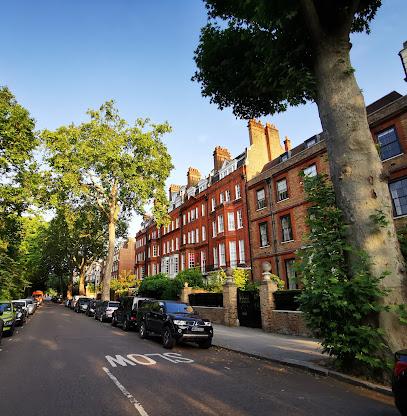
Chelsea Old Town Hall
1.5 km
A stunning late Victorian neoclassical landmark on King's Road, blending rich history with vibrant cultural and civic life in Chelsea.
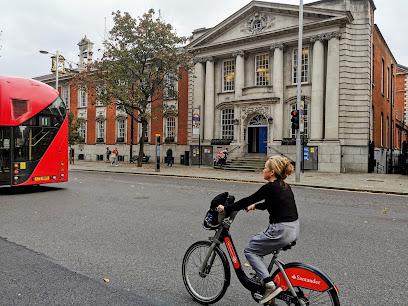
Béla Bartók Memorial
1.5 km
Celebrate the legacy of Béla Bartók, the Hungarian composer and ethnomusicologist, through this evocative bronze memorial in London’s South Kensington.
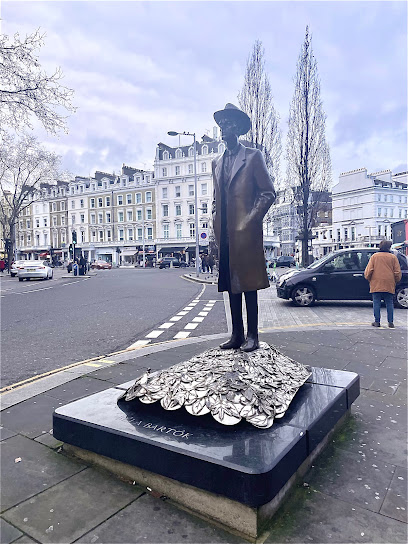
37 Thurloe St
1.6 km
Historic Victorian townhouse in South Kensington's cultural heart, steps from world-class museums and the Underground.
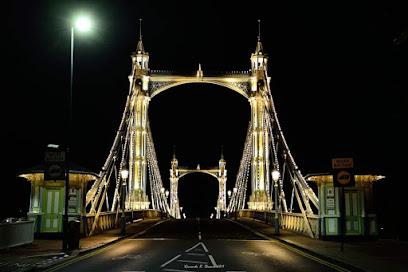
Albert Bridge
1.6 km
A delicate Victorian marvel spanning the Thames, Albert Bridge enchants with its pastel hues and shimmering lights, linking Chelsea and Battersea in timeless elegance.
Queen Victoria Monument
1.7 km
A majestic tribute to Queen Victoria, blending imperial grandeur with rich symbolism in the heart of London’s royal landscape.

Empire House
2.0 km
Historic Edwardian landmark in South Kensington offering luxurious apartments near London’s premier cultural and shopping districts.
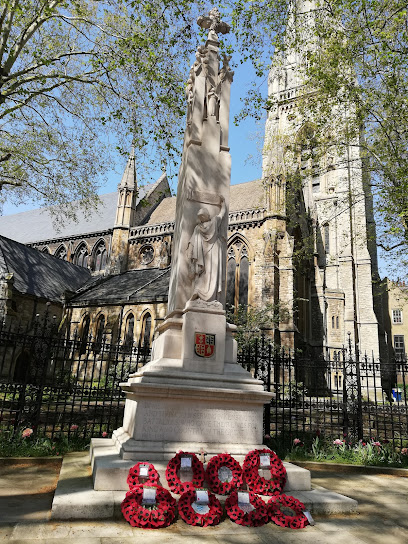
Kensington War Memorial
2.0 km
A solemn gothic cross memorial honoring Kensington’s fallen soldiers, set beside the historic St Mary Abbots Church.
Mr Mathias Winkler
2.1 km
Discover exceptional healthcare at Mr. Mathias Winkler's practice in London’s Charing Cross Hospital, where patient care meets expertise.

Kensington Gardens
2.7 km
Explore Kensington Gardens, a tranquil park in London featuring lush landscapes, historical sites, and vibrant attractions perfect for a peaceful retreat.
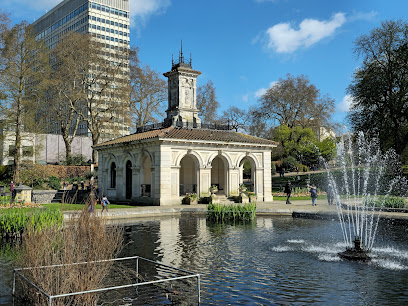
Notting Hill Hillgate Village
2.7 km
Experience the vibrant charm of Notting Hill Hillgate Village, where colorful houses, unique shops, and cultural delights await every traveler.
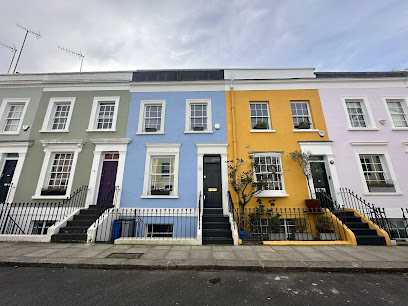
Пам'ятник Володимир Великий / Monument to Saint Volodomyr the Great
2.8 km
Explore the Monument to Saint Volodomyr the Great in London, a striking tribute to history, culture, and architectural beauty.

Hammersmith Bridge
2.8 km
Victorian engineering marvel spanning the Thames with a turbulent history of bombs, closures, and remarkable resilience.

Notting Hill Gate
2.8 km
Explore the vibrant Notting Hill Gate in London, a cultural hotspot known for its colorful houses, bustling markets, and rich heritage.

Unmissable attractions to see

Chelsea FC Museum
0.2 km
Explore the rich heritage of Chelsea Football Club at the iconic Stamford Bridge through trophies, exhibits, and immersive stories.

Cremorne Gardens
0.9 km
A tranquil riverside park in Chelsea preserving the legacy of London’s vibrant Victorian pleasure gardens with stunning Thames views and wildlife art.
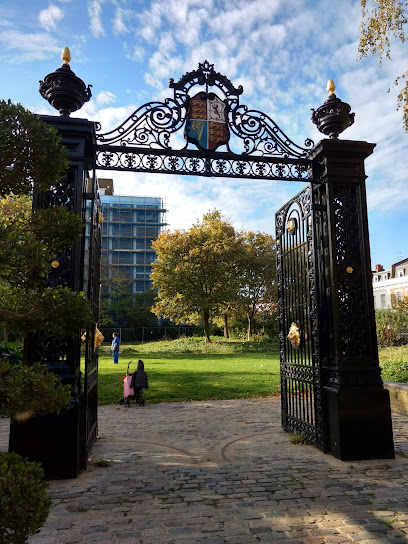
Earl’s Court Police Box
0.9 km
Discover London’s last classic blue police box, a nostalgic landmark blending history, pop culture, and urban policing heritage at Earl’s Court.
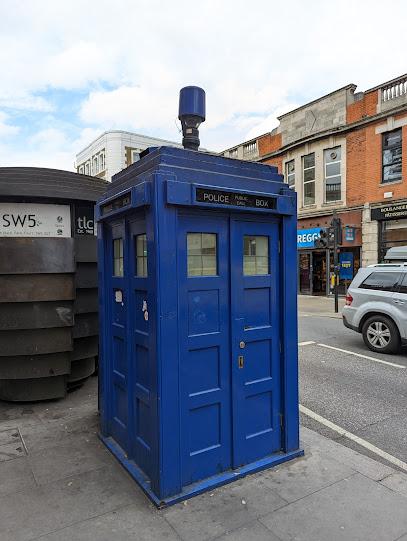
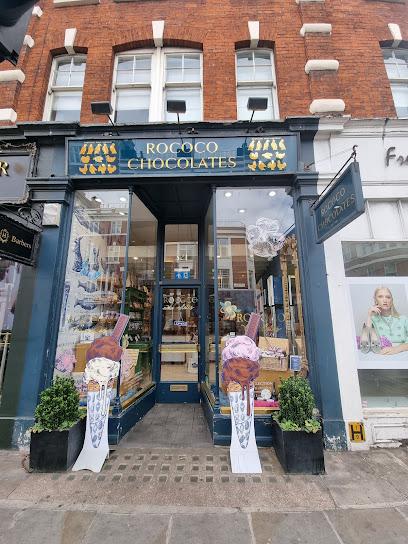
Rococo Chocolates King's Road
1.0 km
Experience handcrafted British chocolates and immersive workshops in a charming King's Road boutique with a hidden secret garden.
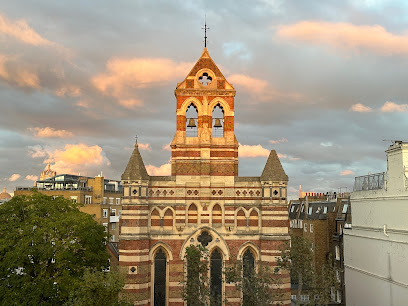
St Augustine's Church
1.3 km
Discover the striking Gothic Revival beauty and rich Anglo-Catholic heritage of St Augustine's Church in South Kensington, a William Butterfield masterpiece.
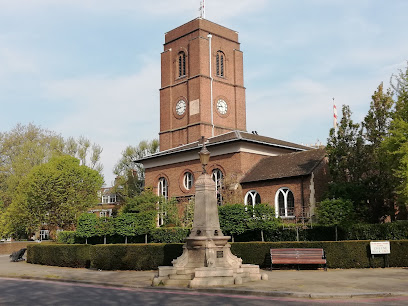
Chelsea Old Church
1.3 km
Historic Tudor church on the Thames with rich royal connections, stunning monuments, and a remarkable post-war restoration.
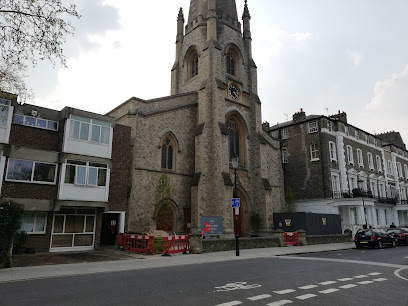
HTB Onslow Square
1.3 km
A vibrant Anglican church blending tradition with contemporary worship in the heart of South Kensington.
Sussex Mansions
1.4 km
Historic mansion block apartments in vibrant South Kensington, blending classic London charm with cultural richness and urban convenience.
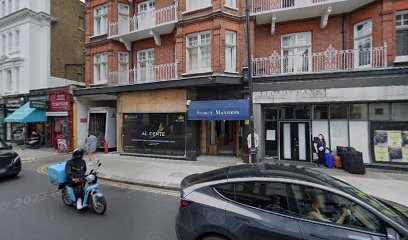
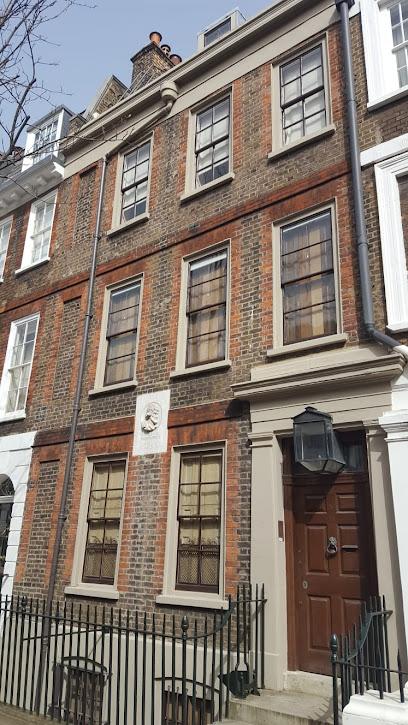
National Trust - Carlyle's House
1.4 km
Step into the preserved Victorian home of Thomas and Jane Carlyle, a literary hub in Chelsea where history and culture come alive.
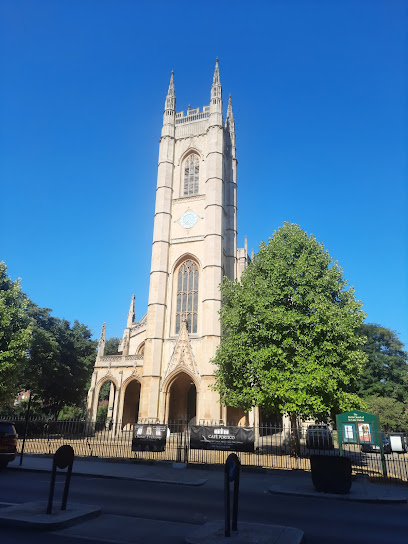
St Luke's & Christ Church
1.5 km
Discover St Luke's & Christ Church, Chelsea — a historic Gothic Revival Anglican parish blending architectural grandeur with vibrant community spirit.
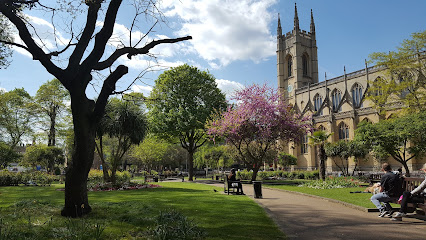
St Luke’s Gardens
1.5 km
A historic and tranquil Chelsea garden blending Neo-Gothic heritage with vibrant green spaces and family-friendly recreation.
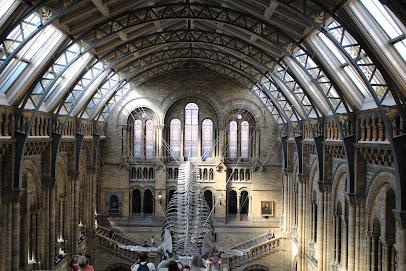
Natural History Museum
1.7 km
Explore 4.5 billion years of Earth’s history through iconic fossils, dazzling exhibits, and tranquil gardens at London’s Natural History Museum.
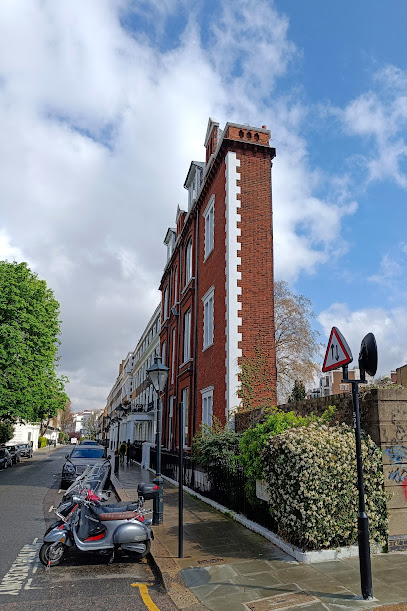
Thin House
1.7 km
Discover London’s iconic Victorian-era Thin House, a wedge-shaped architectural marvel in South Kensington, famed for its extraordinary narrowness and artistic heritage.
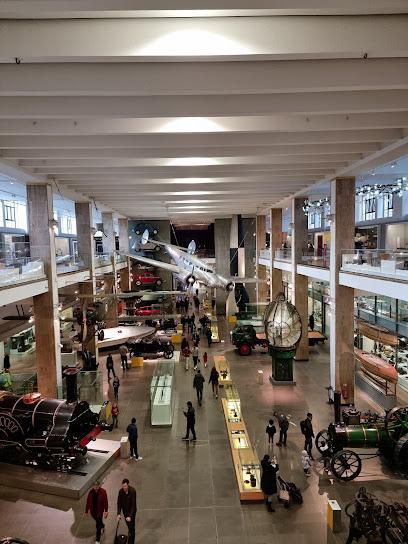
Science Museum
1.7 km
Explore London’s iconic Science Museum with interactive exhibits, live demos, and iconic artifacts celebrating scientific achievement.
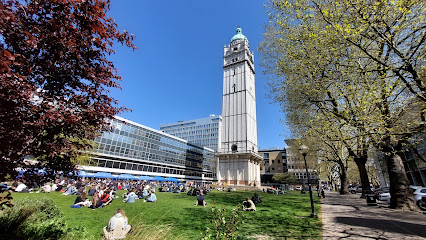
Queen's Tower
1.8 km
Discover the Queen's Tower, a stunning historical landmark in South Kensington, showcasing Victorian architecture and rich cultural heritage.
Essential places to dine

Ollie's House Restaurant (Chelsea)
0.5 km
A vibrant Pan-Asian fusion restaurant in Chelsea serving fresh, bold flavours in a bright, tropical-inspired setting with creative cocktails.
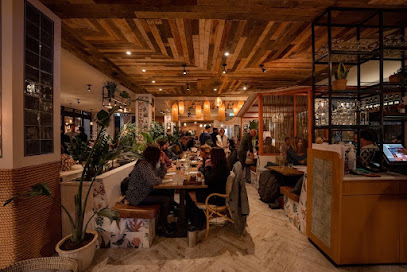
The Jam
1.1 km
Discover Chelsea’s iconic Italian eatery with quirky treehouse seating and authentic cuisine on King’s Road.
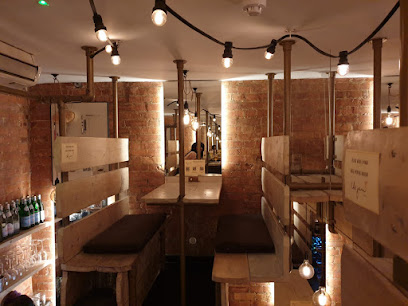
Town House Kensington
1.2 km
Elegant modern British dining with global influences in the heart of South Kensington, offering all-day meals and refined ambiance.
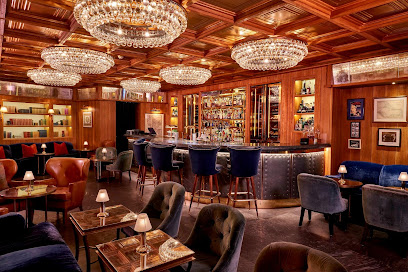
Rabbit
1.7 km
A rustic yet refined modern British bistro on King's Road, celebrating sustainable farm-to-fork dining in the heart of Chelsea.
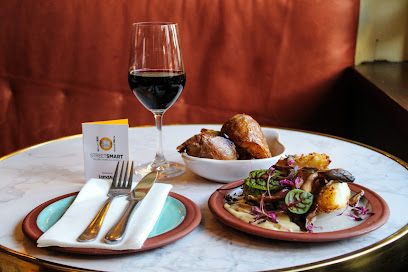
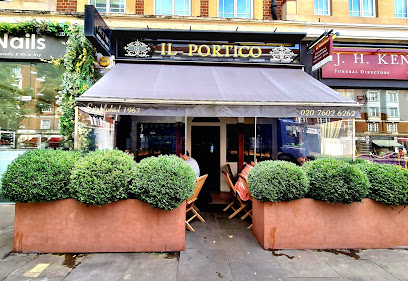
Il Portico
1.8 km
Authentic Northern Italian dining with family warmth and timeless charm in the heart of Kensington.
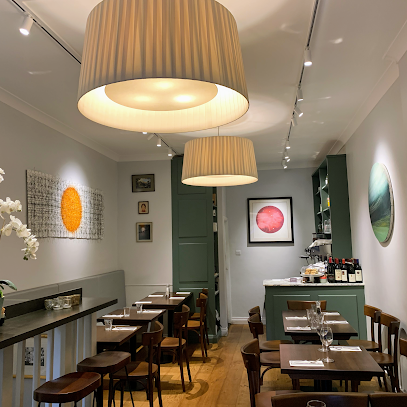
Grato
1.8 km
Cozy Italian dining with handmade pasta and warm hospitality in the tranquil heart of Kensington Square, London.
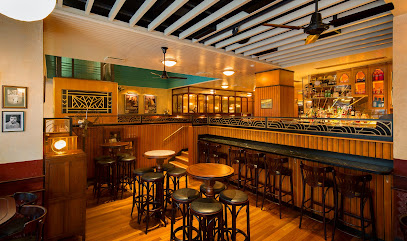
Dishoom Kensington
1.9 km
Experience the vibrant flavours and Art Deco charm of Bombay’s iconic Irani cafés at Dishoom Kensington, London’s stylish Indian dining destination.
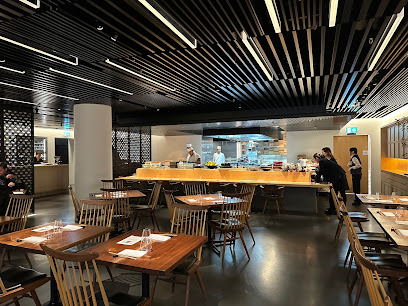
Akira Restaurant at Japan House London
1.9 km
Experience authentic Japanese elegance and exquisite omakase dining in the heart of Kensington at Akira Restaurant, Japan House London.
The Ivy Kensington Brasserie
2.0 km
Classic British brasserie charm meets lively Kensington atmosphere in this elegant all-day dining hotspot on High Street.
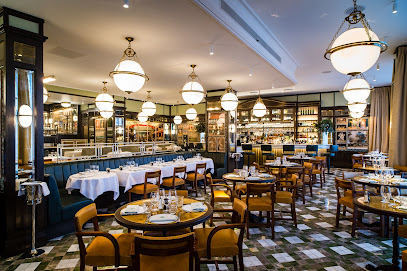
Zuaya London
2.0 km
Discover modern Latin American cuisine with vibrant flavors, stylish ambiance, and exceptional cocktails in the heart of Kensington.
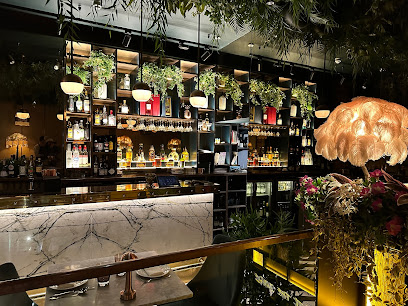
Prezzo Italian Restaurant London Kensington
2.0 km
Cozy Italian dining in the heart of Kensington with classic pasta, pizza, and family-friendly options in a stylish, relaxed setting.
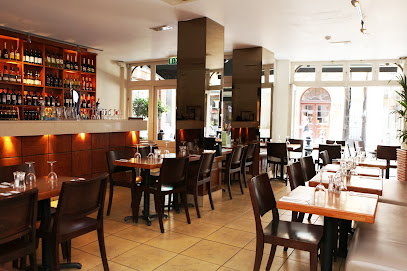
Spaghetti House Italian Restaurant Kensington High Street
2.0 km
Authentic Italian flavors and cozy charm await at Spaghetti House on Kensington High Street, perfect for casual dining in central London.
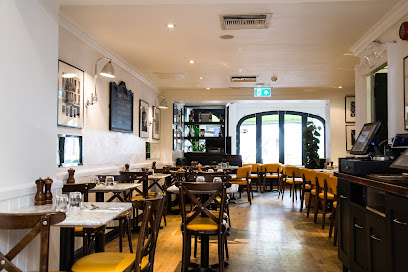
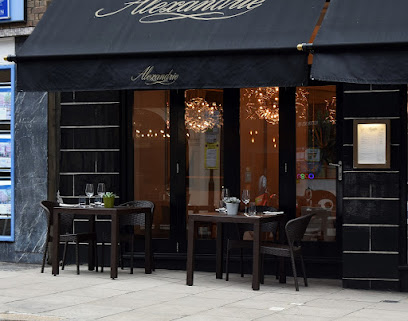
Alexandrie Restaurant
2.3 km
Experience authentic Egyptian flavors and elegant dining in the heart of Kensington with Alexandrie’s refined Mediterranean cuisine.
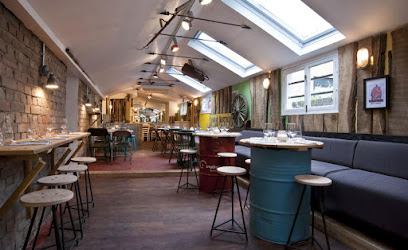
The Shed
2.8 km
A rustic, family-run gem in Notting Hill serving sustainable, farm-to-table British cuisine with a warm, unpretentious atmosphere.
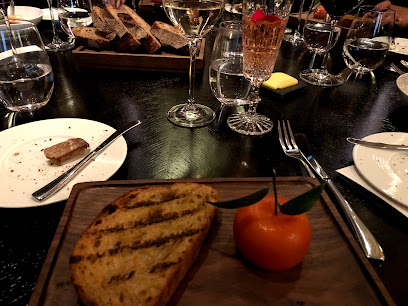
Dinner by Heston Blumenthal
2.9 km
Experience two Michelin-starred historic British cuisine reimagined with modern artistry at Dinner by Heston Blumenthal in the heart of Knightsbridge.
Markets, malls and hidden boutiques

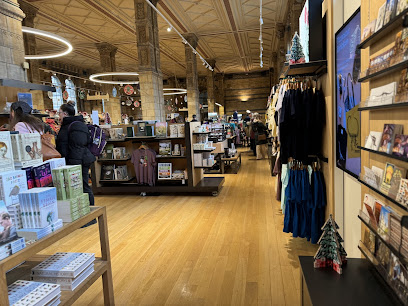
The Natural History Museum Shop
1.7 km
Discover nature’s wonders through unique gifts and souvenirs at the Natural History Museum Shop in London’s iconic museum.
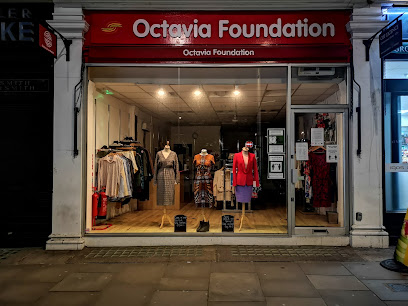
Octavia Foundation - Kensington
1.8 km
Discover designer bargains and vintage treasures at this Kensington High Street charity shop, funding life-changing support for local communities in true Octavia Hill spirit.
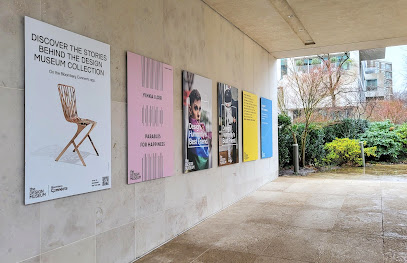
the Design Museum Shop - High Street Shop
1.8 km
Curated design haven on Kensington High Street: books, homewares, and innovative gifts celebrating creativity from the Design Museum.
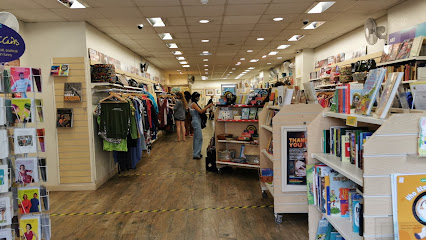
Oxfam Shop - Kensington High Street
1.8 km
Unearth ethical treasures on Kensington High Street at this vibrant Oxfam shop, where second-hand style funds global change amid London's posh shopping scene.
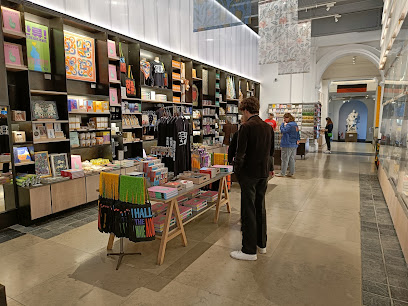
V&A Shop
1.8 km
Discover art-inspired gifts and unique keepsakes at the V&A Shop, nestled within London’s renowned Victoria and Albert Museum.
Science Museum Shop
1.8 km
Ignite curiosity with science-inspired gifts, gadgets, and toys at this inventive shop inside London's Science Museum – perfect for all ages.
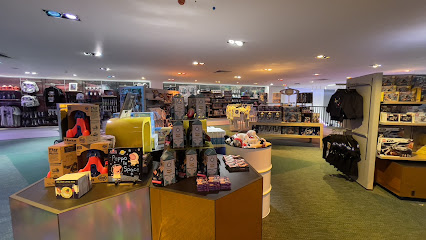
the Design Museum Shop
1.9 km
Curated gifts, books and design objects from the Design Museum’s High Street, Atrium and Exhibition shops—where form, craft and everyday use meet.
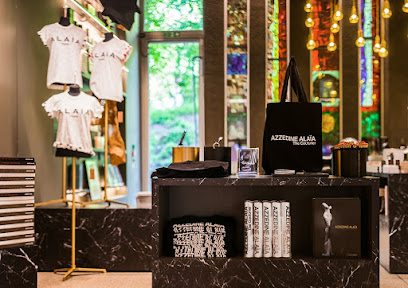
Jigsaw
2.0 km
Refined British womenswear on Kensington High Street, where timeless tailoring meets contemporary elegance in a stylish boutique haven.
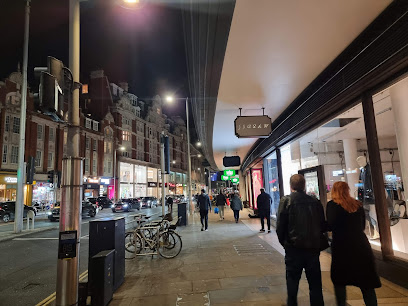
London Souvenir Kensington
2.0 km
Kensington High Street's go-to for authentic London souvenirs: red buses, royal trinkets, and Union Jack delights in a shopper's paradise.
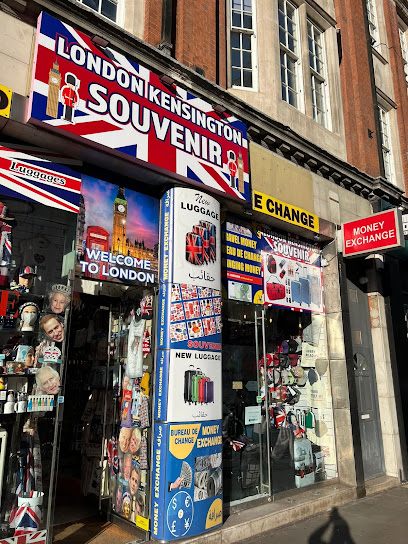
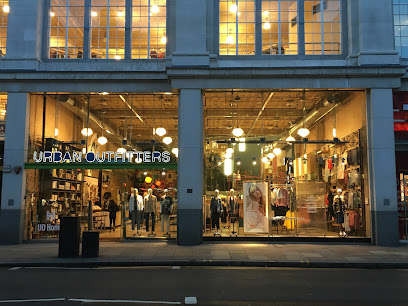
Urban Outfitters
2.1 km
Trendy threads and eclectic home vibes on London's iconic Kensington High Street – Urban Outfitters delivers boho-chic shopping with a creative edge.
Good
2.2 km
Discover timeless designer vintage at Good, where Kensington Church Street's charm meets sustainable high fashion in a curated second-hand paradise.

Kensington Palace Shop
2.4 km
Discover regal treasures at Kensington Palace Shop: fine china, jewellery, and exclusive souvenirs inspired by centuries of royal elegance in London's premier palace grounds.
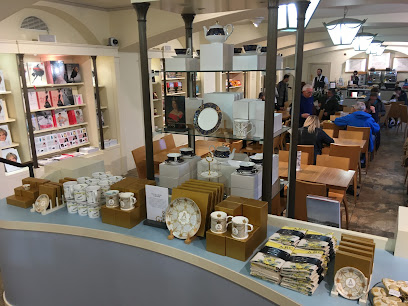
Harrods
2.5 km
Step into the world’s most iconic luxury department store, where shopping, dining, and history blend in the heart of Knightsbridge.
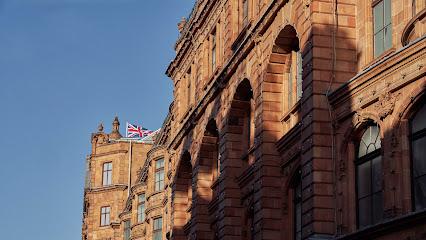
Sloane St
2.6 km
Experience London’s luxury shopping and elegant lifestyle along iconic Sloane Street, home to world-class fashion, fine dining, and prestigious residences.
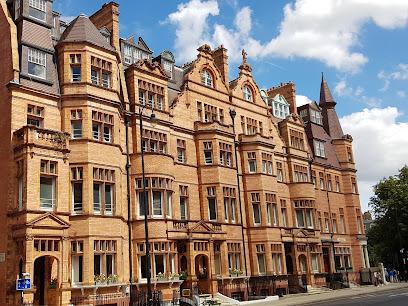
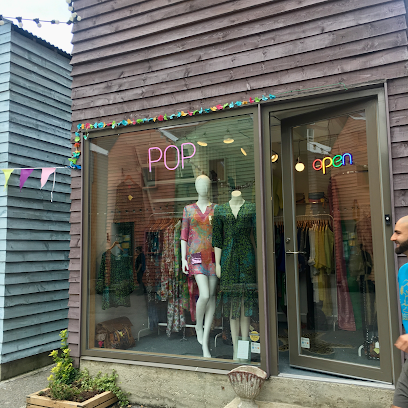
Pop London - Sustainable Fashion Boutique
2.8 km
Discover stylish, affordable sustainable fashion at Pop London, a boutique blending ethical design with community spirit in the heart of London.
Essential bars & hidden hideouts

Evans & Peel Detective Agency
0.7 km
Step into a secret 1920s detective office for immersive cocktails, live jazz, and a playful mystery-solving speakeasy experience in London’s Earl’s Court.
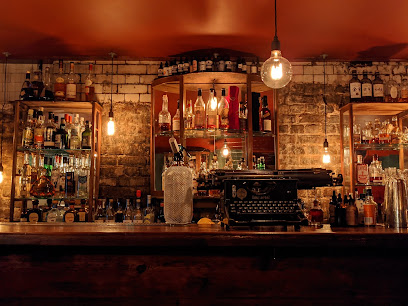
The Owl and Monkey Cocktail Bar
1.1 km
A stylish South Kensington cocktail bar blending tropical design, sustainable mixology, and warm hospitality for memorable nights.
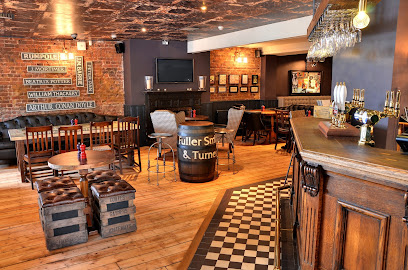
The Hereford Arms, South Kensington
1.1 km
Victorian South Kensington pub pouring Fuller's ales, serving refined classics like cod and cottage pie amid Hitchcock charm and Ripper lore.
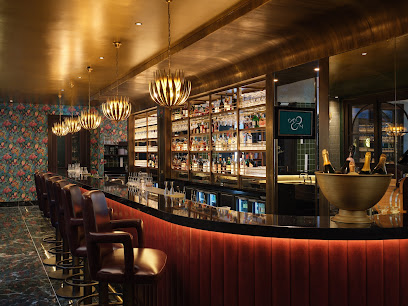
K Bar
1.3 km
Sophisticated South Kensington cocktail haven blending innovative mixology, gem-inspired elixirs, and plush club-like elegance for unforgettable evenings.
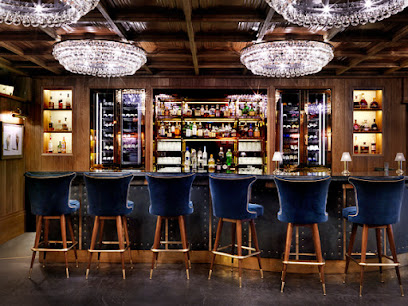
The Curtains Up
1.5 km
A cozy West Kensington pub blending hearty British fare, lively theatre, and warm local charm for a memorable experience.

The Builders Arms
1.7 km
A classic Kensington pub with cosy period character, modern British comfort food and a lively, neighbourhood atmosphere.
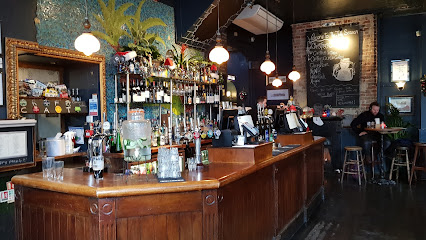
Bar 190
1.9 km
Experience London’s legendary rock ’n’ roll cocktail bar with classic Victorian charm and expertly crafted drinks at Bar 190.
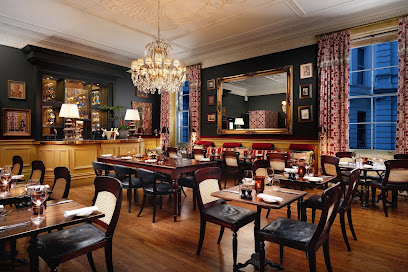
Stables Bar
2.0 km
Elegant Kensington cocktail haven in a former stable, blending equestrian heritage with inventive mixology and cosy conservatory vibes opposite lush gardens.
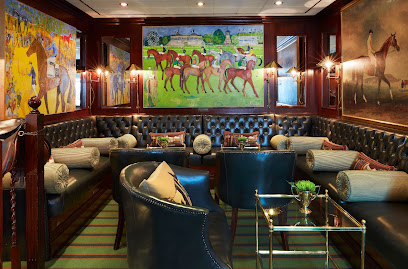
High Spirit Cocktail Bar
2.0 km
A friendly, compact cocktail bar on Kensington High Street serving well-made classics and creative seasonal drinks in a warm, music-led setting.
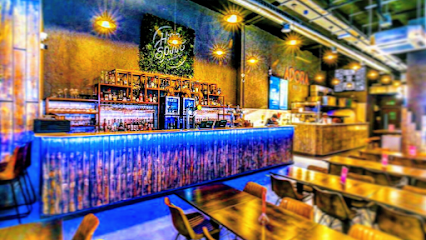
AMARO BAR - London
2.0 km
Elegant Kensington cocktail bar blending Savoy mastery with inventive twists, vintage rarities, and intimate speakeasy charm on High Street.
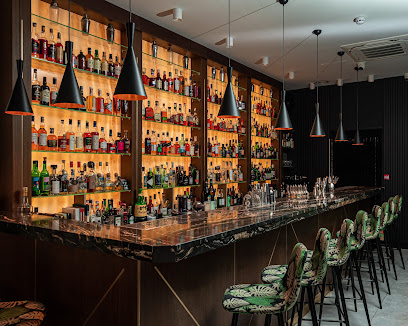
Prince of Wales
2.0 km
A cosy Kensington pub of warm wood, classic pints and a surprising Thai menu tucked behind a Victorian façade.
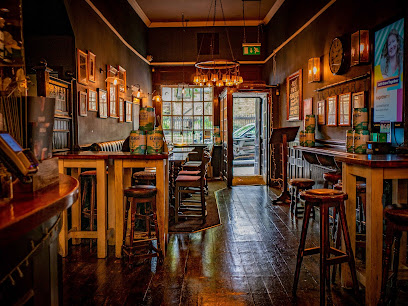
Piano Kensington
2.1 km
Live piano requests, cocktails and casual late-night bites in the Royal Garden Hotel — a music-led, relaxed Kensington night out.

The Churchill Arms, Kensington
2.6 km
London's floral-festooned pub icon: Churchill memorabilia, pioneering Thai eats, and blooming facades since 1750 in vibrant Kensington.
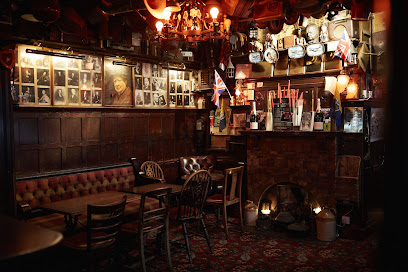
Sugar Cane Bar
2.9 km
Escape to a vibrant tropical tiki bar in Clapham with exotic cocktails, lively music, and private huts for unforgettable nights out.
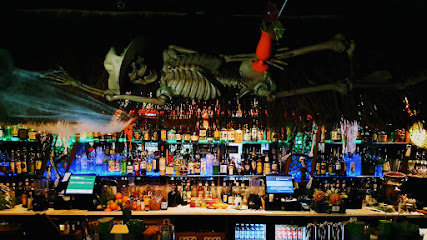
The Henderson Bar & Kitchen
2.9 km
Notting Hill's carnival-inspired bar serving twisted British classics from breakfast to cocktails on a sunny terrace—honoring Russ Henderson's legacy.
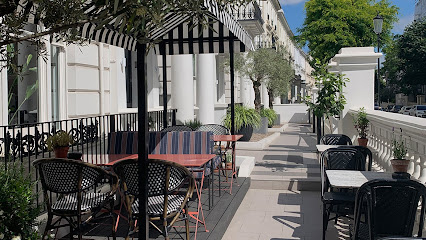
Nightclubs & after hour spots

B London
1.2 km
Dive into South Kensington's electric nightlife at B London, where sophisticated beats and stylish crowds fuel unforgettable nights from 9pm till dawn.
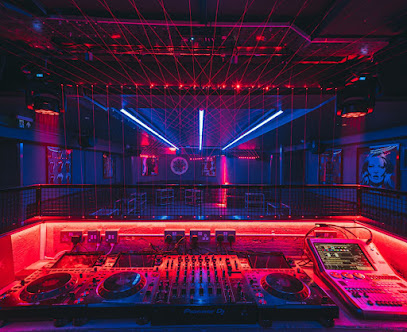
Dolce Night Club , London
1.5 km
Elite VIP nightclub in South Kensington blending luxurious design, R&B beats, and high-end cocktails for unforgettable weekend revelry.
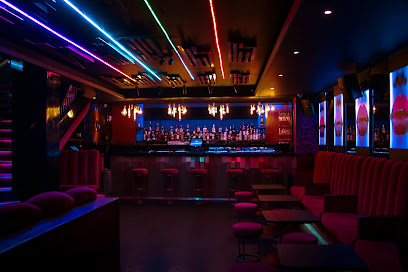
Metric
2.0 km
A compact, collegiate nightclub beneath Imperial College’s Beit Quadrangle — lively student nights, intimate dancefloor and a campus-centred party vibe.
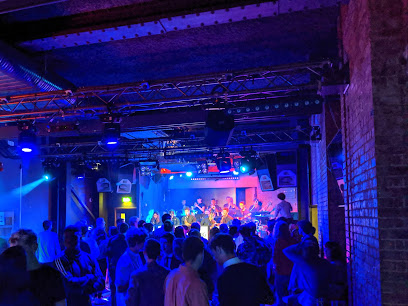
Ricco London
2.3 km
A plush, performance‑led lounge in Kensington Olympia where cocktails, Mediterranean sharers and cabaret create theatrical late‑night nights.
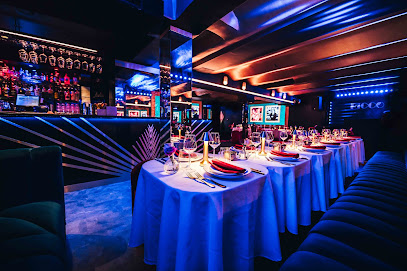
The Clapham Grand
2.7 km
Experience the vibrant nightlife of London at The Clapham Grand, a premier events venue offering live music, comedy, and unforgettable parties.
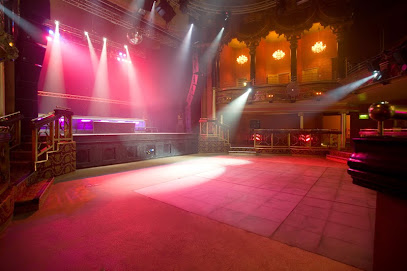
Notting Hill Arts Club
2.8 km
West London's sweaty basement cradle of music legends since '97—coffee by day, live gigs and club nights till 2am in an intimate den of funk, jazz, and raw talent.
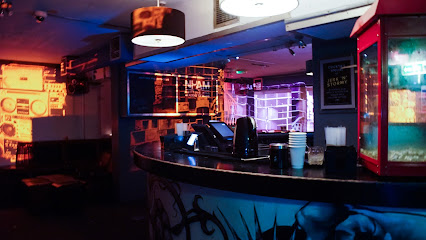
Le Fez
3.2 km
Experience Putney’s premier Moroccan-inspired nightclub with lush lounges, vibrant dancefloors, and unforgettable late-night entertainment.
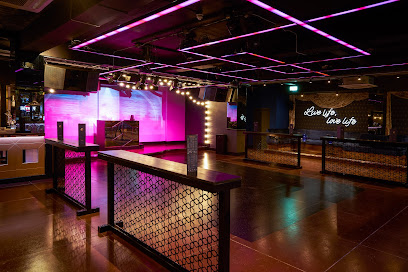
Privilege Entertainment Ltd
3.3 km
Discover the pulsating nightlife at Privilege Entertainment Ltd, London's premier entertainment agency and nightclub, where unforgettable experiences await.

The Duke of Wellington
3.6 km
Historic Young's pub on Portobello Road: Victorian screens, market views, British roasts, and Notting Hill legends in every pint.
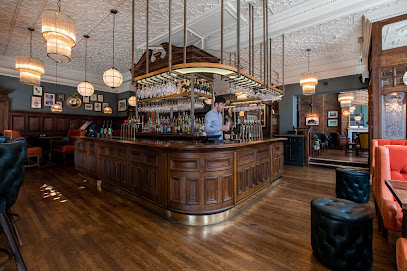
Electric House
3.7 km
Experience the vibrant social scene at Electric House, a chic social club in Notting Hill, London, blending style, comfort, and culinary delights.
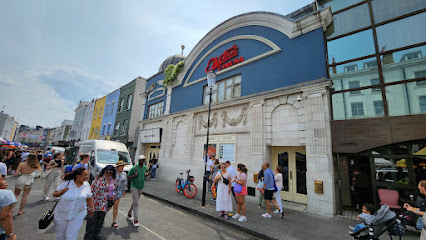
The Globe
3.7 km
Traditional London pub by day, lively late‑night bar and club by night—large, hireable rooms and a warm, characterful interior.
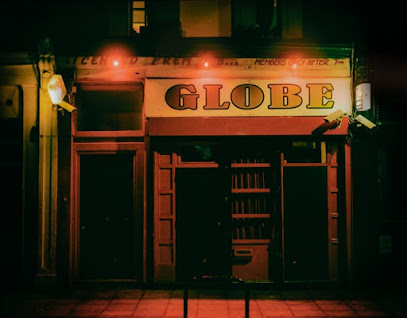
Lost In Disco
3.8 km
An intimate West London disco night celebrating 1970s–80s funk, soul and floor-filling classics with DJs, guest singers and a glittering dancefloor.
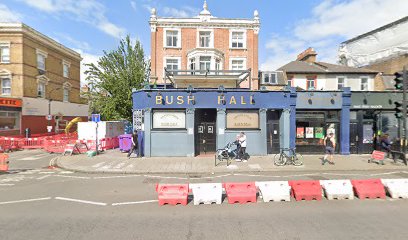
Subteranian
4.2 km
A compact underground club on Acklam Road delivering dense, DJ-led electronic nights with an intimate, bass-heavy atmosphere.
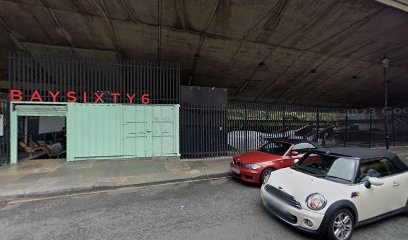
LUXX CLUB LONDON
4.2 km
Experience Mayfair’s premier luxury nightclub with dazzling lights, top DJs, and exclusive VIP vibes at LUXX CLUB LONDON.
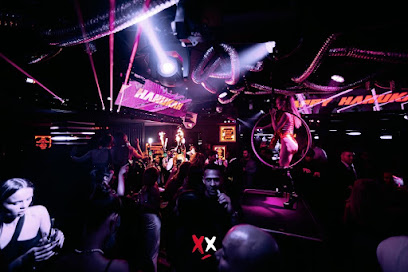
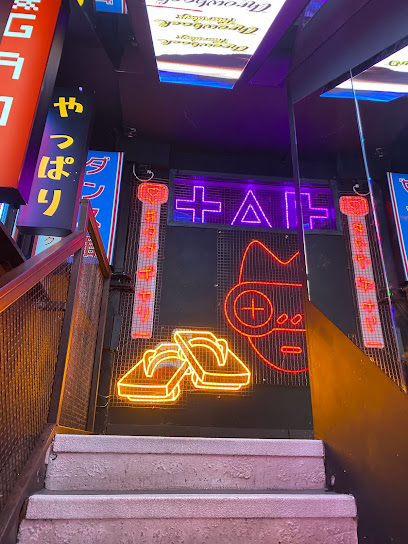
Tabu London
4.3 km
Escape Mayfair's polish for Tokyo's neon-lit Shinjuku alleys at Tabu London—retro gaming vibes, caged dancers, hip-hop beats, and upscale bites fuel epic nights.
For the vibe & atmosphere seeker
- Tranquil
- Scenic
- Relaxing
- Unique
For the design and aesthetic lover
- Vintage Styles
- Rustic Designs
For the architecture buff
- Historic
- Landmarks
- Sacred Sites
- Parks & Gardens
For the view chaser and sunset hunter
- Iconic Views
- Panoramas
- Sunset Spots
For the social media creator & influencer
- Instagrammable
- Photo Spots
- Selfie Spots
- Architectural Shots
For the eco-conscious traveler
- Protected Area
- Public-Transport Accessible
- Locally Managed
- Wildlife Habitat
For the kind of experience you’re after
- Cultural Heritage
- Nature Escape
- Photowalk
- Day Trip
- Mindfulness
For how adventurous you want the journey to be
- Easy Access
Location Audience
- Family Friendly
- Senior Friendly
- Child Friendly
- Teen Friendly
- Wheelchair Access
- Solo Friendly
- Couple Friendly
- Vegetarian Friendly
- Vegan Friendly


