

Cremorne Gardens, Middlesex Travel Guide
A tranquil riverside park in Chelsea preserving the legacy of London’s vibrant Victorian pleasure gardens with stunning Thames views and wildlife art.
Cremorne Gardens in London’s Chelsea is a serene riverside park that preserves a fragment of the grand Victorian pleasure gardens that flourished here from 1845 to 1877. Once a vibrant hub of entertainment with concerts, fireworks, balloon ascents, and dancing, today it offers peaceful green space, stunning Thames views, and a wildlife haven with art installations, blending rich history with contemporary community use.
A brief summary to Cremorne Gardens
- Lots Rd, London, SW10 0QJ, GB
- Click to display
- Click to display
- Duration: 0.5 to 2 hours
- Free
-
 Outdoor
- Mobile reception: 4 out of 5

Know before you go
Hi, I'm Eve. Here are a few practical things to know before exploring Cremorne Gardens.
- Visit the restored Victorian wrought-iron gates to connect with the gardens’ historic past.
- Explore the ‘Spontaneous City’ bird and bug boxes, an innovative art installation supporting urban wildlife.
- Enjoy scenic views of the Thames from the riverside walkway and pier.
- Use the outdoor gym equipment and table tennis facilities for active recreation.
- Plan your visit during warmer months for the best experience of the gardens and river views.
Do you manage this location?
Take control to get all the benefits, like improved information, better appearance, and stronger visibility across AI-powered discovery. Learn more about listing your business on Evendo
Activate your presenceOther nearby places you may find interesting
The closest places of the same kind, if this one is not quite what you had in mind.
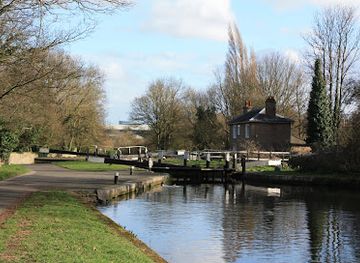
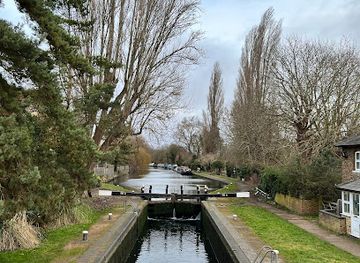
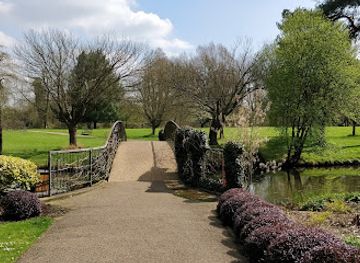
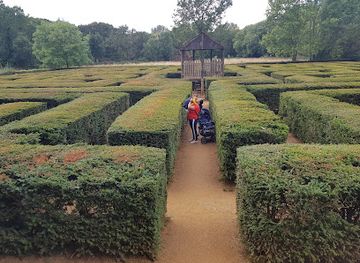
Explore Cremorne Gardens on the Map
A handpicked selection of must-see spots near Cremorne Gardens, mapped for you.
Getting There
-
Public Transport
Take the London Underground to Fulham Broadway Station (District Line), then a 15-20 minute walk along the Thames Path to Cremorne Gardens. Frequent bus services (e.g., route 211) also serve the area, with stops within 10 minutes’ walk. No additional fare beyond standard Oyster/contactless fares applies.
-
Taxi or Rideshare
A taxi or rideshare from central London (e.g., Charing Cross) takes approximately 20-30 minutes depending on traffic. Drop-off is available near Lots Road. Expect fares between £10-£20.
-
Riverboat
During warmer months, riverboat services run from central London piers to nearby Chelsea Harbour Pier, about a 10-minute walk to the gardens. Tickets cost around £7-£10 one way, offering a scenic arrival option.
-
Walking
From Chelsea Bridge, a pleasant 20-minute walk along the Thames Path leads to the gardens. The path is flat and accessible, suitable for wheelchairs and strollers.
For the on-the-go comforts that matter to you
-
 Restrooms
-
 Drink Options
-
 Food Options
-
 Seating Areas
-
 Trash Bins
-
 Information Boards
Discover more about Cremorne Gardens
From Victorian Spectacle to Modern Parkland
Cremorne Gardens began as a sprawling Victorian pleasure garden on the banks of the River Thames in Chelsea, London, established in 1845 by Thomas Bartlett Simpson and developed by James Ellis. It quickly became one of London’s premier outdoor entertainment venues, offering a dazzling array of attractions including orchestras, fireworks, marionette theatres, balloon ascents, and dancing platforms. The gardens were laid out with ornamental flower beds, fountains, statues, and tree-lined avenues, providing a cultivated setting for promenading and socializing.Entertainment and Social Life in the 19th Century
Admission was affordable, encouraging a diverse crowd from middle-class families to more bohemian night visitors. The gardens thrived during summer evenings, accessible by omnibus, hackney carriages, and even steamboats docking at a riverside gate. Visitors enjoyed concerts, theatrical performances, shooting galleries, bowling saloons, and dining in elegant supper boxes. The atmosphere shifted after dark, when the gardens became known for more risqué entertainment and mingling, reflecting the complex social dynamics of Victorian London.Decline and Transformation
Despite its popularity, Cremorne Gardens closed in 1877, unable to compete with rival venues like Vauxhall Gardens and facing local opposition to its noise and late-night revelry. Much of the original site was redeveloped for housing and industry, including the imposing Lots Road power station. However, a small portion of the gardens was preserved and reopened in 1982 as a public park, retaining the spirit of the original site while serving the local community.Features of Today’s Cremorne Gardens
Today’s Cremorne Gardens is a compact, peaceful green space along the Thames, featuring the restored Victorian wrought-iron gates as a historic reminder. The park includes open grassy areas, deep planting beds, and a cluster of over 250 bird and insect boxes known as the “Spontaneous City,” an art installation fostering urban wildlife habitat. A riverside walkway and pier offer scenic views of the Thames, connecting visitors to the river’s history and natural beauty.Cultural and Environmental Significance
The gardens stand as a living link to Chelsea’s vibrant cultural past and Victorian leisure culture, while embracing contemporary values of sustainability and urban biodiversity. The combination of historical legacy, artistic expression, and ecological focus makes Cremorne Gardens a unique urban oasis where visitors can reflect on London’s evolving relationship with its riverfront.Engaging with Cremorne Gardens
Visitors today can enjoy a tranquil riverside atmosphere with amenities such as public toilets, outdoor gym equipment, table tennis, and a splashpad for children. The park’s mix of history, art, and nature invites leisurely exploration, quiet contemplation, and family-friendly recreation in a setting that echoes its colorful past yet remains firmly rooted in the present.












Your all‑in‑one travel companion app
Explore expert travel guides, compare and book tours, experiences, hotels, and more—all from the palm of your hand. Download now for seamless trip planning wherever your wanderlust takes you.


Explore More of Middlesex
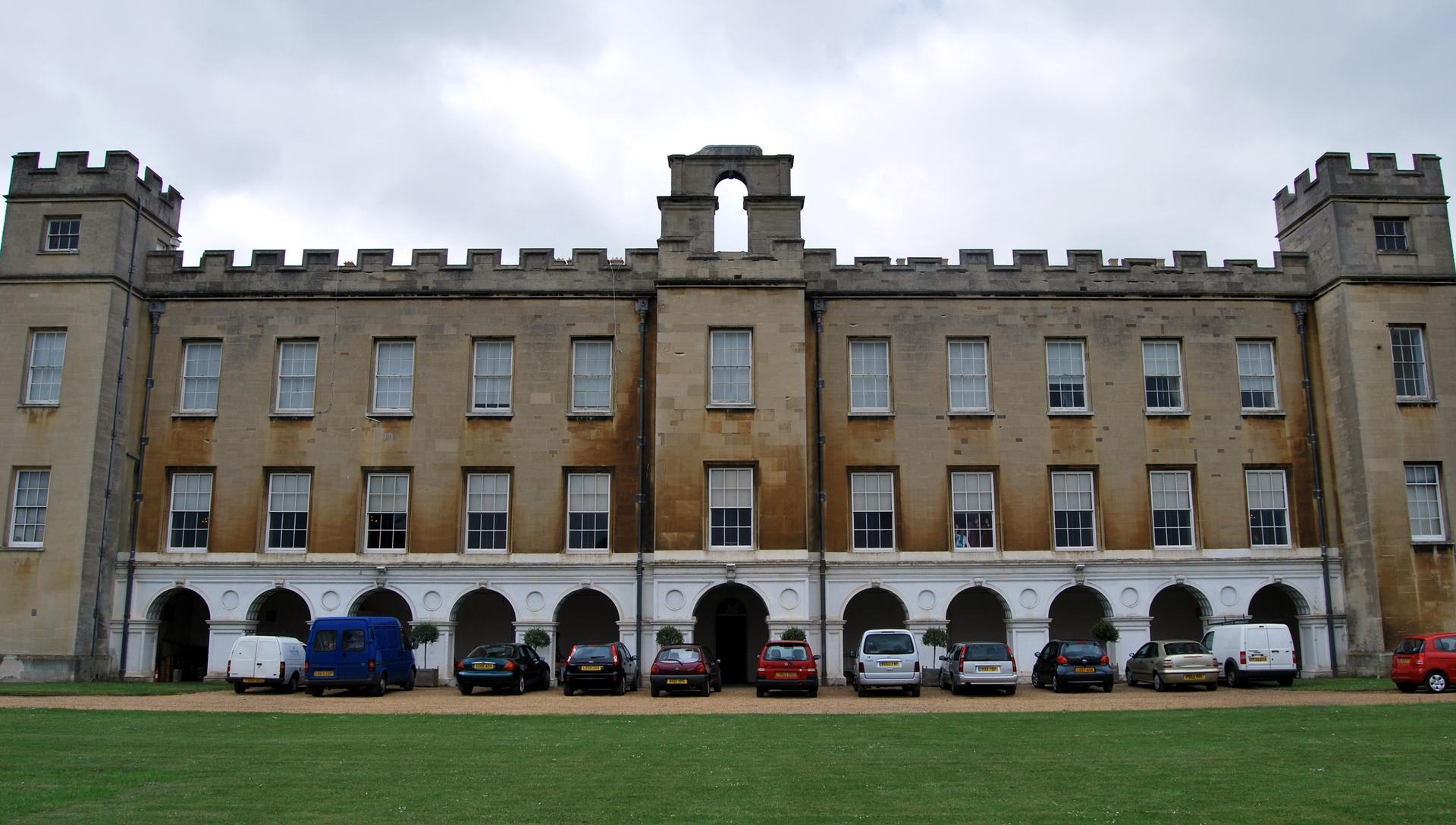
Looking beyond Cremorne Gardens? Discover Middlesex for broader travel guides, local hot-spots, and regional highlights.
Explore Middlesex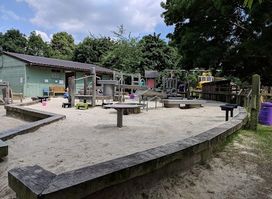
A small, child-focused zoo in Battersea Park, where animal viewing, play areas, and an easy park walk make a short south London outing.
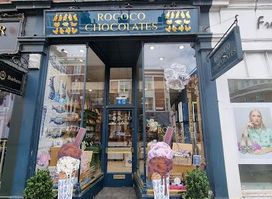
Discover handcrafted luxury chocolates and immersive workshops at Rococo Chocolates, a British artisan chocolatier on iconic King's Road.
