
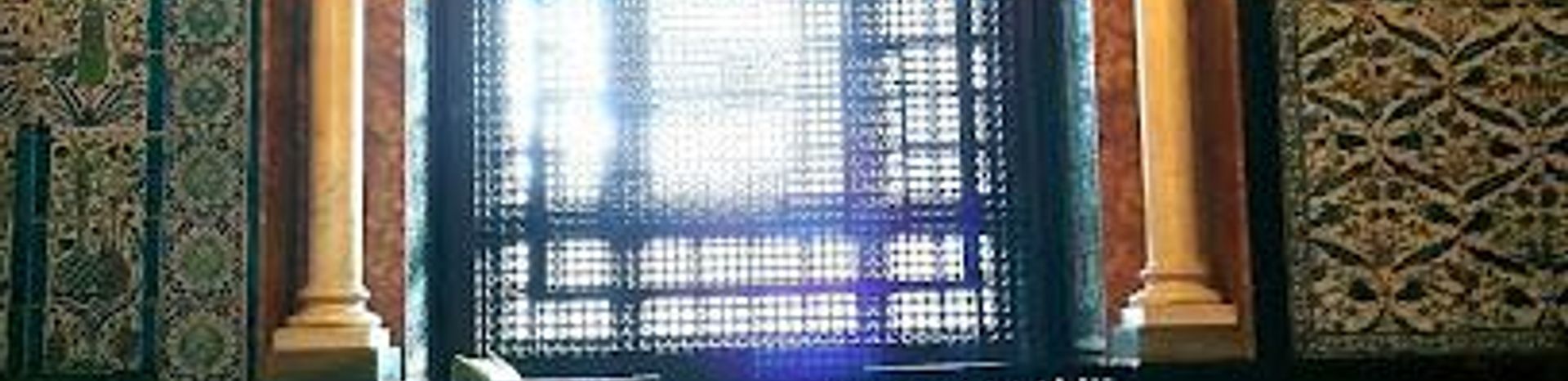
Leighton House Museum, London
Explore the exquisite Victorian studio-home of Frederic Leighton, where art, architecture, and Orientalist design create a timeless cultural treasure.
Leighton House Museum in London is the former home and studio of Victorian artist Frederic Leighton, showcasing a unique blend of art, architecture, and Orientalist design. Famous for its exquisite Arab Hall adorned with Middle Eastern tiles, the Grade II* listed building offers visitors a glimpse into Leighton's artistic legacy and Victorian aestheticism within a beautifully restored historic setting.
A brief summary to Leighton House
- 12 Holland Park Rd, London, W14 8LZ, GB
- +442073613783
- Visit website
- Duration: 1.5 to 3 hours
- Mid ranged
-
 Indoor
- Mobile reception: 4 out of 5
- Monday 10 am-5:30 pm
- Wednesday 10 am-5:30 pm
- Thursday 10 am-5:30 pm
- Friday 10 am-5:30 pm
- Saturday 10 am-5:30 pm
- Sunday 10 am-5:30 pm
Local tips
- Visit on weekdays except Tuesday when the museum is closed; Saturdays and Sundays offer full opening hours from 10am to 5:30pm.
- Take time to admire the Arab Hall’s intricate tilework and gold dome—this centerpiece is the highlight of the museum.
- Explore the recently restored Winter Studio and Perrin Galleries to see both historic and contemporary art installations.
- Enjoy a break at the De Morgan Café located in the museum’s basement, offering refreshments in a historic setting.

For the on-the-go comforts that matter to you
- Restrooms
- Drink Options
- Food Options
- Seating Areas
- Information Boards
- Visitor Center
Getting There
-
London Underground
Take the Central Line to Notting Hill Gate station, then walk approximately 15 minutes through Holland Park to reach Leighton House Museum. The walk is mostly flat but includes some residential streets. No additional fare beyond the tube ticket is required.
-
Bus
Bus routes 27, 28, or 328 serve Holland Park Road with stops within a 5-minute walk of the museum. Buses run frequently throughout the day, with a typical journey time of 20–30 minutes from central London. Use an Oyster card or contactless payment for fares.
-
Taxi or Rideshare
A taxi or rideshare from central London to Leighton House Museum takes about 20–35 minutes depending on traffic. Note that parking is limited in the area and the museum does not offer dedicated parking.
-
Walking
If staying nearby in Holland Park or Kensington, walking to the museum is recommended. The route involves quiet residential streets and takes approximately 10–20 minutes depending on your starting point. The terrain is mostly flat and accessible.
Leighton House location weather suitability
-
 Any Weather
-
 Rain / Wet Weather
-
 Clear Skies
-
 Mild Temperatures
Discover more about Leighton House
A Visionary Artist’s Sanctuary
Leighton House Museum was the London residence and studio of Frederic Leighton, 1st Baron Leighton, a leading Victorian artist and President of the Royal Academy. Built beginning in 1866 and expanded over three decades, the house was designed as a harmonious blend of home, studio, and gallery, reflecting Leighton’s artistic vision and cosmopolitan tastes. The building’s architecture combines restrained Classical style with rich Orientalist influences, embodying Leighton’s fascination with the art and culture of the Middle East.The Iconic Arab Hall
The centerpiece of the museum is the Arab Hall, completed in 1882. This lavish room was inspired by Leighton’s travels to North Africa, the Middle East, and Sicily, and was designed to display his extensive collection of 16th- and 17th-century tiles from Damascus. The hall features a stunning gold domed ceiling, intricate mosaic floors, and a tranquil central fountain, creating an immersive atmosphere that transports visitors to a 19th-century Orientalist fantasy. This hall alone cost more to build than the original house, underscoring its importance in Leighton’s vision.Architectural Evolution and Artistic Legacy
Architect George Aitchison collaborated closely with Leighton, initially constructing a modest home that gradually expanded to include a large north-facing studio, a winter studio, and a top-lit picture gallery. After Leighton’s death in 1896, the house transitioned from private residence to public museum, opening in 1929 with further extensions such as the Perrin Galleries added in memory of an artist relative. The museum preserves not only Leighton’s artistic achievements but also his passion for collecting and design, with restored interiors that showcase Victorian decorative arts alongside his paintings and sculptures.Restoration and Contemporary Relevance
Following decades of neglect, the house underwent major restoration efforts from the late 20th century through a recent £8 million redevelopment completed in 2022. These renovations enhanced accessibility, visitor facilities, and exhibition spaces while respecting the historical fabric of the building. New additions include a welcoming entrance in the Perrin Wing, a café, and a striking contemporary mural by Iranian artist Shahrzad Ghaffari. Today, Leighton House Museum stands as a vibrant cultural hub that bridges Victorian art and modern appreciation.An Immersive Visitor Experience
Visitors to Leighton House are enveloped in an environment where art and architecture merge seamlessly. The house’s intricate interiors, from Murano glass chandeliers to mashrabiya screens, reflect Leighton’s refined aesthetic and worldly influences. The museum offers a sensory journey through light-filled studios, richly decorated rooms, and evocative spaces that reveal the life and work of one of the Victorian era’s most eminent artists. The garden views and carefully curated exhibitions further enrich the experience.Legacy of a Victorian Master
Leighton’s legacy is preserved not only in his artworks but also in the house itself, which remains a testament to his artistic ideals and international outlook. Recognized with a blue plaque and the European Union Prize for Cultural Heritage, the museum invites visitors to explore the intersection of art, history, and design. It celebrates the enduring influence of Leighton’s vision and the cultural crosscurrents that shaped his unique 'House Beautiful.'Iconic landmarks you can’t miss

Queen Victoria Monument
0.2 km
A majestic tribute to Queen Victoria, blending imperial grandeur with rich symbolism in the heart of London’s royal landscape.

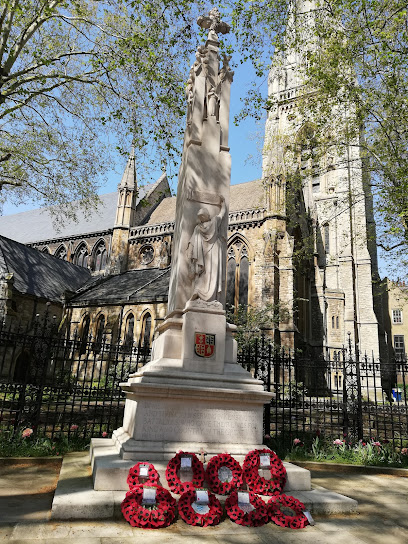
Kensington War Memorial
0.9 km
A solemn gothic cross memorial honoring Kensington’s fallen soldiers, set beside the historic St Mary Abbots Church.
142 Cromwell Rd
1.1 km
Historic Victorian office building in prestigious South Kensington, steps from world-class museums and transport hubs.

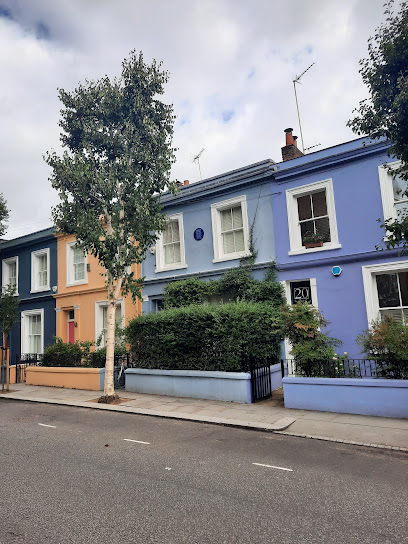
George Orwell Plaque
1.4 km
A literary landmark on vibrant Portobello Road celebrating George Orwell’s enduring legacy in London’s cultural heart.
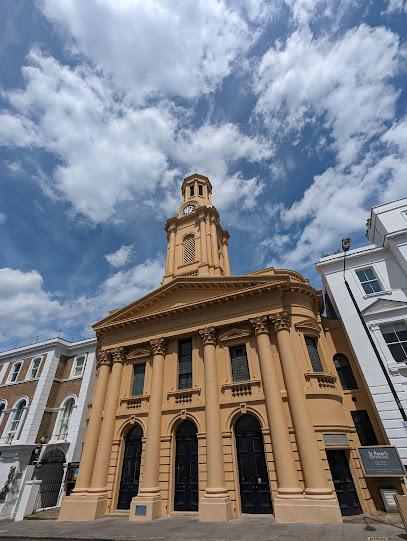
St Peter's Church, Notting Hill
1.6 km
A serene Victorian Anglican church blending classical architecture, rich history, and community spirit in the heart of Notting Hill.
Howard Staunton Blue Plaque
1.7 km
Commemorating Howard Staunton, 19th-century chess master and organizer of the first international chess tournament, at his London blue plaque.
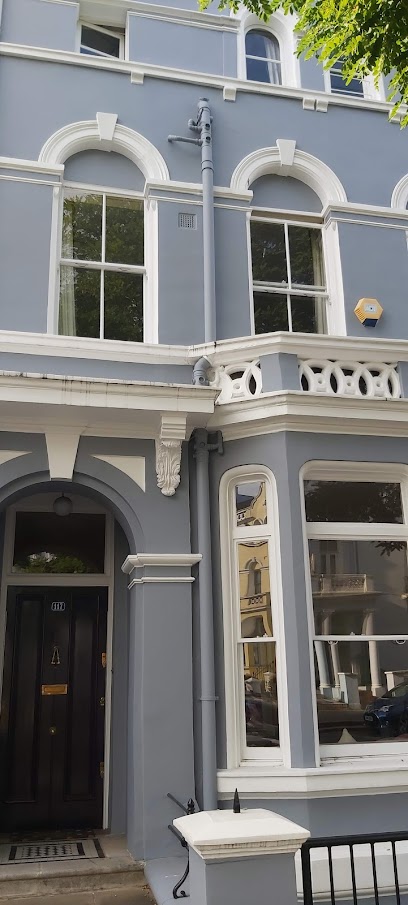
Mr Mathias Winkler
1.7 km
Discover exceptional healthcare at Mr. Mathias Winkler's practice in London’s Charing Cross Hospital, where patient care meets expertise.

Sussex Mansions
2.0 km
Discover the elegance of Sussex Mansions in South Kensington, a charming apartment building near London's best attractions and cultural hotspots.
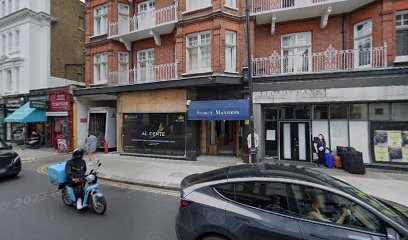
Space Apart Hotel
2.0 km
Modern serviced apartments in historic Kensington Gardens Square, offering stylish comfort and easy access to London’s top attractions.

All Saints' Church, Notting Hill
2.0 km
Explore the architectural beauty and serene atmosphere of All Saints' Church, a must-visit Anglican church and cultural hub in Notting Hill, London.
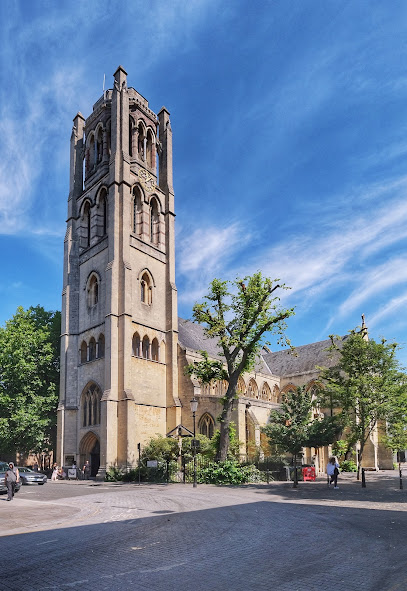
The Castle
2.0 km
Experience the charm of a traditional British pub at The Castle on Portobello Road, offering delicious food and a vibrant atmosphere in the heart of London.
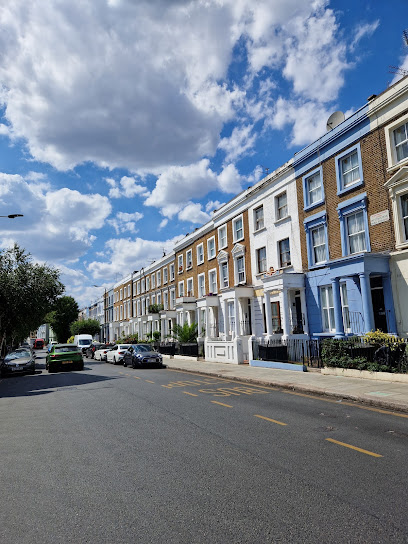
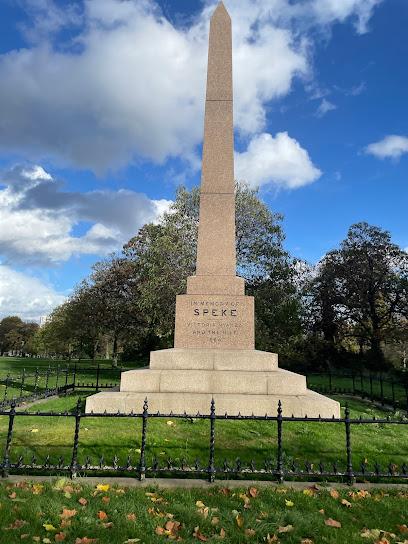
Speke Monument
2.0 km
A Victorian obelisk in Kensington Gardens honouring explorer John Hanning Speke, who identified Lake Victoria as the source of the Nile.
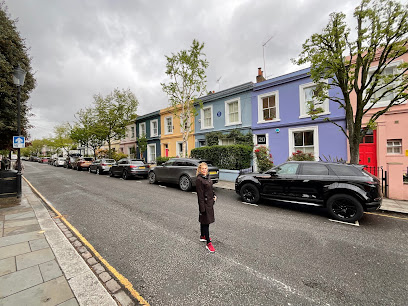
The Blue Door Notting Hill Film
2.0 km
Experience the magic of Notting Hill at The Blue Door, an iconic film location surrounded by vibrant streets and culture.
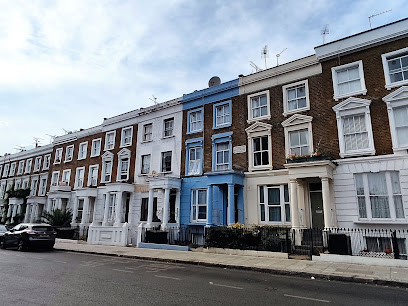
Portobello Road Market
2.0 km
Discover London’s vibrant Portobello Road Market, a historic treasure trove of antiques, vintage fashion, and street food in the heart of Notting Hill.
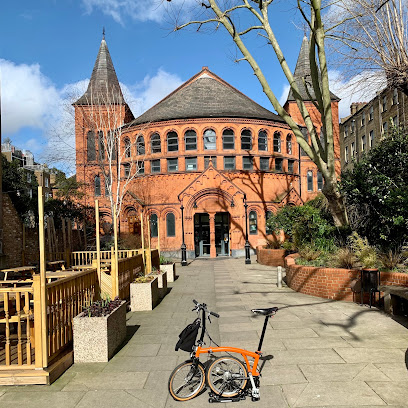
The Tabernacle
2.0 km
Discover The Tabernacle in Notting Hill, a vibrant community center and performing arts venue showcasing London's rich cultural tapestry.
Unmissable attractions to see

The Tower House
0.1 km
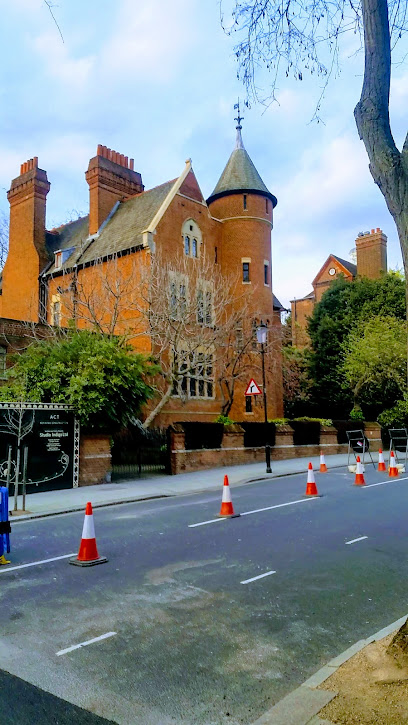
Discover The Tower House, William Burges’ iconic Victorian Gothic Revival home, a masterpiece of architectural artistry and rich symbolism in London.
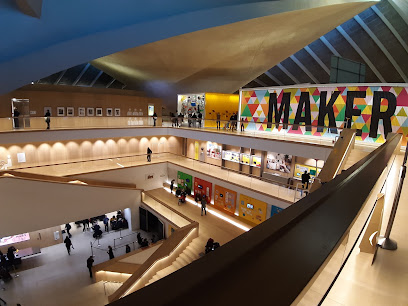
the Design Museum
0.2 km
Explore the cutting-edge world of design in London’s iconic museum, where creativity meets culture and innovation shapes everyday life.
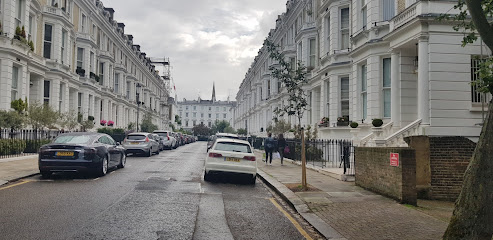
Sambourne House
0.5 km
Step into Sambourne House, a Victorian treasure showcasing the art, design, and life of Punch’s celebrated cartoonist in the heart of Kensington.
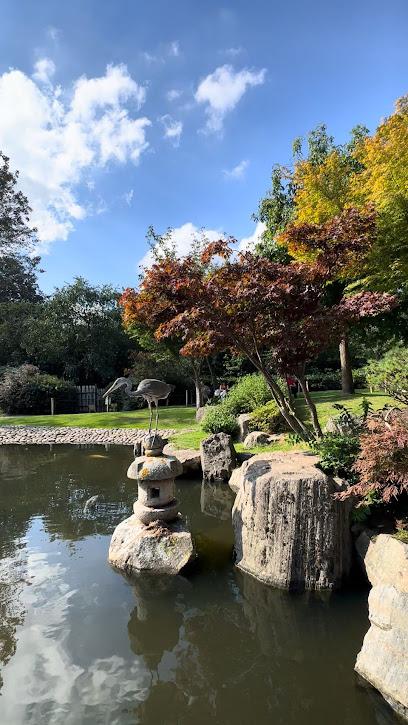
Kyoto Garden
0.5 km
A tranquil Japanese garden in London’s Holland Park, gifted by Kyoto to celebrate cultural friendship and seasonal beauty.
Holland Park
0.5 km
Discover Holland Park’s serene gardens, historic charm, and vibrant recreational spaces in the heart of Kensington, London.
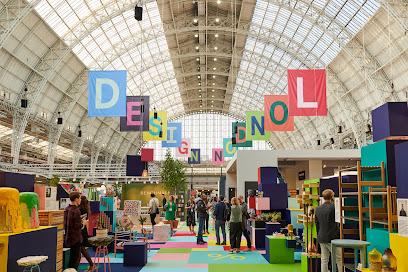
Olympia Events
0.6 km
Historic Victorian architecture meets cutting-edge event spaces in London’s premier exhibition and entertainment destination.
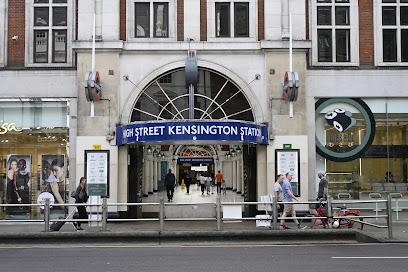
Kensington High St
0.9 km
Discover Kensington High Street, a stylish London shopping street blending luxury boutiques, popular brands, gourmet dining, and cultural charm near Kensington Gardens.
Пам'ятник Володимир Великий / Monument to Saint Volodomyr the Great
1.0 km
A powerful bronze tribute in London’s Holland Park honoring Saint Volodymyr, the 10th-century prince who Christianized Kievan Rus.

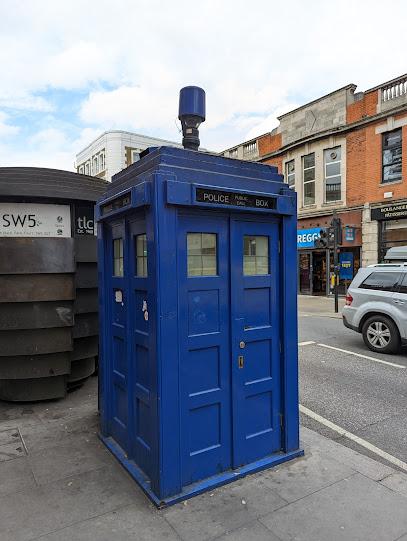
Earl’s Court Police Box
1.0 km
Discover London’s last classic blue police box, a nostalgic landmark blending history, pop culture, and urban policing heritage at Earl’s Court.
Notting Hill Hillgate Village
1.1 km
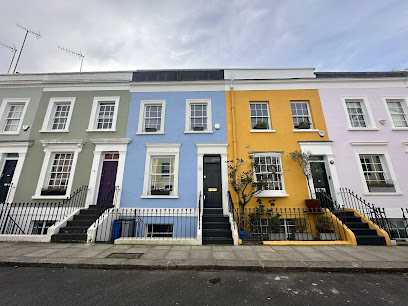
Discover Hillgate Village’s pastel charm, historic roots, and vibrant local life nestled in the heart of Notting Hill, London’s bohemian enclave.
Kensington Palace Green
1.1 km
A peaceful royal garden oasis beside Kensington Palace, blending lush greenery with centuries of British history in central London.

The Gate Picturehouse
1.2 km
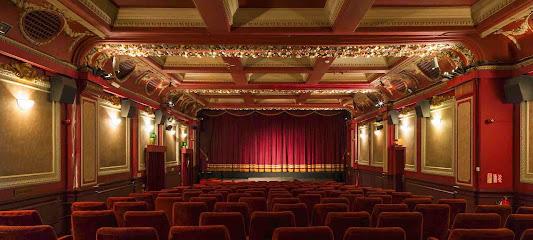
Discover a century-old Edwardian cinema in Notting Hill with plush interiors, indie films, and a unique cultural atmosphere.
Notting Hill Gate
1.3 km
Historic and vibrant Notting Hill Gate Underground Station links three Tube lines beneath a lively West London street.

Kensington Palace
1.3 km
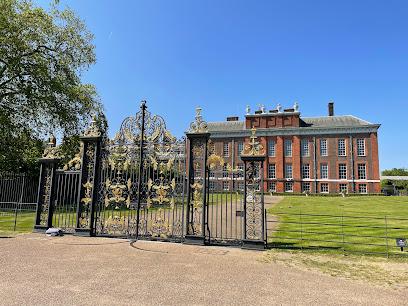
Discover centuries of royal history and serene gardens at Kensington Palace, a majestic London landmark and former home to British monarchs.
Ladbroke Square Garden
1.3 km
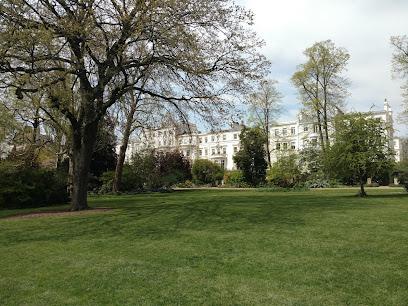
Historic Ladbroke Square Garden offers a tranquil, private green oasis in the heart of Notting Hill’s elegant 19th-century garden suburb.
Essential places to dine

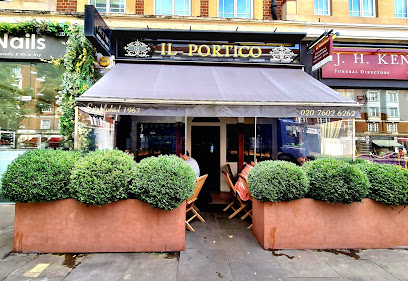
Il Portico
0.2 km
Authentic Northern Italian dining with family warmth and timeless charm in the heart of Kensington.
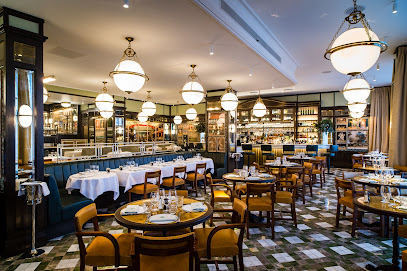
The Ivy Kensington Brasserie
0.8 km
Classic British brasserie charm meets lively Kensington atmosphere in this elegant all-day dining hotspot on High Street.
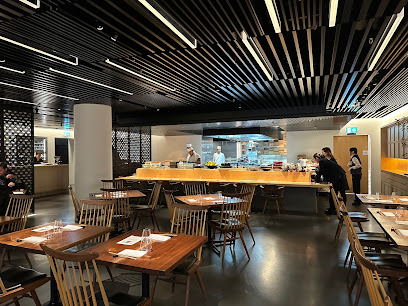
Akira Restaurant at Japan House London
0.8 km
Experience authentic Japanese elegance and exquisite omakase dining in the heart of Kensington at Akira Restaurant, Japan House London.
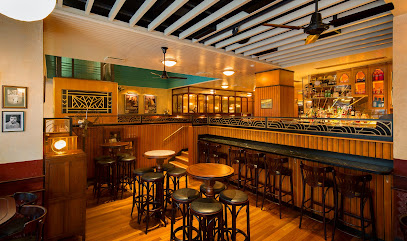
Dishoom Kensington
0.9 km
Experience the vibrant flavours and Art Deco charm of Bombay’s iconic Irani cafés at Dishoom Kensington, London’s stylish Indian dining destination.
Alexandrie Restaurant
0.9 km
Experience authentic Egyptian flavors and elegant dining in the heart of Kensington with Alexandrie’s refined Mediterranean cuisine.
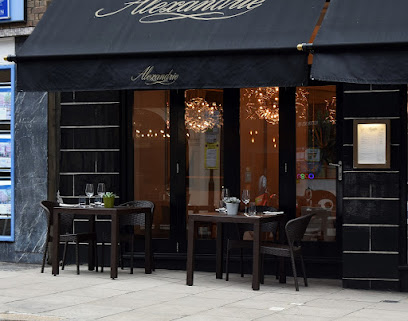
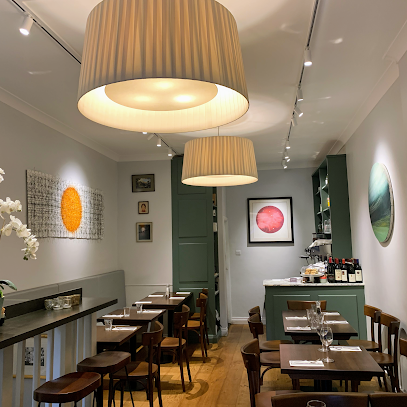
Grato
1.0 km
Cozy Italian dining with handmade pasta and warm hospitality in the tranquil heart of Kensington Square, London.
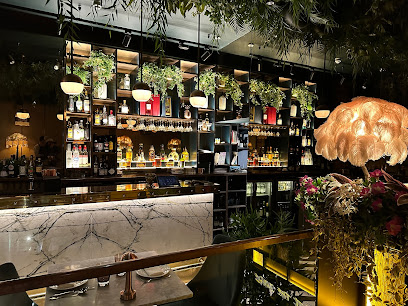
Zuaya London
1.0 km
Discover modern Latin American cuisine with vibrant flavors, stylish ambiance, and exceptional cocktails in the heart of Kensington.
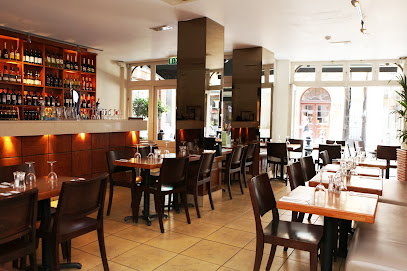
Prezzo Italian Restaurant London Kensington
1.1 km
Cozy Italian dining in the heart of Kensington with classic pasta, pizza, and family-friendly options in a stylish, relaxed setting.
Spaghetti House Italian Restaurant Kensington High Street
1.1 km
Authentic Italian flavors and cozy charm await at Spaghetti House on Kensington High Street, perfect for casual dining in central London.
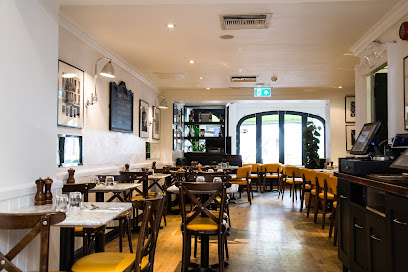
The Ladbroke Arms
1.2 km
A charming gastropub in Notting Hill offering refined British cuisine, standout Sunday roasts, and a welcoming garden terrace.
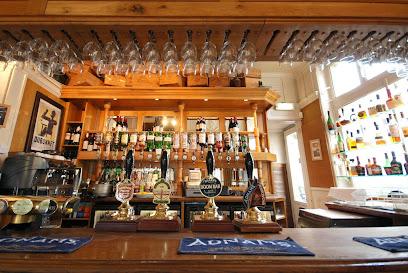
The Shed
1.3 km
A rustic, family-run gem in Notting Hill serving sustainable, farm-to-table British cuisine with a warm, unpretentious atmosphere.
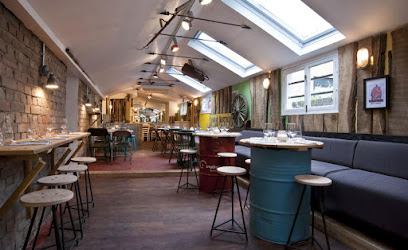
Core by Clare Smyth
1.6 km
Experience three-Michelin-starred modern British cuisine by Clare Smyth in an elegant Notting Hill setting, where sustainability meets culinary artistry.
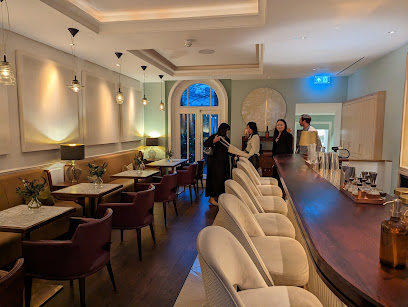
Gold
1.6 km
Stylish modern European dining with wood-roasted seasonal plates and inventive cocktails on iconic Portobello Road in vibrant Notting Hill.
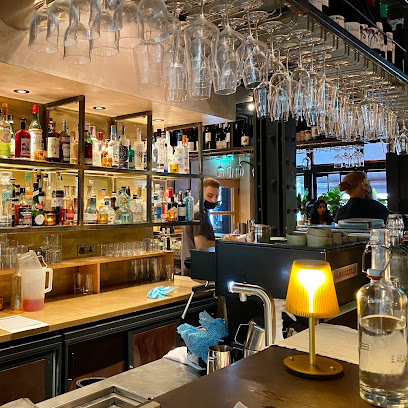
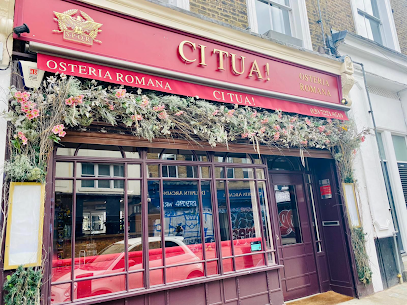
Ci Tua Osteria Romana
1.8 km
Experience authentic Roman cuisine and warm Italian hospitality in the heart of London’s vibrant Portobello Road.
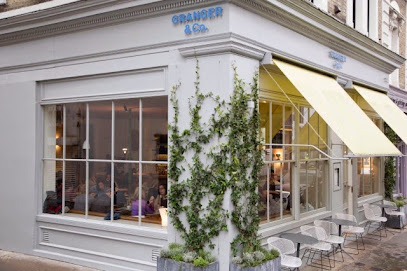
Granger and Co. Notting Hill
1.8 km
Experience vibrant Australian flavors all day in a sunny, welcoming setting at Granger and Co. Notting Hill on Westbourne Grove.
Markets, malls and hidden boutiques

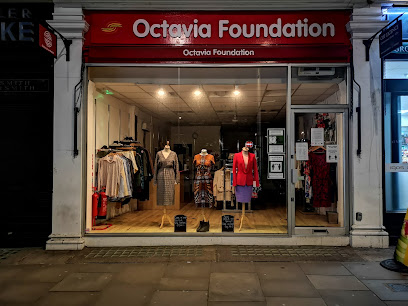
Octavia Foundation - Kensington
0.2 km
Discover designer bargains and vintage treasures at this Kensington High Street charity shop, funding life-changing support for local communities in true Octavia Hill spirit.
the Design Museum Shop - High Street Shop
0.2 km
Curated design haven on Kensington High Street: books, homewares, and innovative gifts celebrating creativity from the Design Museum.
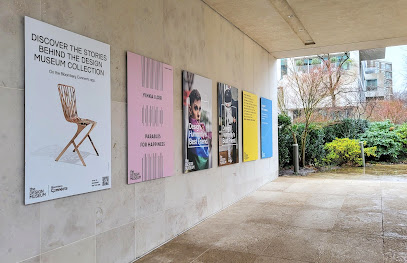
the Design Museum Shop
0.2 km
Curated gifts, books and design objects from the Design Museum’s High Street, Atrium and Exhibition shops—where form, craft and everyday use meet.
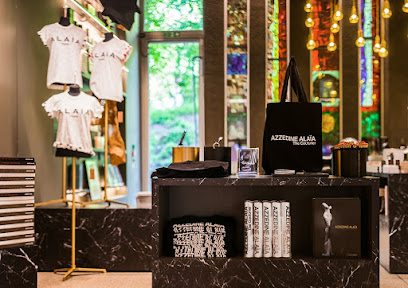
Oxfam Shop - Kensington High Street
0.4 km
Unearth ethical treasures on Kensington High Street at this vibrant Oxfam shop, where second-hand style funds global change amid London's posh shopping scene.
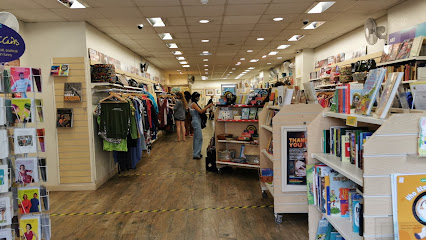
Jigsaw
0.9 km
Refined British womenswear on Kensington High Street, where timeless tailoring meets contemporary elegance in a stylish boutique haven.
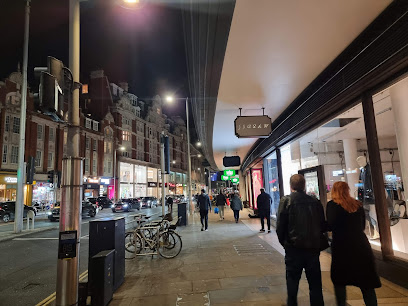
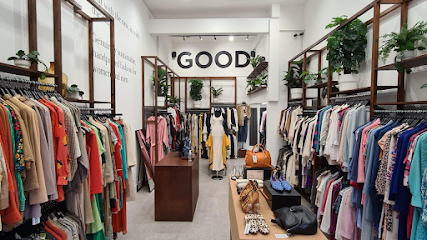
Good
0.9 km
Discover timeless designer vintage at Good, where Kensington Church Street's charm meets sustainable high fashion in a curated second-hand paradise.
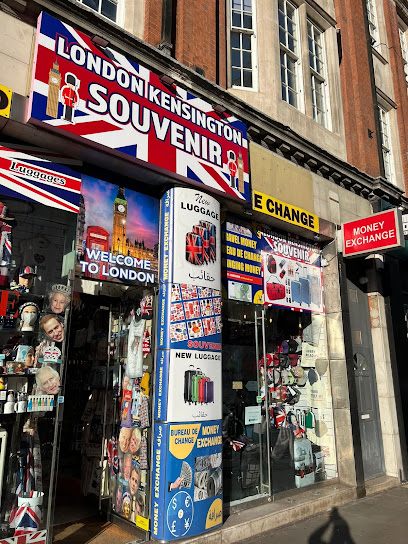
London Souvenir Kensington
0.9 km
Kensington High Street's go-to for authentic London souvenirs: red buses, royal trinkets, and Union Jack delights in a shopper's paradise.
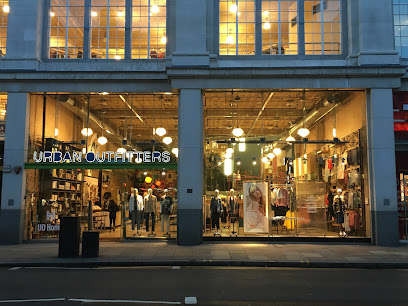
Urban Outfitters
1.0 km
Trendy threads and eclectic home vibes on London's iconic Kensington High Street – Urban Outfitters delivers boho-chic shopping with a creative edge.
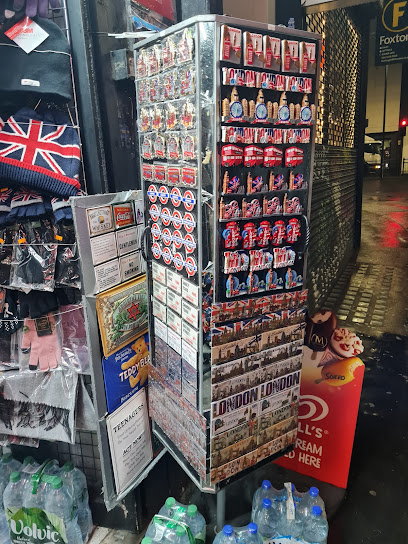
Notting hill store
1.2 km
Explore Notting Hill's local convenience store, your one-stop shop for groceries, unique souvenirs, and reliable luggage storage.
Kensington Palace Shop
1.3 km
Discover regal treasures at Kensington Palace Shop: fine china, jewellery, and exclusive souvenirs inspired by centuries of royal elegance in London's premier palace grounds.
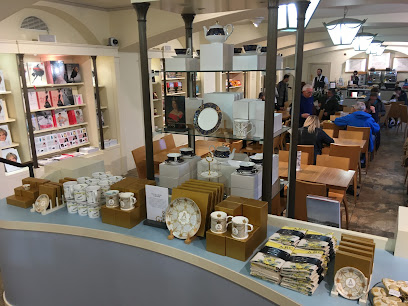
The gift store
1.4 km
Discover quirky handmade crafts and Notting Hill treasures at this vibrant Pembridge Road gem, where every shelf holds a unique story from London's creative heart.
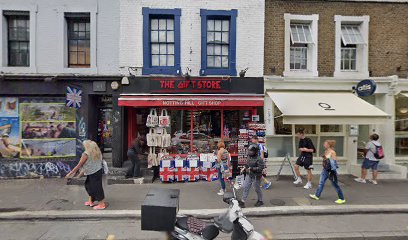
Appletree boutique
1.4 km
A small Notting Hill boutique specialising in retro‑inspired prints, colourful womenswear and standout accessories for playful, individual styling.

RETRO GIFTS RETAIL
1.5 km
Discover nostalgic treasures at Retro Gifts Retail on Portobello Road—retro charms, quirky novelties, and market magic in Notting Hill's vibrant heart.

Portobello Gifts Shop London
1.5 km
Retro souvenirs and nostalgic trinkets on Notting Hill's iconic Portobello Road—a treasure hunt for affordable London mementos amid market vibrancy.
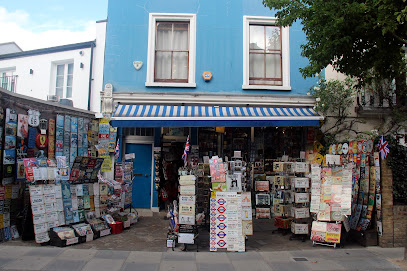
Paul Smith - Notting Hill
1.6 km
Classic British tailoring meets playful innovation at Paul Smith's elegant Notting Hill flagship in historic Westbourne House.
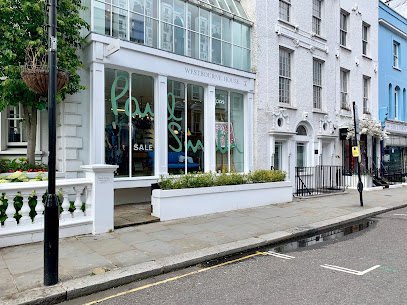
Essential bars & hidden hideouts

Prince of Wales
0.9 km
A cosy Kensington pub of warm wood, classic pints and a surprising Thai menu tucked behind a Victorian façade.
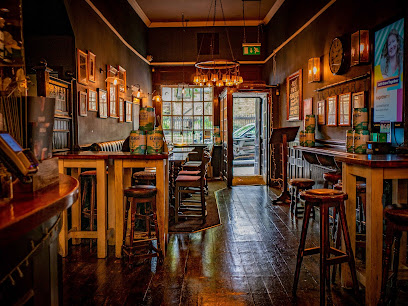
High Spirit Cocktail Bar
0.9 km
A friendly, compact cocktail bar on Kensington High Street serving well-made classics and creative seasonal drinks in a warm, music-led setting.
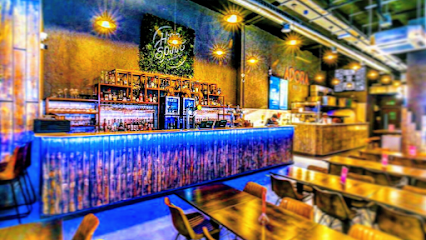
The Builders Arms
1.0 km
A classic Kensington pub with cosy period character, modern British comfort food and a lively, neighbourhood atmosphere.
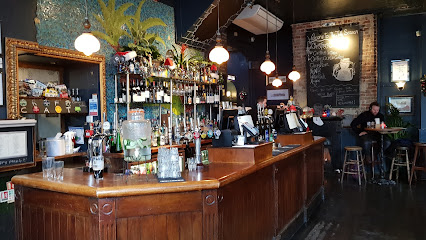
The Churchill Arms, Kensington
1.1 km
London's floral-festooned pub icon: Churchill memorabilia, pioneering Thai eats, and blooming facades since 1750 in vibrant Kensington.
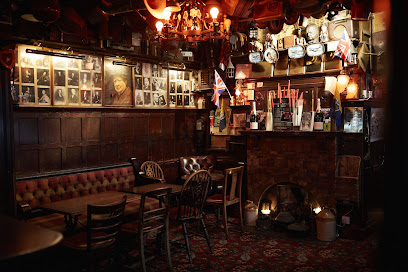
AMARO BAR - London
1.1 km
Elegant Kensington cocktail bar blending Savoy mastery with inventive twists, vintage rarities, and intimate speakeasy charm on High Street.
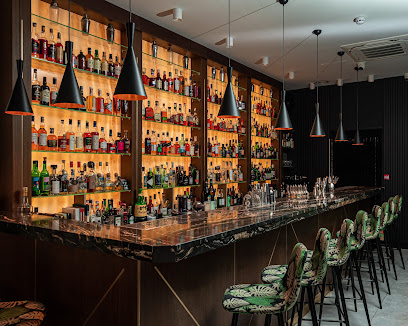
Piano Kensington
1.1 km
Live piano requests, cocktails and casual late-night bites in the Royal Garden Hotel — a music-led, relaxed Kensington night out.
The Curtains Up
1.1 km
A cozy West Kensington pub blending hearty British fare, lively theatre, and warm local charm for a memorable experience.

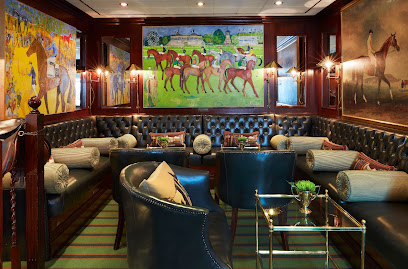
Stables Bar
1.2 km
Elegant Kensington cocktail haven in a former stable, blending equestrian heritage with inventive mixology and cosy conservatory vibes opposite lush gardens.
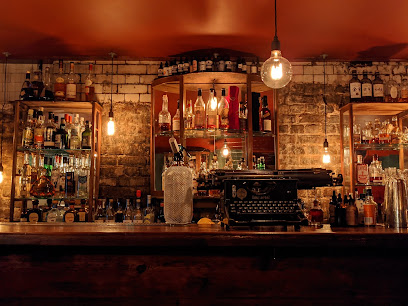
Evans & Peel Detective Agency
1.3 km
Step into a secret 1920s detective office for immersive cocktails, live jazz, and a playful mystery-solving speakeasy experience in London’s Earl’s Court.
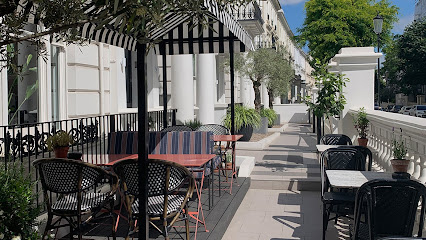
The Henderson Bar & Kitchen
1.3 km
Notting Hill's carnival-inspired bar serving twisted British classics from breakfast to cocktails on a sunny terrace—honoring Russ Henderson's legacy.
The Sun In Splendour
1.4 km
Historic Notting Hill pub with yellow charm, hearty fare, craft pours, and a secret garden haven on bustling Portobello Road.
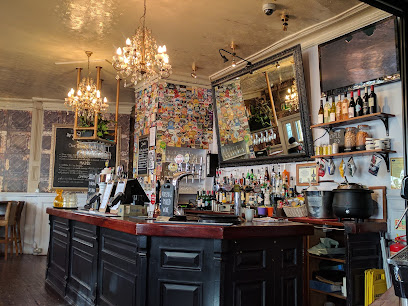
The Owl and Monkey Cocktail Bar
1.5 km
A stylish South Kensington cocktail bar blending tropical design, sustainable mixology, and warm hospitality for memorable nights.
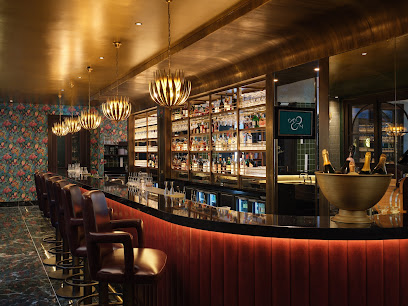
Bar 190
1.6 km
Experience London’s legendary rock ’n’ roll cocktail bar with classic Victorian charm and expertly crafted drinks at Bar 190.
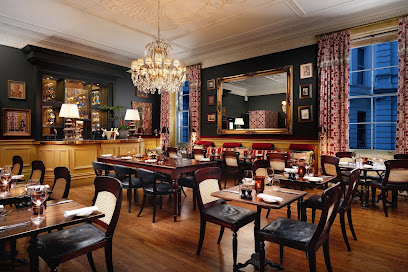
Naked & Famous Bar
1.6 km
A cozy, retro-styled Notting Hill basement bar focused on tequila and mezcal with bold, handcrafted cocktails.
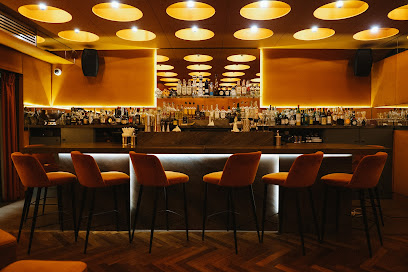
The Hereford Arms, South Kensington
1.6 km
Victorian South Kensington pub pouring Fuller's ales, serving refined classics like cod and cottage pie amid Hitchcock charm and Ripper lore.
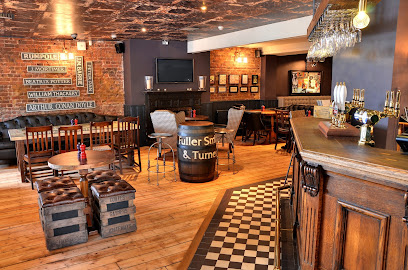
Nightclubs & after hour spots

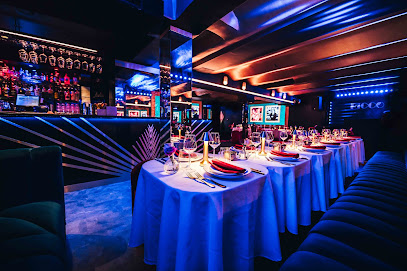
Ricco London
0.6 km
A plush, performance‑led lounge in Kensington Olympia where cocktails, Mediterranean sharers and cabaret create theatrical late‑night nights.
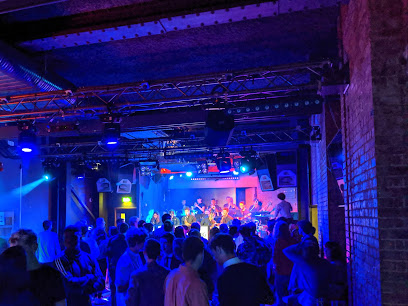
Notting Hill Arts Club
1.3 km
West London's sweaty basement cradle of music legends since '97—coffee by day, live gigs and club nights till 2am in an intimate den of funk, jazz, and raw talent.
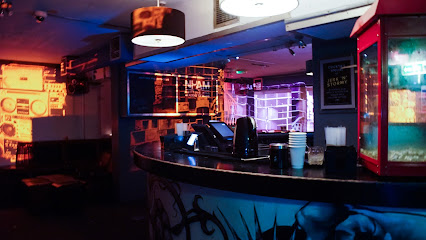
Metric
1.7 km
A compact, collegiate nightclub beneath Imperial College’s Beit Quadrangle — lively student nights, intimate dancefloor and a campus-centred party vibe.
The Duke of Wellington
1.8 km
Historic Young's pub on Portobello Road: Victorian screens, market views, British roasts, and Notting Hill legends in every pint.
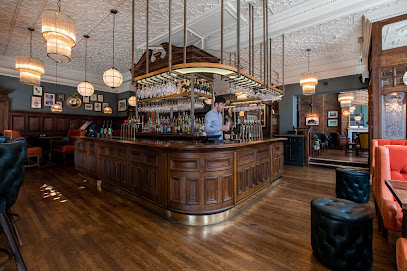
B London
1.9 km
Dive into South Kensington's electric nightlife at B London, where sophisticated beats and stylish crowds fuel unforgettable nights from 9pm till dawn.
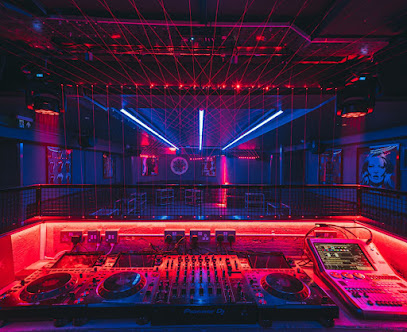
Electric House
1.9 km
Experience the vibrant social scene at Electric House, a chic social club in Notting Hill, London, blending style, comfort, and culinary delights.
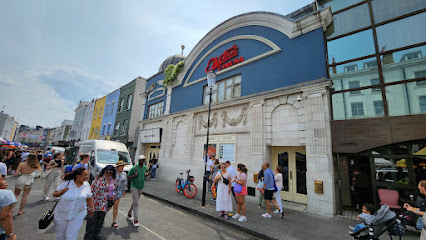
Dolce Night Club , London
2.0 km
Elite VIP nightclub in South Kensington blending luxurious design, R&B beats, and high-end cocktails for unforgettable weekend revelry.
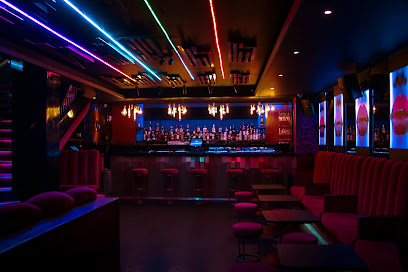
The Globe
2.0 km
Traditional London pub by day, lively late‑night bar and club by night—large, hireable rooms and a warm, characterful interior.
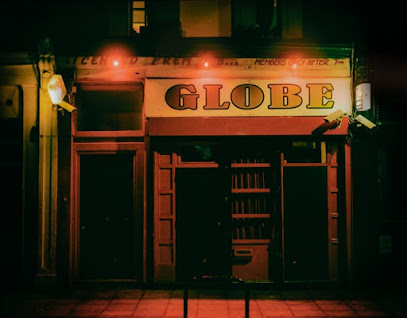
Lost In Disco
2.2 km
An intimate West London disco night celebrating 1970s–80s funk, soul and floor-filling classics with DJs, guest singers and a glittering dancefloor.
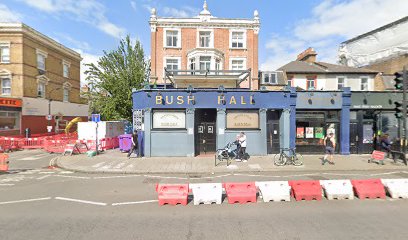
Privilege Entertainment Ltd
2.4 km
Discover the pulsating nightlife at Privilege Entertainment Ltd, London's premier entertainment agency and nightclub, where unforgettable experiences await.

Subteranian
2.4 km
A compact underground club on Acklam Road delivering dense, DJ-led electronic nights with an intimate, bass-heavy atmosphere.
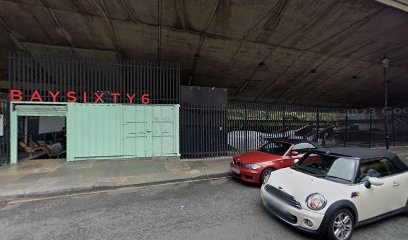
LUXX CLUB LONDON
4.3 km
Experience Mayfair’s premier luxury nightclub with dazzling lights, top DJs, and exclusive VIP vibes at LUXX CLUB LONDON.
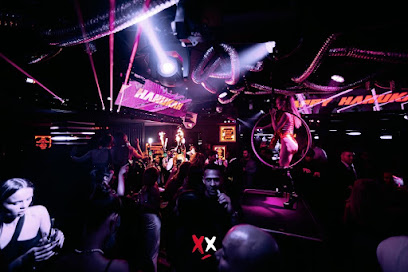
Le Fez
4.3 km
Experience Putney’s premier Moroccan-inspired nightclub with lush lounges, vibrant dancefloors, and unforgettable late-night entertainment.
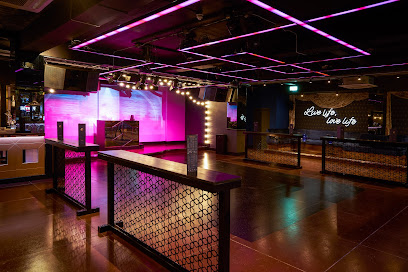
Carwash Nightclub
4.3 km
Europe's longest-running disco since 1989: sequins, funk beats, and joyful dancing in Mayfair's retro heart. Join the glitter-fueled party!
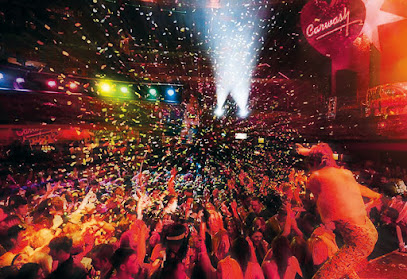
Tabu London
4.4 km
Escape Mayfair's polish for Tokyo's neon-lit Shinjuku alleys at Tabu London—retro gaming vibes, caged dancers, hip-hop beats, and upscale bites fuel epic nights.
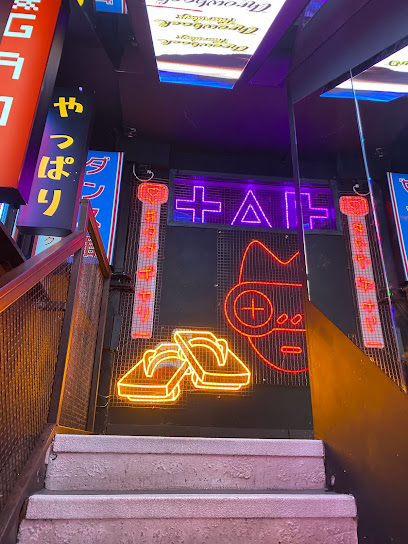
For the vibe & atmosphere seeker
- Tranquil
- Scenic
- Unique
- Relaxing
For the design and aesthetic lover
- Vintage Styles
- Colorful Aesthetics
- Art Deco Styles
For the architecture buff
- Historic
- Landmarks
- Art & Design
- Heritage Neighborhoods
For the view chaser and sunset hunter
- Iconic Views
- Panoramas
- Sunset Spots
For the social media creator & influencer
- Instagrammable
- Photo Spots
- Architectural Shots
For the eco-conscious traveler
- Public-Transport Accessible
- Locally Managed
For the kind of experience you’re after
- Cultural Heritage
- Photowalk
- Day Trip
- Weekend Getaway
For how adventurous you want the journey to be
- Easy Access
Location Audience
- Family Friendly
- Senior Friendly
- Child Friendly
- Teen Friendly
- Wheelchair Access
- Pet Friendly
- Solo Friendly
- Couple Friendly
- Vegetarian Friendly
- Vegan Friendly


