Lower Brockhampton House, Worcestershire Travel Guide
Step back 600 years at Lower Brockhampton, a moated medieval manor surrounded by orchards and woodland on a vast National Trust estate.
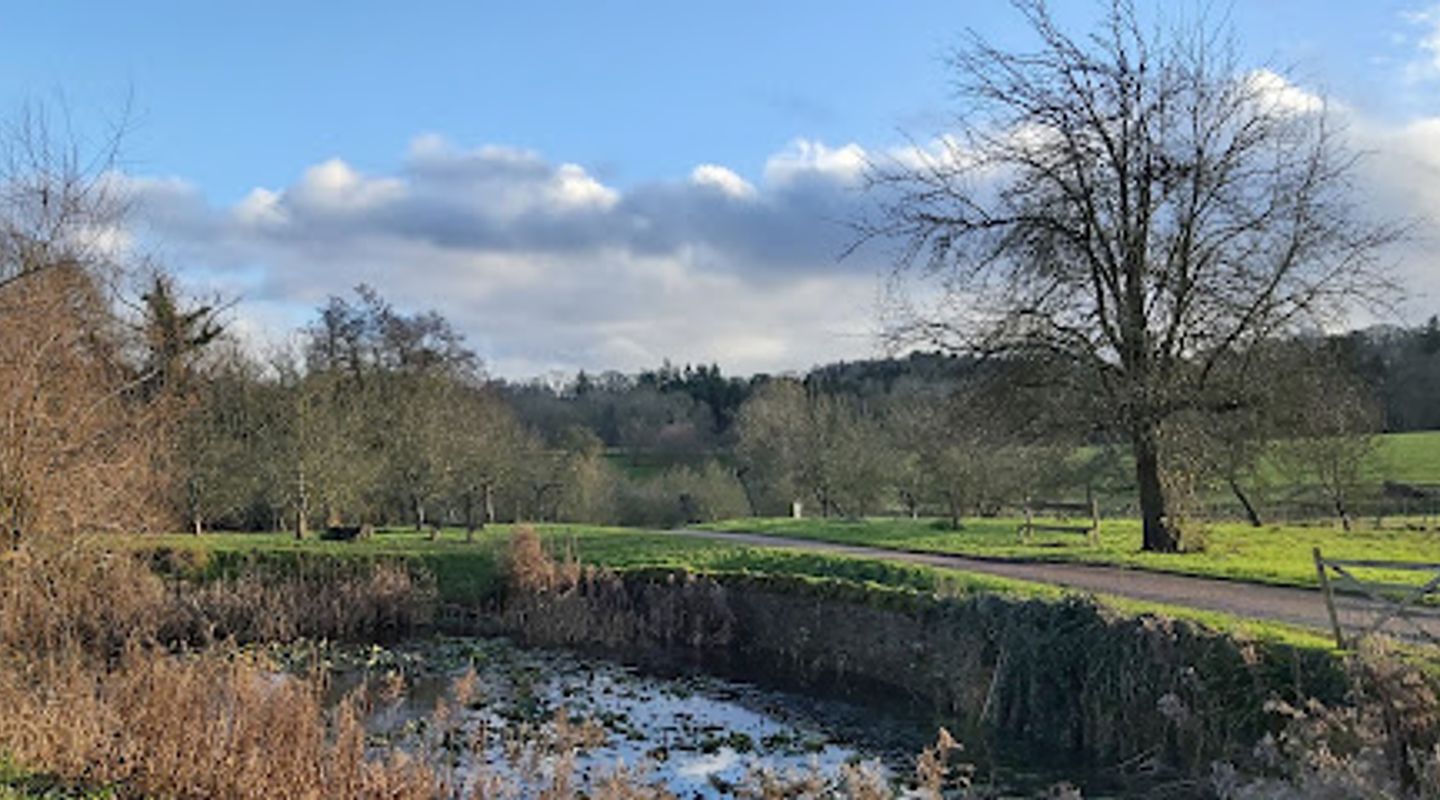
Lower Brockhampton is a picturesque late 14th-century timber-framed manor house nestled within a 1,700-acre National Trust estate in Herefordshire. Surrounded by a moat and accessed via a charming 16th-century timber gatehouse, the house reveals 600 years of history through rooms furnished to reflect different eras. The estate features extensive orchards, woodlands, and farmland, offering scenic walks and rich wildlife habitats.
A brief summary to Lower Brockhampton House
- Grooms Brockhampton Mews, Worcester, Bringsty, WR6 5TB, GB
- Click to display
- Click to display
- Duration: 1 to 3 hours
- Mid ranged
-
 Outdoor
- Mobile reception: 4 out of 5
- Monday 11 am-5 pm
- Tuesday 11 am-5 pm
- Wednesday 11 am-5 pm
- Thursday 11 am-5 pm
- Friday 11 am-5 pm
- Saturday 11 am-5 pm
- Sunday 11 am-5 pm

Know before you go
Hi, I'm Eve. Here are a few practical things to know before exploring Lower Brockhampton House.
- Explore the orchard walks on accessible paths to enjoy scenic views and spot traditional livestock breeds.
- Take time to appreciate the manor’s interiors, each room reflecting a different historical period from the 1400s to the 1950s.
- Visit the ruins of the Norman chapel nearby to see one of the oldest features on the estate.
- Stop by the Granary for light refreshments and the small bookshop for local history and nature-themed books.
Do you manage this location?
Take control to get all the benefits, like improved information, better appearance, and stronger visibility across AI-powered discovery. Learn more about listing your business on Evendo
Activate your presenceOther nearby places you may find interesting
The closest places of the same kind, if this one is not quite what you had in mind.
Explore Lower Brockhampton House on the Map
A handpicked selection of must-see spots near Lower Brockhampton House, mapped for you.
Getting There
-
Car
Driving from Bromyard, the estate is approximately a 15-minute drive via the A44. Parking is available on-site with no charge. Note that rural roads can be narrow; drive carefully. No public parking fees apply.
-
Bus
Local bus services run from Hereford and Bromyard to Bringsty, about 3 km from the estate entrance. From there, a taxi or a 40-minute walk on country lanes is required. Bus frequency is limited, so check schedules in advance. Tickets typically cost £5–£10.
-
Walking
For active visitors, walking from Bringsty village to the estate takes approximately 40 minutes over gently undulating rural terrain. Paths are mostly unpaved and may be muddy in wet weather. Suitable footwear recommended.
For the on-the-go comforts that matter to you
-
 Restrooms
-
 Drink Options
-
 Food Options
-
 Seating Areas
-
 Trash Bins
-
 Information Boards
-
 Visitor Center
Discover more about Lower Brockhampton House
A Timeless Medieval Manor at the Heart of Brockhampton Estate
Lower Brockhampton Manor House stands as a quintessential example of a late medieval timber-framed manor, constructed around 1425 for John Dumbleton. Its striking setting is defined by a wide moat filled with water lilies and a two-storey timber-framed gatehouse built circa 1530-40, which serves as both a grand entrance and a symbol of the estate's historical status. The manor's timber is believed to have been sourced from the estate itself, underscoring the deep connection between the house and its natural surroundings.Living History Through the Centuries
Inside, the manor offers a unique journey through time, with rooms staged to represent different periods from the 1400s through to the 1950s. Visitors can explore the medieval Great Hall and Minstrels’ Gallery, 17th-century bedrooms including that of Isabella Barneby, and more modest quarters once inhabited by estate workers. The kitchen, known as 'Alice’s Kitchen,' reflects early 20th-century life, while the lounge recreates a 1950s domestic scene complete with period furnishings and a vintage wireless.Estate Landscape and Natural Heritage
The manor is set within a sprawling 1,700-acre estate comprising farmland, parkland, and 700 acres of woodland. The estate includes 21 acres of traditional orchards, the largest cared for by the National Trust, accessible via well-maintained paths. The grounds are rich in wildlife, including historic breeds such as Hebrides sheep and Hereford cattle, making it a haven for nature lovers and those seeking tranquil countryside walks.Architectural and Historical Significance
The gatehouse, with its decorative bargeboards and studded door, is a remarkable survival of 16th-century craftsmanship and may have hosted secret Catholic masses during the Reformation. Nearby lie the ruins of a Norman chapel dating back to circa 1166, featuring an octagonal stone font and evidence of medieval stone roof tiles. The manor and chapel together tell a layered story of religious and domestic life spanning centuries.Restoration and Preservation Efforts
By the Victorian era, the manor had fallen into disrepair until architect JC Buckler undertook sensitive restoration work to revive its medieval character. The National Trust continues to maintain the property using traditional methods such as wattle and daub repairs, ensuring the manor's longevity as a living heritage site. The estate was bequeathed to the Trust in 1946 by Colonel John Lutley, whose family had stewarded the land for over twenty generations.Atmosphere and Visitor Experience
Visitors to Lower Brockhampton encounter a serene and evocative atmosphere, enhanced by the moat’s reflective waters and the historic orchard walks. The manor’s layered interiors invite reflection on the lives of both the gentry and estate workers across centuries. The estate also features a small bookshop and a granary serving refreshments, enriching the visitor experience amid the beautiful Herefordshire countryside.More to explore near Lower Brockhampton House













Your all‑in‑one travel companion app
Explore expert travel guides, compare and book tours, experiences, hotels, and more—all from the palm of your hand. Download now for seamless trip planning wherever your wanderlust takes you.


Explore More of Worcestershire
Looking beyond Lower Brockhampton House? Discover Worcestershire for broader travel guides, local hot-spots, and regional highlights.
Explore Worcestershire