Background

City Square, Leeds: Historic Urban Heart and Sculptural Landmark

Historic City Square in Leeds, a grand Italian-style piazza featuring iconic statues and vibrant urban life at the city’s heart.

City Square is a prominent triangular paved public space located just north of Leeds railway station. Established in 1896 following the demolition of Leeds' Cloth Hall and Quebec House, it was designed as an Italian-style piazza to celebrate Leeds' elevation to city status. The square features notable bronze statues including Edward, the Black Prince, and memorials to key historical figures, surrounded by grand architecture and bustling city life.

A brief summary to City Square

  • Leeds, GB
  • Duration: 0.5 to 2 hours
  • Free
  • Environment icon Outdoor
  • Mobile reception: 4 out of 5

Local tips

  • Visit during daylight hours to fully appreciate the detailed bronze statues and architectural features.
  • Take time to explore the surrounding streets and landmarks like the Queens Hotel and Kirkgate Market.
  • Look out for the statue of Edward, the Black Prince, a striking centerpiece of the square.
  • Enjoy the lively atmosphere and occasional street performances that bring the square to life.
widget icon

Getting There

  • Train

    Arrive at Leeds railway station, located directly south of City Square. The station is a major hub with frequent services from across the UK. From the station exit, City Square is a short 5-minute walk. Train fares vary by origin, typically starting from £10-£30.

  • Bus

    Multiple city bus routes serve stops near City Square, including services on Park Row and Wellington Street. Buses run frequently throughout the day with journeys from Leeds suburbs taking 15-30 minutes. Single fares start at approximately £2.50.

  • Taxi

    Taxis and ride-hailing services can drop you off directly at City Square. Travel times from Leeds city centre locations range from 5 to 15 minutes depending on traffic. Typical fares start around £5.

  • Walking

    If staying nearby in Leeds city centre, City Square is easily accessible on foot via paved pedestrian routes. Walking times vary from 5 to 20 minutes depending on your starting point. The terrain is flat and suitable for all mobility levels.

City Square location weather suitability

  • Weather icon Any Weather
  • Weather icon Rain / Wet Weather
  • Weather icon Clear Skies
  • Weather icon Mild Temperatures

Unlock the Best of City Square

Buy tickets

    No tickets available

Book tours with entry

    No tours available

Book tours without entry

    No tours available

Discover more about City Square

Origins and Urban Transformation

City Square emerged in the late 19th century as a transformative urban project in Leeds. In 1893, the historic Leeds Cloth Hall and Quebec House were demolished to create space for the new General Post Office building, completed in 1896. This redevelopment coincided with Leeds being granted city status, inspiring the creation of an open, grand public square named City Square. The design drew inspiration from Italian piazzas, emphasizing open paved space and architectural grandeur, marking a shift in the city’s urban landscape from dense historic buildings to a civic focal point.

Architectural and Sculptural Highlights

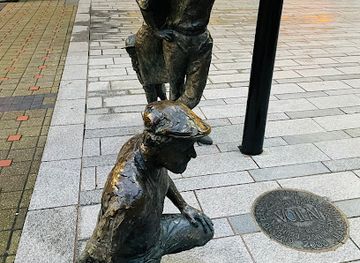
Dominating the square is the striking bronze statue of Edward, the Black Prince, mounted on horseback. Sculpted by Thomas Brock, this statue stands as a commanding centerpiece despite Edward’s unclear historical connection to Leeds. Surrounding the square are additional bronze memorials honoring influential figures: James Watt, the pioneering engineer; John Harrison, a 15th-century philanthropist; Doctor Walter Hook, a notable 19th-century vicar; and Joseph Priestly, the chemist and theologian. The General Post Office building itself is an architectural landmark, framing the square with its imposing façade.

City Square’s Role in Leeds’ Urban Fabric

Situated at the junction of Park Row, Wellington Street, Infirmary Street, Boar Lane, Bishopsgate Street, and Quebec Street, City Square acts as a vital urban nexus. Its triangular shape and paved expanse facilitate pedestrian movement and serve as a meeting point in the heart of Leeds city centre. The square’s proximity to Leeds railway station and the Queens Hotel underscores its importance as a gateway for visitors arriving in the city, blending historic charm with the bustle of modern urban life.

Atmosphere and Visitor Experience

City Square offers a dynamic city atmosphere where history meets contemporary activity. The open paved area invites casual gatherings, street performances, and serves as a backdrop for city events. Visitors can admire the detailed sculptures while absorbing the vibrant energy of Leeds’ commercial and cultural core. The square’s design encourages lingering, providing a moment of respite amid the city’s fast pace.

Commemorative Significance and Cultural Identity

The statues and memorials within City Square reflect Leeds’ rich heritage and civic pride. Each bronze figure commemorates contributions to science, philanthropy, religion, and governance, collectively narrating facets of the city’s historical identity. The square thus functions not only as a physical space but as a cultural landmark embodying Leeds’ evolution and values.

Integration with Surrounding Landmarks

City Square is closely linked to other notable Leeds landmarks, including the nearby Queens Hotel, Kirkgate Market, and Woodhouse Moor Park. This connectivity enhances its role as a central node in the city’s historic and social landscape, making it a natural starting point for exploring Leeds’ architectural and cultural treasures.

Busiest months of the year

Busiest hours of the day

Popular Experiences near City Square

Popular Hotels near City Square

Select Currency