
Milner Field Manor Ruins: The Haunted Legacy of a Victorian Mansion
Explore the evocative ruins of Milner Field, a once-grand Victorian mansion steeped in history, tragedy, and ghostly legend near Bingley.
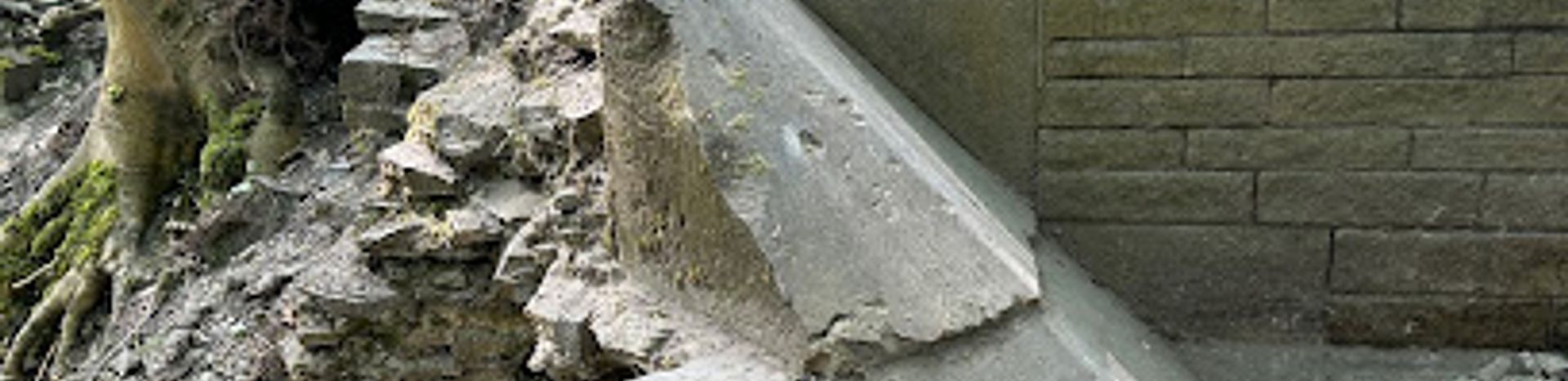
Milner Field Manor Ruins, located on Higher Coach Road near Bingley, West Yorkshire, are the remains of a grand Victorian mansion built between 1871 and 1873 for Titus Salt Jr., son of the famous industrialist Sir Titus Salt. Once a lavish estate with royal visits, the mansion fell into decline after a series of tragic deaths and was abandoned by the 1930s. Today, the ruins lie hidden in woodland, with remnants like the conservatory floor and cellar vaults offering a haunting glimpse into its opulent past.
A brief summary to Milner Field Manor Ruins
- Higher Coach Rd, Bingley, BD16 4QR, GB
- Duration: 1 to 2.5 hours
- Free
-
 Outdoor
- Mobile reception: 4 out of 5
Local tips
- Wear sturdy footwear as the ruins are surrounded by woodland paths that can be uneven and muddy.
- Visit during daylight hours for the best visibility and to safely explore the site.
- Bring a camera to capture the atmospheric ruins, especially the conservatory mosaic floor and cellar vaults.
- Respect the site by not climbing on unstable structures and avoid disturbing the natural surroundings.

For the on-the-go comforts that matter to you
- Seating Areas
- Information Boards
Getting There
-
Car
Driving from central Bingley to Milner Field Manor Ruins takes approximately 15 to 20 minutes. Parking is limited near Higher Coach Road, so be prepared for a short walk along rural paths. No paid parking fees apply.
-
Bus
Local bus services run from Bingley town center towards Gilstead with a stop near Higher Coach Road. The journey takes around 20 to 30 minutes. Service frequency is moderate, with fewer buses on weekends. Walking from the bus stop to the ruins involves uneven terrain.
-
Walking
For active walkers, a scenic 45 to 60-minute walk from Bingley town center follows country lanes and woodland paths to the ruins. The terrain includes some slopes and natural surfaces, requiring good footwear and moderate fitness.
Milner Field Manor Ruins location weather suitability
-
 Any Weather
-
 Clear Skies
-
 Mild Temperatures
-
 Rain / Wet Weather
Discover more about Milner Field Manor Ruins
A Grand Vision Born of Industrial Wealth
Milner Field was commissioned in the early 1870s by Titus Salt Jr., the youngest son of Sir Titus Salt, the renowned Victorian industrialist and philanthropist who founded the model village of Saltaire. The mansion was designed by architect Thomas Harris in a blend of Gothic revival and traditional styles, embodying the wealth and status of the Salt family. The estate featured state-of-the-art amenities for its time, including its own water supply, electricity, sewage system, water-cooled refrigeration, and a telephone line directly connecting to Salt’s Mill. The grounds were meticulously landscaped by Robert Marnock, with woodland gardens, a boating lake, an orangery, and a kitchen garden, creating a picturesque retreat overlooking the valley towards Saltaire.Royal Visits and Early Tragedies
Milner Field attracted notable visitors, including the Prince and Princess of Wales in 1882 and Princess Beatrice and Prince Henry of Battenberg in 1887, marking it as a social jewel of the era. However, tragedy struck in November 1887 when Titus Salt Jr. died suddenly of heart failure in the billiard room. This event marked the beginning of a series of misfortunes that would haunt the mansion. Subsequent owners, including Sir James Roberts and Ernest Gates, faced personal calamities and untimely deaths, contributing to the mansion’s growing reputation as cursed.Decline, Abandonment, and the Curse of Milner Field
By the early 20th century, the mansion became increasingly difficult to maintain. The costly upkeep, combined with its eerie reputation, made it impossible to sell. After the last family, the Hollins, suffered multiple deaths, the house was abandoned in the 1930s. Valuable fixtures were stripped, windows and the roof removed, and the estate left to deteriorate. During World War II, the grounds were used by the local Home Guard for grenade practice. Attempts to demolish the mansion with dynamite in the 1950s failed, a testament to the solid construction and the mansion’s almost mythical resilience. Eventually, bulldozers razed the structure, leaving only ruins behind.The Ruins Today: Nature’s Quiet Reclamation
Now, Milner Field exists as a haunting ruin nestled within dense woodland. Visitors can still find remnants of its former grandeur: the mosaic floor of the conservatory, ivy-covered stone walls, cellar vaults with vaulted brick ceilings, and scattered fragments of decorative stonework. The old coach road that once connected the estate’s lodges remains a pleasant walking path. Overgrown terraces, the footprint of greenhouses, and the kitchen garden’s outline are faintly visible beneath the foliage. Local volunteers have begun clearing undergrowth to reveal more features, preserving the site’s historical legacy.Legends and Ghost Stories
The mansion’s tragic history has birthed numerous ghost stories, including sightings of former inhabitants like Titus Salt Jr. and the wives of later owners. The most famous apparition is the “Green Man of Milner Field,” a spectral figure said to play a flute while roaming the ruins. These tales add a layer of mystique and allure, attracting visitors intrigued by the paranormal alongside those interested in history and architecture.Preservation and Future Prospects
Efforts are underway to protect Milner Field as a conservation area, acknowledging its significance as a landscape designed by Robert Marnock and its connection to the Salt family legacy. While much of the mansion is lost, the surviving features offer a unique window into Victorian country house life and the dramatic stories that unfolded here. The site remains a poignant symbol of grandeur, tragedy, and nature’s reclaiming power, inviting exploration and reflection.Iconic landmarks you can’t miss

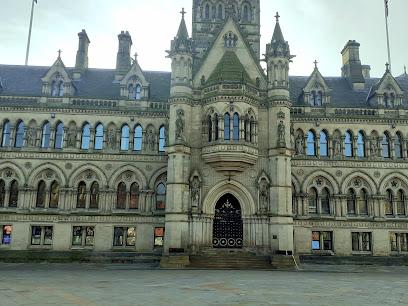
Bradford City Hall
7.2 km
A majestic Victorian landmark in Bradford, blending stunning Venetian Gothic architecture with rich civic history and vibrant cultural life.
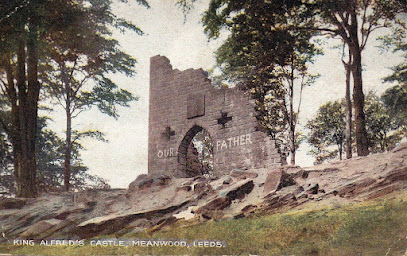
King Alfred's Castle
17.1 km
An evocative 18th-century folly in Leeds, celebrating King Alfred’s legacy with historic charm and architectural romance.
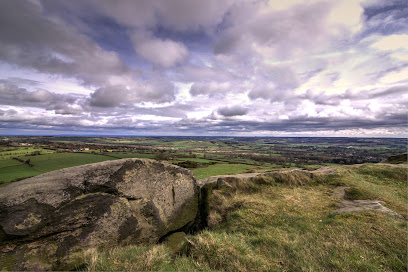
Almscliffe Crag
17.8 km
A majestic Millstone Grit outcrop near Leeds and Harrogate, famed for climbing, sweeping valley views, and rich folklore.
Civic Hall
18.2 km
A majestic Grade II* listed municipal building in Leeds, famed for its golden owls and grand civic ceremonies.
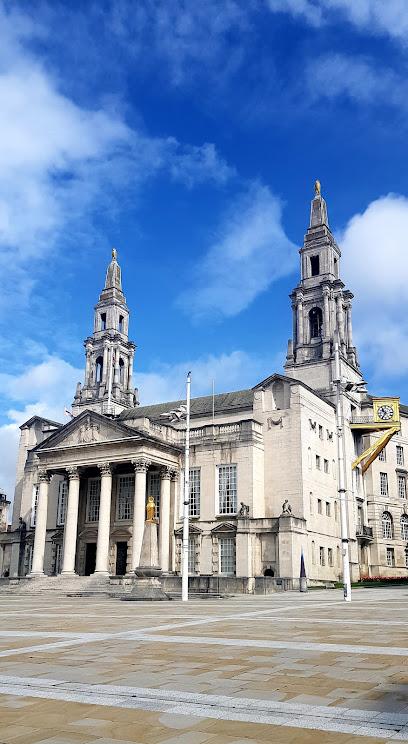
Tilly + Enzo
18.2 km
Discover tranquility at Tilly + Enzo, a serene shrine in Leeds offering a peaceful retreat amidst the city's vibrant energy.
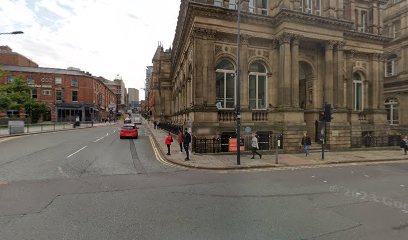
Leeds War Memorial
18.3 km
A solemn and historic tribute in Leeds city center honoring the bravery and sacrifice of World War I soldiers.
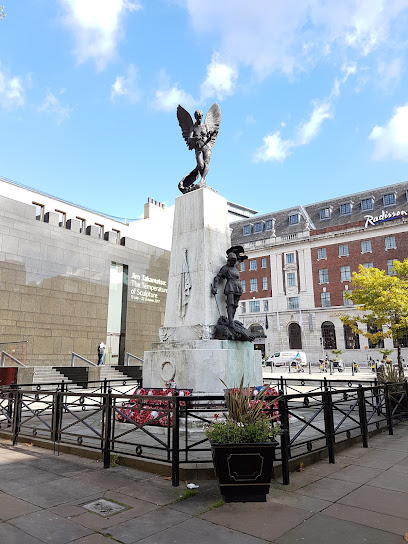
Temple Works
18.4 km
Discover Temple Works, Leeds’ iconic Egyptian Revival flax mill blending industrial heritage with architectural grandeur and future cultural renewal.
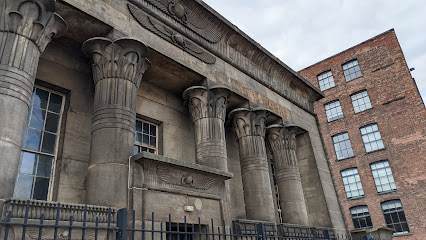
Chapel Allerton Arts Festival
18.4 km
A vibrant, community-driven arts festival celebrating music, crafts, and creativity in the heart of Chapel Allerton, Leeds.
Statue of John Harrison
18.4 km
Honoring Leeds’ historic benefactor John Harrison, whose philanthropy and leadership shaped the city’s early growth and community spirit.
Chapel Allerton, Leeds
18.5 km
Explore the vibrant Chapel Allerton, Leeds, where local culture, unique shops, and diverse dining converge in a charming community atmosphere.

The Black Prince
18.5 km
Experience the charm of The Black Prince, a historic pub in Leeds offering local ales, hearty meals, and a vibrant atmosphere.

Chapel Allerton Park
18.5 km
Explore Chapel Allerton Park, a serene oasis in Leeds, perfect for relaxation, picnics, and family outings amidst beautiful greenery.
Dortmund Square
18.6 km
Experience the vibrant culture and rich history of Leeds at Dortmund Square, the heart of the city where community and excitement come together.
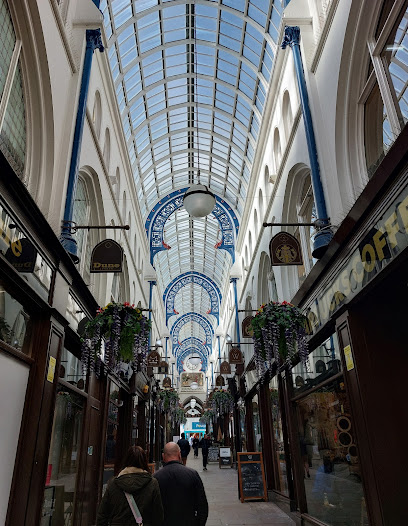
Ivanhoe Clock Thornton’s Arcade, Leeds.
18.7 km
Experience the charm of Leeds at the Ivanhoe Clock in Thornton's Arcade, a historical landmark rich in beauty and culture.
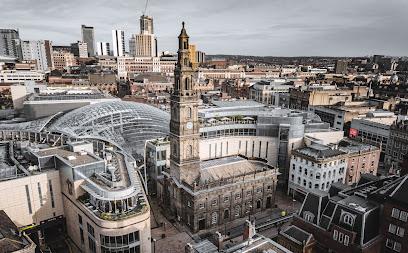
Holy Trinity Church
18.7 km
Discover Leeds’ elegant 18th-century Holy Trinity Church, a Georgian architectural masterpiece and vibrant cultural hub in the city centre.
Unmissable attractions to see

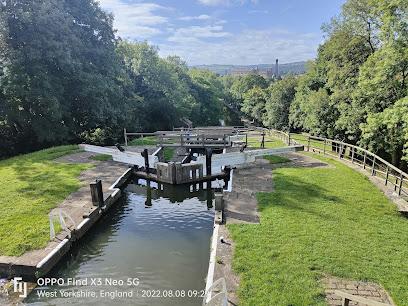
Bingley Five Rise Locks
1.8 km
Discover Britain’s steepest staircase locks, a historic engineering marvel rising 18 meters over five dramatic canal chambers in scenic West Yorkshire.
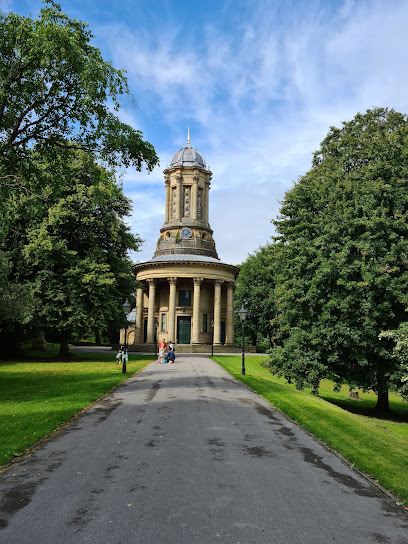
Salts Mill
1.9 km
Historic textile mill turned vibrant cultural hub with world-class art, independent shops, and dining in Saltaire's UNESCO village.
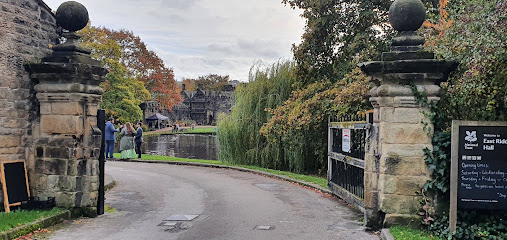
East Riddlesden Hall
5.4 km
Explore a charming 17th-century manor, historic barn, and family-friendly gardens nestled in the heart of West Yorkshire’s countryside.
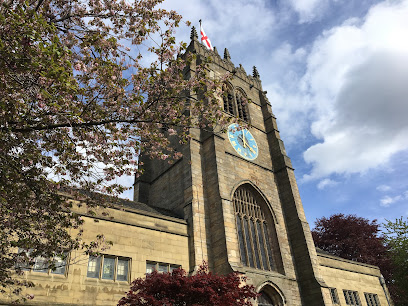
Bradford Cathedral
7.2 km
Discover Bradford Cathedral, a historic sanctuary blending 1,400 years of faith, art, and community spirit in the heart of Bradford city centre.
Calverley Old Hall
8.8 km
Medieval grandeur meets modern sustainability in a restored 700-year-old manor house near Leeds.
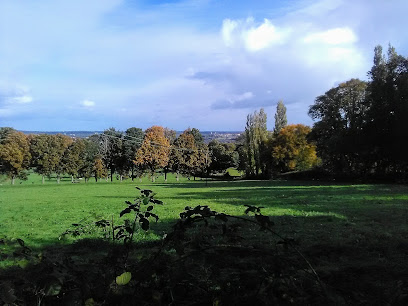
Haworth
8.9 km
Explore Haworth, the enchanting Yorkshire village where the Brontë sisters wrote timeless classics amid stunning moorland scenery and heritage steam trains.
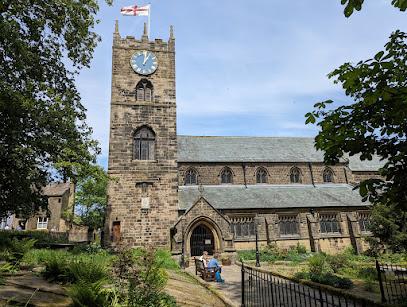
St Michael & All Angels Church, Haworth
9.3 km
Historic spiritual home of the Brontë family, blending rich literary heritage with stunning Victorian architecture in the heart of Haworth.
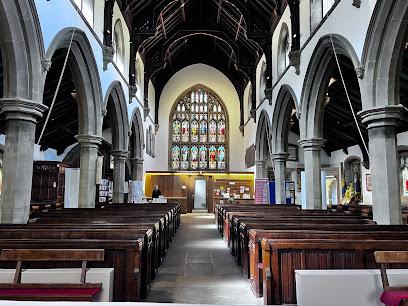
Brontë Parsonage Museum
9.4 km
Step into the world of the Brontë sisters at their historic Haworth home, where literary masterpieces were born amidst the Yorkshire moors.
Horsforth Hall Park
11.1 km
Historic community park in Leeds featuring open green spaces, a Japanese garden, sports facilities, and year-round family events.
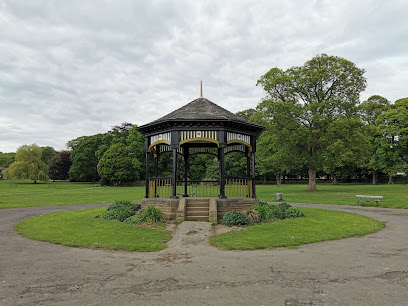
Horsforth Village Museum
11.4 km
Discover Horsforth’s rich heritage through personal stories and local artifacts at this charming volunteer-run village museum.
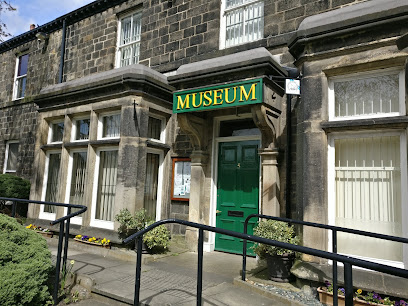
Rodley Nature Reserve
11.5 km
A tranquil urban wetland near Leeds, Rodley Nature Reserve offers vibrant birdlife, dragonflies, and peaceful nature walks in a volunteer-run sanctuary.
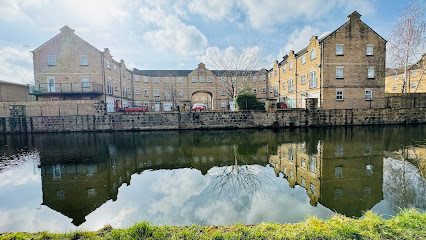
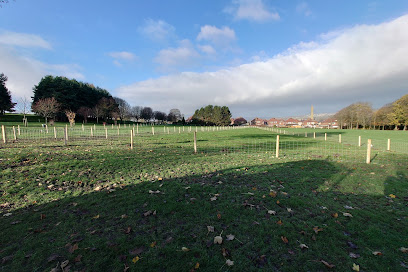
Bramley Park
12.4 km
A lively community park in Leeds blending sports, nature, and local events with stunning city views and family-friendly spaces.
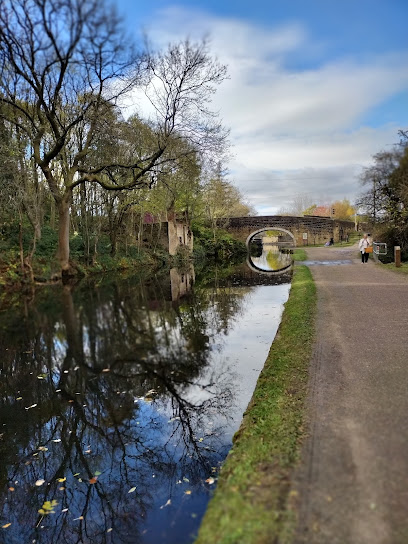
Bramley Fall Park
12.5 km
Explore Bramley Fall Park’s ancient woods, scenic waterways, and family-friendly playgrounds in a tranquil Leeds green space.
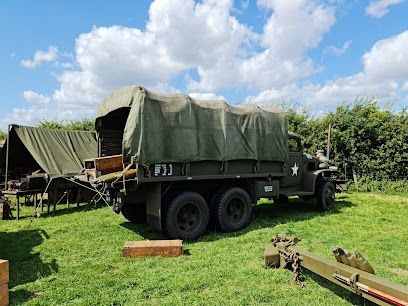
Yorkshire Wartime Experience
12.8 km
Experience the thrill of history with the North’s largest military show featuring tanks, reenactments, and 1940s entertainment for all ages.
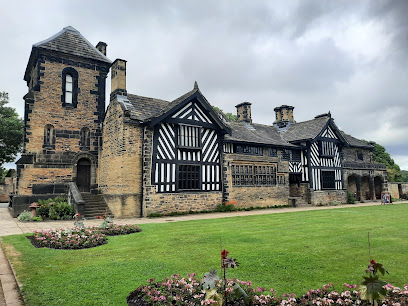
Shibden Hall
13.2 km
Discover centuries of history and natural beauty at Shibden Hall, a historic manor set in award-winning parkland near Halifax.
Essential places to dine

The Box Tree Restaurant
9.0 km
A historic fine dining gem in Ilkley, blending classical French techniques with modern European flair in a charming sandstone setting.
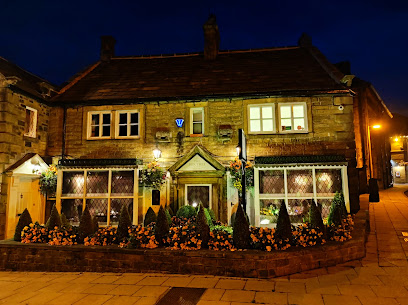
Grand Cru Restaurant
13.1 km
Experience luxurious modern British dining in a beautifully restored landmark with refined cuisine and warm, attentive service in Birkenshaw.
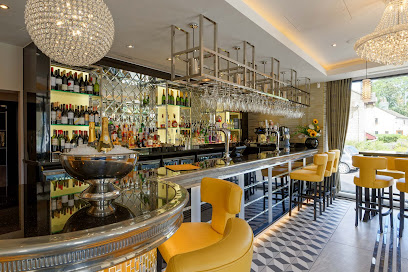
Casa Alba
15.5 km
Authentic Italian flavors and cosy ambiance await you at Casa Alba, Headingley’s beloved dining destination.
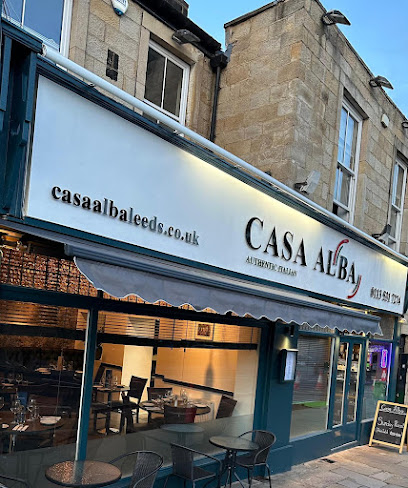
Salvo's
15.6 km
Authentic family-run Italian dining in the heart of Headingley, Leeds, serving classic pasta, wood-fired pizzas, and warm hospitality since 1976.
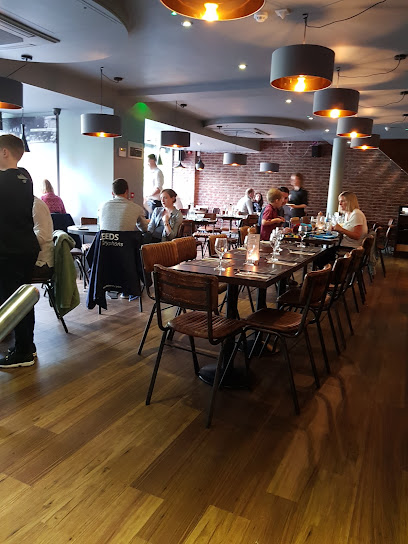
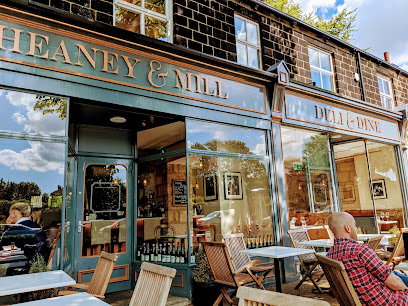
Heaney & Mill
15.7 km
Cozy modern British dining in Headingley with standout Sunday roasts and a warm, inviting atmosphere.
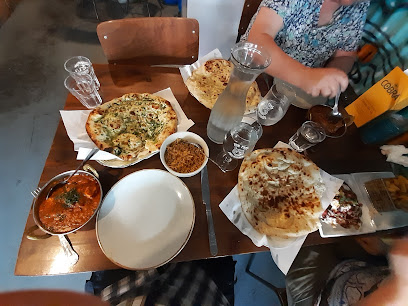
The Cat's Pyjamas
15.9 km
Experience vibrant pan-Indian street food in a cosy, lively setting at The Cat's Pyjamas in Headingley, Leeds.
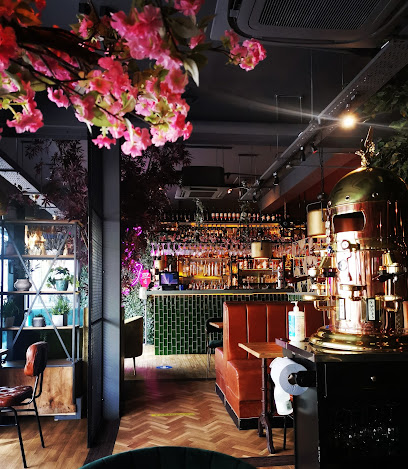
Santorini Bar & Grill
15.9 km
Experience authentic Greek and Turkish flavors in a lively, welcoming setting at Santorini Bar & Grill in Leeds’ vibrant Headingley district.
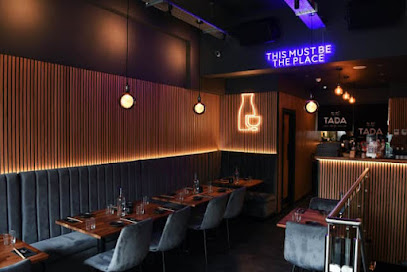
TADA
15.9 km
Authentic Japanese flavors meet stylish comfort in Headingley’s beloved TADA, a top choice for sushi, ramen, and bento delights.
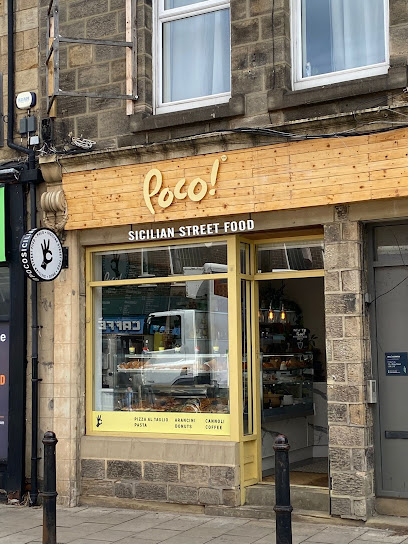
Poco Sicilian Street Food Headingley
15.9 km
Authentic Sicilian street food in the heart of Headingley, Leeds, serving vibrant flavors in a casual, welcoming setting.
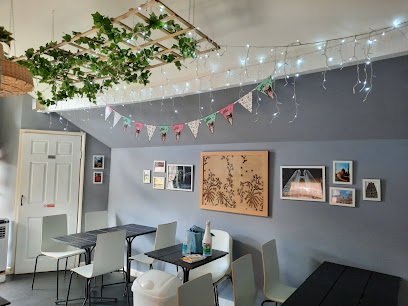
Kuala Lumpur Café Headingley
15.9 km
Experience authentic Malaysian cuisine in a cozy, friendly café setting with vibrant flavors and warm hospitality in Headingley, Leeds.
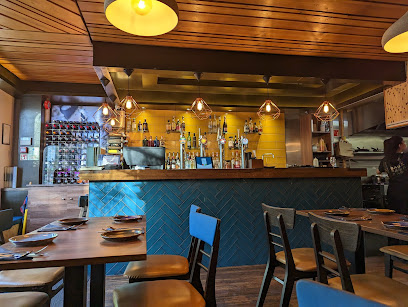
De Baga Restaurant
16.0 km
Experience authentic Goan and southern Indian cuisine in a vibrant, welcoming setting at De Baga, Headingley’s celebrated Indian restaurant.
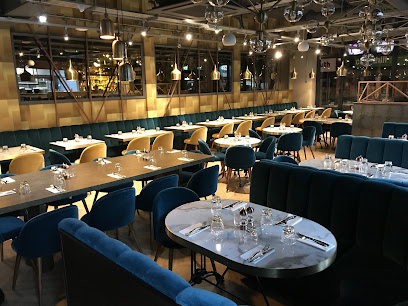
Signature Bar and Restaurant
16.0 km
A stylish dining and social hotspot in Leeds’ lively Headingley, known for excellent cocktails, diverse cuisine, and a welcoming atmosphere.
Gimbals Restaurant
16.2 km
Quirky, cozy Modern British dining with Mediterranean flair and warm, personalized service in the heart of Sowerby Bridge.
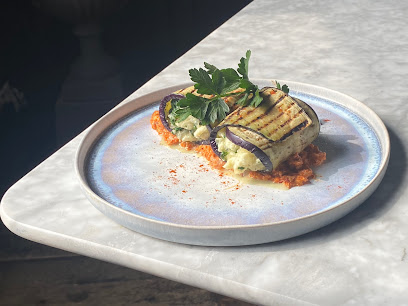
Zucco
16.5 km
Experience authentic Italian flavors and warm family hospitality in the heart of Leeds’ Meanwood at Zucco, a cozy spot for sharing plates and fine wines.
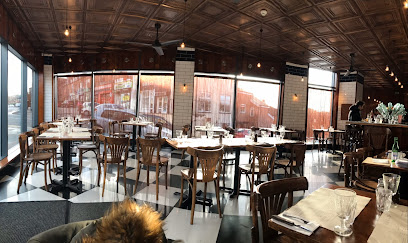
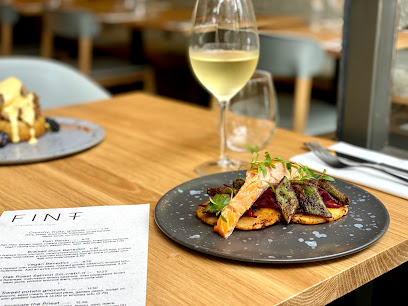
FINT
18.0 km
Scandinavian-inspired dining with vegan-friendly options and a cozy, stylish atmosphere in central Leeds.
Markets, malls and hidden boutiques

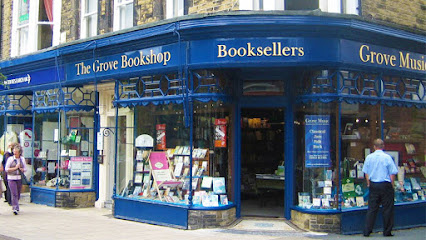
Grove Bookshop
8.8 km
A warm, independent bookshop in Ilkley’s heart, perfect for browsing new releases, children’s books, travel guides and local events.
Our Handmade Collective
11.7 km
Discover unique, handcrafted treasures from over 110 local makers in a welcoming Horsforth boutique that celebrates creativity and quality.
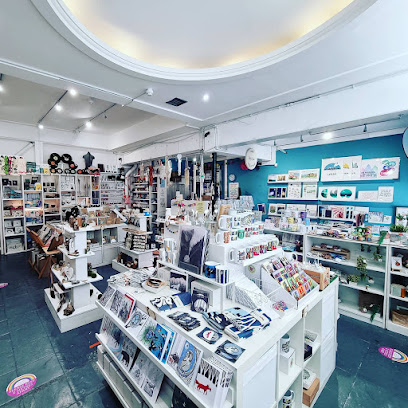
Legs&Limpy
15.6 km
Whimsical threads for Leeds' lively souls: quirky clothing that moves with Headingley's beat in a cozy crescent hideaway.
Uniquely Yours / Yorkshire Melts
15.7 km
Discover handcrafted wax melts and unique Yorkshire gifts in the heart of Armley, Leeds, blending artisan charm with local warmth.
Style LTT
15.7 km
Chic womenswear finds in Headingley's lively heart: soft, stylish pieces for every day, blending comfort and contemporary flair amid buzzing cafes and parks.
Flavour Like Fancy
15.8 km
Vibrant Headingley gift shop brimming with bold, handmade treasures from local UK makers—perfect for unique finds that spark joy and support indie creativity.
LW Home & Decor
15.9 km
Explore LW Home & Decor in Headingley, Leeds for unique furniture and accents that elevate your home aesthetics with local charm and style.
varelas.clothing
16.3 km
Unique fashion finds in Headingley's vibrant heart, where personal style meets eclectic Leeds suburb charm on Raven Road.
Pablos Friends Shop
16.4 km
Discover unique local goods and gifts at Pablo's Friends Shop in Headingley, Leeds, a charming destination for authentic Yorkshire finds.
Holton Apparel
16.5 km
Explore Holton Apparel in Headingley, Leeds, for unique and stylish clothing that captures the essence of local fashion.
Melts
16.7 km
Uncover Headingley's artisanal treasures at Melts, where local crafts and unique handmade finds bring the neighborhood's creative soul to life on bustling Headingley Lane.
North South Vintage
17.0 km
Discover authenticated luxury vintage in Headingley's beating heart: handpicked designer gems, vinyl vibes, and sustainable style await at this incense-scented flagship.
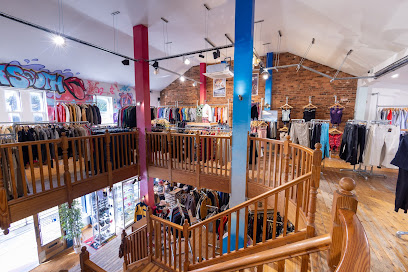
Vintage Boutique
17.0 km
Discover timeless vintage fashion treasures and personalized service in the heart of Headingley, Leeds’ vibrant boutique scene.
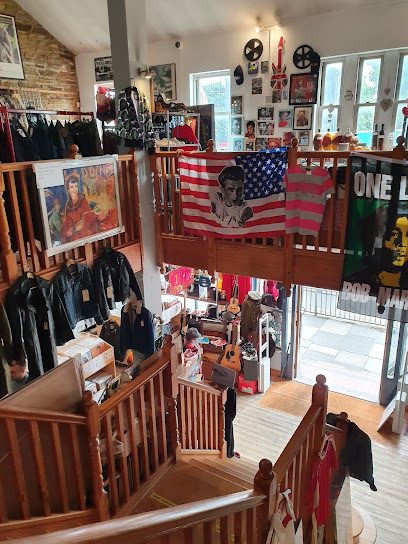
Eco Queen
17.1 km
Sustainable gifts and eco-elegance in Chapel Allerton's heart: chinaware, candles, and custom baskets for mindful living.

Digital Shop
18.3 km
Explore unique furniture and decor at Digital Shop in Leeds, where style meets quality in a charming shopping experience.
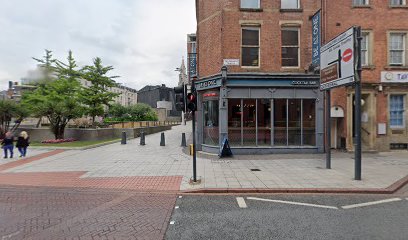
Essential bars & hidden hideouts

Woodies Craft Ale House
15.4 km
Savor Yorkshire craft ales amid industrial chic at Headingley's go-to pub, where hearty grub, live tunes, and Otley Run vibes create unforgettable evenings.
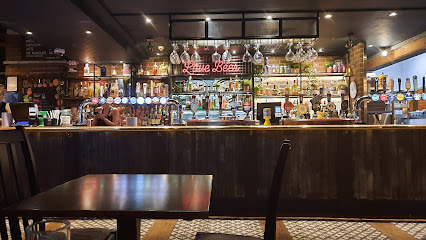
The Three Horseshoes
15.5 km
Lively Headingley pub fueling the Otley Run with pizzas, roasts, live music, sports screens, and student spirit—your go-to for pints and pool.
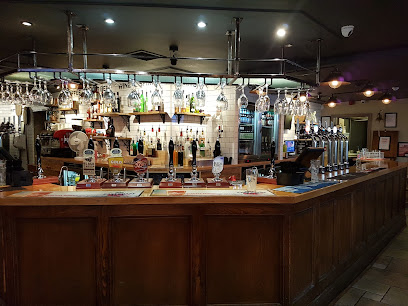
Manahatta Headingley
15.7 km
A lively Headingley cocktail bar serving shareable plates, bold drinks and an easygoing, student-friendly atmosphere.
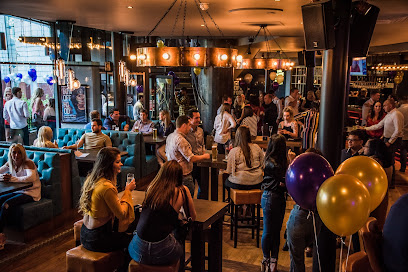
Arcadia Ale House
15.8 km
Cozy Headingley ale house pouring premium cask beers in a calm, crawl-free haven amid Leeds' student buzz—perfect for discerning drinkers.
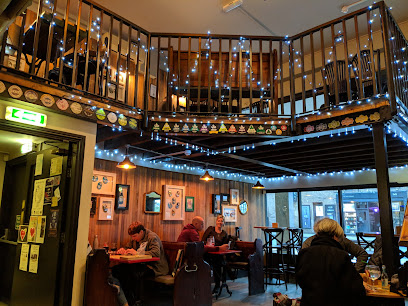
The Headingley Taps
15.8 km
Lively sports pub near Headingley Stadium, buzzing with match-day cheers, pub grub, karaoke, and student energy in Leeds' vibrant north side.
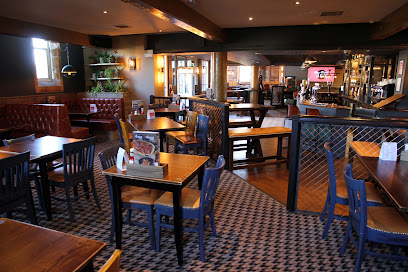
New Headingley Club
15.8 km
Headingley's cozy members' club: real ales, snooker, garden pints, and community vibes away from the student buzz – perfect for sports fans and relaxed gatherings.
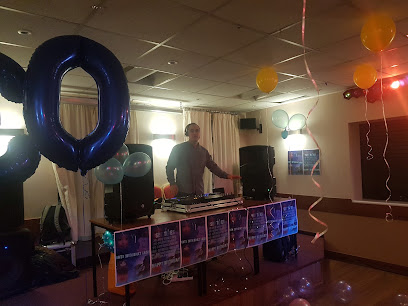
The Head of Steam Headingley
15.8 km
Leeds' go-to pub for world-class craft beers, live tunes, epic quizzes, and upstairs games in buzzing Headingley—perfect for pints and play.
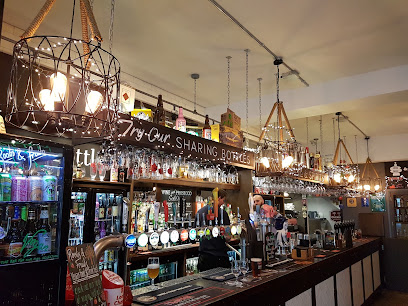
The Gin Room
15.9 km
Savor Headingley's premier gin sanctuary: vast collections, flawless pairings, and cozy vibes in the heart of Otley Road's nightlife pulse.
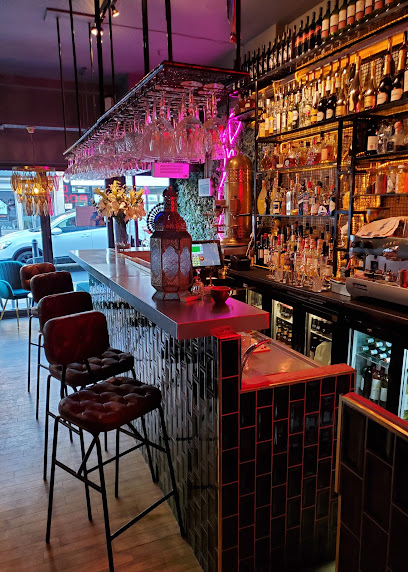
BOX Headingley
16.0 km
A multi-level sports bar in Headingley with rooftop beer-gardens, big screens, shareable pub food and social games for groups and match nights.
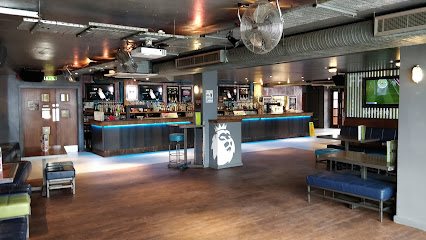
The Golden Beam - JD Wetherspoon
16.4 km
Historic Headingley pub pouring affordable pints and pub classics in a spacious, student-favorite setting with striking architecture.
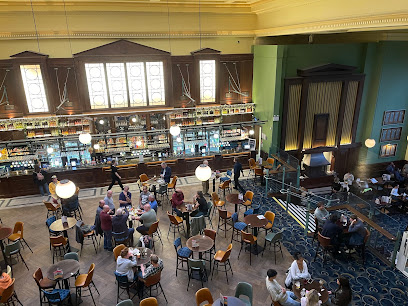
Brudenell Social Club
16.6 km
A compact, community-run live-music club in Burley — intimate gigs, pies at the bar and a warmly ramshackle atmosphere loved by local music fans.
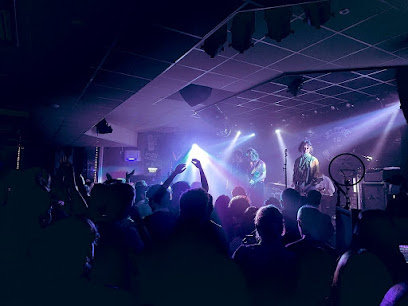
Hyde Park Book Club
16.9 km
Leeds' cozy creative crossroads: vegan eats, live gigs, and bookish vibes in a reborn petrol station haven.
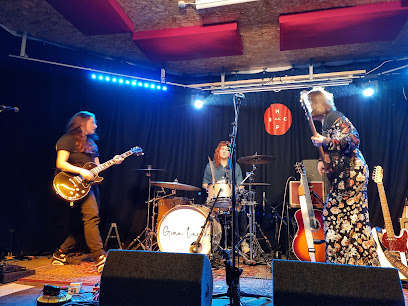
Beck and Call
17.5 km
Chapel Allerton's cozy community pub: cask ales, hearty British dishes, sports screens, family play area, and fireside charm in a stylish suburban haven.
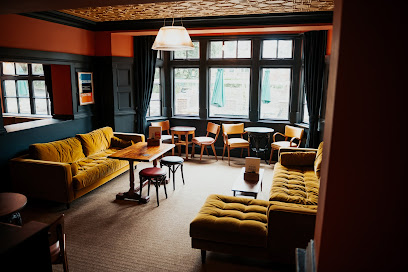
Old Mill
17.6 km
A charming riverside pub in Brighouse blending rustic British tradition with scenic views and hearty cuisine.
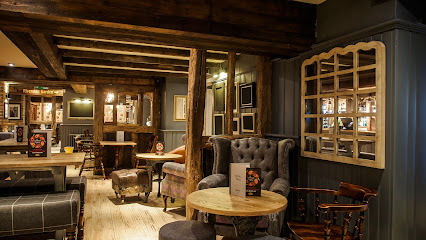
Dirty Martini - Leeds
18.3 km
Leeds' glamorous cocktail den where bespoke martinis, plush vibes, and late-night DJs craft unforgettable nights on King Street. Indulge in happy hours and bottomless brunches amid opulent surrounds. (162 characters)
Nightclubs & after hour spots

New Inn
15.5 km
Traditional Headingley pub with roaring fires, cask ales, and community spirit on lively Otley Road—a cozy cornerstone of Leeds life.
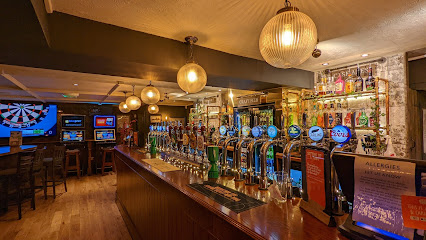
The Warehouse
18.0 km
Experience the vibrant nightlife and dynamic music scene at The Warehouse, Leeds’ energetic club destination.
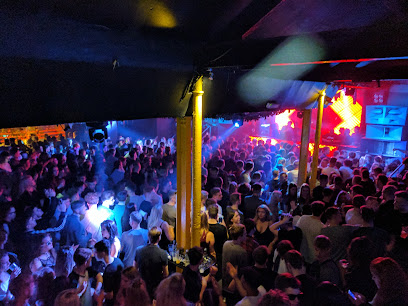
Popworld - Leeds
18.3 km
Relive noughties glory in Leeds' ultimate cheesy pop nightclub, where cocktails pop and dances don't stop till dawn.

PRYZM
18.5 km
Leeds' multi-themed superclub where futuristic beats meet quirky rooms in the heart of Arena Quarter nightlife.
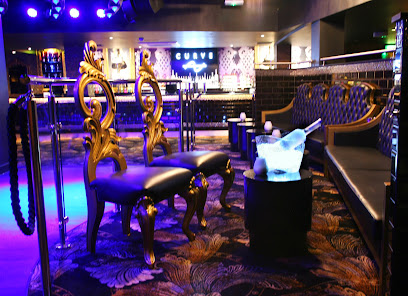
Home Nightclub Leeds
18.5 km
Leeds' £2.5M superclub: VOID sound, pyrotechnic spectacles, multi-room vibes from house anthems to urban grooves—pure festival energy underground.
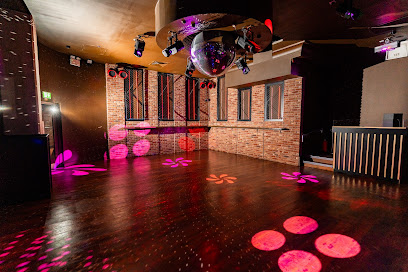
The Key Club
18.6 km
Intimate, no-frills live-music club in central Leeds where punk, indie and alternative acts play close and loud beneath Merrion Street.
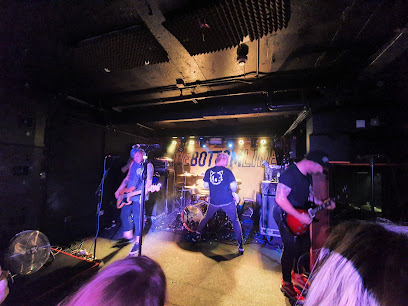
The Lab Nightclub Leeds
18.8 km
Experience Leeds' electric nightlife at The Lab Nightclub, where music flows smoothly and the party never stops in the heart of the city.
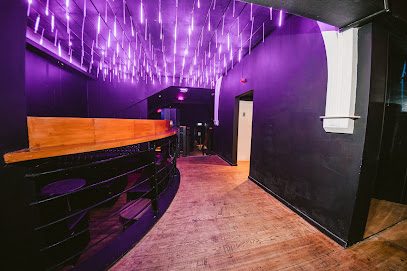
ULTRA
18.8 km
Experience Leeds’ vibrant nightlife at ULTRA, where electrifying beats and dynamic dance floors create unforgettable late-night memories.
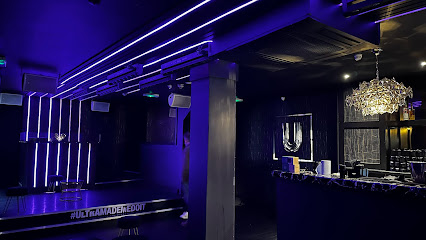
The Space
18.8 km
Dive into Leeds' basement beats at The Space, where funky house and urban rhythms fuel non-stop dancing till dawn in a sleek underground haven.
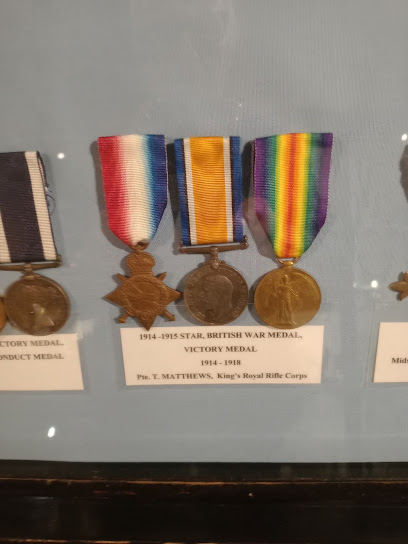
The HiFi Club
18.9 km
Leeds' underground gem for live music, comedy stardom, and late-night grooves—independent vibes since 2000.
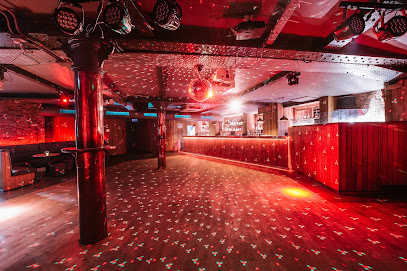
Disco Stu's
18.9 km
Pulse-pounding beats and sticky-floored euphoria on Vicar Lane—Disco Stu's delivers unfiltered Leeds nightlife with affordable drinks and all-night energy.
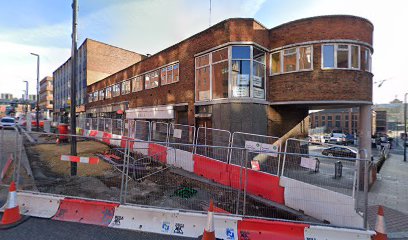
Baracoa Luxe Bar
18.9 km
Glamorous Call Lane haven blending luxe cocktails, beer garden chills, and pulsating club nights in Leeds' vibrant heart since 2010.
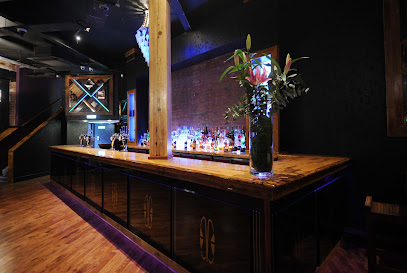
The Backroom
18.9 km
A chic speakeasy-style nightclub in Leeds with handcrafted cocktails, eclectic music, and vibrant weekend nightlife beneath a historic railway bridge.
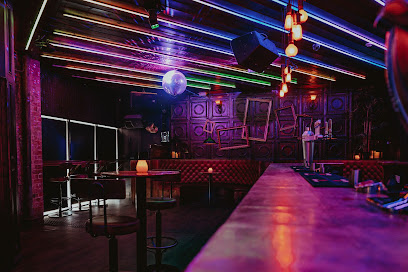
Wire
18.9 km
A compact, music-first basement club on Call Lane where tight crowds and a punchy sound system make late-night electronic parties feel immediate and intense.
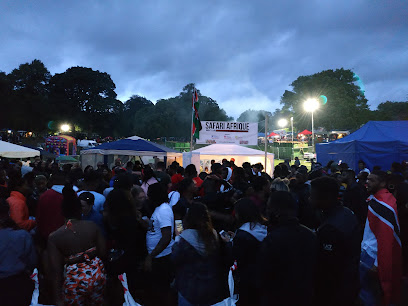
SAFARI AFRIQUE
19.0 km
A compact, high‑energy late‑night club on Assembly Street serving bass‑driven nights and lively weekend crowds.
For the vibe & atmosphere seeker
- Tranquil
- Scenic
- Quirky
- Unique
For the design and aesthetic lover
- Vintage Styles
- Rustic Designs
For the architecture buff
- Historic
- Landmarks
- Parks & Gardens
For the view chaser and sunset hunter
- Iconic Views
- Panoramas
For the social media creator & influencer
- Instagrammable
- Photo Spots
- Selfie Spots
For the eco-conscious traveler
- Public-Transport Accessible
- Leave-No-Trace Critical
- Locally Managed
For the kind of experience you’re after
- Cultural Heritage
- Photowalk
- Nature Escape
- Day Trip
- Weekend Getaway
- Myth & Legends
For how adventurous you want the journey to be
- Easy Access
Location Audience
- Family Friendly
- Senior Friendly
- Child Friendly
- Teen Friendly
- Solo Friendly
- Couple Friendly
- Pet Friendly


