
Podgill Viaduct: Historic Limestone Railway Marvel in Cumbria
A majestic 19th-century limestone railway viaduct blending industrial heritage with tranquil Eden Valley scenery.
Podgill Viaduct is a striking Grade II listed stone railway viaduct near Kirkby Stephen, Cumbria, built in 1861 by engineer Thomas Bouch. Spanning Ladthwaite Beck with 11 arches, it was originally a single-track structure later widened for double track. Now part of a scenic walking trail, it showcases Victorian railway engineering and offers a tranquil nature escape in the Eden Valley.
A brief summary to Podgill Viaduct
- Kirkby Stephen, Hartley, GB
- Visit website
- Duration: 1 to 3 hours
- Free
-
 Outdoor
- Mobile reception: 4 out of 5
- Monday 12 am-12 am
- Tuesday 12 am-12 am
- Wednesday 12 am-12 am
- Thursday 12 am-12 am
- Friday 12 am-12 am
- Saturday 12 am-12 am
- Sunday 12 am-12 am
Local tips
- Visit during clear weather for the best views and photography opportunities of the arches and surrounding landscape.
- Wear sturdy walking shoes as the viaduct is part of a walking trail with uneven terrain.
- Bring a camera to capture the impressive stone masonry and panoramic countryside vistas.
- Explore nearby Merrygill Viaduct to extend your understanding of the region’s railway heritage.
- Check local weather forecasts as the area can be windy and cold, especially outside summer months.

For the on-the-go comforts that matter to you
- Information Boards
- Seating Areas
- Restrooms
Getting There
-
Train and Bus Combination
Travel by train to Kirkby Stephen station from major nearby cities such as Carlisle or Penrith, then take a local bus or taxi for a 10-15 minute ride to Hartley near Podgill Viaduct. Total travel time ranges from 2 to 3.5 hours depending on connections. Train fares typically range from £15 to £30.
-
Car Travel
Drive from the M6 motorway via the A685 towards Kirkby Stephen. The journey takes approximately 1.5 to 2 hours from Penrith. Parking is limited near the viaduct, so plan to park in Kirkby Stephen town and walk or cycle the remaining 3 km on rural lanes.
-
Walking Trail Access
For active visitors, a circular walking route from Kirkby Stephen to Podgill Viaduct covers about 7 km over moderate terrain and takes around 2.5 to 3 hours. The path includes countryside lanes and footpaths, suitable for experienced walkers with appropriate footwear.
Podgill Viaduct location weather suitability
-
 Any Weather
-
 Clear Skies
-
 Windy Conditions
-
 Mild Temperatures
Discover more about Podgill Viaduct
Engineering Feat of the Victorian Railway Age
Podgill Viaduct was constructed in 1861 as part of the South Durham and Lancashire Union Railway, designed by the renowned Cumbrian-born engineer Sir Thomas Bouch. Built by contractors Chambers & Hilton, the viaduct features 11 limestone arches, each spanning 30 feet, extending over 466 feet in length and reaching a height of 84 feet at its tallest point. Originally designed as a single-track railway crossing over Ladthwaite Beck, it was later widened between 1889 and 1892 to accommodate a second track, reflecting the increasing industrial demand of the era.Historic Role in Regional Industry and Transport
The viaduct was a critical part of the railway line that crossed the Stainmore Summit, facilitating the transport of coal, coke, and other goods between the Durham coalfields and Cumbria’s coastal blast furnaces. During the 1880s, the route carried up to a million tonnes of coke annually, highlighting its importance in the industrial supply chain. The line remained operational until 1975, with a short section surviving to serve Hartley Quarry after the main route closed in 1962.Architectural Details and Restoration
The viaduct’s masonry piers are notable for their projecting stones at the top, which supported timber centering during construction. The structure’s parapets were modified by removing seven sections to create refuges, with cast iron plates flush with the stone edges. Both abutments are adorned with pilasters topped by pyramid-shaped stones, adding to its architectural character. Acquired by the Northern Viaduct Trust in 2000, Podgill Viaduct underwent extensive restoration including masonry repairs, waterproofing, and raising the deck surface by 300mm. This preservation effort has ensured its survival as a heritage landmark.Natural Setting and Visitor Experience
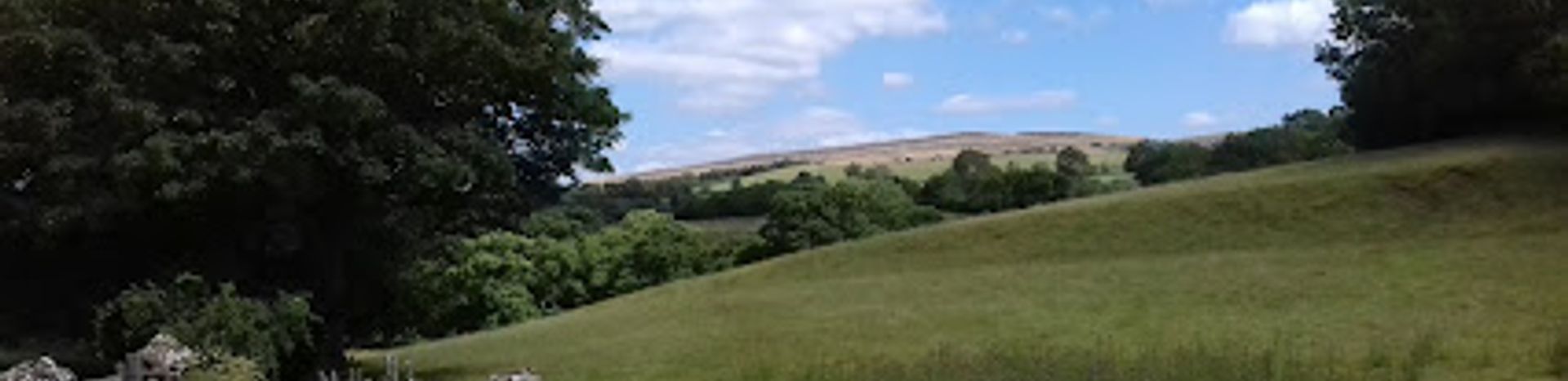
Nestled in the tranquil Eden Valley near Hartley and Kirkby Stephen, the viaduct offers visitors a peaceful environment surrounded by limestone countryside and the flowing Ladthwaite Beck beneath. It is part of a popular walking trail managed by the Northern Viaduct Trust, inviting exploration of the region’s industrial heritage alongside scenic nature. The viaduct’s elevated arches provide striking views and photographic opportunities, blending engineering heritage with natural beauty.Heritage Significance and Accessibility
Podgill Viaduct is recognized as a Grade II listed structure on the National Heritage List for England, underscoring its historic and architectural value. Its preservation and adaptive reuse as a footpath demonstrate successful heritage conservation. The site is accessible year-round, offering a unique glimpse into Victorian railway engineering within a rural setting. Nearby amenities and information boards enhance the visitor experience, making it an educational and serene destination.Legacy of Thomas Bouch and Regional Railway History
The viaduct stands as a testament to Thomas Bouch’s engineering legacy, who also designed other notable structures in the region. It represents the ambitious railway expansion of the 19th century that shaped Cumbria’s industrial and social landscape. Today, Podgill Viaduct not only preserves this legacy but also connects visitors to the stories of the workers, engineers, and industries that once thrived here, enriching the cultural heritage of the Eden Valley.Iconic landmarks you can’t miss

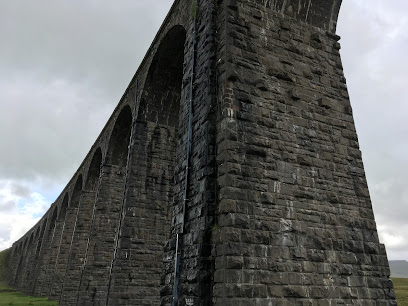
Ribblehead Viaduct
28.5 km
Explore the awe-inspiring Ribblehead Viaduct, an architectural marvel surrounded by the breathtaking beauty of the Yorkshire Dales.
Penrith Castle
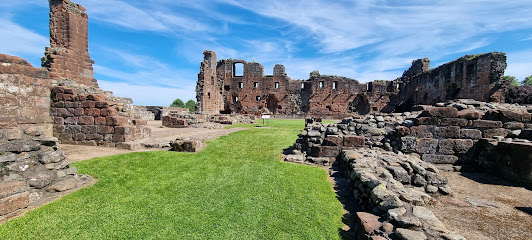
34.7 km
Explore the enchanting ruins of Penrith Castle, a historical marvel in the heart of Penrith, offering insights into medieval architecture and heritage.
Westmorland County Showground
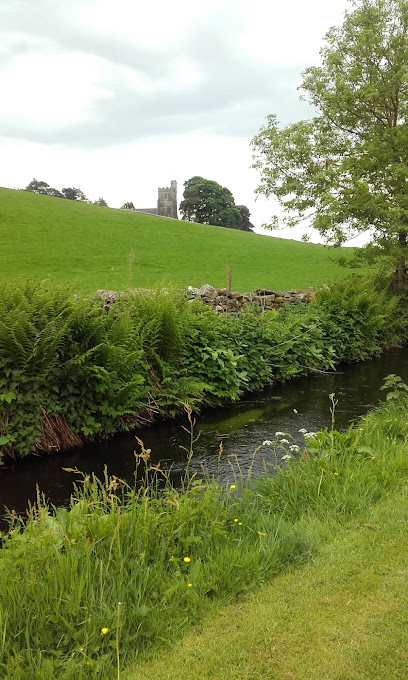
35.1 km
Discover the essence of the Lake District at Westmorland County Showground, a vibrant hub for local culture, food, and crafts.
Ingleton Waterfalls Trail
35.5 km
Experience the breathtaking beauty of Ingleton Waterfalls Trail, a stunning hiking destination showcasing nature's wonders in the Yorkshire Dales.
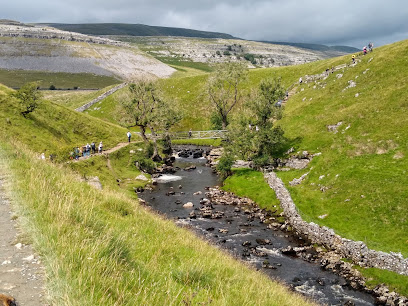
Dalemain Mansion & Historic Gardens
35.8 km
Explore the enchanting Dalemain Mansion & Historic Gardens, a perfect blend of history, art, and stunning landscapes in the heart of Penrith.
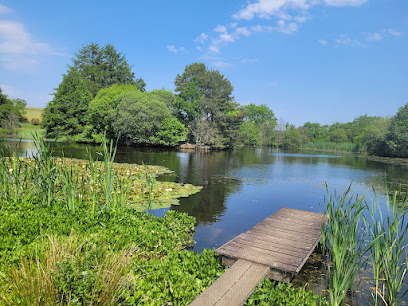
Long Meg and Her Daughters
36.0 km
Discover the ancient mysteries of Long Meg and Her Daughters, a mesmerizing stone circle in the heart of Cumbria, UK.
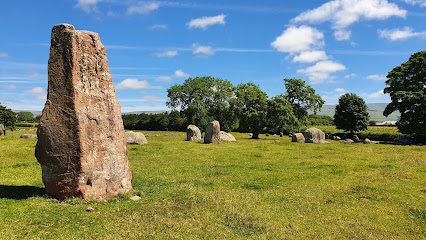
Greystoke Pillar
36.1 km
An enduring 18th-century stone obelisk near Penrith, marking local heritage amidst Cumbria’s tranquil countryside.
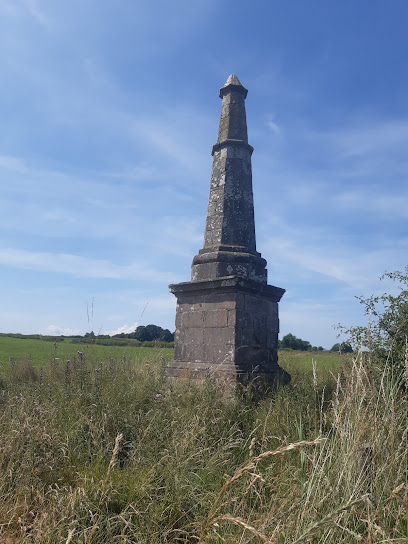
Levens Hall
36.6 km
Explore the enchanting gardens and rich history of Levens Hall, a stunning landmark in Kendal, perfect for nature lovers and history enthusiasts alike.
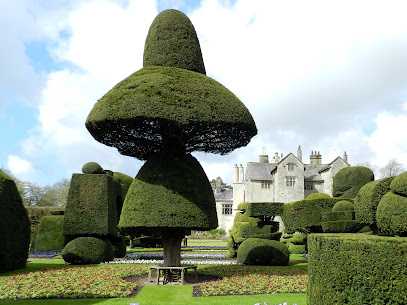
Orrest Head Viewpoint
37.7 km
Discover the stunning vistas of Windermere at Orrest Head Viewpoint, a must-visit in the English Lake District for nature enthusiasts and photographers.
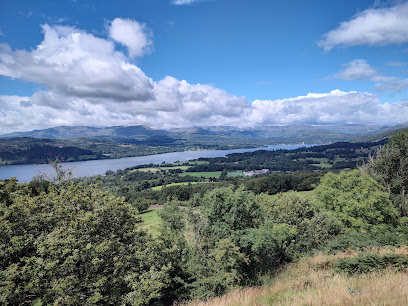
Holehird Gardens
37.7 km
Explore the enchanting Holehird Gardens in the Lake District, a floral paradise offering stunning views and diverse plant collections for all nature lovers.
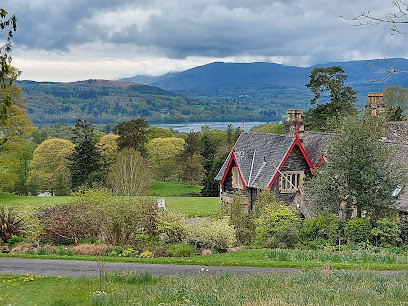
The Forbidden Corner
37.7 km
Discover the magic of The Forbidden Corner, a whimsical attraction in the Yorkshire Dales with enchanting gardens, mysterious sculptures, and endless fun.
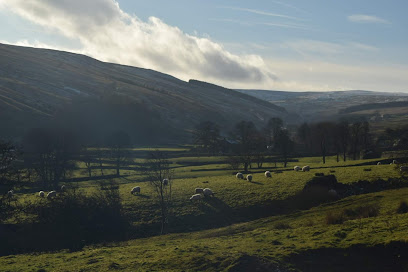
National Trust - Townend
37.8 km
Explore the picturesque Townend, a historic farmhouse and garden in the Lake District, where heritage and nature meet in a beautiful setting.
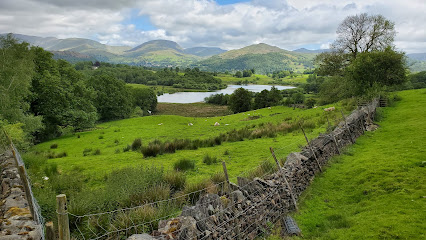
Windermere and Troutbeck
38.2 km
Historic Lakeland stone cottage with expansive gardens and stunning fells views, nestled at the foot of Troutbeck Valley near Windermere village.
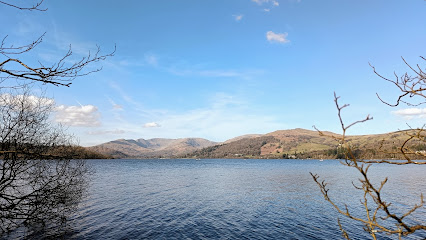
Queen Adelaide's Hill
38.8 km
Discover Queen Adelaide's Hill, a breathtaking viewpoint in the Lake District, offering stunning vistas of Windermere and lush landscapes.
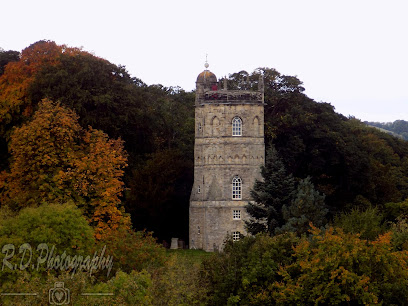
Culloden Tower
39.1 km
Historic Culloden Tower in Richmond offers a unique self-catering stay blending heritage charm with modern comfort in Yorkshire’s scenic market town.
Unmissable attractions to see

Stenkrith Park
0.9 km
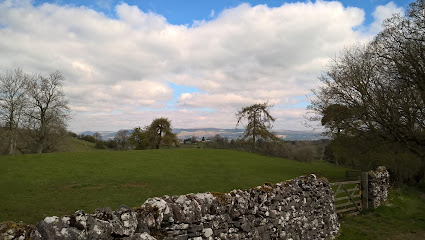
Discover the serene beauty and rich heritage of Stenkrith Park, where river-carved landscapes meet historic viaducts and poetic trails.
Smardale Gill Viaduct
5.6 km
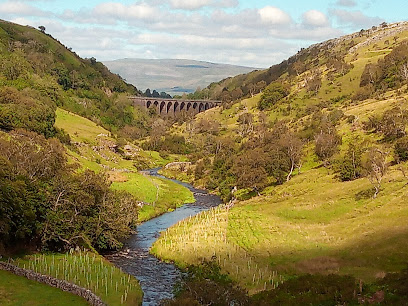
Explore the stunning 14-arch Smardale Gill Viaduct, a Victorian engineering masterpiece nestled in a vibrant nature reserve near Kirkby Stephen.
Tan Hill Inn
11.6 km
Experience Britain’s highest pub with historic charm, hearty local fare, and breathtaking Yorkshire Dales views at The World Famous Tan Hill Inn.

Wain Wath Force
12.0 km
Discover the tranquil beauty and wild swimming delights of Wain Wath Force, a captivating waterfall in the heart of the Yorkshire Dales.
Cafe Sixty Six
12.1 km
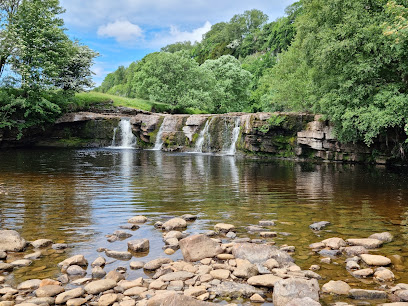
Cozy Cumbrian cafe serving hearty breakfasts and comfort food with scenic views and friendly service in Ketland Moor.
Rutter Force
12.7 km
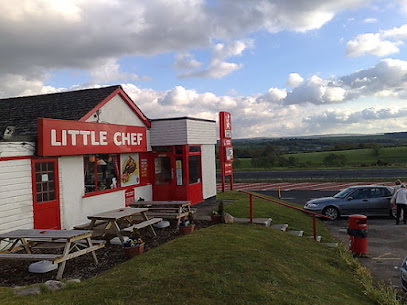
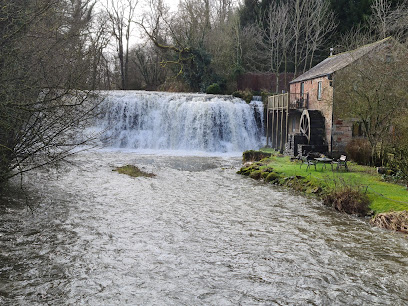
Discover the tranquil beauty and rich history of Rutter Force waterfall and mill in Cumbria’s Eden Valley.
Kisdon Force
13.5 km
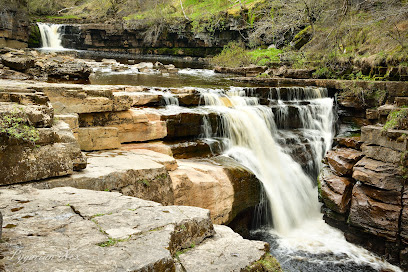
Experience the thrilling cascades and serene beauty of Kisdon Force, a spectacular waterfall nestled in the Yorkshire Dales’ limestone gorge.
Gamelands Stone Circle
14.1 km
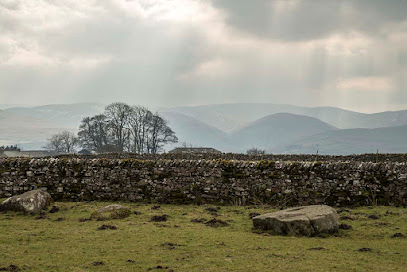
Explore Cumbria’s largest prehistoric stone circle, a mysterious embanked monument steeped in ancient history and rural charm.
Cautley Spout
14.5 km
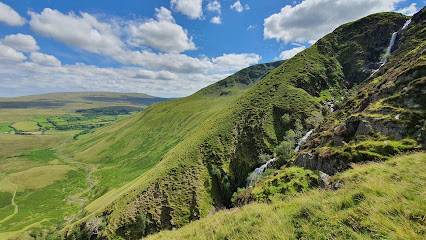
Discover England’s tallest cascade waterfall set in a dramatic glacial valley with rich history and scenic Howgill Fells walks.
Buttertubs Pass
15.0 km
Experience the breathtaking limestone potholes and thrilling mountain road of Buttertubs Pass, a Yorkshire Dales icon blending natural wonder and historic charm.
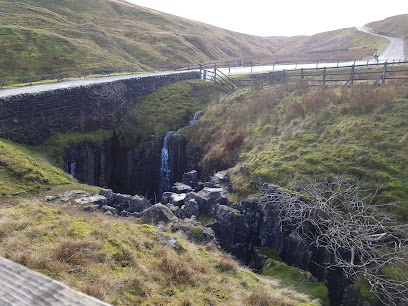
The Moorcock Inn
15.3 km
A welcoming, rustic inn in the heart of the Yorkshire Dales, perfect for hearty meals, local ales, and peaceful countryside stays.
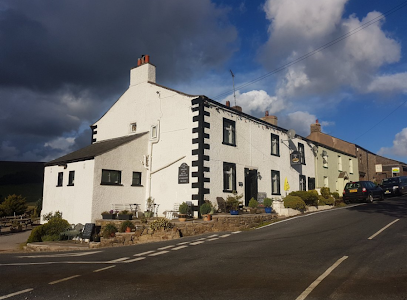
Appleby Castle
15.4 km
Explore Appleby Castle’s Norman keep, Clifford family legacy, and scenic Eden Valley grounds in one of Cumbria’s most historic landmarks.
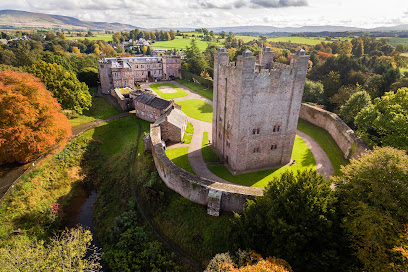
The Norman Centre
15.6 km
Explore the immersive Norman Centre within Appleby Castle’s 12th-century keep, where history and stunning Eden Valley views converge.
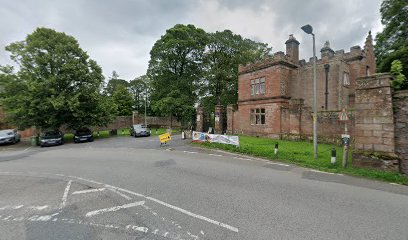
St Anne’s Hospital
15.7 km
Historic 17th-century almshouses founded by Lady Anne Clifford, offering serene gardens and a glimpse into Appleby’s charitable heritage.
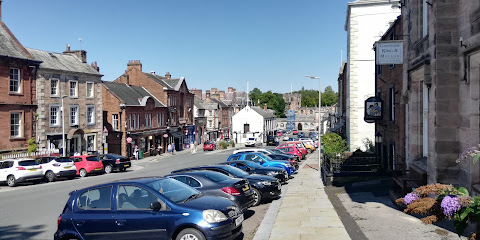
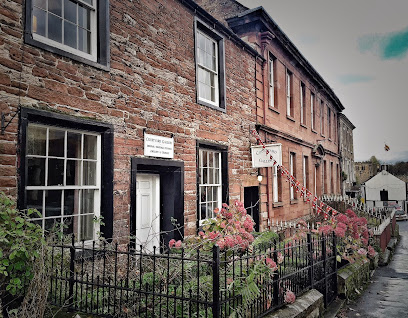
The Courtyard Gallery
15.7 km
Discover original art in a historic 17th-century granary at the heart of Appleby, with cozy refreshments to enhance your visit.
Essential places to dine

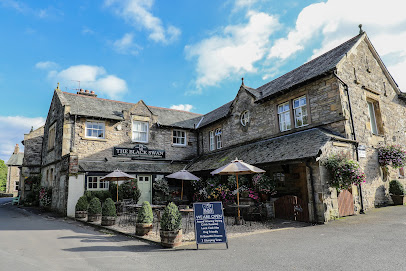
The Black Swan
7.0 km
Charming 4-star inn in Ravenstonedale offering award-winning dining, cosy rooms, and a welcoming atmosphere near the Yorkshire Dales and Lake District.
The Three Greyhounds Inn
11.4 km
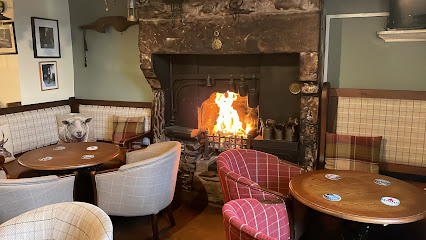
A cozy, traditional Cumbrian pub offering hearty home-cooked food, local ales, and warm hospitality in the heart of Great Asby.
7eventy1 Appleby-in-westmorland, Cumbria
15.8 km
Authentic Indian flavors with personalized service in the historic heart of Appleby-in-Westmorland.
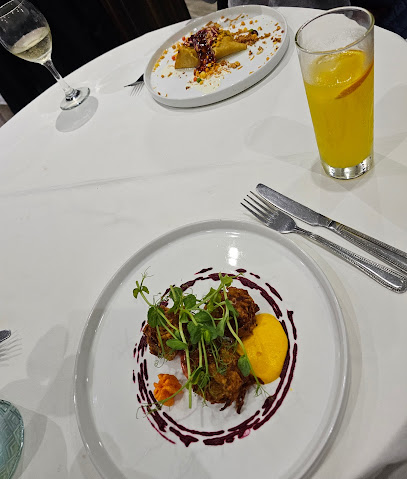
Crown & Cushion Inn
15.9 km
Experience traditional British hospitality at Crown & Cushion Inn in scenic Appleby-in-Westmorland with cozy accommodations and delicious meals.
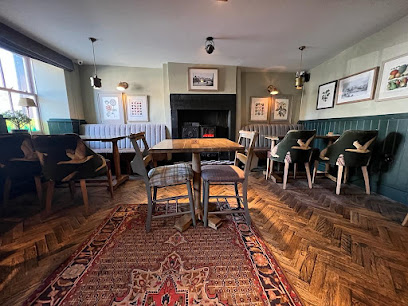
Westmorland Hotel
17.8 km
A peaceful Lake District haven offering cosy rooms, local cuisine, and scenic fell views just off the M6 motorway.
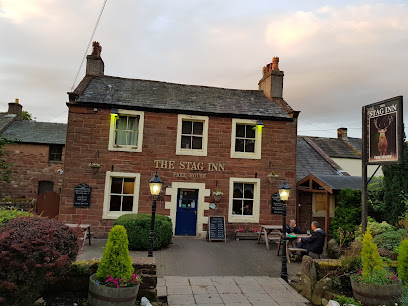
The Stag Inn
19.5 km
Experience authentic Cumbrian hospitality at The Stag Inn—your perfect retreat in Dufton with delicious food and stunning views.
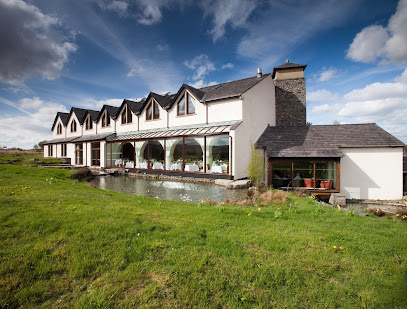
Stone House Hotel
19.6 km
Elegant Edwardian country house hotel offering scenic Yorkshire Dales views, refined dining, and warm hospitality near Hawes.
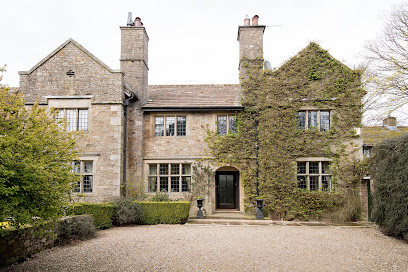
The Crown Hawes
20.1 km
A traditional Yorkshire Dales pub offering hearty meals, local ales, and warm hospitality in the heart of Hawes Market Place.
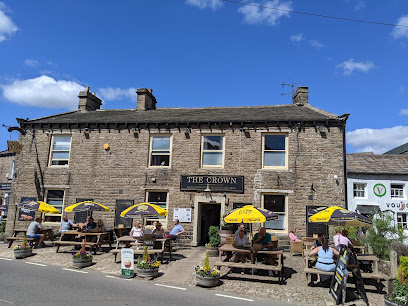
The White Hart Inn, Hawes
20.2 km
A cozy, traditional Yorkshire pub and inn in Hawes offering hearty local fare, comfortable rooms, and warm Dales hospitality.
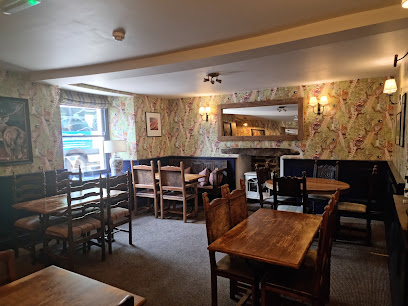
Masons Arms-CUMBRIA-LONG MARTON- APPLEBY-IN WESTMORLAND- CUMBRIA CA166BN CA16 6BN
20.3 km
Historic village pub in Cumbria offering classic British dishes, warm hospitality, and scenic gardens with sunset views.
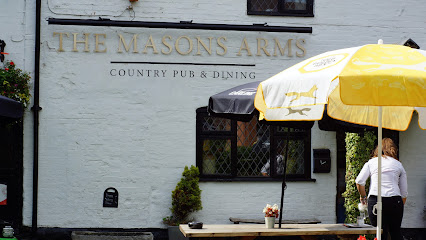
The New Crown Inn
21.0 km
A charming 4-star country pub and boutique inn in Bolton, offering cozy rooms, hearty food, and warm hospitality near Appleby-in-Westmorland.
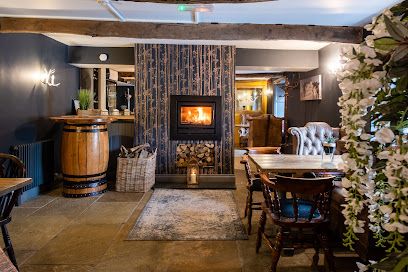
Yorebridge House
22.9 km
Experience refined luxury and serene beauty at Yorebridge House, a boutique 5-star retreat in the heart of the Yorkshire Dales.
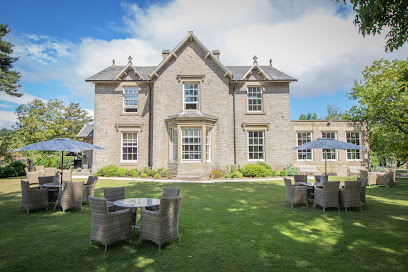
Sycamore Restaurant
23.4 km
Authentic British dining with rustic charm in the scenic village of Bainbridge, celebrating local flavors and warm hospitality.
The Greenhouse Restaurant
29.4 km
Modern British dining with stunning views of Kendal Castle, nestled in the scenic Castle Green Hotel gardens.
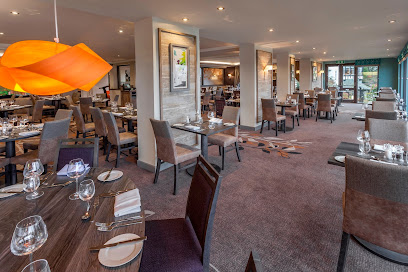
The Duke of Cumberland
29.9 km
A traditional Kendal pub with hearty British fare, friendly service, and a lively atmosphere including a cozy beer garden and private function rooms.
Markets, malls and hidden boutiques

Church Gallery
1.1 km
A multi-level gem in Kirkby Stephen: browse quirky gifts and cards, sip coffee, and shop ladies’ clothes in a dog-friendly, relaxed café-shop hybrid.
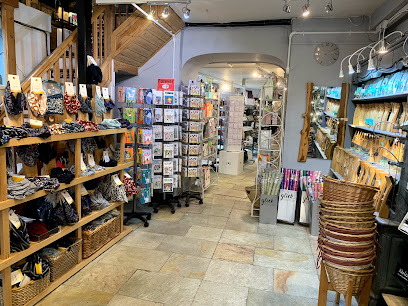
Branthwaites of Appleby
15.8 km
Discover unique local gifts and warm hospitality at Branthwaites, a charming shop nestled in the historic heart of Appleby-in-Westmorland.
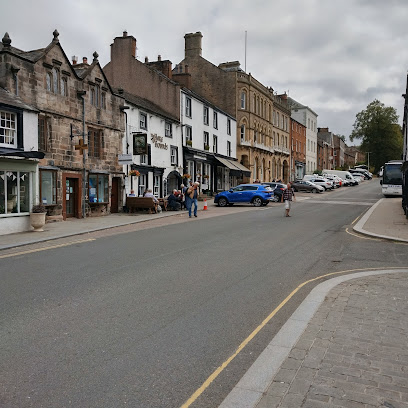
The Cupboard Under The Stairs
15.9 km
Discover unique handcrafted gifts and magical Harry Potter treasures in the heart of Appleby-in-Westmorland’s historic market street.
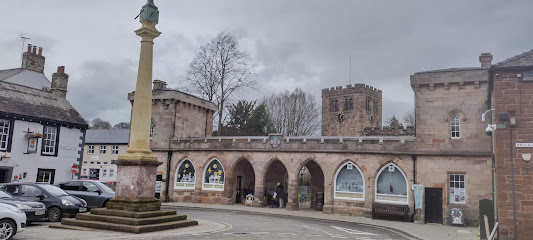
Swaledale Woollens
16.2 km
Discover authentic, handmade woollen knitwear crafted by local artisans in the heart of the Yorkshire Dales at Swaledale Woollens.
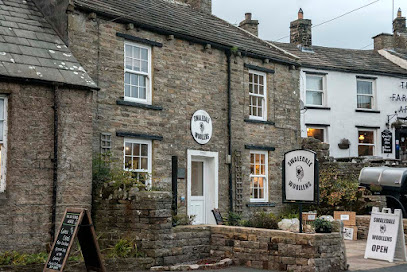
Barry Mckay Rare Books
16.2 km
Discover rare and fine books celebrating the art and history of the book in a charming Appleby-in-Westmorland setting.
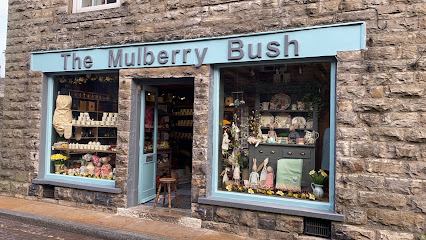
The Mulberry Bush and Yorkshire Sheepskins
20.3 km
A charming Yorkshire gift shop in Hawes offering unique sheepskins, local crafts, and a warm, traditional welcome.
Dent Stores B&B
22.2 km
Historic Dent village B&B blending traditional charm with modern comfort and a top-rated breakfast in the heart of the Yorkshire Dales.
The Old Barnard Castle Curiosity Shop
28.1 km
Discover quirky crafts and unique treasures in the heart of historic Barnard Castle at this charming curiosity shop.

Sainsbury's
29.5 km
Your convenient and comprehensive supermarket destination in Kendal, offering fresh produce, bakery delights, and friendly service daily.

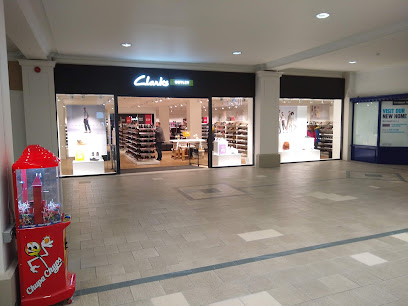
Clarks Outlet
30.5 km
Discover quality footwear and great savings at Clarks Outlet, Kendal’s trusted shoe destination in the Westmorland Shopping Centre.
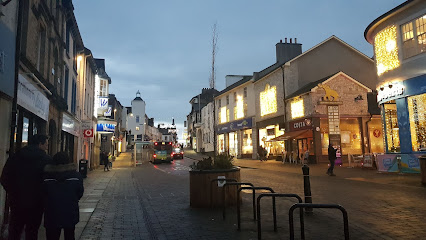
Blackhall Shopping Yard Kendal
30.5 km
Historic artisan shopping yard in Kendal's heart, home to independent specialists and local heritage.
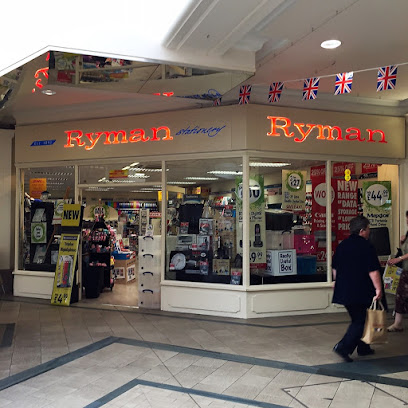
Ryman Stationery
30.5 km
Your reliable source for quality stationery essentials in Kendal’s Westmorland Shopping Centre.
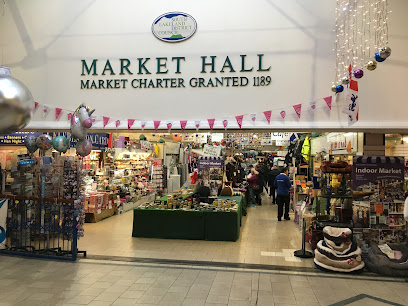
Kendal Indoor market
30.5 km
Historic Kendal Indoor Market blends traditional charm with local crafts and fresh produce in a vibrant covered shopping hub.
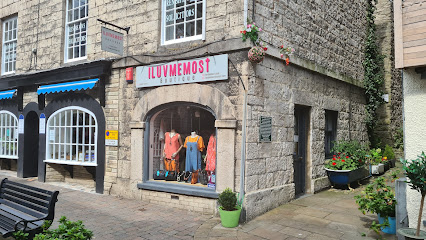
Iluvmemost Boutique
30.5 km
Discover stylish women's fashion in Kendal’s charming Iluvmemost Boutique, where quality meets personalized service in a cozy setting.
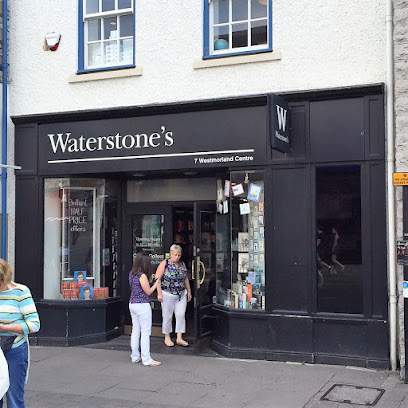
Waterstones
30.6 km
Discover a world of books and culture at Waterstones Kendal, your welcoming literary hub in the Westmorland Centre.
Essential bars & hidden hideouts

The Taggy Man
1.1 km
A quirky, cosy, and dog-friendly pub in Kirkby Stephen offering hearty pies, local ales, and a warm, welcoming atmosphere.
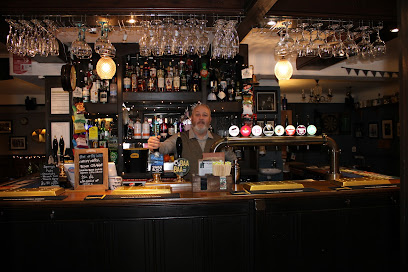
Pennine View Bar/Restaurant
12.1 km
Rustic charm and local flavors meet breathtaking Pennine views at this cozy bar and restaurant in Appleby-in-Westmorland.
Royal Oak Inn
15.2 km
Charming 17th-century coaching inn in Appleby with cozy rooms, excellent local food, and warm, dog-friendly hospitality in the heart of Eden Valley.
Hare & Hounds
15.8 km
Traditional British pub in Appleby with cozy log fire, excellent real ales, and a friendly, welcoming atmosphere.
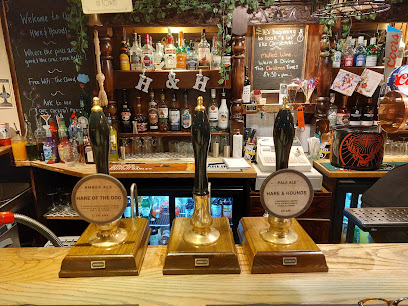
Farmers Arms
16.2 km
A beloved traditional pub in Muker offering hearty food, cozy charm, and a welcoming atmosphere in the heart of the Yorkshire Dales.
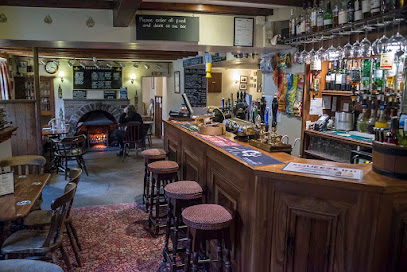
The Green Dragon Inn
18.8 km
Historic Yorkshire coaching inn with cozy fires, hearty pub fare, and scenic Dales setting near Hardraw Force waterfall.
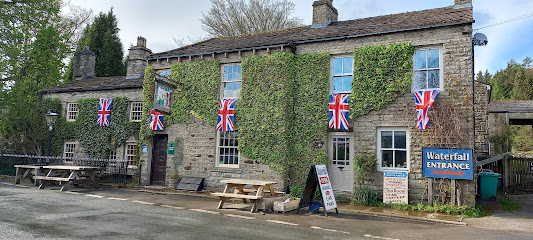
Hawes Club
20.3 km
A friendly, affordable bar on Main Street offering casual drinks, sports, and a pool table in the heart of Hawes.
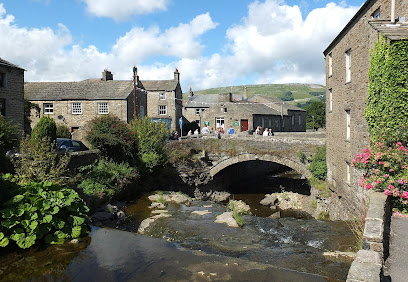
Yorkshire Dales Brewery
23.4 km
Experience authentic Yorkshire craft beers and seasonal taproom charm in the heart of the stunning Yorkshire Dales.

The Crown Inn
23.7 km
A friendly, family-run pub in Askrigg offering hearty local food, fine ales, and a warm Yorkshire welcome in the heart of the Dales.
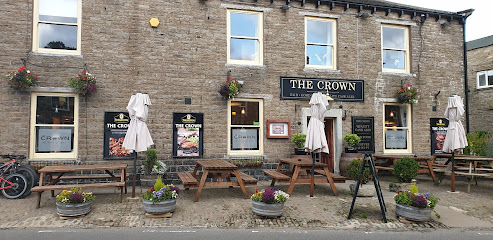
The King's Arms Hotel
23.7 km
Historic Yorkshire Dales pub and hotel famed for warm hospitality, hearty local fare, and charming traditional rooms in Askrigg village.
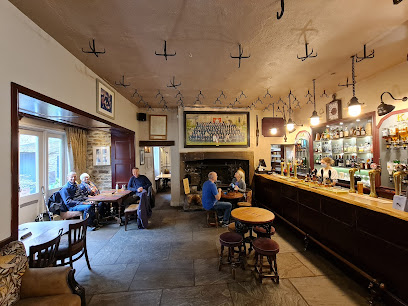
Aysgarth Falls Hotel & Restaurant
30.1 km
Charming hotel with stunning Yorkshire Dales views, fine dining, and cozy rooms near the iconic Aysgarth Falls.
Masons Yard 24
30.4 km
A lively Kendal pub blending modern style, strong cocktails, and hearty food with a welcoming vibe and renovated outdoor space.
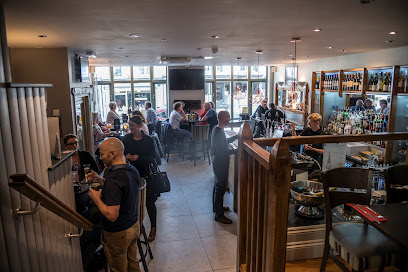
The Barrel House
30.5 km
Discover Kendal’s craft beer gem with vibrant ales, cozy wooden huts, and lively quiz nights in a historic brewery setting.
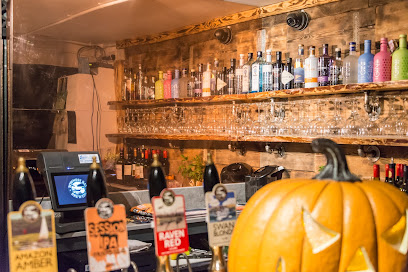
The New Union
30.5 km
Kendal’s lively craft pub with an exceptional whisky selection, great beer, and a welcoming, no-nonsense atmosphere.
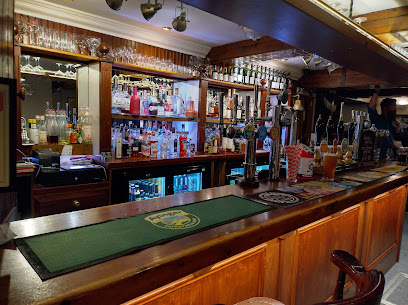
19 The Wine Bar
30.6 km
An eclectic wine bar in Kendal with a Mediterranean rooftop terrace, cozy interiors, and a vibrant social scene.
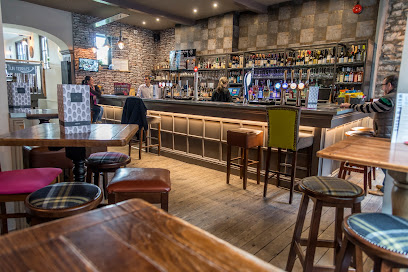
Nightclubs & after hour spots

secret bridge
26.5 km
Experience vibrant nightlife and lively music at Secret Bridge, Milburn’s premier nightclub near Penrith in the scenic Eden District.
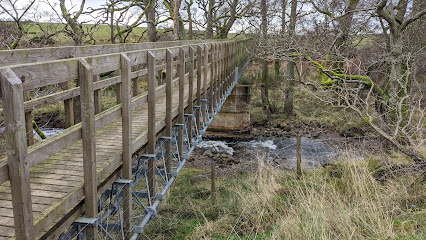
The loose moose
34.7 km
A lively and welcoming nightclub in Penrith offering cocktails, music, and community spirit in the heart of Cumbria’s Eden District.

The Dalesman's Club
37.1 km
Discover The Dalesman's Club in Leyburn, a vibrant sports club offering a welcoming atmosphere and engaging activities for visitors.
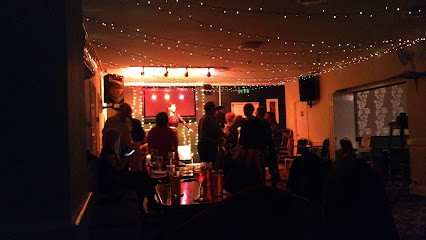
Windermere Social Club
38.2 km
A friendly and versatile social club in Windermere offering games, sports viewing, and community events in a welcoming atmosphere.
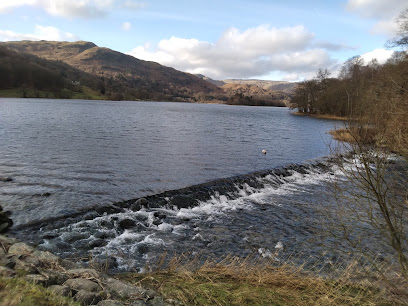
Wheelhouse Nightclub
39.9 km
Experience vibrant weekend nightlife with dynamic music, drinks, and dancing at Wheelhouse Nightclub in scenic Bowness-on-Windermere.
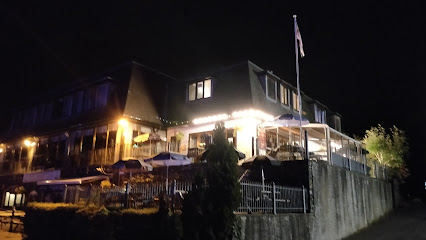
sherdy sherd primary school
40.5 km
Experience Richmond’s vibrant nightlife at Sherdy Sherd Primary School, a uniquely named nightclub with extensive hours and lively atmosphere.
Louis Bar
41.6 km
A vibrant nightclub and bar in Catterick Garrison offering live music, quality food, and a lively atmosphere for all-night entertainment.
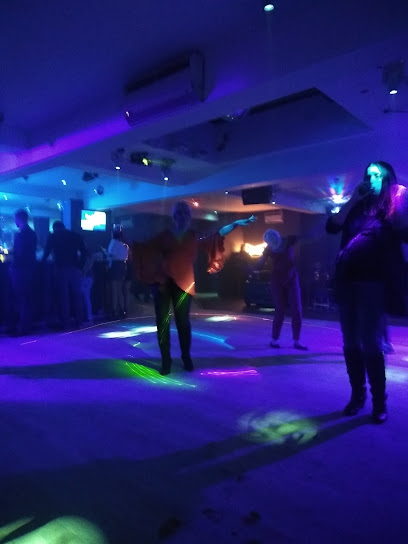
The Queen's Head, Finghall
43.8 km
A quintessential English country pub and inn in Finghall offering hearty British fare, cozy rooms, and warm hospitality in scenic North Yorkshire.
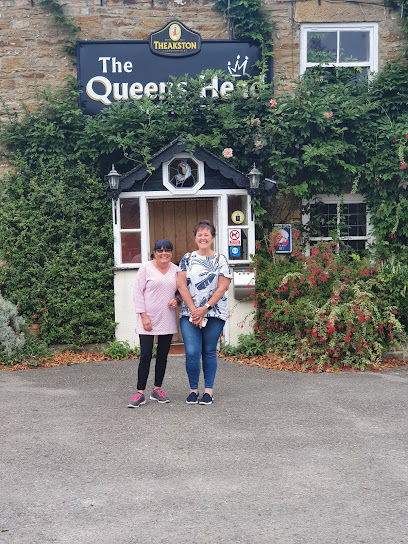
Phoenix Club & Bar
58.3 km
Discover the lively spirit of Hexham at Phoenix Club & Bar, where great drinks and a welcoming atmosphere await.
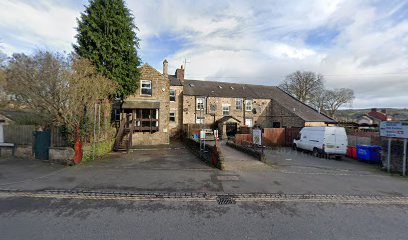
Babylon Durham
59.8 km
Experience the lively atmosphere of Babylon Durham, where great drinks and vibrant nightlife come together in the heart of the city.

Loft Durham
59.8 km
Discover Loft Durham, the ultimate nightlife destination offering vibrant music, energetic dancing, and a chic atmosphere in the heart of Durham.
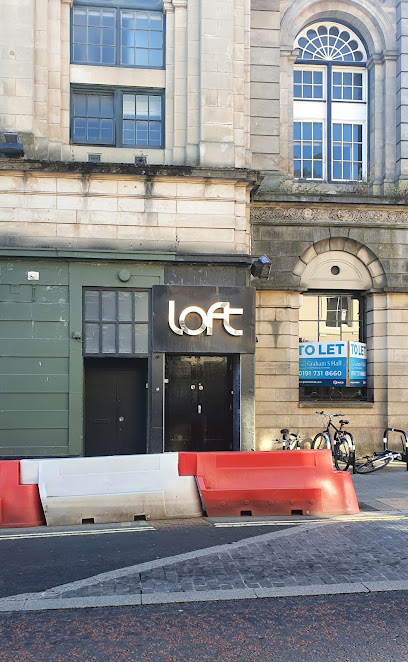
24 North Bailey Club
59.8 km
Immerse yourself in the vibrant atmosphere of Durham's 24 North Bailey Club, where good drinks and great company await.
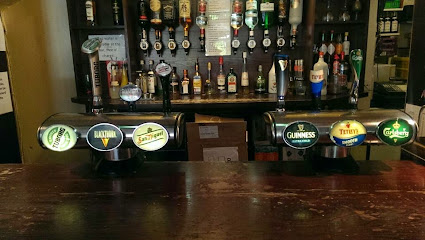
Revolution Durham
59.8 km
Discover the perfect blend of dining and nightlife at Revolution Durham, where delicious food meets vibrant entertainment for an unforgettable experience.

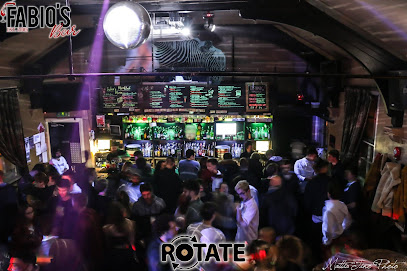
Fabio's Bar
60.0 km
Durham’s lively student nightclub and live music bar above the iconic La Spaghettata, buzzing with events and authentic local charm.
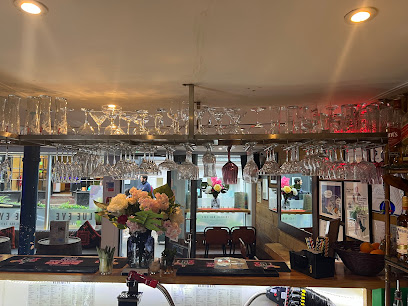
Blue Eye
60.0 km
Discover Durham's nightlife at Blue Eye Cocktail Bar, offering innovative cocktails and a lively atmosphere perfect for socializing.
For the vibe & atmosphere seeker
- Tranquil
- Scenic
- Relaxing
- Unique
For the design and aesthetic lover
- Rustic Designs
- Vintage Styles
For the architecture buff
- Historic
- Landmarks
For the view chaser and sunset hunter
- Iconic Views
- Panoramas
For the social media creator & influencer
- Instagrammable
- Photo Spots
- Architectural Shots
For the eco-conscious traveler
- Protected Area
- Public-Transport Accessible
- Locally Managed
For the kind of experience you’re after
- Cultural Heritage
- Nature Escape
- Photowalk
- Day Trip
- Weekend Getaway
For how adventurous you want the journey to be
- Easy Access
Location Audience
- Family Friendly
- Senior Friendly
- Child Friendly
- Teen Friendly
- Wheelchair Access
- Pet Friendly
- Solo Friendly
- Couple Friendly


