
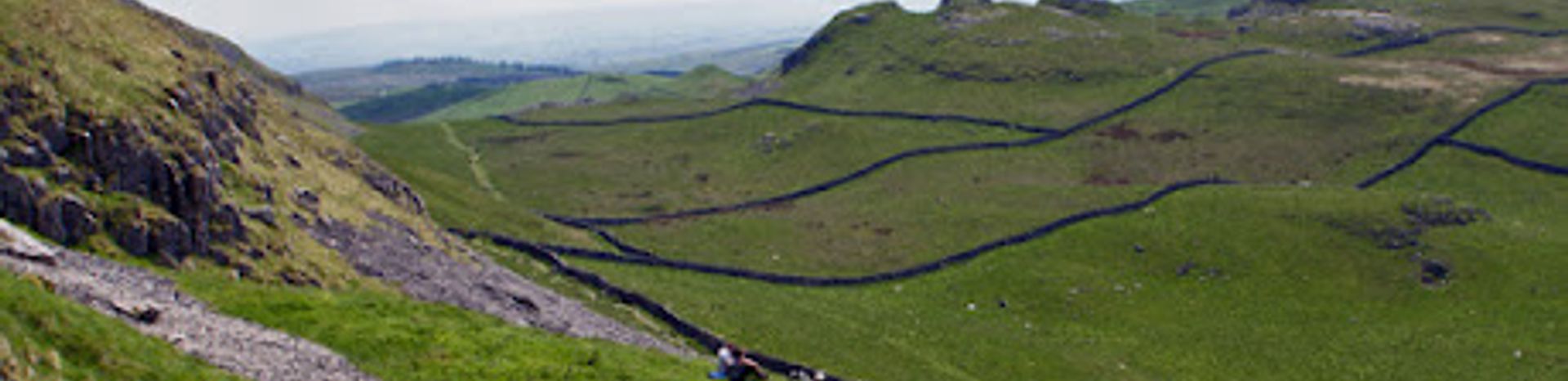
Victoria Cave: A Window into Prehistoric Yorkshire Dales
Explore Victoria Cave’s prehistoric wonders and stunning Dales vistas on a scenic walk near Settle.
Victoria Cave, nestled near Langcliffe above Settle in the Yorkshire Dales, is a remarkable limestone cave discovered in 1837. It offers visitors a glimpse into ancient climates and prehistoric life through its rich fossil deposits, including bones of extinct animals and early human artefacts. Surrounded by scenic walking trails, the cave is a peaceful natural attraction with historical significance and stunning views over Ribblesdale.
A brief summary to Victoria Cave
- Settle, Langcliffe, GB
- Duration: 2 to 4 hours
- Free
-
 Outdoor
- Mobile reception: 4 out of 5
- Monday 12 am-12 am
- Tuesday 12 am-12 am
- Wednesday 12 am-12 am
- Thursday 12 am-12 am
- Friday 12 am-12 am
- Saturday 12 am-12 am
- Sunday 12 am-12 am
Local tips
- Wear sturdy footwear as paths to Victoria Cave can be steep, muddy, and slippery.
- Combine your visit with a walk to Jubilee Cave for a fuller cave exploration experience.
- Bring a camera to capture the breathtaking views over Ribblesdale from Attermire Scar.
- Exercise caution near the cave entrance due to roof instability and possible rock falls.
- Visit the Craven Museum in Skipton to see artefacts excavated from Victoria Cave.

For the on-the-go comforts that matter to you
- Restrooms
- Seating Areas
- Information Boards
Getting There
-
Car
Drive from Settle to Langcliffe parking area, approximately 10 minutes. Parking is limited with an honesty box system; paths from here lead to Victoria Cave. No parking fees apply. Terrain near the cave is uneven and can be slippery.
-
Bus
Take the local bus service from Settle to Langcliffe, which runs several times daily with a journey time of about 15 minutes. From the village, a 30-minute walk on uneven paths leads to the cave entrance.
-
Walking
From Settle town center, a scenic 2.5-hour circular walk covers Victoria Cave and Jubilee Cave. The route involves moderate ascents and rough terrain, suitable for experienced walkers with proper footwear.
Victoria Cave location weather suitability
-
 Any Weather
-
 Rain / Wet Weather
-
 Clear Skies
-
 Mild Temperatures
-
 Windy Conditions
Discover more about Victoria Cave
Discovery and Geological Significance
Victoria Cave was discovered by chance in 1837, coinciding with Queen Victoria's coronation year. This limestone cave, located east of Langcliffe in Ribblesdale, has since been fully excavated, revealing a treasure trove of prehistoric remains. The cave's deposits provide an extensive record of climate change in the Yorkshire Dales spanning thousands of years, making it a key site for understanding the area's geological and environmental history.Prehistoric Fossils and Archaeological Finds
The cave contained numerous prehistoric bones, some dating back 130,000 years, including those of hippos, narrow-nosed rhinos, elephants, and spotted hyenas. These remains indicate a period when the climate was significantly warmer than today. After the last Ice Age, the cave served as a hibernation site for brown bears. Notably, an 11,000-year-old antler harpoon point was found among reindeer bones, marking the earliest evidence of human presence in the Yorkshire Dales.Roman Era Artifacts and Cultural Insights
Victoria Cave also yielded intriguing Roman-era artefacts such as bronze and bone objects, brooches, coins, and pottery, some imported from distant regions including France and Africa. Archaeologists believe the cave’s interior was possibly used as a shrine, with a workshop area situated outside. These findings provide valuable insights into the cultural and ritual practices of ancient inhabitants.Natural Setting and Visitor Experience
Set against the dramatic backdrop of Attermire Scar, Victoria Cave is accessible via scenic walking routes from Langcliffe and Settle. The surrounding landscape offers breathtaking views over rolling hills and the Ribblesdale valley. The cave itself is a peaceful spot, ideal for those interested in natural history and tranquil outdoor exploration. Visitors should note that the cave roof has become unstable over time, so caution is advised near the entrance.Complementary Attractions and Trails
Victoria Cave is often visited alongside Jubilee Cave on a popular circular walk of approximately 6.8 km. This moderate trail takes around three hours and features varied terrain including steep and slippery paths. The walk offers opportunities to explore multiple caves and enjoy the rugged beauty of the Yorkshire Dales, making it a rewarding day trip for hikers and families alike.Preservation and Educational Value
Many artefacts from Victoria Cave are preserved at the Craven Museum in Skipton, highlighting the cave’s importance for archaeological study. The site remains a protected natural landmark, contributing to the understanding of prehistoric ecosystems and human history in northern England. Its free access and combination of natural beauty and scientific significance make it a unique destination in the Yorkshire Dales National Park.Iconic landmarks you can’t miss

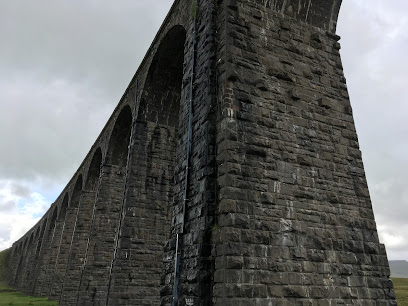
Ribblehead Viaduct
16.5 km
Explore the awe-inspiring Ribblehead Viaduct, an architectural marvel surrounded by the breathtaking beauty of the Yorkshire Dales.
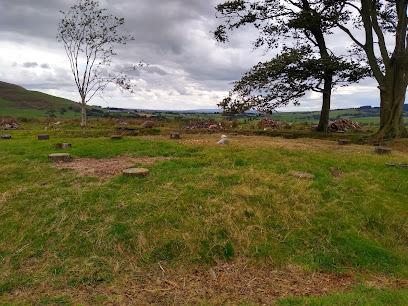
Bleasdale Circle
32.2 km
A Bronze Age timber circle and burial mound where ancient rituals echoed across the Bowland fells.
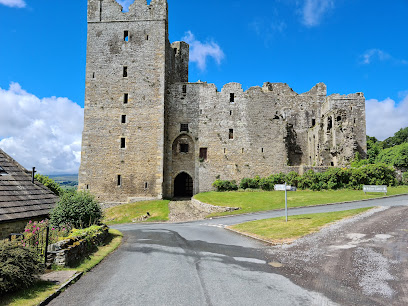
Bolton Castle
33.1 km
Explore Bolton Castle, a historic medieval fortress in North Yorkshire, surrounded by stunning gardens and rich heritage, perfect for all history lovers and nature enthusiasts.
East Riddlesden Hall
33.2 km
Explore East Riddlesden Hall, a historical gem in Keighley, where captivating history meets stunning gardens for an unforgettable experience.
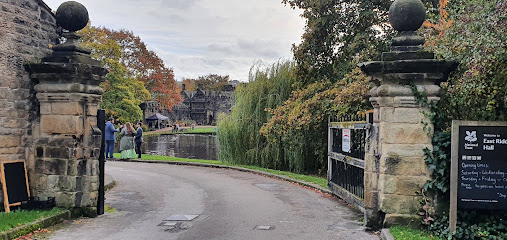
The Forbidden Corner
33.6 km
Discover the magic of The Forbidden Corner, a whimsical attraction in the Yorkshire Dales with enchanting gardens, mysterious sculptures, and endless fun.
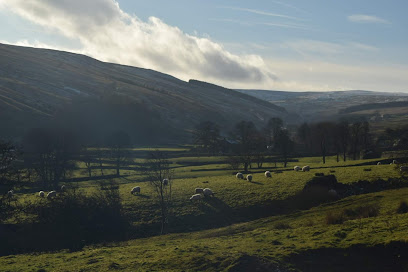
Halton Castle (Remains)
33.8 km
Discover the enchanting ruins of Halton Castle, a historical landmark in Lancaster offering stunning views and a glimpse into medieval heritage.
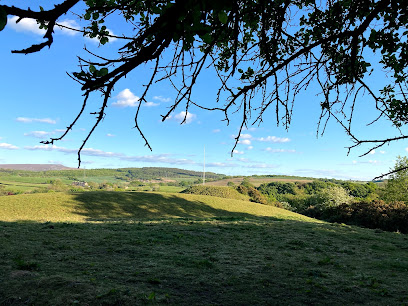
Nidderdale National Landscape
34.1 km
Experience the breathtaking beauty of Nidderdale National Landscape, where nature meets adventure in an unforgettable Yorkshire escape.
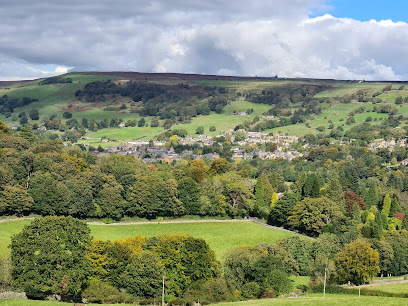
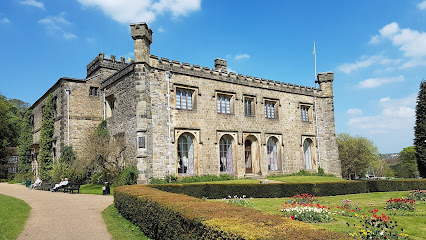
Towneley Hall
34.2 km
Explore Towneley Hall, a historic museum and art gallery in Burnley, showcasing centuries of art, history, and stunning gardens.
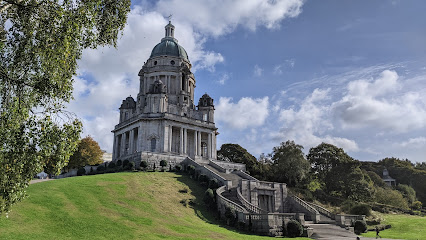
Ashton Memorial
35.0 km
Discover the historical Ashton Memorial in Williamson Park, an architectural gem offering stunning views and a serene atmosphere for all visitors.
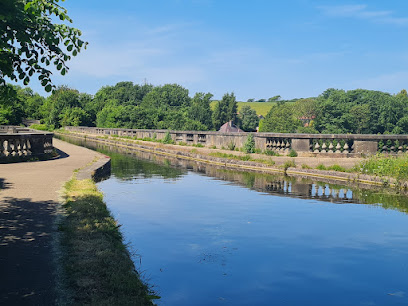
Lune Aqueduct
35.3 km
Explore Britain’s largest all-masonry aqueduct, a Georgian engineering marvel spanning the River Lune with stunning views and rich industrial heritage.
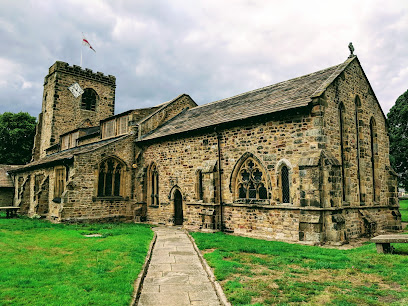
Ribchester Roman Museum
35.3 km
Explore the rich Roman heritage at Ribchester Roman Museum, a charming destination for history lovers and curious travelers in the heart of England.
Leighton Hall Estate
35.6 km
Discover the charm and history of Leighton Hall Estate, a captivating destination in Carnforth featuring stunning gardens and rich heritage.

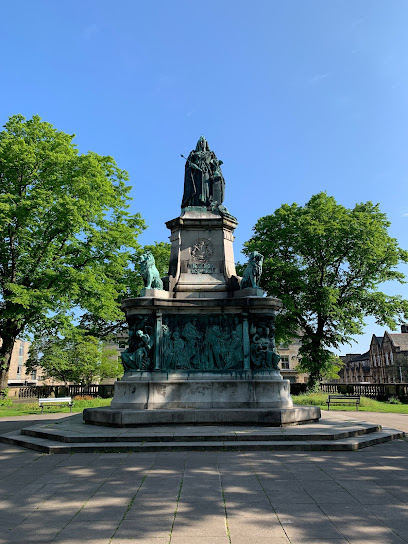
Queen Victoria Memorial, Lancaster
36.0 km
Explore the Queen Victoria Memorial, a stunning tribute to history and architecture in Lancaster's vibrant Dalton Square.
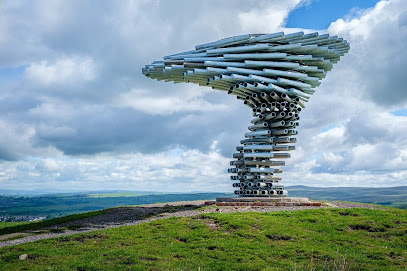
Singing Ringing Tree
36.1 km
Experience the enchanting sounds and breathtaking views at the Singing Ringing Tree in Burnley, a unique musical sculpture that delights visitors year-round.
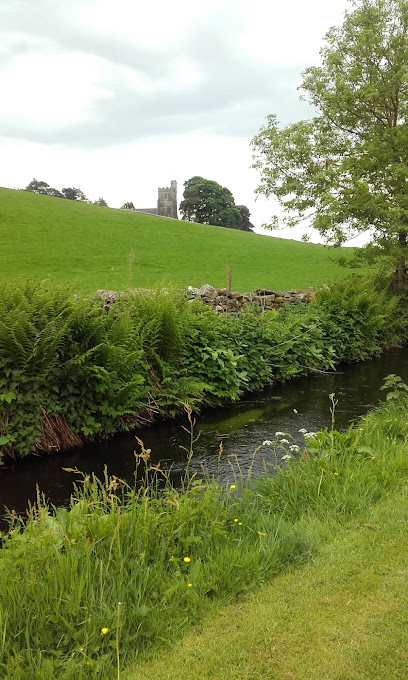
Westmorland County Showground
36.1 km
Discover the essence of the Lake District at Westmorland County Showground, a vibrant hub for local culture, food, and crafts.
Unmissable attractions to see

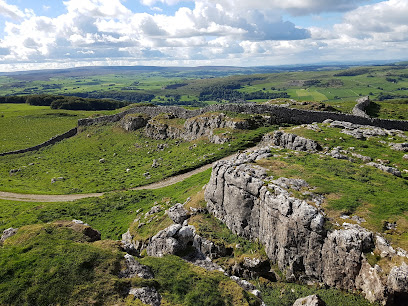
Jubilee Cave
0.5 km
Explore Jubilee Cave’s ancient limestone depths and uncover Yorkshire’s prehistoric secrets amid stunning Dales scenery.
Warrendale Knots
0.8 km
Discover the tranquil beauty and peaceful charm of Warrendale Knots, a serene natural retreat near Settle in the Yorkshire Dales.
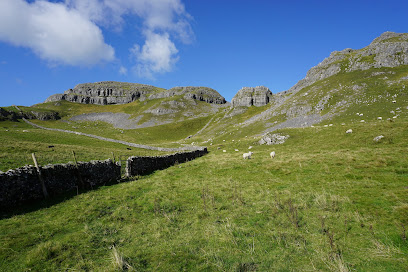
Watershed Mill
2.1 km
Discover ethical shopping, local flavors, and welcoming café vibes at Watershed Mill, Settle’s vibrant retail and visitor centre.
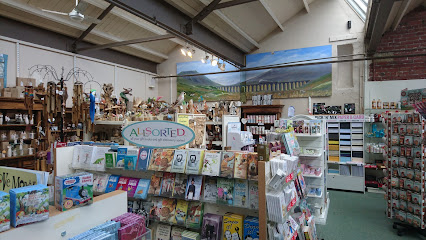
3 Peaks Cycles | Bike Shop & Cafe
2.3 km
A welcoming bike shop and cafe in Settle offering bike hire, repairs, accessories, and vegan-friendly refreshments for Yorkshire Dales adventurers.
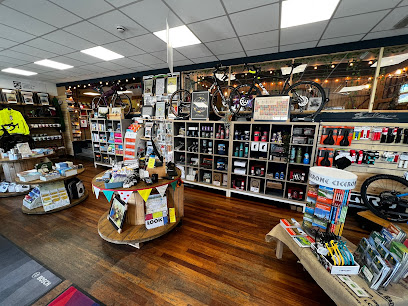
Scaleber Force Waterfall
2.4 km
Discover the enchanting 40-foot Scaleber Force waterfall nestled in a tranquil limestone gorge within Yorkshire’s scenic Scaleber Wood.
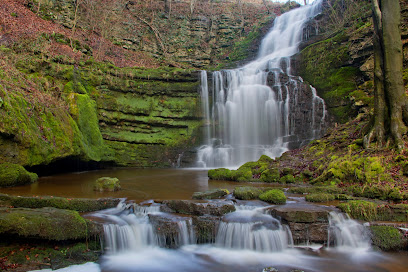
Stainforth Force
2.9 km
Experience the serene cascades of Stainforth Force and witness the breathtaking autumn salmon leap in the heart of the Yorkshire Dales.
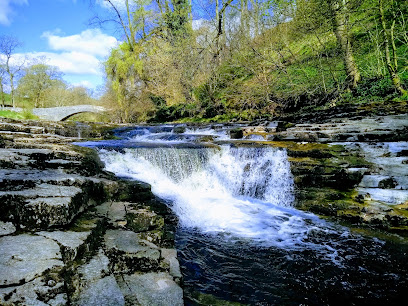
Malham Tarn Estate
5.3 km
Explore Malham Tarn Estate’s stunning limestone landscapes, tranquil lake, and rich wildlife in the heart of the Yorkshire Dales.
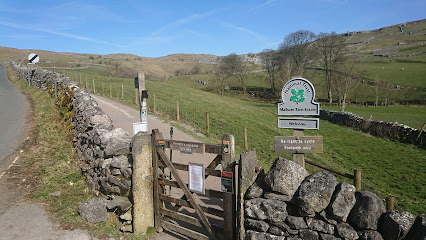
National Trust - Yorkshire Dales
5.4 km
Explore the breathtaking limestone landscapes and rich wildlife of Malham Tarn Estate, a treasured National Trust nature reserve in the Yorkshire Dales.
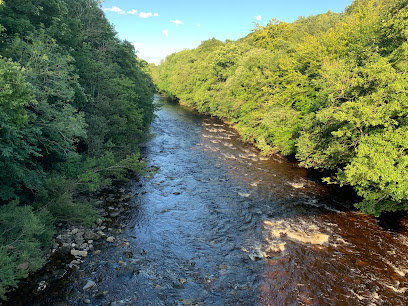
Malham Tarn
5.8 km
A rare upland lake in the Yorkshire Dales, surrounded by moorland and limestone cliffs, perfect for peaceful walks and nature watching.
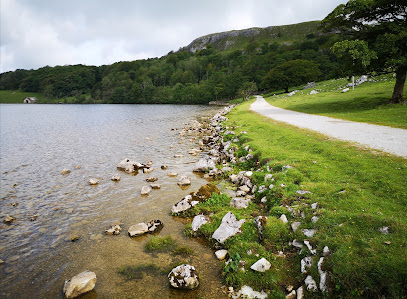
Malham Cove
6.0 km
Explore Malham Cove's soaring limestone amphitheatre, rare pavements, and breathtaking Yorkshire Dales vistas in a natural wonder carved by Ice Age waters.
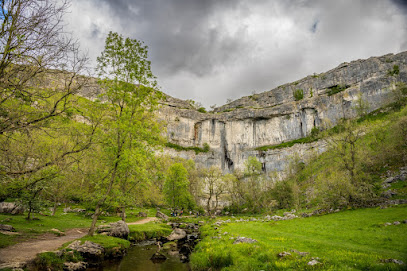
Malham
6.6 km
Discover Malham Cove’s breathtaking limestone cliffs, rich wildlife, and cinematic landscapes in the heart of Yorkshire Dales National Park.
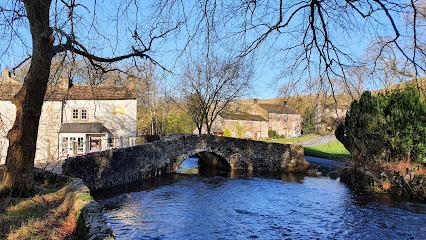
Janet's Foss
7.5 km
A serene waterfall nestled in enchanted woodland, where folklore and natural beauty meet in the heart of the Yorkshire Dales.
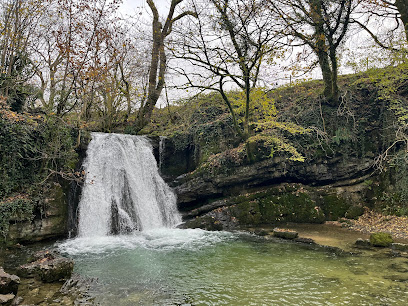
Gordale Scar
7.7 km
Explore the breathtaking limestone gorge of Gordale Scar with towering cliffs, cascading waterfalls, and rich natural and cultural heritage.
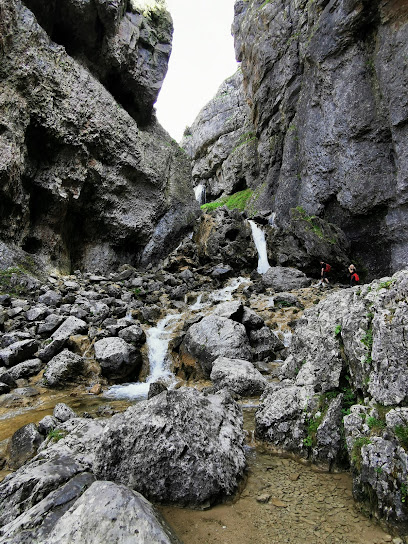
Norber erratics
8.6 km
Discover the surreal landscape of the Norber Erratics, where ancient glacial boulders balance atop limestone pedestals in the Yorkshire Dales.
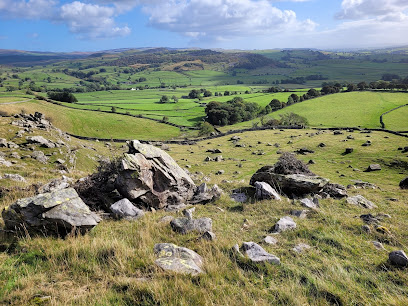
Hull Pot
9.6 km
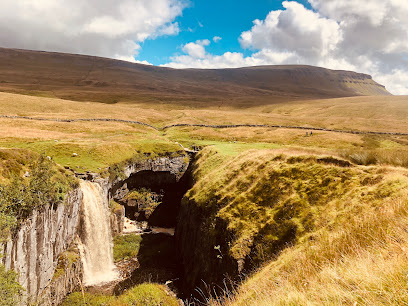
Explore England’s largest natural pothole, Hull Pot, a dramatic collapsed cavern with stunning waterfall displays in the heart of the Yorkshire Dales.
Essential places to dine

The Secret Garden Bistro
6.5 km
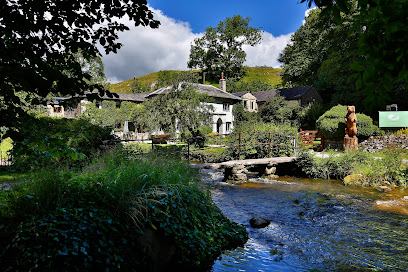
A pioneering plant-based bistro in Malham offering innovative, sustainable dishes in a serene Yorkshire Dales setting.
The Lister Arms
6.6 km
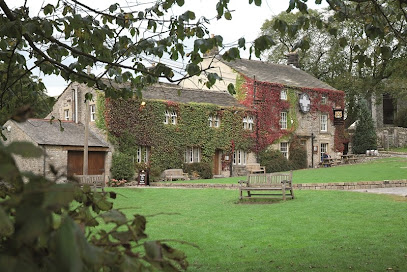
Historic 17th-century coaching inn in Malham offering cozy rooms, hearty local cuisine, and a welcoming pub atmosphere in the heart of the Yorkshire Dales.
The Old Hall Inn
15.1 km
Historic charm and hearty Yorkshire hospitality await at The Old Hall Inn in the heart of Grassington village.
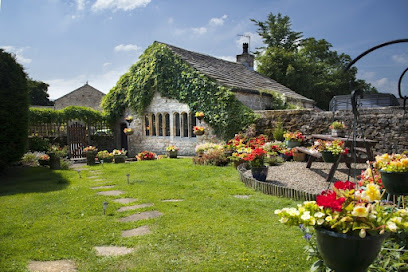
Craven Arms Pub & Cruck Barn
21.7 km
Experience authentic Yorkshire Dales hospitality with hearty food, local ales, and rustic charm at Craven Arms Pub & Cruck Barn.
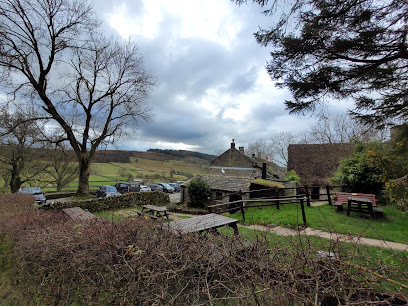
The White Hart Inn, Hawes
25.0 km
A cozy, traditional Yorkshire pub and inn in Hawes offering hearty local fare, comfortable rooms, and warm Dales hospitality.
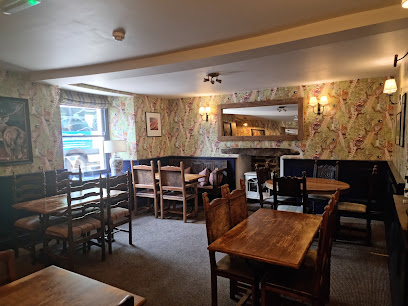
The Crown Hawes
25.1 km
A traditional Yorkshire Dales pub offering hearty meals, local ales, and warm hospitality in the heart of Hawes Market Place.
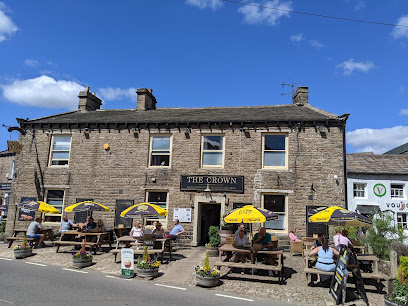
Stone House Hotel
26.2 km
Elegant Edwardian country house hotel offering scenic Yorkshire Dales views, refined dining, and warm hospitality near Hawes.
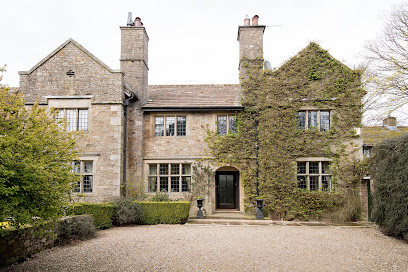
Sycamore Restaurant
26.7 km
Authentic British dining with rustic charm in the scenic village of Bainbridge, celebrating local flavors and warm hospitality.
The Fenwick
27.2 km
Historic 250-year-old gastro pub and charming country inn in Claughton, offering fine seafood, cozy rooms, and warm Lancashire hospitality.
Yorebridge House
27.4 km
Experience refined luxury and serene beauty at Yorebridge House, a boutique 5-star retreat in the heart of the Yorkshire Dales.
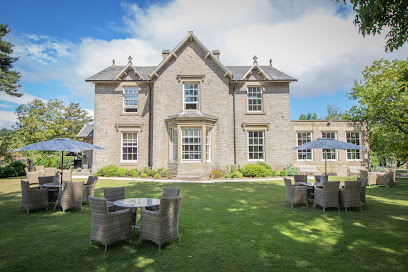
The Foresters Arms
30.1 km
A welcoming community pub in picturesque Carlton-in-Coverdale, blending traditional charm with quality food and local spirit.
Gibbon Bridge Hotel and Restaurant
30.2 km
Elegant four-star country hotel with fine dining, scenic gardens, and cozy suites nestled in the Forest of Bowland near Preston.
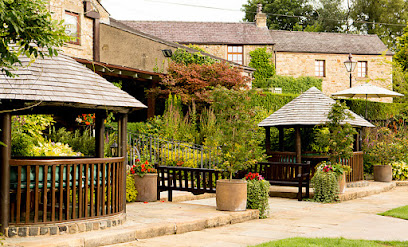
Bertram's Restaurant
31.0 km
Sophisticated adult-only dining with creative British cuisine, cocktails, and stunning countryside views near Burnley.
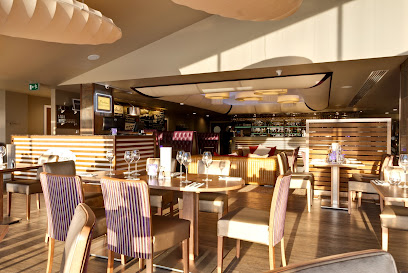
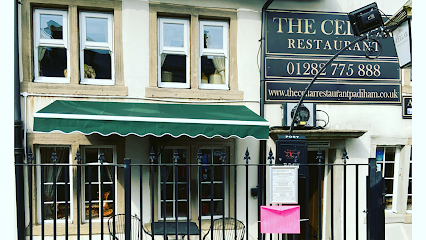
The Cellar Restaurant
31.3 km
Historic charm meets traditional English cuisine in Padiham’s beloved Cellar Restaurant, where hearty meals and warm service await.
The Willow Restaurant & B&B
31.9 km
A cozy British bed and breakfast with a celebrated restaurant, nestled in the scenic Yorkshire Dales market town of Pateley Bridge.
Markets, malls and hidden boutiques

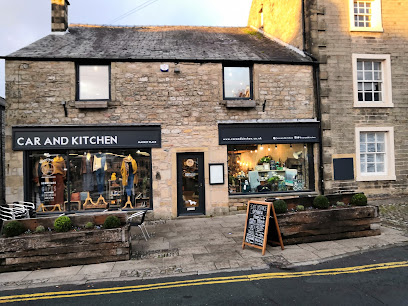
C&K
2.3 km
A charming independent lifestyle store and café in Settle’s Market Place, blending boutique shopping with local flavors and welcoming ambiance.
Hillside Toys -Farm Models & Toys
16.1 km
Discover a nostalgic world of farm models and classic toys at Hillside Toys in Ingleton, where agricultural heritage comes to life.

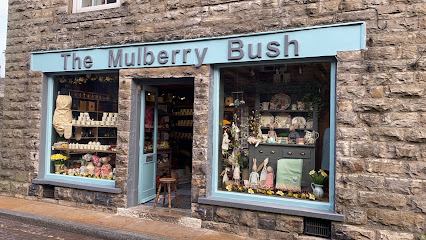
The Mulberry Bush and Yorkshire Sheepskins
25.1 km
A charming Yorkshire gift shop in Hawes offering unique sheepskins, local crafts, and a warm, traditional welcome.
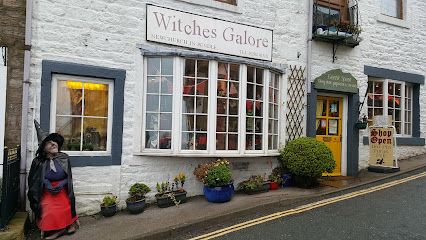
Witches Galore
25.6 km
A quirky, witch-themed gift shop in Newchurch-in-Pendle, packed with Pendle Witch memorabilia, magical curios and folklore souvenirs.
Dent Stores B&B
25.7 km
Historic Dent village B&B blending traditional charm with modern comfort and a top-rated breakfast in the heart of the Yorkshire Dales.
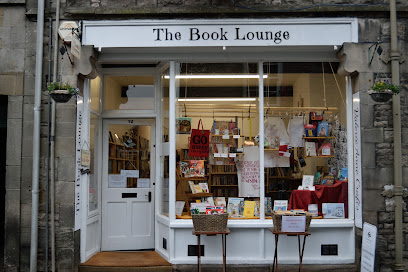
The Book Lounge
26.4 km
Discover a cozy haven of books, puzzles, and community spirit in the heart of Kirkby Lonsdale’s historic Main Street.
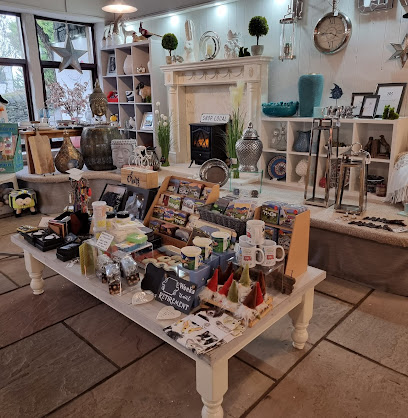
The Old Rock Home & Gifts Shop
27.1 km
A charming village boutique offering unique gifts, homewares, and clothing with warm local hospitality in Trawden, Lancashire.
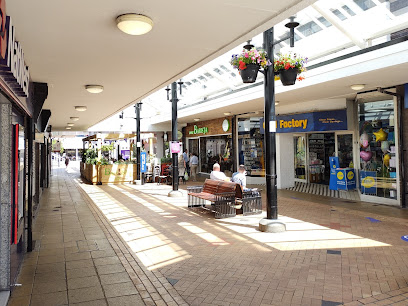
Charter Walk Shopping Centre
32.3 km
Burnley’s accessible and family-friendly shopping centre with over 85 stores, sensory facilities, and community-focused amenities.
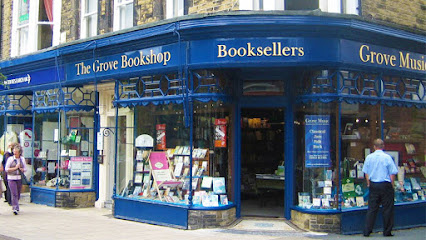
Grove Bookshop
32.7 km
A warm, independent bookshop in Ilkley’s heart, perfect for browsing new releases, children’s books, travel guides and local events.
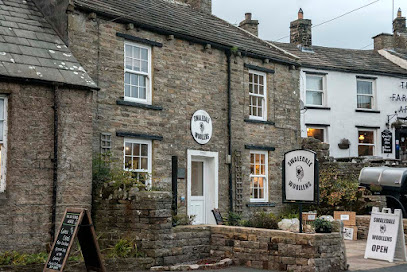
Swaledale Woollens
33.6 km
Discover authentic, handmade woollen knitwear crafted by local artisans in the heart of the Yorkshire Dales at Swaledale Woollens.
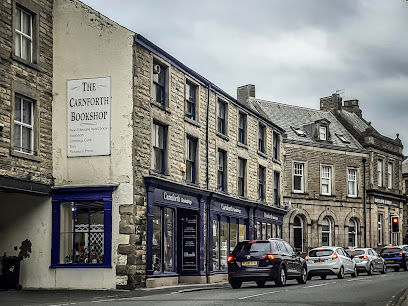
Carnforth Bookshop
34.3 km
Discover Carnforth Bookshop, a family-run independent haven of books, gifts, and local heritage in the heart of historic Lancashire.
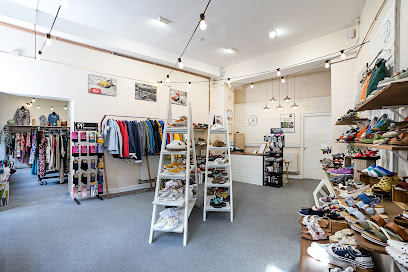
Kitty Brown Boutique
34.3 km
A warm, independent women’s fashion boutique in Carnforth, offering curated clothing, footwear and accessories with comfort, style and sustainability at heart.
Little Town Farm Shop
34.5 km
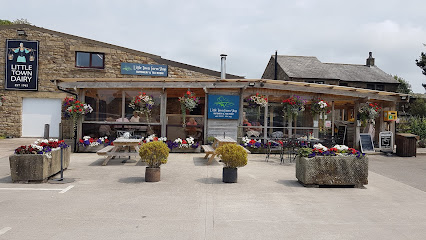
Explore local flavors at Little Town Farm Shop, where fresh produce and artisanal goods await in the heart of Preston's countryside.
Lancaster Leisure Park
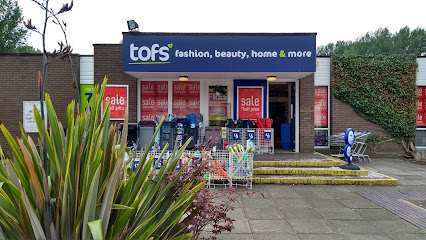
35.0 km
Explore Lancaster Leisure Park: A fusion of shopping, dining, and leisure activities in the heart of Lancaster, perfect for families and antique lovers.
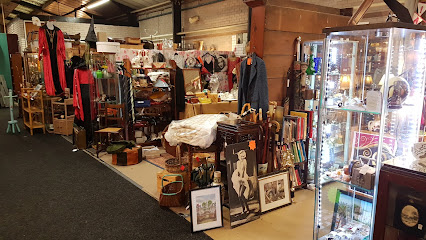
GB Antiques & Furniture Centre
35.0 km
Over 100 dealers, thousands of treasures, endless browsing in Lancaster's premier antiques marketplace.
Essential bars & hidden hideouts

Settle Working Mens Club
2.4 km
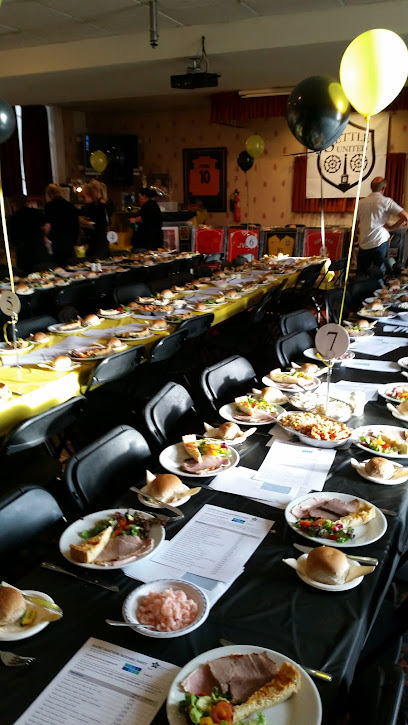
Authentic local bar in Settle offering affordable drinks, vibrant community spirit, and a welcoming atmosphere in a historic market town setting.
The Buck Inn Malham
6.6 km
A rustic, welcoming pub and inn in Malham offering hearty fare and cozy rooms amid the stunning Yorkshire Dales landscape.
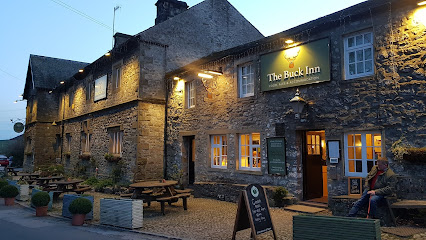
The Queens Arms
11.4 km
Historic 17th-century Yorkshire pub in Litton offering award-winning local cuisine, cozy ambiance, and handcrafted ales in the heart of the Dales.
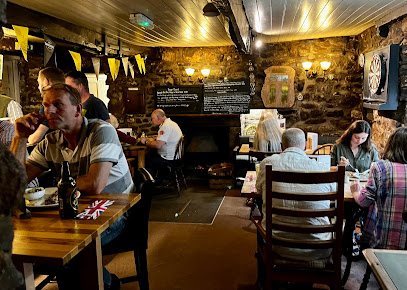
The Gamekeeper's Inn
14.0 km
A charming countryside inn blending rustic hospitality, comfortable stays, and delicious local cuisine in the heart of the Yorkshire Dales.
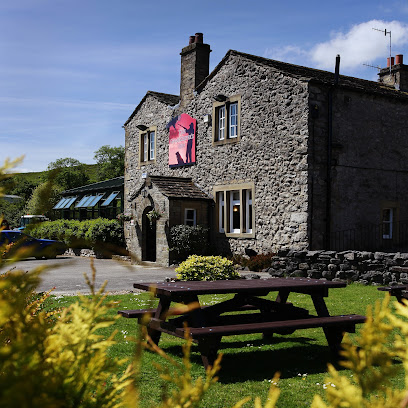
The Blue Bell Inn
14.9 km
Historic 17th-century inn offering cozy rooms, hearty local fare, and a welcoming atmosphere in scenic Kettlewell, Yorkshire Dales.
G & P Events and Mobile Bars
15.0 km
Experience bespoke mobile bar services and event hospitality in the scenic heart of Kettlewell, blending professional expertise with rural charm.
The George Inn
15.8 km
Traditional Yorkshire Dales pub with award-winning pies, cozy rooms, and warm hospitality nestled in the scenic village of Hubberholme.
Hawes Club
25.0 km
A friendly, affordable bar on Main Street offering casual drinks, sports, and a pool table in the heart of Hawes.
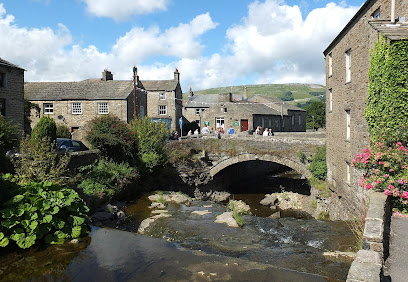
The Kings Wine and Cocktail Bar and Thai at the Kings
25.4 km
A chic cocktail bar and authentic Thai restaurant in Clitheroe offering fresh flavors, elegant ambiance, and warm hospitality.
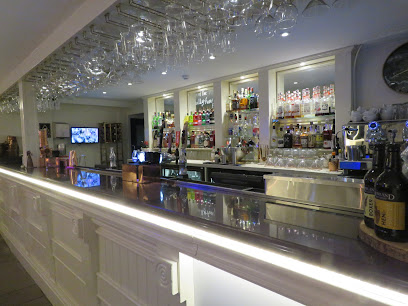
Street head inn
26.3 km
A cozy Yorkshire Dales pub with hearty meals, local ales, and stunning countryside views in Newbiggin near Leyburn.
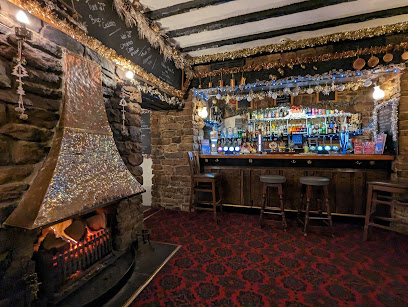
The Green Dragon Inn
26.4 km
Historic Yorkshire coaching inn with cozy fires, hearty pub fare, and scenic Dales setting near Hardraw Force waterfall.
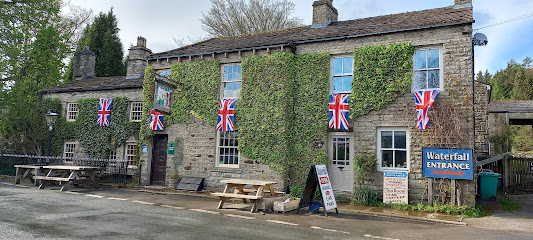
Yorkshire Dales Brewery
27.9 km
Experience authentic Yorkshire craft beers and seasonal taproom charm in the heart of the stunning Yorkshire Dales.
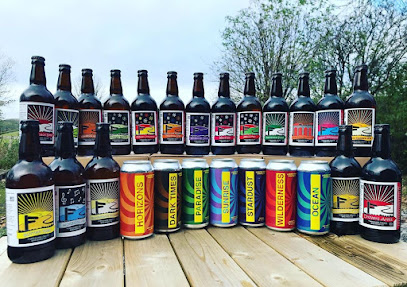
The King's Arms Hotel
28.3 km
Historic Yorkshire Dales pub and hotel famed for warm hospitality, hearty local fare, and charming traditional rooms in Askrigg village.
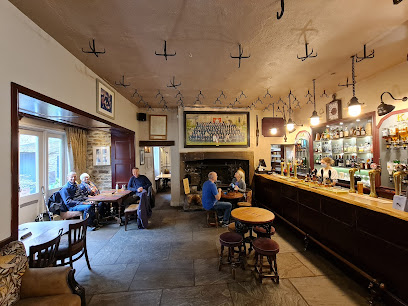
The Crown Inn
28.4 km
A friendly, family-run pub in Askrigg offering hearty local food, fine ales, and a warm Yorkshire welcome in the heart of the Dales.
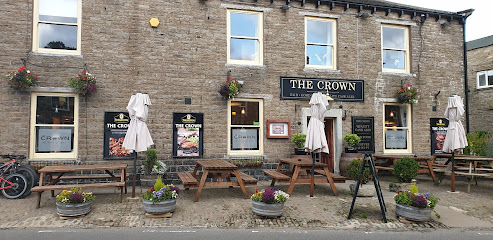
Aysgarth Falls Hotel & Restaurant
29.0 km
Charming hotel with stunning Yorkshire Dales views, fine dining, and cozy rooms near the iconic Aysgarth Falls.
Nightclubs & after hour spots

Rendezvous Nightclub & Resteraunt
30.7 km
Vibrant nightclub and restaurant in Whalley offering lively weekend events, diverse music, and friendly service in Ribble Valley’s heart.

The Redroom Burnley
32.4 km
Experience Burnley’s vibrant nightlife with The Redroom’s lively music, diverse drinks, and late-night party atmosphere in the town centre.
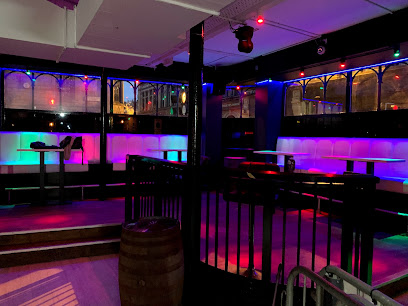
The Dalesman's Club
37.2 km
Discover The Dalesman's Club in Leyburn, a vibrant sports club offering a welcoming atmosphere and engaging activities for visitors.
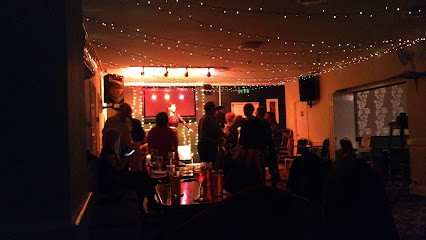
The Queen's Head, Finghall
42.2 km
A quintessential English country pub and inn in Finghall offering hearty British fare, cozy rooms, and warm hospitality in scenic North Yorkshire.
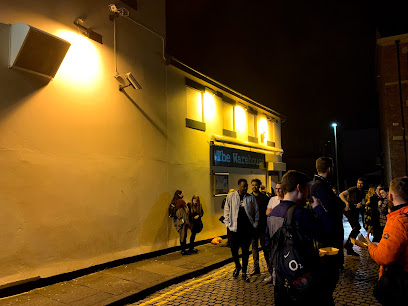
The Warehouse
46.3 km
Three floors of diverse music and vibrant nightlife in Preston’s welcoming alternative club scene.
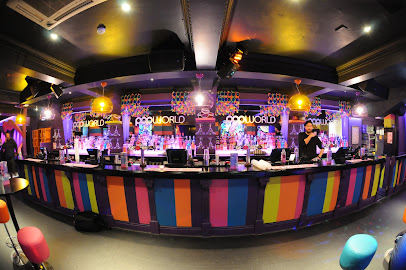
Switch Nightclub
46.3 km
Energetic and affordable nightlife hub in Preston, popular with a middle-aged crowd and known for its lively atmosphere.

Popworld - Preston
46.3 km
Popworld Preston: Where cheesy pop tunes meet vibrant nightlife and unforgettable party vibes in the heart of the city.
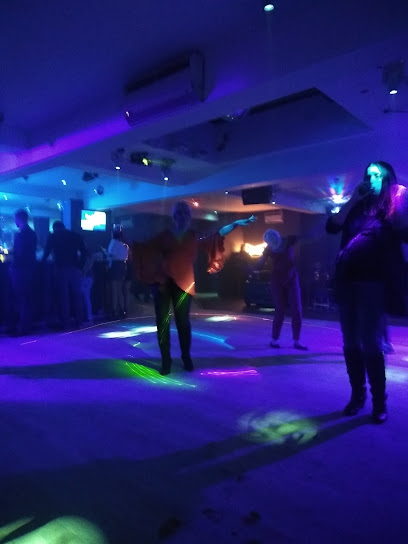
Louis Bar
47.5 km
A vibrant nightclub and bar in Catterick Garrison offering live music, quality food, and a lively atmosphere for all-night entertainment.
sherdy sherd primary school
50.1 km
Experience Richmond’s vibrant nightlife at Sherdy Sherd Primary School, a uniquely named nightclub with extensive hours and lively atmosphere.
New Inn
52.0 km
Traditional Headingley pub with roaring fires, cask ales, and community spirit on lively Otley Road—a cozy cornerstone of Leeds life.
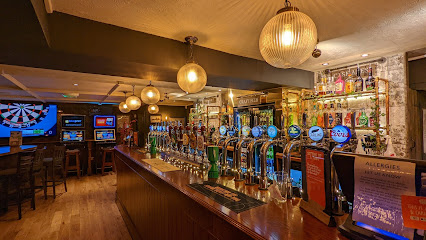
Windermere Social Club
53.9 km
A friendly and versatile social club in Windermere offering games, sports viewing, and community events in a welcoming atmosphere.
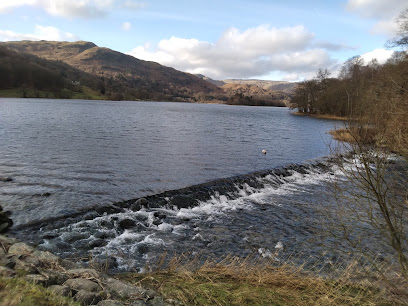
Wheelhouse Nightclub
54.1 km
Experience vibrant weekend nightlife with dynamic music, drinks, and dancing at Wheelhouse Nightclub in scenic Bowness-on-Windermere.
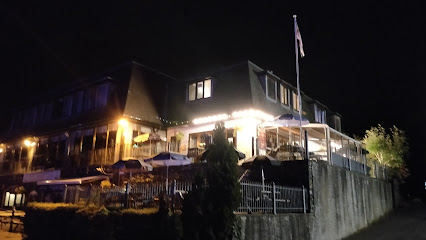
Live Music in The Lake District The Crafty Baa Windermere Every Sun Mon Tue Wed Thu
54.1 km
Experience the vibrant live music scene at The Crafty Baa in Windermere, where local talent and cozy ambiance create unforgettable nights.
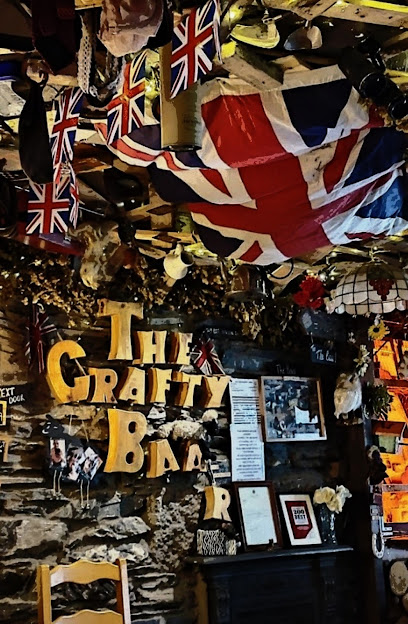
Popworld - Leeds
55.4 km
Relive noughties glory in Leeds' ultimate cheesy pop nightclub, where cocktails pop and dances don't stop till dawn.

PRYZM
55.6 km
Leeds' multi-themed superclub where futuristic beats meet quirky rooms in the heart of Arena Quarter nightlife.
For the vibe & atmosphere seeker
- Tranquil
- Scenic
- Relaxing
- Unique
For the design and aesthetic lover
- Rustic Designs
For the architecture buff
- Historic
- Landmarks
- Parks & Gardens
For the view chaser and sunset hunter
- Iconic Views
- Panoramas
- Sunset Spots
For the social media creator & influencer
- Photo Spots
- Selfie Spots
- Instagrammable
For the eco-conscious traveler
- Eco-Friendly
- Low Impact
- Protected Area
- Public-Transport Accessible
- Leave-No-Trace Critical
- Locally Managed
For the kind of experience you’re after
- Cultural Heritage
- Nature Escape
- Day Trip
- Weekend Getaway
- Photowalk
For how adventurous you want the journey to be
- Easy Access
Location Audience
- Family Friendly
- Senior Friendly
- Child Friendly
- Teen Friendly
- Solo Friendly
- Couple Friendly
- Vegetarian Friendly
- Vegan Friendly


