

Free Cerro Largo Travel Guide & Mobile App
Explore Cerro Largo with free travel guides. Discover regional history, expert tips, proposed trips, and audio guides on web or mobile app.


Explore Cerro Largo for Melo’s heritage, frontier towns, rural landscapes, literary history and the quiet shores of Laguna Merín in Uruguay.
Read more about Cerro Largo
When is the best time to visit Cerro Largo?
Best: March–April, November · 24–27°C| Month | High (°C) | Rainfall (mm) |
|---|---|---|
| January | 30 | 100 |
| February | 29 | 90 |
| March (best) | 27 | 98 |
| April (best) | 24 | 100 |
| May | 19 | 102 |
| June | 15 | 98 |
| July | 15 | 95 |
| August | 16 | 92 |
| September | 18 | 97 |
| October | 21 | 106 |
| November (best) | 25 | 101 |
| December | 27 | 107 |
Getting to and around Cerro Largo
How to get there
Transportation
Destinations in Cerro Largo
Resorts, valleys and scenic spots worth a trip of their own.
-

-


Swipe for more destinations
Best attractions in Cerro Largo
Cerro Largo’s attractions are spread across an extensive rural department rather than concentrated in one resort corridor. Melo provides the strongest cultural programme, with museums, civic buildings, churches, public squares and places connected with Juana de Ibarbourou and the region’s political history. The city is also a practical base for excursions into the surrounding cattle country. In the north and east, Rio Branco and Aceguá offer a different experience: international border towns where commercial life, Spanish and Portuguese influences, and river or road crossings shape the visitor landscape. History becomes especially tangible around Tupambaé, associated with the 1904 civil war. For nature and recreation, Balneario Lago Merín opens onto the Uruguayan shore of the great Laguna Merín, with sandy beaches, warm-season bathing, fishing, boating and opportunities for observing wetland birds. The department’s rivers, streams, low hills and open plains appeal to travellers who prefer scenic drives, rural photography and quiet outdoor experiences to formal attractions. Services become thinner beyond the main towns, so excursions require realistic planning and respect for private land.
-
Park
Rivera Park
Discover the serene beauty of Rivera Park in Melo, a perfect spot for relaxation, picnics, and immersing yourself in nature's splendor.
-
Museum
Posta del Chuy
Explore Posta del Chuy, a unique museum in Cerro Largo, Uruguay, rich in history and cultural heritage, perfect for every curious traveler.
-
Parish
Cathedral of Melo
Discover the architectural beauty and spiritual significance of the Cathedral of Melo, a must-visit cultural landmark in Uruguay.
-
Museum
Museo Histórico Regional de Melo
Explore the rich history and culture of Melo at the Museo Histórico Regional, a captivating museum showcasing the heritage of Cerro Largo Department.
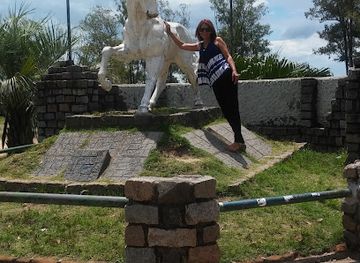
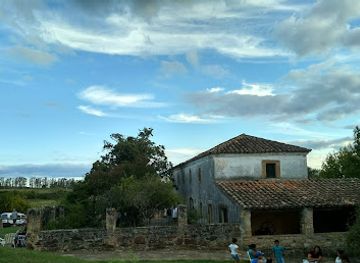
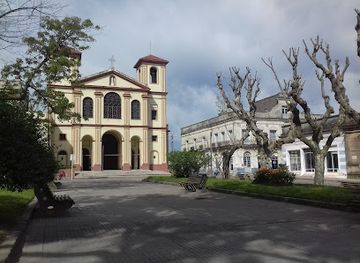
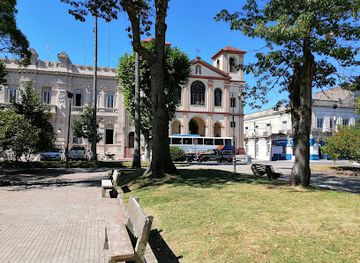
Best landmarks in Cerro Largo
Melo’s central urban landscape is Cerro Largo’s principal concentration of recognisable landmarks. The Cathedral of Nuestra Señora del Pilar and San Rafael, public squares and civic buildings express the city’s role as a long-established departmental capital, while local museums preserve the frontier, political and literary histories that shaped it. Places associated with Juana de Ibarbourou give Melo a particular cultural distinction within Uruguay. Outside the capital, Tupambaé is an important historical landscape because it recalls the 1904 battle that helped bring Uruguay’s long civil-war era to a close. Rio Branco’s international setting on the Yaguarón River, facing Jaguarão in Brazil, is itself a significant geographical landmark and a visible reminder of the region’s border identity. The wide waters and sandy shore of Laguna Merín at Balneario Lago Merín form Cerro Largo’s most prominent natural landmark. Its scale, wetlands and open horizon contrast sharply with Melo’s compact streets and the undulating grasslands of the interior, making the lagoon a defining feature of the department’s eastern geography.
-
Army museum
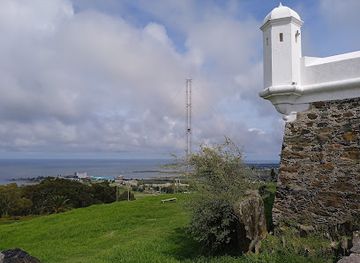
Fortaleza del Cerro
Discover the rich military history and breathtaking views at Fortaleza del Cerro, a premier tourist attraction in Montevideo.
-
Park
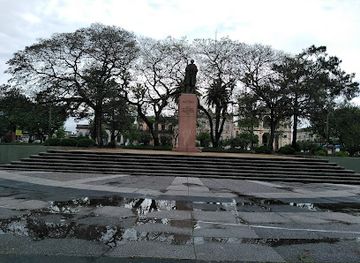
Plaza Constitucion Melo Cerro Largo
Explore the tranquil beauty and rich culture of Plaza Constitucion, a serene park in the heart of Melo, Cerro Largo, perfect for relaxation and local experiences.
-
Museum
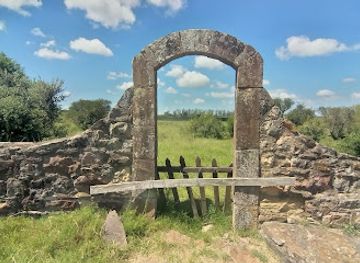
Posta del Chuy
Explore the vibrant history and culture of Uruguay at Posta del Chuy, a captivating museum in Cerro Largo Department that showcases local artistry and heritage.
-
Parish
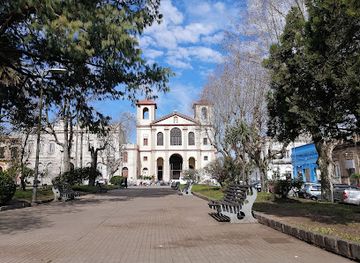
Cathedral of Melo
Explore the stunning Cathedral of Melo, a neo-Gothic masterpiece in Uruguay, blending rich history with serene beauty in the heart of Cerro Largo.
Explore Cerro Largo on the map
Plan your trip on one map. See where the top cities, national parks and sights are, and book hotels and experiences in a few clicks.
Best hotels in Cerro Largo
Best restaurants in Cerro Largo
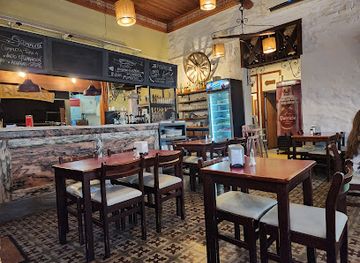
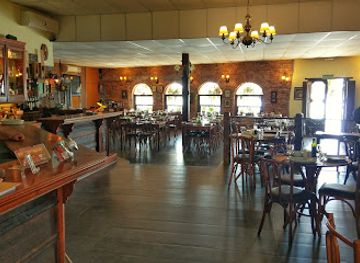
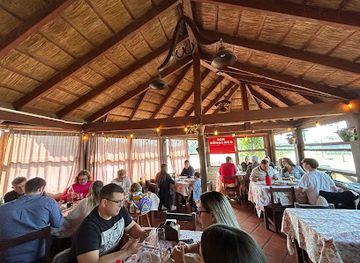
Cerro Largo’s food culture reflects Uruguay’s cattle-ranching tradition, border exchange and eastern agricultural landscape. In Melo, visitors find parrillas and traditional restaurants serving beef, sausages, grilled meats, milanesa, pasta and familiar Uruguayan accompaniments, while cafés and bakeries provide pastries, sandwiches and mate-related social habits. Rural establishments often centre their menus on straightforward regional cooking rather than elaborate presentation. Around Rio Branco and Aceguá, Brazilian influence is noticeable in the availability of dishes, snacks and eating styles associated with the neighbouring country, although menus vary by business. Rice production in the wider Laguna Merín basin is an important agricultural backdrop, even when it is not presented as a formal local speciality. At Balneario Lago Merín, seasonal eateries focus on simple meals, refreshments and fish or grilled food when available. Markets and small shops are useful for buying local produce, baked goods, dulce de leche and provisions for rural journeys; opening arrangements and choice can be limited outside Melo and the border towns.
-
Grill
Parrillada La Rueda
Discover the heart of Uruguayan cuisine at Parrillada La Rueda in Melo—home to exquisite grills and vibrant flavors.
-
Restaurant
El Boliche En Los Paraisos
Discover authentic Uruguayan cuisine at El Boliche En Los Paraisos in Melo - a cozy restaurant with delicious flavors at affordable prices.
-
Restaurant
Batuva
Discover Batuva: A culinary treasure in Río Branco offering exquisite Uruguayan cuisine in a charming atmosphere.
-
Grill
Don Barranco Parillada Restaurant
Experience authentic Uruguayan asado at Don Barranco Parillada Restaurant in Río Branco – where flavor meets tradition.

Best bars in Cerro Largo
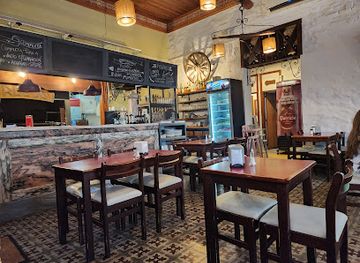
Nightlife in Cerro Largo is centred on Melo and is primarily social rather than club-led. Traditional bars, cafés, restaurants and pubs provide places for conversation, football and evening drinks, while local festivals and occasional live-music events bring a larger audience at particular times of year. Rio Branco has an additional border-town rhythm, with evenings shaped by restaurants, commercial activity and the movement between Uruguayan and Brazilian communities. In smaller towns such as Fraile Muerto, Tupambaé and Aceguá, nightlife is modest and locally oriented, often revolving around community events or a handful of eating and drinking establishments rather than a formal entertainment district. Balneario Lago Merín becomes livelier during the summer holiday period, but its evening offer remains seasonal. Travellers should not expect a major nightclub circuit; checking locally for current events is more reliable than relying on permanent listings.
-
Grill
Parrillada La Rueda
Discover the essence of Uruguayan barbecue at Parrillada La Rueda, where every dish is a celebration of flavor and tradition.
-
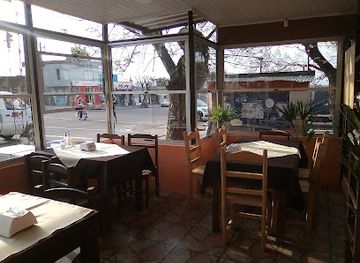
Restaurant
El Boliche En Los Paraisos
Experience the authentic flavors of Uruguay at El Boliche En Los Paraisos in Melo, where culinary tradition meets a warm atmosphere.
-
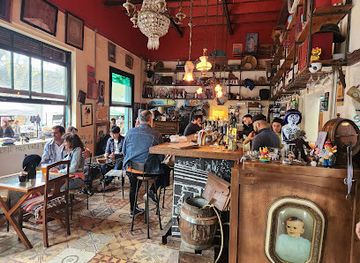
Bar
El Imperio
Experience the vibrant atmosphere and delicious Uruguayan cuisine at El Imperio in the heart of Montevideo.
-
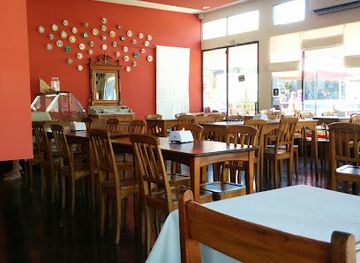
Restaurant
La Rural Melo
Experience the flavors of Uruguay at La Rural Melo, where local ingredients meet culinary tradition in a vibrant dining atmosphere.
Best nightclubs in Cerro Largo
Nightlife in Cerro Largo is centred on Melo and is primarily social rather than club-led. Traditional bars, cafés, restaurants and pubs provide places for conversation, football and evening drinks, while local festivals and occasional live-music events bring a larger audience at particular times of year. Rio Branco has an additional border-town rhythm, with evenings shaped by restaurants, commercial activity and the movement between Uruguayan and Brazilian communities. In smaller towns such as Fraile Muerto, Tupambaé and Aceguá, nightlife is modest and locally oriented, often revolving around community events or a handful of eating and drinking establishments rather than a formal entertainment district. Balneario Lago Merín becomes livelier during the summer holiday period, but its evening offer remains seasonal. Travellers should not expect a major nightclub circuit; checking locally for current events is more reliable than relying on permanent listings.
-
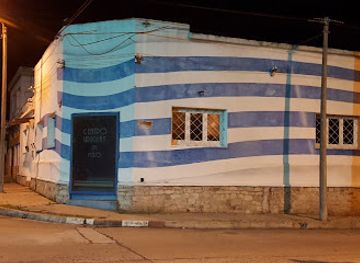
Disco club
Don Quijote
Dive into the lively nightlife of Cerro Largo at Don Quijote, a premier disco club known for its electrifying atmosphere and vibrant music scene.
-
Social club
Club Uruguay
Experience the lively atmosphere of Club Uruguay, a social club in Melo where tradition and community come together for unforgettable moments.
-
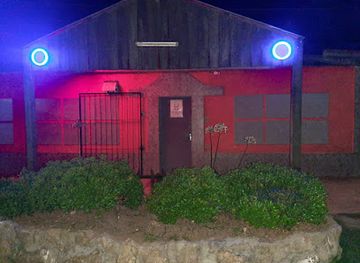
Night club
Club Hípico Los Potros
Discover the vibrant nightlife and local culture at Club Hípico Los Potros, a must-visit night club in Isidoro Noblía, Uruguay.
-
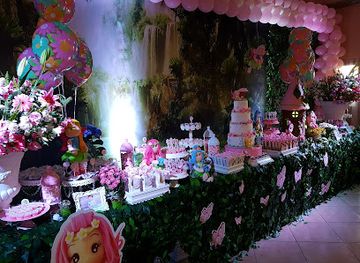
Disco club
Wiskeria PECADOS - Chucela
Dive into the vibrant nightlife at Wiskeria PECADOS - Chucela, where music, dance, and fun come together in Melo's hottest disco club.
Best shops in Cerro Largo
Shopping in Cerro Largo is practical, local and strongly influenced by the international frontier. Melo has the department’s broadest selection of everyday shops, clothing stores, supermarkets, pharmacies, bookshops, cafés and independent businesses, with the central commercial streets providing the main browsing area. Local food products such as dulce de leche, baked goods, preserves and mate-related items make useful regional purchases, while craft and souvenir choices are generally modest rather than heavily tourist-oriented. Rio Branco is the principal border-shopping centre, where visitors encounter a larger commercial environment and Brazilian influence, but prices, stock and customs rules can change, so compare carefully and retain receipts. Aceguá has a smaller-scale frontier character. Markets and temporary stalls may offer produce, clothing and household goods, though schedules are not always reliable. Balneario Lago Merín has seasonal shops and holiday-oriented services, with a narrower range outside the summer period. Melo is the better place to stock up before travelling into rural Cerro Largo or towards the lagoon.
-
Store
Sociedad Fomento Cerro Largo
Explore the vibrant local culture at Sociedad Fomento Cerro Largo in Melo, where unique artisan products and warm hospitality await.
-
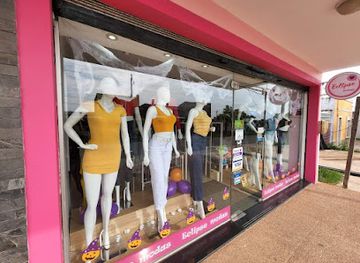
Clothing store
Eclipse Modas
Discover the latest fashion trends and timeless styles at Eclipse Modas, a premier clothing store in Melo, Uruguay.
-
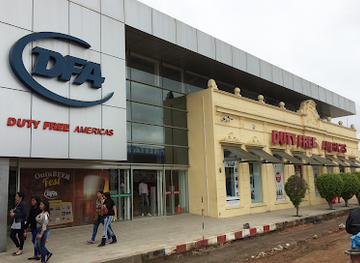
Shopping mall
Dfa
Explore DFA Mall in Río Branco for an unforgettable shopping experience filled with local and international brands, dining, and entertainment.
-
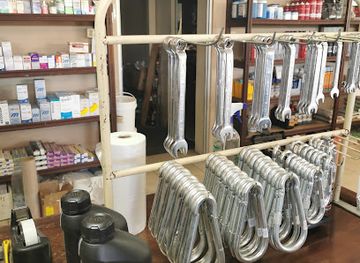
Hunting and fishing store
Todo Pesca
Discover the ultimate fishing experience at Todo Pesca in Melo, where expert advice meets quality gear for unforgettable fishing adventures.
Get your free copy of our complete guide to Cerro Largo, delivered straight to you.
Everything on this page, from attractions and restaurants to essentials and local phrases, in one PDF you can read offline, print or share.
Already have an account? Sign in
Your Cerro Largo guide is ready.
We'll send it to · Not you? Sign out

Getting your guide ready…
We are putting together a fresh copy of the Cerro Largo guide. This can take up to a minute.
This can take a few moments. If your browser asks, choose Allow so the download can start. You'll find the guide in your Downloads folder.
Nothing happened? Download it again
Sorry, the guide is taking longer than usual. Please try again in a minute, or get it by email instead.
Cerro Largo essentials
Currency and Payment
Safety
Emergency Situations
Do's and Don'ts
Local Tips
From Eve
Local phrases worth knowing
You don't need to get them perfect. A few words go a long way, and locals appreciate the effort.
Basics
| English | Local | Say it |
|---|---|---|
| Hello | Hola | [OH-lah] |
| Goodbye | Adiós | [ah-DYOS] |
| Yes | Sí | [SEE] |
| No | No | [NO] |
| Please/You're welcome | Por favor | [por fah-VOR] |
| Thank you | Gracias | [GRAH-see-as] |
| Excuse me/Sorry | Disculpe | [dis-KOOL-peh] |
| How are you? | ¿Cómo estás? | [KOH-moh ess-TAS] |
| Fine. And you? | Bien. ¿Y tú? | [byen. ee TOO] |
| Do you speak English? | ¿Hablas inglés? | [AH-blas een-GLES] |
| I don't understand | No entiendo | [NO en-TYEN-doh] |
Eating & Drinking
| English | Local | Say it |
|---|---|---|
| I'd like to see the menu, please | Quisiera ver el menú, por favor | [kee-SYER-ah vehr el meh-NOO, por fah-VOR] |
| I don't eat meat | No como carne | [NO KOH-mo KAR-neh] |
| Cheers! | ¡Salud! | [sah-LOOD] |
| I would like to pay, please | Me gustaría pagar, por favor | [meh goos-tah-REE-ah pah-GAR, por fah-VOR] |
Emergencies
| English | Local | Say it |
|---|---|---|
| Help! | ¡Ayuda! | [ah-YOO-dah] |
| Go away! | ¡Vete! | [VEH-teh] |
| Call the Police! | ¡Llame a la policía! | [YAH-meh ah lah poh-lee-SEE-ah] |
| Call a doctor! | ¡Llame a un doctor! | [YAH-meh ah oon dok-TOR] |
| I'm lost | Estoy perdido | [ess-TOY pehr-DEE-doh] |
| I'm ill | Estoy enfermo | [ess-TOY en-FER-moh] |
Shopping
| English | Local | Say it |
|---|---|---|
| I'd like to buy... | Quisiera comprar... | [kee-SYER-ah kom-PRAR] |
| I'm just looking | Solo estoy mirando | [SOH-lo ess-TOY mee-RAN-do] |
| How much is it? | ¿Cuánto cuesta? | [KWAN-toh KWEH-stah] |
| That's too expensive | Eso es muy caro | [EH-so ess MOO-ee KAH-ro] |
| Can you lower the price? | ¿Puedes bajar el precio? | [PWEH-des bah-HAR el PREH-syo] |
Time & Numbers
| English | Local | Say it |
|---|---|---|
| What time is it? | ¿Qué hora es? | [KEH OH-rah ess] |
| It's one o'clock | Es la una | [ess lah OO-nah] |
| Half past (10) | Y media (10) | [ee MEH-dee-ah (10)] |
| Morning | Mañana | [mah-NYAH-nah] |
| Afternoon | Tarde | [TAR-deh] |
| Evening | Noche | [NO-cheh] |
| Yesterday | Ayer | [ah-YER] |
| Today | Hoy | [OY] |
| Tomorrow | Mañana | [mah-NYAH-nah] |
| 1 | Uno | [OO-no] |
| 2 | Dos | [DOS] |
| 3 | Tres | [TRES] |
| 4 | Cuatro | [KWAT-roh] |
| 5 | Cinco | [SING-ko] |
| 6 | Seis | [SAYS] |
| 7 | Siete | [SYEH-teh] |
| 8 | Ocho | [OH-cho] |
| 9 | Nueve | [NWEH-beh] |
| 10 | Diez | [DYEZ] |
Transport & Directions
| English | Local | Say it |
|---|---|---|
| Where's a/the...? | ¿Dónde está un/una...? | [DON-deh ess-TAH oon/OO-nah] |
| What's the address? | ¿Cuál es la dirección? | [KWAL ess lah dee-rek-SYON] |
| Can you show me (on the map)? | ¿Puedes mostrarme (en el mapa)? | [PWEH-des mos-TRAR-meh (en el MAH-pah)] |
| When's the next (bus)? | ¿Cuándo es el próximo (autobús)? | [KWAN-doh ess el PROK-see-mo (ow-toh-BOOS)] |
| A ticket (to ....) | Un boleto (a ....) | [oon boh-LEH-toh (ah ....)] |
History of Cerro Largo
Indigenous and frontier landscapes before Uruguay
Before European colonisation, the territory now called Cerro Largo was used by Indigenous peoples, including groups associated with the Charrúa world and other communities moving through the grasslands and river corridors. The region’s open terrain and waterways later made it a zone of contact and competition between Spanish and Portuguese interests. Rather than being an isolated interior, it formed part of a mobile frontier where livestock, military patrols, missionaries, traders and Indigenous communities crossed extensive distances.
The Spanish-Portuguese borderland
During the eighteenth century, Spain and Portugal contested control of the Banda Oriental, the territory that later became Uruguay. The department’s eastern and northern areas were influenced by settlements, demarcation efforts and military movements connected with the Portuguese frontier. The Yaguarón River and the routes towards the Laguna Merín basin became strategically important. This history explains why Cerro Largo developed a distinctive border culture and why many of its towns grew from the need to secure, administer and supply a disputed region.
The foundation of Melo in 1795
Melo was founded in 1795 by order of the Spanish colonial authorities, under the direction of Agustín de la Rosa, as part of an effort to strengthen Spain’s position in the eastern frontier. Its location made it a centre for administration, defence and communication across the surrounding countryside. The town later became the capital of the department, and its central streets, public buildings and religious institutions still provide the clearest urban expression of Cerro Largo’s colonial and early national beginnings.
Independence and the formation of Uruguay
Cerro Largo was drawn into the political and military upheavals that followed the struggles for independence in the Río de la Plata and the formation of the Banda Oriental as an independent state. The frontier was affected by Portuguese and Brazilian intervention, the Cisplatine period and the conflicts that accompanied Uruguay’s emergence in the nineteenth century. Melo’s strategic position meant that regional life was repeatedly influenced by armies, political factions and changing borders, leaving a legacy of military and civic memory in the department.
Rural power and the Saravista tradition
During the nineteenth century, cattle ranching became the economic foundation of Cerro Largo, while large rural properties and local political networks shaped social life. The department is strongly associated with Aparicio Saravia, the influential National Party leader and caudillo who had extensive ties to the region. His political movement drew support from rural Uruguay and became central to the country’s civil conflicts. Saravia’s memory remains especially important in Cerro Largo because the landscape, families and political traditions of the department formed part of his social and military base.
The Battle of Tupambaé and the 1904 civil war
Tupambaé was the scene of one of the decisive confrontations of Uruguay’s 1904 civil war between the government forces of José Batlle y Ordóñez and the Nationalist forces led by Aparicio Saravia. The battle, fought in June 1904, weakened the Saravista army and formed part of the final phase of the country’s major partisan conflicts. Its outcome helped consolidate the authority of the central state and contributed to the political settlement that followed Saravia’s death later that year at Masoller, in neighbouring Rivera.
Railways, border trade and agricultural change
The expansion of railways and improved roads connected Melo and other Cerro Largo settlements more closely with Montevideo, the rest of Uruguay and Brazil. Transport supported cattle production, commercial exchange and the growth of border towns such as Rio Branco and Aceguá. In the twentieth century, rice cultivation in the eastern lowlands and the wider Laguna Merín basin added an important agricultural dimension to the traditional livestock economy. These changes helped turn the department from a militarised frontier into a more integrated regional economy while retaining its rural character.
Literary identity and modern regional culture
Cerro Largo also occupies an important place in Uruguay’s cultural history through Juana de Ibarbourou, born in Melo in 1892 and later celebrated as one of the country’s major poets. Her work contributed to the literary identity of the department and gave Melo a national cultural reference beyond its political and frontier history. Contemporary Cerro Largo combines this literary legacy with rural festivals, local museums, cross-border commerce and the continuing interaction of Uruguayan and Brazilian influences.
Cerro Largo in Photos
Browse through our photo collection highlighting the charm and character of the destination.
Neighbouring regions of Cerro Largo
The closest regions to Cerro Largo, if you have time for more than one.
-

-

-

-

-


Swipe for more regions
Explore more

Explore more of Uruguay
Discover Uruguay: Rich culture, stunning beaches, and a warm, welcoming atmosphere await in this hidden gem of South America.
Explore Uruguay