

Free Cuchilla Grande Travel Guide & Mobile App
Explore Cuchilla Grande with free travel guides. Discover regional history, expert tips, proposed trips, and audio guides on web or mobile app.


Explore Cuchilla Grande in eastern Uruguay for hill country, rural heritage, deep ravines, scenic drives and quiet outdoor adventures.
Read more about Cuchilla Grande
When is the best time to visit Cuchilla Grande?
Best: February–March, November · 25–27°C| Month | High (°C) | Rainfall (mm) |
|---|---|---|
| January | 28 | 100 |
| February (best) | 27 | 90 |
| March (best) | 25 | 110 |
| April | 22 | 100 |
| May | 19 | 90 |
| June | 17 | 80 |
| July | 16 | 80 |
| August | 17 | 90 |
| September | 20 | 100 |
| October | 22 | 110 |
| November (best) | 25 | 100 |
| December | 27 | 110 |
Getting to and around Cuchilla Grande
How to get there
Transportation
Destinations in Cuchilla Grande
Resorts, valleys and scenic spots worth a trip of their own.
-

-


Swipe for more destinations
Best attractions in Cuchilla Grande
Cuchilla Grande’s attractions are primarily landscapes and outdoor experiences rather than a concentration of large museums or historic monuments. Around Minas, the granite formations and wooded slopes near Cerro Arequita provide some of the region’s most recognisable scenery, while Villa Serrana offers a distinctive low-density mountain retreat set among hills and streams. Aiguá and the eastern foothills are suited to scenic drives, rural stays and short walks through rolling countryside. In Treinta y Tres Department, the protected landscape of Quebrada de los Cuervos is the region’s major nature destination, with deep ravines, native vegetation, viewpoints and walking routes subject to local access arrangements. The wider uplands support birdwatching, photography, horseback activities and four-wheel-drive excursions, particularly where private rural properties provide guided access. Towns such as Minas, Treinta y Tres and Melo add plazas, churches, local museums and civic heritage, giving context to the region’s frontier and cattle-ranching history. Visitors should not expect every rural road to lead to a public attraction: many of the most appealing views occur on private land or along routes where permission and preparation are necessary.
-
Park
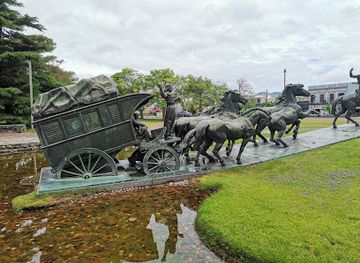
Prado Park
Experience the natural beauty and cultural richness of Prado Park in Montevideo, a perfect escape for relaxation and exploration.
-
Animal park
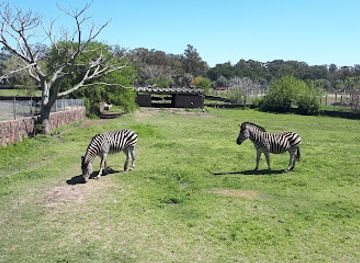
Francisco Lecocq Zoological
Experience the enchanting wildlife and lush landscapes of Francisco Lecocq Zoological Park in Montevideo, a perfect family-friendly destination.
-
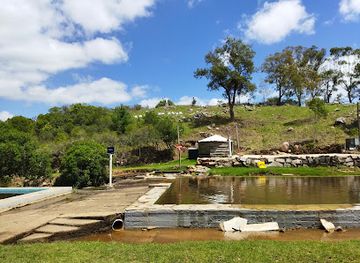
Salto de Agua
Experience the breathtaking beauty of Salto de Agua in Treinta y Tres, Uruguay, where stunning waterfalls and lush landscapes await your visit.
-
 Tourist attraction
"LAS MOITAS"
Experience the serene beauty and rich cultural heritage of Las Moitas, a hidden gem in Uruguay's Cerro Largo Department, perfect for nature lovers.
Best landmarks in Cuchilla Grande
The most distinctive landmarks of Cuchilla Grande are its ridges, rocky outcrops and ravine systems. Cerro Arequita, near Minas, is an imposing granite hill whose rounded profile and exposed stone make it a defining feature of the southern hill country. Nearby Villa Serrana is itself a landscape landmark, recognised for its mid-twentieth-century plan, scattered buildings and integration with the surrounding relief rather than for a conventional historic centre. Quebrada de los Cuervos, in Treinta y Tres Department, is the region’s most powerful natural landmark: streams descend through a deeply incised system of cliffs, native woodland and grass-covered heights. Minas adds civic and historical landmarks connected with Lavalleja and Uruguay’s independence story, while Melo’s urban heritage reflects the culture of the north-eastern frontier. Across the countryside, old estancia buildings, rural chapels, bridges and former railway traces are quieter reminders of settlement and transport, although access to many of these places depends on private ownership or local arrangements.
-
Park
Prado Park
Explore the lush landscapes and cultural treasures of Prado Park, a must-visit oasis in Montevideo for nature lovers and art enthusiasts alike.
-
Sculpture
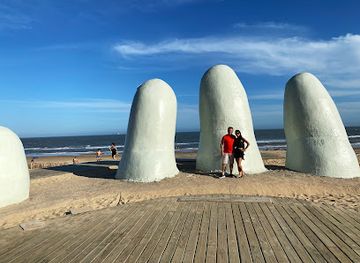
The Fingers of Punta del Este
Discover the breathtaking Fingers of Punta del Este, a sculptural masterpiece symbolizing humanity's connection to nature along the stunning coastline.
-
Park
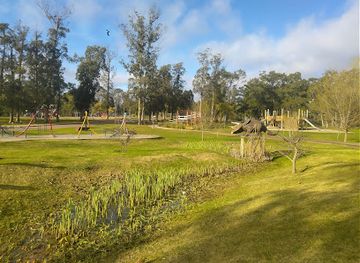
El Jagüel Park
Discover the tranquil beauty of El Jagüel Park, a family-friendly oasis in Punta del Este, perfect for relaxation and outdoor activities.
-
Park
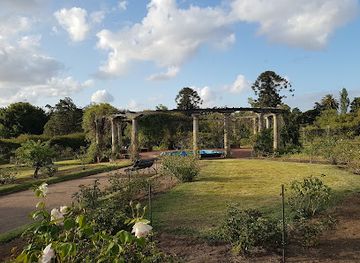
Plaza Virgilio
Explore Plaza Virgilio, an urban park in Montevideo that blends nature, culture, and community for an unforgettable experience.
Explore Cuchilla Grande on the map
Plan your trip on one map. See where the top cities, national parks and sights are, and book hotels and experiences in a few clicks.
Best hotels in Cuchilla Grande
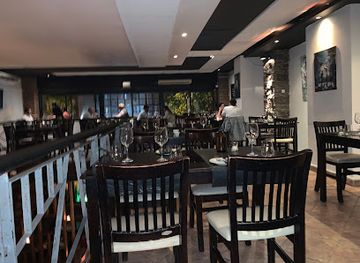
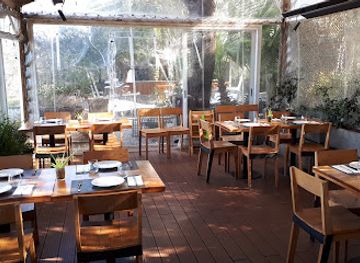
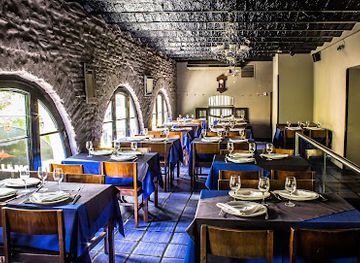
Best restaurants in Cuchilla Grande
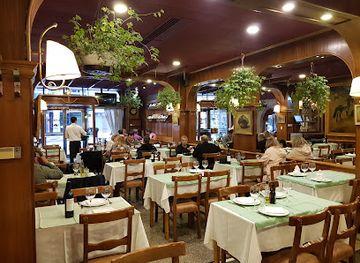
Eating in Cuchilla Grande reflects the food culture of Uruguay’s interior, with grilled beef, lamb, sausages, milanesa, fresh pasta and simple baked goods common in town restaurants, cafés and traditional eateries. As a cattle-ranching region, the quality and preparation of beef are central to the local table, while rural accommodation may serve meals based on seasonal produce and estancia traditions. Minas and the larger departmental centres offer the broadest choice, from informal parrillas and bakeries to contemporary restaurants, whereas smaller settlements tend to have more limited opening patterns. Mate accompanies travel and conversation, and sweet products associated with Lavalleja, including regional confectionery such as Minas-style gofio preparations, may appear in local shops or cafés. Visitors heading into the hills should buy provisions in advance, as remote natural areas rarely have a dense choice of restaurants. Service is generally relaxed, and meal times can be later than some international visitors expect.
-
Grill
El Fogón
Discover El Fogón: A premier grill restaurant in Montevideo serving authentic Uruguayan cuisine with a focus on quality meats and local flavors.
-
Uruguayan
La Cocina de Pedro
Discover authentic Uruguayan cuisine at La Cocina de Pedro in Montevideo – where every dish tells a story.
-
Restaurant
Charco bistró
Experience gourmet dining at Charco Bistró in Colonia del Sacramento—where local flavors meet breathtaking views.
-
Uruguayan
El Palenque
Discover the authentic flavors of Uruguay at El Palenque, a top-rated restaurant in Montevideo offering exquisite local cuisine in a charming setting.
Best bars in Cuchilla Grande
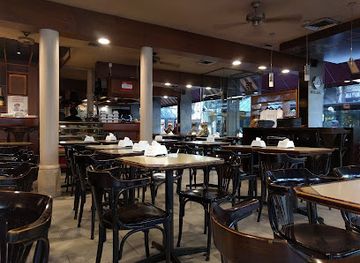
Nightlife in Cuchilla Grande is modest and centred on social life in the principal towns rather than a large club scene. Minas, Treinta y Tres and Melo have the widest selection of cafés, restaurants, traditional bars and occasional live-music venues, while smaller communities rely on local bars, social clubs and gatherings linked to weekends or seasonal events. Rural evenings are more likely to involve a meal, conversation, mate or a quiet drink at an inn than late-night entertainment. Beer, wine and Uruguay’s traditional long drinks are commonly available, but alcohol is not necessary to engage with the region’s evening culture. In Villa Serrana and other rural areas, visitors should expect limited late services and arrange transport before going out, particularly where roads are unsealed and distances to the nearest town are considerable.
-
Grill
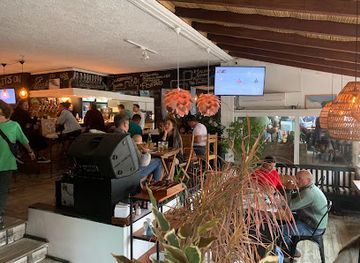
Bar Facal
Experience the flavors of Uruguay at Bar Facal, a vibrant grill restaurant in Montevideo known for its exceptional cuisine and lively atmosphere.
-
Brewpub
Capi Bar
Discover Capi Bar in Punta del Este – a vibrant brewpub offering craft beers and diverse cuisine in a lively atmosphere.
-
Bar
Baar Fun Fun
Discover Baar Fun Fun, a lively bar in Montevideo offering vibrant nightlife with creative cocktails and a welcoming atmosphere, perfect for tourists.
-
Bar
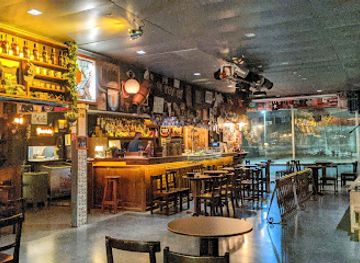
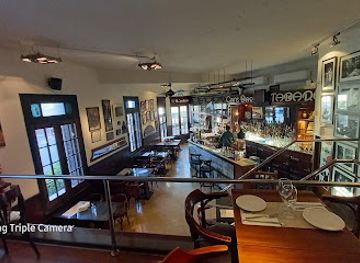
Bar Tabaré
Experience the vibrant nightlife of Montevideo at Bar Tabaré, a local favorite for craft drinks and live music in a lively setting.
Best nightclubs in Cuchilla Grande
Nightlife in Cuchilla Grande is modest and centred on social life in the principal towns rather than a large club scene. Minas, Treinta y Tres and Melo have the widest selection of cafés, restaurants, traditional bars and occasional live-music venues, while smaller communities rely on local bars, social clubs and gatherings linked to weekends or seasonal events. Rural evenings are more likely to involve a meal, conversation, mate or a quiet drink at an inn than late-night entertainment. Beer, wine and Uruguay’s traditional long drinks are commonly available, but alcohol is not necessary to engage with the region’s evening culture. In Villa Serrana and other rural areas, visitors should expect limited late services and arrange transport before going out, particularly where roads are unsealed and distances to the nearest town are considerable.
-
Disco club
Il Tempo
Experience the pulse of Montevideo at Il Tempo, the ultimate disco club for lively nights filled with music and dance.
-
Disco club
Viejo Barreiro
Experience Montevideo's vibrant nightlife at Viejo Barreiro, a disco club, brewery, and tapas bar that promises an unforgettable evening filled with music and culinary delights.
-
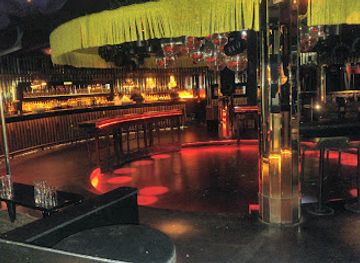
Disco club
Lotus Club
Dive into the vibrant nightlife of Montevideo at Lotus Club, the ultimate destination for dance and entertainment in Uruguay.
-
Night club
La Bodeguita del Sur
Discover Montevideo's nightlife at La Bodeguita del Sur, where vibrant music and a lively atmosphere await every night.



Best shops in Cuchilla Grande
Shopping in Cuchilla Grande is concentrated in the high streets and market areas of Minas, Aiguá, Treinta y Tres and Melo rather than in major regional malls. Independent shops, bakeries, small supermarkets and craft outlets are useful for assembling provisions before excursions, while local fairs may offer produce, preserves, leather goods, woollens and practical rural merchandise. Lavalleja’s confectionery traditions provide edible gifts, and Uruguay’s wider gaucho culture is represented in some shops through leatherwork, mate accessories, knives and textiles; these products vary in quality, so ask about materials and origin. Rural accommodation and visitor centres may sell local food or craft items, but availability can be seasonal. In smaller settlements, opening hours and market days are less predictable than in the main towns, so plan purchases before leaving the urban centres for the hills and ravines.
-
Shopping mall
Tres Cruces Shopping
Explore Tres Cruces Shopping Mall, Montevideo's premier shopping destination with diverse stores, dining options, and entertainment for all ages.
-
Shopping mall
Montevideo Shopping Center
Explore the Montevideo Shopping Center, a vibrant destination for shopping, dining, and entertainment in the heart of Uruguay's capital.
-
Shopping mall
Nuevocentro Shopping
Experience the best of shopping and entertainment at Nuevocentro Shopping, Montevideo's premier shopping destination offering diverse stores and dining options.
-
Shopping mall
Punta Carretas Shopping
Experience the ultimate shopping and dining destination at Punta Carretas Shopping in Montevideo, where local culture meets international flair.
Get your free copy of our complete guide to Cuchilla Grande, delivered straight to you.
Everything on this page, from attractions and restaurants to essentials and local phrases, in one PDF you can read offline, print or share.
Already have an account? Sign in
Your Cuchilla Grande guide is ready.
We'll send it to · Not you? Sign out

Getting your guide ready…
We are putting together a fresh copy of the Cuchilla Grande guide. This can take up to a minute.
This can take a few moments. If your browser asks, choose Allow so the download can start. You'll find the guide in your Downloads folder.
Nothing happened? Download it again
Sorry, the guide is taking longer than usual. Please try again in a minute, or get it by email instead.
Cuchilla Grande essentials
Currency and Payment
Safety
Emergency Situations
Do's and Don'ts
Local Tips
From Eve
Local phrases worth knowing
You don't need to get them perfect. A few words go a long way, and locals appreciate the effort.
Basics
| English | Local | Say it |
|---|---|---|
| Hello | Hola | [OH-lah] |
| Goodbye | Adiós | [ah-DYOS] |
| Yes | Sí | [SEE] |
| No | No | [NO] |
| Please/You're welcome | Por favor | [por fah-VOR] |
| Thank you | Gracias | [GRAH-syahs] |
| Excuse me/Sorry | Perdón | [pair-DON] |
| How are you? | ¿Cómo estás? | [KOH-moh ehs-TAHS] |
| Fine. And you? | Bien. ¿Y tú? | [BYEN. ee TOO] |
| Do you speak English? | ¿Hablas inglés? | [AH-blahs een-GLES] |
| I don't understand | No entiendo | [NO en-TYEN-doh] |
Eating & Drinking
| English | Local | Say it |
|---|---|---|
| I'd like to see the menu, please | Me gustaría ver el menú, por favor | [meh goos-TAH-ree-ah BEHR el meh-NOO, por fah-VOR] |
| I don't eat meat | No como carne | [NO KOH-moh KAR-neh] |
| Cheers! | ¡Salud! | [sah-LOOD] |
| I would like to pay, please | Me gustaría pagar, por favor | [meh goos-TAH-ree-ah pah-GAR, por fah-VOR] |
Emergencies
| English | Local | Say it |
|---|---|---|
| Help! | ¡Ayuda! | [ah-YOO-dah] |
| Go away! | ¡Vete! | [VEH-teh] |
| Call the Police! | ¡Llame a la policía! | [YAH-meh ah lah poh-lee-SIAH] |
| Call a doctor! | ¡Llame a un doctor! | [YAH-meh ah oon dok-TOR] |
| I'm lost | Estoy perdido | [es-TOY pair-DID-o] |
| I'm ill | Estoy enfermo | [es-TOY en-FER-mo] |
Shopping
| English | Local | Say it |
|---|---|---|
| I'd like to buy... | Me gustaría comprar... | [meh goos-TAH-ree-ah kom-PRAHR] |
| I'm just looking | Solo estoy mirando | [SO-lo es-TOY mee-RAN-doh] |
| How much is it? | ¿Cuánto cuesta? | [KWAN-toh KWEH-stah] |
| That's too expensive | Es demasiado caro | [es deh-mah-SYAH-doh KAH-roh] |
| Can you lower the price? | ¿Puedes bajar el precio? | [PWEH-des bah-HAR el PREH-syo] |
Time & Numbers
| English | Local | Say it |
|---|---|---|
| What time is it? | ¿Qué hora es? | [KEH OH-rah es] |
| It's one o'clock | Es la una | [es lah OO-nah] |
| Half past (10) | Y media (10) | [ee MEH-dee-ah (diez)] |
| Morning | Mañana | [mah-NYAH-nah] |
| Afternoon | Tarde | [TAR-deh] |
| Evening | Noche | [NO-cheh] |
| Yesterday | Ayer | [ah-YER] |
| Today | Hoy | [OY] |
| Tomorrow | Mañana | [mah-NYAH-nah] |
| 1 | Uno | [OO-no] |
| 2 | Dos | [DOS] |
| 3 | Tres | [TRES] |
| 4 | Cuatro | [KWAH-tro] |
| 5 | Cinco | [SEEN-koh] |
| 6 | Seis | [SAYS] |
| 7 | Siete | [SYEH-teh] |
| 8 | Ocho | [OH-cho] |
| 9 | Nueve | [NWEH-veh] |
| 10 | Diez | [DYEZ] |
Transport & Directions
| English | Local | Say it |
|---|---|---|
| Where's a/the...? | ¿Dónde hay un/una...? | [DON-deh ai oon/OO-na] |
| What's the address? | ¿Cuál es la dirección? | [KWAL es lah dee-rek-SYON] |
| Can you show me (on the map)? | ¿Puedes mostrarme (en el mapa)? | [PWEH-des mos-TRAR-me (en el MAH-pah)] |
| When's the next (bus)? | ¿Cuándo es el próximo (ómnibus)? | [KWAN-do es el PROK-see-mo (OM-ni-boos)] |
| A ticket (to ....) | Un pasaje (a ....) | [OON pah-SAH-he (ah ....)] |
History of Cuchilla Grande
Indigenous landscapes before European settlement
Before Spanish and Portuguese expansion, the hills and grasslands of eastern Uruguay were used and understood by Indigenous peoples including Charrúa and Minuán communities. Their mobility was closely connected to watercourses, pasture and seasonal resources, while the ridges of Cuchilla Grande formed natural routes across the interior. European settlement later disrupted these societies through conflict, displacement and the appropriation of land and cattle. Archaeological traces in eastern Uruguay include stone tools, ceramics and other evidence of long human occupation, although the region’s historical record is more strongly marked by its later frontier transformation.
The Spanish-Portuguese frontier
During the colonial period, eastern Uruguay occupied a contested frontier between Spanish and Portuguese spheres of influence. The uplands of Cuchilla Grande were not an urbanised border but a strategic interior of patrol routes, informal crossings, cattle movement and competing claims to land. Portuguese pressure from Brazil and the Spanish foundation of settlements in the Banda Oriental shaped the region’s political geography. The frontier remained fluid for long periods, and local communities developed around ranching, military movement and exchange rather than the dense colonial town networks found in some other parts of South America.
The rise of cattle ranching
The introduction and expansion of cattle transformed the grasslands of eastern Uruguay. By the eighteenth and nineteenth centuries, livestock raising had become the dominant economic activity across the Cuchilla Grande, supported by abundant pasture and the region’s extensive interior spaces. Estancias, corrals, tracks and rural chapels gradually altered the landscape without removing its open character. The cattle economy encouraged the growth of settlements such as Melo, Minas and Treinta y Tres, while also establishing the rural social traditions, foodways and landholding patterns that remain visible across the region.
Independence and Lavalleja
The eastern hills are associated with the political and military upheavals that led to Uruguayan independence. Juan Antonio Lavalleja, born in Minas in 1784, became one of the leading figures of the Thirty-Three Orientals, whose 1825 uprising challenged Brazilian rule in the Banda Oriental. Although the decisive events unfolded across several parts of the country, Lavalleja’s connection with Minas gives the southern Cuchilla Grande a particularly strong place in national historical memory. Monuments, civic names and local commemorations continue to reflect the importance of the independence period in Lavalleja Department.
Nineteenth-century settlement and regional towns
During the nineteenth century, towns and administrative centres consolidated across the eastern interior. Minas developed as the main urban centre of Lavalleja, while Treinta y Tres and Melo became important points for government, commerce and rural services. Their growth was connected to cattle, agricultural production, transport and the need to administer a sparsely settled territory. The region’s town centres retain modest examples of nineteenth- and early twentieth-century civic architecture, including plazas, churches, municipal buildings and residences that illustrate the gradual institutional development of eastern Uruguay.
Railways, roads and the integration of the interior
The arrival of railways and improved roads in the late nineteenth and early twentieth centuries connected eastern Uruguay’s ranching districts more effectively with ports and larger markets. Rail transport reduced the isolation of inland settlements and helped move livestock, agricultural goods, passengers and manufactured products. Although many rural rail services later declined or disappeared, their legacy survives in station buildings, old alignments and the shape of towns that grew around transport links. Modern roads have made the hills more accessible, but the distances and dispersed settlement pattern remain fundamental to travel in Cuchilla Grande.
Conservation and the recognition of the hill country
In the late twentieth and early twenty-first centuries, growing attention was given to the ecological and scenic value of eastern Uruguay’s hills, ravines and native vegetation. Protected areas such as the landscape around Quebrada de los Cuervos helped establish a different relationship with the region, balancing cattle production with habitat protection, responsible recreation and environmental education. The preservation of rocky grasslands, gallery forests, waterways and ravine ecosystems is especially important in a country where much of the lowland landscape has been modified for agriculture and grazing.
Cuchilla Grande in Photos
Browse through our photo collection highlighting the charm and character of the destination.
Neighbouring regions of Cuchilla Grande
The closest regions to Cuchilla Grande, if you have time for more than one.
-

-

-

-

-


Swipe for more regions
Explore more

Explore more of Uruguay
Discover Uruguay: Rich culture, stunning beaches, and a warm, welcoming atmosphere await in this hidden gem of South America.
Explore Uruguay