

Free Treinta y Tres Travel Guide & Mobile App
Explore Treinta y Tres with free travel guides. Discover regional history, expert tips, proposed trips, and audio guides on web or mobile app.


Treinta y Tres invites travellers to explore Uruguay’s wetlands, rice country, river settlements, Laguna Merín and the rugged Quebrada de los Cuervos.
Read more about Treinta y Tres
When is the best time to visit Treinta y Tres?
Best: March–April, November · 23–27°C| Month | High (°C) | Rainfall (mm) |
|---|---|---|
| January | 30 | 100 |
| February | 30 | 90 |
| March (best) | 27 | 100 |
| April (best) | 23 | 100 |
| May | 19 | 110 |
| June | 16 | 90 |
| July | 16 | 90 |
| August | 17 | 100 |
| September | 20 | 110 |
| October | 23 | 110 |
| November (best) | 26 | 100 |
| December | 29 | 100 |
Getting to and around Treinta y Tres
How to get there
Transportation
Destinations in Treinta y Tres
Resorts, valleys and scenic spots worth a trip of their own.
-

-


Swipe for more destinations
Best attractions in Treinta y Tres
Treinta y Tres’s attractions are principally environmental, rural and historical. Quebrada de los Cuervos y Sierras del Yerbal is the department’s leading nature destination, with ravines, streams, native vegetation, rock formations and walking routes that reveal a landscape very different from the surrounding plains. The wetlands and rice-growing country around the Cebollatí and Olimar rivers offer opportunities for birdwatching, photography and learning about the relationship between farming and water management. Laguna Merín brings a broad lakeshore setting suited to fishing, boating and summer recreation, particularly around the settlement of Lago Merín. At La Charqueada, river-based activities provide access to the Cebollatí’s marshes and channels. Treinta y Tres city adds museums, civic buildings, parks and cultural spaces that explain the department’s connection with Uruguay’s independence story and its rural development. The appeal is less about a dense sequence of ticketed attractions than about combining one or two natural areas with local food, river scenery and the slower rhythms of small-town Uruguay.
-
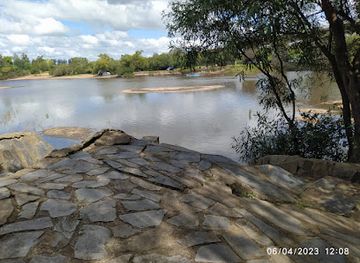
Parque del Rio Olimar
Discover the serene beauty of Parque del Rio Olimar, a tranquil park in Treinta y Tres, perfect for nature lovers and relaxation seekers.
-
City park
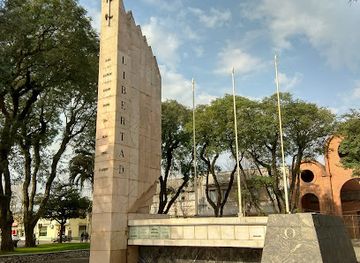
Plaza 19 de Abril
Explore Plaza 19 de Abril, a serene city park in Treinta y Tres, Uruguay, ideal for relaxation, local culture, and outdoor family fun.
-
Monument
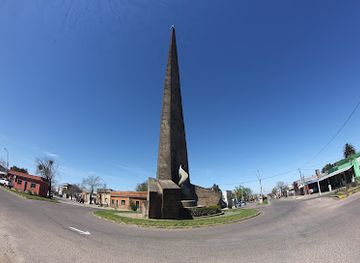
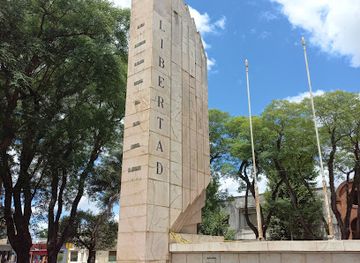
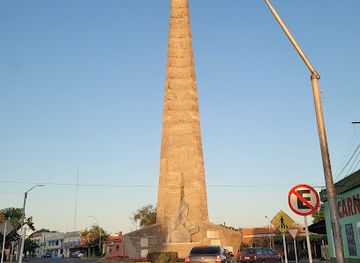
Obelisco de Treinta y Tres
Explore the Obelisco de Treinta y Tres, a symbol of national pride, nestled in the picturesque landscapes of Uruguay's Treinta y Tres Department.
-
Tourist attraction
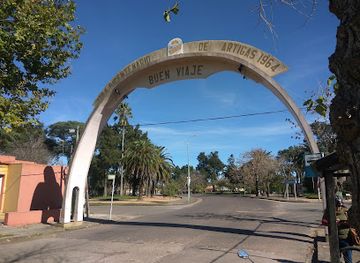
Arco de Treinta y Tres
Explore the Arco de Treinta y Tres, a stunning monument that celebrates Uruguay's independence with rich history, beautiful architecture, and serene surroundings.
Best landmarks in Treinta y Tres
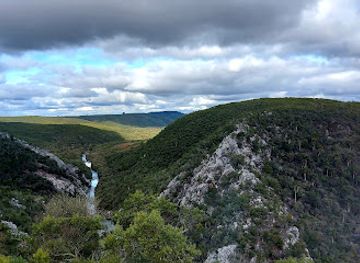
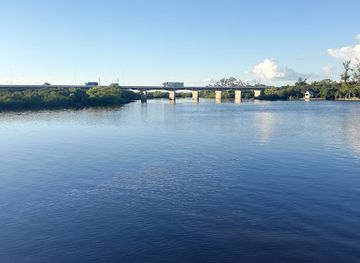
The most distinctive natural landmark in Treinta y Tres is Quebrada de los Cuervos, where steep ravines and the wooded valley of the Yerbal stream interrupt the open eastern landscape. Its geological forms and native vegetation make it a visual symbol of the department as well as an important protected environment. Laguna Merín is another defining geographical landmark: its immense, low-lying waters and changing shorelines give the eastern edge of Treinta y Tres a character unlike the inland plains. The Cebollatí River, particularly around La Charqueada, is a major feature of the department’s riverine geography and its history of transport, fishing and recreation. In Treinta y Tres city, the central civic areas, historic public buildings and monuments connected with the Thirty-Three Orientals express the department’s national symbolism. The Olimar River, beside the capital, is both a familiar local landscape and a reminder of the waterways that shaped settlement, agriculture and regional identity.
-
City park
Plaza 19 de Abril
Explore the serene beauty and vibrant culture of Plaza 19 de Abril in Treinta y Tres, a perfect destination for relaxation and local experiences.
-
Nature preserve
Quebrada de los Cuervos
Explore the breathtaking Quebrada de los Cuervos, a premier nature preserve in Uruguay, offering stunning landscapes and rich biodiversity for all nature lovers.
-
Monument
Obelisco de Treinta y Tres
Explore the Obelisco de Treinta y Tres, a monumental tribute to Uruguay's heritage, standing tall in Treinta y Tres with historical significance.
-
Tourist attraction
TREINTA Y TRES CARTEL
Experience the vibrant culture and artistry of Treinta y Tres Cartel, a must-visit tourist attraction in Uruguay that showcases local craftsmanship and traditions.
Explore Treinta y Tres on the map
Plan your trip on one map. See where the top cities, national parks and sights are, and book hotels and experiences in a few clicks.
Best hotels in Treinta y Tres
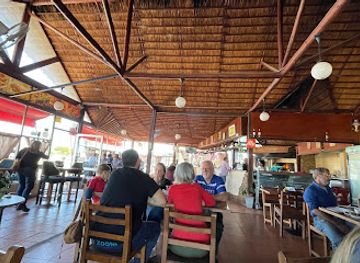
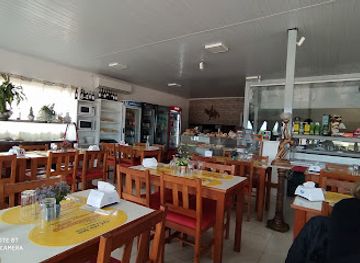
Best restaurants in Treinta y Tres
Dining in Treinta y Tres reflects Uruguay’s wider fondness for beef, grilled meats, pasta, empanadas and generous café fare, with a more strongly rural emphasis than the capital. The department’s identity is closely linked to rice cultivation, so rice appears in local home cooking and in dishes influenced by the produce of the eastern lowlands, although it is not always presented as a formal regional speciality. In the capital, visitors will find parrilladas, pizzerias, bakeries, cafés and family-run restaurants, while smaller towns tend to offer straightforward menus built around meat, sandwiches and daily specials. Near Laguna Merín and La Charqueada, seasonal establishments may focus on fish, simple lunches and food suitable for a day outdoors. Local shops and markets are useful for fruit, baked goods and supplies for rural excursions. Meal times can be relaxed, and advance confirmation is sensible outside the main town, particularly in quieter seasons.
-
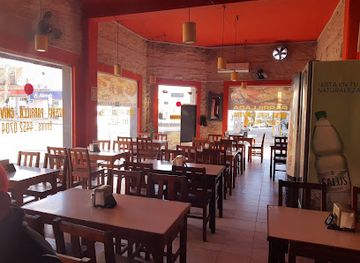
Grill
Parrillada Para Comer
Experience authentic Uruguayan grilling at Parrillada Para Comer in Treinta y Tres - where every bite tells a flavorful story.
-
Restaurant
La Fragata
Discover La Fragata: A culinary haven in Treinta y Tres offering delicious Uruguayan dishes with a warm atmosphere.
-
Fast Food
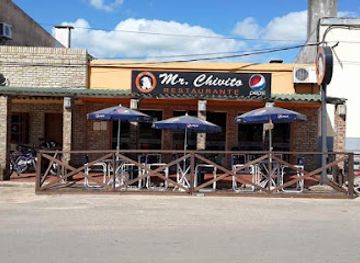
Mr.Chivito
Experience authentic Uruguayan flavors at Mr. Chivito in Cerro Chato – home of delicious chivitos and vibrant fast food delights.
-
Fast Food
Los Caseritos 2
Experience delicious fast food at Los Caseritos 2 in Treinta y Tres - where local flavors meet quick service.

Best bars in Treinta y Tres
Nightlife in Treinta y Tres is modest and locally oriented rather than built around a large club scene. In the departmental capital, evening activity centres on cafés, beer bars, restaurants, traditional meeting places and occasional live music or cultural programming. Social clubs and public events can be important parts of local leisure, but schedules vary and should be checked locally. In smaller settlements such as Vergara and La Charqueada, the evening usually revolves around a few restaurants, bars or neighbourhood gathering places rather than a concentrated nightlife district. Lago Merín becomes more active during the summer holiday period, when lakeside visitors bring additional restaurants and informal evening activity, although services remain seasonal. Rural visitors should not expect late transport between towns, so arranging accommodation and a return journey in advance is sensible.
-
City park
Plaza 19 de Abril
Experience the serenity and culture of Plaza 19 de Abril, a beautiful city park in Treinta y Tres, perfect for relaxation and community events.
-
 Hotel
HotelHotel Treinta y Tres
Experience the perfect blend of comfort and local charm at Hotel Treinta y Tres, your gateway to exploring the beauty of Uruguay.
-
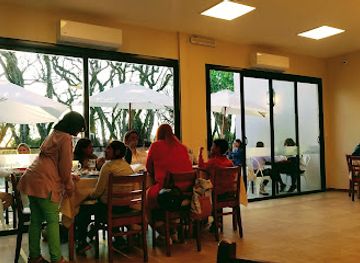
Cafe
Espacio Dulce
Discover the delightful flavors of Espacio Dulce, a charming café in Treinta y Tres known for its exquisite pastries and warm atmosphere.
-
Grill
Parrillada Para Comer
Experience authentic Uruguayan barbecue at Parrillada Para Comer in Treinta y Tres, where every meal is a celebration of flavor and tradition.
Best nightclubs in Treinta y Tres
Nightlife in Treinta y Tres is modest and locally oriented rather than built around a large club scene. In the departmental capital, evening activity centres on cafés, beer bars, restaurants, traditional meeting places and occasional live music or cultural programming. Social clubs and public events can be important parts of local leisure, but schedules vary and should be checked locally. In smaller settlements such as Vergara and La Charqueada, the evening usually revolves around a few restaurants, bars or neighbourhood gathering places rather than a concentrated nightlife district. Lago Merín becomes more active during the summer holiday period, when lakeside visitors bring additional restaurants and informal evening activity, although services remain seasonal. Rural visitors should not expect late transport between towns, so arranging accommodation and a return journey in advance is sensible.
-
Bar
Cabarett El Vasco
Discover the lively nightlife of Cabarett El Vasco, a bustling bar in Villa Sara, offering great drinks and vibrant entertainment.
-
Disco club
Discoteca Soundigital
Experience the vibrant nightlife of Ejido de Treinta y Tres at Discoteca Soundigital - a disco club where music and dance come alive!
-
Bar
Cocktail 33
Experience the best cocktails in Treinta y Tres at Cocktail 33, where quality drinks meet a vibrant atmosphere.
-
Bar
LA QUEBRADA
Discover La Quebrada, a vibrant bar in Treinta y Tres, where delicious cocktails and a lively atmosphere create unforgettable moments.



Best shops in Treinta y Tres
Shopping in Treinta y Tres is centred on the departmental capital’s high streets, small businesses, supermarkets, bakeries and practical services rather than large-scale retail. Visitors can look for Uruguay’s familiar leather goods, woollen articles, mate accessories, preserves and regional food products, while local craft fairs and seasonal events may offer handmade items and rural produce. The town’s shops are useful for picnic supplies, walking essentials and provisions before travelling to Quebrada de los Cuervos or the lagoon. Vergara, La Charqueada and Lago Merín provide more limited, locally focused shopping, with availability affected by season and visitor numbers. Farmers’ markets and public events are the best places to look for fresh produce, baked goods and small-scale crafts, but dates and locations can change. Do not expect a designer-shopping district; the value of shopping here lies in practical purchases and products connected with everyday life in Uruguay’s eastern interior.
-
Clothing store
Freeland
Discover Freeland in Treinta y Tres for trendy clothing and unique local designs that capture the essence of Uruguayan fashion.
-
Formal wear store
Super Alcosto
Discover the elegance of formal wear at Super Alcosto, Treinta y Tres's premier destination for stylish and sophisticated clothing.
-
Clothing store
Latina
Explore the vibrant fashion of Latina, a unique clothing store in Treinta y Tres, offering local styles and unforgettable finds.
-
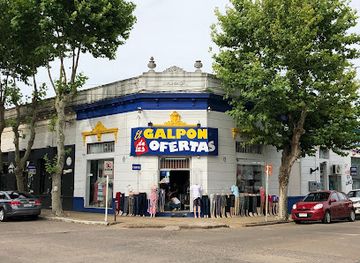
Clothing store
EL GALPON DE LAS OFERTAS
Explore El Galpón de las Ofertas in Treinta y Tres for trendy, local clothing and unbeatable prices, capturing the essence of Uruguayan fashion.



Get your free copy of our complete guide to Treinta y Tres, delivered straight to you.
Everything on this page, from attractions and restaurants to essentials and local phrases, in one PDF you can read offline, print or share.
Already have an account? Sign in
Your Treinta y Tres guide is ready.
We'll send it to · Not you? Sign out

Getting your guide ready…
We are putting together a fresh copy of the Treinta y Tres guide. This can take up to a minute.
This can take a few moments. If your browser asks, choose Allow so the download can start. You'll find the guide in your Downloads folder.
Nothing happened? Download it again
Sorry, the guide is taking longer than usual. Please try again in a minute, or get it by email instead.
Treinta y Tres essentials
Currency and Payment
Safety
Emergency Situations
Do's and Don'ts
Local Tips
From Eve
Local phrases worth knowing
You don't need to get them perfect. A few words go a long way, and locals appreciate the effort.
Basics
| English | Local | Say it |
|---|---|---|
| Hello | Hola | [ˈola] |
| Goodbye | Adiós | [aˈðjos] |
| Yes | Sí | [si] |
| No | No | [no] |
| Please/You're welcome | Por favor | [poɾ faˈβoɾ] |
| Thank you | Gracias | [ˈɡɾasjas] |
| Excuse me/Sorry | Perdón | [peɾˈðon] |
| How are you? | ¿Cómo estás? | [ˈkomo esˈtas] |
| Fine. And you? | Bien. ¿Y tú? | [bjen. i tu] |
| Do you speak English? | ¿Hablas inglés? | [ˈaβlas iŋˈɡles] |
| I don't understand | No entiendo | [no enˈtjendo] |
Eating & Drinking
| English | Local | Say it |
|---|---|---|
| I'd like to see the menu, please | Me gustaría ver el menú, por favor | [me ɡusˈtaɾia βeɾ el meˈnu por faˈβoɾ] |
| I don't eat meat | No como carne | [no ˈkomo ˈkaɾne] |
| Cheers! | ¡Salud! | [saˈluð] |
| I would like to pay, please | Me gustaría pagar, por favor | [me ɡusˈtaɾia paˈɣaɾ por faˈβoɾ] |
Emergencies
| English | Local | Say it |
|---|---|---|
| Help! | ¡Ayuda! | [aˈʝuða] |
| Go away! | ¡Vete! | [ˈβete] |
| Call the Police! | ¡Llama a la policía! | [ˈʝama a la poliˈsi.a] |
| Call a doctor! | ¡Llama a un doctor! | [ˈʝama a un dokˈtoɾ] |
| I'm lost | Estoy perdido | [esˈtoj peɾˈðido] |
| I'm ill | Estoy enfermo | [esˈtoj emˈfeɾmo] |
Shopping
| English | Local | Say it |
|---|---|---|
| I'd like to buy... | Me gustaría comprar... | [me ɡusˈtaɾia komˈpɾaɾ] |
| I'm just looking | Solo estoy mirando | [ˈsolo esˈtoj miˈɾando] |
| How much is it? | ¿Cuánto cuesta? | [ˈkwanto ˈkwesta] |
| That's too expensive | Es demasiado caro | [es ðemaˈsjaðo ˈkaɾo] |
| Can you lower the price? | ¿Puedes bajar el precio? | [ˈpweðes βaˈxaɾ el ˈpɾesjo] |
Time & Numbers
| English | Local | Say it |
|---|---|---|
| What time is it? | ¿Qué hora es? | [ke ˈoɾa es] |
| It's one o'clock | Es la una | [es la ˈuna] |
| Half past (10) | Y media (10) | [i ˈmeðia 10] |
| Morning | Mañana | [maˈɲana] |
| Afternoon | Tarde | [ˈtaɾðe] |
| Evening | Noche | [ˈnotʃe] |
| Yesterday | Ayer | [aˈʝeɾ] |
| Today | Hoy | [oj] |
| Tomorrow | Mañana | [maˈɲana] |
| 1 | 1 | [uno] |
| 2 | 2 | [dos] |
| 3 | 3 | [tres] |
| 4 | 4 | [kwatro] |
| 5 | 5 | [sinko] |
| 6 | 6 | [seis] |
| 7 | 7 | [siete] |
| 8 | 8 | [ocho] |
| 9 | 9 | [nueve] |
| 10 | 10 | [diez] |
Transport & Directions
| English | Local | Say it |
|---|---|---|
| Where's a/the...? | ¿Dónde está...? | [ˈdonde esˈta] |
| What's the address? | ¿Cuál es la dirección? | [kwal es la diɾekˈsjon] |
| Can you show me (on the map)? | ¿Puedes mostrarme (en el mapa)? | [ˈpweðes mosˈtɾaɾme en el ˈmapa] |
| When's the next (bus)? | ¿Cuándo pasa el próximo (ómnibus)? | [ˈkwando ˈpasa el ˈpɾoksimo ˈomnibus] |
| A ticket (to ....) | Un boleto (a ...) | [un boˈleto a] |
History of Treinta y Tres
Indigenous Landscapes Before European Settlement
Before European colonisation, the plains, rivers and wooded ravines of present-day Treinta y Tres were used by Indigenous peoples, including communities associated with the wider Charrúa cultural world. Rivers such as the Olimar and Cebollatí provided routes, water and resources, while the low sierras and wetlands formed distinct ecological settings. Archaeological traces in eastern Uruguay include evidence of movement, food gathering and occupation, although many aspects of these societies remain incompletely documented. Their presence is an essential part of the region’s history, rather than a prelude to it.
The Eastern Borderland in the Colonial Era
During the Spanish and Portuguese imperial periods, eastern Uruguay was a frontier zone shaped by competing territorial claims, cattle movement and limited permanent settlement. The open grasslands supported extensive livestock raising, while waterways connected the interior with the Atlantic-facing lowlands. Control of the border changed through conflict and negotiation, and the area remained less urbanised than the historic centres around Montevideo and Colonia. This frontier legacy helps explain Treinta y Tres’s dispersed settlement pattern and its longstanding links with neighbouring departments and southern Brazil.
The Thirty-Three Orientals and Independence
The department’s name commemorates the Thirty-Three Orientals, the group led by Juan Antonio Lavalleja that crossed into the Banda Oriental in 1825 to challenge Brazilian rule and support the territory’s incorporation into the United Provinces of the Río de la Plata. Their uprising became a foundational episode in Uruguay’s national history. The events did not occur solely within the modern department’s boundaries, but the name Treinta y Tres preserves the movement’s symbolic importance and places the region within the wider story of Uruguay’s formation.
Creation of the Department in the Nineteenth Century
Treinta y Tres was established as a department in 1853, during the effort to organise Uruguay’s territory after independence and the civil conflicts of the early republic. Its capital developed near the Olimar River and became an administrative and commercial centre for a large rural hinterland. Roads, river crossings, public institutions and later railway connections gradually tied the settlements of the department more closely to the national economy. The nineteenth-century townscape and civic institutions of Treinta y Tres reflect this process of state consolidation.
Livestock, Trade and Rural Society
For much of its modern history, Treinta y Tres was defined by extensive cattle ranching, sheep farming and the movement of agricultural products through regional markets. Rural estancias, livestock routes and small service towns shaped employment and settlement, while the Olimar and Cebollatí river systems provided important geographical links. Social life developed around town squares, schools, churches, clubs and local commercial networks. Although contemporary agriculture is more varied, livestock remains part of the department’s economic and cultural foundation.
Rice Cultivation and Water Management
During the twentieth century, rice became one of Treinta y Tres’s defining industries. Flat terrain, abundant water and floodplain soils enabled cultivation on a large scale, supported by irrigation canals, reservoirs and drainage works. Rice transformed parts of the countryside and created close connections between farming, machinery, transport, mills and seasonal labour. It also brought environmental questions concerning water use and wetland conservation. Today, the geometric pattern of rice fields beside natural lagoons and marshes is one of the clearest signs of the department’s economic history.
Conservation and Nature-Based Tourism
In recent decades, Treinta y Tres has gained wider recognition for landscapes that had previously been valued mainly for farming, forestry or local recreation. Quebrada de los Cuervos y Sierras del Yerbal has become a key protected area, while the wetlands around Laguna Merín and the Cebollatí support important bird habitats. Conservation initiatives have encouraged walking, wildlife observation and responsible river tourism without removing the region from its agricultural context. The current identity of Treinta y Tres therefore combines productive lowlands with growing appreciation of its ecological heritage.
Treinta y Tres in Photos
Browse through our photo collection highlighting the charm and character of the destination.
Neighbouring regions of Treinta y Tres
The closest regions to Treinta y Tres, if you have time for more than one.
-

-

-

-

-


Swipe for more regions
Explore more

Explore more of Uruguay
Discover Uruguay: Rich culture, stunning beaches, and a warm, welcoming atmosphere await in this hidden gem of South America.
Explore Uruguay