

Free Rivera Travel Guide & Mobile App
Explore Rivera with free travel guides. Discover regional history, expert tips, proposed trips, and audio guides on web or mobile app.


Explore Rivera’s Uruguayan-Brazilian frontier, highland landscapes, gold-mining history, shopping streets and the wild valleys of Lunarejo.
Read more about Rivera
When is the best time to visit Rivera?
Best: February–March, November · 25–29°C| Month | High (°C) | Rainfall (mm) |
|---|---|---|
| January | 29 | 100 |
| February (best) | 29 | 90 |
| March (best) | 26 | 110 |
| April | 22 | 110 |
| May | 18 | 100 |
| June | 16 | 90 |
| July | 15 | 90 |
| August | 16 | 90 |
| September | 19 | 100 |
| October | 22 | 110 |
| November (best) | 25 | 100 |
| December | 27 | 110 |
Getting to and around Rivera
How to get there
Transportation
Top city travel guides in Rivera
The cities of Rivera, and the easiest places to base yourself.

Swipe for more cities
Best attractions in Rivera
Rivera’s attractions combine border-city culture with the open landscapes of Uruguay’s north-east. In the city, visitors can explore the Plaza Internacional and central commercial streets, observe the movement between Rivera and Santana do Livramento, and visit local museums and civic spaces that explain the frontier’s development. The Valle del Lunarejo Protected Landscape is the department’s principal nature destination, with wooded valleys, rocky escarpments, streams, birdwatching and walking opportunities; its rural setting means that access, guides and accommodation need planning. Minas de Corrales adds a different dimension through gold-mining heritage and the surrounding highland scenery. Smaller rural communities, cattle country and roadside viewpoints reveal a less urban side of the department. Activities are generally centred on walking, birdwatching, landscape photography, four-wheel-drive or rural excursions and cultural interpretation rather than large-scale resort tourism. Rivera is best experienced by combining a short urban stay with a carefully organised journey into the interior.
-
Tourist attraction
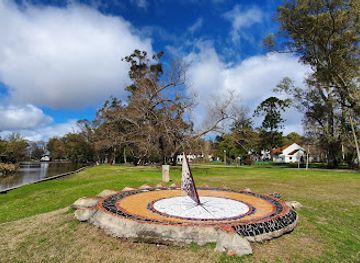
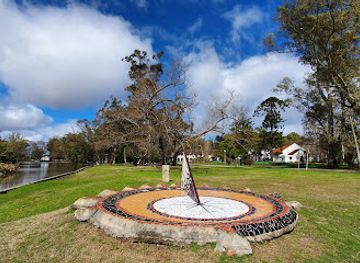
Rivera Park
Explore Rivera Park, a lush green oasis in Montevideo, perfect for relaxation, recreational activities, and immersing yourself in nature's beauty.
-
Park
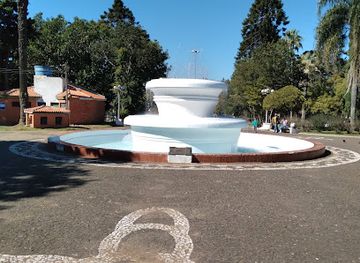
Praça Internacional
Discover the serene beauty of Praça Internacional, a unique park uniting Rivera, Uruguay, and Livramento, Brazil, where nature meets culture.
-
Park
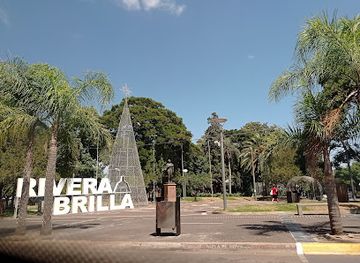
Plaza General José Gervasio Artigas
Experience the vibrant culture and history at Plaza General José Gervasio Artigas, the heart of Rivera, where community spirit thrives amidst stunning landscapes.
-
Park
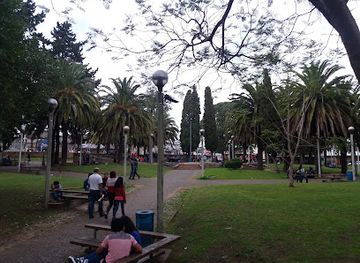
Flowers Square
Experience the charm of Flowers Square in Rivera, Uruguay, a perfect blend of nature, culture, and community life.
Best landmarks in Rivera
The Plaza Internacional is Rivera’s defining civic landmark, occupying a shared urban setting associated with both Rivera and Santana do Livramento. Its significance lies not in monumental scale but in the way an international boundary is experienced as part of ordinary public space. The city’s central streets, public buildings and religious architecture reflect the planned development of a nineteenth-century frontier settlement and the continuing importance of commerce. Around Minas de Corrales, former gold-mining workings and the altered terrain of extraction provide a more industrial landmark landscape, linking geology with the social history of workers and settlement. The Valle del Lunarejo offers Rivera’s most important natural landmarks: deep green valleys, exposed rock, flowing water and wooded slopes contrast with the open grasslands of the surrounding plateau. The department’s hills and ravines are visually distinctive precisely because they differ from the flatter landscapes many visitors associate with Uruguay. Together, these places express Rivera’s identity as both a national frontier and a gateway to the rugged interior of the country.
-
Park
Prado Park
Experience the lush beauty and cultural richness of Prado Park, Montevideo's premier destination for nature lovers and art enthusiasts alike.
-
Sculpture
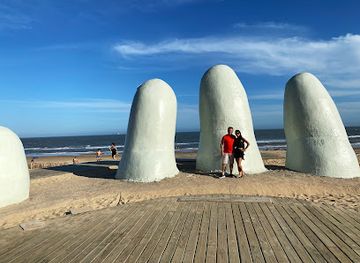
The Fingers of Punta del Este
Explore the breathtaking Fingers of Punta del Este, a monumental sculpture that symbolizes the connection between humanity and nature along Uruguay's stunning coastline.
-
Park
Rivera Park
Discover Rivera Park in Montevideo, a lush park filled with scenic beauty, recreational activities, and cultural attractions for every traveler.
-
Park
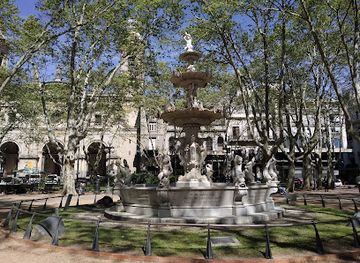
Constitution Plaza
Explore Constitution Plaza in Montevideo, a lush historical park blending tranquility with cultural richness, perfect for relaxation and discovery.

Explore Rivera on the map
Plan your trip on one map. See where the top cities, national parks and sights are, and book hotels and experiences in a few clicks.
Best hotels in Rivera
Best restaurants in Rivera
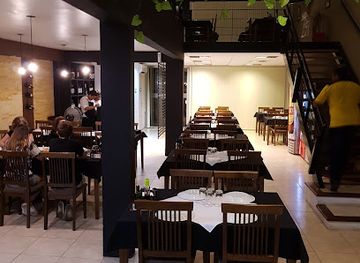
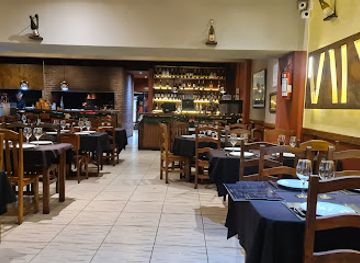
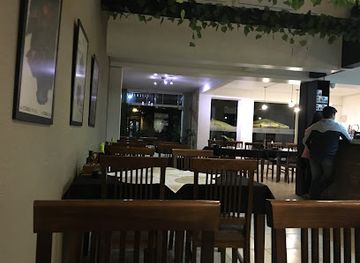
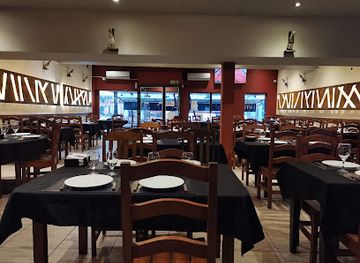
Dining in Rivera reflects the meeting of Uruguayan and southern Brazilian food cultures. Parrillas and traditional restaurants serve grilled beef and other familiar Uruguayan specialities, while bakeries, cafés and casual eateries show the influence of the frontier’s Portuguese-speaking neighbour. Chivitos, empanadas, pastries and sweet treats are easy to find, although their preparation and terminology may vary between establishments. Mate is part of everyday Uruguayan culture, while Brazilian-style snacks and drinks are prominent in the cross-border commercial area. Restaurants in the city range from informal dining rooms and pizzerias to more contemporary venues, with rural accommodation around the department offering home-style meals when arranged in advance. Local shopping may also include regional cheeses, preserves, confectionery and other practical food gifts. In remote areas, do not assume that a restaurant or shop will be open without prior confirmation, and carry provisions when travelling into the Lunarejo countryside.
-
Restaurant
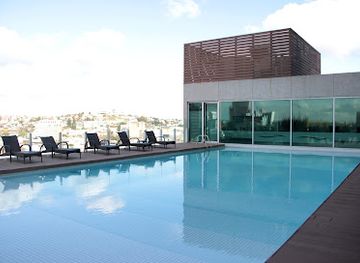
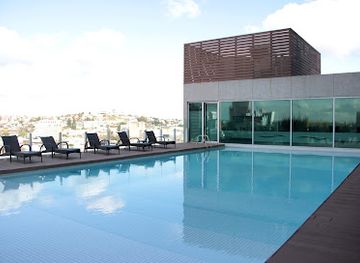
Hotel Casino & Resort Rivera
Discover the perfect blend of luxury and excitement at Hotel Casino & Resort Rivera - your ultimate destination for entertainment in Uruguay.
-
Grill
Lo de Beto
Experience authentic Uruguayan barbecue at Lo de Beto in Rivera – where every meal is a celebration of flavor.
-
Uruguayan
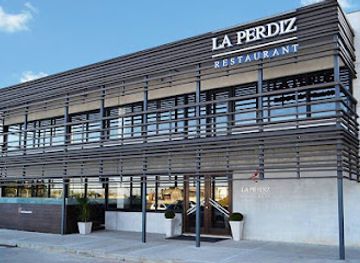
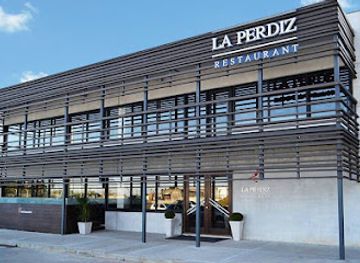
La Perdiz
Experience authentic Uruguayan cuisine at La Perdiz in Rivera – where flavor meets tradition in a warm and inviting setting.
-
Restaurant
Morano Restaurant
Experience the best of Uruguayan cuisine at Morano Restaurant in Rivera – where every meal is a celebration of flavor.
Best bars in Rivera
Rivera’s evening life is concentrated in the city and is more closely associated with restaurants, cafés, pubs and informal socialising than with a large club circuit. The border encourages a mixed atmosphere: some venues reflect Uruguayan traditions, while music, food and conversation may carry Brazilian influence. Younger nightlife and late-evening activity are most likely to be found around the central urban area, though venues and opening patterns can change. In smaller settlements such as Minas de Corrales, evenings are quieter and generally revolve around local bars, restaurants and community life rather than dedicated nightclubs. Visitors should confirm current arrangements locally instead of relying on old listings, particularly outside peak periods. Alcohol is not necessary to experience the region’s evening culture; a walk through the central streets, a meal or time in a café can provide a more representative introduction to the frontier city.
-
Restaurant
Hotel Casino & Resort Rivera
Discover the ultimate blend of luxury and entertainment at Hotel Casino & Resort Rivera, where exciting gaming meets exquisite dining in a vibrant atmosphere.
-
Grill
Lo de Beto
Experience the authentic taste of Uruguayan parrillada at Lo de Beto, where tradition meets flavor in a vibrant atmosphere.
-
Uruguayan
La Perdiz
Discover the authentic taste of Uruguay at La Perdiz, where culinary tradition meets a warm, inviting atmosphere.
-
Restaurant
Morano Restaurant
Experience the rich flavors of Uruguayan cuisine at Morano Restaurant, a must-visit culinary destination in Rivera.
Best nightclubs in Rivera
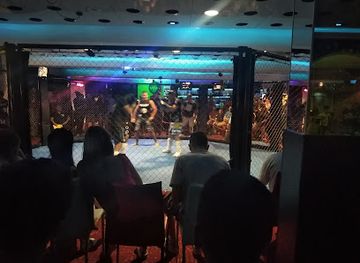
Rivera’s evening life is concentrated in the city and is more closely associated with restaurants, cafés, pubs and informal socialising than with a large club circuit. The border encourages a mixed atmosphere: some venues reflect Uruguayan traditions, while music, food and conversation may carry Brazilian influence. Younger nightlife and late-evening activity are most likely to be found around the central urban area, though venues and opening patterns can change. In smaller settlements such as Minas de Corrales, evenings are quieter and generally revolve around local bars, restaurants and community life rather than dedicated nightclubs. Visitors should confirm current arrangements locally instead of relying on old listings, particularly outside peak periods. Alcohol is not necessary to experience the region’s evening culture; a walk through the central streets, a meal or time in a café can provide a more representative introduction to the frontier city.
-
Bar
Vivo Pub
Dive into the lively nightlife of Rivera at Vivo Pub, where great drinks and vibrant atmosphere await every visitor.
-
Pub
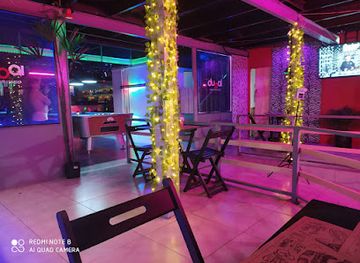
Dubai Club Rivera
Experience the vibrant nightlife of Rivera at Dubai Club Rivera, where fun, friends, and great drinks come together in a lively pub atmosphere.
-
Social club
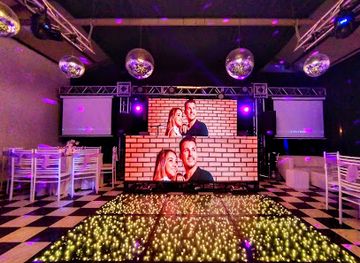
Club Social y Deportivo Boulevard Lagos del Norte
Discover the heart of Rivera at Club Social y Deportivo Boulevard Lagos del Norte, a lively hub for food, entertainment, and local culture.
-
Lounge
ÉPICA
Experience the chic ambiance and exquisite cocktails at ÉPICA, Rivera's premier lounge for a sophisticated night out.
Best shops in Rivera
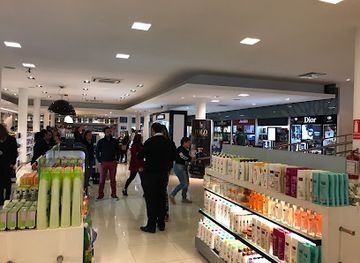
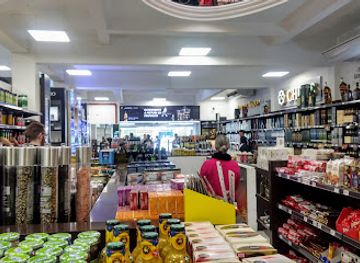
Shopping is one of Rivera’s most prominent visitor activities, particularly in the commercial area close to the Brazilian border. The city offers clothing, footwear, electronics, household goods, cosmetics and everyday retail, with demand and prices influenced by exchange rates and changing cross-border conditions. Compare prices carefully, check warranties and retain receipts, especially for higher-value purchases. Beyond mainstream shops, visitors can look for Uruguayan food products, mate-related goods, leather items, confectionery and small regional gifts. Markets and independent retailers provide a more local experience than large commercial outlets, although their stock and schedules can vary. Santana do Livramento, outside Uruguay across the open urban boundary, forms part of the wider shopping circuit, but purchases brought back into Uruguay remain subject to national customs rules. In rural Rivera, shopping is limited and practical, so buy provisions and essential supplies in the city before travelling to the Valle del Lunarejo or remote mining areas.
-
Duty free store
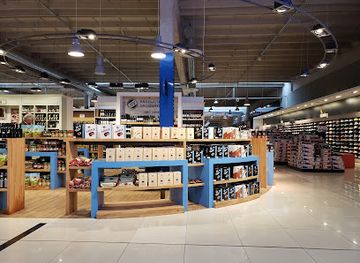
Siñeriz Shopping y free shop
Discover unbeatable prices and diverse dining options at Siñeriz Shopping y Free Shop, Rivera’s top duty-free destination.
-
Duty free store
Siñeriz Free Shop
Experience the best of duty-free shopping at Siñeriz Free Shop in Rivera, offering exclusive deals on international brands and local treasures.
-
Duty free store
Shopping China Free Shop
Discover unbeatable deals at Shopping China Free Shop, Rivera's premier duty-free destination for international products.
-
Duty free store
Neutral Free Shop
Discover unbeatable deals on luxury goods at Neutral Free Shop in Rivera, your premier duty-free shopping destination.

Get your free copy of our complete guide to Rivera, delivered straight to you.
Everything on this page, from attractions and restaurants to essentials and local phrases, in one PDF you can read offline, print or share.
Already have an account? Sign in
Your Rivera guide is ready.
We'll send it to · Not you? Sign out

Getting your guide ready…
We are putting together a fresh copy of the Rivera guide. This can take up to a minute.
This can take a few moments. If your browser asks, choose Allow so the download can start. You'll find the guide in your Downloads folder.
Nothing happened? Download it again
Sorry, the guide is taking longer than usual. Please try again in a minute, or get it by email instead.
Rivera essentials
Currency and Payment
Safety
Emergency Situations
Do's and Don'ts
Local Tips
From Eve
Local phrases worth knowing
You don't need to get them perfect. A few words go a long way, and locals appreciate the effort.
Basics
| English | Local | Say it |
|---|---|---|
| Hello | Hola | [Ola] |
| Goodbye | Adiós | [Adeeos] |
| Yes | Sí | [See] |
| No | No | [No] |
| Please/You’re welcome | Por favor | [Por favor] |
| Thank you | Gracias | [Grasias] |
| Excuse me/Sorry | Perdón | [Perdon] |
| How are you? | ¿Cómo estás? | [Como estas] |
| Fine. And you? | Bien. ¿Y tú? | [Been. Ee tu] |
| Do you speak English? | ¿Hablas inglés? | [Ablas ingles] |
| I don't understand | No entiendo | [No entiendo] |
Eating & Drinking
| English | Local | Say it |
|---|---|---|
| I'd like to see the menu, please | Me gustaría ver el menú, por favor | [Me gustaria ver el menu, por favor] |
| I don't eat meat | No como carne | [No como carne] |
| Cheers! | ¡Salud! | [Salud] |
| I would like to pay, please | Me gustaría pagar, por favor | [Me gustaria pagar, por favor] |
Emergencies
| English | Local | Say it |
|---|---|---|
| Help! | ¡Ayuda! | [Ayuda] |
| Go away! | ¡Vete! | [Vete] |
| Call the Police! | ¡Llama a la policía! | [Llama a la policia] |
| Call a doctor! | ¡Llama a un doctor! | [Llama a un doctor] |
| I'm lost | Estoy perdido | [Estoy perdido] |
| I'm ill | Estoy enfermo | [Estoy enfermo] |
Shopping
| English | Local | Say it |
|---|---|---|
| I'd like to buy... | Me gustaría comprar... | [Me gustaria comprar] |
| I'm just looking | Solo estoy mirando | [Solo estoy mirando] |
| How much is it? | ¿Cuánto cuesta? | [Cuanto cuesta] |
| That's too expensive | Eso es muy caro | [Eso es muy caro] |
| Can you lower the price? | ¿Puedes bajar el precio? | [Puedes bajar el precio] |
Time & Numbers
| English | Local | Say it |
|---|---|---|
| What time is it? | ¿Qué hora es? | [Que hora es] |
| It's one o'clock | Es la una | [Es la una] |
| Half past (10) | Y media (10) | [Y media diez] |
| Morning | Mañana | [Manyana] |
| Afternoon | Tarde | [Tarde] |
| Evening | Noche | [Noche] |
| Yesterday | Ayer | [Ayer] |
| Today | Hoy | [Hoy] |
| Tomorrow | Mañana | [Manyana] |
| 1 | Uno | [Uno] |
| 2 | Dos | [Dos] |
| 3 | Tres | [Tres] |
| 4 | Cuatro | [Cuatro] |
| 5 | Cinco | [Cinco] |
| 6 | Seis | [Seis] |
| 7 | Siete | [Siete] |
| 8 | Ocho | [Ocho] |
| 9 | Nueve | [Nueve] |
| 10 | Diez | [Diez] |
Transport & Directions
| English | Local | Say it |
|---|---|---|
| Where's a/the...? | ¿Dónde está un/lo...? | [Donde esta un/lo] |
| What's the address? | ¿Cuál es la dirección? | [Cual es la direccion] |
| Can you show me (on the map)? | ¿Puedes mostrarme (en el mapa)? | [Puedes mostrarme en el mapa] |
| When's the next (bus)? | ¿Cuándo es el próximo (bus)? | [Cuando es el proximo bus] |
| A ticket (to ....) | Un boleto (para ....) | [Un boleto para] |
History of Rivera
Indigenous and Highland Landscapes Before the Frontier
Before the creation of the modern border, the highlands and river valleys of present-day Rivera were used and traversed by Indigenous peoples, including groups associated with the wider Guaraní and Charrúa worlds. Archaeological evidence across northern Uruguay includes stone tools, ceramics and other traces of earlier occupation, although the surviving record is uneven and should not be reduced to a single community or simple narrative. The region’s streams, grasslands and sheltered valleys shaped movement, hunting and settlement long before the modern city appeared.
Portuguese and Brazilian Frontier Influence
Northern Uruguay developed within a contested frontier between Portuguese and Spanish spheres of influence. Military settlements, cattle movements and informal commerce connected the area with southern Brazil, and Portuguese remained an important cultural and commercial influence after Uruguay became independent. The modern border around Rivera and Santana do Livramento reflects this long history of contact rather than a complete separation between neighbouring societies.
Uruguay’s Independence and the Northern Border
The political formation of Uruguay in the early nineteenth century established a national boundary in a region whose economic and social links already extended northwards into Brazil. Border administration, landholding and military security became important concerns for the new state. The frontier was never simply a line on a map: livestock, trade, family networks and movement continued to connect communities on both sides.
The Foundation of Rivera
Rivera was founded in 1862 as a settlement intended to strengthen Uruguay’s presence on the northern frontier. Its location opposite Santana do Livramento encouraged the growth of commerce and created an urban environment shaped by bilingual or mixed-language interaction. The city’s development illustrates how Uruguay used permanent settlements, public institutions and transport links to consolidate its northern territory during the nineteenth century.
Gold Mining at Minas de Corrales
The area around Minas de Corrales became associated with gold mining during the nineteenth century, attracting workers, investment and technical activity to the interior of Rivera Department. Mining altered the local economy and left shafts, workings and other traces in the landscape, even though gold never transformed the region into a large industrial centre on the scale of major mining districts elsewhere. The heritage of extraction remains central to the identity of Minas de Corrales and to the interpretation of its surrounding hills.
Railways, Commerce and Border Urbanisation
The arrival of railway connections in northern Uruguay strengthened Rivera’s links with Montevideo and other parts of the country, while also supporting the movement of livestock, goods and passengers through the frontier. Roads and later motor transport broadened these connections. Rivera consequently developed as both a departmental capital and a commercial gateway, with its economy influenced by cross-border shopping, wholesale trade and the circulation of people between Uruguay and Brazil.
The Modern Binational City
In the twentieth and twenty-first centuries, Rivera and Santana do Livramento increasingly functioned as a connected urban system despite belonging to different countries. The open character of their central boundary, shared public spaces and changing patterns of retail trade have made the conurbation a prominent example of everyday cross-border life. Its contemporary identity combines Uruguayan civic institutions, Brazilian cultural influence and a commercial economy shaped by exchange-rate changes and regional travel.
Rivera in Photos
Browse through our photo collection highlighting the charm and character of the destination.
Neighbouring regions of Rivera
The closest regions to Rivera, if you have time for more than one.
-

-

-

-

-


Swipe for more regions
Explore more

Explore more of Uruguay
Discover Uruguay: Rich culture, stunning beaches, and a warm, welcoming atmosphere await in this hidden gem of South America.
Explore Uruguay