

Free Northern Region Travel Guide & Mobile App
Explore Northern Region with free travel guides. Discover regional history, expert tips, proposed trips, and audio guides on web or mobile app.


Explore Northern Uruguay for thermal springs, river towns, gaucho heritage, frontier culture and wide-open landscapes beyond Montevideo.
Read more about Northern Region
When is the best time to visit Northern Region?
Best: March, November–December · 25–27°C| Month | High (°C) | Rainfall (mm) |
|---|---|---|
| January | 30 | 80 |
| February | 29 | 70 |
| March (best) | 27 | 90 |
| April | 22 | 100 |
| May | 18 | 90 |
| June | 15 | 80 |
| July | 15 | 70 |
| August | 17 | 70 |
| September | 20 | 70 |
| October | 22 | 90 |
| November (best) | 25 | 100 |
| December (best) | 27 | 90 |
Getting to and around Northern Region
How to get there
Transportation
Top city travel guides in Northern Region
The cities of Northern Region, and the easiest places to base yourself.

Swipe for more cities
Destinations in Northern Region
Resorts, valleys and scenic spots worth a trip of their own.
-

-

-

-


Swipe for more destinations
Best attractions in Northern Region
Northern Uruguay's attractions spread across a large interior landscape rather than clustering in one metropolitan centre. The thermal resorts around Salto and Paysandú are the area's best-known visitor draw, offering mineral-water bathing, landscaped pools and family-oriented facilities, while Guaviyú and Almirón provide alternatives in more rural settings. Along the Uruguay River, riverfront parks, beaches and bird-rich wetlands add a quieter outdoor dimension. Fray Bentos is important for the Industrial Landscape of Fray Bentos, where factories, workers' facilities and interpretation explain the global history of meat processing. In the east, Tacuarembó and Cerro Largo lead towards ranch country, native vegetation and open-road travel, with opportunities for walking, riding and rural tourism. Rivera offers a distinctly cross-border urban experience beside Santana do Livramento in Brazil. Archaeological and geological interests are served by areas around Artigas and Tacuarembó, including the region's stone landscapes and Indigenous heritage sites. Museums, local history collections, gaucho-themed cultural spaces and town parks complete an attraction profile that is stronger in landscape, heritage and thermal recreation than in large-scale entertainment.
-
Art museum
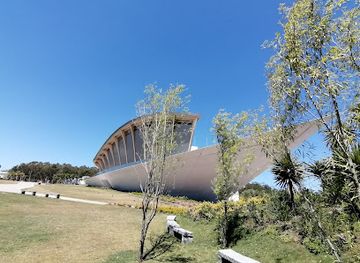
Fundación Pablo Atchugarry
Explore the stunning Fundación Pablo Atchugarry, where contemporary art meets the natural beauty of Maldonado, Uruguay.
-
Tourist attraction
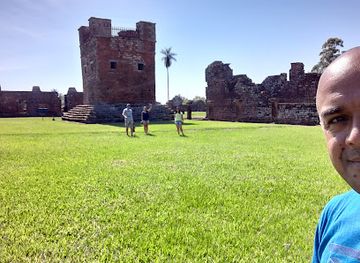
Jesuit Mission of the Holy Trinity
Discover the rich history and stunning architecture of the Jesuit Mission of the Holy Trinity, a UNESCO World Heritage Site in Paraguay.
-
Tourist attraction
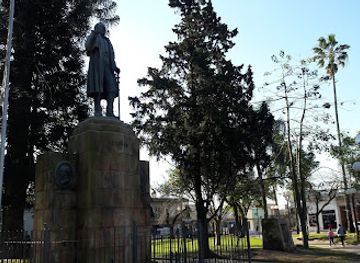
Plaza on April 19
Discover the tranquility and cultural charm of Plaza on April 19, a must-visit park in Tacuarembó, Uruguay, perfect for relaxation and local experiences.
-
Park
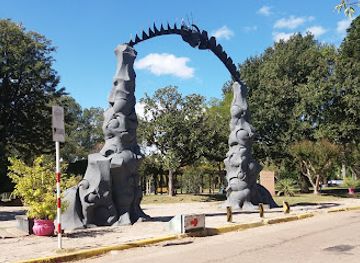
Rodó Park
Discover the natural beauty of Rodó Park in Tacuarembó, Uruguay—a perfect spot for relaxation, family outings, and scenic strolls.
Best landmarks in Northern Region
The Industrial Landscape of Fray Bentos is Northern Uruguay's most significant historic landmark, preserving the former meat-processing complex whose factories and workers' quarters document the country's role in global food production. In Paysandú, the Basilica of Our Lady of the Rosary and Saint Benedict of Palermo and the city's historic association with the 1864–65 siege give the urban centre a strong civic and national resonance. Salto's neoclassical and eclectic buildings, including the former Salto Hotel and other central structures, reflect the prosperity brought by commerce and river connections. The Uruguay River itself is a defining natural landmark, shaping viewpoints, beaches and settlements along the western edge of the region. Tacuarembó's rocky landscapes and the Valle del Lunarejo area near Rivera provide geographical landmarks of a different kind, with ridges, ravines and native vegetation contrasting with the flatter ranch country. Around Artigas, exposed stone and agate-bearing landscapes point to the geological character of the far north, while the frontier urban fabric of Rivera and Santana do Livramento is a living landmark of cross-border exchange.
-
Sculpture
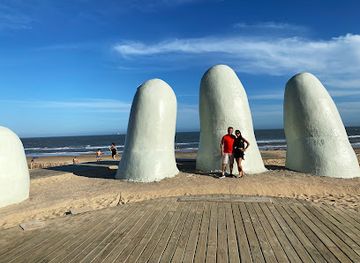
The Fingers of Punta del Este
Experience the breathtaking beauty of The Fingers of Punta del Este, a stunning sculpture symbolizing humanity's connection to nature.
-
National park
Santa Teresa National Park
Experience the natural wonder and rich history of Santa Teresa National Park, a hidden gem along Uruguay's stunning coast, perfect for all adventure lovers.
-
Tourist attraction
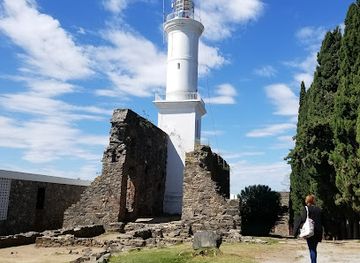
Colonia del Sacramento Lighthouse
Discover the breathtaking views and rich history at Colonia del Sacramento Lighthouse, a must-visit gem on Uruguay's coast.
-
Historical landmark
Fortress of Santa Teresa
Explore the Fortress of Santa Teresa, a stunning historical landmark in Rocha, Uruguay, where military history meets breathtaking coastal views.
Explore Northern Region on the map
Plan your trip on one map. See where the top cities, national parks and sights are, and book hotels and experiences in a few clicks.
Best hotels in Northern Region
Best restaurants in Northern Region
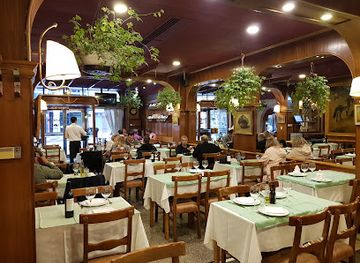
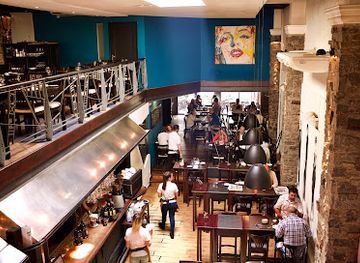
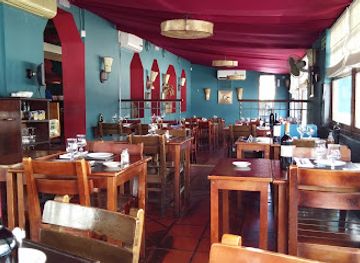
Food in Northern Uruguay reflects the country's cattle-based cuisine, river geography and frontier connections. Beef cooked over wood or charcoal remains a central choice in parrillas and traditional restaurants, while lamb, pork, pasta and hearty stews are common in inland towns. Near the Uruguay River, freshwater fish may appear on menus, although availability varies by season and establishment. Salto and the surrounding north are associated with citrus-growing, and local markets may offer oranges, mandarins and other produce; the area also has agricultural links to vegetables, rice and livestock. Around Tacuarembó and rural settlements, an asado or meal at an estancia can provide more insight into interior food culture than a formal restaurant. Cafés and bakeries serve mate-friendly snacks, pastries and Uruguay's familiar savoury pastries, while in frontier towns Brazilian influences can appear in ingredients, sweets and casual dining. Menus in thermal resorts range from practical buffet meals to more polished regional cooking, so advance planning is useful outside the main towns.
-
Restaurant
Don Andres
Discover authentic Uruguayan flavors at Don Andres in Montevideo – where every meal is a celebration of local culinary traditions.
-
Grill
El Fogón
Experience the heart of Uruguayan cuisine at El Fogón - renowned for its traditional asado and warm atmosphere.
-
Uruguayan
La Cocina de Pedro
Experience authentic Uruguayan cuisine at La Cocina de Pedro in Montevideo - where every dish tells a story.
-
Restaurant
La Perdiz
Experience the rich flavors of Uruguayan cuisine at La Perdiz in Montevideo - where tradition meets taste in every dish.

Best bars in Northern Region
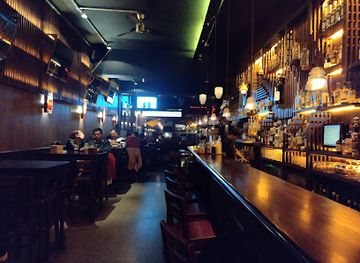
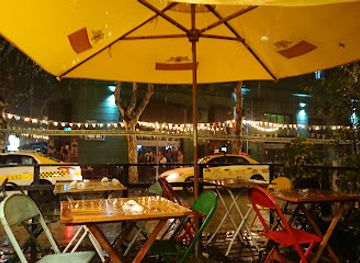
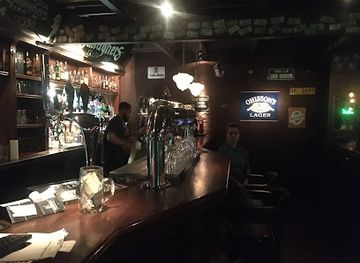
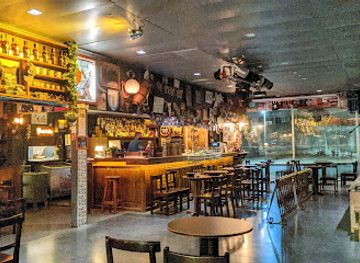
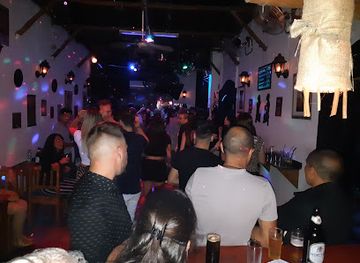
Evening life in Northern Uruguay is concentrated in town centres rather than in a continuous nightlife circuit. Salto and Paysandú have the broadest selection of restaurants, cafés, traditional bars and occasional live-music venues, while Rivera's frontier setting adds Brazilian influence and a busier commercial atmosphere. In Tacuarembó, Melo, Artigas and smaller towns, social life commonly centres on casual bars, parrillas, cafés, community events and gatherings connected with local music or rural traditions. Thermal resorts tend to offer relaxed evenings around restaurants and hotel facilities rather than large club scenes. Nightclubs and late venues may operate seasonally or on particular nights, especially during holidays, so current local information is more reliable than assuming fixed opening patterns. Visitors should treat nightlife as an opportunity to observe regional town life, not as a reason to drink heavily or travel unfamiliar rural roads late at night.
-
Bar
Burlesque
Immerse yourself in the vibrant nightlife of Montevideo at Burlesque, where unique cocktails and live performances create an unforgettable experience.
-
Gastropub
Brickel Irish Pub
Discover Brickel Irish Pub in Montevideo: a lively gastropub blending Irish charm with local flavors, perfect for food and nightlife lovers.
-
Irish pub
Gallagher's
Experience the charm of Gallagher's, a lively Irish pub in Montevideo, offering delicious food, drinks, and a vibrant atmosphere.
-
Bar
Baar Fun Fun
Discover the vibrant nightlife at Baar Fun Fun, Montevideo's beloved bar offering cocktails, local beers, and a lively atmosphere.
Best nightclubs in Northern Region
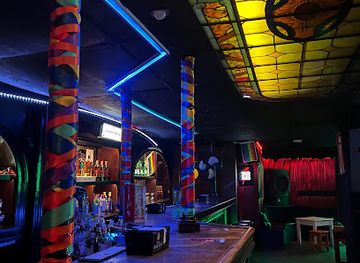
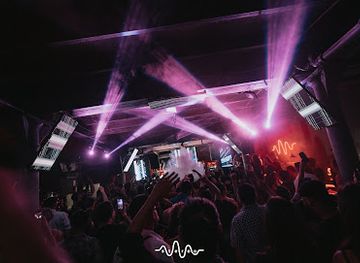
Evening life in Northern Uruguay is concentrated in town centres rather than in a continuous nightlife circuit. Salto and Paysandú have the broadest selection of restaurants, cafés, traditional bars and occasional live-music venues, while Rivera's frontier setting adds Brazilian influence and a busier commercial atmosphere. In Tacuarembó, Melo, Artigas and smaller towns, social life commonly centres on casual bars, parrillas, cafés, community events and gatherings connected with local music or rural traditions. Thermal resorts tend to offer relaxed evenings around restaurants and hotel facilities rather than large club scenes. Nightclubs and late venues may operate seasonally or on particular nights, especially during holidays, so current local information is more reliable than assuming fixed opening patterns. Visitors should treat nightlife as an opportunity to observe regional town life, not as a reason to drink heavily or travel unfamiliar rural roads late at night.
-
Disco club
Il Tempo
Discover the exhilarating nightlife at Il Tempo, Montevideo's premier disco club with electrifying music and vibrant crowds.
-
Disco club
Lotus Club
Dive into Montevideo's nightlife at Lotus Club, a vibrant disco club where music, dance, and unforgettable experiences await.
-
Night club
La Bodeguita del Sur
Experience the vibrant nightlife of Montevideo at La Bodeguita del Sur, a must-visit night club for unforgettable music and fun.
-
Night club
Stereo Club
Discover the vibrant nightlife of Montevideo at Stereo Club, where electrifying music and an energetic atmosphere create unforgettable experiences.

Best shops in Northern Region
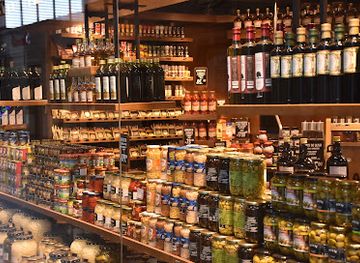
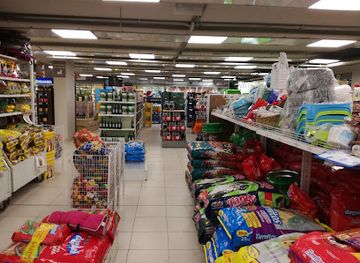
Shopping in Northern Uruguay is primarily local and practical, with market towns offering produce, leather goods, mate equipment, woollens, books, regional foods and small handicrafts. Salto and Paysandú have the widest choice of central shops, supermarkets, pharmacies and independent retailers, while Rivera is a major cross-border commercial centre whose appeal depends on current prices, exchange rates and stock; visitors should confirm whether a quoted price is in Uruguayan pesos or Brazilian reais. Tacuarembó and Melo are useful for gaucho-style leatherwork, boots, belts and rural clothing, although quality and provenance vary between sellers. Artigas is associated with agate and amethyst from northern Uruguay, so purchases should be made from established retailers able to explain the stone's origin and treatment. Thermal resorts sell regional food products, clothing and souvenirs, but their retail offer is generally smaller than that of the main towns. Farmers' markets and specialist food shops are good places to look for citrus, preserves, cheeses, wine and other products from the northern interior.
-
Shopping mall
Tres Cruces Shopping
Explore Tres Cruces Shopping in Montevideo: A vibrant hub for shopping, dining, and entertainment in Uruguay's capital.
-
Shopping mall
Montevideo Shopping Center
Discover the vibrant Montevideo Shopping Center, a perfect blend of shopping, dining, and entertainment in the heart of Uruguay's capital.
-
Shopping mall
Nuevocentro Shopping
Experience the bustling atmosphere of Nuevocentro Shopping, Montevideo's premier shopping mall with diverse shops, delicious dining, and family-friendly entertainment.
-
Shopping mall
Punta Carretas Shopping
Explore Punta Carretas Shopping in Montevideo, a vibrant mall offering diverse shopping, dining, and entertainment experiences for every visitor.

Get your free copy of our complete guide to Northern Region, delivered straight to you.
Everything on this page, from attractions and restaurants to essentials and local phrases, in one PDF you can read offline, print or share.
Already have an account? Sign in
Your Northern Region guide is ready.
We'll send it to · Not you? Sign out

Getting your guide ready…
We are putting together a fresh copy of the Northern Region guide. This can take up to a minute.
This can take a few moments. If your browser asks, choose Allow so the download can start. You'll find the guide in your Downloads folder.
Nothing happened? Download it again
Sorry, the guide is taking longer than usual. Please try again in a minute, or get it by email instead.
Northern Region essentials
Currency and Payment
Safety
Emergency Situations
Do's and Don'ts
Local Tips
From Eve
Local phrases worth knowing
You don't need to get them perfect. A few words go a long way, and locals appreciate the effort.
Basics
| English | Local | Say it |
|---|---|---|
| Hello | Hola | [OH-lah] |
| Goodbye | Adiós | [ah-DYOS] |
| Yes | Sí | [SEE] |
| No | No | [NO] |
| Please/You're welcome | Por favor | [por fah-VOR] |
| Thank you | Gracias | [GRAH-syahs] |
| Excuse me/Sorry | Perdón | [pehr-DON] |
| How are you? | ¿Cómo estás? | [KOH-moh es-TAS] |
| Fine. And you? | Bien. ¿Y tú? | [byen. ee TOO] |
| Do you speak English? | ¿Hablas inglés? | [AH-blahs een-GLES] |
| I don't understand | No entiendo | [NO en-TYEN-doh] |
Eating & Drinking
| English | Local | Say it |
|---|---|---|
| I'd like to see the menu, please | Me gustaría ver el menú, por favor | [meh goos-tah-REE-ah vehr el meh-NOO, por fah-VOR] |
| I don't eat meat | No como carne | [NO KOH-mo KAR-neh] |
| Cheers! | ¡Salud! | [sah-LOOD] |
| I would like to pay, please | Me gustaría pagar, por favor | [meh goos-tah-REE-ah pah-GAR, por fah-VOR] |
Emergencies
| English | Local | Say it |
|---|---|---|
| Help! | ¡Ayuda! | [ah-YOO-dah] |
| Go away! | ¡Vete! | [VEH-teh] |
| Call the Police! | ¡Llama a la policía! | [YAH-ma ah lah poh-lee-SYAH] |
| Call a doctor! | ¡Llama a un doctor! | [YAH-ma ah oon dok-TOR] |
| I'm lost | Estoy perdido | [es-TOY pehr-DEE-doh] |
| I'm ill | Estoy enfermo | [es-TOY en-FER-mo] |
Shopping
| English | Local | Say it |
|---|---|---|
| I'd like to buy... | Me gustaría comprar... | [meh goos-tah-REE-ah kom-PRAR] |
| I'm just looking | Solo estoy mirando | [SO-lo es-TOY mee-RAN-doh] |
| How much is it? | ¿Cuánto cuesta? | [KWAN-toh KWES-tah] |
| That's too expensive | Eso es muy caro | [EH-so es MOY KAH-ro] |
| Can you lower the price? | ¿Puedes bajar el precio? | [PWEH-des bah-HAR el PREH-syoh] |
Time & Numbers
| English | Local | Say it |
|---|---|---|
| What time is it? | ¿Qué hora es? | [KEH OH-rah es] |
| It's one o'clock | Es la una | [es lah OO-nah] |
| Half past (10) | Y media (10) | [ee MEH-dyah (10)] |
| Morning | Mañana | [mah-NYAH-nah] |
| Afternoon | Tarde | [TAR-deh] |
| Evening | Noche | [NOH-cheh] |
| Yesterday | Ayer | [ah-YER] |
| Today | Hoy | [OY] |
| Tomorrow | Mañana | [mah-NYAH-nah] |
| 1 | Uno | [OO-no] |
| 2 | Dos | [DOS] |
| 3 | Tres | [TRES] |
| 4 | Cuatro | [KWAT-ro] |
| 5 | Cinco | [SEEN-koh] |
| 6 | Seis | [SAYS] |
| 7 | Siete | [SYEH-teh] |
| 8 | Ocho | [OH-choh] |
| 9 | Nueve | [NWEH-beh] |
| 10 | Diez | [DYEZ] |
Transport & Directions
| English | Local | Say it |
|---|---|---|
| Where's a/the...? | ¿Dónde hay un/una...? | [DON-deh ai oon/OO-nah] |
| What's the address? | ¿Cuál es la dirección? | [KWAL es lah dee-rek-SYON] |
| Can you show me (on the map)? | ¿Puedes mostrarme (en el mapa)? | [PWEH-des mos-TRAR-meh (en el MAH-pah)] |
| When's the next (bus)? | ¿Cuándo sale el próximo (autobús)? | [KWAN-doh SAH-leh el PROH-xi-mo (ow-toh-BOOS)] |
| A ticket (to ....) | Un boleto (a ....) | [oon boh-LEH-toh (ah ....)] |
History of Northern Region
Indigenous Landscapes and Early Settlement
Long before Uruguay became an independent state, northern territories were occupied and travelled by Indigenous peoples, including Charrúa, Guaraní-speaking and other communities whose movements followed rivers, grasslands and seasonal resources. Archaeological evidence includes earthworks, stone tools and burial-related sites, although many interpretations remain subject to ongoing research. The region's later colonial history often obscured these earlier societies, but their presence is important to understanding northern Uruguay as a lived landscape rather than an empty frontier.
Jesuit Missions and the Colonial Frontier
During the seventeenth and eighteenth centuries, the northern borderlands were shaped by competition between the Spanish and Portuguese empires and by the influence of Jesuit missions established east of the Uruguay River and in neighbouring territories. Trade, cattle movement and military expeditions connected the area to settlements in present-day Brazil, Argentina and Paraguay. The frontier was never a simple dividing line: people, livestock, languages and political loyalties crossed it repeatedly, leaving northern Uruguay with a cultural complexity that remains visible today.
Independence and the Formation of Northern Towns
The struggles that led to Uruguayan independence in the early nineteenth century affected the northern interior through military campaigns, disputed borders and shifting authority. Towns such as Salto, Paysandú, Rivera, Artigas and Melo developed as administrative, commercial or defensive centres at different stages. Paysandú's resistance during the siege of 1864–65 became one of the most influential episodes in Uruguay's national historical memory, while frontier settlements continued to depend on exchanges with neighbouring Brazil.
Cattle, Railways and Export Agriculture
Cattle ranching became central to the northern economy as estancia agriculture expanded across the grasslands. Saladeros, or meat-salting establishments, preceded modern refrigeration and helped connect the interior to international markets. Railways later linked inland towns with Montevideo and river ports, encouraging the movement of livestock, wool, hides, grain and passengers. The historic industrial complex at Fray Bentos, on the western edge of the northern region, illustrates how Uruguay's natural resources became part of a global food-export system during the nineteenth and twentieth centuries.
The Anglo Meat-Processing Complex at Fray Bentos
The meat-processing works at Fray Bentos, originally associated with Liebig's Extract of Meat Company and later the Anglo complex, operated on an industrial scale from the nineteenth century into the twentieth. Its factories, workers' housing and associated infrastructure reveal the organisation of production, labour and international trade in the River Plate. The site is now the Industrial Landscape of Fray Bentos, recognised by UNESCO, and it provides an unusually tangible explanation of how beef from the Uruguayan interior reached consumers around the world.
Thermal Tourism and the Modern Interior
Northern Uruguay's hot springs became an important part of domestic and international tourism during the twentieth century, particularly around Salto and Paysandú. Thermo-mineral waters drawn from the Guaraní Aquifer supported the development of resorts, hotels, parks and recreational facilities, creating a tourism economy distinct from the country's Atlantic beaches. Today, thermal bathing links the region's geology with contemporary leisure, while agriculture, forestry, citrus production, cattle ranching and cross-border commerce continue to shape its towns and employment.
Northern Region in Photos
Browse through our photo collection highlighting the charm and character of the destination.
Neighbouring regions of Northern Region
The closest regions to Northern Region, if you have time for more than one.
-

-

-

-

-


Swipe for more regions
Explore more

Explore more of Uruguay
Discover Uruguay: Rich culture, stunning beaches, and a warm, welcoming atmosphere await in this hidden gem of South America.
Explore Uruguay