

Free Rocha Travel Guide & Mobile App
Explore Rocha with free travel guides. Discover regional history, expert tips, proposed trips, and audio guides on web or mobile app.


Explore Rocha’s Atlantic beaches, coastal lagoons, dunes, fishing villages, wildlife reserves and historic Santa Teresa in eastern Uruguay.
Read more about Rocha
When is the best time to visit Rocha?
Best: December–January · 26–28°C| Month | High (°C) | Rainfall (mm) |
|---|---|---|
| January (best) | 28 | 76 |
| February | 28 | 82 |
| March (best) | 26 | 98 |
| April | 21 | 98 |
| May | 18 | 97 |
| June | 15 | 91 |
| July | 14 | 89 |
| August | 15 | 95 |
| September | 18 | 102 |
| October | 21 | 107 |
| November | 23 | 102 |
| December (best) | 27 | 85 |
Getting to and around Rocha
How to get there
Transportation
Destinations in Rocha
Resorts, valleys and scenic spots worth a trip of their own.
-

-

-

-

-

-


Swipe for more destinations
Best attractions in Rocha
Rocha’s attractions span protected coast, historic fortifications, lagoons and small resort communities rather than a single concentrated sightseeing circuit. Cabo Polonio National Park combines extensive dunes, rocky shores, a lighthouse and colonies of South American sea lions, with access shaped by its protected setting. Nearby Valizas is a base for walking through coastal sand and open landscapes, while La Paloma offers beaches, viewpoints and the region’s broadest range of visitor services. La Pedrera and Punta del Diablo add distinct village atmospheres, surf beaches and seasonal cultural activity. Inland and along the northern coast, Santa Teresa National Park brings together woodland, beaches, camping areas and the Fortaleza de Santa Teresa, one of Uruguay’s most important colonial military sites. Laguna de Rocha and Laguna de Castillos are significant for birdwatching, wetland scenery and traditional fishing practices. The departmental capital provides a more everyday perspective through local cultural institutions and civic life, while rural roads reveal estancias, grassland and the transition between productive countryside and protected ecosystems. Activities include coastal walking, surfing, fishing, wildlife observation and photography, but weather, tides and seasonal access should shape plans.
-
National park
Santa Teresa National Park
Explore the stunning landscapes and rich history of Santa Teresa National Park, a natural jewel along Uruguay's eastern coast.
-
Tourist attraction
José Ignacio Lighthouse
Explore the José Ignacio Lighthouse, an iconic landmark offering stunning ocean views and a taste of Uruguayan coastal culture.
-
Historical landmark
Fortress of Santa Teresa
Discover the historical significance and natural beauty of the Fortress of Santa Teresa, a must-visit landmark on Uruguay's coast.
-
Tourist attraction
El Faro del Cabo Santa Maria
Discover the breathtaking El Faro del Cabo Santa Maria, a historic lighthouse offering stunning ocean views and a glimpse into Uruguay's maritime heritage.
Best landmarks in Rocha
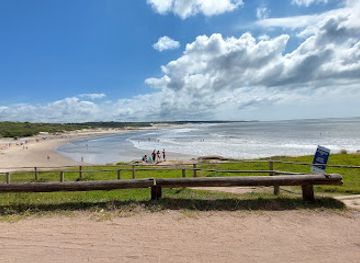
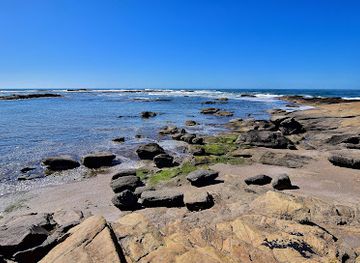
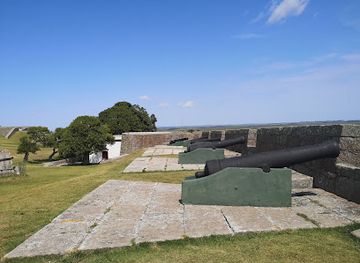
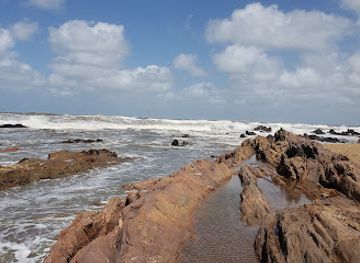
The Fortaleza de Santa Teresa is Rocha’s most prominent historic landmark, a substantial stone fortress begun by the Portuguese in the eighteenth century and later held and adapted by the Spanish. Its position within Santa Teresa National Park links military history with woodland, coastal scenery and the Atlantic frontier. Cabo Polonio Lighthouse is the visual focus of one of Uruguay’s most distinctive coastal settlements, standing above dunes and rocky shores near important sea-lion colonies. The Cabo Polonio headland itself is a natural landmark as much as a historic one, marked by exposure, shifting sand and open ocean. Rocha’s lagoons form another class of landmark: Laguna de Rocha and Laguna de Castillos are broad wetland landscapes where water, sandbar, grassland and bird habitat meet. Along the coast, the dunes between Valizas and Cabo Polonio demonstrate the power of wind and sediment, while the beaches and rocky points around La Paloma and La Pedrera give the shoreline its changing character. In Chuy, the international boundary is an everyday geographic and cultural landmark, though the town extends across the border into Brazil rather than belonging exclusively to Rocha.
-
Sculpture
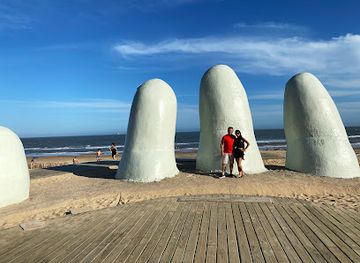
The Fingers of Punta del Este
Explore the enchanting Fingers of Punta del Este, a stunning sculpture that symbolizes the connection between humanity and the sea in this beautiful coastal paradise.
-
National park
Santa Teresa National Park
Experience the breathtaking landscapes and rich biodiversity of Santa Teresa National Park, a must-visit destination for nature lovers in Uruguay.
-
Tourist attraction
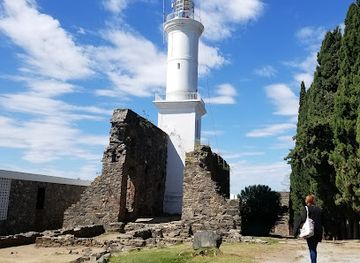
Colonia del Sacramento Lighthouse
Experience the rich history and stunning views at Colonia del Sacramento Lighthouse, a must-visit attraction in Uruguay's charming coastal town.
-
Historical landmark
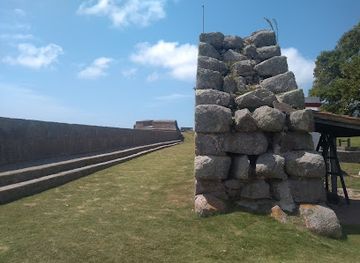
Fortress of Santa Teresa
Explore the rich history of Uruguay at the Fortress of Santa Teresa, a stunning military landmark nestled amidst breathtaking coastal beauty.

Explore Rocha on the map
Plan your trip on one map. See where the top cities, national parks and sights are, and book hotels and experiences in a few clicks.
Best hotels in Rocha
Best restaurants in Rocha
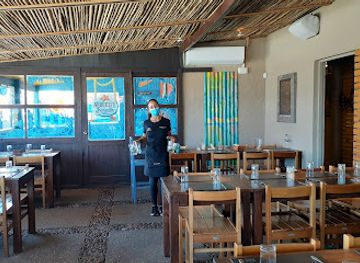
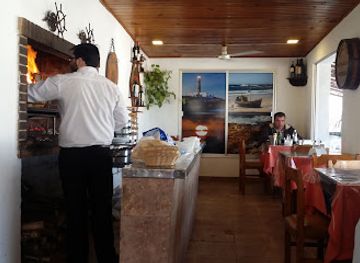
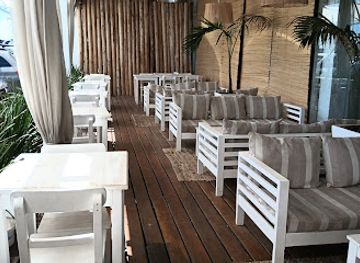
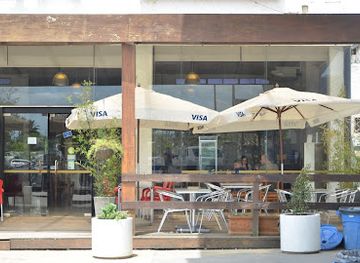
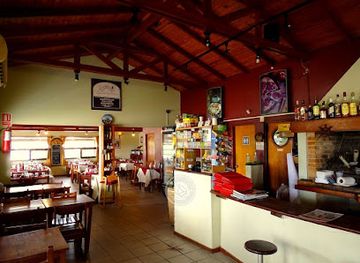
Rocha’s food culture combines Uruguay’s national traditions with the produce of an Atlantic department. Coastal restaurants and simple eateries commonly focus on fish and seafood, with menus influenced by local catches and the changing availability of marine and lagoon products. La Paloma, La Pedrera and Punta del Diablo have the widest choice, ranging from cafés and casual meals to more contemporary kitchens, while smaller communities may have a narrower seasonal offer. Inland, grilled beef, sausages, bread and empanadas reflect the country’s cattle-raising culture, and rural restaurants or inns provide a different setting from the seafront. Fresh produce, preserves, pastries and regional dairy products can be found through shops and local markets, particularly in larger towns. Mate is part of everyday Uruguayan life rather than a restaurant speciality, and visitors will also encounter the country’s familiar wines and beer. In the high season, booking is sensible in the busiest resorts; outside summer, check which establishments remain open before making a long journey.
-
Restaurant
Lo de Edinson
Experience authentic Uruguayan cuisine at Lo de Edinson in La Paloma - where fresh seafood meets local flavors.
-
Restaurant
Restaurante Arrecife
Experience exquisite seafood dining at Restaurante Arrecife in La Paloma, where local flavors meet exceptional service.
-
Restaurant
Americano
Experience authentic Uruguayan cuisine at Americano, a culinary treasure in Rocha offering delightful dishes and warm hospitality.
-
Restaurant
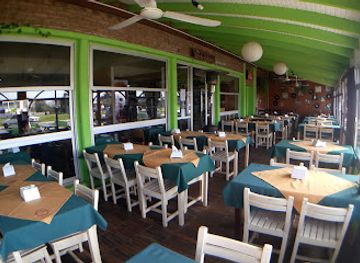
Parador Rocha
Discover Parador Rocha: A Culinary Haven in Uruguay Offering Authentic Local Flavors and Warm Hospitality.
Best bars in Rocha
Evening life in Rocha is strongly seasonal and varies between coastal resorts and the inland department. La Paloma has the most established concentration of bars, restaurants and music-oriented venues, while La Pedrera and Punta del Diablo become considerably livelier during the summer holiday period. Their nightlife tends to centre on compact village streets, informal bars, beach-area restaurants and occasional live music rather than a large metropolitan club scene. Cabo Polonio and Valizas offer a quieter evening atmosphere shaped by small bars, simple restaurants, conversation and dark skies. Rocha city provides local bars and restaurants used throughout the year, but its nightlife is more strongly connected to everyday community life than to late-night tourism. Opening arrangements, entertainment and transport can change substantially between summer and winter, so visitors staying outside the main resorts should plan their return journey in advance rather than assume that late services will be available.
-
Restaurant
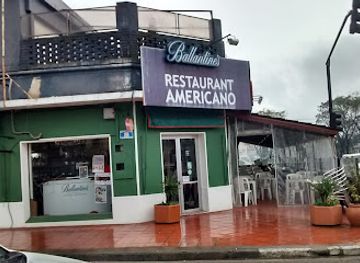
Americano
Experience the best of Uruguayan cuisine at Americano in Rocha, where every dish tells a story and every visit is a culinary adventure.
-
Restaurant
Parador Rocha
Explore the culinary delights of Parador Rocha, a restaurant that celebrates local flavors with a diverse menu in the heart of Uruguay.
-
Fast Food
Parador María Esther
Savor the taste of Rocha at Parador María Esther, where fast food meets local flavor in a vibrant setting.
-
Restaurant
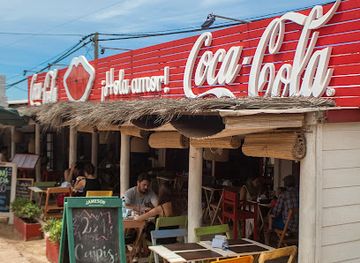
Hola Amor Bar Boutique
Discover the unique culinary offerings at Hola Amor Bar Boutique, a must-visit dining destination in Punta del Diablo, renowned for its fresh flavors and vibrant atmosphere.
Best nightclubs in Rocha
Evening life in Rocha is strongly seasonal and varies between coastal resorts and the inland department. La Paloma has the most established concentration of bars, restaurants and music-oriented venues, while La Pedrera and Punta del Diablo become considerably livelier during the summer holiday period. Their nightlife tends to centre on compact village streets, informal bars, beach-area restaurants and occasional live music rather than a large metropolitan club scene. Cabo Polonio and Valizas offer a quieter evening atmosphere shaped by small bars, simple restaurants, conversation and dark skies. Rocha city provides local bars and restaurants used throughout the year, but its nightlife is more strongly connected to everyday community life than to late-night tourism. Opening arrangements, entertainment and transport can change substantially between summer and winter, so visitors staying outside the main resorts should plan their return journey in advance rather than assume that late services will be available.
-
Pub
Modo Boliche
Discover Modo Boliche: A lively pub and restaurant in Rocha, offering delicious local cuisine and a vibrant nightlife experience.
-
Live music bar
Carabanchel HOSTEL & BAR
Discover the lively Carabanchel HOSTEL & BAR in Punta del Diablo, where live music meets vibrant culture and delicious cuisine.
-
Night club
Chacra Insana
Experience the vibrant nightlife of Barra del Chuy at Chacra Insana, a night club where music, dancing, and unforgettable memories await.
-
Night club
Club Juventud y Progreso
Discover the lively atmosphere and local beats at Club Juventud y Progreso, Castillos' premier destination for nightlife and dance.


Best shops in Rocha
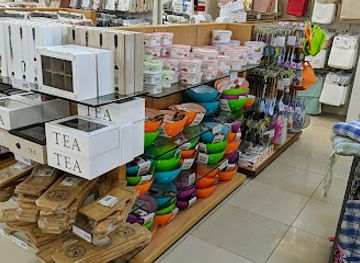
Shopping in Rocha is practical, local and strongly influenced by the summer season. La Paloma, Punta del Diablo and La Pedrera have the greatest concentration of small clothing shops, beach goods, books, crafts, décor and independent stalls, with activity increasing markedly during the holidays. Rocha city is better suited to everyday supplies, supermarkets, local services and regional food shopping, while Chuy is known for its cross-border commercial environment and attracts shoppers from both sides of the Uruguay–Brazil frontier. Visitors can look for handmade jewellery, textiles, leather goods, woodwork, ceramics and artwork, but quality and provenance vary, so buying directly from makers where possible is worthwhile. Regional food products such as preserves, sweets, biscuits, mate accessories and Uruguayan wine make useful gifts. Market-style trading is more common in resort areas than in formal shopping centres, and smaller coastal communities may have limited choice outside the high season.
-
Home goods store
Tiendas Montevideo
Discover unique home goods and local craftsmanship at Tiendas Montevideo in Rocha, Uruguay - a treasure trove for tourists seeking authentic souvenirs.
-
Clothing store
América Ropería
Discover the unique blend of modern trends and local craftsmanship at América Ropería, Rocha's premier clothing store for every fashion enthusiast.
-
Organic food store
Namaste Rocha
Discover the finest organic products in Rocha at Namaste Rocha, where health meets sustainability in a charming shopping experience.
-
 Home goods store
Mega Luna
Mega Luna: Your one-stop shop for home goods, appliances, bicycles, and local treasures in Rocha, Uruguay.

Get your free copy of our complete guide to Rocha, delivered straight to you.
Everything on this page, from attractions and restaurants to essentials and local phrases, in one PDF you can read offline, print or share.
Already have an account? Sign in
Your Rocha guide is ready.
We'll send it to · Not you? Sign out

Getting your guide ready…
We are putting together a fresh copy of the Rocha guide. This can take up to a minute.
This can take a few moments. If your browser asks, choose Allow so the download can start. You'll find the guide in your Downloads folder.
Nothing happened? Download it again
Sorry, the guide is taking longer than usual. Please try again in a minute, or get it by email instead.
Rocha essentials
Currency and Payment
Safety
Emergency Situations
Do's and Don'ts
Local Tips
From Eve
Local phrases worth knowing
You don't need to get them perfect. A few words go a long way, and locals appreciate the effort.
Basics
| English | Local | Say it |
|---|---|---|
| Hello | Hola | [Ola] |
| Goodbye | Adiós | [Adyos] |
| Yes | Sí | [See] |
| No | No | [No] |
| Please/You're welcome | Por favor | [Por favor] |
| Thank you | Gracias | [Grasias] |
| Excuse me/Sorry | Perdón | [Perdon] |
| How are you? | ¿Cómo estás? | [Como estas] |
| Fine. And you? | Bien. ¿Y tú? | [Bien. E tu] |
| Do you speak English? | ¿Hablas inglés? | [Hablas ingles] |
| I don't understand | No entiendo | [No entiendo] |
Eating & Drinking
| English | Local | Say it |
|---|---|---|
| I'd like to see the menu, please | Me gustaría ver el menú, por favor | [Me gustaria ver el menu, por favor] |
| I don't eat meat | No como carne | [No como carne] |
| Cheers! | ¡Salud! | [Salud] |
| I would like to pay, please | Me gustaría pagar, por favor | [Me gustaria pagar, por favor] |
Emergencies
| English | Local | Say it |
|---|---|---|
| Help! | ¡Ayuda! | [Ayuda] |
| Go away! | ¡Vete! | [Vete] |
| Call the Police! | ¡Llama a la policía! | [Llama a la policia] |
| Call a doctor! | ¡Llama a un doctor! | [Llama a un doctor] |
| I'm lost | Estoy perdido | [Estoy perdido] |
| I'm ill | Estoy enfermo | [Estoy enfermo] |
Shopping
| English | Local | Say it |
|---|---|---|
| I'd like to buy... | Me gustaría comprar... | [Me gustaria comprar] |
| I'm just looking | Solo estoy mirando | [Solo estoy mirando] |
| How much is it? | ¿Cuánto cuesta? | [Cuanto cuesta] |
| That's too expensive | Eso es muy caro | [Eso es muy caro] |
| Can you lower the price? | ¿Puedes bajar el precio? | [Puedes bajar el precio] |
Time & Numbers
| English | Local | Say it |
|---|---|---|
| What time is it? | ¿Qué hora es? | [Que hora es] |
| It's one o'clock | Es la una | [Es la una] |
| Half past (10) | Y media (10) | [Y media diez] |
| Morning | Mañana | [Mañana] |
| Afternoon | Tarde | [Tarde] |
| Evening | Noche | [Noche] |
| Yesterday | Ayer | [Ayer] |
| Today | Hoy | [Hoy] |
| Tomorrow | Mañana | [Mañana] |
| 1 | Uno | [Uno] |
| 2 | Dos | [Dos] |
| 3 | Tres | [Tres] |
| 4 | Cuatro | [Cuatro] |
| 5 | Cinco | [Cinco] |
| 6 | Seis | [Seis] |
| 7 | Siete | [Siete] |
| 8 | Ocho | [Ocho] |
| 9 | Nueve | [Nueve] |
| 10 | Diez | [Diez] |
Transport & Directions
| English | Local | Say it |
|---|---|---|
| Where's a/the...? | ¿Dónde está un/una...? | [Donde esta un/una] |
| What's the address? | ¿Cuál es la dirección? | [Cual es la direccion] |
| Can you show me (on the map)? | ¿Puedes mostrarme (en el mapa)? | [Puedes mostrarme en el mapa] |
| When's the next (bus)? | ¿Cuándo es el próximo (autobús)? | [Cuando es el proximo autobus] |
| A ticket (to ....) | Un boleto (a ...) | [Un boleto a] |
History of Rocha
Indigenous Eastern Borderlands
Before European colonisation, the territory now known as Rocha was inhabited and travelled by Indigenous peoples, including Charrúa communities and groups connected with Guaraní-speaking cultures. Rivers, lagoons, grasslands and the Atlantic shore provided routes, food resources and seasonal movement. Archaeological evidence across eastern Uruguay includes camps, tool remains and shell deposits, although the surviving record does not represent a single uniform culture. European expansion, disease, warfare and forced displacement profoundly disrupted Indigenous life from the colonial period onwards, leaving a history that is increasingly recognised as part of Uruguay’s broader national past.
Portuguese and Spanish Frontier Rivalry
Rocha lay within a strategically contested frontier between Portuguese Brazil and the Spanish Río de la Plata sphere. Control of the eastern coast mattered because it offered landing places, routes inland and access towards the Laguna Merín basin. Fortifications and settlements were established, abandoned and rebuilt as the two empires competed for territory. The region’s later architecture and place names reflect this frontier history, while its position near Brazil continues to shape cross-border movement and the character of Chuy.
The Fortaleza de Santa Teresa, 1762–1775
The Fortaleza de Santa Teresa is the clearest surviving monument to Rocha’s colonial military past. Portuguese forces began the stone fortification in 1762, and Spanish forces took control during the shifting conflicts of the period, completing and adapting the structure in the following years. Its position near the Atlantic routes and the Brazilian border gave it strategic importance. Today the restored fortress and surrounding national park allow visitors to understand how imperial rivalry shaped eastern Uruguay, although the site’s meaning also belongs to the later history of the independent republic.
Independence and the Formation of Rocha
The eastern territories passed through the upheavals of the Banda Oriental’s struggle for autonomy, the Cisplatine period and the creation of the independent Republic of Uruguay in the early nineteenth century. Rural settlement and cattle raising gradually became central to the area’s economy, while roads, administrative centres and frontier communities developed slowly. Rocha Department was established in the later nineteenth century as Uruguay consolidated its internal administration. The departmental capital became an important civic and commercial centre between the coast, the lagoons and the Brazilian frontier.
Livestock, Fishing and Rural Economy
For much of its modern history, Rocha was shaped more by livestock and rural production than by large-scale industry. Cattle ranching made use of the open grasslands, while coastal and lagoon communities developed fishing traditions linked to local waters. Small settlements, estancias and transport routes connected the interior with ports and emerging beach resorts. These activities remain visible in the landscape: protected wetlands coexist with working rural land, and seafood continues to appear alongside Uruguay’s strong beef and grilled-meat culture.
The Rise of Coastal Tourism
During the twentieth century, improved roads, holiday travel and the growth of domestic tourism transformed Rocha’s Atlantic settlements. La Paloma developed as the department’s principal coastal service centre, while La Pedrera, Punta del Diablo, Aguas Dulces and other communities acquired distinctive holiday identities. Tourism did not erase their earlier fishing and rural connections, but it altered the seasonal economy, housing patterns and demand for services. The result is a coast where permanent communities, summer visitors and protected landscapes exist in close proximity.
Conservation and Sustainable Coastal Management
Growing awareness of Rocha’s dunes, lagoons, forests and marine environments led to the creation and expansion of protected areas, including Cabo Polonio National Park, Santa Teresa National Park and the protected landscape associated with Laguna de Rocha. Laguna de Rocha is also recognised internationally as a wetland of importance under the Ramsar Convention. Conservation has become an important part of the region’s contemporary identity, particularly as authorities and local communities manage pressures from seasonal construction, vehicles, waste, wildlife disturbance and increasing visitation.
Rocha in Photos
Browse through our photo collection highlighting the charm and character of the destination.
Neighbouring regions of Rocha
The closest regions to Rocha, if you have time for more than one.
-

-

-

-

-


Swipe for more regions
Explore more

Explore more of Uruguay
Discover Uruguay: Rich culture, stunning beaches, and a warm, welcoming atmosphere await in this hidden gem of South America.
Explore Uruguay