

Free Lavalleja Travel Guide & Mobile App
Explore Lavalleja with free travel guides. Discover regional history, expert tips, proposed trips, and audio guides on web or mobile app.


Explore Lavalleja’s hills, waterfalls, Villa Serrana retreats, rural heritage and Minas traditions in Uruguay’s scenic southeastern interior.
Read more about Lavalleja
When is the best time to visit Lavalleja?
Best: March, November–December · 25–27°C| Month | High (°C) | Rainfall (mm) |
|---|---|---|
| January | 29 | 90 |
| February | 29 | 80 |
| March (best) | 27 | 90 |
| April | 23 | 100 |
| May | 20 | 100 |
| June | 17 | 90 |
| July | 17 | 80 |
| August | 18 | 90 |
| September | 20 | 90 |
| October | 22 | 100 |
| November (best) | 25 | 100 |
| December (best) | 27 | 90 |
Getting to and around Lavalleja
How to get there
Transportation
Top city travel guides in Lavalleja
The cities of Lavalleja, and the easiest places to base yourself.

Swipe for more cities
Destinations in Lavalleja
Resorts, valleys and scenic spots worth a trip of their own.
-

-

-

-

-

-


Swipe for more destinations
Best attractions in Lavalleja
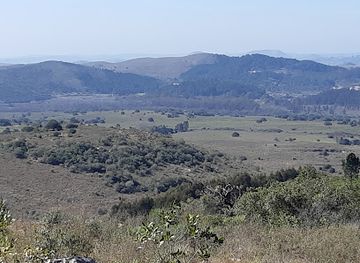
Lavalleja’s attractions are spread through a landscape of hills, streams and open ranch country rather than concentrated in one resort. Minas provides the main cultural base, with civic spaces, museums, churches and local institutions connected to the department’s history and to Juan Antonio Lavalleja. Outside the capital, Cerro Arequita is a prominent natural destination for walking and landscape viewing, while nearby Laguna de los Cuervos offers woodland, water and a quieter rural setting. Salto del Penitente combines a waterfall, rocky scenery and outdoor recreation in a protected area south-east of Minas, with conditions that vary according to rainfall. Villa Serrana adds architecture, cabins and hillside walks to the region’s nature-based appeal, and the Valle del Hilo de la Vida introduces archaeological and interpretive interest. Cerro Verdún is both a pilgrimage site and a viewpoint over the surrounding country. Visitors should expect a mixture of managed attractions, private rural properties and open landscapes rather than a dense chain of formal visitor facilities. The department suits short hikes, scenic drives, photography, stargazing and relaxed exploration, with a car particularly useful for linking sites.
-
Tourist attraction
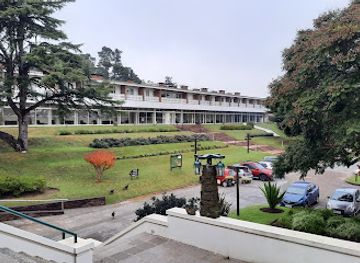
Parque de Minas Hotel Vacacional
Discover the serene beauty and comfort of Parque de Minas Hotel Vacacional, a perfect retreat in Uruguay's breathtaking countryside.
-
Park
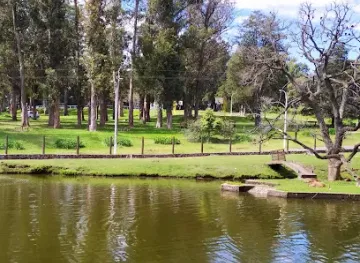
Rodó Park
Discover the serene beauty of Rodó Park in Minas, a lush sanctuary perfect for relaxation, adventure, and outdoor activities amidst nature.
-
Tourist attraction
Fuente del Puma
Discover Fuente del Puma in Minas, a beautiful drinking water fountain surrounded by nature, perfect for relaxation and breathtaking views.
-
Park
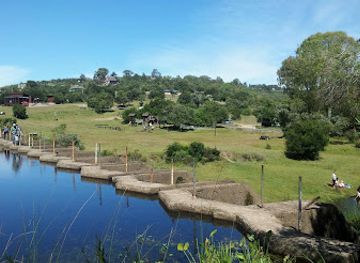
Arch dam. Stewart Vargas
Explore the stunning Arch Dam of Stewart Vargas in Villa Serrana, a serene park perfect for nature lovers and adventure seekers alike.
Best landmarks in Lavalleja
The most recognisable landmark in Lavalleja is Cerro Arequita, a prominent rocky hill near the Arroyo Arequita whose profile gives the surrounding countryside a strong visual identity. Cerro Verdún, rising above Minas, is marked by the Sanctuary of the Virgin of Verdún and is an important pilgrimage destination as well as a viewpoint across the serried hills. In the capital, monuments and civic spaces associated with Juan Antonio Lavalleja express the department’s connection with Uruguay’s independence history, while the town’s churches and older public buildings provide a sense of its colonial and republican development. Villa Serrana is a landmark of a different kind: its mid-century architecture, curved roads and low buildings form a designed settlement integrated with the sierras. Salto del Penitente is both a natural feature and a symbol of Lavalleja’s outdoor identity, with a waterfall set among rock and woodland. Together these places show how the department’s most significant landmarks combine geology, faith, national history and landscape-oriented architecture.
-
Park
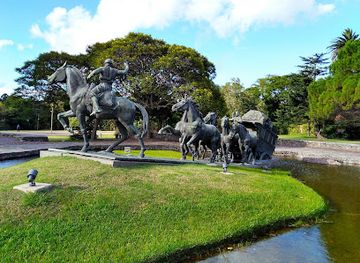
Prado Park
Explore the lush landscapes, cultural treasures, and serene beauty of Prado Park, a must-visit destination in Montevideo for nature lovers and art enthusiasts.
-
Sculpture
The Fingers of Punta del Este
Explore the breathtaking Fingers of Punta del Este, a sculptural masterpiece that perfectly blends art with the stunning coastline of Uruguay.
-
Botanical garden
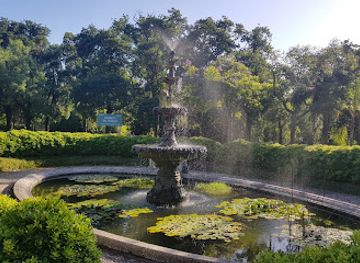
Montevideo Botanical Garden
Explore Montevideo Botanical Garden: A lush sanctuary of diverse flora and tranquil landscapes in the heart of Uruguay's capital city.
-
Park
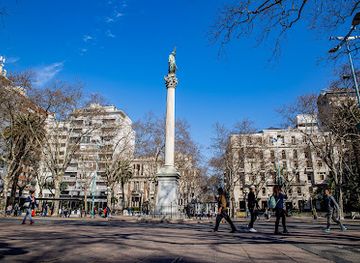
Cagancha Square
Discover the vibrant atmosphere of Cagancha Square, Montevideo's cultural hub, where history, art, and local life come together in a beautiful park setting.

Explore Lavalleja on the map
Plan your trip on one map. See where the top cities, national parks and sights are, and book hotels and experiences in a few clicks.
Best hotels in Lavalleja
Best restaurants in Lavalleja
Dining in Lavalleja reflects Uruguay’s rural food culture, with grilled beef, sausages, empanadas, pasta and simple café fare widely available in Minas and the larger settlements. The department is especially associated with alfajores de Minas, a sweet filled biscuit sold by local producers and often bought as an edible souvenir. Rural inns, parrillas and family-run restaurants provide a setting for traditional meals, while cafés and bakeries serve cakes, pastries, sandwiches and mate-friendly refreshments. Around Villa Serrana, accommodation-based dining and small eateries are more relevant than a large restaurant district, so opening arrangements should be checked before travelling. Local products, preserves and farmhouse goods may appear in shops and at community events, but exact availability varies by season. Uruguay’s national wine and beer culture is present, while the dominant regional food experience remains generous, informal and closely connected to livestock country rather than a separately defined haute-cuisine tradition.
-
Resort hotel
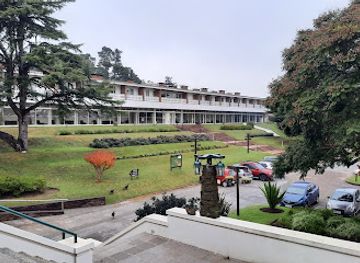
Parque de Minas Hotel Vacacional
Experience serene luxury at Parque de Minas Hotel Vacacional - your gateway to relaxation and adventure in beautiful Lavalleja, Uruguay.
-
Fast Food
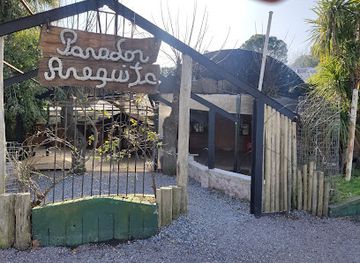
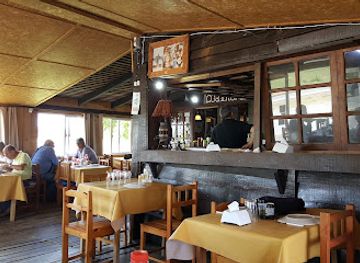
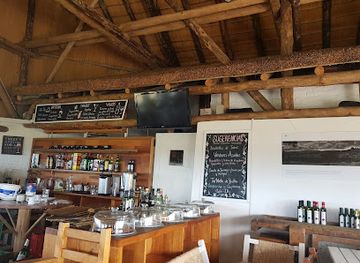
Parador Arequita
Discover delicious fast food at Parador Arequita in Minas, Uruguay – where local flavors meet affordability!
-
Fast Food
Lo De Homero Restaurante
Discover the delightful flavors of Uruguay at Lo De Homero Restaurante in Mariscala – where fast food meets local tradition.
-
American
Ventorrillo de la Buena Vista
Discover delightful American cuisine surrounded by the stunning landscapes of Villa Serrana at Ventorrillo de la Buena Vista.
Best bars in Lavalleja
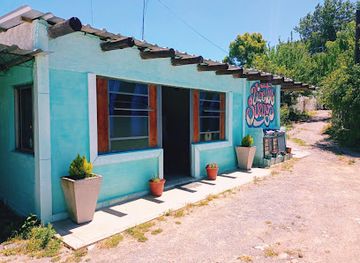
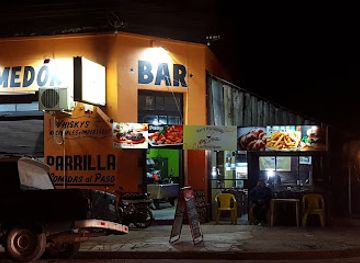
Lavalleja has a modest evening scene centred on Minas rather than a major nightclub circuit. Traditional bars, cafés, parrillas and restaurants provide places to meet over beer, wine, coffee or a meal, while larger cultural events may bring live folk music, dance and country performances. During festivals such as Minas y Abril and other civic celebrations, evening activity can expand considerably, but programmes and venues vary from year to year. Villa Serrana is oriented towards quiet nights, fireside accommodation, stargazing and conversation rather than late clubbing; visitors should not expect extensive public transport or a choice of late-opening venues there. Minas offers the broadest selection of casual nightlife, although it remains a small departmental capital, and many evenings are shaped more by dining and local social life than by dedicated bars or nightclubs.
-
Bar
Don Mario
Discover the lively ambiance of Don Mario, a vibrant bar in Minas, Uruguay, perfect for enjoying local drinks and nightlife.
-
Bar
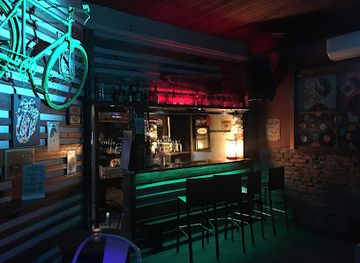
La Cueva
Discover the vibrant nightlife of Minas at La Cueva, a lively bar serving delicious fast food and hosting live music events.
-
Bar
Bar Y Parrilada LOS RODRIGUEZ
Experience the essence of Uruguayan cuisine at Bar Y Parrilada LOS RODRIGUEZ in Minas, where traditional grilling meets warm hospitality.
-
Bar
25 De Agosto
Experience the lively spirit of 25 De Agosto, a social bar in Minas, Uruguay, where locals and tourists come together for great drinks and vibrant ambiance.

Best nightclubs in Lavalleja
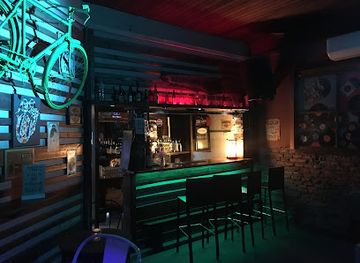
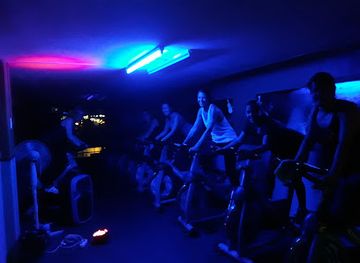
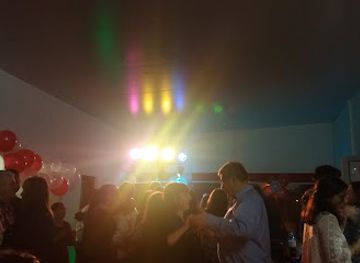
Lavalleja has a modest evening scene centred on Minas rather than a major nightclub circuit. Traditional bars, cafés, parrillas and restaurants provide places to meet over beer, wine, coffee or a meal, while larger cultural events may bring live folk music, dance and country performances. During festivals such as Minas y Abril and other civic celebrations, evening activity can expand considerably, but programmes and venues vary from year to year. Villa Serrana is oriented towards quiet nights, fireside accommodation, stargazing and conversation rather than late clubbing; visitors should not expect extensive public transport or a choice of late-opening venues there. Minas offers the broadest selection of casual nightlife, although it remains a small departmental capital, and many evenings are shaped more by dining and local social life than by dedicated bars or nightclubs.
-
Bar
Don Mario
Discover the vibrant nightlife of Minas at Don Mario, where friendly service meets a lively atmosphere for an unforgettable evening.
-
Disco club
Sueños
Experience the vibrant nightlife of Minas at Sueños, where music and dance come alive in a lively atmosphere.
-
Social club
Club Minas
Discover the heart of Minas' nightlife at Club Minas, where music, community, and unforgettable experiences come together.
-
Tourist attraction
RAQUET CLUB
Experience the vibrant culture and leisure activities at Raquet Club, the premier tourist attraction in Minas, Uruguay.

Best shops in Lavalleja
Shopping in Lavalleja is concentrated in Minas, where the central streets offer practical services, clothing, books, cafés, bakeries and small independent retailers rather than a large metropolitan retail scene. The town is the main place to look for alfajores de Minas and other confectionery associated with the department, as well as regional preserves, biscuits and locally made food products. Markets and festival stalls may present craftwork, leather goods, woollens, rural accessories and artisanal foods, although their selection and schedules change. Villa Serrana has a smaller, visitor-oriented range of accommodation-linked shops and craft offerings, while countryside attractions may sell limited local products rather than operating as permanent shopping centres. Visitors interested in taking home something distinctive should favour established local producers, cultural events and market settings, checking packaging and transport requirements for food. The best purchases are generally modest edible specialities, handmade goods and items reflecting Uruguay’s rural traditions rather than luxury or designer merchandise.
-
Shopping mall
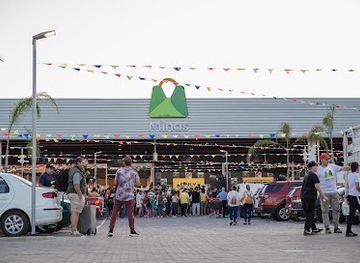
Minas Shopping Terminal
Explore Minas Shopping Terminal: Your ultimate shopping and dining experience in the heart of Lavalleja, Uruguay.
-
Store
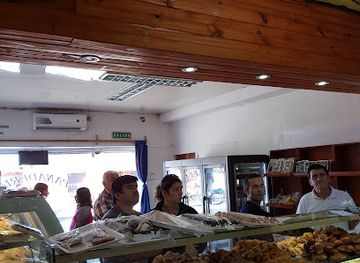
Panaderia La 60
Experience the best of Uruguayan pastries and breads at Panaderia La 60 in Pan de Azucar, where every bite tells a story.
-
Clothing store
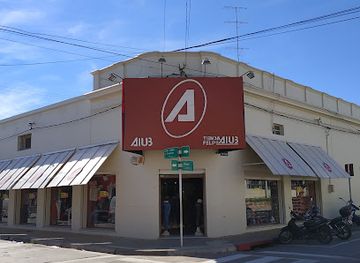
Tienda Aiub
Discover the latest fashion trends and unique styles at Tienda Aiub, the go-to clothing and shoe store in Minas, Uruguay.
-
Supermarket
ALIMARKET
Explore ALIMARKET in Pan de Azúcar: Your go-to supermarket for local flavors and international products.

Get your free copy of our complete guide to Lavalleja, delivered straight to you.
Everything on this page, from attractions and restaurants to essentials and local phrases, in one PDF you can read offline, print or share.
Already have an account? Sign in
Your Lavalleja guide is ready.
We'll send it to · Not you? Sign out

Getting your guide ready…
We are putting together a fresh copy of the Lavalleja guide. This can take up to a minute.
This can take a few moments. If your browser asks, choose Allow so the download can start. You'll find the guide in your Downloads folder.
Nothing happened? Download it again
Sorry, the guide is taking longer than usual. Please try again in a minute, or get it by email instead.
Lavalleja essentials
Currency and Payment
Safety
Emergency Situations
Do's and Don'ts
Local Tips
From Eve
Local phrases worth knowing
You don't need to get them perfect. A few words go a long way, and locals appreciate the effort.
Basics
| English | Local | Say it |
|---|---|---|
| Hello | Hola | [Ola] |
| Goodbye | Adiós | [Adios] |
| Yes | Sí | [Si] |
| No | No | [No] |
| Please/You're welcome | Por favor/De nada | [Por favor/De nada] |
| Thank you | Gracias | [Grasias] |
| Excuse me/Sorry | Perdón | [Perdon] |
| How are you? | ¿Cómo estás? | [Como estas] |
| Fine. And you? | Bien. ¿Y tú? | [Bien. Y tu] |
| Do you speak English? | ¿Hablas inglés? | [Hablas ingles] |
| I don't understand | No entiendo | [No entiendo] |
Eating & Drinking
| English | Local | Say it |
|---|---|---|
| I'd like to see the menu, please | Me gustaría ver el menú, por favor | [Me gustaria ver el menu, por favor] |
| I don't eat meat | No como carne | [No como carne] |
| Cheers! | ¡Salud! | [Salud] |
| I would like to pay, please | Me gustaría pagar, por favor | [Me gustaria pagar, por favor] |
Emergencies
| English | Local | Say it |
|---|---|---|
| Help! | ¡Ayuda! | [Ayuda] |
| Go away! | ¡Vete! | [Vete] |
| Call the Police! | ¡Llama a la policía! | [Llama a la policia] |
| Call a doctor! | ¡Llama a un médico! | [Llama a un medico] |
| I'm lost | Estoy perdido | [Estoy perdido] |
| I'm ill | Estoy enfermo | [Estoy enfermo] |
Shopping
| English | Local | Say it |
|---|---|---|
| I'd like to buy... | Me gustaría comprar... | [Me gustaria comprar] |
| I'm just looking | Solo estoy mirando | [Solo estoy mirando] |
| How much is it? | ¿Cuánto cuesta? | [Cuanto cuesta] |
| That's too expensive | Eso es muy caro | [Eso es muy caro] |
| Can you lower the price? | ¿Puedes bajar el precio? | [Puedes bajar el precio] |
Time & Numbers
| English | Local | Say it |
|---|---|---|
| What time is it? | ¿Qué hora es? | [Que hora es] |
| It's one o'clock | Es la una | [Es la una] |
| Half past (10) | Y media (10) | [Y media (10)] |
| Morning | Mañana | [Mañana] |
| Afternoon | Tarde | [Tarde] |
| Evening | Noche | [Noche] |
| Yesterday | Ayer | [Ayer] |
| Today | Hoy | [Hoy] |
| Tomorrow | Mañana | [Mañana] |
| 1 | Uno | [Uno] |
| 2 | Dos | [Dos] |
| 3 | Tres | [Tres] |
| 4 | Cuatro | [Cuatro] |
| 5 | Cinco | [Cinco] |
| 6 | Seis | [Seis] |
| 7 | Siete | [Siete] |
| 8 | Ocho | [Ocho] |
| 9 | Nueve | [Nueve] |
| 10 | Diez | [Diez] |
Transport & Directions
| English | Local | Say it |
|---|---|---|
| Where's a/the...? | ¿Dónde está un/una...? | [Donde esta un/una] |
| What's the address? | ¿Cuál es la dirección? | [Cual es la direccion] |
| Can you show me (on the map)? | ¿Puedes mostrarme (en el mapa)? | [Puedes mostrarme (en el mapa)] |
| When's the next (bus)? | ¿Cuándo pasa el próximo (autobús)? | [Cuando pasa el proximo (autobus)] |
| A ticket (to ....) | Un billete (a ....) | [Un billete (a ....)] |
History of Lavalleja
Indigenous landscapes before European settlement
Before the establishment of Minas and the modern department, southeastern Uruguay was occupied and traversed by Indigenous peoples, including Charrúa and Minuán communities. The sierras, watercourses and open grasslands were not empty wilderness but part of mobile patterns of hunting, movement and exchange. European colonisation, cattle expansion and military campaigns progressively disrupted these lifeways. The archaeological record across Uruguay includes stone tools, earthworks and other traces of earlier occupation, although individual sites require careful interpretation and protection. Lavalleja’s rocky hills and river valleys remain a reminder that its history began long before the colonial town was founded.
The founding of Minas in the eighteenth century
Minas developed in the late eighteenth century as the Spanish colonial authorities sought to consolidate settlement in the interior and organise a region associated with cattle, routes and mineral prospects. The town was founded in 1783 as Villa de la Concepción de las Minas, giving a permanent urban focus to the surrounding sierras. Its position between Montevideo and the southeastern frontier helped it function as a centre for administration, commerce and rural exchange. The regular town plan and surviving civic traditions reflect this colonial foundation, while the surrounding landscape continued to shape the settlement’s economy and identity.
The independence era and Juan Antonio Lavalleja
Lavalleja is named after Juan Antonio Lavalleja, a leading figure in Uruguay’s struggle for independence. Born in Minas in 1784, he became associated with the military and political movement that challenged Brazilian rule in the Cisplatine Province. In 1825 he was one of the leaders of the Thirty-Three Orientals, whose campaign helped set in motion the process that led to Uruguay’s independence. Although the decisive events of that movement took place across several parts of the country, Minas and the department retain a particularly strong civic connection to Lavalleja’s memory through monuments, public buildings and commemorative ceremonies.
A department shaped in the nineteenth century
Lavalleja became a department during the consolidation of Uruguay’s republican administration in the nineteenth century. Minas grew as a regional centre serving extensive rural districts, linking livestock production, small-scale agriculture, trade and public services. The hills also encouraged quarrying and interest in mineral resources, activities that contributed to the department’s economic character without transforming it into a densely industrialised region. Churches, civic buildings, town squares and older houses in Minas preserve aspects of this period, when interior departmental capitals were important nodes between the national capital and dispersed rural communities.
Railways, quarries and regional commerce
The arrival of railway connections in the late nineteenth century strengthened Minas’s relationship with Montevideo and other parts of Uruguay. Rail transport made it easier to move livestock, agricultural goods, stone and manufactured products, while also bringing visitors and new commercial links to the interior. Quarrying and the use of local stone became important expressions of the region’s geology and labour history. Although road transport later replaced the railway for most visitors, the former importance of these routes can still be understood through the department’s urban development and its reputation for rugged building materials and mountain scenery.
Villa Serrana and modern landscape design
Villa Serrana emerged in the mid-twentieth century as an ambitious retreat conceived in dialogue with the surrounding hills rather than imposed as a conventional urban grid. Architect Julio Vilamajó played a central role in its design, using low buildings, curved roads and carefully placed structures to respond to the topography. The settlement reflected a broader interest in domestic tourism, nature-based recreation and modern architecture in Uruguay. Its continuing appeal lies in the relationship between built form and landscape: cabins, viewpoints and wooded slopes create an atmosphere distinct from the older civic centre of Minas.
Rural culture and contemporary heritage
In the twentieth and twenty-first centuries, Lavalleja’s identity has increasingly combined rural production with heritage, festivals, nature tourism and short breaks from Montevideo. Events such as Minas y Abril present music, equestrian traditions and country culture, while the department’s natural areas attract walkers, photographers and visitors interested in geology and landscape. This development has not erased the region’s working countryside; livestock, small producers, local food businesses and quarrying remain part of its contemporary life. Today, Lavalleja’s appeal comes from the coexistence of an active departmental capital, historic memory and a landscape that remains central to everyday identity.
Lavalleja in Photos
Browse through our photo collection highlighting the charm and character of the destination.
Neighbouring regions of Lavalleja
The closest regions to Lavalleja, if you have time for more than one.
-

-

-

-

-


Swipe for more regions
Explore more

Explore more of Uruguay
Discover Uruguay: Rich culture, stunning beaches, and a warm, welcoming atmosphere await in this hidden gem of South America.
Explore Uruguay