

Free Beaver Travel Guide & Mobile App
Plan your Beaver trip with Evendo. Get free guides to top attractions, restaurants, hotels, and bars. Web access or download the mobile app.


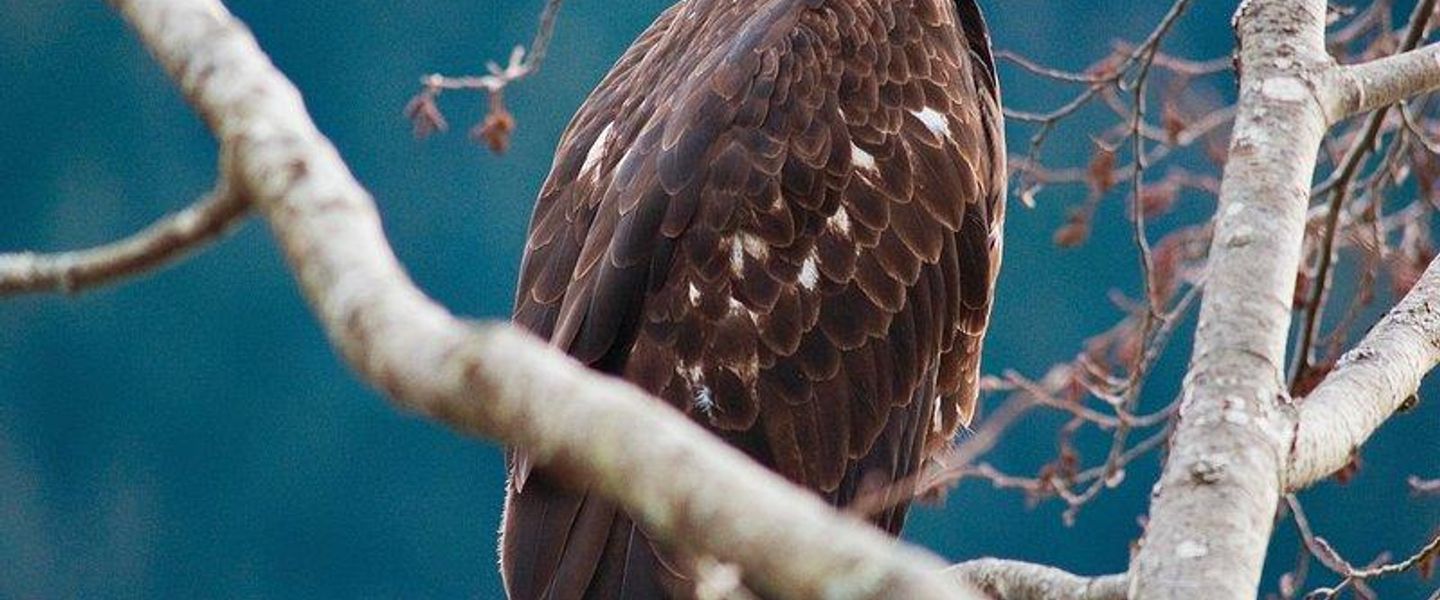


Beaver, Utah pairs pioneer heritage, historic Main Street architecture and easy access to Beaver Canyon, Eagle Point and mountain landscapes in Utah.
A Small City with a Strong Sense of Place
Beaver lies in south-western Utah, between the long escarpment of the Tushar Mountains and the open agricultural country of the Sevier Valley. Founded by Latter-day Saint settlers in the nineteenth century, it remains the seat of Beaver County and a practical stopping point beside Interstate 15. Its scale is modest, but the community has an unusually coherent historic centre, with carefully preserved homes, civic buildings and religious structures reflecting the prosperity once created by farming, livestock, milling and regional trade.Read more about Beaver
Historic Streets and Mountain Country
When is the best time to visit Beaver?
Best: May–June, September · 22–28°C| Month | High (°C) | Rainfall (mm) |
|---|---|---|
| January | 4 | 25 |
| February | 6 | 20 |
| March | 12 | 23 |
| April | 16 | 20 |
| May (best) | 22 | 18 |
| June (best) | 28 | 10 |
| July | 32 | 25 |
| August | 32 | 25 |
| September (best) | 27 | 23 |
| October | 19 | 20 |
| November | 11 | 23 |
| December | 4 | 25 |
Getting to and around Beaver
How to get there
Transportation
Best attractions in Beaver
Beaver’s principal sightseeing experience is the Beaver Historic District, where a walk along Main Street and nearby residential streets reveals brick commercial buildings, pioneer homes and public institutions from the town’s nineteenth-century growth. The Beaver LDS Tabernacle and Beaver Presbyterian Church add distinctive architectural and religious landmarks to the streetscape, while Beaver City Park provides a simple place for a pause among local residents. Outside the centre, Beaver Canyon follows the Beaver River towards the forested Tushar Mountains, with changing scenery, fishing opportunities and access to seasonal outdoor recreation. Eagle Point Resort, higher in the mountains, is the area’s best-known winter sports centre and also serves warmer-season visitors when operations and conditions permit. Minersville Reservoir, west of Beaver, extends the range of nearby activities to boating, angling and birdwatching. Cove Fort National Historic Site is a separate regional excursion north-west of town rather than a Beaver attraction itself.
-
American
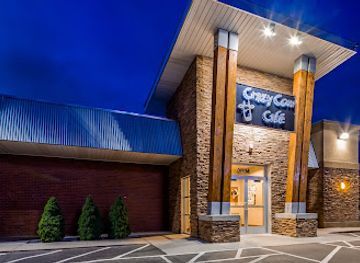
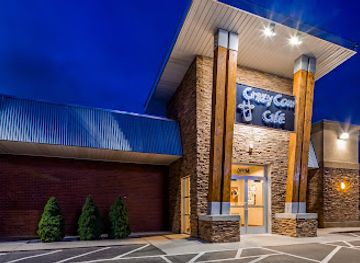
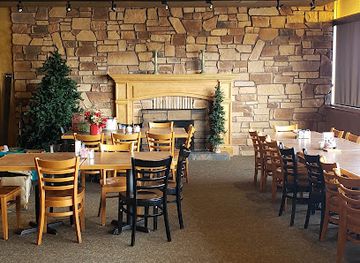
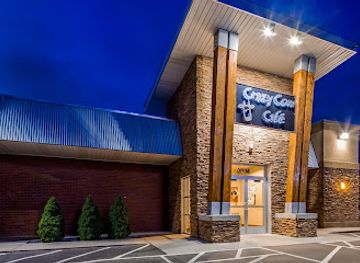
Crazy Cow Café
Discover the delightful tastes of American cuisine at Crazy Cow Café in Beaver, Utah, a perfect spot for breakfast and family dining.
6 min drive · 2.0 km from city centre
-
Campground
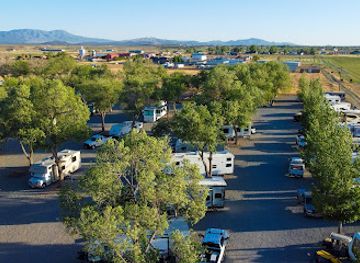
Beaver KOA Journey
Experience the serenity of Beaver KOA Journey, a premier campground in Utah offering diverse accommodations and outdoor adventures in a picturesque setting.
6 min drive · 2.0 km from city centre
-
 Campground
Beaver Canyon Campground
Discover the beauty of nature at Beaver Canyon Campground, a serene retreat in the heart of Utah's stunning landscapes.
7 min drive · 2.2 km from city centre
-
Park
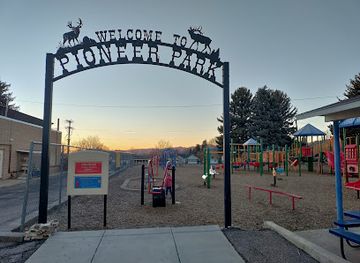
Pioneer Park
Experience the natural beauty and tranquility of Pioneer Park, a hidden gem in Beaver, Utah, perfect for relaxation and outdoor activities.
9 min walk · 0.7 km from city centre
Best landmarks in Beaver
Beaver’s landmarks are closely tied to the town’s development as a nineteenth-century county and religious centre. The Beaver LDS Tabernacle is the most prominent surviving Latter-day Saint monument, while the Beaver Presbyterian Church records the presence of a different Protestant congregation within the early settlement. Together with the Beaver City Hall and other civic structures, they give the historic centre a distinctive institutional character. The Beaver Historic District is significant as a collection rather than a single monument: homes, commercial premises and public buildings together show how prosperity, faith and local government shaped the town’s streets. The surrounding Tushar Mountains are also part of Beaver’s visual identity, rising east of the valley and explaining the importance of water, timber, recreation and mountain routes to the community’s history.
-
Cheese shop
The Creamery
Explore the flavors of Beaver, Utah at The Creamery, your go-to destination for artisanal cheeses, fresh local produce, and delightful ice cream.
11 min walk · 0.9 km from city centre
-
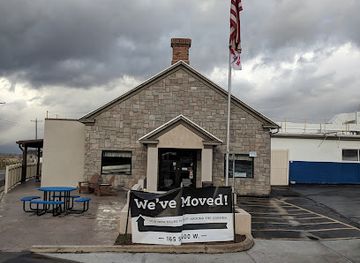
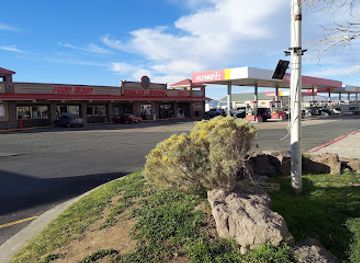
Truck stop
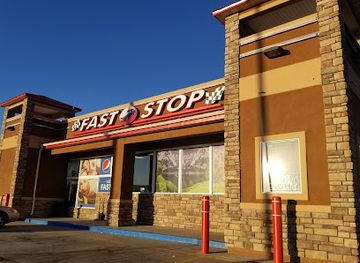
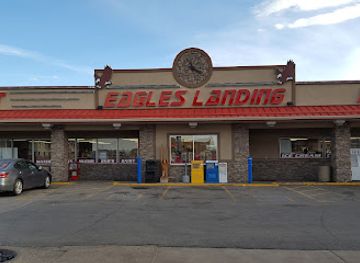
Flying J Dealer--Eagle's Landing Travel Plaza
Discover convenience and comfort at Eagle's Landing Travel Plaza, a premier truck stop in Beaver, Utah, perfect for travelers seeking rest and refreshment.
6 min drive · 2.1 km from city centre
-
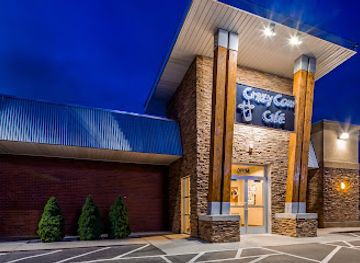
American
Crazy Cow Café
Discover Crazy Cow Café: A delightful American eatery in Beaver, Utah, perfect for breakfast lovers and families seeking a cozy dining experience.
6 min drive · 2.0 km from city centre
-
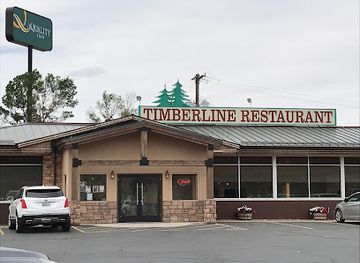
American
Timberline Restaurant
Experience delicious American cuisine in a cozy setting at Timberline Restaurant, a must-visit dining spot in Beaver, Utah.
10 min drive · 3.2 km from city centre
Explore Beaver on the map
Plan your Beaver trip on one map. See where the top attractions, landmarks, restaurants, bars and hotels are, find what's near where you're staying, and book hotels and experiences in a few clicks.
Best hotels in Beaver
Best restaurants in Beaver
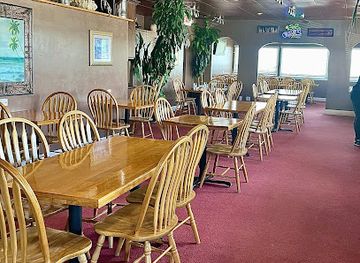
Beaver’s dining scene reflects its role as a small agricultural and highway community rather than a restaurant destination built around fine dining. Travellers find practical choices concentrated around the town centre and the Interstate 15 interchange, including cafés, diners, family restaurants, takeaway food and familiar American road-trip fare. Menus commonly draw on the broader Utah and American West tradition of burgers, steaks, sandwiches, breakfast dishes and hearty portions, with Mexican-American food also part of the everyday regional landscape. Groceries, petrol-station stores and simple picnic supplies are useful for visitors heading into Beaver Canyon or towards the Tushars. Local dining is generally informal, and opening patterns can be shaped by season, staffing and the day of the week, so evening options may be more limited than in nearby regional cities.
-
Mexican
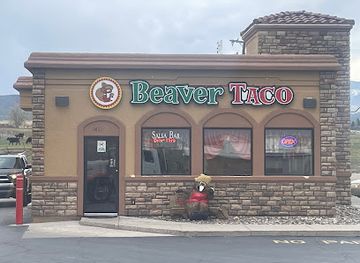
Beaver Taco
Experience the vibrant flavors of Mexico at Beaver Taco, where every bite brings joy and satisfaction amidst the scenic beauty of Utah.
9 min drive · 2.9 km from city centre
-
American
Crazy Cow Café
Discover the heart of Beaver at Crazy Cow Café – your go-to spot for delicious American breakfasts and cozy family dining.
6 min drive · 2.0 km from city centre
-
American
Timberline Restaurant
Discover Timberline Restaurant in Beaver, UT - your go-to spot for classic American cuisine served with warmth and hospitality.
10 min drive · 3.2 km from city centre
-
American
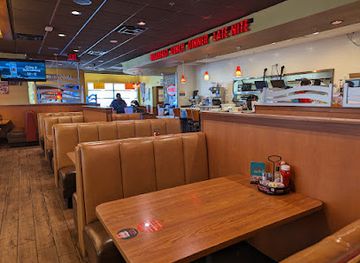
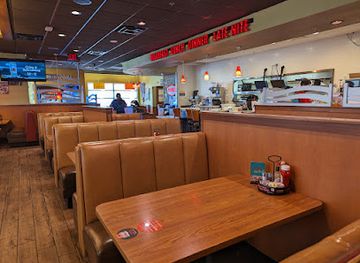
Denny's
Discover comfort food at Denny's in Beaver, Utah – an iconic American diner known for its welcoming atmosphere and diverse menu options.
7 min drive · 2.2 km from city centre
Best bars in Beaver
Beaver has a restrained evening scene shaped by its small population, rural setting and status as a highway stop. Evenings are more likely to centre on informal meals, conversation and community life than on dedicated nightclubs or a late-running entertainment district. Travellers may find drinks served in some restaurants or accommodation settings, but should not expect a concentrated bar quarter, rooftop venues or a broad programme of live music. The town’s most distinctive after-dark experiences are often outdoors: clear skies and low levels of urban glare make the surrounding mountains and open valley suitable for quiet stargazing when weather permits. Visitors heading to Eagle Point or other mountain areas should plan around seasonal road conditions and the limited services available after leaving town.
-
Mexican
Beaver Taco
Discover the vibrant flavors of Mexico at Beaver Taco, your go-to spot for delicious tacos and authentic Mexican dishes in Beaver, Utah.
9 min drive · 2.9 km from city centre
-
American
Crazy Cow Café
Discover the flavors of America at Crazy Cow Café, where hearty breakfasts and friendly service create the perfect dining experience in Beaver, Utah.
6 min drive · 2.0 km from city centre
-
American
Timberline Restaurant
Experience the best of American comfort food at Timberline Restaurant in Beaver, Utah, where every meal is a delicious adventure.
10 min drive · 3.2 km from city centre
-
American
Denny's
Savor classic American comfort food at Denny's in Beaver, Utah, a diner where breakfast is served all day and flavor meets affordability.
7 min drive · 2.2 km from city centre

Best nightclubs in Beaver
Beaver has a restrained evening scene shaped by its small population, rural setting and status as a highway stop. Evenings are more likely to centre on informal meals, conversation and community life than on dedicated nightclubs or a late-running entertainment district. Travellers may find drinks served in some restaurants or accommodation settings, but should not expect a concentrated bar quarter, rooftop venues or a broad programme of live music. The town’s most distinctive after-dark experiences are often outdoors: clear skies and low levels of urban glare make the surrounding mountains and open valley suitable for quiet stargazing when weather permits. Visitors heading to Eagle Point or other mountain areas should plan around seasonal road conditions and the limited services available after leaving town.
-
American
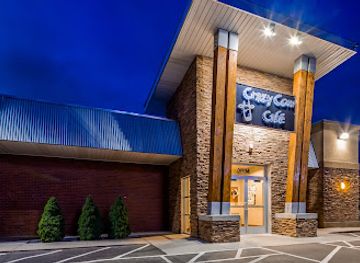
Crazy Cow Café
Experience the heart of American dining at Crazy Cow Café, Beaver's favorite spot for hearty breakfasts and family-friendly meals.
6 min drive · 2.0 km from city centre
-
Mexican
Kan Kun Mexican Restaurant
Experience the vibrant essence of Mexican cuisine at Kan Kun Mexican Restaurant in Beaver, UT, where authentic flavors and a warm atmosphere await.
9 min drive · 3.0 km from city centre
-
Fast Food
Wendy's
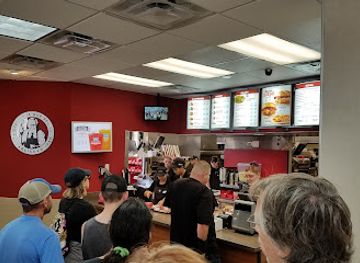
Experience the taste of fresh burgers and fries at Wendy's in Beaver, Utah, the perfect stop for travelers seeking delicious fast food.
6 min drive · 2.1 km from city centre
-
Motel
Motel 6 Beaver, UT
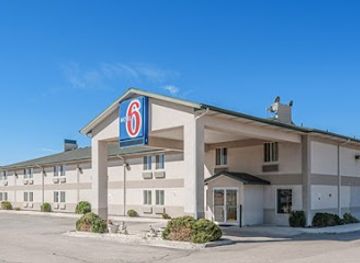
Discover affordable comfort and convenience at Motel 6 Beaver, UT, your perfect base for exploring Utah's stunning landscapes and attractions.
6 min drive · 1.8 km from city centre
Best shops in Beaver
Shopping in Beaver is practical and locally oriented, with everyday services, groceries, fuel stops and small businesses concentrated around the town centre and highway approaches. Main Street is the most informative area for visitors interested in the character of an older county town, although it should not be mistaken for a large specialist retail district. Travellers may find regional food supplies, outdoor necessities and locally useful goods rather than a broad selection of dedicated souvenir shops or designer boutiques. The surrounding area’s agricultural and mountain identity is reflected in provisions for fishing, camping, skiing and road travel. For distinctive Utah crafts, antiques or a wider range of independent retailers, visitors may need to look to larger towns elsewhere in southern Utah. Historic buildings and streets themselves provide the strongest sense of Beaver’s local commercial heritage.
-
Cheese shop
The Creamery
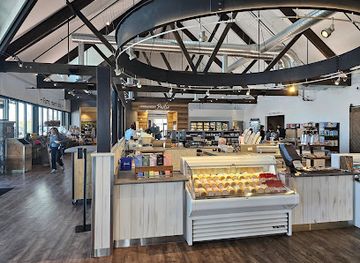
Discover The Creamery in Beaver, Utah, where delicious cheese and homemade ice cream come together for an unforgettable culinary experience.
11 min walk · 0.9 km from city centre
-
Truck stop
Flying J Dealer--Eagle's Landing Travel Plaza
Discover comfort and convenience at Eagle's Landing Travel Plaza, the perfect stop for all travelers in Beaver, Utah.
6 min drive · 2.1 km from city centre
-
Coffee shop
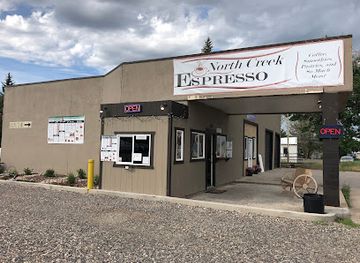
North Creek Espresso
Experience the heart of Beaver, Utah at North Creek Espresso, where every cup of coffee is a journey and every pastry is a delight.
10 min walk · 0.8 km from city centre
-
Grocery store
Mike's Food Town
Discover the vibrant flavors of Beaver, Utah at Mike's Food Town, your go-to grocery store for fresh produce and local delicacies.
1 min walk · 0.1 km from city centre
Get your free copy of our complete guide to Beaver, delivered straight to you.
Everything on this page, from attractions and restaurants to essentials and local phrases, in one PDF you can read offline, print or share.
Already have an account? Sign in
Your Beaver guide is ready.
We'll send it to · Not you? Sign out

Getting your guide ready…
We are putting together a fresh copy of the Beaver guide. This can take up to a minute.
This can take a few moments. If your browser asks, choose Allow so the download can start. You'll find the guide in your Downloads folder.
Nothing happened? Download it again
Sorry, the guide is taking longer than usual. Please try again in a minute, or get it by email instead.
Beaver essentials
Currency and Payment
Safety
Emergency Situations
Do's and Don'ts
Local Tips
From Eve
Local phrases worth knowing
You don't need to get them perfect. A few words go a long way, and locals appreciate the effort.
Basics
| English | Local | Say it |
|---|---|---|
| Hello | Howdy | [haw-dee] |
| Goodbye | See ya | [see-yuh] |
| Yes | Yup | [yuhp] |
| No | Nah | [nah] |
| Please/You're welcome | Please/Welcome | [pleez/wel-kum] |
| Thank you | Thanks | [thanks] |
| Excuse me/Sorry | Pardon me/My bad | [par-dn mee/my bad] |
| How are you? | Howdy y'all doin'? | [haw-dee yall doo-in] |
| Fine. And you? | Dandy. You? | [dan-dee. yu] |
| Do you speak English? | Ya speak English? | [yah speak ing-glish] |
| I don't understand | I reckon I don't get it | [I wreck-in I don't get it] |
Eating & Drinking
| English | Local | Say it |
|---|---|---|
| I'd like to see the menu, please | Can I take a gander at the menu, please | [kan I take uh gan-der at the menu, please] |
| I don't eat meat | I don't eat no meat | [I don't eat no meat] |
| Cheers! | Here's to ya! | [heers to yuh] |
| I would like to pay, please | I reckon I'll settle up, please | [I wreck-in I'll set-ul up, please] |
Emergencies
| English | Local | Say it |
|---|---|---|
| Help! | S.O.S! | [S.O.S!] |
| Go away! | Git! | [git] |
| Call the Police! | Ring up the Sheriff! | [Ring up the Sheriff!] |
| Call a doctor! | Fetch the doc! | [Fetch the doc!] |
| I'm lost | I done gone astray | [I done gone uh-stray] |
| I'm ill | I'm feelin' poorly | [I'm feelin' poor-ly] |
Shopping
| English | Local | Say it |
|---|---|---|
| I'd like to buy... | I'm fixin' to buy... | [I'm fix-in to buy] |
| I'm just looking | I'm just browsin' | [I'm just brow-sin] |
| How much is it? | How much fer that? | [How much fur that] |
| That's too expensive | That's a mite pricey | [That's uh mite prah-sy] |
| Can you lower the price? | Can ya come down on the price? | [Can yuh cum down on the price] |
Time & Numbers
| English | Local | Say it |
|---|---|---|
| What time is it? | What's the hour? | [What's the hour?] |
| It's one o'clock | It's one | [It's one] |
| Half past (10) | Half past ten | [Half past ten] |
| Morning | Mornin' | [Mornin'] |
| Afternoon | Afternoon | [Afternoon] |
| Evening | Evenin' | [Evenin'] |
| Yesterday | Yest'day | [Yest'day] |
| Today | Today | [Today] |
| Tomorrow | Tomorrow | [Tomorrow] |
| 1 | One | [One] |
| 2 | Two | [Two] |
| 3 | Three | [Three] |
| 4 | Four | [Four] |
| 5 | Five | [Five] |
| 6 | Six | [Six] |
| 7 | Seven | [Seven] |
| 8 | Eight | [Eight] |
| 9 | Nine | [Nine] |
| 10 | Ten | [Ten] |
Transport & Directions
| English | Local | Say it |
|---|---|---|
| Where's a/the...? | Where's the... | [Where's the...] |
| What's the address? | What's the addy? | [What's the addy?] |
| Can you show me (on the map)? | Can ya point it out (on the map)? | [Can yuh point it out (on the map)?] |
| When's the next (bus)? | When's the next (bus)? | [When's the next (bus)?] |
| A ticket (to ....) | A pass (to ....) | [A pass (to ....)] |
History of Beaver
Settlement in the Beaver Valley
The Beaver Valley had long been used by Indigenous peoples before Latter-day Saint settlers established a permanent community in 1856 under the direction of Brigham Young’s territorial colonisation programme. The settlement took its name from the Beaver River, itself associated with the region’s beaver population. Water from the river supported irrigation, while the surrounding valley provided pasture and farmland. Beaver was positioned within a wider network of Mormon settlements linking northern and southern Utah, and its early growth depended on agriculture, livestock, local trade and the practical skills needed to build a self-sufficient frontier town.
Farming, Mills and Early Industry
During the later nineteenth century, Beaver developed beyond a small agricultural outpost. Irrigation made the valley productive, and mills and workshops processed local resources and supplied neighbouring settlements. Livestock raising, dairying and farming remained central to the economy, while commercial buildings along Main Street served travellers and residents. The Tushar Mountains also contributed timber, minerals and water resources, although Beaver’s development was never dominated by a large industrial complex. Many of the town’s surviving brick homes and institutional buildings date from this period of expanding prosperity, when local families invested in durable architecture and civic improvements.
Religious and Civic Institutions
Beaver’s nineteenth-century identity was shaped by institutions as much as by commerce. The Latter-day Saint community built the Beaver LDS Tabernacle, while the Beaver Presbyterian Church represents the presence of another Protestant tradition in the town. Schools, civic offices and county administration reinforced Beaver’s role as the region’s principal settlement. These buildings were not isolated monuments: they formed part of an organised community in which religion, education, local government and mutual aid influenced daily life. The town’s historic district preserves this relationship between private residences, public buildings and places of worship.
Railways, Roads and Regional Connections
Improved transport altered Beaver’s relationship with the rest of Utah. The arrival of rail connections in the wider region and the later development of automobile highways strengthened the town’s role as a service and trading centre for rural Beaver County. Main Street commerce increasingly catered to motorists as well as local residents, while the routes through the valley connected Beaver with Cedar City, central Utah and communities to the north. Interstate 15 eventually bypassed much of the traditional through traffic, but it also made Beaver accessible to long-distance travellers and helped sustain its position as a convenient southern Utah stop.
Preserving a County Town
Modern Beaver remains closely connected to agriculture, county administration, transport and recreation in the Tushar Mountains. Its historic buildings provide a visible record of settlement and regional development, while surrounding attractions such as Beaver Canyon and Eagle Point have broadened the local economy towards outdoor recreation. Preservation efforts have helped retain the Beaver Historic District and its collection of domestic, religious and civic architecture. The result is a town where pioneer-era town planning and contemporary highway travel coexist, with the historic centre still embedded in an active community rather than separated from everyday life.
Beaver in Photos
Browse through our photo collection highlighting the charm and character of the destination.
Cities near Beaver
The closest cities to Beaver, if you have time for more than one stop.
-

-
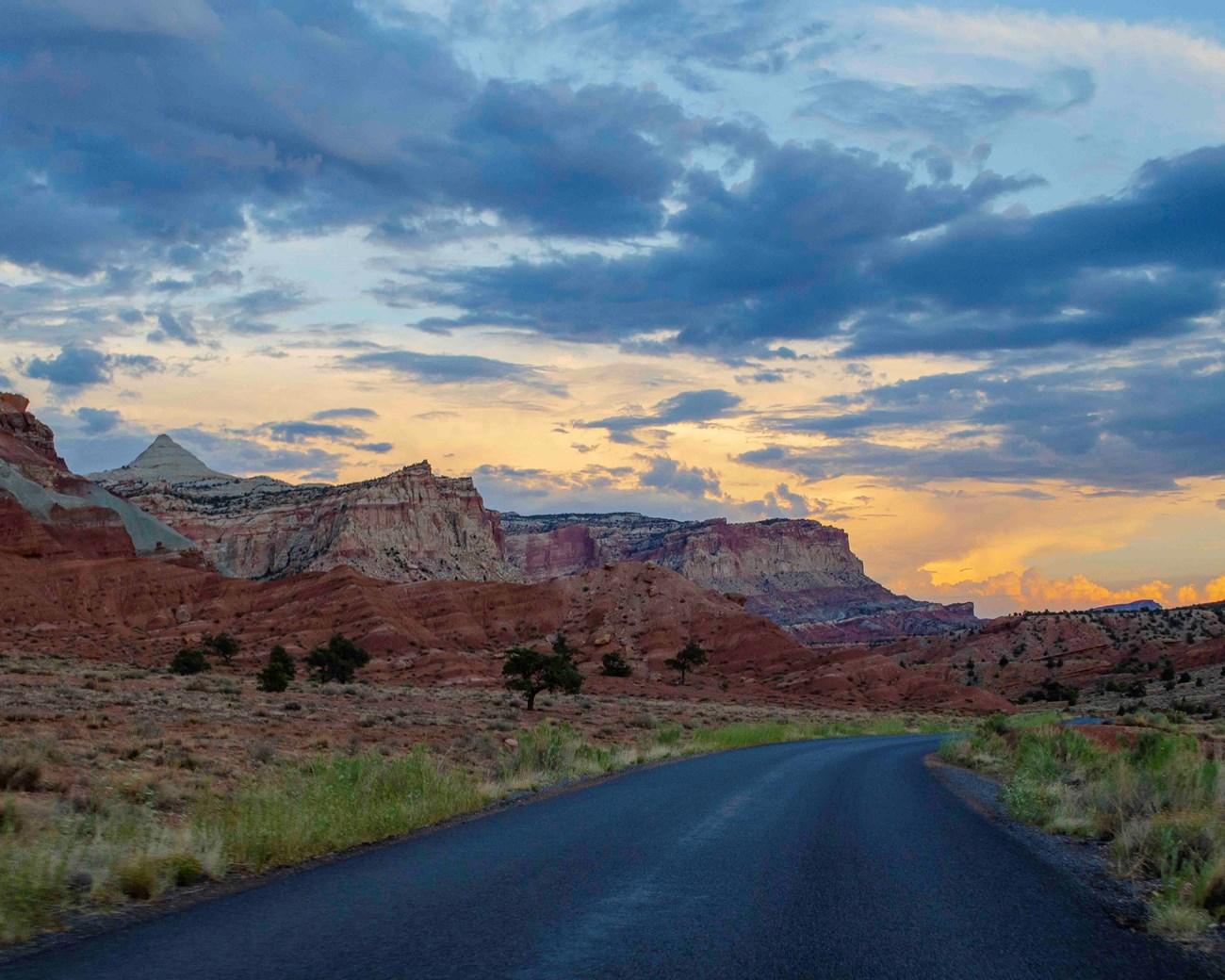 Richfield
Discover Richfield, Utah: Your gateway to breathtaking landscapes, small-town charm, and year-round festivities in the heart of Utah.
1 h 33 min drive · 73 km from city centre
Richfield
Discover Richfield, Utah: Your gateway to breathtaking landscapes, small-town charm, and year-round festivities in the heart of Utah.
1 h 33 min drive · 73 km from city centre
-

-

-
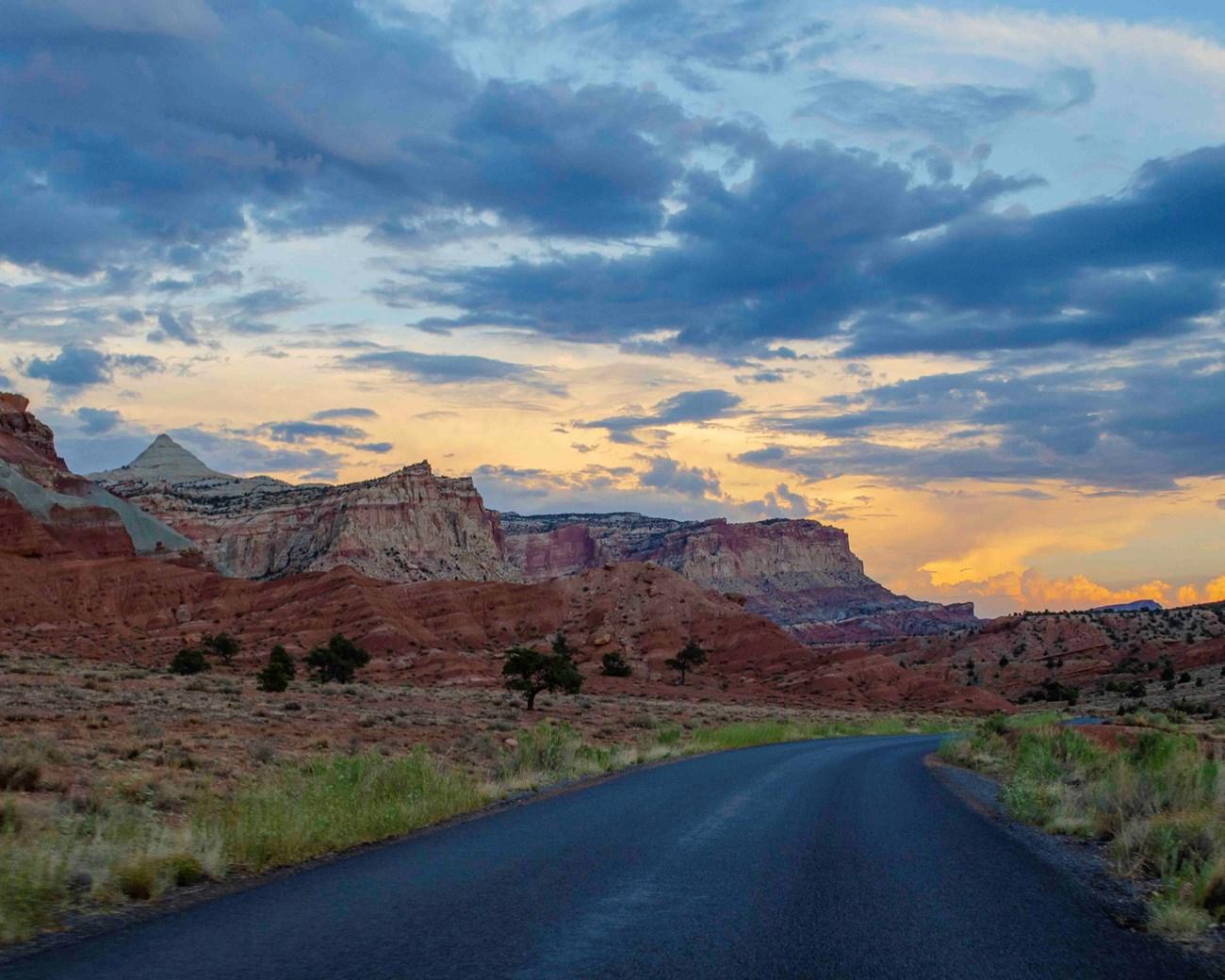 Torrey
, Utah, pairs a welcoming high-desert town with Capitol Reef scenery, red-rock hikes, Scenic Byway 12, dark skies and memorable outdoor adventures.
2 h 7 min drive · 107 km from city centre
Torrey
Torrey, Utah, pairs a welcoming high-desert town with Capitol Reef scenery, red-rock hikes, Scenic Byway 12, dark skies and memorable outdoor adventures.
2 h 7 min drive · 107 km from city centre


Swipe for more cities
Explore more

Explore more of Utah
Explore Utah's stunning national parks, rich cultural heritage, and year-round outdoor adventures. Discover why this diverse state is a top destination for travelers.
Explore Utah