

Free Panguitch Travel Guide & Mobile App
Plan your Panguitch trip with Evendo. Get free guides to top attractions, restaurants, hotels, and bars. Web access or download the mobile app.


Panguitch, Utah offers red-rock scenery, pioneer history and easy access to Bryce Canyon, Red Canyon, Panguitch Lake and Scenic Byway 12.
A High Plateau Town
Panguitch sits in southern Utah’s high country, where open sagebrush, meadows and forested mountains surround a compact community on the western side of the Paunsaugunt Plateau. As the county seat of Garfield County, it serves as a practical base for exploring a region better known for its landscapes than for urban attractions. The town’s name is commonly traced to a Southern Paiute word associated with big fish, reflecting the enduring importance of Panguitch Lake and the area’s waterways.Read more about Panguitch
Brick Buildings and Pioneer Memory
Gateway to Southern Utah Landscapes
When is the best time to visit Panguitch?
Best: May–June, September · 22–27°C| Month | High (°C) | Rainfall (mm) |
|---|---|---|
| January | 5 | 29 |
| February | 7 | 28 |
| March | 12 | 30 |
| April | 16 | 21 |
| May (best) | 22 | 19 |
| June (best) | 27 | 12 |
| July | 32 | 21 |
| August | 30 | 22 |
| September (best) | 25 | 19 |
| October | 17 | 23 |
| November | 9 | 25 |
| December | 5 | 29 |
Getting to and around Panguitch
How to get there
Transportation
Best attractions in Panguitch
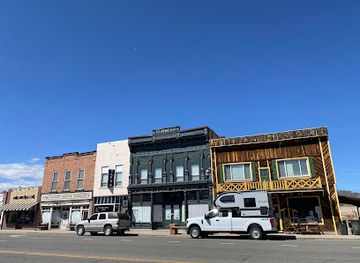
Panguitch’s attractions are modest in scale but strongly connected to its setting and history. Main Street and the Panguitch Historic District offer an easy introduction to the town’s red-brick commercial architecture, pioneer-era layout and role as Garfield County’s seat. Panguitch City Heritage Park provides space for local remembrance and community events, while the surrounding high country supplies the larger visual drama. Panguitch Lake, outside town in the Dixie National Forest, is associated with fishing, boating and summer recreation, and nearby Red Canyon presents a concentrated display of Utah’s red-rock formations. Bryce Canyon National Park is a separate regional excursion rather than a Panguitch attraction, but its proximity makes the town a useful base for exploring the amphitheatre’s hoodoos. Scenic Byway 12 and the plateau roads add viewpoints, forest landscapes and changing light across the year, with winter conditions offering a very different experience from the busy warmer months.
-
Tourist attraction
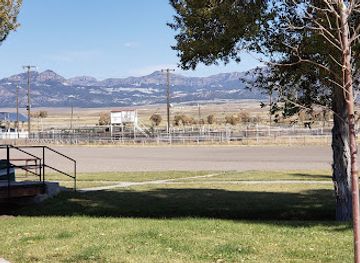
Panguitch City Park
Explore the natural beauty and community spirit at Panguitch City Park, a serene escape in the heart of Utah.
17 min walk · 1.4 km from city centre
-
Tourist attraction
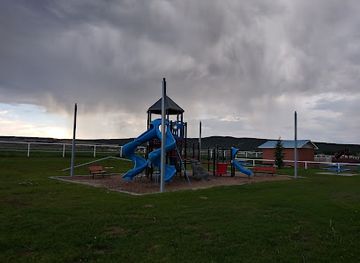
Panguitch Park
Explore the natural beauty and recreational delights of Panguitch Park, a serene escape in Utah perfect for families and outdoor enthusiasts.
13 min walk · 1.1 km from city centre
-
City park
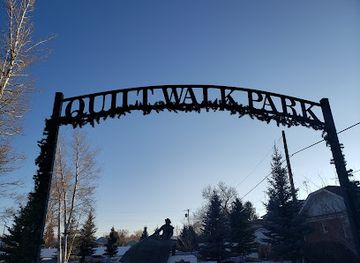
Quilt Walk Park
Experience the beauty and creativity of Quilt Walk Park, a serene escape in Panguitch, Utah, showcasing the region's rich quilting heritage.
1 min walk · 0.1 km from city centre
-
Park
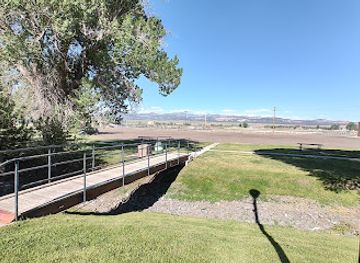
Mormon Pioneer Heritage
Immerse yourself in history at the Mormon Pioneer Heritage Park, where nature and cultural heritage converge in beautiful Panguitch, Utah.
16 min walk · 1.3 km from city centre
Best landmarks in Panguitch
Panguitch’s principal landmarks are civic and historic rather than monumental. The Panguitch Historic District preserves a concentration of older homes, shops and public buildings that illustrate the town’s nineteenth- and early twentieth-century development in red brick. The Panguitch Tabernacle is an important religious and community building, reflecting the central role of Latter-day Saint institutions in the settlement’s history. The Garfield County Courthouse represents Panguitch’s continuing administrative importance as the county seat, while the older Main Street façades show how trade and local government shaped the town’s compact centre. Panguitch City Heritage Park adds a commemorative dimension, connecting public space with community memory. Beyond the town, Panguitch Lake and the red cliffs of nearby Red Canyon are landscape landmarks rather than urban monuments, linking the city’s identity to the high plateau, forest and eroded sandstone country that surrounds it.
-
Barbecue
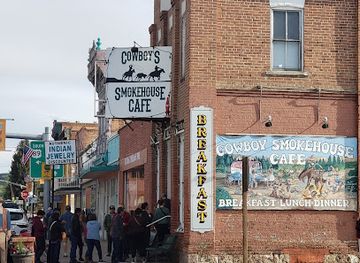
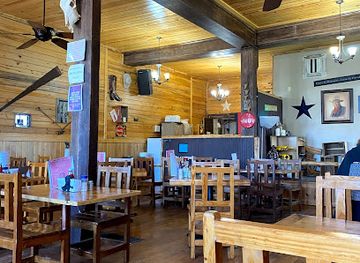
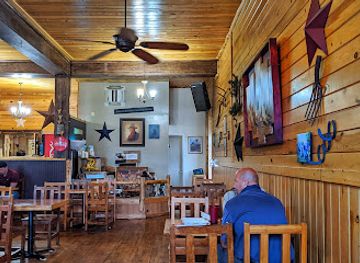
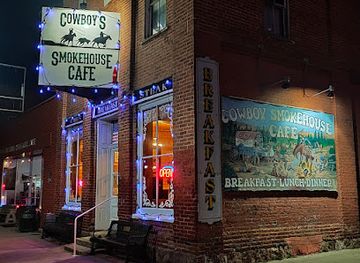
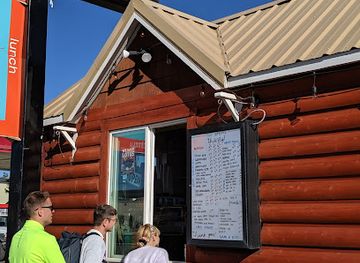
Cowboy's Smokehouse Cafe/Steakhouse
Experience authentic barbecue and mouthwatering steaks at Cowboy's Smokehouse Cafe, a culinary treasure in Panguitch, Utah.
2 min walk · 0.1 km from city centre
-
Fast Food
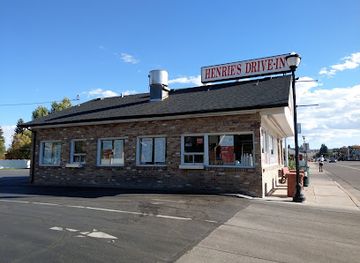
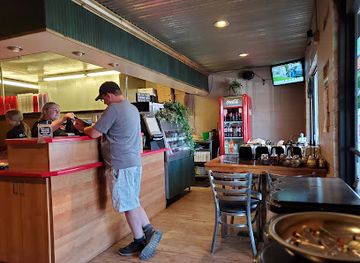
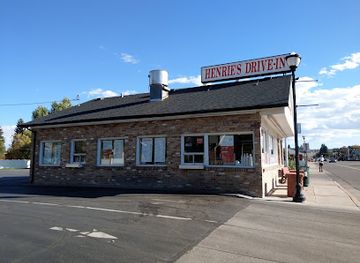
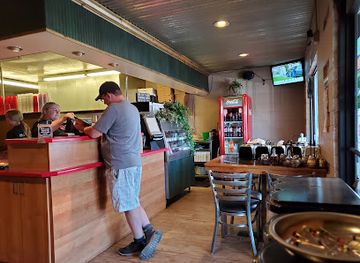
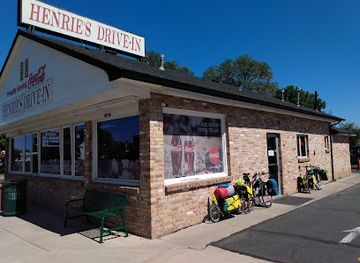
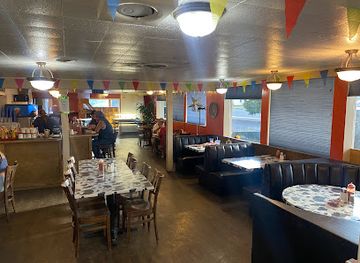
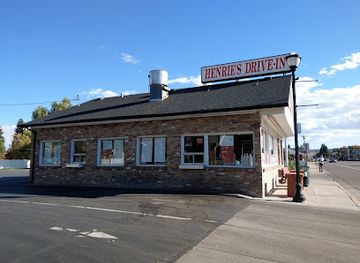
Henrie's Drive In
Experience the nostalgic charm of Henrie's Drive In in Panguitch, Utah, where classic American fast food meets friendly service in a cozy atmosphere.
3 min walk · 0.2 km from city centre
-
Espresso bar
Wanderlust Cowgirl Coffee
Discover the charm of Wanderlust Cowgirl Coffee in Panguitch - your go-to spot for artisanal coffee, delicious pastries, and a taste of local culture.
11 min walk · 0.9 km from city centre
-
Park
Panguitch City Park
Explore the natural beauty and recreational charm of Panguitch City Park, a perfect getaway for families and nature enthusiasts in Utah.
17 min walk · 1.4 km from city centre
Explore Panguitch on the map
Plan your Panguitch trip on one map. See where the top attractions, landmarks, restaurants, bars and hotels are, find what's near where you're staying, and book hotels and experiences in a few clicks.
Best hotels in Panguitch
Best restaurants in Panguitch
Panguitch’s dining scene reflects its role as a small high-country service town, with casual restaurants, cafés and practical places to eat rather than a large concentration of destination dining. Menus in southern Utah commonly draw on American comfort food, burgers, steaks, sandwiches, breakfast cooking and dishes suited to travellers heading into the parks or forests. Around Main Street, independent businesses provide a more personal atmosphere than chain-heavy roadside development, while provisions for picnics and self-catering are useful for days at Bryce Canyon, Red Canyon or Panguitch Lake. Early pioneer agriculture and ranching remain part of the area’s cultural backdrop, although visitors should not expect a single signature cuisine comparable with a major urban food destination. Dining options may be more limited outside peak travel periods, so planning meals around driving distances is sensible, particularly when exploring remote sections of Garfield County.
-
Barbecue
Cowboy's Smokehouse Cafe/Steakhouse
Savor authentic barbecue and steak at Cowboy's Smokehouse Cafe in Panguitch – where every bite tells a story.
2 min walk · 0.1 km from city centre
-
Pizza
C Stop Pizza
Discover C Stop Pizza in Panguitch – where delicious pizza meets affordability amidst Utah's scenic beauty.
10 min walk · 0.8 km from city centre
-
Fast Food
Henrie's Drive In
Experience classic American fast food at Henrie's Drive In in Panguitch, Utah – where nostalgia meets flavor.
3 min walk · 0.2 km from city centre
-
Restaurant
Desert Grill
Experience the flavors of America at Desert Grill in Panguitch – where hearty meals meet warm hospitality.
12 min walk · 1.0 km from city centre

Best bars in Panguitch
Panguitch has a quiet evening scene shaped by its small population, rural setting and proximity to outdoor attractions rather than by nightclubs or late-night entertainment districts. Evenings are more likely to centre on a casual restaurant, a modest local gathering place or accommodation with views of the dark plateau skies. Main Street becomes subdued after ordinary business hours, and organised nightlife is limited compared with larger Utah cities. Visitors seeking cultural entertainment may find seasonal community events or local programmes, but availability changes and should be checked locally. The surrounding countryside offers a different kind of after-dark experience: clear nights can be excellent for stargazing, provided visitors use established sites, respect private land and prepare for rapid drops in temperature. Alcohol service and consumption follow Utah law and individual venue policies.
-
Barbecue
Cowboy's Smokehouse Cafe/Steakhouse
Experience the best of barbecue and steak at Cowboy's Smokehouse Cafe in Panguitch, Utah - a must-visit for every food enthusiast!
2 min walk · 0.1 km from city centre
-
Pizza
C Stop Pizza
Experience mouthwatering pizza and authentic Italian dishes at C Stop Pizza in Panguitch, a must-visit for every traveler.
10 min walk · 0.8 km from city centre
-
Fast Food
Henrie's Drive In
Experience the nostalgia and flavor of classic American fast food at Henrie's Drive In in Panguitch, Utah.
3 min walk · 0.2 km from city centre
-
Restaurant
Desert Grill
Experience the best of Panguitch dining at Desert Grill, where local flavors meet warm hospitality in a cozy atmosphere.
12 min walk · 1.0 km from city centre
Best nightclubs in Panguitch
Panguitch has a quiet evening scene shaped by its small population, rural setting and proximity to outdoor attractions rather than by nightclubs or late-night entertainment districts. Evenings are more likely to centre on a casual restaurant, a modest local gathering place or accommodation with views of the dark plateau skies. Main Street becomes subdued after ordinary business hours, and organised nightlife is limited compared with larger Utah cities. Visitors seeking cultural entertainment may find seasonal community events or local programmes, but availability changes and should be checked locally. The surrounding countryside offers a different kind of after-dark experience: clear nights can be excellent for stargazing, provided visitors use established sites, respect private land and prepare for rapid drops in temperature. Alcohol service and consumption follow Utah law and individual venue policies.
-
Barbecue
Cowboy's Smokehouse Cafe/Steakhouse
Indulge in authentic barbecue delights and hearty steaks at Cowboy's Smokehouse Cafe/Steakhouse in Panguitch, Utah, perfect for adventurous food lovers.
2 min walk · 0.1 km from city centre
-
Fast Food
Henrie's Drive In
Experience a classic American drive-in with delicious fast food and a welcoming atmosphere in Panguitch, Utah.
3 min walk · 0.2 km from city centre
-
Espresso bar
Wanderlust Cowgirl Coffee
Experience the heart of Panguitch at Wanderlust Cowgirl Coffee, where delicious brews and baked treats await in a cozy, inviting atmosphere.
11 min walk · 0.9 km from city centre
-
Restaurant
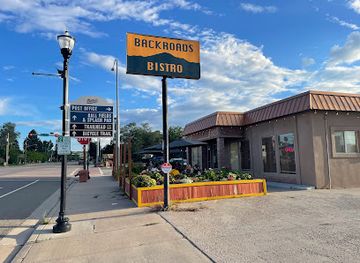
Backroads Bistro
Discover the flavors of Utah at Backroads Bistro, a charming restaurant in Panguitch offering delightful culinary experiences.
2 min walk · 0.2 km from city centre
Best shops in Panguitch
Shopping in Panguitch is oriented towards local necessities, travel supplies and small-town businesses rather than extensive retail districts. Main Street is the natural place to browse independent shops and pick up practical provisions before travelling into the national parks or Dixie National Forest. Visitors may find locally themed souvenirs, regional food items, outdoor supplies and crafts associated with southern Utah, though stock and opening patterns can be seasonal. The town is not a major centre for luxury retail, antiques or large-scale shopping, and many travellers use it for essentials rather than a dedicated shopping itinerary. Local shops and community events can nevertheless provide a more direct connection with the area’s ranching, pioneer and outdoor culture than generic roadside outlets. For specialised equipment or a wider choice of goods, larger regional towns may offer more extensive services.
-
Espresso bar
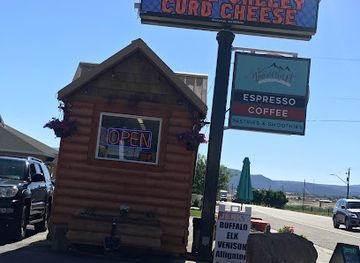
Wanderlust Cowgirl Coffee
Discover the cozy charm of Wanderlust Cowgirl Coffee, Panguitch's beloved espresso bar offering fresh brews and baked delights amidst scenic Utah.
11 min walk · 0.9 km from city centre
-
Grocery store
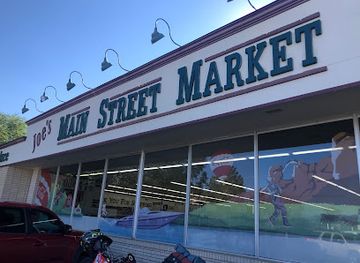
Joe's Main Street Market
Discover local flavors and essential supplies at Joe's Main Street Market in Panguitch, Utah – your one-stop shop for groceries and gas.
3 min walk · 0.2 km from city centre
-
Movie theater
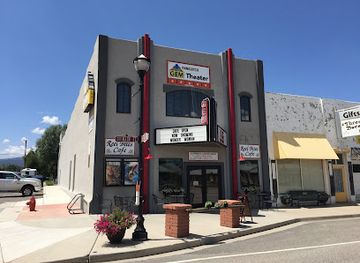
Panguitch Gem Theater
Experience the unique blend of cinema, cuisine, and local craftsmanship at Panguitch Gem Theater, a delightful gem in Utah's heart.
2 min walk · 0.2 km from city centre
-
Restaurant
the Flying Goat
Discover the delicious flavors of The Flying Goat, a beloved café in Panguitch, Utah, offering homemade meals, fresh coffee, and delightful pastries.
2 min walk · 0.2 km from city centre
Get your free copy of our complete guide to Panguitch, delivered straight to you.
Everything on this page, from attractions and restaurants to essentials and local phrases, in one PDF you can read offline, print or share.
Already have an account? Sign in
Your Panguitch guide is ready.
We'll send it to · Not you? Sign out

Getting your guide ready…
We are putting together a fresh copy of the Panguitch guide. This can take up to a minute.
This can take a few moments. If your browser asks, choose Allow so the download can start. You'll find the guide in your Downloads folder.
Nothing happened? Download it again
Sorry, the guide is taking longer than usual. Please try again in a minute, or get it by email instead.
Panguitch essentials
Currency and Payment
Safety
Emergency Situations
Do's and Don'ts
Local Tips
From Eve
Local phrases worth knowing
You don't need to get them perfect. A few words go a long way, and locals appreciate the effort.
Basics
| English | Local | Say it |
|---|---|---|
| Hello | Howdy | [haʊ-di] |
| Goodbye | See ya | [siː jə] |
| Yes | Yup | [jʌp] |
| No | Nope | [noʊp] |
| Please/You're welcome | Please/Welcome | [pliːz/wɛlkəm] |
| Thank you | Thanks | [θæŋks] |
| Excuse me/Sorry | Pardon me/Sorry | [pɑːrdən mi/sɔri] |
| How are you? | Howdy, how are ya? | [haʊ-di, haʊ ɑr jə] |
| Fine. And you? | Jus' fine. How 'bout you? | [dʒʌs faɪn. haʊ baʊt jə] |
| Do you speak English? | Ya speak English? | [jə spiːk ɪŋɡlɪʃ] |
| I don't understand | I don't get ya | [aɪ doʊnt ɡɛt jə] |
Eating & Drinking
| English | Local | Say it |
|---|---|---|
| I'd like to see the menu, please | Can I see the menu, please? | [kæn aɪ siː ðə ˈmɛnjuː pliːz] |
| I don't eat meat | I don't eat meat | [aɪ doʊnt it mit] |
| Cheers! | Cheers! | [ʧɪrz] |
| I would like to pay, please | Can I pay now, please? | [kæn aɪ peɪ naʊ pliːz] |
Emergencies
| English | Local | Say it |
|---|---|---|
| Help! | Help! | [hɛlp] |
| Go away! | Git! | [ɡɪt] |
| Call the Police! | Call the Sheriff! | [kɔl ðə ˈʃɛrɪf] |
| Call a doctor! | Call the doc! | [kɔl ðə dɑk] |
| I'm lost | I'm disoriented | [aɪm dɪsˈɔriɛntɪd] |
| I'm ill | I'm sick | [aɪm sɪk] |
Shopping
| English | Local | Say it |
|---|---|---|
| I'd like to buy... | I wanna buy... | [aɪ ˈwɑnə baɪ] |
| I'm just looking | Jus' lookin' | [dʒʌs ˈlʊkɪn] |
| How much is it? | How much? | [haʊ mʌtʃ] |
| That's too expensive | That costs a heap | [ðæts tuː ɪkˈspɛnsɪv] |
| Can you lower the price? | Can ya cut the price? | [kæn jə kʌt ðə praɪs] |
Time & Numbers
| English | Local | Say it |
|---|---|---|
| What time is it? | What's the time? | [wɑts ðə taɪm] |
| It's one o'clock | It's one | [ɪts wʌn] |
| Half past (10) | Half past ten | [hæf pæst tɛn] |
| Morning | Mornin' | [ˈmɔrnɪn] |
| Afternoon | Afternoon | [ˌæftərˈnun] |
| Evening | Evenin' | [ˈivnɪn] |
| Yesterday | Yest'day | [ˈjɛst.deɪ] |
| Today | Today | [təˈdeɪ] |
| Tomorrow | Tamorra | [təˈmɑrə] |
| 1 | One | [wʌn] |
| 2 | Two | [tu] |
| 3 | Three | [θri] |
| 4 | Four | [fɔr] |
| 5 | Five | [faɪv] |
| 6 | Six | [sɪks] |
| 7 | Seven | [ˈsɛvən] |
| 8 | Eight | [eɪt] |
| 9 | Nine | [naɪn] |
| 10 | Ten | [tɛn] |
Transport & Directions
| English | Local | Say it |
|---|---|---|
| Where's a/the...? | Where's the...? | [wɛərz ðə] |
| What's the address? | What's the address? | [wɑts ðə əˈdrɛs] |
| Can you show me (on the map)? | Can ya show me (on the map)? | [kæn jə ʃoʊ mi (ɒn ðə mæp)] |
| When's the next (bus)? | When's the next (bus)? | [wɛnz ðə nɛkst (bʌs)] |
| A ticket (to ....) | A ticket (to ....) | [ə ˈtɪkɪt (tu ....)] |
History of Panguitch
Southern Paiute Country
Before the arrival of Euro-American settlers, the wider Panguitch region was part of the homeland and travel landscape of Southern Paiute communities. The name Panguitch is generally understood to derive from a Paiute term connected with large fish, a reference often associated with the nearby lake. Indigenous knowledge of seasonal water, upland routes and local ecology formed an important foundation for life in this high plateau country, although later town histories have often concentrated more heavily on Mormon settlement. Any account of Panguitch’s past therefore begins with the Native landscape that preceded the present community and continues to shape the meanings attached to local place names.
Mormon Settlement in 1864
Panguitch was established in 1864 by settlers sent south from other Utah communities under the direction of Brigham Young’s expanding settlement programme. The location offered water and agricultural possibilities, but its elevation brought a short growing season and severe winters. Early residents cultivated fields, raised livestock and developed a town plan while adapting to difficult conditions on the plateau. The settlement was temporarily abandoned during the harsh winter of 1865–66, when inadequate harvests and heavy snow made survival particularly difficult. Families later returned, and the experience became a defining part of Panguitch’s local pioneer identity.
The Quilt-Walking Tradition
Panguitch’s best-known pioneer story concerns the winter of 1865–66, when settlers are said to have placed quilts across deep snow so a rescue party could travel without sinking. The tale explains the town’s local reputation for cooperation and resourcefulness, and it remains visible in community storytelling and commemorative culture. Historians and local tradition do not always present every detail in identical ways, so the episode is best understood as a remembered account shaped by generations of retelling. Its wider historical context is firmly established: the early settlement faced genuine shortages, isolation and difficult winter conditions before the community was re-established.
Agriculture and County Government
After its return, Panguitch developed as an agricultural and administrative centre for the surrounding high plateau. Farming, ranching and trade supported the town, while its position on regional routes connected residents with other settlements in southern Utah. Panguitch became the seat of Garfield County when the county was created in 1882, strengthening its civic role. Schools, churches, shops and public buildings followed as the community stabilised. The surviving arrangement of Main Street and its older brick structures reflects this period, when local prosperity was expressed through durable masonry rather than grand metropolitan scale.
A Heritage Town near the Parks
During the twentieth century, improved roads and the growth of automobile travel changed Panguitch’s relationship with the surrounding region. Visitors could increasingly reach Bryce Canyon and the scenic country near Red Canyon and Panguitch Lake, while the town retained its functions as a county seat and service centre. Historic preservation later helped safeguard parts of the older commercial and residential fabric, including the Panguitch Historic District. Today, tourism complements rather than replaces ranching, local services and seasonal outdoor recreation, giving the town a layered identity as both a working community and a gateway to southern Utah’s national-park and forest landscapes.
Panguitch in Photos
Browse through our photo collection highlighting the charm and character of the destination.
Cities near Panguitch
The closest cities to Panguitch, if you have time for more than one stop.
-

-

-

-
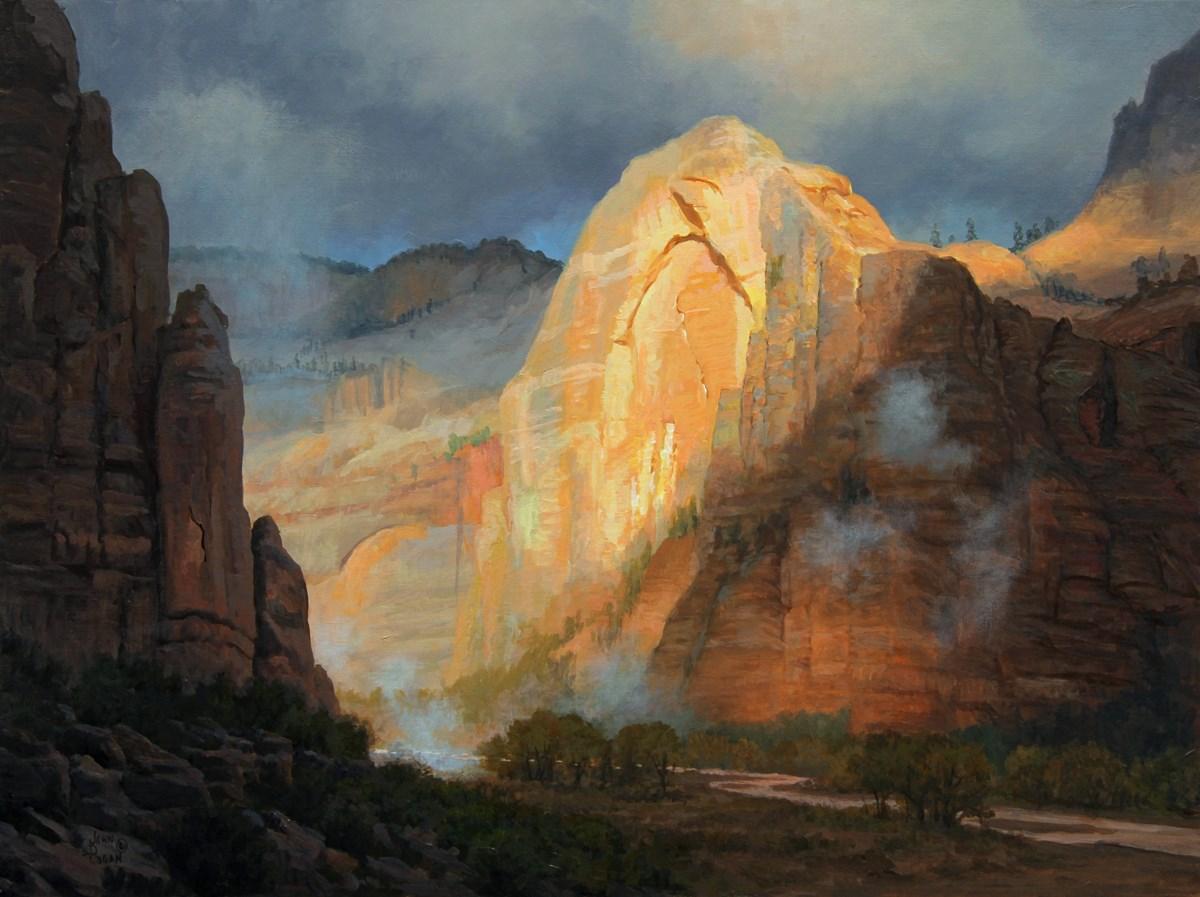 Mt Carmel
, Utah, offers quiet high-desert scenery, pioneer history and easy access to Zion National Park, scenic drives and canyon-country adventures.
1 h 27 min drive · 67 km from city centre
Mt Carmel
Mt Carmel, Utah, offers quiet high-desert scenery, pioneer history and easy access to Zion National Park, scenic drives and canyon-country adventures.
1 h 27 min drive · 67 km from city centre
-


Swipe for more cities
Explore more

Explore more of Utah
Explore Utah's stunning national parks, rich cultural heritage, and year-round outdoor adventures. Discover why this diverse state is a top destination for travelers.
Explore Utah