

Free Cedar City Travel Guide & Mobile App
Plan your Cedar City trip with Evendo. Get free guides to top attractions, restaurants, hotels, and bars. Web access or download the mobile app.


Cedar City, Utah, pairs red-rock scenery, Shakespearean theatre, pioneer history and Southern Utah University with memorable outdoor adventures nearby.
Red Rock and High-Plateau Country
Cedar City lies in southwestern Utah at roughly 5,800 feet above sea level, where the cooler uplands of the Markagunt Plateau meet the red cliffs, volcanic formations and broad desert country of the state’s interior. Its position makes the city a practical base for exploring southern Utah, including Cedar Breaks National Monument, Brian Head and the larger landscape of Zion National Park, while the town itself has a distinctly independent identity shaped by education, theatre and pioneer history.Read more about Cedar City
A City Built Around Theatre and Learning
Historic Streets and Open Landscapes
When is the best time to visit Cedar City?
Best: May–June, September · 24–31°C| Month | High (°C) | Rainfall (mm) |
|---|---|---|
| January | 4 | 31 |
| February | 7 | 25 |
| March | 11 | 25 |
| April | 17 | 20 |
| May (best) | 24 | 15 |
| June (best) | 31 | 10 |
| July | 34 | 20 |
| August | 33 | 20 |
| September (best) | 29 | 15 |
| October | 20 | 20 |
| November | 11 | 25 |
| December | 4 | 31 |
Getting to and around Cedar City
How to get there
Transportation
Best attractions in Cedar City
Cedar City’s leading attractions reflect its unusual combination of theatre, university culture and high-desert surroundings. The Utah Shakespeare Festival anchors the cultural calendar with professional productions presented in the Engelstad Shakespeare Theatre, the Randall L. Jones Theatre and other festival venues. On the Southern Utah University campus, the Southern Utah Museum of Art presents changing exhibitions in a notable contemporary building, while the Adams Shakespearean Theatre adds to the area’s performance-focused atmosphere. Frontier Homestead State Park Museum offers a more hands-on understanding of pioneer settlement, farming and the Iron Mission. Downtown’s historic streets, older homes and local businesses reward a slower walk between organised visits. Outside the city, Cedar Breaks National Monument and the Brian Head area provide access to high-elevation viewpoints, hiking and vivid geological scenery; both are regional excursions rather than Cedar City attractions proper and require attention to seasonal road conditions.
-
Tourist attraction
Frontier Homestead State Park Museum
Uncover the fascinating stories of Cedar City at the Frontier Homestead State Park Museum, where history comes alive through engaging exhibits and artifacts.
9 min drive · 3.0 km from city centre
-
Amusement center
Cedar Fun Center
Experience endless excitement at Cedar Fun Center in Cedar City, where laser tag, mini-golf, and arcade games await for family fun!
13 min drive · 4.4 km from city centre
-
Tourist attraction
Park Discovery
Discover the beauty of nature at Park Discovery in Cedar City, Utah, a perfect blend of recreation and relaxation for all ages.
9 min drive · 3.0 km from city centre
-
Tourist attraction
Main Street Park
Experience the natural beauty and recreational charm of Main Street Park, a serene escape in Cedar City, Utah, perfect for relaxation and community events.
9 min drive · 3.0 km from city centre


Best landmarks in Cedar City
Cedar City’s principal landmarks express its pioneer origins, educational role and theatrical identity. The historic core contains older homes and civic buildings associated with the nineteenth-century settlement, while the Cedar City Utah Temple presents a more recent religious landmark in the city’s architectural landscape. Frontier Homestead State Park Museum commemorates the Iron Mission and the industries that helped shape early Cedar City, linking local history with the wider story of settlement in southern Utah. On the Southern Utah University campus, the Southern Utah Museum of Art is a prominent contemporary structure, and the Utah Shakespeare Festival’s theatre buildings have become recognisable cultural markers. The restored Coal Creek area and historic downtown streets add smaller-scale evidence of the city’s development, while the surrounding red and volcanic uplands provide the geographical setting against which these civic and cultural landmarks are understood.
-
Pizza
Centro Woodfired Pizzeria
Explore authentic Italian flavors at Centro Woodfired Pizzeria in Cedar City, where every pizza is a culinary masterpiece from a traditional wood-fired oven.
9 min drive · 3.0 km from city centre
-
Hamburger
Hermie's Drive In
Discover the charm and deliciousness of Hermie's Drive In, Cedar City's favorite spot for classic burgers and fast food delights.
9 min drive · 3.0 km from city centre
-
Mexican
Brody's Mexican Restaurant
Experience the vibrant flavors of authentic Mexican cuisine at Brody's Mexican Restaurant in Cedar City, Utah, where every meal is a fiesta.
10 min drive · 3.2 km from city centre
-
Dessert shop
Crumbl - Cedar City
Experience the joy of gourmet cookies at Crumbl in Cedar City, where every bite is a delightful adventure in flavor and creativity.
10 min drive · 3.3 km from city centre


Explore Cedar City on the map
Plan your Cedar City trip on one map. See where the top attractions, landmarks, restaurants, bars and hotels are, find what's near where you're staying, and book hotels and experiences in a few clicks.
Best hotels in Cedar City
Best restaurants in Cedar City
Cedar City’s dining scene is shaped by southwestern Utah’s small-city character, a university population and the seasonal audiences drawn by the Utah Shakespeare Festival. Restaurants and cafés cluster around downtown, Main Street, State Street and the university area, ranging from familiar American diners and grills to Mexican cooking, pizza, coffee shops and contemporary casual dining. Regional ingredients and the wider Intermountain West tradition appear alongside nationally familiar menus, while bakeries and independent cafés provide practical stops between performances or during a day of sightseeing. The city is not a single-dish culinary destination, but its food culture is useful, varied and locally oriented rather than dominated by large resorts. During theatre season, dinner reservations may be more important than usual, and visitors should distinguish Cedar City’s own dining options from the more limited food services available on mountain or monument excursions.
-
Breakfast
All American Diner
Experience nostalgic American breakfasts at All American Diner in Cedar City—where every meal feels like home.
10 min drive · 3.4 km from city centre
-
Pizza
Centro Woodfired Pizzeria
Experience authentic wood-fired pizza and Italian cuisine at Centro Woodfired Pizzeria in Cedar City - where every bite feels like a taste of Italy.
9 min drive · 3.0 km from city centre
-
Restaurant
Applebee's Grill + Bar
Experience delicious American cuisine at Applebee's Grill + Bar in Cedar City - perfect for families and friends!
10 min drive · 3.5 km from city centre
-
Hamburger
Hermie's Drive In
Discover the iconic Hermie's Drive In in Cedar City – where delicious hamburgers and sandwiches meet friendly service in a cozy atmosphere.
9 min drive · 3.0 km from city centre


Best bars in Cedar City
Cedar City’s evening life is modest and closely connected to the university and Utah Shakespeare Festival rather than to a large nightclub district. Downtown and the area around Southern Utah University offer the greatest concentration of cafés, casual bars and places for a relaxed drink, while theatre performances provide the city’s most distinctive night-time entertainment. The festival brings audiences into the streets after performances, and university events add concerts, lectures and cultural programmes at different times of year. Alcohol service follows Utah law, including rules concerning age, identification and licensed premises, so visitors should check venue policies rather than assume a typical late-night bar scene. Outside the central districts, evenings are quieter, with dark skies, mountain air and early starts for outdoor excursions often shaping local nightlife more than clubs do.
-
Breakfast
All American Diner
Discover comfort food and classic American breakfast at All American Diner in Cedar City, where every meal feels like home.
10 min drive · 3.4 km from city centre
-
Pizza
Centro Woodfired Pizzeria
Savor authentic Italian flavors at Centro Woodfired Pizzeria, where each bite transports you to the heart of Italy.
9 min drive · 3.0 km from city centre
-
Restaurant
Applebee's Grill + Bar
Discover a delightful dining experience at Applebee's Grill + Bar in Cedar City, where American classics meet a welcoming atmosphere for the whole family.
10 min drive · 3.5 km from city centre
-
Italian
Chef Alfredo's Ristorante Italiano
Savor the authentic taste of Italy at Chef Alfredo's Ristorante Italiano, where culinary excellence meets warm hospitality in Cedar City.
2 min walk · 0.2 km from city centre


Best nightclubs in Cedar City
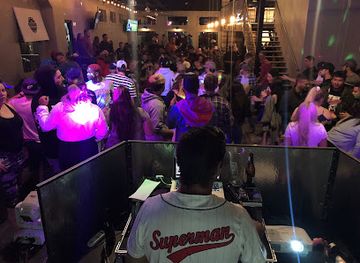
Cedar City’s evening life is modest and closely connected to the university and Utah Shakespeare Festival rather than to a large nightclub district. Downtown and the area around Southern Utah University offer the greatest concentration of cafés, casual bars and places for a relaxed drink, while theatre performances provide the city’s most distinctive night-time entertainment. The festival brings audiences into the streets after performances, and university events add concerts, lectures and cultural programmes at different times of year. Alcohol service follows Utah law, including rules concerning age, identification and licensed premises, so visitors should check venue policies rather than assume a typical late-night bar scene. Outside the central districts, evenings are quieter, with dark skies, mountain air and early starts for outdoor excursions often shaping local nightlife more than clubs do.
-
Restaurant
Applebee's Grill + Bar
Experience a delightful blend of classic American dishes at Applebee's Grill + Bar in Cedar City, perfect for family dining and casual gatherings.
10 min drive · 3.5 km from city centre
-
Bar
Chili's Grill & Bar
Savor the vibrant flavors of American and Tex-Mex cuisine at Chili's Grill & Bar in Cedar City, a family-friendly dining hotspot with a lively atmosphere.
10 min drive · 3.3 km from city centre
-
Restaurant
The Pub Spirits + Craft Kitchen
Experience the best of Cedar City's culinary scene at The Pub Spirits + Craft Kitchen, where delicious comfort food meets innovative craft cocktails.
9 min drive · 2.9 km from city centre
-
Bar
Warehouse Bar + Kitchen
Experience the vibrant atmosphere and delicious offerings at Cedar City's Warehouse Bar + Kitchen, where locals gather for good food and great company.
9 min drive · 2.8 km from city centre


Best shops in Cedar City
Shopping in Cedar City is concentrated around downtown, Main Street, State Street and the city’s everyday retail corridors rather than a single grand marketplace. Central streets contain independent businesses, galleries, gift shops and practical services, while larger commercial areas provide clothing, outdoor equipment and provisions for road trips into southern Utah. Visitors may find regional artwork, theatre-related gifts, locally produced food items and craft goods, with the strongest sense of place coming from independent retailers and seasonal community markets when operating. Outdoor shops are particularly relevant because Cedar City serves travellers heading towards high-elevation trails, national monuments and nearby parks. The city’s retail character is functional and locally scaled, combining university-town commerce with the needs of residents and visitors preparing for the surrounding plateau and desert country.
-
Clothing store
Ross Dress for Less
Explore unbeatable deals on fashion for the whole family at Ross Dress for Less in Cedar City, Utah, your go-to destination for affordable shopping.
10 min drive · 3.3 km from city centre
-
Shopping mall
Cedar City Towne Center
Explore Cedar City Towne Center - a vibrant shopping mall offering diverse stores, dining options, and a welcoming atmosphere in the heart of Cedar City.
9 min drive · 3.1 km from city centre
-
Department store
T.J. Maxx
Discover unbeatable deals on fashion and home goods at T.J. Maxx in Cedar City, where quality meets affordability for every shopper.
10 min drive · 3.5 km from city centre
-
Gift shop
Deseret Book
Discover a unique blend of Christian literature, religious goods, and thoughtful gifts at Deseret Book in Cedar City, UT.
10 min drive · 3.3 km from city centre


Get your free copy of our complete guide to Cedar City, delivered straight to you.
Everything on this page, from attractions and restaurants to essentials and local phrases, in one PDF you can read offline, print or share.
Already have an account? Sign in
Your Cedar City guide is ready.
We'll send it to · Not you? Sign out

Getting your guide ready…
We are putting together a fresh copy of the Cedar City guide. This can take up to a minute.
This can take a few moments. If your browser asks, choose Allow so the download can start. You'll find the guide in your Downloads folder.
Nothing happened? Download it again
Sorry, the guide is taking longer than usual. Please try again in a minute, or get it by email instead.
Cedar City essentials
Currency and Payment
Safety
Emergency Situations
Do's and Don'ts
Local Tips
From Eve
Local phrases worth knowing
You don't need to get them perfect. A few words go a long way, and locals appreciate the effort.
Basics
| English | Local | Say it |
|---|---|---|
| Hello | Howdy | [haʊdi] |
| Goodbye | See ya | [siː jə] |
| Yes | Yup | [jʌp] |
| No | Nope | [noʊp] |
| Please/You're welcome | Please/You're welcome | [Please/You're welcome] |
| Thank you | Thanks | [θæŋks] |
| Excuse me/Sorry | Excuse me/Sorry | [Excuse me/Sorry] |
| How are you? | Howdy, y'all doin'? | [haʊdi jɔːl ˈduɪn] |
| Fine. And you? | Fine. And you? | [Fine. And you?] |
| Do you speak English? | Y'all speak English? | [jɔːl spiːk ˈɪŋɡlɪʃ] |
| I don't understand | I ain't gettin' it | [aɪ eɪnt ˈɡɛtɪn ɪt] |
Eating & Drinking
| English | Local | Say it |
|---|---|---|
| I'd like to see the menu, please | I reckon I'll take a gander at the menu | [aɪ ˈrɛkən aɪl teɪk ə ˈɡændər æt ðə ˈmɛnjuː] |
| I don't eat meat | I don't eat meat | [aɪ doʊnt it mit] |
| Cheers! | Cheers! | [ʧɪrz] |
| I would like to pay, please | I reckon I'll settle up now | [aɪ ˈrɛkən aɪl ˈsɛtəl ʌp naʊ] |
Emergencies
| English | Local | Say it |
|---|---|---|
| Help! | Help! | [hɛlp] |
| Go away! | Get outta here! | [ɡɛt ˈaʊtə hɪr] |
| Call the Police! | Call the Sheriff! | [kɔl ðə ˈʃɛrɪf] |
| Call a doctor! | Call a doc! | [kɔl ə dɑk] |
| I'm lost | I'm lost | [aɪm lɔst] |
| I'm ill | I'm feelin' under the weather | [aɪm ˈfɪlɪn ˈʌndər ðə ˈwɛðər] |
Shopping
| English | Local | Say it |
|---|---|---|
| I'd like to buy... | I reckon I'll buy... | [aɪ ˈrɛkən aɪl baɪ] |
| I'm just looking | I'm just lookin' | [aɪm ˈdʒʌst ˈlʊkɪn] |
| How much is it? | How much for that? | [haʊ ˈmʌtʃ fɔr ðæt] |
| That's too expensive | That's too pricey | [ðæts tuː ˈpraɪsi] |
| Can you lower the price? | Can y'all cut the price? | [kæn jɔːl kʌt ðə praɪs] |
Time & Numbers
| English | Local | Say it |
|---|---|---|
| What time is it? | What time is it? | [wʌt taɪm ɪz ɪt] |
| It's one o'clock | It's one o'clock | [ɪts wʌn əˈklɑk] |
| Half past (10) | Half past (10) | [hæf pæst (10)] |
| Morning | Mornin' | [ˈmɔrnɪn] |
| Afternoon | Afternoon | [ˌæftərˈnun] |
| Evening | Evenin' | [ˈivnɪn] |
| Yesterday | Yesterday | [ˈjɛstərdeɪ] |
| Today | Today | [təˈdeɪ] |
| Tomorrow | Tomorrow | [təˈmɑroʊ] |
| 1 | 1 | [wʌn] |
| 2 | 2 | [tuː] |
| 3 | 3 | [θriː] |
| 4 | 4 | [fɔr] |
| 5 | 5 | [faɪv] |
| 6 | 6 | [sɪks] |
| 7 | 7 | [sɛvən] |
| 8 | 8 | [eɪt] |
| 9 | 9 | [naɪn] |
| 10 | 10 | [tɛn] |
Transport & Directions
| English | Local | Say it |
|---|---|---|
| Where's a/the...? | Where's a/the...? | [Wɛr z əði...?] |
| What's the address? | What's the address? | [Wʌts ði ˈæˌdrɛs] |
| Can you show me (on the map)? | Can y'all show me (on the map)? | [kæn jɔːl ʃoʊ mi (ɒn ðə mæp)] |
| When's the next (bus)? | When's the next (bus)? | [wɛns ðə nɛkst (bʌs)?] |
| A ticket (to ....) | A ticket (to ....) | [ə ˈtɪkɪt (tu ....)] |
History of Cedar City
Paiute Country Before Settlement
The Cedar City area lies within the broader homeland of Southern Paiute communities, whose knowledge of the plateaux, springs and desert margins developed over many generations. The landscape provided varied resources across different elevations, from mountain environments to lower, drier country. Any account of Cedar City’s history therefore begins before the arrival of American settlers, whose expansion altered Indigenous access to land and resources. The Southern Paiute presence remains part of the region’s living history, even though the modern city’s public identity has often been framed through later pioneer settlement.
The Mormon Settlement of Cedar City
Cedar City was founded in 1851 by members of The Church of Jesus Christ of Latter-day Saints, sent south from Parowan under the leadership of Lorenzo Snow and others to develop local resources. The settlement was initially known as Fort Cedar because of the nearby juniper trees, commonly called cedars by settlers. Irrigation, farming and local trade allowed the community to grow, while its position between mountain and desert environments gave it regional importance. The grid of streets and surviving early buildings reflect the ordered settlement patterns used by many Mormon communities in nineteenth-century Utah.
Iron, Industry and the Frontier Economy
Cedar City’s early development was closely connected with the search for mineral resources and the establishment of the Iron Mission. Iron production began in the 1860s at Iron City, west of the present town, but the enterprise struggled with transportation, fuel and technical difficulties before closing in the 1870s. Although the industrial experiment was brief, it shaped the community’s economy and historical memory. Agriculture, livestock, timber and commerce subsequently became more dependable foundations, and the area’s frontier story is interpreted today at Frontier Homestead State Park Museum.
Railways and Regional Connections
The arrival of the railroad in the early twentieth century strengthened Cedar City’s links with wider markets and helped shift the community from an isolated agricultural settlement towards a regional service centre. Rail transport supported the movement of livestock, farm produce and other goods, while roads later became increasingly important to visitors and commerce. Civic institutions, schools and businesses expanded as Cedar City assumed a larger role in Iron County. The town’s location between southern Utah’s national parks and mountain recreation areas eventually gave tourism a growing place alongside education and local industry.
Theatre, University and a Modern Identity
Southern Utah State College, now Southern Utah University, became an important force in Cedar City’s modern cultural development. The Utah Shakespeare Festival was established in 1961 by Fred C. Adams and began presenting performances the following year, gradually developing into a major professional theatre organisation. Its season brought artists, audiences and national attention to the city, while the university expanded its academic and cultural role. Contemporary Cedar City combines this performing-arts identity with a growing interest in visual art, heritage interpretation and outdoor recreation, creating a civic character that extends beyond its pioneer origins.
Cedar City in Photos
Browse through our photo collection highlighting the charm and character of the destination.
Cities near Cedar City
The closest cities to Cedar City, if you have time for more than one stop.
-

-
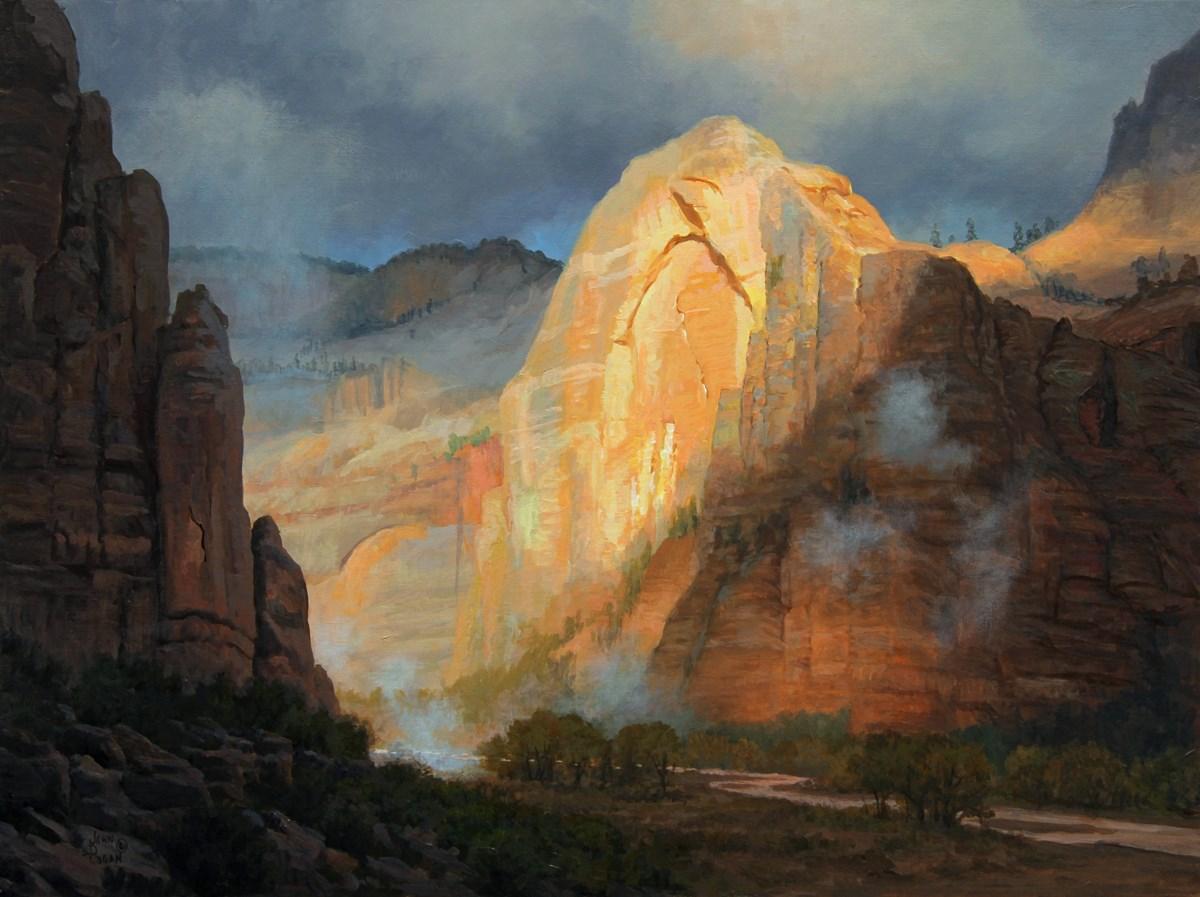 Mt Carmel
, Utah, offers quiet high-desert scenery, pioneer history and easy access to Zion National Park, scenic drives and canyon-country adventures.
1 h 22 min drive · 62 km from city centre
-

-

-


Swipe for more cities
Explore more

Explore more of Utah
Explore Utah's stunning national parks, rich cultural heritage, and year-round outdoor adventures. Discover why this diverse state is a top destination for travelers.
Explore Utah