

Free Book Cliffs Travel Guide & Mobile App
Explore Book Cliffs with free travel guides. Discover regional history, expert tips, proposed trips, and audio guides on web or mobile app.


Explore Utah’s Book Cliffs for layered desert geology, fossil heritage, mining towns, canyon country and wide-open scenic drives.
Read more about Book Cliffs
Getting to and around Book Cliffs
How to get there
Transportation
Best attractions in Book Cliffs
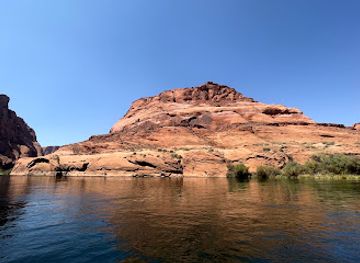
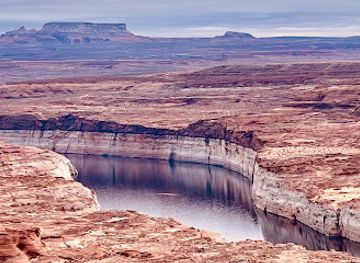
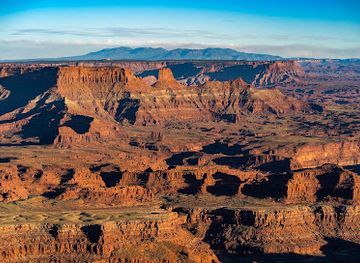
The Book Cliffs are best understood as a landscape destination rather than a single attraction. Geological viewpoints and roadside overlooks reveal the escarpment’s long bands of sandstone and shale, while public-land country offers opportunities for photography, wildlife observation, hiking, scenic driving and, on suitable routes, mountain biking. Price’s Prehistoric Museum is the principal interpretive attraction, combining paleontology, archaeology and regional history in a useful introduction to the cliffs and surrounding basins. Helper adds railway, coal-mining and local cultural heritage, with historic buildings and creative spaces reflecting its industrial past. Nine Mile Canyon, in the broader Book Cliffs landscape south of the main escarpment, is notable for rock art and archaeological remains, but its unpaved route demands preparation and respectful behaviour. The Green River area provides access to river scenery and eastern desert landscapes, while nearby public lands support more remote exploration. There are no continuous urban visitor facilities across the region, so attractions are separated by substantial distances and should be planned around fuel, water, weather and road conditions.
-
National park
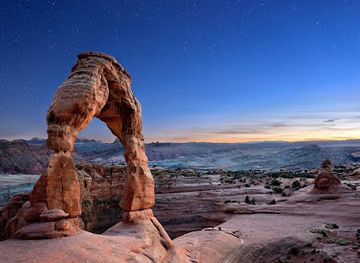
Arches National Park
Explore Arches National Park in Utah, a stunning landscape of natural arches and vibrant red rock formations perfect for outdoor adventures and photography.
-
State park
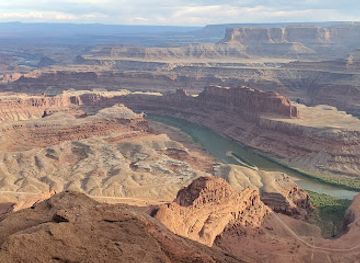
Dead Horse Point State Park
Experience breathtaking vistas and outdoor adventures at Dead Horse Point State Park, a stunning natural gem in Utah's canyon country.
-
Scenic spot
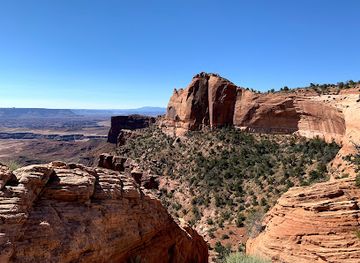
Mesa Arch
Experience the breathtaking views and iconic beauty of Mesa Arch in Canyonlands National Park, a must-visit for nature lovers and photographers.
-
 State park
Goblin Valley State Park
Discover the surreal landscapes and adventurous spirit of Goblin Valley State Park in Utah, a unique destination for nature lovers and explorers.
Best landmarks in Book Cliffs
The Book Cliffs themselves are the region’s defining natural landmark, their long, stratified faces forming a powerful northern wall above the desert basins. Their book-like appearance is most legible from open roads and distant viewpoints, where successive layers show the effects of erosion and uplift. Price’s Prehistoric Museum is a significant civic and scientific landmark because it connects local fossils and archaeological evidence with the wider story of Utah’s ancient environments. Helper’s historic railway and commercial streets represent the town’s role as a Denver and Rio Grande Western service and coal centre. Nine Mile Canyon’s rock-art panels and archaeological landscape are important cultural landmarks in the wider Book Cliffs setting, although they must be treated as protected heritage rather than casual roadside curiosities. Around Green River, the river corridor provides a contrasting natural landmark of water, cottonwoods and cultivated land below the dry escarpments. The visual power of the area often comes from the relationship between these features: elevated cliffs, open benches, narrow canyons and a river-fed valley rather than from a single monumental building.
-
National park
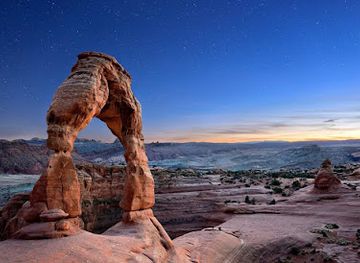
Arches National Park
Explore the breathtaking beauty of Arches National Park, where over 2,000 majestic arches await your discovery in Utah's stunning red rock landscape.
-
Scenic spot
Horseshoe Bend
Explore Horseshoe Bend, a stunning natural wonder in Arizona, where the Colorado River winds through breathtaking red rock canyons.
-
Nature preserve
Glen Canyon National Recreation Area
Explore the breathtaking beauty of Glen Canyon National Recreation Area in Utah, where nature and adventure merge into unforgettable experiences.
-
State park
Dead Horse Point State Park
Explore Dead Horse Point State Park: A Scenic Wonder in Utah's Canyonlands with Breathtaking Views and Outdoor Adventures Awaiting You.
Explore Book Cliffs on the map
Plan your trip on one map. See where the top cities, national parks and sights are, and book hotels and experiences in a few clicks.
Best hotels in Book Cliffs
Best restaurants in Book Cliffs
Dining in the Book Cliffs is concentrated in Price, Helper, Green River and smaller communities along the principal highways rather than in a separate regional food district. Visitors will find American cafés, family restaurants, diners, pizza, Mexican food, burgers and traditional Utah-style comfort cooking, with more choice in Price. Historic mining communities have also contributed a varied immigrant food heritage, although individual traditions differ between families and towns. Green River’s restaurants and fruit stands reflect its position beside the river and its agricultural hinterland, while roadside stops are useful for simple meals and provisions. Local produce, including melons and other fruit from the Green River area when in season, can appear at farm stands and markets. Coffee shops, bakeries and practical breakfast counters are important in a region where early starts are useful for desert excursions. Travellers heading into remote Book Cliffs country should eat and carry supplies before leaving town, as restaurants and shops are not continuously available along canyon roads.
-
Diner
Ruth's Diner
Experience delightful American comfort food at Ruth's Diner nestled in scenic Emigration Canyon - where flavor meets breathtaking views.
-
American
Tamarisk Restaurant
Experience delightful American cuisine at Tamarisk Restaurant in Green River - where quality meets creativity in every dish.
-
Italian
Caffé Molise
Experience authentic Italian cuisine at Caffé Molise in downtown Salt Lake City—where every dish tells a story.
-
American
The Copper Onion
Experience innovative New American cuisine at The Copper Onion in downtown Salt Lake City, where local ingredients meet culinary creativity.
Best bars in Book Cliffs
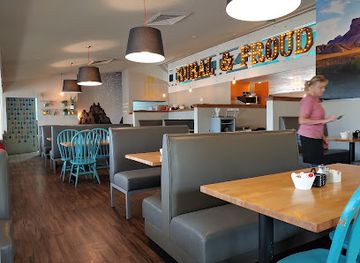
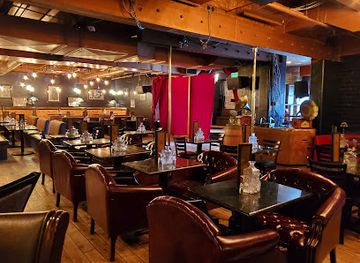
Evening life in the Book Cliffs is led by traditional pubs, casual bars, diners and community venues rather than a large nightclub scene. Price and nearby Helper offer the broadest choice of places to eat, meet and listen to occasional live music, while Green River provides a smaller selection suited to travellers breaking an interstate journey. In former mining towns, local bars can carry more historical continuity than their modest appearance suggests, but they are primarily places for residents and visitors to socialise rather than dedicated tourist attractions. Night-time options diminish quickly outside the main settlements, and remote areas are defined by dark skies and quiet roads rather than organised entertainment. Check local arrangements directly because opening patterns and entertainment schedules can change. Designate a driver or use a pre-arranged taxi when drinking, and do not attempt long desert drives after dark without reliable navigation, water and fuel.
-
Restaurant
River Rock Roasting Company
Experience the delightful fusion of breakfast, coffee, and comfort food at River Rock Roasting Company in La Verkin, Utah, a must-visit destination for food lovers.
-
Brewpub
Bohemian Brewery
Experience the unique flavors and vibrant atmosphere at Bohemian Brewery, a top brewpub in Midvale, Utah, perfect for beer lovers and foodies.
-
American
Tamarisk Restaurant
Discover the essence of American dining at Tamarisk Restaurant in Green River, UT, where local flavors meet a cozy atmosphere.
-
Bar
Prohibition
Discover the perfect blend of modern cuisine and classic cocktails at Prohibition, Salt Lake City's premier bar and fine dining restaurant.

Best nightclubs in Book Cliffs
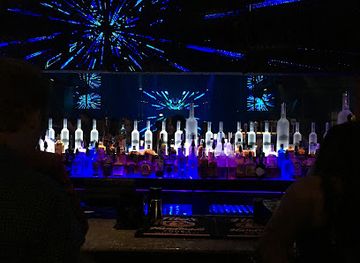
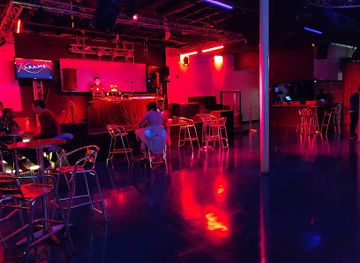
Evening life in the Book Cliffs is led by traditional pubs, casual bars, diners and community venues rather than a large nightclub scene. Price and nearby Helper offer the broadest choice of places to eat, meet and listen to occasional live music, while Green River provides a smaller selection suited to travellers breaking an interstate journey. In former mining towns, local bars can carry more historical continuity than their modest appearance suggests, but they are primarily places for residents and visitors to socialise rather than dedicated tourist attractions. Night-time options diminish quickly outside the main settlements, and remote areas are defined by dark skies and quiet roads rather than organised entertainment. Check local arrangements directly because opening patterns and entertainment schedules can change. Designate a driver or use a pre-arranged taxi when drinking, and do not attempt long desert drives after dark without reliable navigation, water and fuel.
-
Club
Club 90
Unleash your night at Club 90, Sandy's premier destination for live music, dancing, and vibrant nightlife in Utah.
-
Night club
Area 51
Discover the heart of Salt Lake City's nightlife at Area 51, an electrifying night club offering vibrant dance floors and unforgettable experiences.
-
Night club
Sky SLC
Discover the dynamic nightlife at Sky SLC, where live music, dancing, and a vibrant bar scene come together for an unforgettable experience in Salt Lake City.
-
Night club
Club Karamba
Discover the electrifying nightlife at Club Karamba, Salt Lake City’s hottest nightclub with live performances and vibrant dance floors.


Best shops in Book Cliffs
Shopping in the Book Cliffs is practical and locally focused. Price has the region’s broadest selection of supermarkets, outfitters, galleries, antique and second-hand shops, while Helper’s compact historic centre is associated with independent businesses, art spaces and heritage-oriented browsing. Green River is useful for provisions, road supplies and seasonal fruit from the surrounding agricultural area, rather than extensive retail. Visitors may find locally themed books, fossils and geology material in museum or specialist settings, but genuine fossils and archaeological objects should only be bought through reputable legal channels; removing protected material from public land is prohibited. Regional purchases can include Utah-made crafts, western clothing, art, books on Indigenous and mining history, and food products from the river communities when available. Farmers’ stands are seasonal and variable, so they should be treated as an opportunity rather than a guaranteed stop. Stock up on water, fuel and outdoor essentials before heading into the cliffs, where retail services are sparse or absent.
-
Shopping mall
Fashion Place
Explore Fashion Place, a shopping haven in Murray, Utah, featuring diverse retail options, delectable dining, and exciting entertainment for all ages.
-
Shopping mall
The Shops at South Town
Explore an exceptional shopping experience at The Shops at South Town in Sandy, Utah, featuring diverse stores, dining, and family-friendly entertainment.
-
Outlet mall
Outlets at Traverse Mountain
Discover unbeatable deals and a stunning shopping experience at the Outlets at Traverse Mountain, Lehi, Utah's premier outlet mall.
-
Shopping mall
The Shops At Riverwoods
Experience the unique blend of shopping, dining, and entertainment at The Shops At Riverwoods, a must-visit destination in Provo, Utah.

Get your free copy of our complete guide to Book Cliffs, delivered straight to you.
Everything on this page, from attractions and restaurants to essentials and local phrases, in one PDF you can read offline, print or share.
Already have an account? Sign in
Your Book Cliffs guide is ready.
We'll send it to · Not you? Sign out

Getting your guide ready…
We are putting together a fresh copy of the Book Cliffs guide. This can take up to a minute.
This can take a few moments. If your browser asks, choose Allow so the download can start. You'll find the guide in your Downloads folder.
Nothing happened? Download it again
Sorry, the guide is taking longer than usual. Please try again in a minute, or get it by email instead.
Book Cliffs essentials
Currency and Payment
Safety
Emergency Situations
Do's and Don'ts
Local Tips
From Eve
Local phrases worth knowing
You don't need to get them perfect. A few words go a long way, and locals appreciate the effort.
Basics
| English | Local | Say it |
|---|---|---|
| Hello | Howdy | [Ha-dee] |
| Goodbye | See ya | [See yah] |
| Yes | Yup | [Yup] |
| No | Nah | [Nah] |
| Please/You're welcome | Sure thing | [Shur thing] |
| Thank you | Thanks a lot | [Thangs a lot] |
| Excuse me/Sorry | Pardon me | [Par-don me] |
| How are you? | How ya doin'? | [How ya doin'?] |
| Fine. And you? | Good. And you? | [Good. An' you?] |
| Do you speak English? | Do ya speak English? | [Do ya speak English?] |
| I don't understand | I ain't gettin' it | [I ain't gettin' it] |
Eating & Drinking
| English | Local | Say it |
|---|---|---|
| I'd like to see the menu, please | Can I see the menu? | [Can I see the menu?] |
| I don't eat meat | I ain't eatin' meat | [I ain't eatin' meat] |
| Cheers! | Cheers! | [Cheers!] |
| I would like to pay, please | Can I pay, please? | [Can I pay, please?] |
Emergencies
| English | Local | Say it |
|---|---|---|
| Help! | Help! | [Help!] |
| Go away! | Leave me alone! | [Leave me alone!] |
| Call the Police! | Call the cops! | [Call the cops!] |
| Call a doctor! | Get a doc! | [Get a doc!] |
| I'm lost | I'm lost | [I'm lost] |
| I'm ill | I'm not feelin' good | [I'm not feelin' good] |
Shopping
| English | Local | Say it |
|---|---|---|
| I'd like to buy... | I wanna buy... | [I wanna buy...] |
| I'm just looking | Just lookin' | [Just lookin'] |
| How much is it? | What's the price? | [What's the price?] |
| That's too expensive | That's pricey | [That's pricey] |
| Can you lower the price? | Can ya drop the price? | [Can ya drop the price?] |
Time & Numbers
| English | Local | Say it |
|---|---|---|
| What time is it? | What time ya got? | [What time ya got?] |
| It's one o'clock | It's one | [It's one] |
| Half past (10) | Half past ten | [Half past ten] |
| Morning | Mornin' | [Mornin'] |
| Afternoon | Afternoon | [Afternoon] |
| Evening | Evenin' | [Evenin'] |
| Yesterday | Yesterday | [Yesterday] |
| Today | Today | [Today] |
| Tomorrow | Tomorrow | [Tomorrow] |
| 1 | One | [One] |
| 2 | Two | [Two] |
| 3 | Three | [Three] |
| 4 | Four | [Four] |
| 5 | Five | [Five] |
| 6 | Six | [Six] |
| 7 | Seven | [Seven] |
| 8 | Eight | [Eight] |
| 9 | Nine | [Nine] |
| 10 | Ten | [Ten] |
Transport & Directions
| English | Local | Say it |
|---|---|---|
| Where's a/the...? | Where's the...? | [Where's the...?] |
| What's the address? | What's the address? | [What's the address?] |
| Can you show me (on the map)? | Can ya show me on the map? | [Can ya show me on the map?] |
| When's the next (bus)? | When's the next bus? | [When's the next bus?] |
| A ticket (to ....) | A ticket to... | [A ticket to...] |
History of Book Cliffs
Ancient Landscapes and Fossil Life
The rocks of the Book Cliffs preserve a long geological record, including sediments laid down in ancient coastal plains, rivers and flood basins. Fossils found in and around the wider Price and Green River country include remains of plants, reptiles and mammals from periods when Utah’s climate and landscapes differed greatly from those of today. The exposed strata have made the region important for paleontological research and public education. Price’s Prehistoric Museum presents this deep history alongside specimens that help visitors understand how the cliffs and surrounding basins developed.
Indigenous Presence and Rock Art
The Book Cliffs and adjoining canyon country lie within the ancestral homelands and continuing cultural landscape of Indigenous peoples, including the Ute and Ute Mountain Ute. Earlier Fremont communities also occupied parts of eastern and central Utah, leaving distinctive rock art, dwellings and other archaeological traces. Nine Mile Canyon, associated with the wider Book Cliffs landscape, contains extensive examples of painted and pecked imagery as well as later Ute marks. These sites are cultural records rather than decorative curiosities and should be approached without touching, climbing or removing anything.
Exploration and the Opening of the Interior
During the nineteenth century, different parties of surveyors, trappers, military personnel and settlers travelled through the difficult country around the Book Cliffs. The Green River became an important geographic corridor, while the cliffs themselves presented a formidable barrier between the Colorado Plateau and the Uinta Basin. Federal mapping and later road building gradually made the region more legible to outsiders, but its distances and aridity continued to shape settlement. Many modern routes still follow corridors established by rivers, canyon entrances and passes through the escarpment.
Railways, Coal and Carbon County
The arrival of the Denver and Rio Grande Western railway in the late nineteenth century transformed the Price and Helper area. Rail transport enabled coal mining to expand and connected isolated settlements with markets beyond southeastern Utah. Helper developed as a railway and mining centre, while Price became a regional hub serving coal communities, ranches and farms. Immigrant workers from many parts of Europe contributed to the social history of the coal towns. Railway buildings, mining landscapes and local museums preserve elements of an industry that shaped the region for more than a century.
Mining Communities and Industrial Change
Coal remained central to the economy of Carbon and Emery counties through the twentieth century, supporting mines, rail services, power generation and associated trades. Mining also brought difficult working conditions, labour disputes, accidents and repeated cycles of economic expansion and contraction. Communities such as Helper, East Carbon and nearby mining settlements reflect this industrial heritage in their streets, cemeteries and surviving structures. As employment patterns changed and some mines closed, the region increasingly combined resource industries with public-sector work, education, tourism, outdoor recreation and services.
Heritage Conservation and Public Lands
In recent decades, greater attention has been given to the Book Cliffs’ fossil resources, archaeological sites, wildlife habitat and scenery. Much of the surrounding country is managed as public land, with competing needs involving grazing, energy development, recreation, transport and conservation. The Prehistoric Museum and heritage organisations in Price and Helper have helped interpret local history for visitors, while protection of canyon archaeology has become especially important. The modern Book Cliffs are therefore both a working landscape and a place where geological and human history remain unusually visible.
Book Cliffs in Photos
Browse through our photo collection highlighting the charm and character of the destination.
Neighbouring regions of Book Cliffs
The closest regions to Book Cliffs, if you have time for more than one.
-

-

-

-

-


Swipe for more regions
Explore more

Explore more of Utah
Explore Utah's stunning national parks, rich cultural heritage, and year-round outdoor adventures. Discover why this diverse state is a top destination for travelers.
Explore Utah