

Free Canyonlands Travel Guide & Mobile App
Explore Canyonlands with free travel guides. Discover regional history, expert tips, proposed trips, and audio guides on web or mobile app.


Explore the untamed beauty of Canyonlands National Park in Utah, where dramatic landscapes and endless adventures await in a rugged wilderness setting.
Read more about Canyonlands
Getting to and around Canyonlands
How to get there
Transportation
Destinations in Canyonlands
Resorts, valleys and scenic spots worth a trip of their own.

Swipe for more destinations
Best attractions in Canyonlands
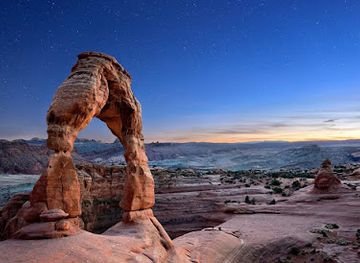
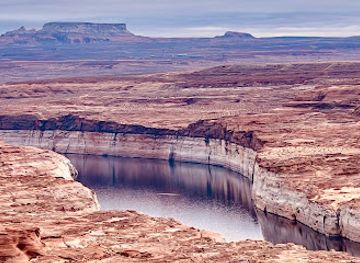
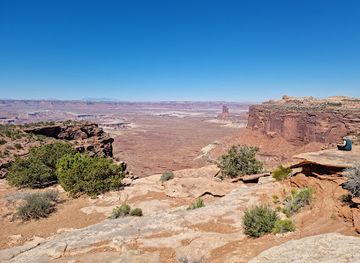
Canyonlands National Park in Utah is a breathtaking tapestry of desert landscapes, where visitors can marvel at an expansive wilderness carved by the mighty Colorado River. As you explore the park's distinct districts – Island in the Sky, The Needles, The Maze, and the rivers themselves – you'll encounter towering rock formations, ancient petroglyphs, and panoramic vistas that stretch to the horizon. Adventure seekers can hike through rugged trails, embark on thrilling off-road tours, or paddle along the serene waters of the Green and Colorado Rivers. The park's night skies, undisturbed by city lights, offer some of the best stargazing opportunities in the country, while sunrise and sunset paint the canyon walls in vibrant hues of red and orange, creating unforgettable memories for nature lovers and photographers alike.
-
Tourist attraction
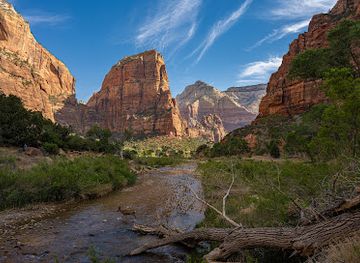
Zion National Park
Discover the stunning landscapes and diverse wildlife of Zion National Park, a must-visit destination for outdoor enthusiasts and nature lovers.
-
Tourist attraction
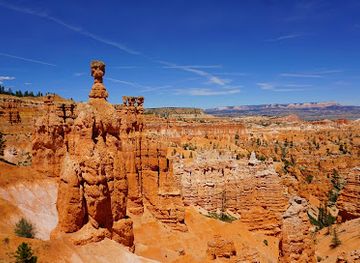
Bryce Canyon National Park
Discover the enchanting landscapes of Bryce Canyon National Park, where stunning rock formations and vibrant colors await every visitor in Utah's natural treasure.
-
Tourist attraction
Arches National Park
Explore the stunning landscapes of Arches National Park, home to over 2,000 natural stone arches and diverse wildlife in the heart of Utah.
-
Visitor center
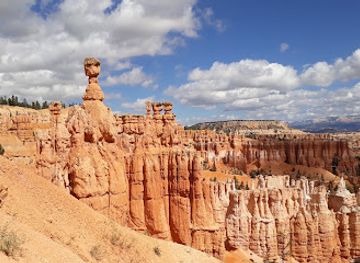
Bryce Canyon National Park Visitor Center
Discover the breathtaking landscapes and unique geological formations at Bryce Canyon National Park Visitor Center, a must-see for outdoor enthusiasts.

Best landmarks in Canyonlands
Canyonlands National Park is a breathtaking expanse of dramatic desert landscapes, offering visitors a mesmerizing journey through nature's raw artistry. Divided into four distinct districts—Island in the Sky, The Needles, The Maze, and the rivers themselves—each area boasts unique attractions. Island in the Sky, perched atop a massive mesa, provides awe-inspiring vistas of the surrounding canyons from overlooks like Grand View Point and Mesa Arch. The Needles beckon adventurers with its colorful spires and challenging hiking trails, while The Maze offers the ultimate remote wilderness experience for those seeking solitude and exploration. The confluence of the Green and Colorado Rivers carves intricate pathways through the park, inviting visitors to discover hidden gems by kayaking or rafting. Every turn in Canyonlands reveals a new geological wonder, from towering rock formations to ancient petroglyphs, offering an unforgettable adventure for those who dare to explore its rugged beauty.
-
National park
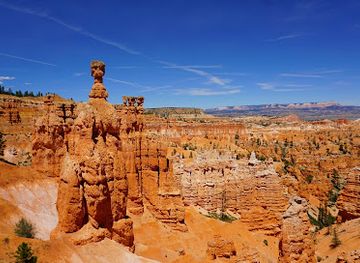
Bryce Canyon National Park
Experience the extraordinary landscapes and vibrant colors of Bryce Canyon National Park, a natural jewel in Utah's wilderness.
-
National park
Arches National Park
Discover the breathtaking beauty of Arches National Park, where nature's artistry creates stunning stone arches and vibrant desert landscapes.
-
Nature preserve
Glen Canyon National Recreation Area
Experience the stunning beauty of Glen Canyon National Recreation Area in Utah, where breathtaking landscapes and outdoor adventures await every visitor.
-
National park
Canyonlands National Park
Experience the breathtaking beauty of Canyonlands National Park in Utah, a must-visit destination for outdoor enthusiasts and nature lovers.
Explore Canyonlands on the map
Plan your trip on one map. See where the top cities, national parks and sights are, and book hotels and experiences in a few clicks.
Best hotels in Canyonlands
Best restaurants in Canyonlands
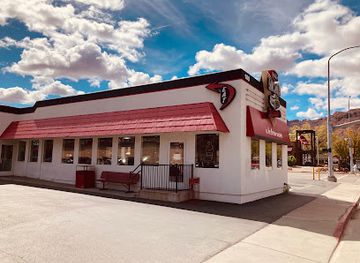
Nestled within the mesmerizing red rock vistas and expansive desert landscapes of Canyonlands, the dining scene offers an unexpected yet delightful fusion of rustic charm and culinary innovation. Visitors can indulge in hearty Southwestern fare, savoring dishes infused with local flavors such as bison burgers, prickly pear cactus, and Navajo tacos, often enjoyed al fresco beneath the vast, starry skies. The area boasts a selection of quaint cafes and roadhouses that serve up not only delicious meals but also a taste of the region's rich history and culture. From farm-to-table establishments emphasizing locally sourced ingredients to cozy diners where tales of old pioneers echo through the walls, the culinary offerings here are as adventurous as the terrain, promising a memorable experience for every palate.
-
Diner
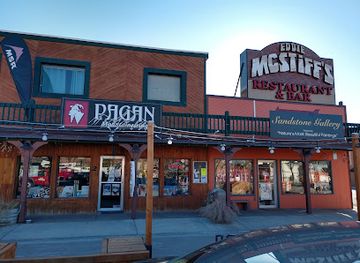
Moab Diner
Discover delicious American comfort food at Moab Diner – where local flavors meet classic diner vibes in picturesque Moab.
-
American
Zax Restaurant
Experience delicious American cuisine at Zax Restaurant in Moab - where burgers meet craft beers in a vibrant atmosphere.
-
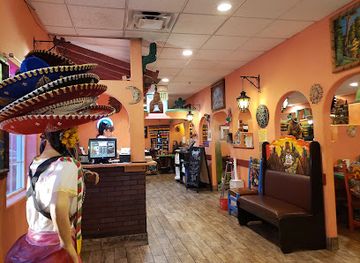
Mexican
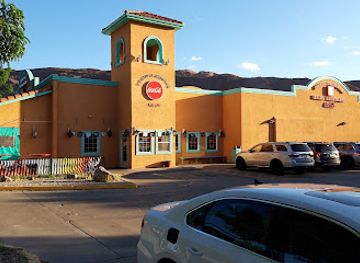
Fiesta Mexicana
Experience authentic Mexican cuisine at Fiesta Mexicana in Moab - where vibrant flavors meet warm hospitality.
-
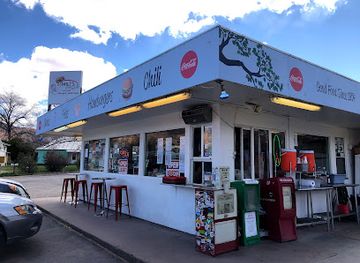
Hamburger
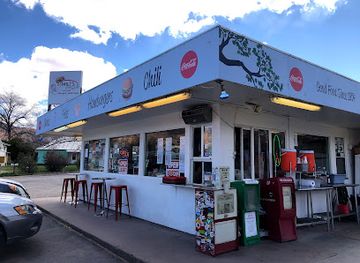
Milt's Stop & Eat
Discover Milt's Stop & Eat in Moab – where delicious burgers meet unique flavors amidst Utah's stunning landscapes.
Best bars in Canyonlands
As the sun sets over the rugged beauty of Canyonlands, the desert transforms into a celestial amphitheater offering a nightlife experience unlike any other. With its designation as an International Dark Sky Park, stargazers are drawn to its shimmering vistas where the Milky Way unfurls in breathtaking clarity. While the vast wilderness lacks traditional bars and nightclubs, the park's night-time allure lies in its natural spectacles—visitors can join a ranger-led night sky program to explore constellations, planets, and the lore of the Ancestral Puebloans who once gazed upon the same skies. Campfire gatherings at nearby campgrounds provide an intimate setting for storytelling and sharing the day's adventures, all under a blanket of stars. The quiet solitude and natural wonders of Canyonlands' nightlife offer a serene escape from the bustling city, inviting travelers to connect with the timeless beauty of the universe.
-
Diner
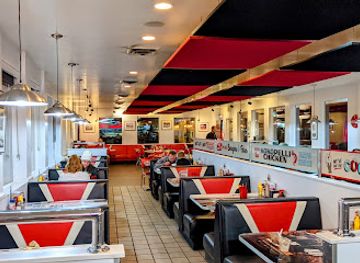
Moab Diner
Discover the classic charm and delicious comfort food at Moab Diner, the perfect dining spot for adventurers in vibrant Moab, Utah.
-
American
Zax Restaurant
Discover Zax Restaurant in Moab, Utah, where delicious American cuisine meets a lively atmosphere and unforgettable dining experiences.
-
Mexican
Fiesta Mexicana
Experience the vibrant flavors of Mexico at Fiesta Mexicana in Moab, where authentic cuisine meets a lively atmosphere.
-
Hamburger
Milt's Stop & Eat
Savor the best burgers in Moab at Milt's Stop & Eat, where quality meets convenience in a relaxed setting.
Best nightclubs in Canyonlands
As the sun sets over the rugged beauty of Canyonlands, the desert transforms into a celestial amphitheater offering a nightlife experience unlike any other. With its designation as an International Dark Sky Park, stargazers are drawn to its shimmering vistas where the Milky Way unfurls in breathtaking clarity. While the vast wilderness lacks traditional bars and nightclubs, the park's night-time allure lies in its natural spectacles—visitors can join a ranger-led night sky program to explore constellations, planets, and the lore of the Ancestral Puebloans who once gazed upon the same skies. Campfire gatherings at nearby campgrounds provide an intimate setting for storytelling and sharing the day's adventures, all under a blanket of stars. The quiet solitude and natural wonders of Canyonlands' nightlife offer a serene escape from the bustling city, inviting travelers to connect with the timeless beauty of the universe.
-
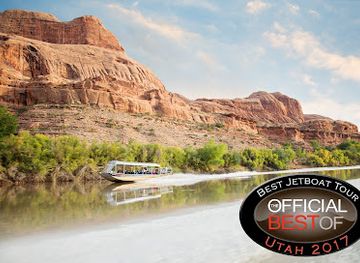
Tour operator
Canyonlands By Night & Day
Experience the natural beauty of Utah with captivating boat tours and unforgettable night sky adventures at Canyonlands By Night & Day.
-
Night club
Club 90
Discover the lively nightlife of Sandy, Utah, at Club 90, where great music and an electric atmosphere await every night.
-
Night club
Area 51
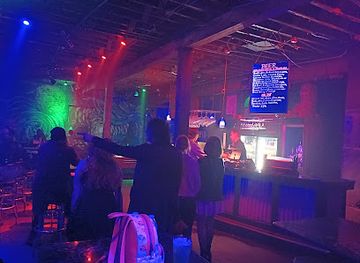
Join the electrifying nightlife at Area 51, Salt Lake City's premier dance club featuring diverse crowds, top DJs, and an unforgettable atmosphere.
-
Bar
World Famous Woody's Tavern
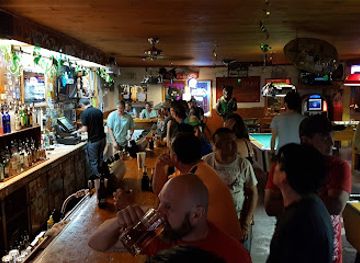
Discover the vibrant atmosphere and local flavors at Woody's Tavern, a must-visit bar in Moab, Utah, perfect for unwinding after outdoor adventures.

Best shops in Canyonlands
Nestled amidst the rugged beauty of Canyonlands, the shopping scene offers a delightful array of unique and authentic experiences that capture the spirit of the American Southwest. Visitors can explore quaint local markets where artisans showcase handcrafted pottery, intricate beadwork, and stunning Navajo jewelry, each piece telling a story of the region's rich cultural heritage. The area is dotted with charming boutiques featuring an eclectic mix of outdoor gear for the adventurous, as well as one-of-a-kind souvenirs that serve as perfect mementos of your journey. From traditional Native American crafts to contemporary art galleries, Canyonlands provides a shopping experience that is as diverse and captivating as its breathtaking landscapes, inviting travelers to take a piece of its timeless magic home with them.
-
Gift shop
Hole 'N' The Rock
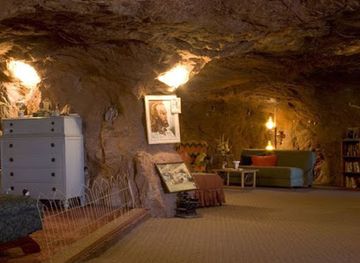
Explore the unique Hole 'N' The Rock in Moab, Utah – a captivating gift shop and zoo amidst stunning natural beauty.
Get your free copy of our complete guide to Canyonlands, delivered straight to you.
Everything on this page, from attractions and restaurants to essentials and local phrases, in one PDF you can read offline, print or share.
Already have an account? Sign in
Your Canyonlands guide is ready.
We'll send it to · Not you? Sign out

Getting your guide ready…
We are putting together a fresh copy of the Canyonlands guide. This can take up to a minute.
This can take a few moments. If your browser asks, choose Allow so the download can start. You'll find the guide in your Downloads folder.
Nothing happened? Download it again
Sorry, the guide is taking longer than usual. Please try again in a minute, or get it by email instead.
Canyonlands essentials
Currency and Payment
Safety
Emergency Situations
Do's and Don'ts
Local Tips
From Eve
Local phrases worth knowing
You don't need to get them perfect. A few words go a long way, and locals appreciate the effort.
Basics
| English | Local | Say it |
|---|---|---|
| Hello | Howdy | [haʊdi] |
| Goodbye | See ya | [si jə] |
| Yes | Yep | [jɛp] |
| No | Nah | [nɑ] |
| Please/You’re welcome | No problem | [noʊ ˈprɑbləm] |
| Thank you | Thanks | [θæŋks] |
| Excuse me/Sorry | Sorry 'bout that | [ˈsɔri baʊt ðæt] |
| How are you? | How ya doin'? | [haʊ jə ˈduɪn] |
| Fine. And you? | Good. You? | [ɡʊd ju] |
| Do you speak English? | You speakin' English? | [ju ˈspikɪn ˈɪŋɡlɪʃ] |
| I don't understand | I ain't gettin' it | [aɪ eɪnt ˈɡɛtɪn ɪt] |
Eating & Drinking
| English | Local | Say it |
|---|---|---|
| I'd like to see the menu, please | Can I see the menu? | [kæn aɪ si ðə ˈmɛnju] |
| I don't eat meat | I don’t eat meat | [aɪ doʊnt it miːt] |
| Cheers! | Cheers! | [tʃɪrz] |
| I would like to pay, please | Can I get the check? | [kæn aɪ ɡɛt ðə tʃɛk] |
Emergencies
| English | Local | Say it |
|---|---|---|
| Help! | Help! | [hɛlp] |
| Go away! | Beat it! | [biːt ɪt] |
| Call the Police! | Call the cops! | [kɔl ðə kɑps] |
| Call a doctor! | Get a doctor! | [ɡɛt ə ˈdɑktər] |
| I'm lost | I’m turned around | [aɪm tɜrnd əˈraʊnd] |
| I'm ill | I’m not feelin' well | [aɪm nɑt ˈfiːlɪn wɛl] |
Shopping
| English | Local | Say it |
|---|---|---|
| I'd like to buy... | I wanna buy... | [aɪ ˈwɑnə baɪ] |
| I'm just looking | Just browsing | [dʒʌst ˈbraʊzɪŋ] |
| How much is it? | What’s the price? | [wʌts ðə praɪs] |
| That's too expensive | That’s a bit pricey | [ðæts ə bɪt ˈpraɪsi] |
| Can you lower the price? | Can you cut the price? | [kæn ju kʌt ðə praɪs] |
Time & Numbers
| English | Local | Say it |
|---|---|---|
| What time is it? | What’s the time? | [wʌts ðə taɪm] |
| It's one o'clock | It’s one o’clock | [ɪts wʌn əˈklɒk] |
| Half past (10) | Half past ten | [hæf pæst tɛn] |
| Morning | Mornin' | [ˈmɔrnɪn] |
| Afternoon | Afternoon | [ˌæftərˈnun] |
| Evening | Evenin' | [ˈivnɪn] |
| Yesterday | Yesterday | [ˈjɛstərdeɪ] |
| Today | Today | [təˈdeɪ] |
| Tomorrow | Tomorrow | [təˈmɔroʊ] |
| 1 | One | [wʌn] |
| 2 | Two | [tu] |
| 3 | Three | [θri] |
| 4 | Four | [fɔr] |
| 5 | Five | [faɪv] |
| 6 | Six | [sɪks] |
| 7 | Seven | [sɛvən] |
| 8 | Eight | [eɪt] |
| 9 | Nine | [naɪn] |
| 10 | Ten | [tɛn] |
Transport & Directions
| English | Local | Say it |
|---|---|---|
| Where's a/the...? | Where's the...? | [wɛrz ðə] |
| What's the address? | What’s the address? | [wʌts ði ˈædrɛs] |
| Can you show me (on the map)? | Can you point it out? | [kæn ju pɔɪnt ɪt aʊt] |
| When's the next (bus)? | When's the next bus? | [wɛn ðə nɛkst bʌs] |
| A ticket (to ....) | A ticket to ... | [ə ˈtɪkɪt tu] |
History of Canyonlands
Ancient Puebloans and Their Legacy
The earliest known inhabitants of Canyonlands were the Ancient Puebloans, also known as the Ancestral Puebloans. They lived in the region from approximately 2,000 to 1,300 years ago. These early settlers left behind an array of artifacts, petroglyphs, and intricate cliff dwellings that offer a glimpse into their sophisticated culture and way of life. The most famous of these is the 'Newspaper Rock', a 200-square-foot rock face covered with hundreds of ancient symbols and figures.
The Fremont Culture
Following the Ancient Puebloans, the Fremont people inhabited the Canyonlands area from around 300 to 1300 AD. They are known for their distinctive rock art, which often features trapezoidal human figures adorned with intricate patterns. The Fremont culture was semi-nomadic, relying on a combination of hunting, gathering, and subsistence farming. Their influence can be seen in the numerous granaries and storage structures scattered throughout the region.
European Exploration and Discovery
The first Europeans to set foot in Canyonlands were members of the Domínguez-Escalante Expedition in 1776. This Spanish expedition aimed to find a route from Santa Fe, New Mexico, to Monterey, California. Although they did not establish a permanent presence in the area, their journey marked the beginning of European interest in the rugged landscape of Canyonlands.
The Era of Fur Trappers and Traders
In the early 19th century, fur trappers and traders, including the famous Jim Bridger and Kit Carson, began to explore the Canyonlands region. These intrepid adventurers were drawn by the area's abundant wildlife, particularly beaver, which were highly valued for their pelts. Their expeditions helped to map the intricate network of canyons and rivers that define the landscape.
The Arrival of Mormon Settlers
In the mid-1800s, Mormon settlers began to move into the Canyonlands area, establishing small, isolated communities. These settlers faced immense challenges due to the harsh environment and limited resources. Despite these difficulties, they managed to develop irrigation systems and cultivate crops, leaving a lasting impact on the region's agricultural practices.
The Creation of Canyonlands National Park
Canyonlands National Park was established on September 12, 1964, by President Lyndon B. Johnson. The park was created to preserve the area's unique geological features and rich cultural history. Encompassing over 337,598 acres, the park is divided into four districts: Island in the Sky, The Needles, The Maze, and the rivers themselves. Each district offers its own distinct landscape and opportunities for exploration, from towering mesas to labyrinthine canyons.
Modern Archaeological Discoveries
In recent years, modern archaeological efforts have continued to uncover new insights into the ancient cultures that once thrived in Canyonlands. Advanced technologies such as LiDAR and ground-penetrating radar have revealed previously hidden structures and artifacts. These discoveries have deepened our understanding of the region's complex history and the people who called it home.
Canyonlands in Photos
Browse through our photo collection highlighting the charm and character of the destination.
Neighbouring regions of Canyonlands
The closest regions to Canyonlands, if you have time for more than one.
-

-

-

-

-


Swipe for more regions
Explore more

Explore more of Utah
Explore Utah's stunning national parks, rich cultural heritage, and year-round outdoor adventures. Discover why this diverse state is a top destination for travelers.
Explore Utah