

San Rafael Swell, Utah Travel Guide
Discover the San Rafael Swell in Utah: A vast, rugged region with dramatic landscapes, ancient rock art, and thrilling outdoor adventures for every explorer.
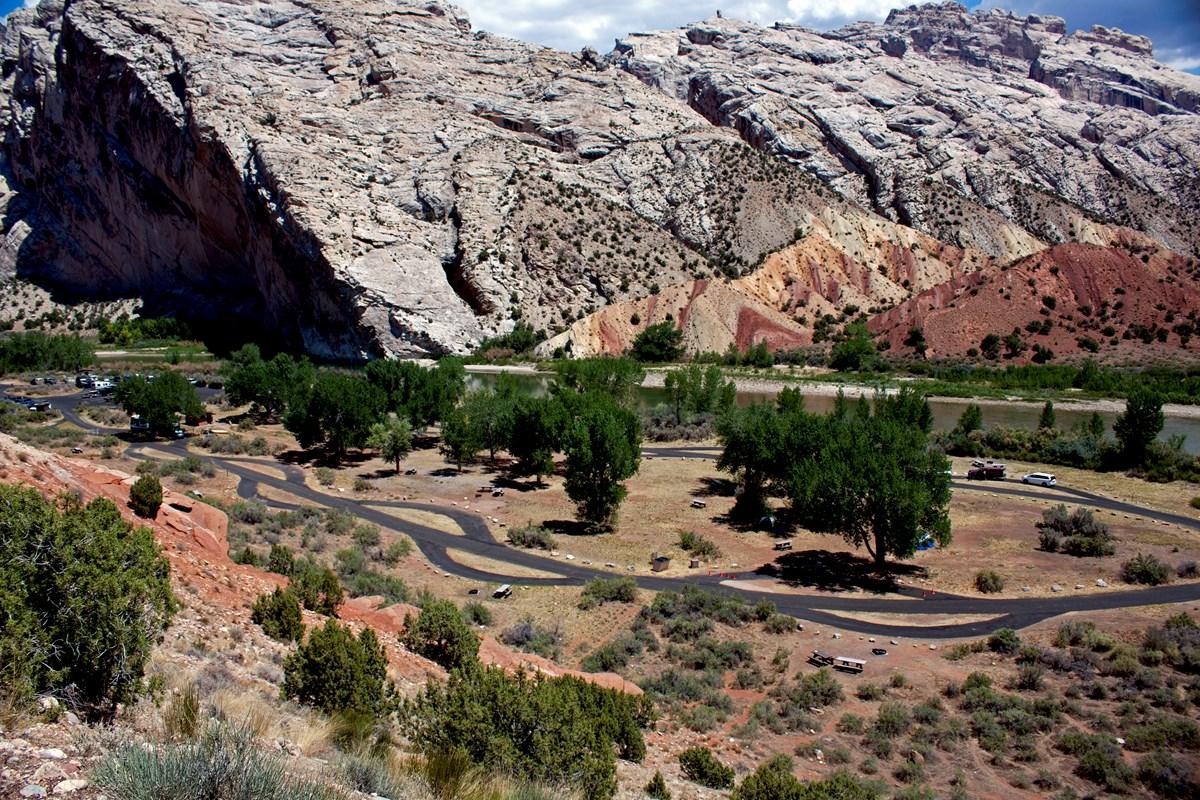
The San Rafael Swell in Utah is a vast, rugged region filled with dramatic landscapes and geological wonders. Spanning more than 2,000 square miles, this area offers a diverse array of outdoor activities, including hiking, biking, and exploring ancient rock art. The Swell's towering mesas, deep canyons, and expansive desert plains provide breathtaking views and a sense of solitude that is hard to find elsewhere. One of the most striking features of the San Rafael Swell is its impressive slot canyons, such as Little Wild Horse and Bell Canyons. These narrow, winding passages carved by water over millennia offer a thrilling experience for adventurers. For those interested in history, the Swell is also home to numerous petroglyphs and pictographs left by ancient Native American cultures. The Black Dragon Canyon and Buckhorn Wash are particularly noted for their well-preserved rock art. The San Rafael Swell is not just about rugged adventures; it also offers scenic drives for those who prefer to enjoy the beauty from the comfort of their vehicle. The Wedge Overlook, often dubbed the 'Little Grand Canyon,' provides panoramic views of the meandering San Rafael River far below. Whether you're a seasoned explorer or a casual visitor, the San Rafael Swell promises an unforgettable experience filled with natural beauty and rich history.

Know before you go
Hi, I'm Eve. Here are a few practical things to know before exploring San Rafael Swell.
- Visit in spring or fall when temperatures are mild, making outdoor activities more enjoyable.
- Carry plenty of water and snacks as services are limited in this remote area.
- A high-clearance vehicle is recommended for navigating the unpaved roads and trails.
- Check the weather forecast before heading out, as flash floods can occur in the canyons.
- Cell phone service is limited, so download maps and information beforehand.
Explore San Rafael Swell: Things to Do, Places to Eat, Hotels & More
Handpicked recommendations for top attractions, local dining, accommodations, and more

Top Attractions & Sightseeing in San Rafael Swell
Top-rated picks
Best Attractions

Arches National Park
Explore Arches National Park: A breathtaking landscape of natural arches and stunning vistas in the heart of Utah's wilderness.

Canyonlands National Park
Experience the breathtaking landscapes and adventurous spirit of Canyonlands National Park, a true gem of Utah's natural beauty.

Dead Horse Point State Park
Explore breathtaking vistas and rich history at Dead Horse Point State Park, a must-visit destination for nature lovers in Moab, Utah.

Capitol Reef National Park
Discover the breathtaking landscapes and rich history of Capitol Reef National Park in Utah, a true natural wonder waiting to be explored.

Best landmarks in San Rafael Swell
Top-rated picks
Best Landmarks

Black Dragon Canyon Viewpoint
Explore the stunning vistas and rich geological history at Black Dragon Canyon Viewpoint in Green River, Utah, a hidden gem for nature lovers and photographers.

Parowan Gap Petroglyphs
Explore the Parowan Gap Petroglyphs in Utah, a captivating historical landmark showcasing ancient rock art and the rich cultural heritage of indigenous peoples.

Buckhorn Wash Pictograph Panel
Unveil the secrets of ancient cultures at the Buckhorn Wash Pictograph Panel, a stunning historical landmark in Utah's breathtaking landscape.

Roadside Petroglyphs
Explore the captivating Roadside Petroglyphs in Moab, Utah—ancient carvings that tell the story of indigenous cultures amidst stunning desert vistas.

Best restaurants in San Rafael Swell
Top-rated picks
Best Restaurants

Tamarisk Restaurant
Discover culinary excellence at Tamarisk Restaurant in Green River, UT - where fresh ingredients meet innovative American cuisine.

The Blu Pig
Discover flavorful barbecue and vibrant live music at The Blu Pig in Moab – where every meal is a celebration.

Ray's Tavern
Experience the taste of Green River at Ray's Tavern – home of delicious burgers and a vibrant bar atmosphere.

Stan's Burger Shak
Discover Stan's Burger Shak in Hanksville - where delicious burgers meet warm hospitality amidst stunning Utah landscapes.

Best bars in San Rafael Swell
Top-rated picks
Best Bars

Bohemian Brewery
Discover the essence of Utah's craft beer scene at Bohemian Brewery, where tradition meets flavor in every sip.

The Blu Pig
Experience the best of barbecue and live blues music at The Blu Pig, a family-friendly restaurant in Moab, Utah, offering a unique dining atmosphere.

Prohibition
Discover Prohibition in Salt Lake City, where fine dining meets a vibrant bar scene, offering exquisite brunches and delightful evenings.

Ray's Tavern
Discover the charm of Ray's Tavern, where delicious hamburgers meet a welcoming bar atmosphere in Green River, Utah.

Best nightclubs in San Rafael Swell
Top-rated picks
Best Nightclubs

Club 90
Experience the vibrant nightlife of Sandy, Utah at Club 90, where great music and unforgettable memories await.

Area 51
Dive into Salt Lake City's nightlife at Area 51, where great music, dancing, and karaoke create unforgettable memories.

Sky SLC
Experience the vibrant nightlife at Sky SLC, a premier night club offering dance floors, live music, and a lively bar scene in downtown Salt Lake City.

IBIZA SLC Ultra lounge- Nightclub & Bar
Immerse yourself in Salt Lake City's vibrant nightlife at Ibiza SLC Ultra Lounge, a top nightclub, bar, and event venue for unforgettable nights.

Best shops in San Rafael Swell
Top-rated picks
Best Shops

The Shops At Riverwoods
Explore the charm of The Shops At Riverwoods in Provo, Utah, where shopping meets recreation in a picturesque outdoor setting.

Chuck Wagon General Store
Experience the charm of the Chuck Wagon General Store in Torrey, Utah—your destination for local treasures and Western hospitality.

Melon Vine Food Store
Explore the Melon Vine Food Store in Green River, Utah, for fresh produce, local delicacies, and outdoor supplies in a welcoming environment.

Love's Country Store
Experience the convenience of Love's Country Store in Green River, a perfect stop for travelers exploring the stunning Utah landscape.

Explore San Rafael Swell on the Map
A handpicked selection of must-see spots in San Rafael Swell, mapped for you.
San Rafael Swell Essentials
-
San Rafael Swell is located in central Utah, United States. The nearest major airport is Salt Lake City International Airport, approximately 200 miles away. From Salt Lake City, you can rent a car and drive via I-15 South and I-70 East, which takes around 3 to 4 hours. Alternatively, you can take a Greyhound bus to Green River or Price, and then rent a car for the remainder of the journey.
-
Given the vast and rugged terrain of San Rafael Swell, renting a 4WD vehicle is highly recommended for exploring the area. There are no public transportation options within the Swell itself. Biking and hiking are popular ways to navigate the landscape for short distances. Ensure your vehicle is well-maintained and equipped with spare tires and emergency supplies.
-
The official currency is the United States Dollar (USD). Credit and debit cards are widely accepted in surrounding towns like Green River and Price, but it is advisable to carry some cash for transactions in more remote areas. ATMs are available in nearby towns, but not within the San Rafael Swell itself.
-
San Rafael Swell is generally safe, but its remote nature requires extra caution. Always inform someone of your travel plans and expected return. Cell phone coverage can be spotty, so consider carrying a satellite phone. Be cautious of flash floods in narrow canyons, and never hike alone. There are no high-crime areas targeting tourists, but standard precautions like securing your vehicle and belongings are advised.
-
In case of an emergency, dial 911 for immediate assistance. The nearest medical facilities are in Green River and Price, both about an hour's drive from the Swell. Carry a first aid kit and ensure your vehicle is equipped with emergency supplies. For non-life-threatening issues, local ranger stations can provide assistance and information.
-
Fashion: Do wear comfortable, weather-appropriate clothing and sturdy hiking boots. Avoid wearing flip-flops or open-toed shoes on trails. Religion: There are no specific religious customs to observe, but always respect any cultural or historical sites. Public Transport: There is no public transport within the Swell, so plan to drive or hike. Greetings: A friendly wave or nod is common when encountering fellow hikers. Eating & Drinking: Do pack out all trash and leave no trace. Don't feed wildlife or disturb natural habitats.
-
To experience San Rafael Swell like a local, visit the Little Wild Horse Canyon for an iconic slot canyon hike. Check out the Buckhorn Wash Pictograph Panel for a glimpse into ancient Native American art. For star gazing, the Swell offers some of the darkest skies in the continental U.S. Bring a telescope or binoculars to fully appreciate the night sky. Always carry plenty of water, as sources are scarce.
When is the best time to visit San Rafael Swell?
Useful Local Phrases for San Rafael Swell
You don't need to speak the language perfectly. Even learning a few simple words can make conversations warmer—and locals usually appreciate the effort.
— Eve

Here are the phrases I use most often in San Rafael Swell. Try a few—you'll be surprised how far they go! 😊
❤️
-
- HelloHowdy
[haʊdi] - GoodbyeSee ya
[si jə] - YesYep
[jɛp] - NoNope
[noʊp] - Please/You're welcomeSure thing
[ʃʊr θɪŋ] - Thank youThanks a bunch
[θæŋks ə bʌntʃ] - Excuse me/SorryPardon me
[ˈpɑrdən mi] - How are you?How's it going?
[haʊz ɪt ˈɡoʊɪŋ] - Fine. And you?Good. You?
[ɡʊd. ju?] - Do you speak English?Can you talk English?
[kæn ju tɔk ˈɪŋɡlɪʃ] - I don't understandI ain't got it
[aɪ eɪnt ɡɑt ɪt]
- HelloHowdy
-
- I'd like to see the menu, pleaseCan I see the menu?
[kæn aɪ si ðə ˈmɛnju] - I don't eat meatI don't do meat
[aɪ doʊnt du mit] - Cheers!Cheers!
[tʃɪrz] - I would like to pay, pleaseCan I get the check?
[kæn aɪ ɡɛt ðə tʃɛk]
- I'd like to see the menu, pleaseCan I see the menu?
-
- Help!Help!
[hɛlp] - Go away!Get lost!
[ɡɛt lɔst] - Call the Police!Call the cops!
[kɔl ðə kɑps] - Call a doctor!Get a doctor!
[ɡɛt ə ˈdɑktər] - I'm lostI'm turned around
[aɪm tɜrnd əˈraʊnd] - I'm illI'm not feeling well
[aɪm nɑt ˈfiːlɪŋ wɛl]
- Help!Help!
-
- I'd like to buy...I'm looking to buy...
[aɪm ˈlʊkɪŋ tə baɪ] - I'm just lookingJust browsing
[dʒʌst ˈbraʊzɪŋ] - How much is it?What's the price?
[wʌts ðə praɪs] - That's too expensiveThat's a bit steep
[ðæts ə bɪt stip] - Can you lower the price?Can you make it cheaper?
[kæn ju meɪk ɪt ˈtʃipər]
- I'd like to buy...I'm looking to buy...
-
- What time is it?What time we got?
[wʌt taɪm wi ɡɑt] - It's one o'clockIt's one
[ɪts wʌn] - Half past (10)Half past ten
[hæf pæst tɛn] - MorningMornin'
[ˈmɔrnɪn] - AfternoonAfternoon
[ˌæftərˈnun] - EveningEvenin'
[ˈivnɪn] - YesterdayYesterday
[ˈjɛstərdeɪ] - TodayToday
[təˈdeɪ] - TomorrowTomorrow
[təˈmɔroʊ] - 1One
[wʌn] - 2Two
[tu] - 3Three
[θri] - 4Four
[fɔr] - 5Five
[faɪv] - 6Six
[sɪks] - 7Seven
[ˈsɛvən] - 8Eight
[eɪt] - 9Nine
[naɪn] - 10Ten
[tɛn]
- What time is it?What time we got?
-
- Where's a/the...?Where's the nearest...?
[wɛrz ðə ˈnɪrəst] - What's the address?What's the address?
[wʌts ði æˈdrɛs] - Can you show me (on the map)?Can you point it out?
[kæn ju pɔɪnt ɪt aʊt] - When's the next (bus)?When's the next bus?
[wɛnʔs ðə nɛkst bʌs] - A ticket (to ....)One ticket to...
[wʌn ˈtɪkɪt tə]
- Where's a/the...?Where's the nearest...?
History of San Rafael Swell
-
The San Rafael Swell was once home to the Fremont people, who lived in the region from approximately AD 700 to AD 1300. Evidence of their presence is scattered throughout the Swell, including petroglyphs, pictographs, and various artifacts. The Fremont were known for their unique basketry, pottery, and corn cultivation techniques. They built pit houses and granaries, some of which can still be seen today.
-
The San Rafael Swell is renowned for its extensive collection of rock art. The Buckhorn Wash Pictograph Panel and the Black Dragon Canyon Petroglyphs are among the most famous. These ancient artworks depict a range of images from human figures to intricate geometric patterns. The rock art provides invaluable insights into the beliefs, rituals, and daily lives of the region's early inhabitants.
-
The first European explorers to traverse the San Rafael Swell were likely trappers and traders in the early 19th century. However, it wasn't until the mid-1800s that the area began to see more regular exploration. Notable explorers such as John Wesley Powell, who led expeditions through the Colorado River and its tributaries, helped map out the region and brought back detailed accounts of its rugged landscape.
-
In the late 19th and early 20th centuries, the remote and rugged terrain of the San Rafael Swell provided a perfect hideout for outlaws. Notorious figures like Butch Cassidy and the Sundance Kid are rumored to have used the Swell's hidden canyons and caves to escape the law. The area known as Robbers Roost was particularly infamous as a hideout for the Wild Bunch gang.
-
The late 19th and early 20th centuries saw a surge in mining activity in the San Rafael Swell. Prospectors were drawn to the region by the promise of valuable minerals such as uranium, coal, and copper. The construction of railroads to support these mining operations drastically altered the landscape. Ghost towns like Sego and Swasey's Cabin are remnants of this bygone mining era.
-
In the latter half of the 20th century, efforts were made to protect the unique landscape and cultural heritage of the San Rafael Swell. The area was designated as a National Historic Site and has since been managed to preserve its archaeological and natural resources. In 2019, the John D. Dingell, Jr. Conservation, Management, and Recreation Act designated the San Rafael Swell Recreation Area, ensuring the protection of its scenic beauty and historical significance for future generations.
Neighbouring Regions of San Rafael Swell
The closest regions to San Rafael Swell, if you have time for more than one.



Your all‑in‑one travel companion app
Explore expert travel guides, compare and book tours, experiences, hotels, and more—all from the palm of your hand. Download now for seamless trip planning wherever your wanderlust takes you.


Explore More of Utah

Looking beyond San Rafael Swell? Discover Utah for broader travel guides, local hot-spots, and regional highlights.
Explore UtahSan Rafael Swell in Photos
Browse through our photo collection highlighting the charm and character of the destination.


San Rafael Swell: Utah's Rugged Adventure Playground
The San Rafael Swell in Utah is a vast, rugged region filled with dramatic landscapes and geological wonders. Spanning more than 2,000 square miles, this area offers a diverse array of outdoor activities, including hiking, biking, and exploring ancient rock art. The Swell's towering mesas, deep canyons, and expansive desert plains provide breathtaking views and a sense of solitude that is hard to find elsewhere. One of the most striking features of the San Rafael Swell is its impressive slot canyons, such as Little Wild Horse and Bell Canyons. These narrow, winding passages carved by water over millennia offer a thrilling experience for adventurers. For those interested in history, the Swell is also home to numerous petroglyphs and pictographs left by ancient Native American cultures. The Black Dragon Canyon and Buckhorn Wash are particularly noted for their well-preserved rock art. The San Rafael Swell is not just about rugged adventures; it also offers scenic drives for those who prefer to enjoy the beauty from the comfort of their vehicle. The Wedge Overlook, often dubbed the 'Little Grand Canyon,' provides panoramic views of the meandering San Rafael River far below. Whether you're a seasoned explorer or a casual visitor, the San Rafael Swell promises an unforgettable experience filled with natural beauty and rich history.