

Wasatch Plateau, Utah Travel Guide
Discover the Wasatch Plateau in Utah: A Year-Round Paradise for Nature Lovers and Outdoor Enthusiasts
Nestled in the heart of Utah, the Wasatch Plateau is a hidden gem that offers an unparalleled escape into nature's serenity. This sprawling highland is a haven for outdoor enthusiasts, with its lush forests, pristine lakes, and breathtaking vistas that stretch as far as the eye can see. The plateau is part of the larger Manti-La Sal National Forest, which adds to its allure with a diverse range of flora and fauna. Hiking and biking trails crisscross the plateau, providing adventurers with a myriad of paths to explore. Whether you are a seasoned hiker or a casual walker, the Wasatch Plateau has trails that cater to all skill levels. The Skyline Drive is particularly popular, offering a scenic route that winds through the highlands and presents panoramic views that are nothing short of spectacular. Fishing enthusiasts will find solace in the numerous lakes and streams that dot the landscape. These waters are teeming with trout, making it a perfect spot for a peaceful day of angling. During the winter months, the plateau transforms into a snowy wonderland, ideal for snowmobiling, cross-country skiing, and even ice fishing. The Wasatch Plateau is truly a year-round destination, offering something unique in every season.

Know before you go
Hi, I'm Eve. Here are a few practical things to know before exploring Wasatch Plateau.
- Visit in late spring or early fall for the best weather and fewer crowds.
- Pack layers of clothing as the weather can change rapidly in higher elevations.
- Bring a good map or GPS device, as cell service can be spotty in remote areas.
- Check local fishing regulations and obtain the necessary permits before heading out.
- During winter, ensure your vehicle is equipped for snow and ice conditions.
Top City Travel Guides in Wasatch Plateau
The cities of Wasatch Plateau, and the easiest places to base yourself.

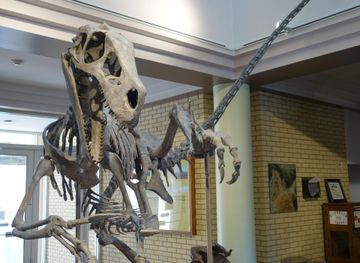
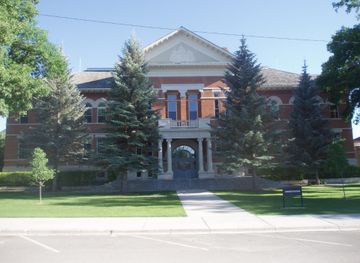
Explore Wasatch Plateau: Things to Do, Places to Eat, Hotels & More
Handpicked recommendations for top attractions, local dining, accommodations, and more

Top Attractions & Sightseeing in Wasatch Plateau
Top-rated picks
Best Attractions

Manti-La Sal National Forest
Explore the breathtaking landscapes, diverse wildlife, and endless outdoor adventures at Manti-La Sal National Forest in Utah.

Salt Wash View Area
Discover the stunning vistas and unique geological formations at Salt Wash View Area, a must-see scenic spot along I-70 in Utah.

Scofield State Park
Explore the natural splendor of Scofield State Park, a premier destination for outdoor adventures and scenic beauty in Utah.

Millsite State Park
Explore the stunning landscapes and serene waters of Millsite State Park, a perfect destination for outdoor adventures in Utah.

Best landmarks in Wasatch Plateau
Top-rated picks
Best Landmarks

Manti-La Sal National Forest
Explore the stunning landscapes and outdoor adventures at Manti-La Sal National Forest, Utah's natural gem for hiking, camping, and wildlife watching.

Price Canyon Recreation Area
Explore the stunning landscapes and outdoor adventures at Price Canyon Recreation Area in Utah, a perfect destination for nature lovers and families alike.

The Cocoa Camper
Experience the ultimate hot cocoa indulgence at The Cocoa Camper, where gourmet flavors and artisanal treats come together for a delightful treat.

Great Basin Station
Experience the rich heritage of Utah at Great Basin Station, a captivating historical landmark nestled in the stunning Ephraim Canyon landscape.

Best restaurants in Wasatch Plateau
Top-rated picks
Best Restaurants

Log Haven
Discover Log Haven: An exquisite American dining experience nestled in the scenic beauty of Mill Creek Canyon.

Balance Rock Eatery & Pub
Experience delicious food and a cozy atmosphere at Balance Rock Eatery & Pub in Helper, Utah - perfect for breakfast lovers and pub enthusiasts alike.

Communal
Discover Communal in Provo: A unique American dining experience celebrating local flavors in a warm community atmosphere.

The Tangerine Eatery
Experience the best of local cuisine at The Tangerine Eatery in Price, UT – where fresh ingredients meet artistic flair.

Best bars in Wasatch Plateau
Top-rated picks
Best Bars

Prohibition
Experience Salt Lake City's premier bar and brunch restaurant, Prohibition, where fine dining meets a vibrant atmosphere.

Whiskey Street Cocktails & Dining
Experience the vibrant cocktail culture at Whiskey Street Cocktails & Dining, where every drink tells a story in Salt Lake City.

Wasatch Brew Pub
Discover the heart of Salt Lake City’s craft beer culture at Wasatch Brew Pub, a favorite spot for delicious brews and delightful bites.
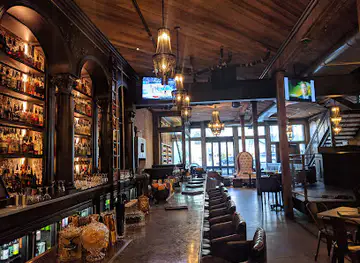
Lake Effect
Experience the vibrant nightlife at Lake Effect in Salt Lake City, featuring crafted cocktails, live music, and delicious dining in a stylish atmosphere.

Best nightclubs in Wasatch Plateau
Top-rated picks
Best Nightclubs

Club 90
Discover the vibrant nightlife at Club 90 in Sandy, Utah - a premier club and bar with great music, dancing, and a fun atmosphere.

Liquid Joe's
Experience the vibrant nightlife of Millcreek at Liquid Joe's, where live music, dancing, and great drinks create unforgettable evenings.

Downstairs
Discover Downstairs, Park City's vibrant night club and bar, perfect for unwinding with great drinks and a lively atmosphere in the heart of the mountains.

Regis Club
Discover the electric nightlife at Regis Club in Helper, Utah—where music, dancing, and great drinks come together for an unforgettable experience!

Best shops in Wasatch Plateau
Top-rated picks
Best Shops

Castle Valley Gems
Uncover the beauty of nature at Castle Valley Gems, a rock shop filled with stunning gemstones and minerals in a picturesque valley.

The Barn: Boutique and Gift Shop
Explore The Barn, a charming boutique and gift shop filled with unique handcrafted treasures and local artistry, perfect for memorable souvenirs.

Woods
Explore Woods, the ultimate fashion accessories store for unique finds that elevate your travel style and create lasting memories.

Explore Wasatch Plateau on the Map
A handpicked selection of must-see spots in Wasatch Plateau, mapped for you.
Wasatch Plateau Essentials
-
The Wasatch Plateau is located in central Utah, and the nearest major city is Salt Lake City, which has an international airport (Salt Lake City International Airport). From Salt Lake City, you can rent a car and drive approximately 2 to 3 hours to reach various access points of the Wasatch Plateau. Alternatively, you can take a bus or shuttle service from Salt Lake City to nearby towns such as Fairview or Ephraim, and then proceed to the plateau.
-
Given the rugged terrain of the Wasatch Plateau, the most convenient way to explore the area is by renting a car or an SUV. There are several car rental services available at Salt Lake City International Airport. Public transportation options are limited, so having your own vehicle will allow you to explore the plateau more freely. During winter months, ensure your vehicle is equipped for snowy and icy conditions.
-
The official currency in the United States is the US Dollar (USD). Credit cards are widely accepted at most locations, including gas stations, restaurants, and hotels. However, it's advisable to carry some cash, especially if you plan to visit smaller towns and remote areas. ATMs are available in nearby towns such as Fairview and Ephraim.
-
The Wasatch Plateau is generally a safe area for tourists. However, it is important to take standard precautions. Avoid leaving valuables in your car, especially in visible places. Be aware of your surroundings and avoid isolated areas after dark. There are no specific high-crime areas targeting tourists, but staying vigilant is always a good practice.
-
In case of emergency, dial 911 for immediate assistance. Be aware that cell phone coverage may be limited in remote areas of the plateau. It is advisable to carry a map and inform someone of your travel plans. Medical facilities are available in nearby towns such as Mount Pleasant and Ephraim. Ensure you have travel insurance that covers medical emergencies and outdoor activities.
-
Fashion: Do wear comfortable and weather-appropriate clothing. Layers are recommended due to changing weather conditions. Don't wear open-toed shoes when hiking. Religion: Do be respectful of local customs and traditions, especially when visiting historical religious sites. Public Transport: Do be courteous to others if using limited public transport options. Don't expect frequent public transport services. Greetings: Do greet people with a friendly 'hello' or 'hi.' A handshake is also acceptable. Eating & Drinking: Do try local Utah specialties such as fry sauce and scones. Don't leave food waste or litter in natural areas.
-
To experience the Wasatch Plateau like a local, consider visiting during the fall season when the foliage is at its peak. Engage with locals in small towns and ask for recommendations on hidden trails and scenic spots. Don't miss visiting the Skyline Drive for breathtaking views and potential wildlife sightings. For a unique cultural experience, attend the Scandinavian Festival in Ephraim if your visit coincides with the event.
When is the best time to visit Wasatch Plateau?
Useful Local Phrases for Wasatch Plateau
You don't need to speak the language perfectly. Even learning a few simple words can make conversations warmer—and locals usually appreciate the effort.
— Eve

Here are the phrases I use most often in Wasatch Plateau. Try a few—you'll be surprised how far they go! 😊
❤️
-
- HelloHowdy
[haʊdi] - GoodbyeSee ya
[si jə] - YesYep
[jɛp] - NoNope
[noʊp] - Please/You're welcomeSure thing
[ʃʊr θɪŋ] - Thank youThanks a lot
[θæŋks ə lɑt] - Excuse me/SorryPardon me
[ˈpɑrdən mi] - How are you?How's it going?
[haʊz ɪt ˈɡoʊɪŋ] - Fine. And you?Good. You?
[ɡʊd ju] - Do you speak English?You speakin' English?
[ju ˈspikɪn ˈɪŋɡlɪʃ] - I don't understandI don't get it
[aɪ doʊnt ɡɛt ɪt]
- HelloHowdy
-
- I'd like to see the menu, pleaseCan I see the menu?
[kæn aɪ si ðə ˈmɛnju] - I don't eat meatI'm a vegetarian
[aɪm ə ˌvɛdʒəˈtɛriən] - Cheers!Cheers!
[ʧɪrz] - I would like to pay, pleaseCan I get the check?
[kæn aɪ ɡɛt ðə ʧɛk]
- I'd like to see the menu, pleaseCan I see the menu?
-
- Help!Help!
[hɛlp] - Go away!Leave me alone!
[liv mi əˈloʊn] - Call the Police!Call the cops!
[kɔl ðə kɑps] - Call a doctor!Get a doctor!
[ɡɛt ə ˈdɑktər] - I'm lostI'm turned around
[aɪm tɜrnd əˈraʊnd] - I'm illI'm not feeling well
[aɪm nɑt ˈfiːlɪŋ wɛl]
- Help!Help!
-
- I'd like to buy...I want to buy...
[aɪ wɑnt tu baɪ] - I'm just lookingJust browsing
[dʒʌst ˈbraʊzɪŋ] - How much is it?What's the price?
[wɑts ðə praɪs] - That's too expensiveThat's way too much
[ðæts weɪ tu mʌʧ] - Can you lower the price?Can you make it cheaper?
[kæn ju meɪk ɪt ˈʧipər]
- I'd like to buy...I want to buy...
-
- What time is it?What time ya got?
[wɑt taɪm jə ɡɑt] - It's one o'clockIt's one
[ɪts wʌn] - Half past (10)Half past ten
[hæf pæst tɛn] - MorningMornin'
[ˈmɔrnɪn] - AfternoonAfternoon
[ˌæftərˈnun] - EveningEvenin'
[ˈivnɪn] - YesterdayYesterday
[ˈjɛstərdeɪ] - TodayToday
[təˈdeɪ] - TomorrowTomorrow
[təˈmɔroʊ] - 1One
[wʌn] - 2Two
[tu] - 3Three
[θri] - 4Four
[fɔr] - 5Five
[faɪv] - 6Six
[sɪks] - 7Seven
[ˈsɛvən] - 8Eight
[eɪt] - 9Nine
[naɪn] - 10Ten
[tɛn]
- What time is it?What time ya got?
-
- Where's a/the...?Where's the...?
[wɛrz ðə] - What's the address?What's the address?
[wɑts ði ˈædrɛs] - Can you show me (on the map)?Can you point it out?
[kæn ju pɔɪnt ɪt aʊt] - When's the next (bus)?When's the next bus?
[wɛnɪz ðə nɛkst bʌs] - A ticket (to ....)One ticket to...
[wʌn ˈtɪkɪt tu]
- Where's a/the...?Where's the...?
History of Wasatch Plateau
-
The Wasatch Plateau is a prominent geological feature in Utah, formed over millions of years through a combination of tectonic activities and sedimentary processes. The plateau is part of the larger Colorado Plateau and showcases a remarkable range of rock formations, including sandstone, shale, and limestone. This geological history dates back to the Mesozoic era, when the region was covered by a vast inland sea, leading to the deposition of extensive sedimentary layers.
-
Before European settlers arrived, the Wasatch Plateau was home to various Native American tribes, including the Ute, Paiute, and Shoshone peoples. These tribes utilized the plateau for hunting, gathering, and as a seasonal habitation site. The rich natural resources of the area, including game and plant life, supported a diverse and sustainable way of life. Evidence of their presence can be found in petroglyphs and artifacts scattered throughout the region.
-
In the mid-19th century, the Wasatch Plateau began to attract the attention of European settlers and explorers. The first recorded European exploration of the plateau was conducted by the Dominguez-Escalante Expedition in 1776, which sought a route from Santa Fe to Monterey. Later, in the 1850s, Mormon pioneers, led by Brigham Young, expanded into the region, establishing settlements and utilizing the plateau for grazing and timber.
-
The late 19th and early 20th centuries saw a mining boom in the Wasatch Plateau, driven by the discovery of coal, silver, and other valuable minerals. Towns like Scofield and Winter Quarters sprang up almost overnight, fueled by the influx of miners and their families. The mining industry brought significant economic growth to the region but also led to environmental challenges and labor disputes, including the tragic Scofield Mine Disaster of 1900, which remains one of the deadliest mining accidents in U.S. history.
-
In the 20th century, the focus on the Wasatch Plateau began to shift towards recreation and conservation. The establishment of national forests, such as the Manti-La Sal National Forest, helped protect the area's natural beauty and biodiversity. Outdoor activities like hiking, fishing, and camping became popular, drawing visitors from across the country. Conservation efforts have aimed to balance the needs of recreation with the protection of the plateau's unique ecosystems.
-
Today, the Wasatch Plateau remains a cultural and historical treasure in Utah. It serves as a testament to the diverse groups that have called it home and the various economic activities that have shaped its development. Modern-day visitors can explore historical sites, such as old mining towns and Native American petroglyphs, while also enjoying the natural beauty and recreational opportunities the plateau offers. The Wasatch Plateau continues to be a place where history and nature intertwine, providing a rich and immersive experience for all who visit.
Neighbouring Regions of Wasatch Plateau
The closest regions to Wasatch Plateau, if you have time for more than one.


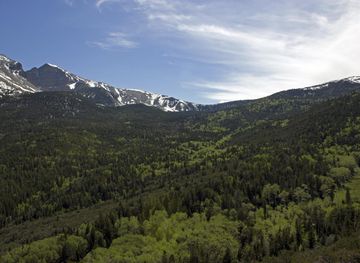

Your all‑in‑one travel companion app
Explore expert travel guides, compare and book tours, experiences, hotels, and more—all from the palm of your hand. Download now for seamless trip planning wherever your wanderlust takes you.


Explore More of Utah

Looking beyond Wasatch Plateau? Discover Utah for broader travel guides, local hot-spots, and regional highlights.
Explore UtahWasatch Plateau in Photos
Browse through our photo collection highlighting the charm and character of the destination.


The Untamed Beauty of Wasatch Plateau
Nestled in the heart of Utah, the Wasatch Plateau is a hidden gem that offers an unparalleled escape into nature's serenity. This sprawling highland is a haven for outdoor enthusiasts, with its lush forests, pristine lakes, and breathtaking vistas that stretch as far as the eye can see. The plateau is part of the larger Manti-La Sal National Forest, which adds to its allure with a diverse range of flora and fauna. Hiking and biking trails crisscross the plateau, providing adventurers with a myriad of paths to explore. Whether you are a seasoned hiker or a casual walker, the Wasatch Plateau has trails that cater to all skill levels. The Skyline Drive is particularly popular, offering a scenic route that winds through the highlands and presents panoramic views that are nothing short of spectacular. Fishing enthusiasts will find solace in the numerous lakes and streams that dot the landscape. These waters are teeming with trout, making it a perfect spot for a peaceful day of angling. During the winter months, the plateau transforms into a snowy wonderland, ideal for snowmobiling, cross-country skiing, and even ice fishing. The Wasatch Plateau is truly a year-round destination, offering something unique in every season.