

Free Karakalpakstan Travel Guide & Mobile App
Explore Karakalpakstan with free travel guides. Discover regional history, expert tips, proposed trips, and audio guides on web or mobile app.


Explore Karakalpakstan’s Savitsky Museum, ancient Khorezmian sites, desert landscapes and the haunting ship cemetery of Muynak and the Aral Sea.
When is the best time to visit Karakalpakstan?
Best: May–June, September · 25–30°C| Month | High (°C) | Rainfall (mm) |
|---|---|---|
| January | 4 | 15 |
| February | 8 | 15 |
| March | 15 | 20 |
| April | 20 | 25 |
| May (best) | 25 | 20 |
| June (best) | 30 | 15 |
| July | 32 | 10 |
| August | 31 | 10 |
| September (best) | 26 | 10 |
| October | 20 | 15 |
| November | 15 | 15 |
| December | 6 | 15 |
Getting to and around Karakalpakstan
How to get there
Transportation
Top city travel guides in Karakalpakstan
The cities of Karakalpakstan, and the easiest places to base yourself.
-

-


Swipe for more cities
Best attractions in Karakalpakstan
Karakalpakstan’s attractions are defined by the relationship between archaeology, art and environmental change. In Nukus, the Savitsky Museum is the region’s cultural centrepiece, bringing together Russian avant-garde works, Central Asian art, archaeological objects and Karakalpak decorative traditions. Around the Amu Darya delta, ancient Khorezmian fortresses and settlements, including Toprak-Kala and Ayaz-Kala, reveal how sophisticated communities adapted to a desert irrigated by river water. The necropolis and ruins of Mizdakhan provide a more layered encounter with medieval sacred and civic history, while Chilpyk’s elevated ancient funerary monument stands alone in the open delta landscape. North-west of Nukus, Muynak combines a small local museum with the famous ship cemetery and the exposed terrain of the former Aral seabed. Birdlife and wetland habitats survive in parts of the delta and around protected lake systems, although access and facilities can be limited. The region suits travellers interested in museums, archaeology, photography, desert geology and environmental history more than those seeking developed leisure infrastructure; organised transport is often essential outside the capital.
-
 Tourist attraction
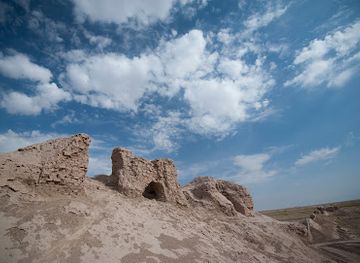
Kuyuk Kala
Explore Kuyuk Kala, an ancient fortress in Karakalpakstan, Uzbekistan, where history meets breathtaking desert landscapes.
Best landmarks in Karakalpakstan
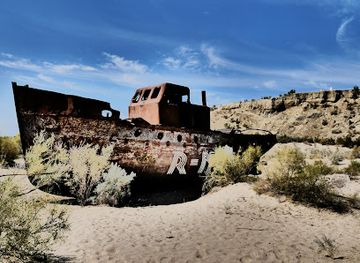
The Savitsky Museum in Nukus is Karakalpakstan’s most internationally recognisable cultural landmark, both for its remarkable art collection and for its role in preserving works neglected during the Soviet period. Chilpyk, an ancient circular dakhma set on a stark elevation above the delta, is one of the region’s most distinctive silhouettes and reflects funerary traditions predating the Islamic era. The ruins and mausoleums of Mizdakhan form a major historic landscape near Khujayli, with centuries of religious and settlement history visible across its weathered slopes. In Muynak, the ship cemetery is a modern environmental landmark rather than an ancient monument: rusting vessels rest on land that was once a working harbour. The ancient Khorezmian fortresses of Toprak-Kala and Ayaz-Kala, located within Karakalpakstan’s desert archaeological zone, are imposing defensive and civic remains built from earth and mud brick. Together these places express the region’s defining contrasts—river civilisation and desert, sacred history and Soviet modernity, and a maritime past transformed by ecological collapse.
-
Historical landmark
Topraq-Kala
Explore the ancient ruins of Topraq-Kala, a historical gem in Uzbekistan that unveils the mysteries of a forgotten civilization amidst stunning landscapes.
-
Fortress
Ayoz qalʼa
Discover the historical grandeur of Ayoz Qalʿa in Karakalpakstan, a fortress that embodies the rich cultural heritage of Uzbekistan.
-
Tourist attraction
Monument "Aral'skoye More"
Explore the haunting beauty of Aral'skoye More, a poignant symbol of nature's resilience and the impact of human activity on the environment.
-
Museum
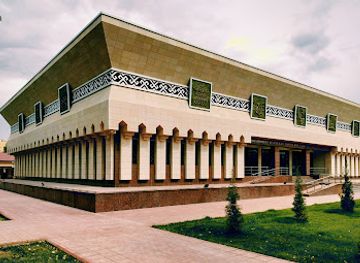
State museum of history and culture of the Republic of Karakalpakstan
Explore the State Museum of History and Culture of the Republic of Karakalpakstan - a vibrant showcase of the region's unique heritage and artistic legacy.

Explore Karakalpakstan on the map
Plan your trip on one map. See where the top cities, national parks and sights are, and book hotels and experiences in a few clicks.
Best hotels in Karakalpakstan
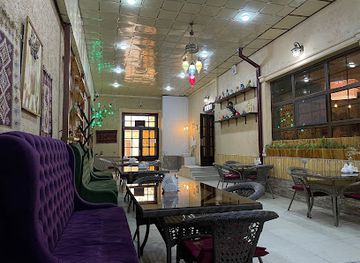
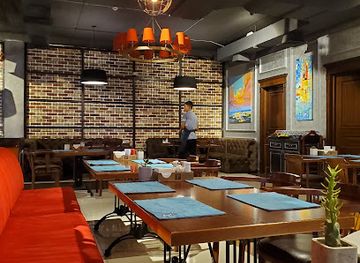
Best restaurants in Karakalpakstan
Dining in Karakalpakstan is centred on home-style Uzbek and Karakalpak cooking rather than a large restaurant scene. In Nukus, visitors can find plov, lagman, shashlik, soups, fresh bread and manti, alongside dishes influenced by the lower Amu Darya’s riverine and pastoral traditions. Karakalpak cuisine includes preparations based on rice, dough, meat and fish, although availability varies considerably after the collapse of Muynak’s fishing economy. Cafés and canteens in the capital are the most dependable places for a choice of meals, while roadside stops and family-run eateries become simpler outside Nukus. Local markets are useful for fruit, melons, bread, dairy products and provisions for long desert journeys. Tea is customary throughout Uzbekistan and is commonly offered with meals. Visitors heading to archaeological sites or Muynak should carry snacks and water, since facilities between settlements are limited and meal times may not align with transport arrangements.
-
Restaurant
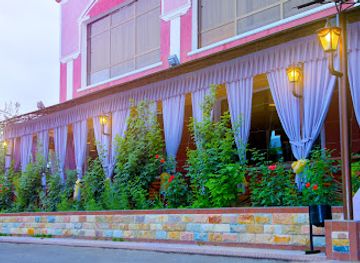
Neo Restaurant
Experience the exquisite flavors of Uzbekistan at Neo Restaurant in Nukus - where tradition meets innovation.
-
Turkish
Sofram Restoran
Experience authentic Turkish cuisine at Sofram Restoran in Nukus, where flavor meets culture in a warm and inviting atmosphere.
-
Restaurant
Premier Lounge
Experience authentic Uzbek cuisine at Premier Lounge in Nukus - where local flavors meet modern dining.
-
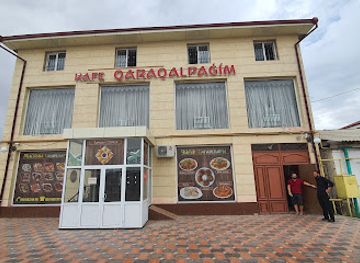
Restaurant
Qaraqalpaģım
Experience authentic Uzbek cuisine at Qaraqalpaģım in Nukus - where tradition meets flavor in every dish.
Best bars in Karakalpakstan
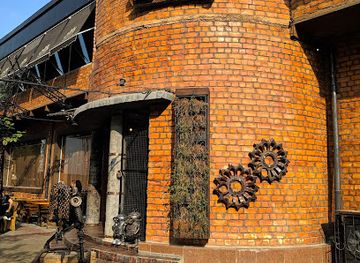
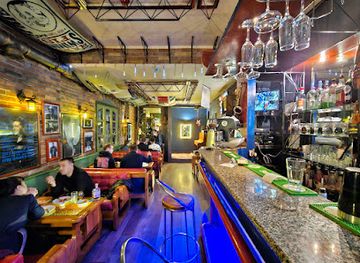
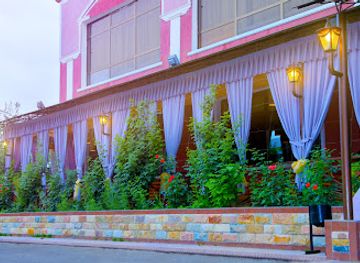
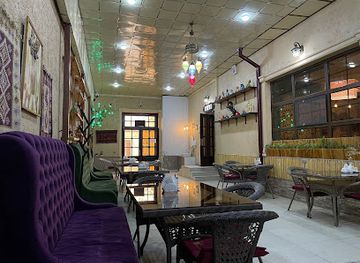
Karakalpakstan has a modest evening scene, concentrated in Nukus rather than spread across the desert settlements. Hotels, cafés and restaurants in the capital provide the most predictable places for tea, soft drinks, beer and an unhurried meal, while some venues may offer music or informal socialising without functioning as late-night clubs. Muynak and smaller towns have far fewer evening options, and nights there are generally quiet after restaurants and local shops close. Alcohol is available in parts of Uzbekistan, but it is not necessary for engaging with local culture; tea, conversation and shared meals are equally characteristic forms of hospitality. Travellers should not expect a large club district, extensive live-music programme or dependable late opening hours outside Nukus, and should arrange evening transport in advance when staying beyond the capital.
-
Bar
Steam Bar
Experience the medieval charm and vibrant atmosphere of Steam Bar in Tashkent, where unique drinks meet unforgettable memories.
-
Bar
Blues Bar
Blues Bar in Samarkand: A vibrant music haven where soulful rhythms meet local charm, perfect for unwinding and experiencing the city's nightlife.
-
Restaurant
Neo Restaurant
Discover the culinary wonders of Neo Restaurant, a top dining spot in Nukus blending local flavors with international cuisine.
-
Turkish
Sofram Restoran
Experience authentic Turkish cuisine in Nukus at Sofram Restoran, where every meal is a celebration of flavor and tradition.
Best nightclubs in Karakalpakstan
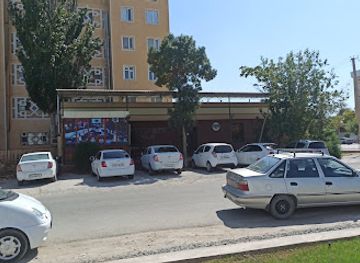
Karakalpakstan has a modest evening scene, concentrated in Nukus rather than spread across the desert settlements. Hotels, cafés and restaurants in the capital provide the most predictable places for tea, soft drinks, beer and an unhurried meal, while some venues may offer music or informal socialising without functioning as late-night clubs. Muynak and smaller towns have far fewer evening options, and nights there are generally quiet after restaurants and local shops close. Alcohol is available in parts of Uzbekistan, but it is not necessary for engaging with local culture; tea, conversation and shared meals are equally characteristic forms of hospitality. Travellers should not expect a large club district, extensive live-music programme or dependable late opening hours outside Nukus, and should arrange evening transport in advance when staying beyond the capital.
-
Night club
MJA night bar
MJA Night Bar in Nukus offers an energetic nightlife experience with vibrant music, local drinks, and a welcoming atmosphere perfect for tourists.
-
Restaurant
BACARDI CLUB
Discover the lively Bacardi Club in Nukus, where local flavors meet an unforgettable dining atmosphere.
-
Night club
Tumariskafe
Experience the vibrant nightlife at Tumariskafe, the premier night club in Karauzyak, Republic of Karakalpakstan, where music and culture collide.
-
Bar
Desmond's Party Bar
Discover the energetic nightlife at Desmond's Party Bar in Shark-Yulduzi, the perfect spot for drinks, music, and making new friends.

Best shops in Karakalpakstan
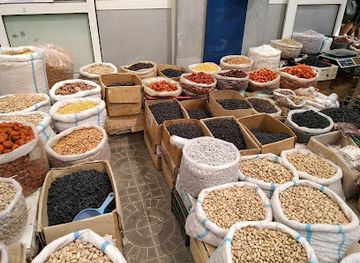
Shopping in Karakalpakstan is practical and locally focused, with the broadest choice in Nukus. Markets and small food shops sell bread, dried fruit, melons when in season, nuts, dairy products and other provisions for journeys into the desert. Visitors can look for Karakalpak decorative arts, including embroidered textiles, woven items, jewellery and traditional designs, but should buy from established cultural shops, museum outlets or recognised artisans where possible and ask about materials and provenance. The Savitsky Museum shop and cultural institutions may offer more reliable souvenirs connected with regional art than informal roadside stalls. Outside Nukus, retail is mainly oriented towards daily needs rather than tourism, and Muynak’s shopping options are limited. Useful purchases include Uzbek textiles, ceramics and packaged foods, but these are associated with wider national traditions as well as Karakalpakstan. Carry cash for markets and small vendors, since card payment is less dependable away from the capital.
-
Museum
Nukus Museum of Art
Explore the Nukus Museum of Art, a treasure trove of modern and contemporary artworks in the heart of Uzbekistan's Karakalpakstan region.
-
Historical landmark
Topraq-Kala
Explore the ancient ruins of Topraq-Kala, a historical gem in Uzbekistan's Karakalpakstan, and uncover the secrets of the Silk Road.
-
Market
Markaziy bozor
Experience the heart of Nukus at Markaziy Bozor, a vibrant market showcasing local culture, authentic cuisine, and unique handicrafts.
-
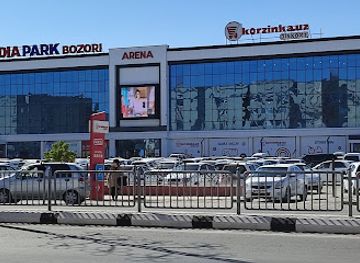
Supermarket
korzinka.uz DISKONT - Нукус
Explore Korzinka.uz DISKONT in Nukus for an authentic taste of local foods and a vibrant shopping experience in Uzbekistan.
Get your free copy of our complete guide to Karakalpakstan, delivered straight to you.
Everything on this page, from attractions and restaurants to essentials and local phrases, in one PDF you can read offline, print or share.
Already have an account? Sign in
Your Karakalpakstan guide is ready.
We'll send it to · Not you? Sign out

Getting your guide ready…
We are putting together a fresh copy of the Karakalpakstan guide. This can take up to a minute.
This can take a few moments. If your browser asks, choose Allow so the download can start. You'll find the guide in your Downloads folder.
Nothing happened? Download it again
Sorry, the guide is taking longer than usual. Please try again in a minute, or get it by email instead.
Karakalpakstan essentials
Currency and Payment
Safety
Emergency Situations
Do's and Don'ts
Local Tips
From Eve
Local phrases worth knowing
You don't need to get them perfect. A few words go a long way, and locals appreciate the effort.
Basics
| English | Local | Say it |
|---|---|---|
| Hello | Салам | [Salam] |
| Goodbye | Хайр | [Xayr] |
| Yes | Ҳа | [Ha] |
| No | Йўқ | [Yuq] |
| Please/You're welcome | Илтимос / Сизга хўш келди | [Iltimos / Sizga xush keldi] |
| Thank you | Раҳмат | [Rahmat] |
| Excuse me/Sorry | Кечирасиз | [Keçirasiz] |
| How are you? | Сиз қандайсиз? | [Siz qandaysiz?] |
| Fine. And you? | Яхши. Сиз呢? | [Yaxshi. Siz ne?] |
| Do you speak English? | Сиз инглизча гапирасизми? | [Siz inglizcha gapirasizmi?] |
| I don't understand | Мен тушунмаяпман | [Men tushunmayapman] |
Eating & Drinking
| English | Local | Say it |
|---|---|---|
| I'd like to see the menu, please | Менюни кўрмоқчиман, илтимос | [Menyunı ko'rmoqchiman, iltimos] |
| I don't eat meat | Мен гўшт ёймайман | [Men go'sht yemayman] |
| Cheers! | Саломатлик учун! | [Salomatlik uchun!] |
| I would like to pay, please | Мен тўлашни хоҳлайман, илтимос | [Men to'lashni xohlayman, iltimos] |
Emergencies
| English | Local | Say it |
|---|---|---|
| Help! | Ёрдам! | [Yordam!] |
| Go away! | Кетинг! | [Keting!] |
| Call the Police! | Полицияни чақиринг! | [Politsiyani chaqiring!] |
| Call a doctor! | Шифокорни чақиринг! | [Shifokorni chaqiring!] |
| I'm lost | Мен йўқолдим | [Men yo'qoldim] |
| I'm ill | Мен беморман | [Men bemorman] |
Shopping
| English | Local | Say it |
|---|---|---|
| I'd like to buy... | Мен ... сотиб олишни хоҳлайман | [Men ... sotib olishni xohlayman] |
| I'm just looking | Мен фақат қараяпман | [Men faqat qarayapman] |
| How much is it? | Бу қанча? | [Bu qancha?] |
| That's too expensive | Бу жуда қиммат | [Bu juda qimmat] |
| Can you lower the price? | Нарҳни пасайтирсингизми? | [Narhni pasaytirishingizmi?] |
Time & Numbers
| English | Local | Say it |
|---|---|---|
| What time is it? | Саат неча? | [Saat necha?] |
| It's one o'clock | Бир соат | [Bir soat] |
| Half past (10) | Ундан ўтган (10) | [Undan o'tgan (10)] |
| Morning | Эрталаб | [Ertalab] |
| Afternoon | Кундуз | [Kunduz] |
| Evening | Кеча | [Kecha] |
| Yesterday | Кеча | [Kecha] |
| Today | Бугун | [Bugun] |
| Tomorrow | Эртага | [Ertaga] |
| 1 | 1 | [1] |
| 2 | 2 | [2] |
| 3 | 3 | [3] |
| 4 | 4 | [4] |
| 5 | 5 | [5] |
| 6 | 6 | [6] |
| 7 | 7 | [7] |
| 8 | 8 | [8] |
| 9 | 9 | [9] |
| 10 | 10 | [10] |
Transport & Directions
| English | Local | Say it |
|---|---|---|
| Where's a/the...? | Нерда ...? | [Nerda ...?] |
| What's the address? | Манзил нима? | [Manzil nima?] |
| Can you show me (on the map)? | Мени кўрсатасизми (харитада)? | [Meni ko'rsatishingizmi (xaritada)?] |
| When's the next (bus)? | Кейинги (автобус) қачон? | [Keyingi (avtobus) qachon?] |
| A ticket (to ....) | Билет (.... учун) | [Bilet (.... uchun)] |
History of Karakalpakstan
Ancient Khorezm and the Amu Darya Delta
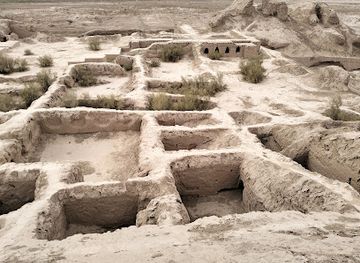
The lower Amu Darya supported settled communities, irrigation and fortified centres from antiquity, forming part of the wider historical region of Khorezm. The river’s shifting channels created fertile delta land amid surrounding deserts, while trade routes connected the area with Central Asian, Iranian and steppe worlds. Archaeological remains across Karakalpakstan include fortresses, burial grounds and religious structures that demonstrate the sophistication of pre-Islamic societies. The ruins of Toprak-Kala and Ayaz-Kala are among the best-known Khorezmian sites associated with the broader region, although their locations require substantial travel beyond Nukus.
Mizdakhan and the Medieval Delta
Mizdakhan, near present-day Khujayli, developed as an important settlement and burial landscape in the western part of the Khorezmian world. Its surviving ruins and necropolis contain layers spanning pre-Islamic and Islamic periods, including mausoleums, defensive remains and popular sacred traditions. The site illustrates how political power, commerce and religious life shifted across the lower Amu Darya over many centuries. Its weathered structures and open setting make it one of Karakalpakstan’s most evocative historical places, while also reminding visitors that the region’s past cannot be reduced to a single dynasty or cultural influence.
Islamic Khorezm and the Mongol Conquests
From the medieval period, Islam became an important force in the towns and scholarly culture of Khorezm, leaving its mark on mausoleums, cemeteries and settlement patterns in what is now Karakalpakstan. The region was repeatedly affected by rivalry among Central Asian powers and by the Mongol invasion of the early thirteenth century, which devastated major centres across Khorezm. Political control later passed through changing regional dynasties and khanates. The surviving monuments around Mizdakhan and the desert fortresses of ancient Khorezm preserve fragments of this complex history rather than a single continuous urban tradition.
Russian Expansion and the Khiva Frontier, 1873
Russian military expansion into Central Asia altered the political geography of the lower Amu Darya during the nineteenth century. After the Russian conquest of Khiva in 1873, influence and administration extended across territories inhabited by Karakalpak communities, although local life remained shaped by river agriculture, pastoralism and customary authority. Imperial rule introduced new administrative structures and commercial connections, while the region remained relatively remote. Later Soviet boundary-making placed Karakalpak territories within the Uzbek Soviet Socialist Republic, establishing the political framework from which the present-day Republic of Karakalpakstan developed.
Soviet Karakalpakstan and Nukus
The Soviet period brought major changes to settlement, education, administration and agriculture. Nukus grew as the capital and administrative centre of the Kara-Kalpak Autonomous Soviet Socialist Republic, with new institutions and broad planned streets replacing the scale of an older delta town. Irrigation schemes expanded cotton and other agriculture, while Soviet cultural policy created museums, theatres and research institutions. In 1966, the artist and collector Igor Savitsky founded the Nukus Museum of Art, later named in his honour. His collecting preserved thousands of works by artists who had been marginalised or suppressed elsewhere in the Soviet Union.
The Aral Sea Disaster
From the 1960s, large-scale diversion of the Amu Darya and Syr Darya for irrigation caused the Aral Sea to shrink dramatically. Muynak, formerly a port with a fishing economy, became separated from the receding water as the exposed seabed expanded into a saline desert. The consequences included the collapse of fisheries, changes in local climate, dust and salt storms, and serious public-health and economic pressures. The ship cemetery at Muynak is now a physical symbol of this transformation. The northern part of the sea has partly recovered through water-management efforts in Kazakhstan, but the Karakalpak landscape continues to bear the disaster’s effects.
Karakalpakstan in Photos
Browse through our photo collection highlighting the charm and character of the destination.
Neighbouring regions of Karakalpakstan
The closest regions to Karakalpakstan, if you have time for more than one.
-

-

-

-

-


Swipe for more regions
Explore more
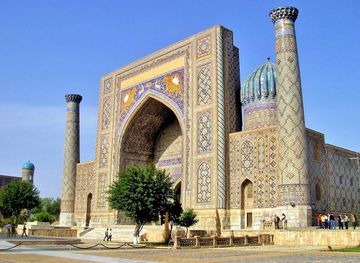
Explore more of Uzbekistan
Discover Uzbekistan: A land of ancient cities, vibrant culture, and breathtaking landscapes, where history comes alive along the legendary Silk Road.
Explore Uzbekistan