

Navoiy Region, Uzbekistan Travel Guide
Discover the hidden treasures of Navoiy Region, Uzbekistan - a perfect blend of ancient history, natural beauty, and modern comforts.
Nestled in the heart of Uzbekistan, the Navoiy Region is a treasure trove of cultural heritage and natural beauty. Known for its historical significance, this region offers a unique blend of ancient history and modern development. From the awe-inspiring ruins of ancient fortresses to the serene beauty of its landscapes, Navoiy provides a captivating journey through time. One of the main attractions in Navoiy is the Sarmishsay Gorge, famed for its prehistoric petroglyphs. These ancient rock carvings, dating back to the Bronze Age, offer a glimpse into the lives of early inhabitants. The gorge is also a beautiful natural site, perfect for hiking and nature walks. The region is also home to the Kyzylkum Desert, where you can experience the raw beauty of the Uzbek wilderness. The desert offers the chance to see rare wildlife, ride camels, and spend a night under the stars in a traditional yurt camp. In the city of Navoiy itself, visitors can explore the regional museum, which houses artifacts from various periods, including the Silk Road era. The city's modern amenities and infrastructure make it a comfortable base for exploring the region's many attractions.

Know before you go
Hi, I'm Eve. Here are a few practical things to know before exploring Navoiy Region.
- Visit the Sarmishsay Gorge early in the morning to avoid the midday heat and crowds.
- Pack comfortable shoes and plenty of water for exploring the Kyzylkum Desert.
- Make sure to try local Uzbek cuisine in Navoiy city; the plov (pilaf) is a must-try.
- Hire a local guide to get in-depth knowledge about the historical sites and petroglyphs.
- Check the local calendar for cultural events and festivals happening during your visit.
Top City Travel Guides in Navoiy Region
The cities of Navoiy Region, and the easiest places to base yourself.


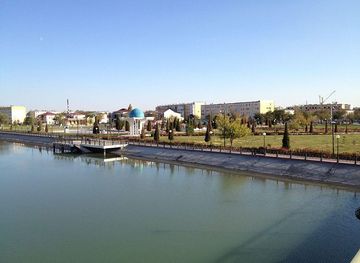
Destinations in Navoiy Region
Resorts, valleys and scenic spots worth a trip of their own.


Explore Navoiy Region: Things to Do, Places to Eat, Hotels & More
Handpicked recommendations for top attractions, local dining, accommodations, and more

Top Attractions & Sightseeing in Navoiy Region
Top-rated picks
Best Attractions

Kalon Tower
Experience the grandeur of the Kalon Tower, a historical landmark in Bukhara, showcasing stunning architecture and rich cultural heritage.

National Park of Uzbekistan named after Alisher Navoi
Discover the serene landscapes and cultural richness of the National Park of Uzbekistan named after Alisher Navoi in Tashkent, a must-visit tourist destination.

Alisher Navoi Monument
Explore the Alisher Navoi Monument in Tashkent, a cultural gem honoring the legacy of Uzbekistan's greatest poet amidst beautiful gardens.

Alisher Navoiy National Park
Experience the natural beauty of Alisher Navoiy National Park, a serene escape in Uzbekistan filled with lush landscapes and rich cultural experiences.

Best landmarks in Navoiy Region
Top-rated picks
Best Landmarks

Ark of Bukhara
Explore the Ark of Bukhara: A historic fortress that encapsulates the rich heritage and architectural splendor of Uzbekistan.

Chor Minor Madrasah
Discover the enchanting Chor Minor Madrasah in Bukhara, a historical landmark showcasing stunning architecture and rich cultural heritage.

Kalon Tower
Explore the breathtaking Kalon Tower in Bukhara, a UNESCO World Heritage site showcasing stunning Islamic architecture and rich cultural heritage.

Tinchlik Plaza Hotel
Experience unparalleled comfort and hospitality at Tinchlik Plaza Hotel, the perfect base for exploring Uzbekistan's rich heritage.

Best restaurants in Navoiy Region
Top-rated picks
Best Restaurants

"Zarafshan Grand"
Experience exquisite European cuisine and luxurious hospitality at Zarafshan Grand in Navoi, Uzbekistan.

Gribok (Грибок)
Experience the rich flavors of Uzbekistan at Gribok Restaurant in Zarafshan - where every meal tells a story.

Sugdiyona restaurant
Discover authentic Uzbek flavors at Sugdiyona Restaurant in Zarafshan - a culinary haven for travelers seeking local delights.

Kanimekh Restaraunt
Discover authentic Asian cuisine at Kanimekh Restaurant, where flavor meets tradition in Navoiy Region's vibrant dining scene.

Best bars in Navoiy Region
Top-rated picks
Best Bars

Zarafshon
Experience the electrifying nightlife at Zarafshon, a premier nightclub in Uzbekistan's Navoiy Region, where music and culture unite.

Euroasia restaurant
Experience the vibrant flavors of Uzbekistan at Euroasia Restaurant, a culinary haven in Zarafshan offering a diverse menu and warm hospitality.

Кафе-ресторан и ночной клуб «TARONA»
Discover the vibrant nightlife at TARONA Café-Restaurant and Night Club in Navoi, Uzbekistan, where music, cuisine, and fun unite for an unforgettable experience.

Beerlin fast-food
Experience exceptional local flavors and craft brews at Beerlin Fast-Food, a must-visit brewpub in Navoi, Uzbekistan.

Best nightclubs in Navoiy Region
Top-rated picks
Best Nightclubs

Zarafshon
Experience the vibrant nightlife of Zarafshon, a premier night club in Uzbekistan, where music, dance, and culture come alive.

Кафе-ресторан и ночной клуб «TARONA»
Dive into the energetic atmosphere of TARONA Nightclub in Navoi, where vibrant nightlife meets delicious cuisine for an unforgettable experience.

Yakht-Klub
Discover tranquility and adventure at Yakht-Klub, a stunning boat club in Uzbekistan's Navoiy Region, perfect for water sports and relaxation.
ZeusCyberClub
Discover Zarafshan's premier gaming hub at ZeusCyberClub, where cutting-edge tech meets a vibrant community of gamers and enthusiasts.

Best shops in Navoiy Region
Top-rated picks
Best Shops

"New Life" Mall Of Navoi
Experience the perfect blend of shopping, dining, and culture at the 'New Life' Mall of Navoi, where every visit is a new adventure.

AZARA shop Navoiy
Discover the perfect blend of modern style and traditional Uzbek fashion at AZARA Shop Navoiy, a must-visit destination for every traveler.

Avtozapchast
Discover unique local handicrafts and authentic souvenirs at Avtozapchast, a charming gift shop in Kiziltepa, Uzbekistan.
G‘ani tog‘oni magazinlari
Explore G‘ani tog‘oni magazinlari in Navoiy Region, Uzbekistan - a treasure trove of local crafts and cultural experiences.

Explore Navoiy Region on the Map
A handpicked selection of must-see spots in Navoiy Region, mapped for you.
Navoiy Region Essentials
-
Navoiy Region is located in central Uzbekistan. The nearest major airport is Navoi International Airport (NVI), which offers both domestic and limited international flights. From Tashkent, the capital of Uzbekistan, you can also take a domestic flight to Navoi. Alternatively, you can travel by train from Tashkent or Samarkand; the journey is comfortable and provides scenic views of the Uzbek countryside. Buses and shared taxis are also available for ground travel from major cities.
-
Within Navoiy Region, various modes of transportation are available. Taxis are abundant and relatively inexpensive. For shorter distances, you can use shared taxis known as 'marshrutkas,' which are a popular and economical option. Car rentals are available for those who prefer self-driving. Public buses connect major towns and villages, but schedules may not always be reliable. Bicycles can also be rented for exploring smaller areas.
-
The official currency in Uzbekistan is the Uzbek Som (UZS). While credit cards are accepted in some hotels, restaurants, and shops, it’s advisable to carry cash, especially in smaller towns and rural areas. ATMs are available in larger towns like Navoi, but it’s a good idea to withdraw sufficient cash in advance to avoid any inconvenience. Currency exchange services are available at banks and authorized exchange offices.
-
Navoiy Region is generally safe for tourists, but it’s important to exercise standard precautions. Avoid walking alone at night in unfamiliar areas and keep an eye on your belongings in crowded places. While there are no specific high-crime areas targeting tourists, staying vigilant and aware of your surroundings is always advisable. If you need assistance, locals are generally friendly and willing to help.
-
In case of emergency, dial 103 for medical emergencies and 102 for police assistance. Major towns have hospitals and clinics that can provide medical care. Pharmacies are available in most towns for over-the-counter medications. It is highly recommended to have travel insurance that covers medical emergencies. For consular assistance, contact your country's embassy or consulate in Tashkent.
-
Fashion: Do dress modestly, especially when visiting religious sites. Avoid wearing revealing clothing. Religion: Do respect local customs and traditions. Always cover your head when entering mosques and other religious places. Public Transport: Do be respectful and give up your seat to elderly passengers. Don't eat or drink on public transport. Greetings: Do greet people with a handshake and a smile. A slight bow of the head is also a sign of respect. Eating & Drinking: Do try local delicacies and accept food offerings graciously. Don't refuse hospitality, as it is considered impolite.
-
To experience Navoiy Region like a local, visit the bustling bazaars where you can buy fresh produce and traditional Uzbek goods. Engage with locals, who are often friendly and willing to share stories about their culture and history. Don’t miss visiting the Rabati Malik Caravanserai and the Sarmishsay Petroglyphs, which offer a glimpse into the region's rich history. For a unique experience, attend a local festival or try a traditional Uzbek meal at a family-run eatery.
When is the best time to visit Navoiy Region?
Useful Local Phrases for Navoiy Region
You don't need to speak the language perfectly. Even learning a few simple words can make conversations warmer—and locals usually appreciate the effort.
— Eve

Here are the phrases I use most often in Navoiy Region. Try a few—you'll be surprised how far they go! 😊
❤️
-
- HelloSalom
[sah-lom] - GoodbyeXayr
[khayr] - YesHa
[ha] - NoYo'q
[yoq] - Please/You're welcomeIltimos
[eel-tee-mos] - Thank youRahmat
[rah-mat] - Excuse me/SorryKechirasiz
[keh-chee-rah-siz] - How are you?Qalaysiz?
[kah-lah-siz] - Fine. And you?Yaxshi. Sizchi?
[yahk-shee. siz-chee] - Do you speak English?Inglizcha gapirasizmi?
[een-glee-zcha gah-pee-rah-siz-mee] - I don't understandMen tushunmayapman
[men too-shoon-mah-yap-man]
- HelloSalom
-
- I'd like to see the menu, pleaseMeni menyuni ko'rsatishingizni xohlayman, iltimos
[meh-nee men-yoo-nee koh-r-sah-tee-shi-ning-zi kho-lah-ye-man, eel-tee-mos] - I don't eat meatMen go'sht yemayman
[men go-sht ye-mah-yman] - Cheers!Salomat bo'ling!
[sah-loh-mat bo-ling] - I would like to pay, pleaseMeni to'lov qilishni xohlayman, iltimos
[meh-nee toh-lov kee-lish-nee kho-lah-ye-man, eel-tee-mos]
- I'd like to see the menu, pleaseMeni menyuni ko'rsatishingizni xohlayman, iltimos
-
- Help!Yordam bering!
[yor-dahm beh-ring] - Go away!Ket!
[ket] - Call the Police!Politsiyani chaqiring!
[po-lee-tsi-ya-nee chah-kee-ring] - Call a doctor!Shifokorni chaqiring!
[shi-fo-kor-nee chah-kee-ring] - I'm lostMen yo'qoldim
[men yok-old-im] - I'm illMen bemorman
[men beh-mor-man]
- Help!Yordam bering!
-
- I'd like to buy...Men ... sotib olmoqchiman
[men ... soh-teeb ol-mok-chee-man] - I'm just lookingMen faqat qarayapman
[men fah-kaht kah-rah-yap-man] - How much is it?Bu qancha turadi?
[boo kan-cha too-rah-dee] - That's too expensiveBu juda qimmat
[boo joo-dah keem-mat] - Can you lower the price?Narxni pasaytirishingiz mumkinmi?
[nar-kh-nee pah-sah-tee-ree-shi-ning-zi moom-keen-mee]
- I'd like to buy...Men ... sotib olmoqchiman
-
- What time is it?Hozir qaysi vaqt?
[ho-zir kai-see vahkt] - It's one o'clockSoat bir
[so-at beer] - Half past (10)O'n bir yarim
[ohn beer yah-rim] - MorningTong
[tong] - AfternoonPeshin
[peh-sheen] - EveningKechqurun
[keh-ch-kur-un] - YesterdayKecha
[keh-chah] - TodayBugun
[boo-gun] - TomorrowErtaga
[er-tah-gah] - 1Bir
[beer] - 2Ikki
[ik-kee] - 3Uch
[ooch] - 4To'rt
[tohrt] - 5Besh
[besh] - 6Olti
[ol-tee] - 7Yetti
[yet-tee] - 8Sakkiz
[sahk-kiz] - 9To'qqiz
[toh-kee-z] - 10O'n
[ohn]
- What time is it?Hozir qaysi vaqt?
-
- Where's a/the...?Nerada...?
[neh-rah-dah] - What's the address?Manzil nima?
[man-zil nee-ma] - Can you show me (on the map)?Meni (kartada) ko'rsata olasizmi?
[meh-nee kar-tah-dah koh-r-sah-tah oh-lah-siz-mee] - When's the next (bus)?Keyingi (avtobus) qachon?
[keh-ying-ee av-to-boos kah-chon] - A ticket (to ....)Bir chipta (....)
[beer cheep-tah]
- Where's a/the...?Nerada...?
History of Navoiy Region
-
Karmana, now part of the city of Navoiy, has a rich history that dates back to ancient times. It was a significant settlement along the Silk Road, serving as a hub for trade and cultural exchange. Archaeological findings reveal that Karmana was a thriving community with advanced infrastructure, including caravanserais, mosques, and bazaars. The city's strategic location made it a melting pot of various cultures and traditions.
-
The Sarmishsay Gorge, located near the city of Navoiy, is home to one of the largest collections of petroglyphs in Central Asia. These rock carvings, which date back to the Bronze Age, depict scenes of daily life, hunting, and religious rituals. The petroglyphs provide invaluable insights into the lives and beliefs of the ancient peoples who inhabited the region. They are a testament to the region's long-standing human presence and its cultural significance.
-
The Navoiy Region played a vital role during the Timurid Empire, founded by the conqueror Timur (Tamerlane) in the 14th century. Timur's empire extended across much of Central Asia, and his influence reached the Navoiy area. The region benefited from the empire's focus on art, science, and architecture, which led to the construction of impressive structures and the flourishing of various crafts. The legacy of the Timurid era is still evident in the region's cultural heritage.
-
During the Soviet period, the Navoiy Region underwent significant industrialization. The discovery of rich natural resources, including gold and uranium, led to the establishment of major industrial complexes. The city of Navoiy became an important industrial center, contributing to the overall economic development of Uzbekistan. This period also saw the construction of modern infrastructure, including roads, housing, and public facilities, which transformed the region's landscape.
-
Following Uzbekistan's independence in 1991, the Navoiy Region has continued to develop and modernize. The government has invested in various sectors, including industry, agriculture, and tourism, to promote sustainable growth. The region's rich cultural and historical heritage has been preserved and promoted, attracting visitors from around the world. Modern Navoiy is a vibrant region that blends its ancient past with contemporary advancements.
Neighbouring Regions of Navoiy Region
The closest regions to Navoiy Region, if you have time for more than one.


Your all‑in‑one travel companion app
Explore expert travel guides, compare and book tours, experiences, hotels, and more—all from the palm of your hand. Download now for seamless trip planning wherever your wanderlust takes you.


Explore More of Uzbekistan
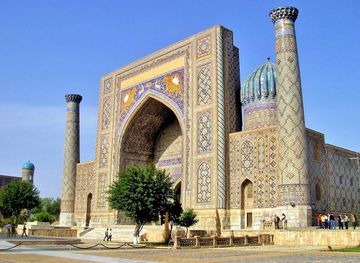
Looking beyond Navoiy Region? Discover Uzbekistan for broader travel guides, local hot-spots, and regional highlights.
Explore UzbekistanNavoiy Region in Photos
Browse through our photo collection highlighting the charm and character of the destination.


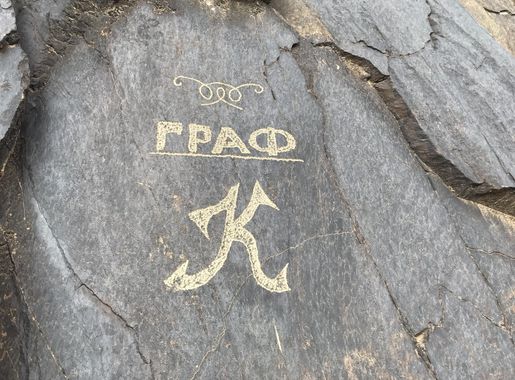


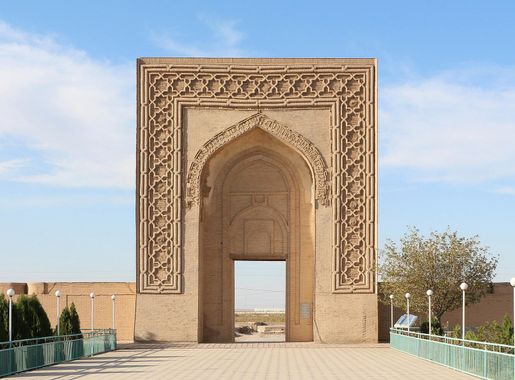
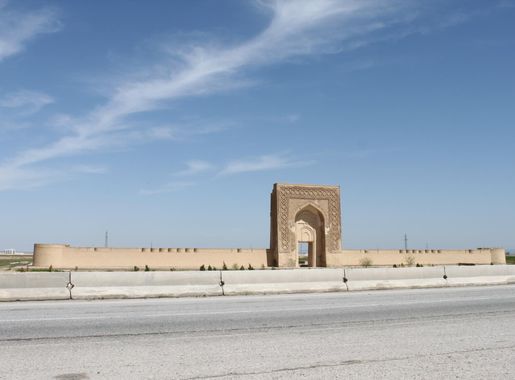

Navoiy Region: The Cultural and Natural Gem of Uzbekistan
Nestled in the heart of Uzbekistan, the Navoiy Region is a treasure trove of cultural heritage and natural beauty. Known for its historical significance, this region offers a unique blend of ancient history and modern development. From the awe-inspiring ruins of ancient fortresses to the serene beauty of its landscapes, Navoiy provides a captivating journey through time. One of the main attractions in Navoiy is the Sarmishsay Gorge, famed for its prehistoric petroglyphs. These ancient rock carvings, dating back to the Bronze Age, offer a glimpse into the lives of early inhabitants. The gorge is also a beautiful natural site, perfect for hiking and nature walks. The region is also home to the Kyzylkum Desert, where you can experience the raw beauty of the Uzbek wilderness. The desert offers the chance to see rare wildlife, ride camels, and spend a night under the stars in a traditional yurt camp. In the city of Navoiy itself, visitors can explore the regional museum, which houses artifacts from various periods, including the Silk Road era. The city's modern amenities and infrastructure make it a comfortable base for exploring the region's many attractions.