

Free Kyzylkum Desert Travel Guide & Mobile App
Explore Kyzylkum Desert with free travel guides. Discover regional history, expert tips, proposed trips, and audio guides on web or mobile app.


Explore Uzbekistan’s Kyzylkum Desert for dunes, Lake Aydar, ancient fortresses, petroglyphs, camel rides and exceptionally clear night skies.
Read more about Kyzylkum Desert
When is the best time to visit Kyzylkum Desert?
Best: April–May, September · 23–30°C| Month | High (°C) | Rainfall (mm) |
|---|---|---|
| January | 2 | 11 |
| February | 6 | 10 |
| March | 15 | 12 |
| April (best) | 23 | 10 |
| May (best) | 30 | 7 |
| June | 36 | 3 |
| July | 39 | 1 |
| August | 37 | 1 |
| September (best) | 29 | 3 |
| October | 20 | 7 |
| November | 11 | 9 |
| December | 4 | 11 |
Getting to and around Kyzylkum Desert
How to get there
Transportation
Top city travel guides in Kyzylkum Desert
The cities of Kyzylkum Desert, and the easiest places to base yourself.
-

-

-

-

-

-


Swipe for more cities
Destinations in Kyzylkum Desert
Resorts, valleys and scenic spots worth a trip of their own.
-

-

-

-

-


Swipe for more destinations
Best attractions in Kyzylkum Desert
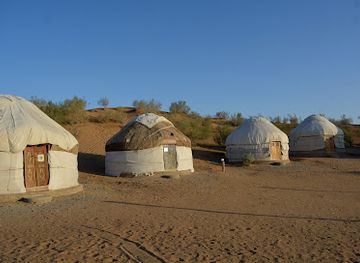
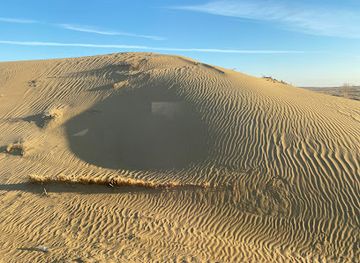
The Kyzylkum’s attractions are defined by landscape, archaeological isolation and the contrast between arid ground and rare water. Lake Aydar is the best-known natural focus in the Uzbek desert, offering lakeside walks, birdwatching, boat or swimming opportunities where locally permitted, and stays in simple yurt camps. Camel excursions and short guided hikes provide ways to experience the dunes and saxaul-covered plains without attempting a hazardous unsupported crossing. Near Navoi, Sarmyshsay combines a dramatic rocky gorge with a major concentration of prehistoric and later petroglyphs. On the north-western side, the ancient Khorezm fortresses of Ayaz-Kala, Toprak-Kala and related sites present mud-brick citadels, palace remains and desert horizons; they are within Karakalpakstan and should be visited as a dedicated archaeological circuit. The region also suits birdwatching near wetlands and reservoirs, landscape photography, cultural stays and night-sky observation. The wide distances mean that attraction-based travel is usually arranged from a city gateway or through a specialist desert itinerary rather than improvised between isolated locations.
-
State park
Pustynya Kyzylkum
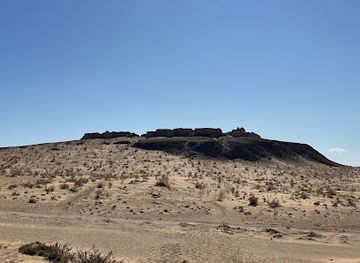
Explore the enchanting beauty of Pustynya Kyzylkum, a stunning desert park in Uzbekistan, rich in natural wonders and cultural heritage.
Best landmarks in Kyzylkum Desert
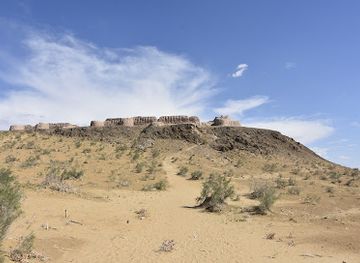
The most recognisable landmarks of the Uzbek Kyzylkum are ancient structures and natural horizons rather than urban monuments. Ayaz-Kala, in Karakalpakstan on the desert’s north-western side, is a group of mud-brick fortresses whose elevated walls and towers express the defensive architecture of ancient Khorezm. Nearby Toprak-Kala is associated with a planned settlement and a substantial palace complex, offering a different perspective on royal administration and oasis civilisation. Both are archaeological landmarks within a wider desert setting, not isolated buildings in a modern town. Sarmyshsay’s dark rock surfaces, marked by thousands of petroglyphs, form a cultural landscape of exceptional importance near Navoi. Lake Aydar provides the region’s principal natural landmark: its long blue expanse appears unexpectedly among dunes, gravel plains and scrub. The surrounding desert is also visually legible through saxaul vegetation, salt depressions and open horizons, while the ancient fortresses and petroglyph sites show how people repeatedly adapted to this demanding environment.
-
 Hotel
HotelHotel Asia Khiva
Discover comfort and cultural richness at Hotel Asia Khiva, your gateway to the historical treasures of Khiva, Uzbekistan.
-
Fortress
Ayoz qalʼa
Experience the breathtaking views and rich history at Ayoz qal'ca, a stunning fortress in the heart of the Kyzylkum Desert in Uzbekistan.
-
Hotel
Kyzyl Kum Safari Yurt Camp
Discover the magic of the Kyzyl Kum Desert at Kyzyl Kum Safari Yurt Camp, where adventure meets traditional Uzbek hospitality in a stunning natural setting.
-
Historical landmark
Itchan Kala west gate
Explore the enchanting Itchan Kala West Gate in Khiva, a historical landmark that opens the door to Uzbekistan's rich cultural heritage and architectural splendor.

Explore Kyzylkum Desert on the map
Plan your trip on one map. See where the top cities, national parks and sights are, and book hotels and experiences in a few clicks.
Best hotels in Kyzylkum Desert
Best restaurants in Kyzylkum Desert
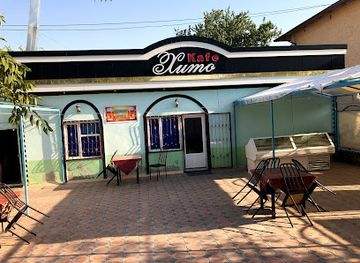
Dining in the Kyzylkum is closely linked to camp hospitality, roadside stops and the food traditions of the surrounding Uzbek and Karakalpak oases. Yurt stays commonly provide filling meals such as plov, lagman, shashlik, soups, flatbread, salads and seasonal fruit, with menus shaped by what can be transported and stored in a remote setting. Around Lake Aydar, fish may feature where local supply and camp arrangements allow, while camel-milk products or other desert-associated foods should be regarded as local specialities rather than guaranteed menu items. In towns such as Navoi and Nukus, visitors will find a broader range of Uzbek and regional Central Asian cooking in cafés and restaurants. Tea is central to hospitality, and bread is treated respectfully. Travellers heading into the desert should carry snacks and drinking water, as dining options between settlements are sparse and meal times at camps are usually organised in advance.
-
Restaurant
Kizilqum Teahouse
Experience authentic Uzbek cuisine and traditional teas at Kizilqum Teahouse in Bukhara Region—a cultural gem waiting to be explored.
-
Restaurant
Kyzylkum
Discover authentic Uzbek cuisine in Kyzylkum—a culinary gem nestled within the stunning Kyzylkum Desert.
-
Restaurant
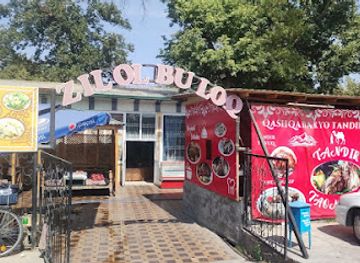
Zilol Buloq
Discover the essence of Uzbek cuisine at Zilol Buloq in Kyzyl-Oktyabr', where tradition meets innovation in every dish.

Best bars in Kyzylkum Desert
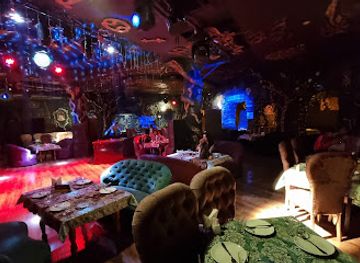
The Kyzylkum has little conventional nightlife. Evening life centres on yurt camps, guesthouses and roadside settlements, where visitors may share tea, listen to local music, discuss desert life or watch the stars rather than visit bars or clubs. Some camps arrange folkloric performances or informal music, but these programmes are seasonal and should not be assumed. Navoi and Nukus, both outside or on the fringes of the principal desert experiences, provide the most developed selection of cafés, restaurants and occasional late-evening venues in the wider region. Alcohol availability varies by establishment and by camp, while tea and non-alcoholic drinks are the more dependable part of desert hospitality. The lack of artificial light is itself a major evening attraction, particularly around Lake Aydar and remote camps, provided visitors respect quiet hours and local customs.
-
Restaurant
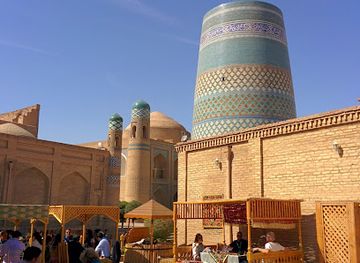
Tea House Bir Gumbaz
Experience authentic Uzbek cuisine and warm hospitality at Tea House Bir Gumbaz in Khiva, a true gem of Xorazm Region.
-
Hotel
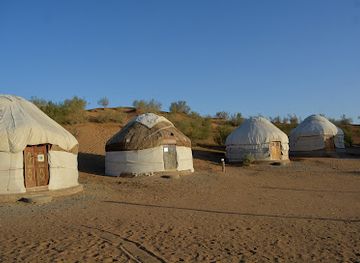
Kyzyl Kum Safari Yurt Camp
Discover the magic of the Kyzyl Kum Desert at the Kyzyl Kum Safari Yurt Camp, where adventure meets comfort in a stunning natural setting.
-
Bar
Madbrick Lounge
Experience the vibrant nightlife of Tashkent at Madbrick Lounge, a trendy bar and hookah lounge offering an eclectic atmosphere and diverse flavors.
-
Restaurant
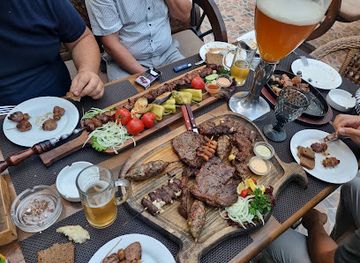
Beer Street Pub
Experience the vibrant atmosphere and authentic flavors of Uzbekistan at Beer Street Pub in Samarkand, a perfect spot for every traveler.

Best nightclubs in Kyzylkum Desert
The Kyzylkum has little conventional nightlife. Evening life centres on yurt camps, guesthouses and roadside settlements, where visitors may share tea, listen to local music, discuss desert life or watch the stars rather than visit bars or clubs. Some camps arrange folkloric performances or informal music, but these programmes are seasonal and should not be assumed. Navoi and Nukus, both outside or on the fringes of the principal desert experiences, provide the most developed selection of cafés, restaurants and occasional late-evening venues in the wider region. Alcohol availability varies by establishment and by camp, while tea and non-alcoholic drinks are the more dependable part of desert hospitality. The lack of artificial light is itself a major evening attraction, particularly around Lake Aydar and remote camps, provided visitors respect quiet hours and local customs.
-
Night club
The Time Bar
Experience the vibrant nightlife of Tashkent at The Time Bar, where great music and delicious drinks come together for an unforgettable evening.
-
Night club
Make Some Noise - Karaoke Club
Experience the vibrant nightlife of Tashkent at Make Some Noise, a karaoke club where every song is a chance to shine.
-
Disco club
Shambala
Discover the electrifying nightlife of Tashkent at Shambala, where dance, music, and culture unite in a dazzling disco experience.
-
Night club
Yetti go'zal/Disco
Dive into Bukhara's vibrant nightlife at Yetti go'zal/Disco, where music and culture come alive under the stars.



Best shops in Kyzylkum Desert
Shopping in the Kyzylkum is limited and practical, with the most relevant purchases made at camps, in gateway towns or in nearby oasis markets rather than in a dedicated desert retail district. Yurt camps may offer felt items, embroidery, woven goods, small souvenirs and locally made crafts, although selection varies and authenticity should be considered carefully. In Navoi, Nukus and other access towns, visitors can look for Uzbek ceramics, textiles, embroidered suzani, carved wood, dried fruit, nuts, spices and packaged regional foods. Karakalpak craft traditions may be encountered around the Nukus gateway, but buyers should ask about provenance rather than assuming every souvenir is locally produced. Carry cash for small purchases, especially at rural markets and camps. Do not buy archaeological fragments, fossils or objects claimed to have been taken from ruins; removing cultural material from heritage sites is harmful and may create legal problems.
-
State park
Pustynya Kyzylkum
Experience the mesmerizing beauty of Kyzylkum Desert, where red sands meet endless skies in a breathtaking natural landscape.
-
Shopping mall
Mini Market
Explore the Mini Market in Kyzylbayrak for a vibrant shopping experience filled with local culture, delicacies, and unique souvenirs.

Get your free copy of our complete guide to Kyzylkum Desert, delivered straight to you.
Everything on this page, from attractions and restaurants to essentials and local phrases, in one PDF you can read offline, print or share.
Already have an account? Sign in
Your Kyzylkum Desert guide is ready.
We'll send it to · Not you? Sign out

Getting your guide ready…
We are putting together a fresh copy of the Kyzylkum Desert guide. This can take up to a minute.
This can take a few moments. If your browser asks, choose Allow so the download can start. You'll find the guide in your Downloads folder.
Nothing happened? Download it again
Sorry, the guide is taking longer than usual. Please try again in a minute, or get it by email instead.
Kyzylkum Desert essentials
Currency and Payment
Safety
Emergency Situations
Do's and Don'ts
Local Tips
From Eve
Local phrases worth knowing
You don't need to get them perfect. A few words go a long way, and locals appreciate the effort.
Basics
| English | Local | Say it |
|---|---|---|
| Hello | Салом | [Salom] |
| Goodbye | Хайр | [Khayr] |
| Yes | Ҳа | [Ha] |
| No | Йўқ | [Yoq] |
| Please/You're welcome | Илтимос | [Iltimos] |
| Thank you | Раҳмат | [Rahmat] |
| Excuse me/Sorry | Кечиринг | [Kechiring] |
| How are you? | Яхшимисиз? | [Yaxshimisiz?] |
| Fine. And you? | Яхши. Сиз呢? | [Yaxshi. Siz ne?] |
| Do you speak English? | Сиз инглизча гапиришасизми? | [Siz inglizcha gapirishingizmi?] |
| I don't understand | Мен тушунмайман | [Men tushunmayman] |
Eating & Drinking
| English | Local | Say it |
|---|---|---|
| I'd like to see the menu, please | Менюни кўрмоқчиман, илтимос | [Menyuni ko'rmoqchiman, iltimos] |
| I don't eat meat | Мен гўшт емайман | [Men go'sht emayman] |
| Cheers! | Ташаккур! | [Tashakkur!] |
| I would like to pay, please | Мен тўламоқчиман, илтимос | [Men to'lamoqchiman, iltimos] |
Emergencies
| English | Local | Say it |
|---|---|---|
| Help! | Ёрдам беринг! | [Yordam bering!] |
| Go away! | Кетинг! | [Keting!] |
| Call the Police! | Полицияни чақиринг! | [Politsiyani chaqiring!] |
| Call a doctor! | Докторни чақиринг! | [Doktorni chaqiring!] |
| I'm lost | Мен йўқолдим | [Men yo'qoldim] |
| I'm ill | Мен беморман | [Men bemorman] |
Shopping
| English | Local | Say it |
|---|---|---|
| I'd like to buy... | Мен ... сотиб олмоқчиман | [Men ... sotib olmoqchiman] |
| I'm just looking | Мен фақат қараяпман | [Men faqat qarayapman] |
| How much is it? | Бу қанча? | [Bu qancha?] |
| That's too expensive | Бу жуда қиммат | [Bu juda qimmat] |
| Can you lower the price? | Нарҳини пасайтирса бўладими? | [Narxini pasaytirsa bo'ladimi?] |
Time & Numbers
| English | Local | Say it |
|---|---|---|
| What time is it? | Ҳозир қанча? | [Hozir qancha?] |
| It's one o'clock | Бири соат | [Biri soat] |
| Half past (10) | Ўндан ярим | [Undan yarim] |
| Morning | Эртаси | [Ertasi] |
| Afternoon | Пешин | [Peshin] |
| Evening | Кундуз | [Kunduz] |
| Yesterday | Кеча | [Kechа] |
| Today | Бугун | [Bugun] |
| Tomorrow | Эртага | [Ertaga] |
| 1 | 1 | [1] |
| 2 | 2 | [2] |
| 3 | 3 | [3] |
| 4 | 4 | [4] |
| 5 | 5 | [5] |
| 6 | 6 | [6] |
| 7 | 7 | [7] |
| 8 | 8 | [8] |
| 9 | 9 | [9] |
| 10 | 10 | [10] |
Transport & Directions
| English | Local | Say it |
|---|---|---|
| Where's a/the...? | Нима ... жойлашган? | [Nima ... joylashgan?] |
| What's the address? | Манзил қандай? | [Manzil qanday?] |
| Can you show me (on the map)? | Мени кўрсата оласизми (харитада)? | [Meni ko'rsata olasizmi (haritada)?] |
| When's the next (bus)? | Келгуси (автобус) қачон? | [Kelgusi (avtobus) qachon?] |
| A ticket (to ....) | Билет (га ...) | [Bilet (ga ...)] |
History of Kyzylkum Desert
Prehistoric Petroglyphs of Sarmyshsay
The Sarmyshsay gorge, near Navoi on the southern margin of the Kyzylkum, contains an extensive concentration of rock art. Images of wild animals, people, hunting scenes and later symbols were carved or engraved over long periods, providing evidence of changing communities and beliefs in an arid environment. The petroglyphs demonstrate that the desert was not an empty barrier but a travelled landscape with water sources, seasonal movement and knowledge of local resources. Their survival on dark canyon rock also illustrates how archaeology in the Kyzylkum is closely tied to exposed terrain rather than monumental architecture alone.
Ancient Khorezm and Desert Frontier Fortresses
From the first millennium BCE, the irrigated civilisation of Khorezm developed along the lower Amu Darya and maintained fortified settlements on the desert’s north-western and eastern approaches. Ayaz-Kala and other citadels in Karakalpakstan guarded routes, agricultural margins and strategic approaches to the oasis. Their mud-brick walls, towers and elevated positions reveal sophisticated defensive planning in a landscape where political power depended on controlling both water and movement. The fortresses now stand within a sparsely populated setting, but they belonged to a connected world of farming, trade and regional states.
Caravan Routes across the Kyzylkum
The Kyzylkum lay between the great river oases of Central Asia and formed one of the difficult overland environments crossed by merchants, pilgrims, armies and messengers. Routes linked Khorezm, Transoxiana and settlements farther east and west, using wells, seasonal water and established stopping places. The desert did not carry the monumental urban concentration of Samarkand or Bukhara, yet its geography influenced the prosperity and security of those oasis centres. Movement across it required specialist knowledge of distances, wind, water and animal endurance, conditions that still shape travel today.
Islamic and Medieval Oasis Networks
During the medieval Islamic period, the Amu Darya and Syr Darya oases supported scholarship, agriculture, craft production and long-distance commerce around the Kyzylkum. Political control shifted among regional dynasties, including powers associated with Khorezm and Transoxiana, while fortified settlements and irrigation systems adapted to changing river channels and desert conditions. The region’s historical importance therefore lies not only in ruins within the sands but also in the relationship between desert pasture, river agriculture and the cities that served as commercial and intellectual centres.
Russian Expansion and the Transformation of Central Asia
In the nineteenth century, the Russian Empire expanded into Central Asia, bringing the khanates and oasis territories of the region into a new political and military system. Desert routes gained importance for imperial movement, mapping and administration, while traditional patterns of authority and commerce were increasingly reorganised. The Kyzylkum remained sparsely settled, but its rivers, mineral resources and strategic position became subjects of state planning. Railways and later roads gradually reduced the isolation that had made desert crossings dependent on caravans and local guides.
Soviet Water Engineering and the Aral Sea Crisis
During the Soviet period, large-scale irrigation and agricultural schemes redirected water from the Amu Darya and Syr Darya towards cotton and other crops. The resulting changes affected the wider Kyzylkum environment, especially the Aral Sea basin, where shrinking inflows contributed to one of the twentieth century’s most severe ecological disasters. In parts of the desert, infrastructure, grazing patterns and industrial activity were also reshaped by central planning. The legacy remains visible in altered waterways, expanding salinity and the continuing environmental challenges of northern Uzbekistan and Karakalpakstan.
Independent Uzbekistan and Desert Tourism
Since Uzbekistan became independent in 1991, the Kyzylkum has increasingly been presented through its archaeological heritage, desert landscapes and links with the Silk Road. Yurt camps, camel excursions and visits to Lake Aydar have created modest tourism infrastructure, while improved roads and domestic travel have made selected parts of the desert more accessible. Tourism remains concentrated in particular corridors rather than spread across the whole region. This limited scale can support local guiding and hospitality, but it also requires visitors to respect fragile ruins, scarce water and vulnerable desert ecosystems.
Kyzylkum Desert in Photos
Browse through our photo collection highlighting the charm and character of the destination.
Neighbouring regions of Kyzylkum Desert
The closest regions to Kyzylkum Desert, if you have time for more than one.
-

-

-

-

-


Swipe for more regions
Explore more
Explore more of Uzbekistan
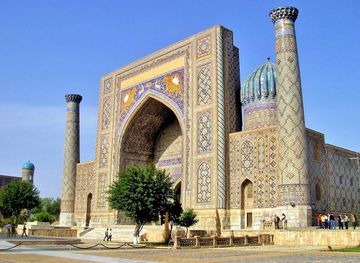
Discover Uzbekistan: A land of ancient cities, vibrant culture, and breathtaking landscapes, where history comes alive along the legendary Silk Road.
Explore Uzbekistan