

Free Bukhara Region Travel Guide & Mobile App
Explore Bukhara Region with free travel guides. Discover regional history, expert tips, proposed trips, and audio guides on web or mobile app.


Bukhara Region combines Silk Road architecture, sacred sites, pottery villages, oasis cuisine and desert-edge landscapes in central Uzbekistan.
Read more about Bukhara Region
When is the best time to visit Bukhara Region?
Best: April–May, September · 24–29°C| Month | High (°C) | Rainfall (mm) |
|---|---|---|
| January | 7 | 21 |
| February | 8 | 21 |
| March | 16 | 26 |
| April (best) | 24 | 24 |
| May (best) | 29 | 16 |
| June | 35 | 7 |
| July | 37 | 4 |
| August | 35 | 2 |
| September (best) | 28 | 5 |
| October | 20 | 11 |
| November | 11 | 15 |
| December | 8 | 18 |
Getting to and around Bukhara Region
How to get there
Transportation
Top city travel guides in Bukhara Region
The cities of Bukhara Region, and the easiest places to base yourself.
-

-


Swipe for more cities
Best attractions in Bukhara Region
Bukhara’s historic centre provides the region’s densest concentration of attractions, with the Ark Citadel, Kalyan Minaret, Po-i-Kalyan complex, Lyabi-Hauz ensemble, trading domes and numerous madrasas forming a walkable sequence of Islamic, commercial and civic spaces. The Samanid Mausoleum offers a more intimate encounter with early medieval architecture, while the Bahauddin Naqshband complex introduces the continuing religious significance of the oasis. Beyond the regional capital, Gijduvan is an important destination for visitors interested in pottery and traditional craft, and Vobkent is known for its medieval minaret. Rural shrine complexes, agricultural settlements and desert-edge roads provide a different perspective on the region’s landscape and living traditions. Museums, craft workshops, courtyard houses and local markets complement the major monuments, while the broad flat terrain is suited to arranged cultural excursions rather than independent hiking. The attraction landscape is therefore defined by continuity: monumental architecture in the city, active pilgrimage sites, workshops and cultivated oasis communities linked by a dry Central Asian environment.
-
Historical landmark
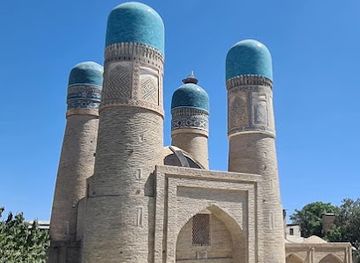
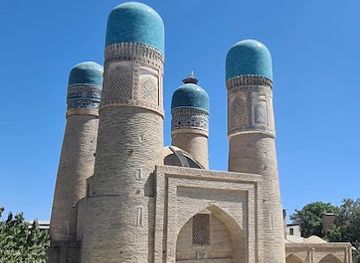
Chor Minor Madrasah
Explore the enchanting Chor Minor Madrasah in Bukhara, a historical landmark showcasing stunning architecture and rich cultural heritage.
-
Mosque
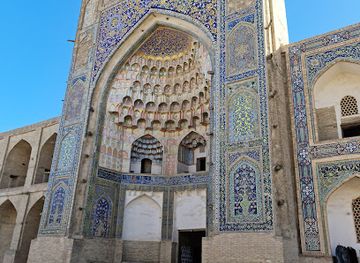
Kalan Mosque
Experience the architectural splendor and spiritual tranquility of Kalyan Mosque, a historical gem in Bukhara, Uzbekistan.
-
Historical landmark
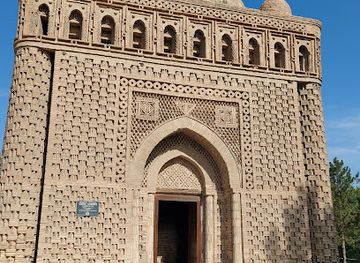
Ismail Samani Mausoleum
Discover the beauty of Ismail Samani Mausoleum in Bukhara, a masterpiece of Islamic architecture and a symbol of Uzbekistan's rich heritage.
-
Historical place
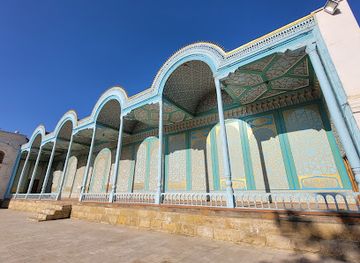
Sitori-i-Mokhi Khosa palace
Explore the stunning Sitori-i-Mokhi Khosa Palace, a blend of Uzbek and European architecture, nestled in the historic heart of Bukhara, Uzbekistan.
Best landmarks in Bukhara Region
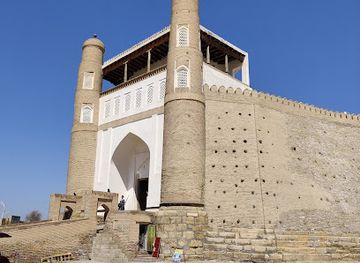
The Kalyan Minaret is Bukhara’s most recognisable vertical landmark, a fired-brick tower from the medieval period that anchors the Po-i-Kalyan ensemble beside the Kalyan Mosque and Mir-i-Arab Madrasa. Nearby, the Ark Citadel rises as a fortified seat of power, its surviving walls and gateways representing the political history of the oasis. The Samanid Mausoleum is architecturally significant for its carefully patterned brickwork and early Islamic design, while the Lyabi-Hauz ensemble is defined by its historic pool, surrounding buildings and urban gathering space. The Chor Minor, with its four small corner towers, provides one of the old city’s most distinctive silhouettes. Outside Bukhara, Vobkent Minaret preserves the importance of medieval architecture beyond the capital, and the Bahauddin Naqshband complex is a major religious landmark associated with the Naqshbandi Sufi tradition. These sites differ in function as well as appearance: some express dynastic authority, others scholarship, commerce, devotion or the technical skill of Central Asian brick architecture.
-
Fortress
Ark of Bukhara
Explore the Ark of Bukhara, an ancient fortress and historical landmark that showcases the rich heritage of Uzbekistan.
-
Restaurant
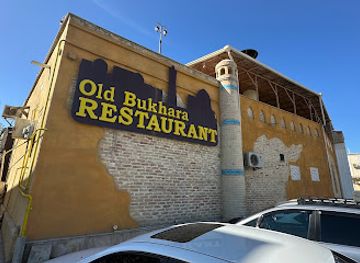
Old Bukhara
Explore the authentic tastes of Uzbekistan at Old Bukhara, a restaurant that brings the rich culinary heritage of the region to your table.
-
Hotel
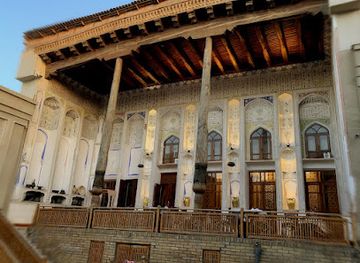
Lyabi House Hotel
Discover the charm of Bukhara at Lyabi House Hotel, where tradition meets comfort in a picturesque setting.
-
Historical landmark
Chor Minor Madrasah
Discover the enchanting Chor Minor Madrasah in Bukhara, Uzbekistan, where architectural beauty meets rich cultural heritage.
Explore Bukhara Region on the map
Plan your trip on one map. See where the top cities, national parks and sights are, and book hotels and experiences in a few clicks.
Best hotels in Bukhara Region
Best restaurants in Bukhara Region
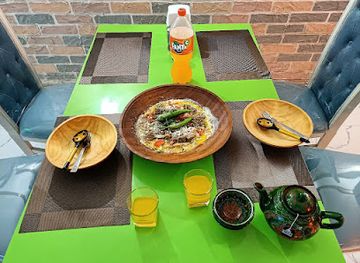
Dining in Bukhara Region is based on the substantial cuisine of Uzbekistan, adapted to an oasis environment where rice, wheat, meat, vegetables, herbs and seasonal fruit have long been important. Bukhara-style plov is a regional speciality, often prepared with rice, carrots, meat and chickpeas, while shashlik, manti, lagman, soups and fresh salads are widely available. Round breads from the tandir oven accompany many meals, and melons, grapes and other fruit are especially appealing when in season. Bukhara’s old town contains traditional teahouses, cafés, hotel restaurants and courtyard dining rooms, with larger towns offering more everyday Uzbek eateries. Gijduvan and other market communities are useful places to encounter local bakery and craft-linked food culture, though choices become simpler outside the regional capital. Tea is a central part of hospitality, and visitors may also find ayran, compotes and locally produced sweets. Menus aimed at international visitors are increasingly common in Bukhara, but smaller establishments may have limited English and may prepare dishes according to availability rather than a fixed menu.
-
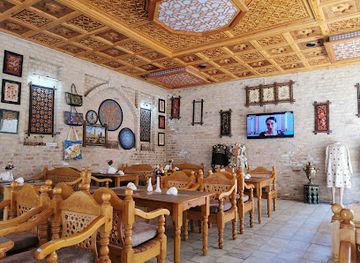
Restaurant
Old Bukhara
Experience traditional Uzbek cuisine at Old Bukhara – where every dish is steeped in history and flavor.
-
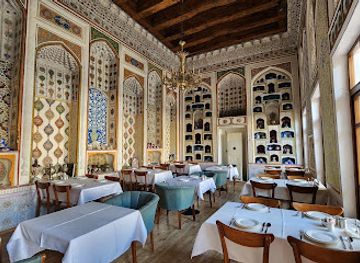
Restaurant
Ayvan
Discover the exquisite blend of European and Uzbek cuisine at Ayvan in Bukhara - where every meal tells a story.
-
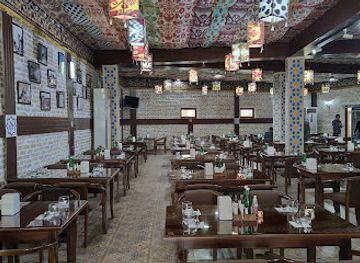
Country food restaurant
The Plov
Discover authentic Uzbek cuisine at The Plov in Bukhara – a culinary haven where tradition meets flavor.
-
Restaurant
Chalet
Discover the flavors of Uzbekistan at Chalet in Bukhara—where tradition meets taste in every dish.

Best bars in Bukhara Region
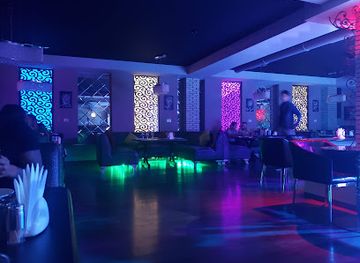
Evening life in Bukhara Region is generally restrained and social rather than club-oriented. In Bukhara, visitors find hotel lounges, cafés, restaurants, teahouses and a limited selection of bars, with activity concentrated around the historic centre and modern commercial areas. Traditional teahouses are more useful for conversation, eating and people-watching than for late-night entertainment, while some restaurants offer outdoor seating in courtyards during warmer months. Alcohol is available in licensed hotels and restaurants, but it is not central to the region’s cultural experience, and opening arrangements can change. Outside Bukhara city, evening options usually consist of family restaurants, cafés and local teahouses, with nightlife becoming quieter in rural districts. Occasional live music or cultural performances may be arranged for visitors, but these are often seasonal or venue-specific rather than part of a permanent club circuit. Travellers should arrange their return transport in advance when staying outside the central urban area.
-
Restaurant
Mavrigi Restaurant - Chicha Bar
Experience authentic Uzbek flavors and culture at Mavrigi Restaurant - Chicha Bar, a culinary highlight in the heart of Bukhara.
-
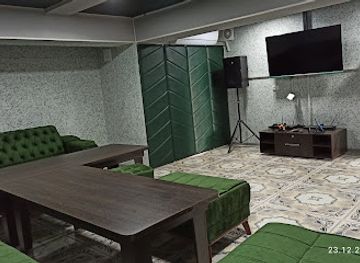
Karaoke bar
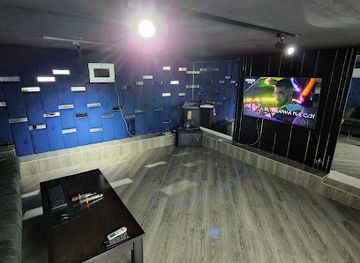
Караоке клуб Бухара
Experience the vibrant nightlife of Bukhara at Karaoke Club Bukhara, where every night is a celebration of music and fun.
-
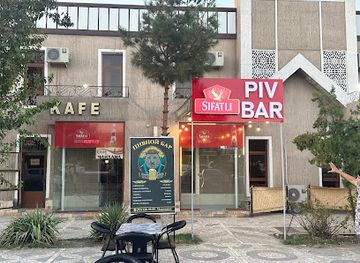
Bar
PIV BAR ( razlivnoe pivo/craft beer) ПИВ БАР
Discover the vibrant craft beer scene at PIV BAR in Bukhara, where exceptional brews and a welcoming atmosphere await every visitor.
-
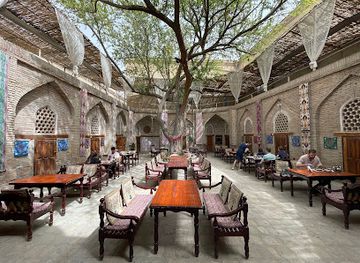
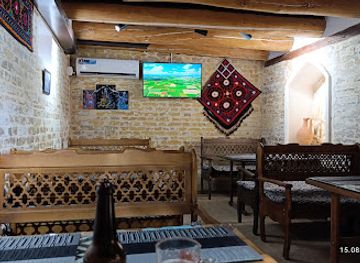
Bar
Restaurant Old Barn
Experience the delightful ambiance and authentic flavors at Restaurant Old Barn in Bukhara, Uzbekistan, a perfect spot for tourists seeking local charm.
Best nightclubs in Bukhara Region
Evening life in Bukhara Region is generally restrained and social rather than club-oriented. In Bukhara, visitors find hotel lounges, cafés, restaurants, teahouses and a limited selection of bars, with activity concentrated around the historic centre and modern commercial areas. Traditional teahouses are more useful for conversation, eating and people-watching than for late-night entertainment, while some restaurants offer outdoor seating in courtyards during warmer months. Alcohol is available in licensed hotels and restaurants, but it is not central to the region’s cultural experience, and opening arrangements can change. Outside Bukhara city, evening options usually consist of family restaurants, cafés and local teahouses, with nightlife becoming quieter in rural districts. Occasional live music or cultural performances may be arranged for visitors, but these are often seasonal or venue-specific rather than part of a permanent club circuit. Travellers should arrange their return transport in advance when staying outside the central urban area.
-
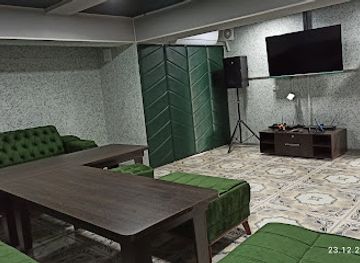
Karaoke bar
Караоке клуб Бухара
Experience the vibrant nightlife at Karaoke Club Bukhara, where music brings people together in a lively atmosphere.
-
Disco club
Z Club & Restaurant
Discover the electrifying nightlife of Bukhara at Z Club & Restaurant, where music and dance create unforgettable memories.
-
Karaoke bar
Karaoke
Explore Bukhara's vibrant nightlife at its top karaoke bar, where music, laughter, and unforgettable memories await every visitor.
-
Bar
Rusalka
Discover the charm of Rusalka, a cozy bar in Bukhara, serving local drinks and offering a warm atmosphere perfect for relaxation.
Best shops in Bukhara Region
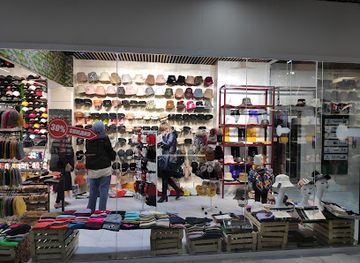
Shopping in Bukhara centres on the old city’s restored trading domes, craft workshops, market streets and small galleries. Ceramics, embroidered textiles, suzani-style needlework, metalwork, carved wood, carpets, scarves and miniature paintings are among the products encountered, although quality and provenance vary. Gijduvan is particularly associated with pottery, making it a useful place to learn about regional ceramic forms and decoration rather than simply buying a generic souvenir. Bukhara’s bazaars also sell dried fruit, nuts, spices, tea, sweets and seasonal produce, while shops near the historic monuments offer both locally made goods and items sourced from elsewhere in Uzbekistan. Bargaining is common in informal markets and should be conducted politely; fixed prices are more likely in galleries, hotels and established craft shops. If buying ceramics, check that pieces are securely packed, and retain receipts for valuable purchases. The most durable regional souvenirs are those whose maker, material and place of production can be explained clearly.
-
Shopping mall
Chinar mall
Explore the vibrant retail landscape of Chinar Mall, offering unique shopping, dining, and entertainment experiences in the heart of Bukhara, Uzbekistan.
-
Shopping mall
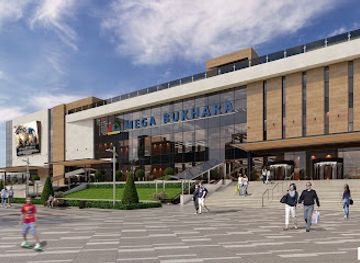
Bukhara Mall
Explore Bukhara Mall: A Modern Shopping Center Melding Local Culture with Global Brands in the Heart of Bukhara, Uzbekistan.
-
Lake
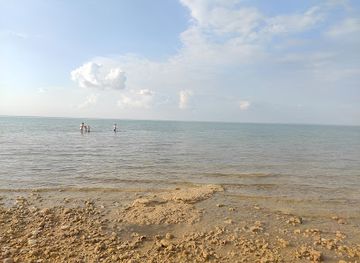
Tudakul Lake
Discover the tranquil beauty of Tudakul Lake, a hidden oasis in the heart of Uzbekistan's Navoiy Region, perfect for relaxation and bird watching.
-
Shopping mall
Monika
Discover Monika in Bukhara: A vibrant shopping mall blending modern retail with traditional Uzbek culture, offering a delightful shopping and dining experience.
Get your free copy of our complete guide to Bukhara Region, delivered straight to you.
Everything on this page, from attractions and restaurants to essentials and local phrases, in one PDF you can read offline, print or share.
Already have an account? Sign in
Your Bukhara Region guide is ready.
We'll send it to · Not you? Sign out

Getting your guide ready…
We are putting together a fresh copy of the Bukhara Region guide. This can take up to a minute.
This can take a few moments. If your browser asks, choose Allow so the download can start. You'll find the guide in your Downloads folder.
Nothing happened? Download it again
Sorry, the guide is taking longer than usual. Please try again in a minute, or get it by email instead.
Bukhara Region essentials
Currency and Payment
Safety
Emergency Situations
Do's and Don'ts
Local Tips
From Eve
Local phrases worth knowing
You don't need to get them perfect. A few words go a long way, and locals appreciate the effort.
Basics
| English | Local | Say it |
|---|---|---|
| Hello | Салом | [Salom] |
| Goodbye | Хайр | [Xayr] |
| Yes | Ҳа | [Ha] |
| No | Йўқ | [Yoq] |
| Please/You're welcome | Илтимос / Хуш келибсиз | [Iltimos / Xush kelibsiz] |
| Thank you | Рахмат | [Rahmat] |
| Excuse me/Sorry | Кечирасиз | [Kechirasiz] |
| How are you? | Сиз қантисиз? | [Siz qandisiz?] |
| Fine. And you? | Яхши. Сиз呢? | [Yaxshi. Siz呢?] |
| Do you speak English? | Сиз инглизча гапиришингиз мумкинми? | [Siz inglizcha gapirishingiz mumkinmi?] |
| I don't understand | Мен тушунмайман | [Men tushunmayman] |
Eating & Drinking
| English | Local | Say it |
|---|---|---|
| I'd like to see the menu, please | Менюни кўрмоқчиман, илтимос | [Menyunı ko'rmoqchiman, iltimos] |
| I don't eat meat | Мен гўшт ёймайман | [Men go'sht yemayman] |
| Cheers! | Саломат бўлинг! | [Salomat bo'ling!] |
| I would like to pay, please | Мен тўлашни хоҳлайман, илтимос | [Men to'lashni xohlayman, iltimos] |
Emergencies
| English | Local | Say it |
|---|---|---|
| Help! | Ёрдам беринг! | [Yordam bering!] |
| Go away! | Қочинг! | [Qo'ching!] |
| Call the Police! | Полицияни чақиринг! | [Politsiyani chaqiring!] |
| Call a doctor! | Докторни чақиринг! | [Doktorni chaqiring!] |
| I'm lost | Мен йўқолдим | [Men yo'qoldim] |
| I'm ill | Мен касалман | [Men kasalman] |
Shopping
| English | Local | Say it |
|---|---|---|
| I'd like to buy... | Мен ... сотиб олишни хоҳлайман | [Men ... sotib olishni xohlayman] |
| I'm just looking | Мен фақат қараяпман | [Men faqat qarayapman] |
| How much is it? | Бу қанча? | [Bu qancha?] |
| That's too expensive | Бу жуда қиммат | [Bu juda qimmat] |
| Can you lower the price? | Нарҳни пастлатишингиз мумкинми? | [Narxni paslatishingiz mumkinmi?] |
Time & Numbers
| English | Local | Say it |
|---|---|---|
| What time is it? | Соат неча? | [Soat necha?] |
| It's one o'clock | Бир соат | [Bir soat] |
| Half past (10) | Ундан ярим (10) | [Undan yarim (10)] |
| Morning | Эрталаб | [Ertalab] |
| Afternoon | Кундан кейин | [Kundan keyin] |
| Evening | Кеча | [Kechа] |
| Yesterday | Кеча | [Kechа] |
| Today | Бугун | [Bugun] |
| Tomorrow | Эртага | [Ertaga] |
| 1 | Бир | [Bir] |
| 2 | Икки | [Ikki] |
| 3 | Уч | [Uch] |
| 4 | Тўрт | [To'rt] |
| 5 | Беш | [Besh] |
| 6 | Алти | [Alti] |
| 7 | Юз | [Yetti] |
| 8 | Сегиз | [Seygiz] |
| 9 | Тўққиз | [To'qqiz] |
| 10 | Ун | [O'n] |
Transport & Directions
| English | Local | Say it |
|---|---|---|
| Where's a/the...? | Бир ... қаерда? | [Bir ... qayerda?] |
| What's the address? | Манзил нимада? | [Manzil nimada?] |
| Can you show me (on the map)? | Менга (харитада) кўрсата оласизми? | [Menga (xaritada) ko'rsata olasizmi?] |
| When's the next (bus)? | Кейинги (автобус) қачон? | [Keyingi (avtobus) qachon?] |
| A ticket (to ....) | Бир билет (га ...) | [Bir bilet (ga ...)] |
History of Bukhara Region
Early Oasis Settlement and the Sogdian World
The Bukhara oasis was inhabited long before the Islamic period, supported by irrigation and its position between the Amu Darya and Zeravshan regions. Ancient Bukhara developed within the wider cultural world of Sogdiana, whose merchants and city-states played an important role in long-distance trade across Central Asia. Archaeological evidence from the wider oasis records fortified settlements, cultivated land and changing systems of water management. These foundations help explain why Bukhara became a durable urban centre: agriculture supported the city, while routes through the surrounding plains connected it with Iran, the steppe, Khurasan and the eastern Silk Road.
Arab Conquest and the Growth of Islam
Arab armies reached Transoxiana in the early eighth century, and Bukhara was incorporated gradually into the Islamic world through military campaigns, political accommodation and the work of religious scholars. Islam transformed the city’s institutions, architecture and scholarship, although older Central Asian traditions continued within local society. Over succeeding centuries, mosques, educational institutions and markets gave Bukhara an increasingly prominent religious and commercial role. The region’s later reputation as a centre of Islamic learning grew from this long process rather than from a single event.
The Samanid Age and the Medieval Urban Tradition
Under the Samanids, particularly in the ninth and tenth centuries, Bukhara became the capital of a powerful Persianate dynasty and one of the major intellectual and economic centres of the Islamic East. Persian literary culture flourished, trade expanded and the city’s architectural traditions developed in fired brick. The Samanid Mausoleum, probably built in the late ninth or early tenth century, is the most celebrated surviving monument of this period. Its geometric brickwork established a design language that influenced later Central Asian architecture and remains one of Bukhara’s essential historic landmarks.
Turkic Dynasties, Mongol Conquest and Timurid Influence
Bukhara and its surrounding oasis passed through the rule of several Turkic dynasties before the Mongol conquest in the thirteenth century caused major disruption across Transoxiana. Urban and economic life recovered over subsequent generations, and the region again benefited from political and commercial connections under the Timurids and their successors. Although Samarkand received particular Timurid patronage, Bukhara retained its own importance as a centre of religion, trade and learning. The layered monuments of the old city reflect these successive periods rather than a single architectural style.
The Khanate of Bukhara
From the sixteenth century, Bukhara was the political centre of a khanate that at different times controlled extensive parts of Central Asia. The city’s rulers sponsored madrasas, mosques, markets and defensive works, while the surrounding oasis supplied food and supported commercial activity. The Ark Citadel served as the seat of government, and the great trading domes demonstrate the scale of Bukhara’s mercantile life. Bukhara was also a major centre of Islamic scholarship, attracting students and scholars from across the region, even as political power and territorial control shifted between ruling houses.
Russian Expansion and the Emirate’s Transformation
Russian forces occupied Bukhara in 1868, after which the Emirate of Bukhara remained formally distinct but operated under Russian influence. New political and commercial pressures altered the oasis, linking it more closely to imperial transport networks and changing the balance between traditional authority and reformist ideas. The arrival of the railway near Kogon in the late nineteenth century strengthened connections with the wider region and helped redirect trade. This period introduced new administrative, economic and architectural influences without erasing Bukhara’s established religious and urban character.
Soviet Rule and the Modern Region
The Emirate ended during the upheavals of the early Soviet period, and Bukhara was incorporated into the Soviet political and economic system. Religious institutions were restricted, while education, agriculture, irrigation and industry were reorganised under central planning. The Bukhara Region was established within the Uzbek Soviet administrative structure in 1938, with boundaries later adjusted during the Soviet era. After Uzbekistan became independent in 1991, historic preservation and cultural tourism gained renewed importance, while oasis agriculture, craft production and modern urban development continued to shape the region.
Bukhara Region in Photos
Browse through our photo collection highlighting the charm and character of the destination.
Neighbouring regions of Bukhara Region
The closest regions to Bukhara Region, if you have time for more than one.
-

-

-

-

-


Swipe for more regions
Explore more
Explore more of Uzbekistan
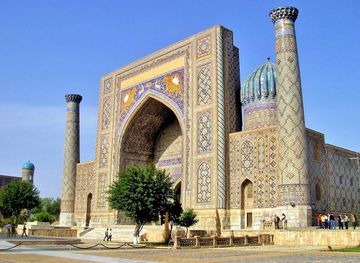
Discover Uzbekistan: A land of ancient cities, vibrant culture, and breathtaking landscapes, where history comes alive along the legendary Silk Road.
Explore Uzbekistan