

Free Khorezm Region Travel Guide & Mobile App
Explore Khorezm Region with free travel guides. Discover regional history, expert tips, proposed trips, and audio guides on web or mobile app.


Explore Khorezm Region for Khiva’s tiled monuments, Amu Darya oasis landscapes, Central Asian history and distinctive Uzbek cuisine.
Read more about Khorezm Region
When is the best time to visit Khorezm Region?
Best: April–May, September · 21–27°C| Month | High (°C) | Rainfall (mm) |
|---|---|---|
| January | 2 | 25 |
| February | 4 | 22 |
| March | 13 | 30 |
| April (best) | 21 | 24 |
| May (best) | 27 | 18 |
| June | 33 | 7 |
| July | 35 | 4 |
| August | 34 | 5 |
| September (best) | 27 | 6 |
| October | 18 | 14 |
| November | 10 | 18 |
| December | 3 | 24 |
Getting to and around Khorezm Region
How to get there
Transportation
Top city travel guides in Khorezm Region
The cities of Khorezm Region, and the easiest places to base yourself.
-

-


Swipe for more cities
Best attractions in Khorezm Region
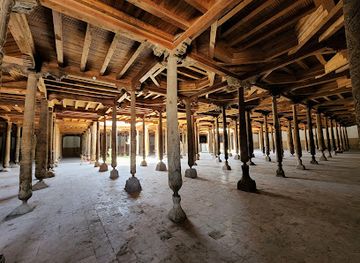
Khorezm’s attractions centre on the historic city of Khiva but extend across a cultivated oasis with a strong architectural, agricultural and archaeological character. Inside Itchan Kala, visitors can move between palaces, mosques, madrasas, mausoleums, craft workshops and small museums within a compact walled setting. The Kuhna Ark illustrates the former seat of political power, while the Juma Mosque is noted for its forest of carved wooden columns and the Islam Khoja complex provides elevated views over the old city. Urgench offers museums, broad urban spaces and access to the region’s contemporary life, including markets and local transport connections. Outside the two main cities, road journeys reveal canals, orchards, cotton fields and villages shaped by irrigation. Hazorasp, an ancient settlement area in the eastern part of the region, reflects the long history of fortified oasis communities, although its remains are less monumental than Khiva’s restored centre. Visitors interested in craft can look for carved wood, embroidery, ceramics and traditional textiles, while the region’s flat terrain suits gentle cycling and short walks between rural settlements when weather conditions permit.
-
Historical landmark
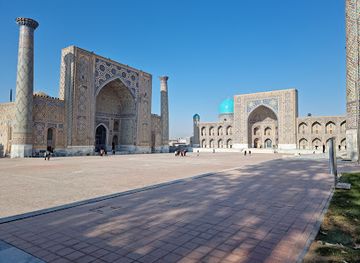
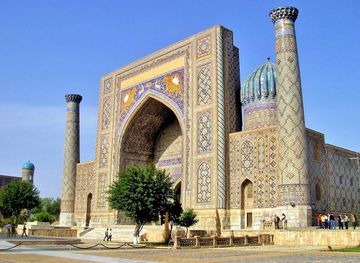
Registan Square
Explore the breathtaking Registan Square in Samarkand, Uzbekistan, where stunning architecture meets rich history and vibrant culture.
-
Historical market square
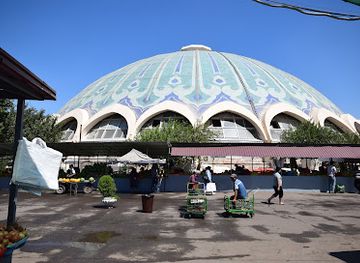
Chorsu Bazaar
Explore Chorsu Bazaar, Tashkent's vibrant historical market square, where culture, cuisine, and craftsmanship converge in a colorful tapestry.
-
Historical place
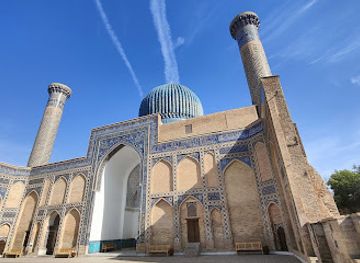
Amir Temur Mausoleum Gur-i Amir Сomplex
Explore the Amir Temur Mausoleum, a stunning architectural marvel in Samarkand that celebrates the legacy of the great conqueror Timur.
-
Historical landmark
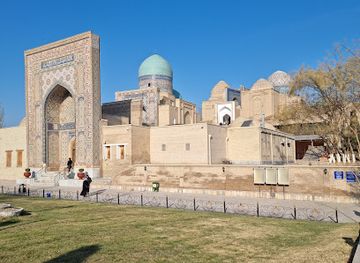
Shah-i-Zinda
Explore the mesmerizing Shah-i-Zinda, a UNESCO World Heritage site in Samarkand, showcasing stunning mausoleums and exquisite Islamic architecture.
Best landmarks in Khorezm Region
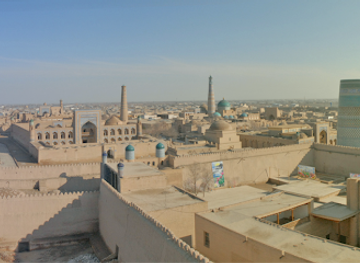
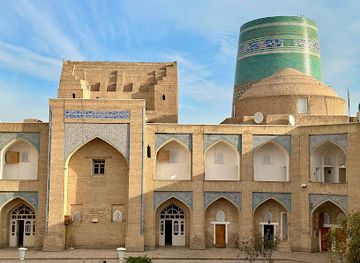
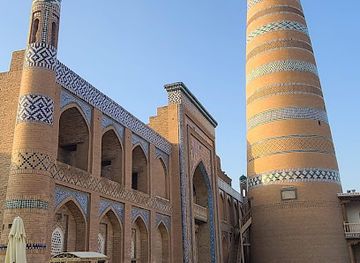
The walls and gates of Itchan Kala form Khorezm’s most recognisable landmark ensemble, enclosing a remarkably dense historic cityscape of baked brick, blue tile and carved wood. Kalta Minor, the broad unfinished minaret beside the Muhammad Amin Khan Madrasa, is one of Khiva’s most distinctive visual symbols, while the taller Islam Khoja Minaret provides a contrasting vertical accent. The Juma Mosque is architecturally unusual for its many wooden columns, some incorporating earlier carved elements, and the Kuhna Ark records the former political authority of Khiva’s rulers. Toshhovli Palace is notable for its courtyards, tilework and domestic ceremonial spaces, offering a more intimate counterpoint to the city’s monumental religious buildings. The outer walls, gateways and narrow lanes are themselves significant: together they demonstrate how a fortified oasis capital was organised for administration, worship, residence and trade. Beyond Khiva, the broad canals and irrigated fields of the Amu Darya oasis are living geographical landmarks, showing the environmental system on which the region’s settlements have depended for centuries.
-
History museum
Itchan Kala
Discover the rich history and stunning architecture of Itchan Kala, Khiva's enchanting fortress and a UNESCO World Heritage site.
-
Historical landmark
Kalta Minor Minaret
Explore the iconic Kalta Minor Minaret in Khiva, a stunning landmark showcasing the beauty of Islamic architecture in Uzbekistan.
-
Mosque
Juma Mosque
Explore the Juma Mosque in Khiva, a timeless gem of Uzbek architecture with a rich history and stunning artistic details.
-
Monument
Islam Khoja Minaret
Explore the stunning beauty and history of the Islam Khoja Minaret in Khiva, Uzbekistan, a towering symbol of architectural excellence.
Explore Khorezm Region on the map
Plan your trip on one map. See where the top cities, national parks and sights are, and book hotels and experiences in a few clicks.
Best hotels in Khorezm Region
Best restaurants in Khorezm Region
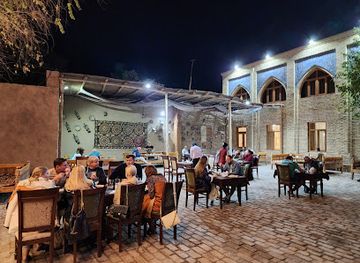
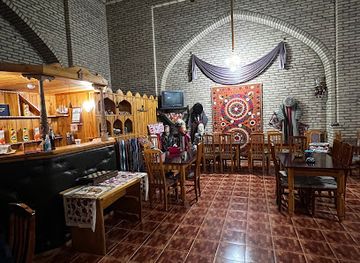
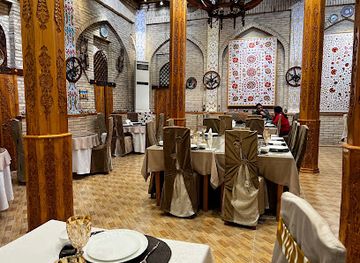
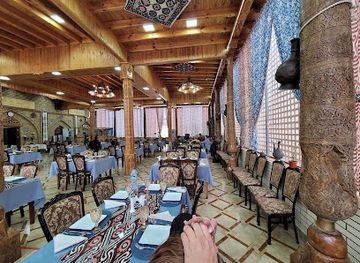
Dining in Khorezm combines the broader Uzbek tradition of rice, bread, soups and grilled meats with dishes associated particularly with the oasis. Khorezm-style shivit oshi, green noodles flavoured with dill and usually served with a topping and yoghurt-like accompaniment, is one of the region’s best-known specialities. Local tables may also feature tukhum barak, delicate dumplings filled with egg, as well as lagman, samsa, fresh salads and substantial meat dishes. In Khiva, restaurants and guesthouses around the old city offer convenient introductions to regional cooking, while Urgench has a broader everyday dining scene used by local residents. Markets and bakeries are useful for observing the importance of flatbread, fruit, melons and other irrigated-oasis produce. Tea is commonly offered throughout the day, and meals may be served in courtyards or family-run establishments. Menus and service styles vary, so visitors should expect simple, freshly prepared food rather than a uniform restaurant format.
-
Restaurant
Khiva Moon
Discover authentic Uzbek flavors at Khiva Moon - a culinary gem in the heart of historic Khiva.
-
Restaurant
Tea House Bir Gumbaz
Experience authentic Uzbek cuisine in an atmospheric setting at Tea House Bir Gumbaz in Khiva.
-
Restaurant
Cafe Zarafshon
Experience authentic Uzbek cuisine in the charming atmosphere of Cafe Zarafshon, where tradition meets taste in Khiva.
-
Restaurant
Tea house Mirza Boshi
Discover authentic Uzbek cuisine at Tea House Mirza Boshi in Khiva - where tradition meets taste.
Best bars in Khorezm Region
Khorezm’s evening culture is relatively restrained and is centred more on tea houses, restaurants, hotel terraces and traditional gatherings than on a large nightclub scene. In Khiva, the old city becomes quieter after the principal monuments close, with visitors dining in courtyards or taking evening walks beneath the illuminated walls. Urgench has more contemporary cafés, restaurants and hotel venues, although nightlife remains modest compared with Uzbekistan’s largest cities. Alcohol is available in some licensed restaurants and hotels, but it is not necessary for participating in local social life. In warmer months, outdoor dining and informal promenades are more common, while evenings during the hottest period may begin late. Live music and cultural performances can appear in tourist settings, but arrangements are seasonal and changeable, so current details should be checked locally rather than assumed.
-
Restaurant
Khiva Moon
Discover the authentic flavors of Uzbekistan at Khiva Moon, where tradition meets modern culinary artistry in a charming setting.
-
Restaurant
Cafe Zarafshon
Experience the authentic taste of Uzbekistan at Cafe Zarafshon, a cozy restaurant in Khiva known for its delightful dishes and warm atmosphere.
-
Steak
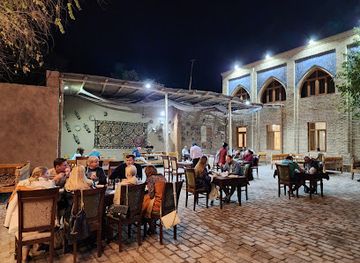
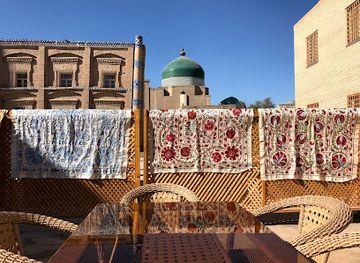
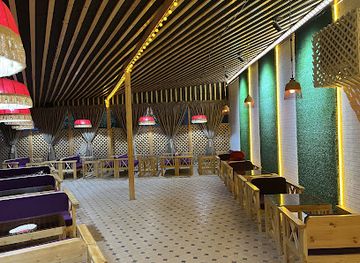
Sofra Restaurant
Discover the vibrant flavors of Khiva at Sofra Restaurant, a steakhouse offering an exquisite dining experience with stunning views.
-
Bar
#RUSLANCAFE (Resto & Lounge)
Discover the vibrant flavors and warm hospitality at Ruscafe, Khiva's premier bar and lounge for an authentic Uzbek dining experience.
Best nightclubs in Khorezm Region
Khorezm’s evening culture is relatively restrained and is centred more on tea houses, restaurants, hotel terraces and traditional gatherings than on a large nightclub scene. In Khiva, the old city becomes quieter after the principal monuments close, with visitors dining in courtyards or taking evening walks beneath the illuminated walls. Urgench has more contemporary cafés, restaurants and hotel venues, although nightlife remains modest compared with Uzbekistan’s largest cities. Alcohol is available in some licensed restaurants and hotels, but it is not necessary for participating in local social life. In warmer months, outdoor dining and informal promenades are more common, while evenings during the hottest period may begin late. Live music and cultural performances can appear in tourist settings, but arrangements are seasonal and changeable, so current details should be checked locally rather than assumed.
-
Restaurant
Caravan Khiva Restaurant
Discover the rich culinary heritage of Uzbekistan at Caravan Khiva Restaurant, where every dish tells a story.
-
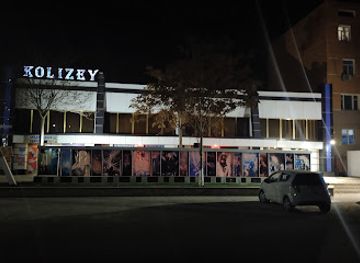
Night club
Kolizey
Discover the vibrant nightlife at Kolizey, a premier night club in Urgench, Uzbekistan, where music, dance, and local culture come alive.
-
Night club
Gargona
Discover the vibrant nightlife at Gargona, Urgench's premier night club, where music and culture come alive under the stars.
-
 Night club
Mandarin Club
Discover the vibrant nightlife at Mandarin Club in Urgench, where music, dance, and culture unite for an unforgettable experience.
Best shops in Khorezm Region
Shopping in Khorezm is strongest in the markets and craft workshops of Khiva and Urgench rather than in large-scale retail districts. Within and around Itchan Kala, visitors can find embroidered textiles, carved wooden objects, ceramics, jewellery, miniature paintings and other handmade items, although quality and provenance vary between sellers. Khorezm’s carved wood tradition is especially associated with architectural columns, doors and smaller decorative pieces. Urgench provides a more local shopping environment, with food markets, everyday goods and seasonal produce from the irrigated oasis. Bread, dried fruit, nuts, spices and regional sweets make practical edible purchases, while textiles and small craft objects travel more easily than large decorative pieces. Bargaining may be accepted in informal markets, but it should remain courteous and proportionate. For valuable antiques or objects that might be culturally significant, buy from reputable sellers and retain documentation, since the export of antiquities and certain heritage materials can be restricted.
-
Hypermarket
To'maris Nur
Discover the vibrant shopping experience at To'maris Nur, Urgench's premier hypermarket, featuring fresh produce and local delicacies.
-
Hotel
ZARAFSHON BOUTIQUE
Experience authentic Uzbek hospitality at Zarafshon Boutique, the charming hotel in the heart of Khiva, perfect for cultural immersion and modern comfort.
-
Store
Khiva Bazaar
Discover the colorful Khiva Bazaar, a vibrant market filled with fresh produce, local delicacies, and artisan crafts in the heart of Uzbekistan.
-
Store
Market_"Nargiz"_24/7
Explore Market 'Nargiz' in Bagat for a unique 24/7 shopping experience showcasing local culture and flavors in Uzbekistan.


Get your free copy of our complete guide to Khorezm Region, delivered straight to you.
Everything on this page, from attractions and restaurants to essentials and local phrases, in one PDF you can read offline, print or share.
Already have an account? Sign in
Your Khorezm Region guide is ready.
We'll send it to · Not you? Sign out

Getting your guide ready…
We are putting together a fresh copy of the Khorezm Region guide. This can take up to a minute.
This can take a few moments. If your browser asks, choose Allow so the download can start. You'll find the guide in your Downloads folder.
Nothing happened? Download it again
Sorry, the guide is taking longer than usual. Please try again in a minute, or get it by email instead.
Khorezm Region essentials
Currency and Payment
Safety
Emergency Situations
Do's and Don'ts
Local Tips
From Eve
Local phrases worth knowing
You don't need to get them perfect. A few words go a long way, and locals appreciate the effort.
Basics
| English | Local | Say it |
|---|---|---|
| Hello | Salom | [sah-lom] |
| Goodbye | Xayr | [khayr] |
| Yes | Ha | [hah] |
| No | Yo'q | [yohk] |
| Please/You're welcome | Iltimos | [eel-tee-mohs] |
| Thank you | Rahmat | [rah-maht] |
| Excuse me/Sorry | Kechirasiz | [keh-chee-rah-siz] |
| How are you? | Qalaysiz? | [kah-lah-y-siz] |
| Fine. And you? | Yaxshi. Sizni? | [yahk-shee. siz-nee] |
| Do you speak English? | Inglizcha gapirasizmi? | [een-glee-zha gah-pee-rah-siz-mee] |
| I don't understand | Men tushunmayapman | [men too-shoon-mah-yap-mahn] |
Eating & Drinking
| English | Local | Say it |
|---|---|---|
| I'd like to see the menu, please | Men menyuni ko'rmoqchiman, iltimos | [men men-yoo-nee koor-mok-chee-mahn, eel-tee-mohs] |
| I don't eat meat | Men go'sht yemayman | [men go-sht yay-mah-yan] |
| Cheers! | Salomat bo'ling! | [sah-loh-maht boh-ling] |
| I would like to pay, please | Men to'lov qilmoqchiman, iltimos | [men toh-lohv keel-mok-chee-mahn, eel-tee-mohs] |
Emergencies
| English | Local | Say it |
|---|---|---|
| Help! | Yordam bering! | [yor-dahm beh-ring] |
| Go away! | Ket! | [ket] |
| Call the Police! | Politsiyani chaqiring! | [po-leets-ya-nee chah-kee-ring] |
| Call a doctor! | Doktorni chaqiring! | [dok-tor-nee chah-kee-ring] |
| I'm lost | Men yo'qoldim | [men yo-kold-im] |
| I'm ill | Men kasalman | [men kah-sahl-mahn] |
Shopping
| English | Local | Say it |
|---|---|---|
| I'd like to buy... | Men ... sotib olmoqchiman | [men ... so-teeb ol-mok-chee-mahn] |
| I'm just looking | Men faqat qarayapman | [men fah-kat kah-rah-yap-mahn] |
| How much is it? | Bu necha turadi? | [boo nay-cha too-rah-dee] |
| That's too expensive | Bu juda qimmat | [boo joo-dah keem-maht] |
| Can you lower the price? | Narxni pasaytira olasizmi? | [nar-knee pah-sah-y-tar-rah oh-lah-siz-mee] |
Time & Numbers
| English | Local | Say it |
|---|---|---|
| What time is it? | Hozir qanaqa vaqt? | [ho-zir kah-na-kah vahkt] |
| It's one o'clock | Soat bir | [so-at beer] |
| Half past (10) | O'n bir yarim | [o-n beer yah-rim] |
| Morning | Tong | [tong] |
| Afternoon | Peshin | [peh-sheen] |
| Evening | Kechqurun | [kech-khu-run] |
| Yesterday | Kecha | [keh-chah] |
| Today | Bugun | [boo-goon] |
| Tomorrow | Ertaga | [er-tah-gah] |
| 1 | Birinchi | [bee-rin-chee] |
| 2 | Ikki | [ik-kee] |
| 3 | Uch | [ooch] |
| 4 | To'rt | [tohrt] |
| 5 | Besh | [besh] |
| 6 | Olti | [ol-tee] |
| 7 | Yetti | [yet-tee] |
| 8 | Sakkiz | [sahk-kiz] |
| 9 | To'qqiz | [toh-kiz] |
| 10 | O'n | [o-n] |
Transport & Directions
| English | Local | Say it |
|---|---|---|
| Where's a/the...? | Qayerda ...? | [kah-yer-da ...] |
| What's the address? | Manzil nima? | [man-zil nee-ma] |
| Can you show me (on the map)? | Meni (xaritada) ko'rsata olasizmi? | [meh-nee (khah-ree-tah-dah) kohr-sah-tah oh-lah-siz-mee] |
| When's the next (bus)? | Keyingi (avtobus) qachon? | [kay-ing-ee (av-to-bus) kah-chon] |
| A ticket (to ....) | Bilet (.... ga) | [bee-let (.... gah)] |
History of Khorezm Region
Ancient Khorezm and the Oasis Civilisations
Khorezm emerged as one of Central Asia’s important oasis civilisations around the lower Amu Darya. Its prosperity depended on extensive irrigation, which turned an otherwise arid environment into productive agricultural land and supported towns, fortifications and trading networks. The historical name Khorezm refers to a much wider cultural region than the modern administrative Khorezm Region, extending at different periods across areas now divided between Uzbekistan and Turkmenistan. This broader legacy remains central to the region’s historical identity.
Early Islamic Khorezm
Islam became a major force in Khorezm after the Arab conquest in the early eighth century, joining older local traditions to the intellectual and commercial networks of the Islamic world. Over subsequent centuries, Khorezm developed influential centres of scholarship, administration and trade. The region’s irrigation systems, urban settlements and religious institutions were repeatedly adapted by successive dynasties, creating foundations for the mosques, madrasas and fortified towns later associated with Khiva.
The Mongol Conquest and Later Dynasties
The Mongol invasion of Khorezm in the early thirteenth century brought severe upheaval to towns and irrigation systems, but the oasis was eventually rebuilt and reconnected to wider political and commercial networks. Later rulers governed Khorezm through changing dynasties, including the Timurids and the Shaybanids. Political authority shifted between regional centres, while control of water, agriculture and caravan routes remained essential to the survival and prosperity of settled communities.
Khiva and the Rise of the Khanate
Khiva became the political centre of the Khiva Khanate from the sixteenth century, although the dynasty and seat of power changed over time. The city’s inner fortress, palaces, mosques, madrasas and bazaars developed most intensively during the eighteenth and nineteenth centuries. Khiva governed a substantial part of the wider Khorezm oasis and participated in long-distance trade, while its rulers also relied on the agricultural productivity created by irrigation around the lower Amu Darya.
Russian Expansion and the End of the Khanate
Russian military expansion into Central Asia altered Khorezm’s political position during the nineteenth century. After the Russian campaign of 1873, the Khiva Khanate became a Russian protectorate, retaining its formal ruler while accepting Russian influence and restrictions on foreign policy. The period brought stronger imperial involvement in regional trade and administration but did not erase the authority of local institutions. The khanate was abolished during the political upheavals following the Russian Revolution.
Soviet Transformation and the Modern Region
Soviet rule reorganised Khorezm through new administrative boundaries, collectivised agriculture, expanded education and public services, and large irrigation projects. Cotton became particularly important, tying the region more closely to the planned economy while increasing pressure on water resources. Khiva’s historic fabric was also studied and conserved, laying groundwork for its later international recognition. Since Uzbekistan became independent in 1991, Khorezm has developed tourism alongside agriculture, with Urgench serving as the principal modern gateway.
Khorezm Region in Photos
Browse through our photo collection highlighting the charm and character of the destination.
Neighbouring regions of Khorezm Region
The closest regions to Khorezm Region, if you have time for more than one.
-

-

-

-

-


Swipe for more regions
Explore more
Explore more of Uzbekistan
Discover Uzbekistan: A land of ancient cities, vibrant culture, and breathtaking landscapes, where history comes alive along the legendary Silk Road.
Explore Uzbekistan