

Navoi, Uzbekistan Travel Guide
Discover Navoi, Uzbekistan's crossroads of ancient history and modern charm, where the Silk Road's legacy meets contemporary cultural vibrance.
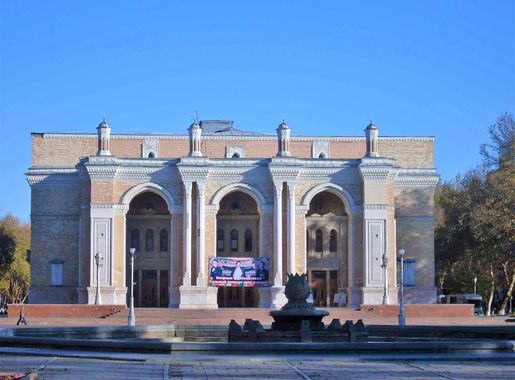
Navoi, named after the famous poet Alisher Navoi, is a city that breathes history and culture. Located in the central part of Uzbekistan, it serves as both a cultural and industrial hub. As you wander through its streets, you’ll be immersed in a blend of Soviet architecture and ancient Islamic art that tells a story of resilience and tradition. The city is home to several historical landmarks that will captivate any history enthusiast. The Rabati Malik Caravanserai, a medieval inn for travelers, offers a glimpse into the Silk Road's past. The Sarmishsay Gorge, with its thousands of ancient petroglyphs, is an outdoor museum showcasing human life from the Stone Age to the Middle Ages. Navoi also boasts modern attractions, such as the Navoi Theatre, where you can enjoy local performances that highlight Uzbekistan's rich cultural tapestry. The city's parks and gardens provide a serene escape, perfect for a leisurely afternoon stroll. Don't miss the Chashma Complex, a sacred site that attracts pilgrims and tourists alike, offering a peaceful retreat with its beautiful architectural design.

Know before you go
Hi, I'm Eve. Here are a few practical things to know before exploring Navoi.
- Visit the Navoi Free Industrial Economic Zone to understand the city's industrial growth.
- Hire a local guide to explore the Sarmishsay Gorge for a deeper understanding of the petroglyphs.
- Dress modestly when visiting religious sites like the Chashma Complex.
- Try local Uzbek dishes at the city's traditional restaurants for an authentic culinary experience.
- Use local taxis or public transport for convenient travel within the city.
Explore Navoi: Things to Do, Places to Eat, Hotels & More
Handpicked recommendations for top attractions, local dining, accommodations, and more

Best attractions in Navoi
Top-rated picks
Best Attractions

Alisher Navoiy National Park
Experience the natural beauty and tranquility of Alisher Navoiy National Park in Uzbekistan's Samarqand Region, a perfect escape for nature lovers.

Navoiy Central Market
Discover the vibrant Navoiy Central Market, a cultural hub filled with local flavors, crafts, and the warm spirit of Uzbekistan.

Akvapark Navoi
Discover Akvapark Navoi, a thrilling water park in Uzbekistan that offers fun-filled attractions and a relaxing atmosphere for the whole family.

Poyezd
Explore the captivating Poyezd in Samarqand Region, Uzbekistan, where history and nature converge for an unforgettable travel experience.

Best landmarks in Navoi
Top-rated picks
Best Landmarks

Alisher Navoiy National Park
Explore Alisher Navoiy National Park, a stunning natural oasis in Uzbekistan's Samarqand Region, perfect for outdoor adventures and serene retreats.

Navoiy Central Market
Discover the vibrant Navoiy Central Market in Uzbekistan, a cultural hub showcasing local produce, crafts, and authentic Uzbek cuisine.

Alisher Navoiy Monument
Discover the Alisher Navoiy Monument in Navoiy, Uzbekistan – a stunning tribute to literature and culture set in beautiful gardens.

Mir-Sayid Bakhrom Mausoleum
Discover the Mir-Sayid Bakhrom Mausoleum, a stunning historical landmark in Karmana, Uzbekistan, where rich heritage meets exquisite architecture.

Best restaurants in Navoi
Top-rated picks
Best Restaurants

Zolotoy Petushok
Experience the authentic flavors of Uzbekistan at Zolotoy Petushok in Navoi – where every meal tells a story.

Кафе-ресторан «Ал-Джасур»
Discover authentic Uzbek cuisine at Al-Jasur Cafe-Restaurant in Navoi - where flavor meets tradition in every dish.

EVOS Гостиница Навои
Discover authentic Uzbek cuisine at EVOS Гостиница Navoi - where flavor meets tradition in every delicious bite.

Turkiston milliy taomlar
Experience authentic Uzbek cuisine at Turkiston Milliy Taomlar in Navoi - A must-visit culinary destination in Samarqand Region.

Best bars in Navoi
Top-rated picks
Best Bars

Beerlin fast-food
Discover the vibrant flavors of Uzbekistan at Beerlin Fast-Food, a brewpub offering delicious local dishes and craft beers in Navoi.

Lite house
Experience the vibrant nightlife at Lite House, a charming bar in Navoi, Uzbekistan, perfect for unwinding with drinks and local culture.

Medved Billiard klub
Experience the vibrant nightlife and billiards at Medved Billiard Club in Navoi, Uzbekistan - perfect for fun and relaxation.
Garden hous
Discover the excitement of karaoke in Navoi's Garden Hous, where music, laughter, and local culture come together for an unforgettable night out.

Best nightclubs in Navoi
Top-rated picks
Best Nightclubs

Кафе-ресторан и ночной клуб «TARONA»
Discover TARONA Night Club: Where Exquisite Dining Meets Thrilling Nightlife in Navoi, Uzbekistan.
Jazz
Experience the vibrant nightlife at Jazz in Navoi, where music, dance, and fun come together for an unforgettable evening.

Medved Billiard klub
Experience the vibrant nightlife at Medved Billiard Klub in Navoi, featuring billiards, dancing, and a welcoming pub atmosphere.
Garden hous
Experience the vibrant karaoke culture at Garden House in Navoi, where music, laughter, and local charm come together for an unforgettable night out.

Best shops in Navoi
Top-rated picks
Best Shops

Yangi Hayot
Experience the pulse of modern Uzbekistan at Yangi Hayot Shopping Mall, Navoi's premier destination for shopping, dining, and entertainment.

Gulzor
Explore Gulzor in Navoi, Uzbekistan: a vibrant shopping mall featuring diverse stores, including a unique stationery shop, perfect for tourists seeking local treasures.

Shodlik
Experience the vibrant shopping and dining culture at Shodlik, Navoi's premier shopping mall, where modernity meets local charm.

AZARA shop Navoiy
Discover the perfect blend of contemporary and traditional fashion at AZARA Shop Navoiy, a must-stop destination for tourists in Uzbekistan.

Explore Navoi on the Map
A handpicked selection of must-see spots in Navoi, mapped for you.
Navoi Essentials
-
Navoi is located in central Uzbekistan. The nearest international airport is Navoi International Airport (NVI), which has connections to several major cities. From Tashkent, the capital of Uzbekistan, you can take a domestic flight, which takes about an hour. Alternatively, you can take a train from Tashkent to Navoi, which offers a scenic route through the Uzbek countryside and takes approximately 6-7 hours. Buses and shared taxis are also available for those who prefer road travel.
-
Navoi has a well-developed transportation system. Taxis are readily available and affordable. Public buses and minibuses (marshrutkas) operate within the city and connect to nearby towns. Renting a car is also an option, but be aware that driving can be challenging due to local traffic conditions. For short distances, walking is a convenient way to explore the city, as many attractions are within walking distance from each other.
-
The official currency in Uzbekistan is the Uzbekistani Som (UZS). Credit cards are accepted in major hotels, restaurants, and shops, but cash is preferred in smaller establishments and markets. ATMs are available throughout Navoi, but it's advisable to carry some cash for convenience. Currency exchange services are available at banks and exchange offices.
-
Navoi is generally a safe destination for tourists. However, it's important to take standard precautions. Avoid walking alone at night in unfamiliar areas and keep an eye on your belongings in crowded places. While there are no specific high-crime areas targeting tourists, it is always best to stay vigilant and aware of your surroundings. Petty crimes like pickpocketing can occur, so keep your valuables secure.
-
In case of emergency, dial 103 for medical assistance and 102 for police. Navoi has medical facilities and hospitals equipped to handle most emergencies. It is recommended to have travel insurance that covers medical emergencies. For minor health issues, there are pharmacies throughout the city where you can purchase over-the-counter medications.
-
Fashion: Do dress modestly, especially when visiting religious sites. Avoid wearing revealing clothing. Religion: Do respect local customs and traditions. Always cover your head when entering mosques and remove your shoes. Public Transport: Do be respectful and give up your seat to elderly passengers. Don’t eat or drink on public transport. Greetings: Do greet people with a handshake. A slight bow of the head is also a sign of respect. Eating & Drinking: Do try local delicacies and accept food offerings graciously. Don’t refuse hospitality, as it is considered impolite.
-
To experience Navoi like a local, visit the local bazaars where you can buy fresh produce and traditional Uzbek goods. Engage with locals, as they are often friendly and willing to share stories about the city's history and culture. Don’t miss visiting the Navoi Theater and the Alley of Poets. For a unique experience, take a walk along the Kyzylkum Desert and visit the ancient ruins of Rabati Malik Caravanserai.
When is the best time to visit Navoi?
Useful Local Phrases for Navoi
You don't need to speak the language perfectly. Even learning a few simple words can make conversations warmer—and locals usually appreciate the effort.
— Eve

Here are the phrases I use most often in Navoi. Try a few—you'll be surprised how far they go! 😊
❤️
-
- HelloСалом
[Salom] - GoodbyeХайир
[Hayir] - YesҲа
[Ha] - NoЙўқ
[Yoʻq] - Please/You're welcomeИлтимос
[Iltimos] - Thank youРахмат
[Rahmat] - Excuse me/SorryКечиринг
[Kechiring] - How are you?Қалсизми?
[Qalsizmi?] - Fine. And you?Жуда яхши. Сизча?
[Juda yaxshi. Sizcha?] - Do you speak English?Инглиз тилидами?
[Ingliz tilidami?] - I don't understandМени тушунмади
[Meni tushunmadi]
- HelloСалом
-
- I'd like to see the menu, pleaseМенюни кўрмоқчиман, илтимос
[Menyuni kormoqchiman, iltimos] - I don't eat meatМен зарар ичмайман
[Men zarar ichmayman] - Cheers!Сайёқ
[Sayoq] - I would like to pay, pleaseТўловни хоҳлайман, илтимос
[Tolovni hohlaiman, iltimos]
- I'd like to see the menu, pleaseМенюни кўрмоқчиман, илтимос
-
- Help!Ёрдам!
[Yordam!] - Go away!Ёлда!
[Yolda!] - Call the Police!Полицияни чақиринг!
[Poliyani chaqiring!] - Call a doctor!Докторни чақиринг!
[Doktorni chaqiring!] - I'm lostМен қўлларида
[Men qullarida] - I'm illМен касалман
[Men kasalman]
- Help!Ёрдам!
-
- I'd like to buy...Сотиб олишни истайман...
[Sotib olishni istayman...] - I'm just lookingМен фақат кўрмоқдаман
[Men faqat kormoqdaman] - How much is it?Бу қанча?
[Bu qancha?] - That's too expensiveУшбу очиқ
[Ushbu ochiq] - Can you lower the price?Нархни пастга кўтарасизми?
[Narxni pastga kotarasizmi?]
- I'd like to buy...Сотиб олишни истайман...
-
- What time is it?Соат қандай?
[Soat qanday?] - It's one o'clockБир соат
[Bir soat] - Half past (10)Жўзда (10)
[Jozda (10)] - MorningЭрталаб
[Ertalab] - AfternoonКечаси
[Kechasi] - EveningКечаси
[Kechasi] - YesterdayКеча
[Kecha] - TodayБугун
[Bugun] - TomorrowЭртага
[Ertaga] - 1Бир
[Bir] - 2Икки
[Ikki] - 3Уч
[Uch] - 4Тўрт
[To'rt] - 5Беш
[Besh] - 6Олти
[Olti] - 7Етти
[Etting] - 8Саккиз
[Sakqiz] - 9Тўққиз
[To'qqiz] - 10Он
[On]
- What time is it?Соат қандай?
-
- Where's a/the...?Қаерда...?
[Qaerda...?] - What's the address?Манзили қандай?
[Manzili qanday?] - Can you show me (on the map)?Менга кўрсатишингиз мумкинми?
[Menga korsatishingiz mumkinmi?] - When's the next (bus)?Кейинги (автобус) қачон?
[Keyingi (avtobus) qachon?] - A ticket (to ....)Билет (.... га)
[Bilet (.... ga)]
- Where's a/the...?Қаерда...?
History of Navoi
-
Navoi, located in the heart of Uzbekistan, has roots that trace back to ancient civilizations. Archaeological findings suggest that the region was inhabited as early as the Bronze Age, playing a pivotal role in the development of early human settlements in Central Asia.
-
During the first millennium BCE, the area that would become Navoi was part of the Sogdian civilization. The Sogdians were renowned traders along the Silk Road, and their influence brought wealth and cultural exchanges, making the region a melting pot of different traditions and innovations.
-
In the 8th century, the Islamic conquest of Central Asia brought significant changes to the region. Navoi became a part of the Muslim world, leading to the spread of Islamic culture, architecture, and scholarship. This period saw the establishment of various madrasahs and mosques, which became centers of learning and culture.
-
The 14th and 15th centuries marked the rise of the Timurid Empire. Navoi flourished under the rule of Timur (Tamerlane) and his successors, who were great patrons of art, science, and architecture. The city saw the construction of magnificent buildings and the promotion of Persian literature and arts.
-
In the 20th century, Navoi experienced significant changes under Soviet rule. The Soviets invested heavily in developing the city's infrastructure and industrial capacity. The establishment of the Navoi Mining & Metallurgy Combinat in 1958 turned the city into a major industrial hub, especially known for its production of gold and uranium.
-
Post-independence, Navoi has continued to grow and modernize. The city is now an important economic center in Uzbekistan, known for its free economic zone, which attracts international investment. Cultural preservation efforts have also brought attention to Navoi's rich heritage, making it an intriguing destination for history enthusiasts.
Cities near Navoi
The closest cities to Navoi, if you have time for more than one stop.


Your all‑in‑one travel companion app
Explore expert travel guides, compare and book tours, experiences, hotels, and more—all from the palm of your hand. Download now for seamless trip planning wherever your wanderlust takes you.


Navoi in Photos
Browse through our photo collection highlighting the charm and character of the destination.




Navoi: The Heartbeat of Uzbekistan's Cultural Heritage
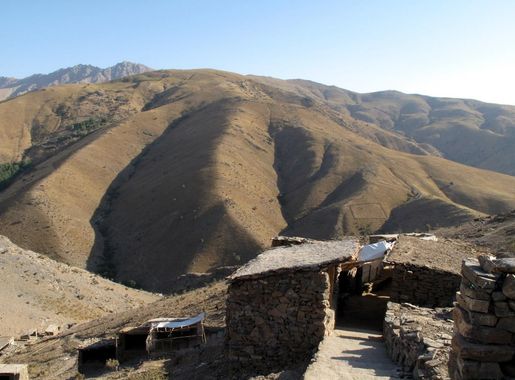
Navoi, named after the famous poet Alisher Navoi, is a city that breathes history and culture. Located in the central part of Uzbekistan, it serves as both a cultural and industrial hub. As you wander through its streets, you’ll be immersed in a blend of Soviet architecture and ancient Islamic art that tells a story of resilience and tradition. The city is home to several historical landmarks that will captivate any history enthusiast. The Rabati Malik Caravanserai, a medieval inn for travelers, offers a glimpse into the Silk Road's past. The Sarmishsay Gorge, with its thousands of ancient petroglyphs, is an outdoor museum showcasing human life from the Stone Age to the Middle Ages. Navoi also boasts modern attractions, such as the Navoi Theatre, where you can enjoy local performances that highlight Uzbekistan's rich cultural tapestry. The city's parks and gardens provide a serene escape, perfect for a leisurely afternoon stroll. Don't miss the Chashma Complex, a sacred site that attracts pilgrims and tourists alike, offering a peaceful retreat with its beautiful architectural design.
Explore More of Uzbekistan
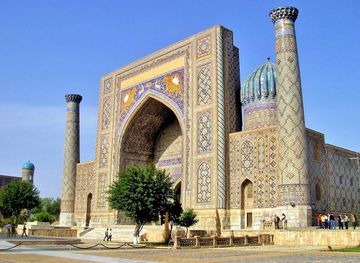
Looking beyond Navoi? Discover Uzbekistan for broader travel guides, local hot-spots, and regional highlights.
Explore Uzbekistan