

Free Shakhrisabz Travel Guide & Mobile App
Plan your Shakhrisabz trip with Evendo. Get free guides to top attractions, restaurants, hotels, and bars. Web access or download the mobile app.


Shakhrisabz, Uzbekistan, reveals Timurid history through Ak-Saray, blue-domed mosques, historic ruins, local culture and mountain-framed sightseeing.
Birthplace of Amir Timur
Shakhrisabz lies in southern Uzbekistan, south of Samarkand and at the foot of the Hissar and Zarafshan mountain systems. Known in antiquity as Kesh, the city is closely associated with Amir Timur, the fourteenth-century ruler whose empire stretched across much of Central Asia, Iran and the Middle East. Its historic centre preserves the remains of monumental Timurid architecture, while broad avenues, irrigated gardens and quiet residential streets give modern Shakhrisabz a more relaxed character than Uzbekistan’s larger cities.Read more about Shakhrisabz
Monuments of the Timurid Age
Gardens, Crafts and Mountain Horizons
When is the best time to visit Shakhrisabz?
Best: April, September–October · 22–28°C| Month | High (°C) | Rainfall (mm) |
|---|---|---|
| January | 7 | 19 |
| February | 10 | 17 |
| March | 16 | 14 |
| April (best) | 24 | 12 |
| May | 29 | 9 |
| June | 34 | 6 |
| July | 36 | 3 |
| August | 33 | 4 |
| September (best) | 28 | 6 |
| October (best) | 22 | 10 |
| November | 14 | 14 |
| December | 8 | 17 |
Getting to and around Shakhrisabz
How to get there
Transportation
Best attractions in Shakhrisabz
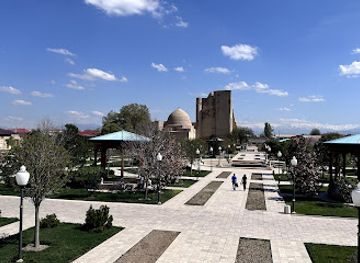
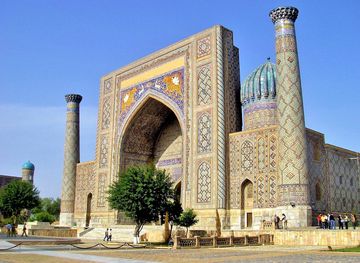
Shakhrisabz’s principal attractions are gathered around its historic centre, where the immense surviving portal of Ak-Saray reveals the ambition of Amir Timur’s palace complex. The scale of the entrance, with fragments of richly coloured glazed tile, is more impressive when viewed from the formal public spaces around it. The Dorut Tilovat complex offers a quieter sequence of religious monuments, including the blue-domed Kok Gumbaz Mosque and mausoleums connected with Timurid-era scholars and spiritual figures. At Dorus Saodat, the remains of Timur’s dynastic complex and the tomb associated with his son Jahangir provide a more intimate encounter with the ruling family’s memorial traditions. Parks and tree-lined avenues soften the archaeological setting, while local markets introduce the agricultural character of the Kashkadarya oasis. Beyond the centre, the roads towards the surrounding valleys bring access to rural landscapes and mountain scenery, although these are regional excursions rather than city attractions.
-
Historical landmark
Ak-Saray Palace
Explore the majestic Ak-Saray Palace in Shahrisabz, a stunning historical landmark reflecting the grandeur of the Timurid era in Uzbekistan.
7 min walk · 0.5 km from city centre
-
Memorial
Mausoleum of Sheikh Shamseddin Kulyal
Discover the serene beauty and rich history at the Mausoleum of Sheikh Shamseddin Kulyal in Shahrisabz, Uzbekistan – a must-visit for culture enthusiasts.
13 min walk · 1.1 km from city centre
-
Museum
Amir Temur Crypt
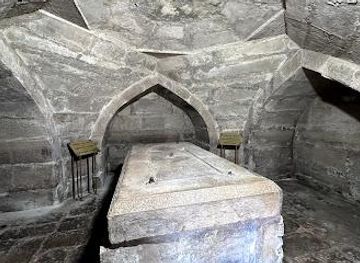
Discover the grandeur of the Amir Temur Crypt in Shahrisabz, a UNESCO World Heritage site that honors the legacy of the Timurid Empire.
12 min walk · 1.0 km from city centre
-
History museum
Medrese Chubin
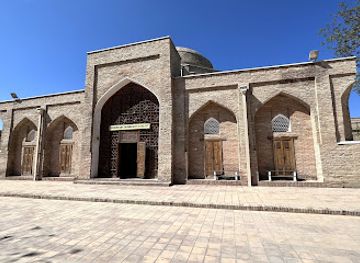
Discover the architectural beauty and historical significance of Medrese Chubin in Shahrisabz, Uzbekistan, a treasure trove of culture and knowledge.
4 min walk · 0.4 km from city centre

Best landmarks in Shakhrisabz
The defining landmark of Shakhrisabz is the surviving entrance portal of Ak-Saray, the ruined palace commissioned by Amir Timur in the late fourteenth century. Its towering brickwork and surviving turquoise, blue and white tile fragments convey the ceremonial scale of Timurid architecture despite the palace’s destruction. The Kok Gumbaz Mosque, whose name refers to its blue dome, anchors the Dorut Tilovat complex and represents the religious architecture associated with the city’s Timurid heritage. Nearby mausoleums, including the Gumbazi Sayyidon and the tomb of Shamsiddin Kulol, form a commemorative ensemble rather than isolated monuments. The Dorus Saodat complex preserves another layer of dynastic memory, including the tomb associated with Timur’s eldest son Jahangir. Together these sites show how palaces, mosques and mausoleums shaped Shakhrisabz as a city of imperial remembrance.
-
Historical landmark
Ak-Saray Palace
Explore the breathtaking Ak-Saray Palace in Shahrisabz, a UNESCO World Heritage site that showcases the grandeur of Timurid architecture and Uzbekistan's rich history.
7 min walk · 0.5 km from city centre
-
Monument
Statue of Amir Temur
Discover the Statue of Amir Temur in Shahrisabz, a monumental tribute to the rich heritage and history of Uzbekistan.
5 min walk · 0.4 km from city centre
-
Mosque
Kok Gumbaz Mosque
Explore the stunning Kok Gumbaz Mosque in Shahrisabz, a magnificent example of Timurid architecture and a key part of Uzbekistan's cultural heritage.
13 min walk · 1.1 km from city centre
-
Historical landmark
Oq saroy tarixiy yodgorligi
Discover the historical marvel of Oq Saroy in Shahrisabz, a UNESCO World Heritage site that showcases the grandeur of the Timurid dynasty.
7 min walk · 0.5 km from city centre


Explore Shakhrisabz on the map
Plan your Shakhrisabz trip on one map. See where the top attractions, landmarks, restaurants, bars and hotels are, find what's near where you're staying, and book hotels and experiences in a few clicks.
Best hotels in Shakhrisabz
Best restaurants in Shakhrisabz
Dining in Shakhrisabz reflects the cooking of southern Uzbekistan, where rice, wheat, meat, vegetables and herbs form the basis of everyday meals. Plov remains central, with regional variations prepared for family occasions and communal gatherings, while shashlik, lagman noodles, manti dumplings, samsa pastries and fresh non bread are widely encountered across Uzbek cuisine. Local cafés and chaikhanas offer a more informal setting for tea, soups, grilled meat and shared plates; a chaikhana is traditionally a social place as much as a restaurant. Market stalls and small food counters provide seasonal fruit, dried produce and simple snacks rather than a formal street-food scene. Meals may be accompanied by salads of tomato, cucumber and onion, and yoghurt-based or herb-rich sides. In the historic centre, dining is generally straightforward and local, while larger hotels may provide broader menus for international travellers.
-
Restaurant
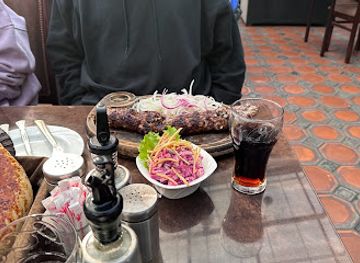
Chorsu Milliy taomlar
Discover authentic Uzbek flavors at Chorsu Milliy Taomlar in Shahrisabz - where tradition meets taste.
6 min drive · 2.0 km from city centre
-
Restaurant
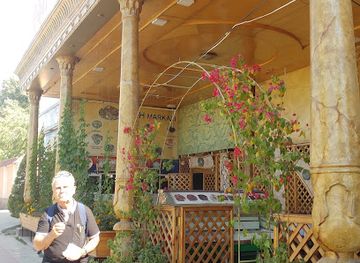
Restourant OSH MARKAZI
Discover the flavors of Uzbekistan at Restaurant OSH MARKAZI in Shahrisabz - where tradition meets taste.
8 min drive · 2.6 km from city centre
-
Restaurant
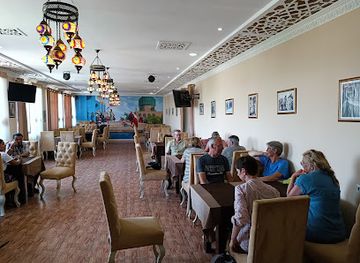
Restaurant MAYSA
Discover the authentic taste of Uzbek cuisine at Restaurant MAYSA in Shahrisabz - where tradition meets culinary excellence.
17 min walk · 1.3 km from city centre
-
Pizza
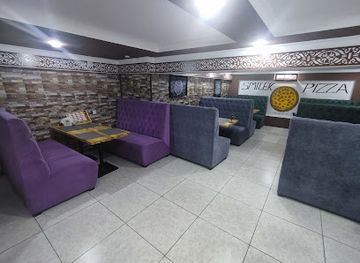
Smilek pizza
Experience authentic Italian flavors at Smilek Pizza in Shahrisabz – where every slice tells a story.
3 min walk · 0.2 km from city centre
Best bars in Shakhrisabz
Shakhrisabz has a restrained evening scene rather than a concentrated nightlife district. After sunset, residents and visitors are more likely to gather in cafés, chaikhanas, hotel restaurants or landscaped public areas than in dedicated clubs. Tea houses provide a sociable setting for conversation, while evening walks around the illuminated historic centre can offer a rewarding way to view the Ak-Saray remains and surrounding monuments after the heat of the day. Alcohol is available in some licensed restaurants and hotels, but drinking is not the defining feature of local social life, and entertainment is generally low-key. Cultural programmes, family gatherings and occasional performances may provide further evening interest, though schedules are variable. Visitors should dress and behave respectfully near mosques, mausoleums and other religious sites, where public conduct remains more important than late-night entertainment.
-
Restaurant
Restourant OSH MARKAZI
Experience authentic Uzbek cuisine at Restourant OSH MARKAZI in Shahrisabz, a vibrant dining destination reflecting the region's rich culinary heritage.
8 min drive · 2.6 km from city centre
-
Family-friendly
AMIRBEK , RESTORAN
Discover the authentic flavors of Uzbekistan at Amirbek Restaurant, a family-friendly dining spot in Shahrisabz with a cozy atmosphere.
3 min walk · 0.3 km from city centre
-
Restaurant
Koba Restaurant
Discover the flavors of Uzbekistan at Koba Restaurant in Shahrisabz, where authentic dishes and local hospitality await you.
8 min walk · 0.6 km from city centre
-
Restaurant
SULTON SAROY, restaurant
Discover the authentic flavors of Uzbekistan at Sulton Saroy, a top-rated restaurant in Shahrisabz, where tradition meets taste in every dish.
9 min drive · 3.1 km from city centre


Best nightclubs in Shakhrisabz
Shakhrisabz has a restrained evening scene rather than a concentrated nightlife district. After sunset, residents and visitors are more likely to gather in cafés, chaikhanas, hotel restaurants or landscaped public areas than in dedicated clubs. Tea houses provide a sociable setting for conversation, while evening walks around the illuminated historic centre can offer a rewarding way to view the Ak-Saray remains and surrounding monuments after the heat of the day. Alcohol is available in some licensed restaurants and hotels, but drinking is not the defining feature of local social life, and entertainment is generally low-key. Cultural programmes, family gatherings and occasional performances may provide further evening interest, though schedules are variable. Visitors should dress and behave respectfully near mosques, mausoleums and other religious sites, where public conduct remains more important than late-night entertainment.
-
Family-friendly
AMIRBEK , RESTORAN
Discover the flavors of Uzbekistan at Amirbek Restaurant, a family-friendly dining spot in Shahrisabz offering authentic local dishes and a warm atmosphere.
3 min walk · 0.3 km from city centre
-
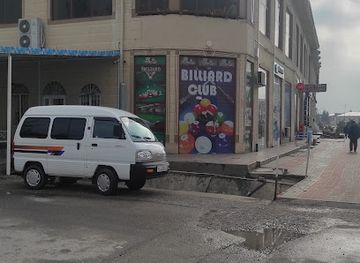
Pool hall
billiard club
Discover the vibrant billiard scene in Shahrisabz, where fun meets competition in a welcoming atmosphere.
16 min walk · 1.3 km from city centre
-
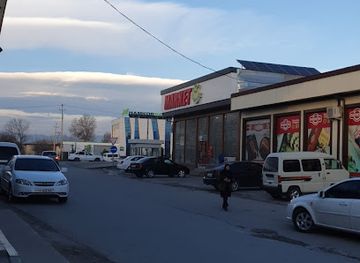
Night club
Akmal Aka market
Discover the lively Akmal Aka Market in Shahrisabz, where local culture comes alive through crafts, cuisine, and community spirit.
17 min walk · 1.4 km from city centre
-
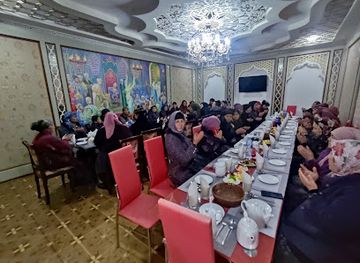
Karaoke bar
Karaoke
Experience the joy of singing at the Karaoke Bar in Shahrisabz, where every note creates unforgettable memories in a lively atmosphere.
16 min walk · 1.3 km from city centre
Best shops in Shakhrisabz
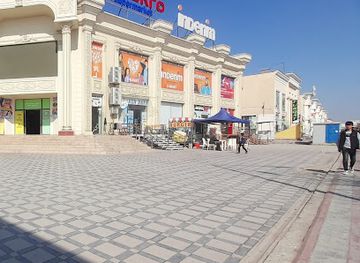
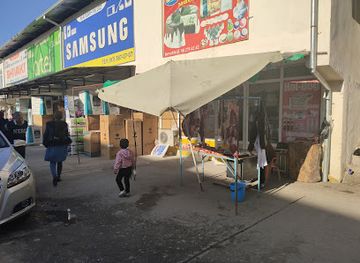
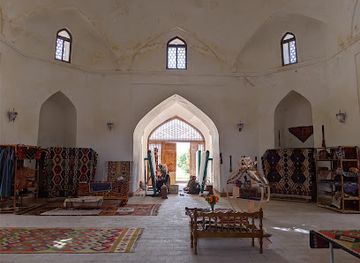
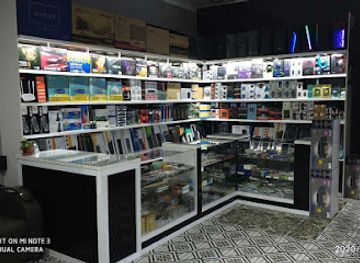
Shopping in Shakhrisabz is centred more on local markets and everyday commerce than on large-scale retail. Produce markets reveal the agricultural character of the Kashkadarya oasis, with fruit, vegetables, dried goods, bread and household staples sold alongside small food stalls. Visitors may find Uzbek textiles, embroidered items, ceramics, carved objects and regional food products through craft sellers or local workshops, although selection and availability vary. Traditional suzani embroidery, recognised for its colourful stitched patterns, belongs to the wider Uzbek craft tradition and should be distinguished from mass-produced souvenirs. Small shops around the centre sell practical goods and snacks, while larger commercial areas provide ordinary clothing and household retail rather than specialist international brands. Bargaining may be acceptable in informal market settings, but a friendly and measured approach is more appropriate than aggressive negotiation.
-
Costume jewelry shop
Insta_shop
Explore Shahrisabz's Insta_shop for unique handcrafted costume jewelry and immerse yourself in Uzbekistan's rich cultural heritage.
5 min drive · 1.8 km from city centre
-
Shopping mall
SHAXRISABZ DEHQON BOZORI
Discover the local charm and vibrant culture at Shaxrisabz Dehqon Bozori, a premier shopping destination in Uzbekistan.
6 min drive · 2.1 km from city centre
-
Market
Chorsu
Experience the vibrant culture and flavors of Shahrisabz at Chorsu Market, where local traditions come alive amidst a lively bazaar atmosphere.
9 min walk · 0.8 km from city centre
-
Computer store
ASUS COMPUTERS
Explore cutting-edge technology at ASUS Computers in Shahrisabz, a tech haven for all your computing needs.
5 min walk · 0.4 km from city centre
Get your free copy of our complete guide to Shakhrisabz, delivered straight to you.
Everything on this page, from attractions and restaurants to essentials and local phrases, in one PDF you can read offline, print or share.
Already have an account? Sign in
Your Shakhrisabz guide is ready.
We'll send it to · Not you? Sign out

Getting your guide ready…
We are putting together a fresh copy of the Shakhrisabz guide. This can take up to a minute.
This can take a few moments. If your browser asks, choose Allow so the download can start. You'll find the guide in your Downloads folder.
Nothing happened? Download it again
Sorry, the guide is taking longer than usual. Please try again in a minute, or get it by email instead.
Shakhrisabz essentials
Currency and Payment
Safety
Emergency Situations
Do's and Don'ts
Local Tips
From Eve
Local phrases worth knowing
You don't need to get them perfect. A few words go a long way, and locals appreciate the effort.
Basics
| English | Local | Say it |
|---|---|---|
| Hello | Салом | [Salom] |
| Goodbye | Хайир | [Hayir] |
| Yes | Ҳа | [Ha] |
| No | Йўқ | [Yo'q] |
| Please/You're welcome | Марҳамат | [Marhamat] |
| Thank you | Раҳмат | [Rahmat] |
| Excuse me/Sorry | Кечиринг | [Kechiring] |
| How are you? | Қалсизми? | [Qalsizmi?] |
| Fine. And you? | Жуда ёхуд. Сизча? | [Judayohud. Sizcha?] |
| Do you speak English? | Инглиз тилини билишингиз мумкинми? | [Ingiliz tilini bilishingiz mumkinmi?] |
| I don't understand | Мени тушунмадим | [Meni tushunmadim] |
Eating & Drinking
| English | Local | Say it |
|---|---|---|
| I'd like to see the menu, please | Менюни кўрмоқчиман, марҳамат | [Menyuni ko'rmoqchiman, marhamat] |
| I don't eat meat | Мен гўсфурмайман | [Men go'sfurmayman] |
| Cheers! | Сайёқот | [Sayoqot] |
| I would like to pay, please | Тўлаб бермоқчиман, марҳамат | [Tolab bermoqchiman, marhamat] |
Emergencies
| English | Local | Say it |
|---|---|---|
| Help! | Ёрдам! | [Yordam!] |
| Go away! | Ёлланг! | [Yollang!] |
| Call the Police! | Полицияни чақиринг! | [Poliyani chaqiring!] |
| Call a doctor! | Докторни чақиринг! | [Doktorni chaqiring!] |
| I'm lost | Менлар маҳсулот | [Menlar mahsulot] |
| I'm ill | Мен касалман | [Men kasalman] |
Shopping
| English | Local | Say it |
|---|---|---|
| I'd like to buy... | Сотиб олишни истайман... | [Sotib olishni istayman...] |
| I'm just looking | Мен фақат кўзимни ўчираман | [Men faqat ko'zimni o'chiraman] |
| How much is it? | Ҳаммаси чиқарми? | [Hammasi chiqarmi?] |
| That's too expensive | Ушбу очиқ | [Ushbu ochiq] |
| Can you lower the price? | Нархни тўлдирмоқ мумкинми? | [Narxni to'ldirmoq mumkinmi?] |
Time & Numbers
| English | Local | Say it |
|---|---|---|
| What time is it? | Соат қачон? | [Soat qachon?] |
| It's one o'clock | Соат бир | [Soat bir] |
| Half past (10) | Ёрт чорак (10) | [Yort chorak (10)] |
| Morning | Тун | [Tun] |
| Afternoon | Кеч | [Kech] |
| Evening | Кеш | [Kesh] |
| Yesterday | Кеча | [Kecha] |
| Today | Бугун | [Bugun] |
| Tomorrow | Эртага | [Ertaga] |
| 1 | 1 | [1] |
| 2 | 2 | [2] |
| 3 | 3 | [3] |
| 4 | 4 | [4] |
| 5 | 5 | [5] |
| 6 | 6 | [6] |
| 7 | 7 | [7] |
| 8 | 8 | [8] |
| 9 | 9 | [9] |
| 10 | 10 | [10] |
Transport & Directions
| English | Local | Say it |
|---|---|---|
| Where's a/the...? | ...қа қайда? | [...qa qayda?] |
| What's the address? | Манзили қандай? | [Manzili qanday?] |
| Can you show me (on the map)? | Менга кўрсатарми? | [Menga ko'rsatarmi?] |
| When's the next (bus)? | Кейинги (автобус) қачон? | [Keyingi (avtobus) qachon?] |
| A ticket (to ....) | Билет (га ...) | [Bilet (ga ...)] |
History of Shakhrisabz
Ancient Kesh and Early Settlements
Shakhrisabz developed from the ancient settlement of Kesh, a historic centre in the fertile Kashkadarya oasis. The surrounding region was connected to routes crossing Transoxiana, linking agricultural communities with merchants and travellers moving between Central Asia, Persia and the wider Iranian cultural world. Kesh belonged at different times to larger political powers, including the Achaemenid sphere and later states shaped by Hellenistic, Iranian and Central Asian traditions. The city’s importance rested on its cultivated lands and strategic position near routes leading towards mountain passes. Although much of the earliest urban fabric has disappeared beneath later development, the name Kesh remains central to the city’s historical identity and explains why Shakhrisabz is regarded as one of southern Uzbekistan’s longstanding urban centres.
Islamic Kesh and Regional Power
During the medieval Islamic period, Kesh became part of the political and cultural world of Transoxiana. Local agriculture supported an urban population, while religious institutions, craft production and commerce connected the settlement with neighbouring cities such as Samarkand and Bukhara. Arab, Persian and Turkic influences shaped the region over successive centuries, and Islam became a defining element of public and intellectual life. The city also experienced the political changes that followed the Arab conquest and the rise of later dynasties in Central Asia. Its position near the Kashkadarya valley and mountain approaches made it valuable to rulers competing for control of the region, even when political authority was exercised from larger capitals.
Amir Timur and the Transformation of Kesh
The city’s history changed decisively in the fourteenth century when Amir Timur was born nearby in 1336 at Khoja Ilghar. After rising to power, he promoted Kesh as a city worthy of his lineage and invested in monumental construction. The great Ak-Saray palace, the Dorut Tilovat memorial complex and the Dorus Saodat dynastic complex were built or expanded during the Timurid period. Timur’s ambitions turned the city into a ceremonial and dynastic centre, even though Samarkand became the principal imperial capital. The surviving architecture reflects the Timurid preference for monumental scale, glazed tilework and carefully planned religious and commemorative spaces.
Timurid Legacy and Later Rule
After Timur’s death, power within the Timurid world shifted among rival princes, and Shakhrisabz gradually lost some of its political prominence. The city nevertheless retained its religious importance and its association with the Timurid dynasty. Later Central Asian rulers governed the region through changing khanates and local authorities, while agriculture, craft production and regional trade continued to sustain settlement in the Kashkadarya oasis. The monuments of the old centre survived in altered condition, sometimes surrounded by later buildings and gardens. Their continued presence preserved the memory of Kesh as Amir Timur’s home city even when its imperial role had long passed.
Modern Shakhrisabz and World Heritage
Shakhrisabz became part of the Uzbek Soviet Socialist Republic in 1924 and later the independent Republic of Uzbekistan in 1991. Modern development brought new roads, public buildings and planned spaces around the historic core, while archaeological and conservation work drew increasing attention to the Timurid remains. In 2000, the Historic Centre of Shakhrisabz was inscribed on the UNESCO World Heritage List for its architectural and historical importance. The city’s contemporary identity combines Uzbek civic life with the enduring legacy of Amir Timur, represented by the monumental ruins, mausoleums and mosques that remain its defining cultural landmarks.
Shakhrisabz in Photos
Browse through our photo collection highlighting the charm and character of the destination.
Cities near Shakhrisabz
The closest cities to Shakhrisabz, if you have time for more than one stop.
-

-

-

-

-


Swipe for more cities
Explore more
Explore more of Uzbekistan
Discover Uzbekistan: A land of ancient cities, vibrant culture, and breathtaking landscapes, where history comes alive along the legendary Silk Road.
Explore Uzbekistan